



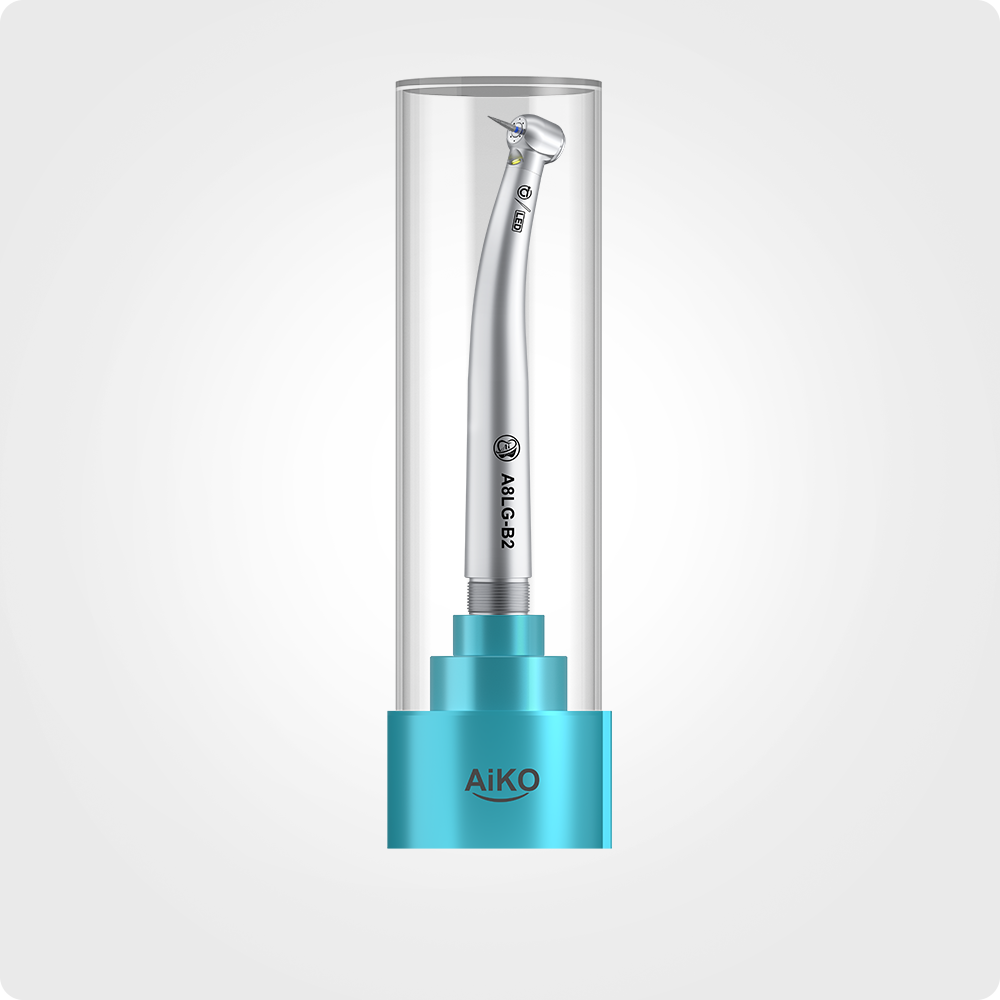
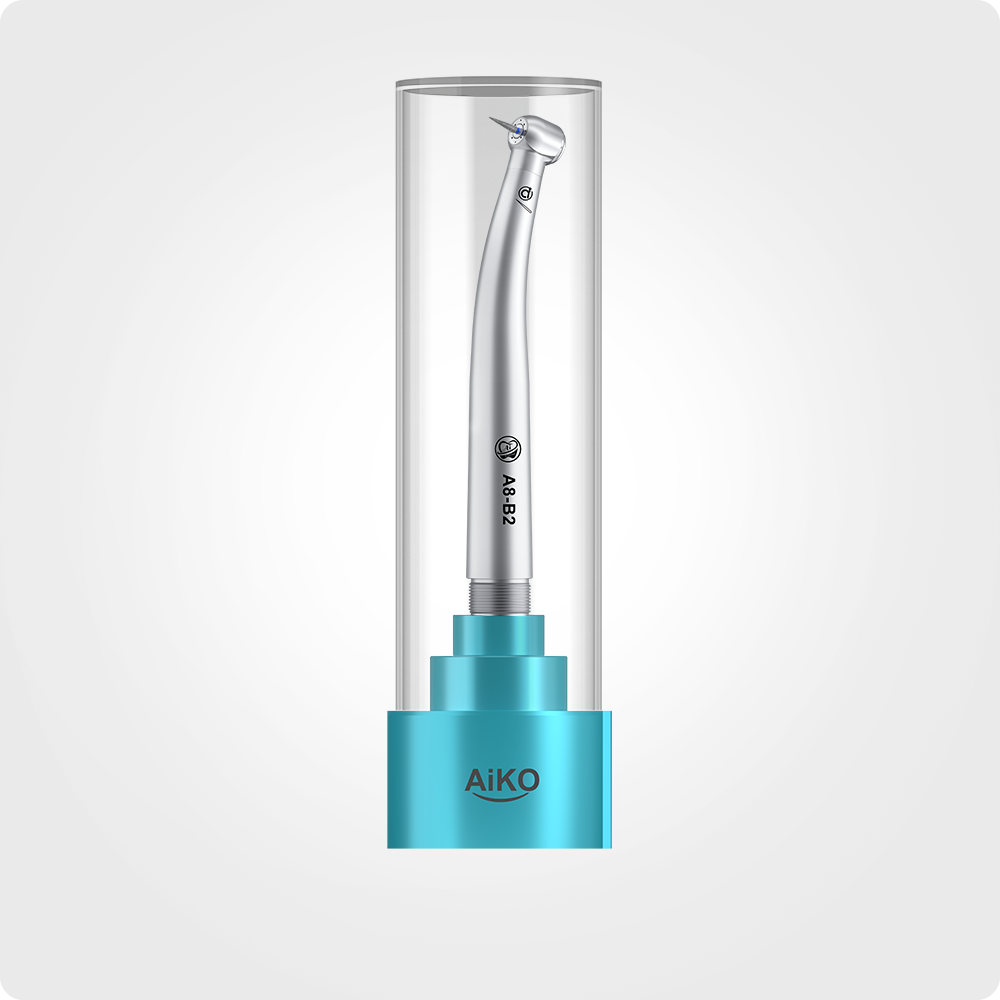
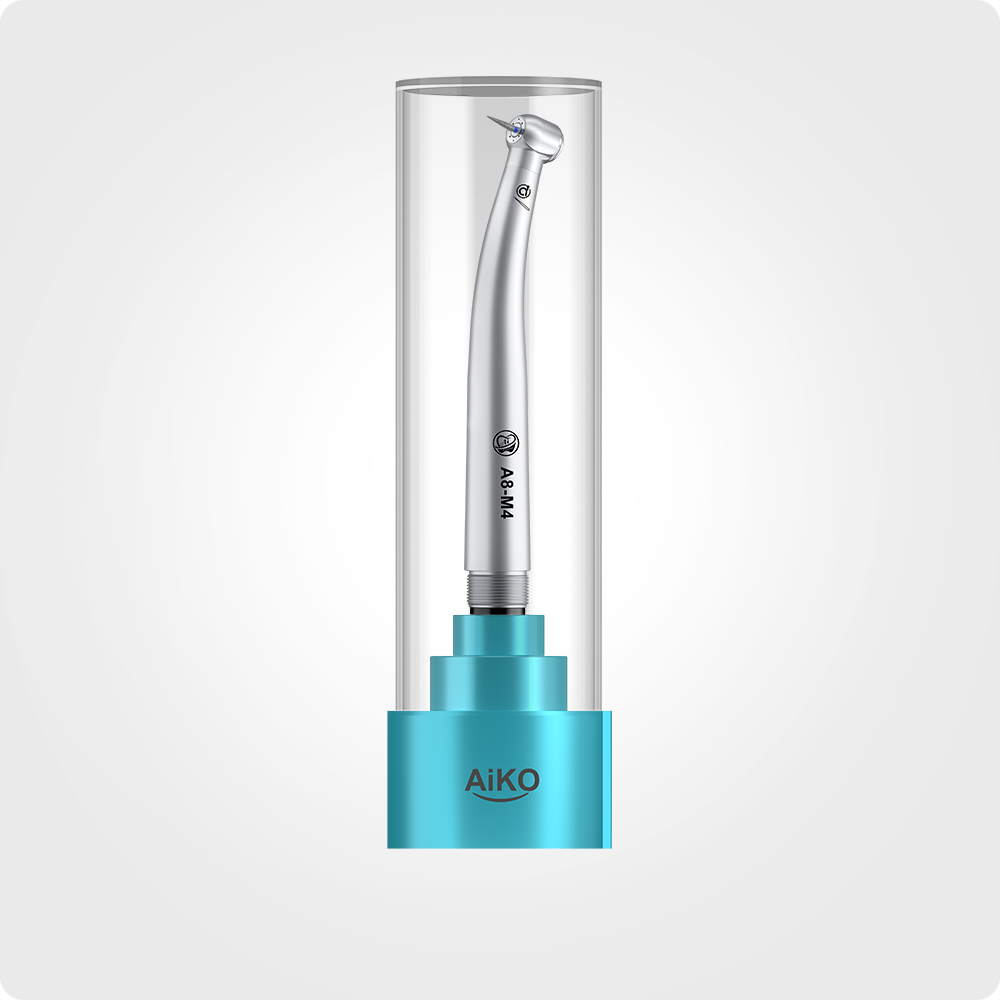
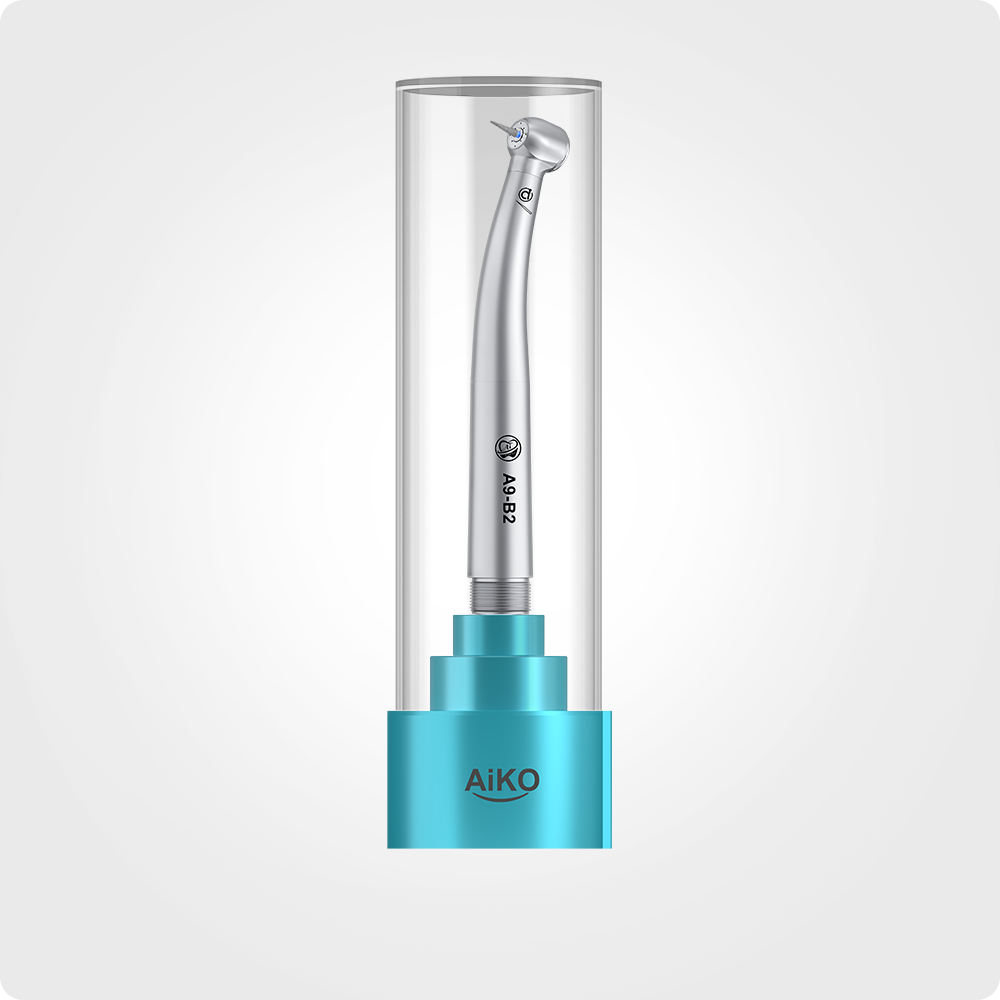
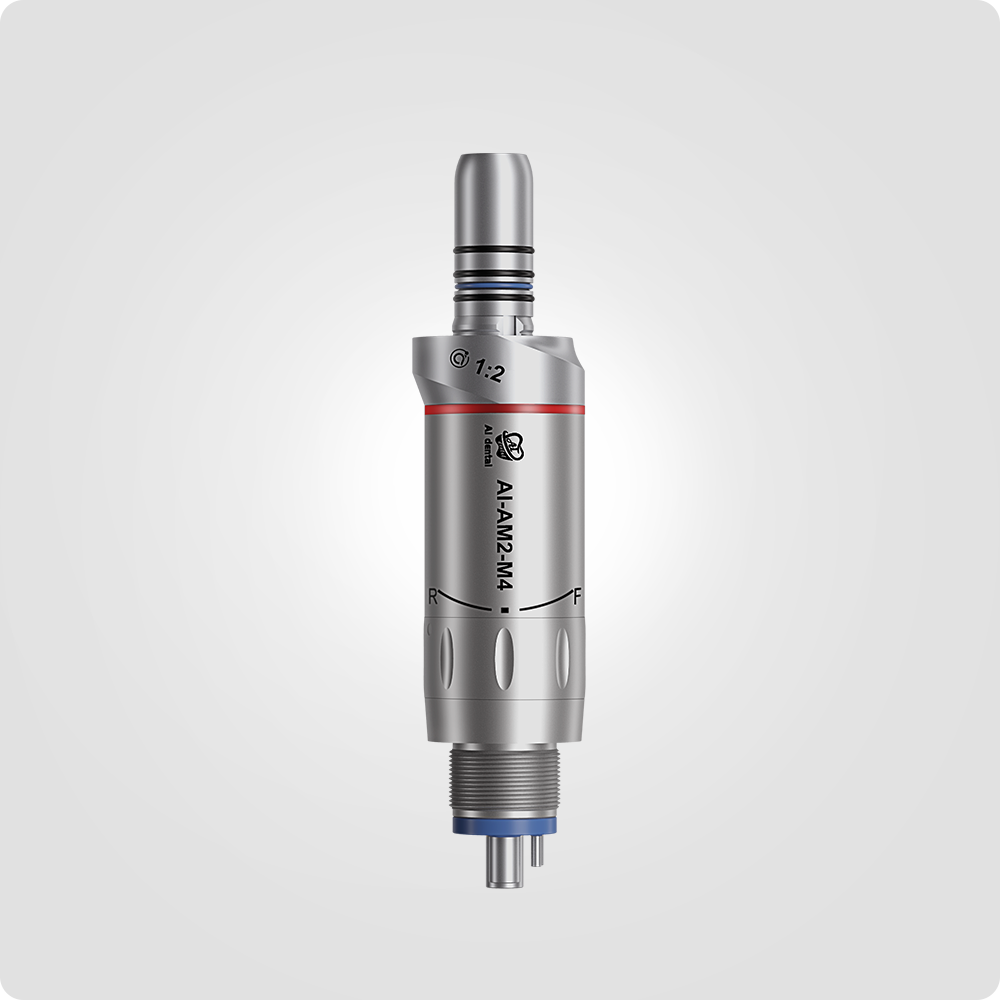








Dental Products: AI-AM2-M4 Air Turbine Handpiece Combines Practical Design with Stable Performance
Sep 17,2026

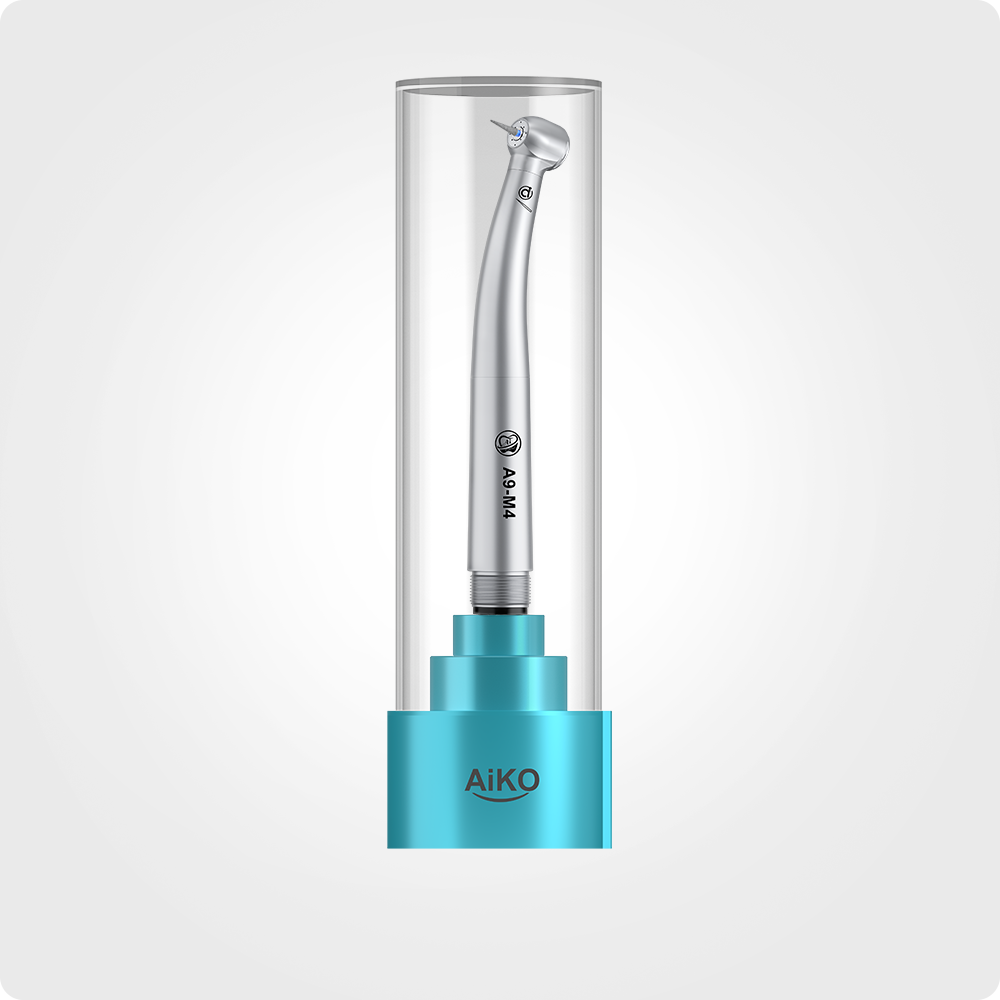
n modern dental treatment, equipment design plays an important role in supporting efficient and comfortable clinical procedures. Among various dental products, air turbine handpieces are widely used for high-speed cutting and preparation work. Their performance is closely related to speed, noise, water supply, air pressure, and the materials used in the handpiece body. The AI-AM2-M4 is designed with a stainless body, internal water spray, and a maximum speed of 40,000 min-1, offering a practical configuration for dental professionals who require reliable operating parameters.
AI-AM2-M4 Product Overview
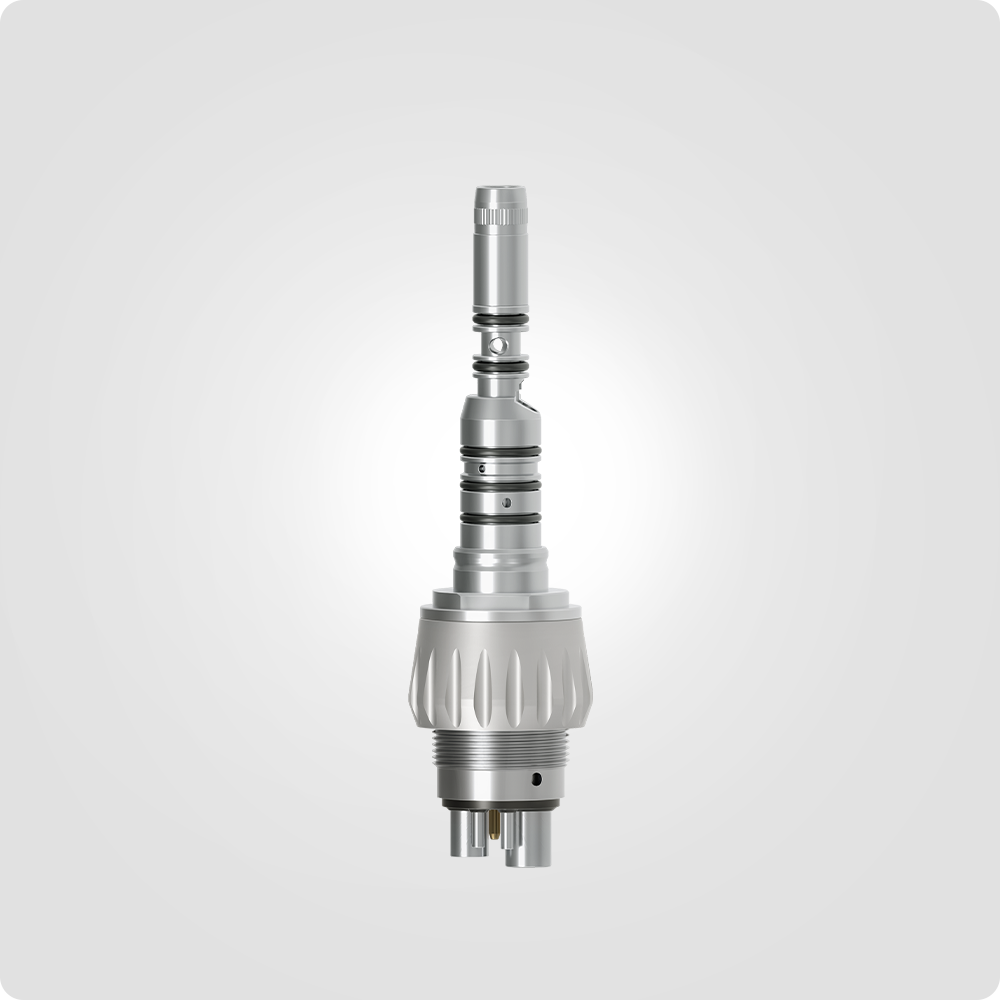
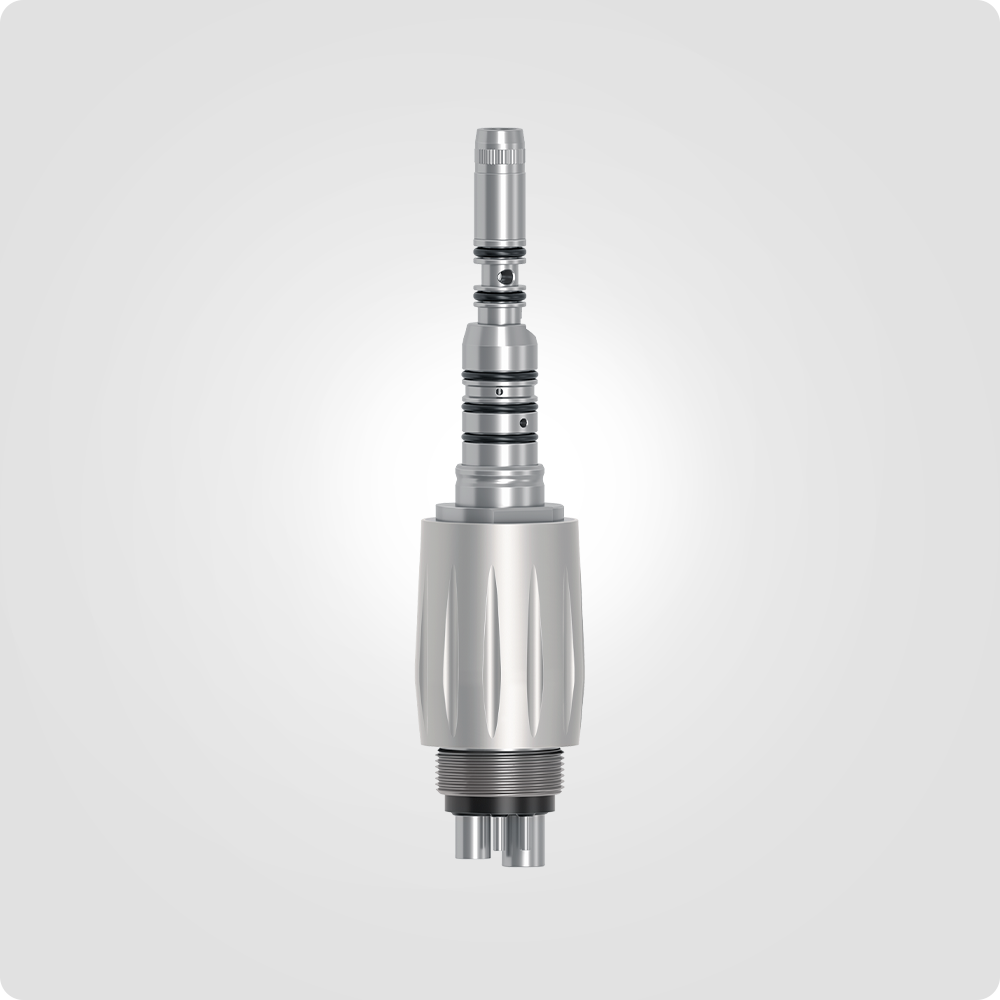
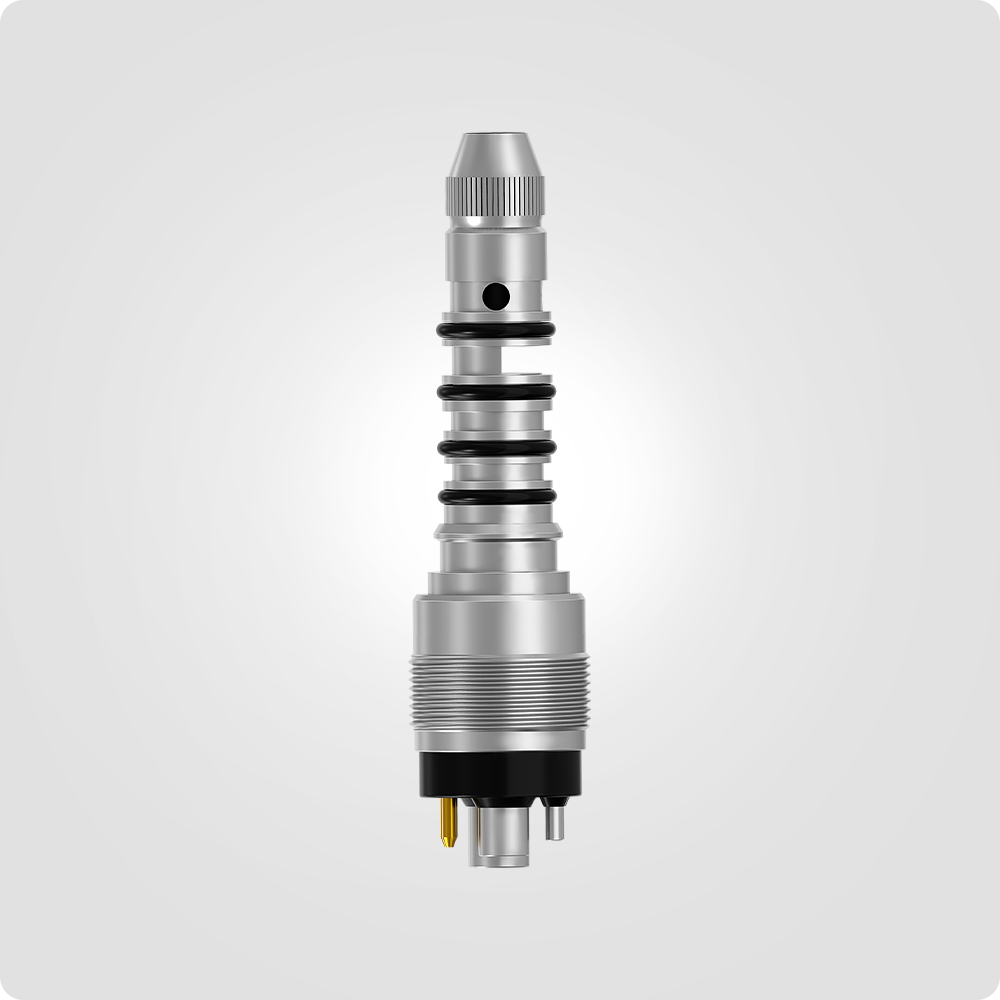
The AI-AM2-M4 is an air-driven dental handpiece featuring internal water spray and a stainless body. Its maximum noise level is specified as 55dB, while the maximum speed reaches 40,000 min-1. These parameters provide important reference points for dental clinics when evaluating equipment for routine treatment environments.
The product information identifies internal water spray as its water delivery method. This configuration places the spray function inside the handpiece structure rather than relying on an external spray arrangement. Water consumption is listed as 0.08–0.20MPa, while air consumption is listed as 0.25–0.30MPa. These values should be considered when matching the handpiece with the available dental unit and operating conditions.
Internal Water Spray for Dental Procedures
Water spray is an important feature in many high-speed dental procedures. During operation, the cutting process can generate heat, and water spray is commonly used as part of the cooling arrangement. The AI-AM2-M4 uses an internal water spray design, providing a built-in water delivery structure within the handpiece.
The stated water consumption range is 0.08–0.20MPa. Dental clinics can use this information to review compatibility with their existing water supply system. Before installation, operators should confirm that the dental unit can provide the required pressure and that the connection method is suitable for the handpiece.
The product information does not specify the spray pattern, nozzle number, or detailed cooling efficiency. These details should be confirmed with the manufacturer when a specific clinical application requires them. Keeping the available information clear helps buyers make equipment decisions without relying on unsupported performance claims.
Stainless Body and Practical Equipment Selection
The AI-AM2-M4 features a stainless body. Stainless material is commonly selected for dental equipment because the body material is an important part of the product’s durability, cleaning, and maintenance considerations. The exact stainless grade, surface treatment, and sterilization limitations are not provided in the current product information, so these specifications should be checked before purchase.
For dental clinics, body construction can influence daily handling and long-term equipment management. A handpiece may be used repeatedly throughout the working day, making material selection and maintenance procedures important parts of equipment planning. The stainless body of the AI-AM2-M4 provides a clearly defined construction feature, while users should follow the manufacturer’s cleaning, lubrication, and sterilization instructions.
Maximum Speed of 40,000 min-1
The maximum speed of the AI-AM2-M4 is 40,000 min-1. This specification indicates the highest stated rotational speed of the product under the manufacturer’s defined operating conditions. Speed is one of the main parameters used to compare air turbine handpieces because it affects how the instrument is selected for different dental procedures.
However, maximum speed alone does not describe the complete working performance of a handpiece. Actual operating speed may be influenced by air pressure, load, bur condition, and the dental unit. For this reason, the listed speed should be evaluated together with the air consumption range and the intended clinical application.
The AI-AM2-M4 product information does not specify torque, bearing type, chuck system, or bur compatibility. Buyers should request these details if they are necessary for their treatment workflow. This is particularly important when replacing an existing handpiece or integrating the product into a specific dental unit.

Noise Level and Working Environment
The maximum noise level of the AI-AM2-M4 is listed as 55dB. Noise is a practical consideration in dental treatment rooms, where patients and staff may spend extended periods near operating equipment. A clearly stated noise parameter allows clinics to include the handpiece in their broader equipment evaluation process.
The actual sound level during use can depend on operating pressure, maintenance condition, handpiece speed, and measurement method. Therefore, the 55dB figure should be understood as the stated maximum noise specification rather than a guarantee of the same sound level in every working situation.
Regular maintenance may also be important for preserving normal operating conditions. Dental professionals should use the recommended lubrication and cleaning procedures and check the handpiece if unusual noise or vibration occurs.
Air and Water Consumption Parameters
The AI-AM2-M4 lists air consumption at 0.25–0.30MPa and water consumption at 0.08–0.20MPa. These figures are essential when checking the relationship between the handpiece and the dental unit.
Before use, the operator should verify:
- Whether the dental unit provides the required air pressure.
- Whether the water supply meets the stated water pressure range.
- Whether the handpiece connection is compatible with the existing equipment.
- Whether the recommended operating and maintenance procedures are available.
- Whether the product is suitable for the intended bur and treatment application.
The supplied product information does not identify the connector type, hose configuration, or installation accessories. These items should be confirmed with the supplier before placing an order.
Considerations for Dental Product Buyers
When purchasing dental products, clinics often need to balance operating specifications, compatibility, maintenance requirements, and product configuration. The AI-AM2-M4 provides several defined parameters, including internal water spray, stainless body construction, 55dB maximum noise, and 40,000 min-1 maximum speed.
At the same time, several technical details remain unspecified in the available description. These include the bur type, head size, connector, chuck mechanism, bearing structure, sterilization method, and included accessories. Confirming these points can help avoid compatibility problems and ensure that the handpiece meets the requirements of the dental practice.
Suppliers can also provide additional information about available configurations, packaging, maintenance recommendations, and applicable operating instructions. Such details are especially useful for distributors, dental clinics, and equipment purchasers comparing different handpiece models.
Application and Maintenance Awareness
The AI-AM2-M4 can be evaluated as part of a dental equipment selection process where high rotational speed, internal water spray, and a stainless body are required features. Its listed parameters offer a starting point for comparing the product with other air-driven handpieces.
Correct maintenance remains important regardless of the handpiece model. Users should operate the product within the recommended air and water ranges, use compatible burs, and follow the manufacturer’s instructions for cleaning, lubrication, sterilization, and storage. If the handpiece develops abnormal noise, reduced speed, leakage, or vibration, it should be inspected before further clinical use.
With its defined speed, noise, air, water, and body material specifications, the AI-AM2-M4 provides a clear product profile for dental equipment evaluation. Further technical information from the manufacturer can help users determine its compatibility and suitability for their specific dental applications.
Related News
The Future of Dentistry: How AI Dental Handpieces are Revolutionizing Oral Care
Sep 22,2026
Choosing the Right Electric Micromotor for Your Dental Clinic: A Comprehensive Guide
Sep 20,2026
Focus On Dental Handpieces