











Maximizing Efficiency: How 1:5 Handpieces Revolutionize Dental Procedures
Sep 18,2026
Views ()

Maximizing Efficiency: How 1:5 Handpieces Revolutionize Dental Procedures
Table of Contents
1. Introduction to 1:5 Handpieces in Dentistry
2. Understanding 1:5 Handpiece Technology
2.1 What is a 1:5 Handpiece?
2.2 Key Advantages of 1:5 Handpieces
3. The Role of 1:5 Handpieces in Dental Procedures
3.1 Increased Efficiency and Speed
3.2 Enhanced Precision in Dental Treatments
4. Comparing 1:5 Handpieces to Traditional Alternatives
4.1 Performance Metrics
4.2 Cost-Effectiveness and Longevity
5. The Impact on Patient Experience
5.1 Comfort and Reduced Treatment Time
5.2 Improved Outcomes and Satisfaction
6. Future Trends in Dental Handpiece Technology
6.1 Innovations on the Horizon
6.2 The Role of Digital Integration
7. Frequently Asked Questions (FAQs)
8. Conclusion
1. Introduction to 1:5 Handpieces in Dentistry
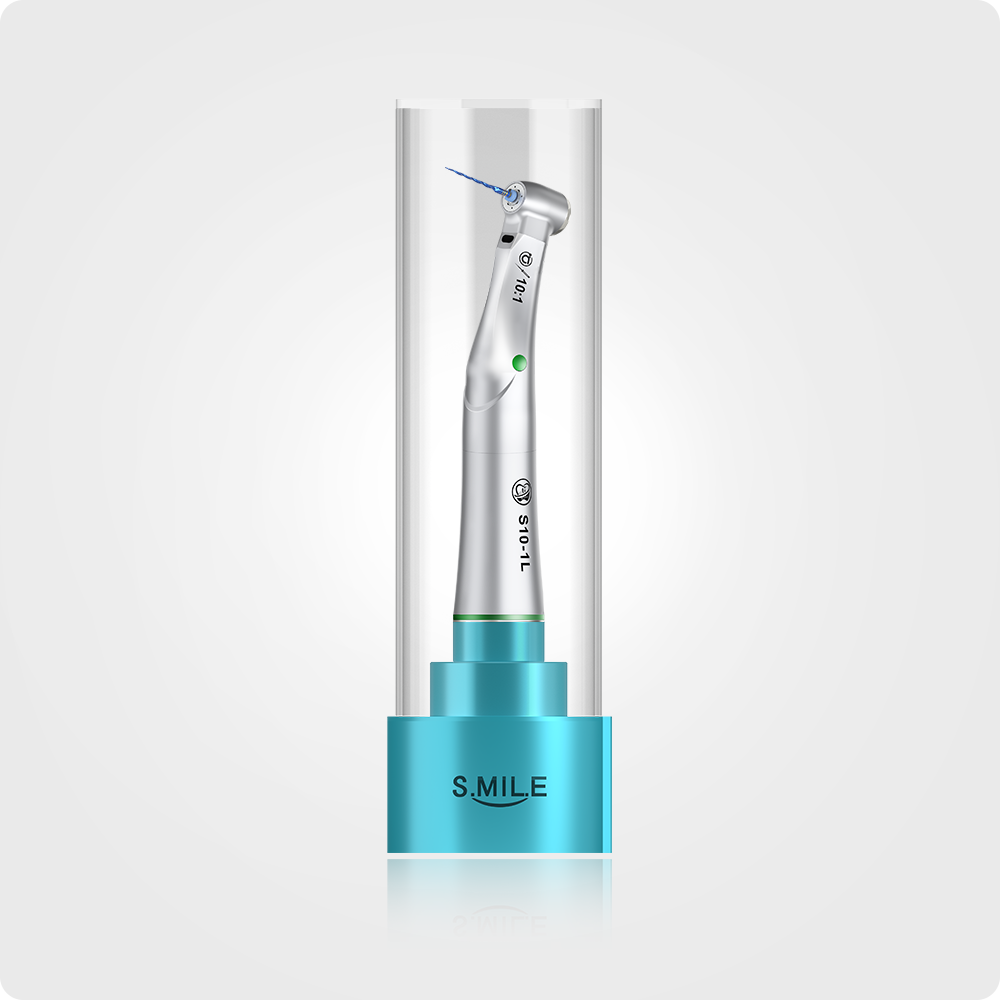
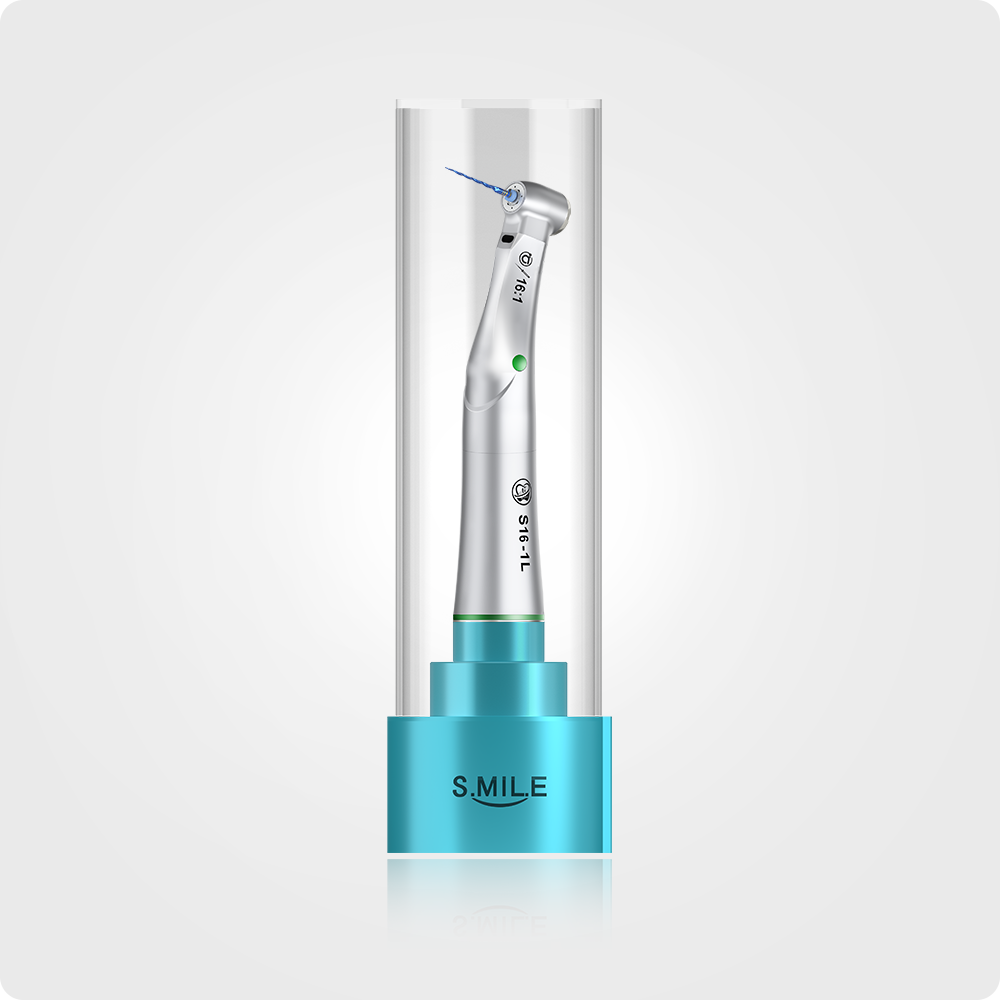
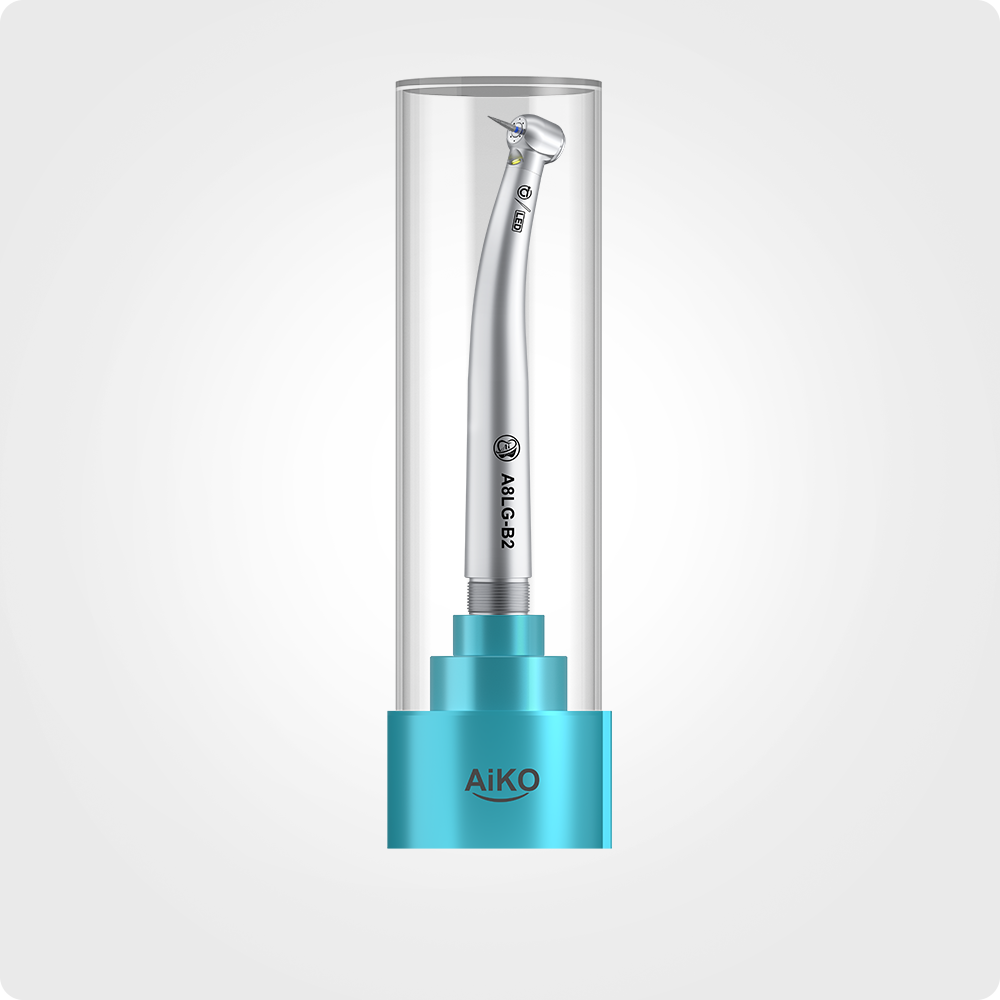
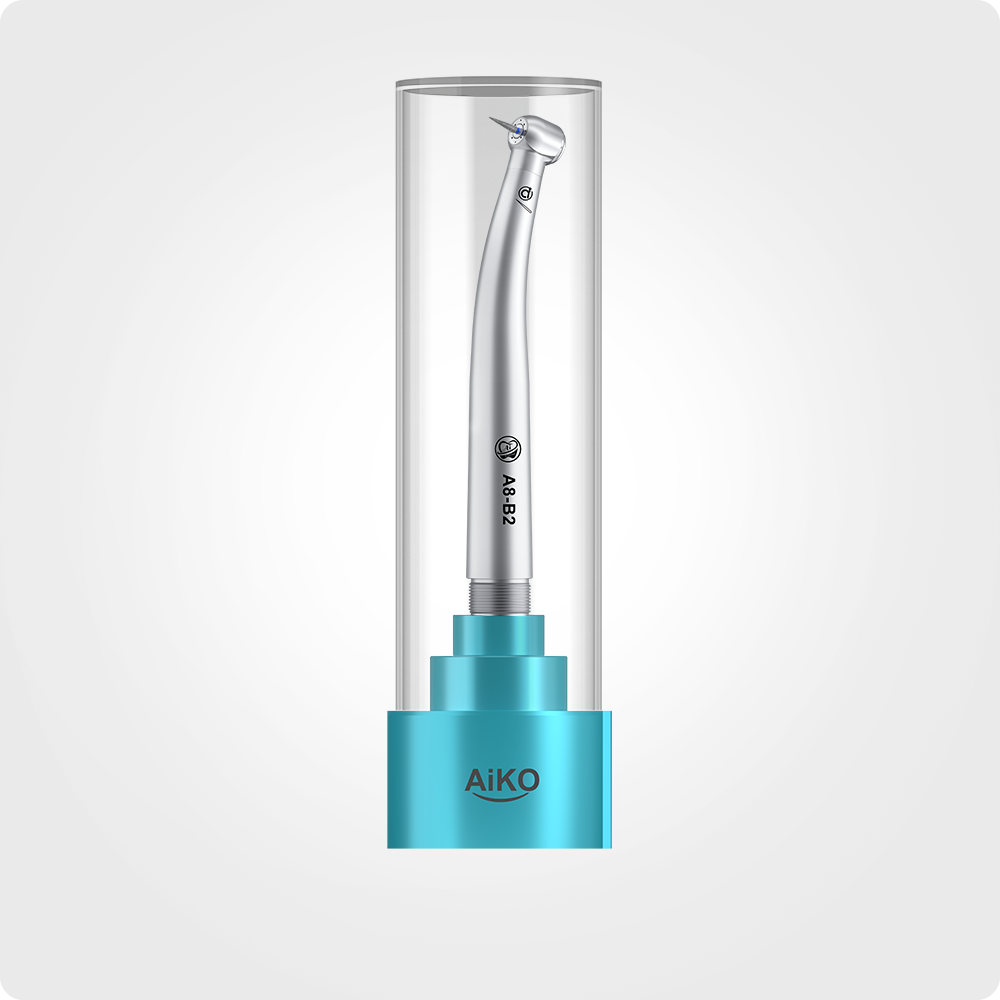
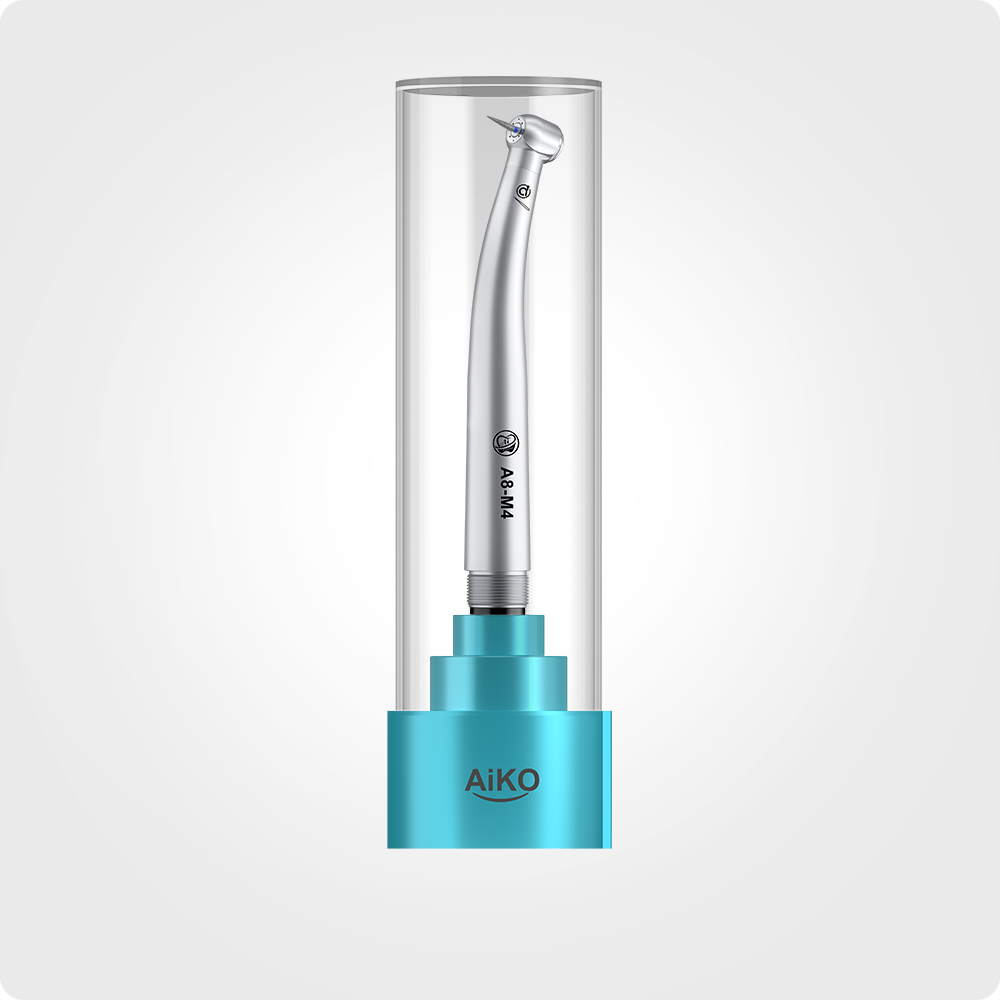
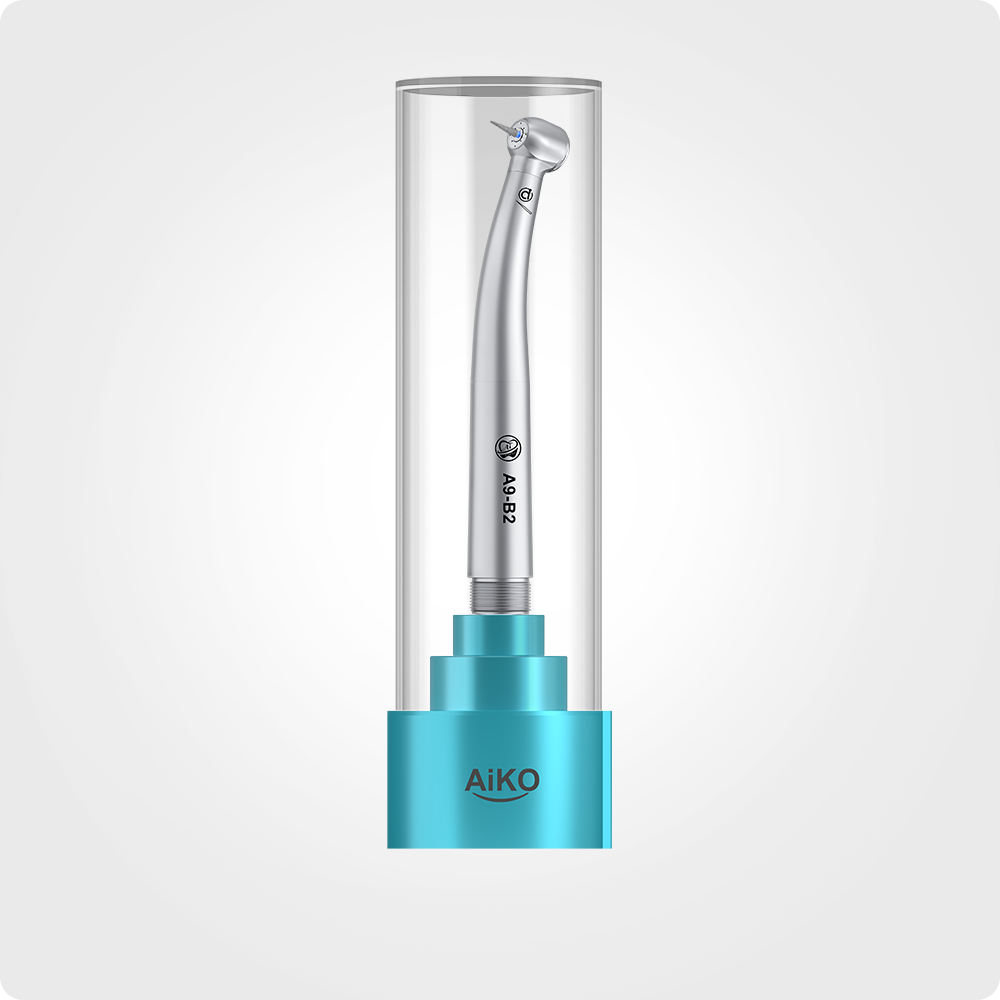
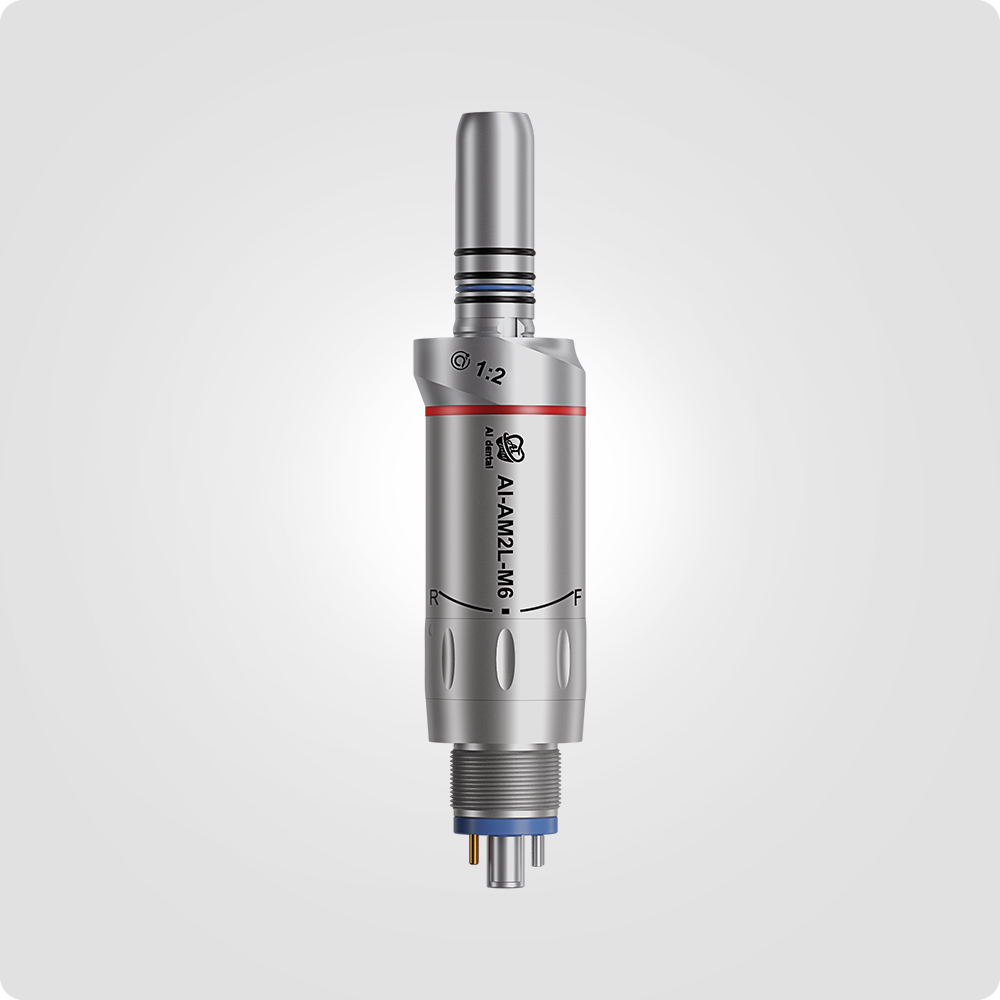
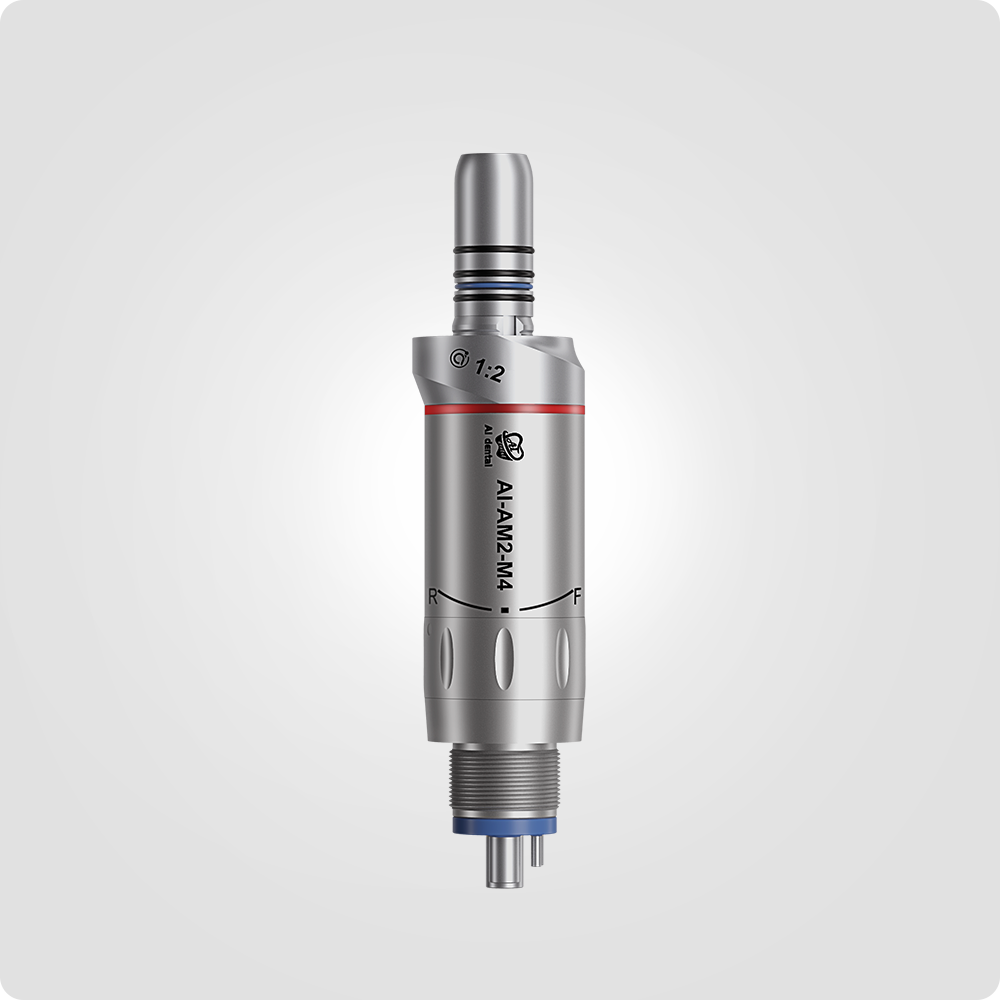
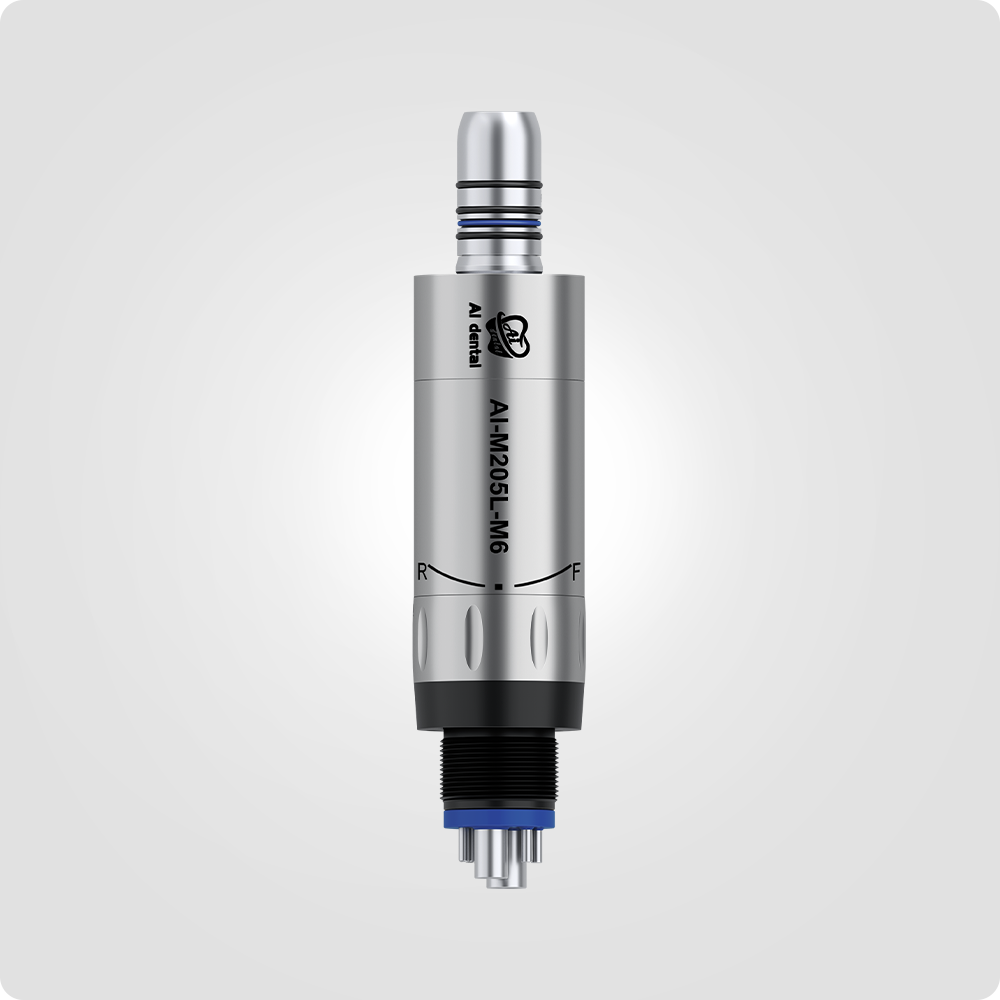
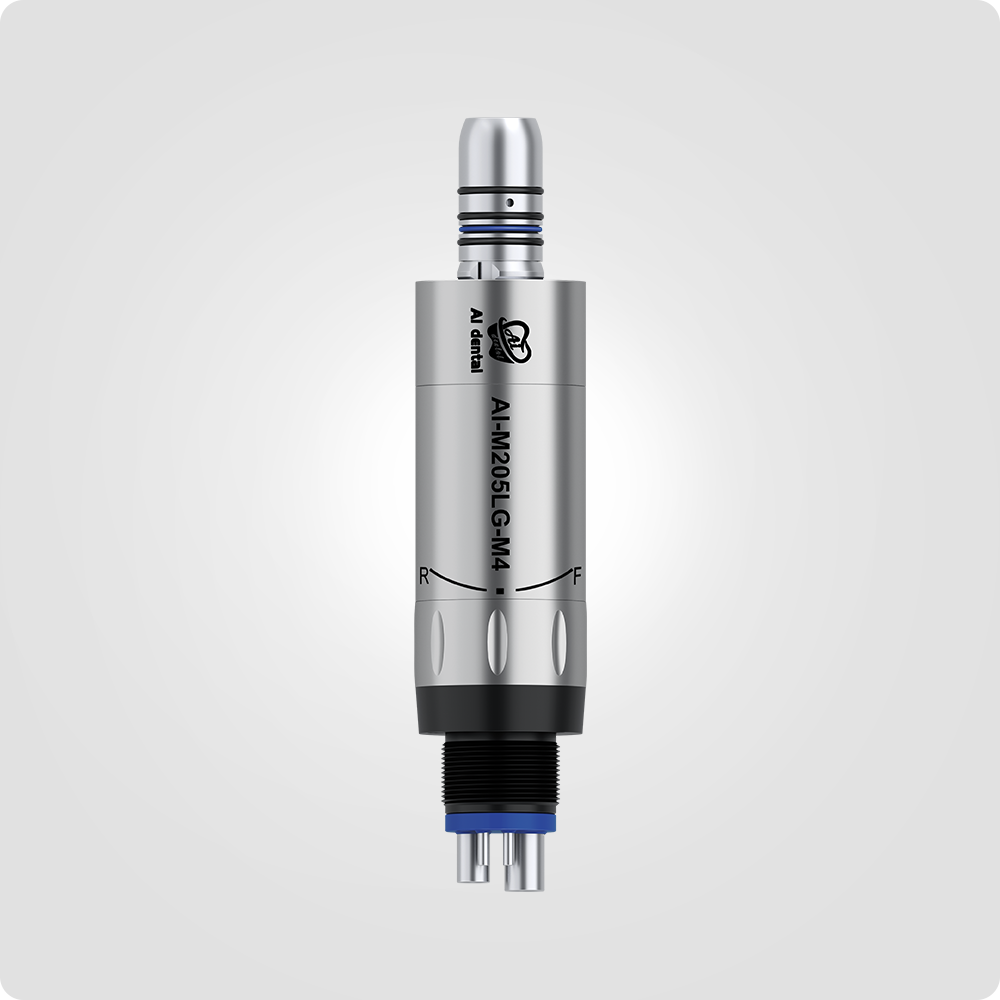
In the ever-evolving field of dentistry, the tools practitioners use play a pivotal role in the efficiency and effectiveness of procedures. Among these crucial instruments, **1:5 handpieces** have emerged as a game-changer. These handpieces, known for their unique gear ratio, allow for a highly efficient procedure that enhances both the dentist’s performance and the patient’s experience. In this article, we will delve into how 1:5 handpieces revolutionize dental procedures, exploring their technology, advantages, and impact on modern dental practices.
2. Understanding 1:5 Handpiece Technology
2.1 What is a 1:5 Handpiece?
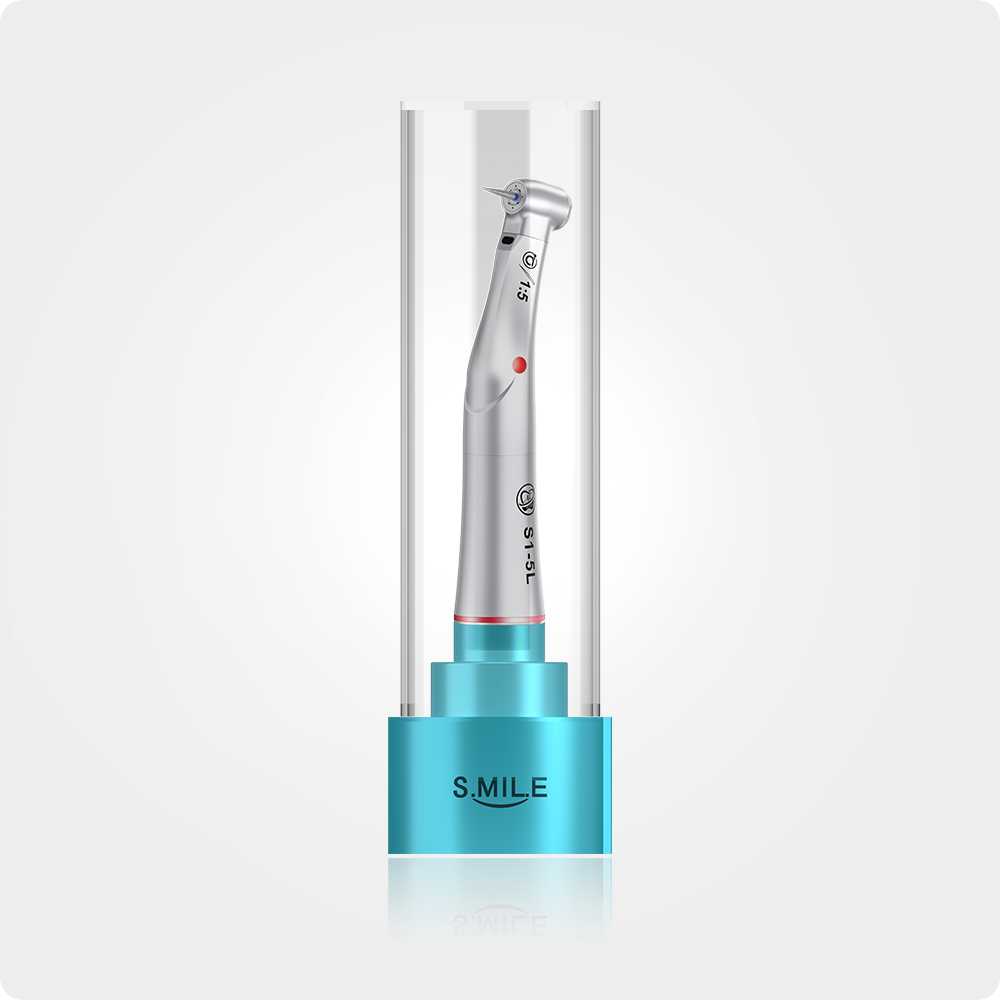
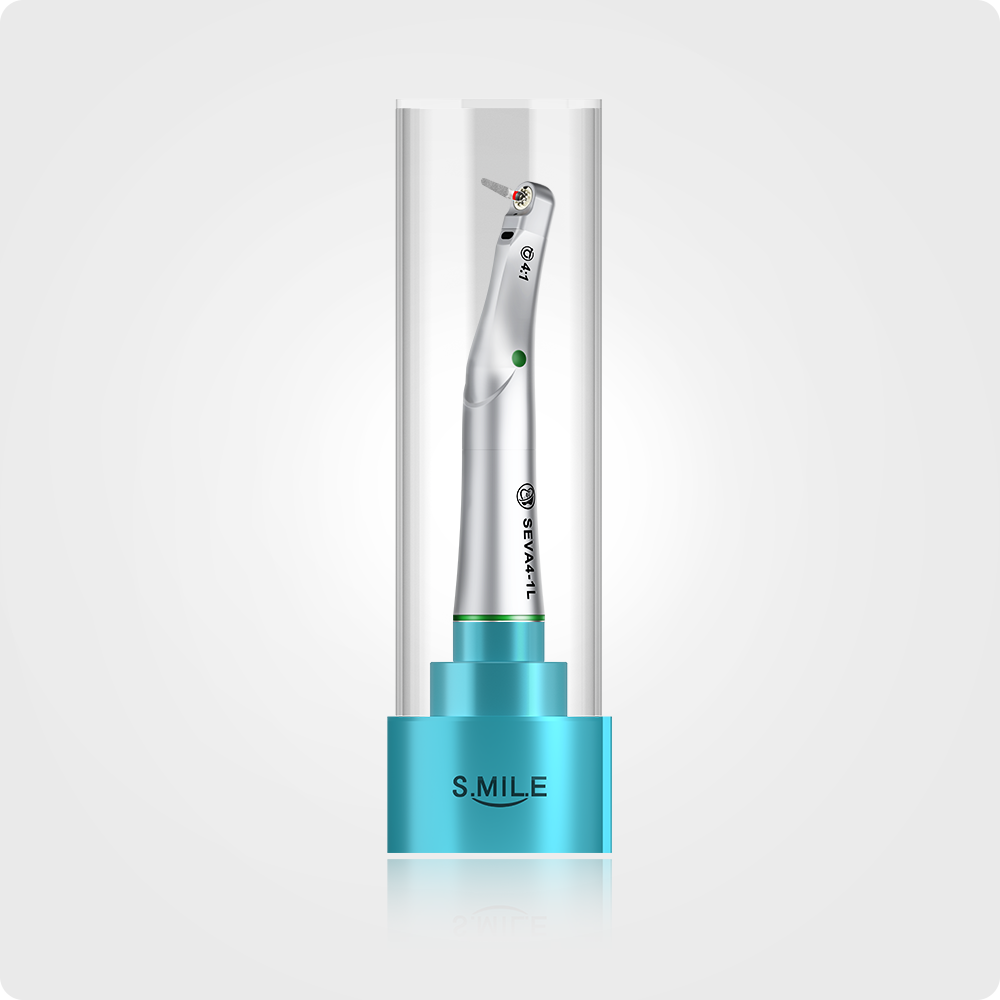
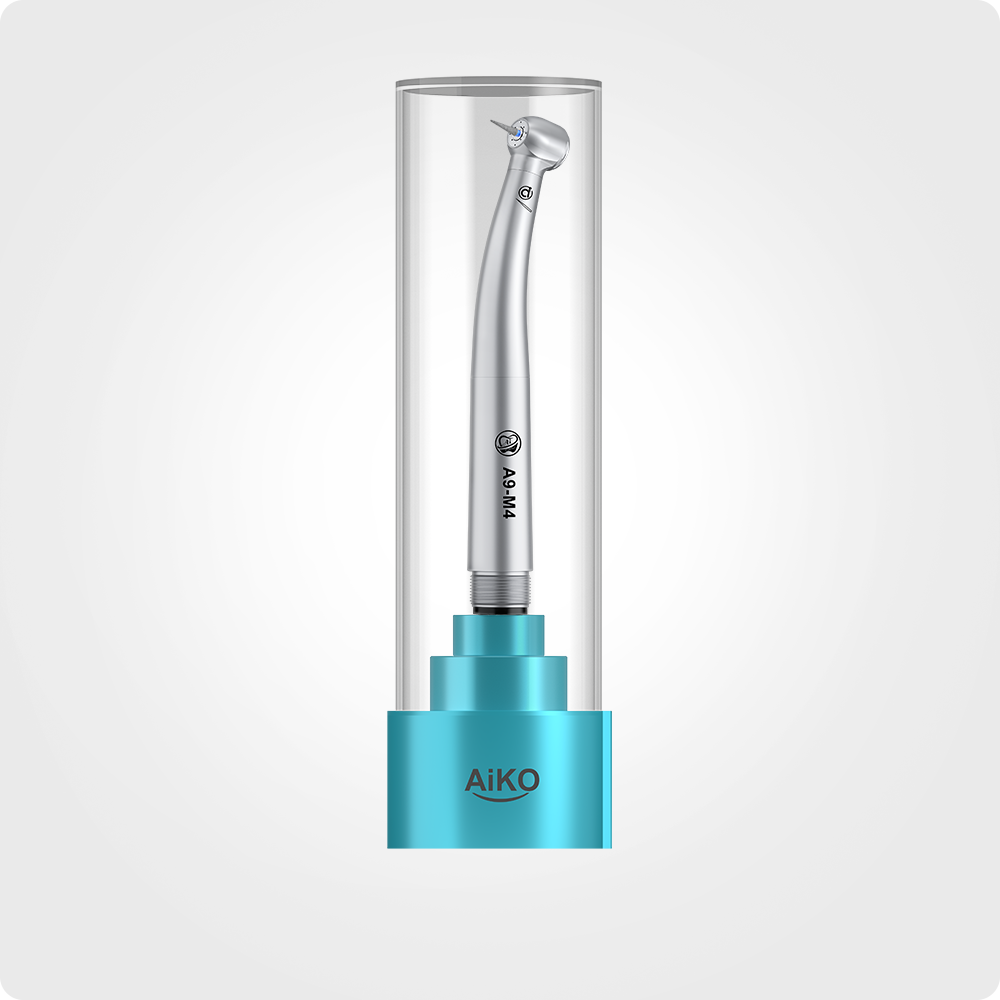
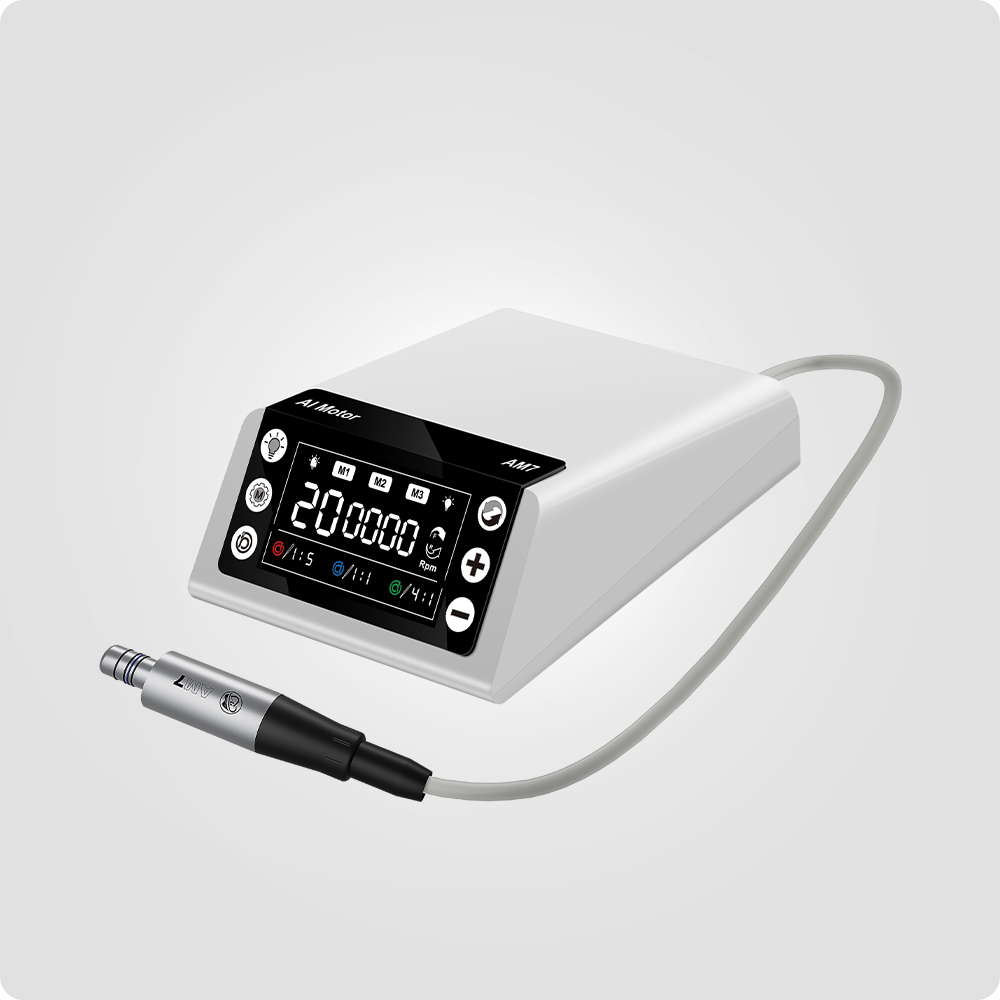
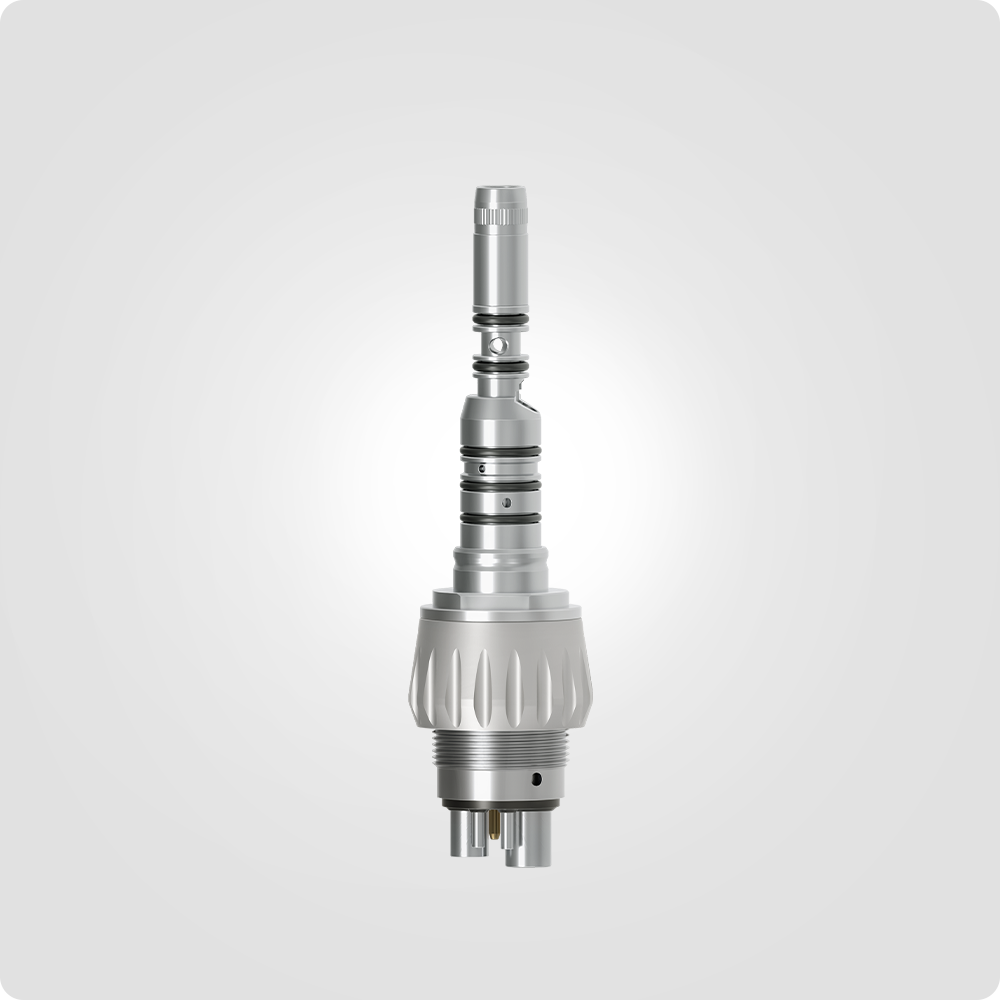
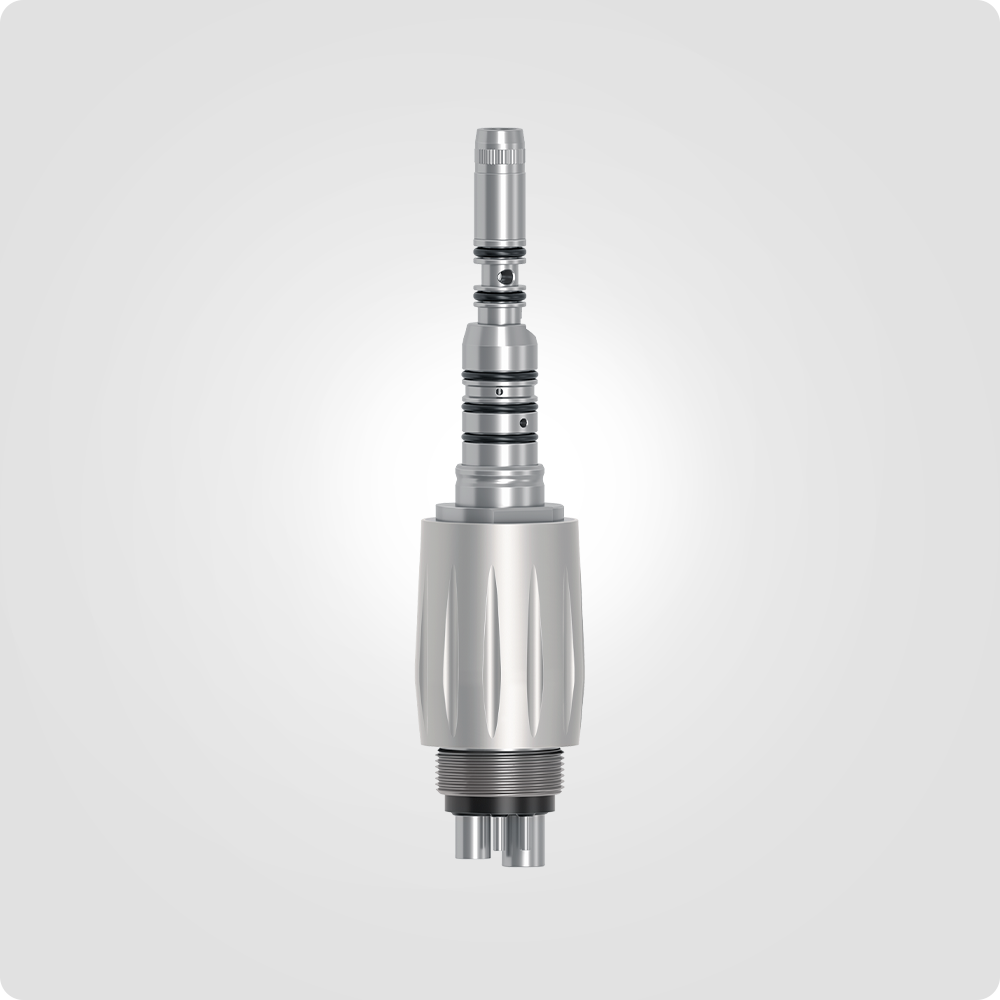
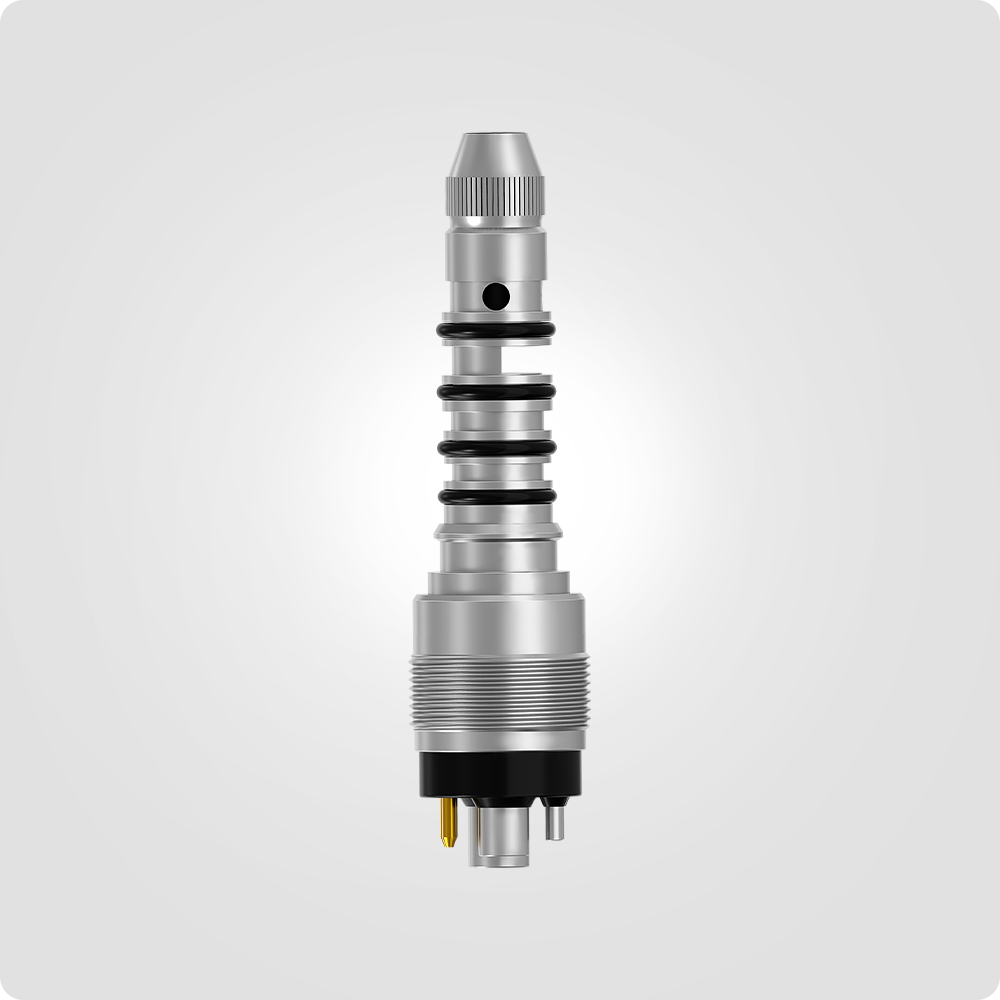
A **1:5 handpiece** is a type of dental instrument that operates with a gear ratio of 1:5. This means that for every rotation of the handpiece motor, the bur (the cutting instrument) rotates five times. This increased rotational speed enables dentists to perform procedures faster and with greater efficiency.
2.2 Key Advantages of 1:5 Handpieces
The advantages of using 1:5 handpieces are numerous. Some of the most notable include:
- **Efficiency**: The high-speed capability reduces the time spent on procedures, allowing for more appointments per day.
- **Precision**: The improved mechanics provide finer control, making intricate work more manageable.
- **Versatility**: These handpieces can be used for a variety of procedures, including restorative, endodontic, and surgical applications.
3. The Role of 1:5 Handpieces in Dental Procedures
3.1 Increased Efficiency and Speed
One of the standout features of 1:5 handpieces is their ability to significantly **increase efficiency and speed** during dental procedures. With a higher rotation speed, dentists can complete tasks such as cavity preparation, crown placement, and polishing in a fraction of the time compared to traditional handpieces. This efficiency not only optimizes the workflow within the dental practice but also increases patient throughput.
3.2 Enhanced Precision in Dental Treatments
Precision is paramount in dentistry. The design of 1:5 handpieces allows for greater control over the bur, facilitating detailed work in various procedures, from intricate restorations to delicate surgeries. This heightened accuracy reduces the likelihood of errors, ensuring that patients receive the highest standard of care.
4. Comparing 1:5 Handpieces to Traditional Alternatives
4.1 Performance Metrics
When comparing 1:5 handpieces to traditional handpieces, several performance metrics come into play. While traditional handpieces may offer a basic level of functionality, they often lack the speed and precision afforded by 1:5 models. Performance metrics, including speed, torque, and vibration, are significantly improved with 1:5 technology.
4.2 Cost-Effectiveness and Longevity
Investing in **1:5 handpieces** can also be a financially savvy decision for dental practices. Although the initial cost may be higher, the longevity and durability of these instruments mean they require less frequent replacement. Moreover, the efficiency gains translate into higher revenues through increased patient volume, thereby offsetting upfront costs.
5. The Impact on Patient Experience
5.1 Comfort and Reduced Treatment Time
For patients, the experience in the dental chair can often be fraught with anxiety and discomfort. The use of 1:5 handpieces can significantly enhance patient comfort. The faster treatment times mean patients spend less time undergoing procedures, reducing anxiety and enhancing their overall experience.
5.2 Improved Outcomes and Satisfaction
With greater precision and efficiency, the outcomes of dental procedures performed with 1:5 handpieces are often superior. This translates to fewer complications, a higher success rate for treatments, and ultimately, improved patient satisfaction. When patients experience a positive outcome, they are more likely to return for future treatments and recommend the practice to others.
6. Future Trends in Dental Handpiece Technology
6.1 Innovations on the Horizon
The dental industry is continually advancing, and the future of handpiece technology looks promising. Innovations such as quieter motors, improved ergonomics, and smarter integration with digital systems are on the horizon. These advancements aim to further enhance the efficiency and comfort of dental procedures.
6.2 The Role of Digital Integration
As dental practices adopt more digital technologies, the integration of handpieces with digital systems will also evolve. This could include features such as real-time feedback on performance metrics, alerts for maintenance, and seamless connectivity with digital imaging tools. Such enhancements will ensure that dentists can provide the best care possible while maximizing efficiency.
7. Frequently Asked Questions (FAQs)
7.1 What is the difference between 1:5 handpieces and traditional handpieces?
1:5 handpieces operate at higher speeds and provide greater precision compared to traditional handpieces, leading to faster and more efficient procedures.
7.2 How do 1:5 handpieces improve patient experiences?
These handpieces reduce treatment times and enhance precision, leading to a more comfortable patient experience and better overall outcomes.
7.3 Are 1:5 handpieces more expensive than traditional alternatives?
While they may have a higher initial cost, 1:5 handpieces offer long-term savings due to their durability and efficiency benefits.
7.4 Can 1:5 handpieces be used for all dental procedures?
Yes, 1:5 handpieces are versatile and can be used in various procedures, including restorative, surgical, and preventative treatments.
7.5 What maintenance do 1:5 handpieces require?
Regular cleaning, lubrication, and inspection for wear are essential for maintaining the performance and longevity of 1:5 handpieces.
8. Conclusion
The introduction of **1:5 handpieces** has undeniably transformed the landscape of dental procedures, maximizing efficiency and enhancing patient care. By combining speed, precision, and versatility, these instruments empower dental professionals to perform complex procedures with ease. As technology continues to evolve, we can anticipate even greater advancements in handpiece design and functionality, further revolutionizing the way dental care is delivered. Embracing these advancements not only benefits practitioners but also significantly improves patient experiences, ensuring that quality dental care remains accessible and efficient.
Related News
The Future of Dentistry: How AI Dental Handpieces are Revolutionizing Oral Care
Sep 22,2026
Views ()
Choosing the Right Electric Micromotor for Your Dental Clinic: A Comprehensive Guide
Sep 20,2026
Views ()
Focus On Dental Handpieces