










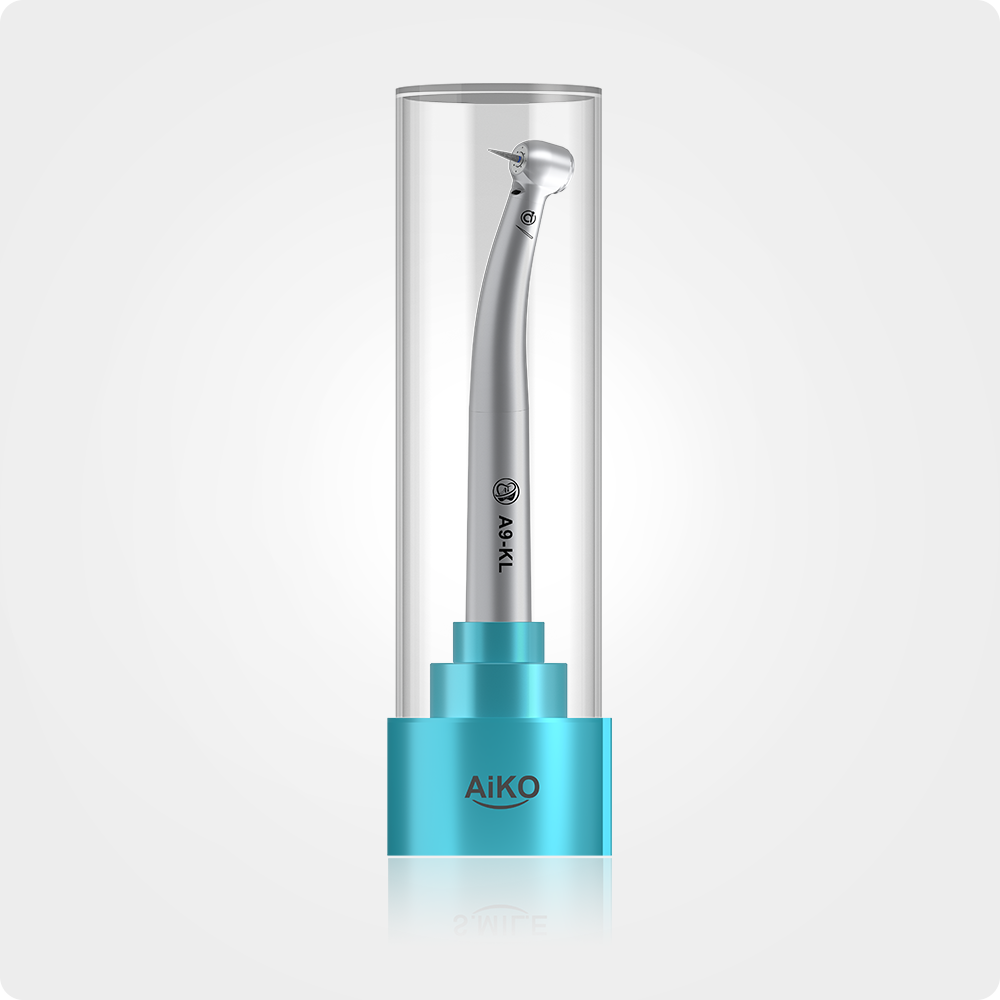


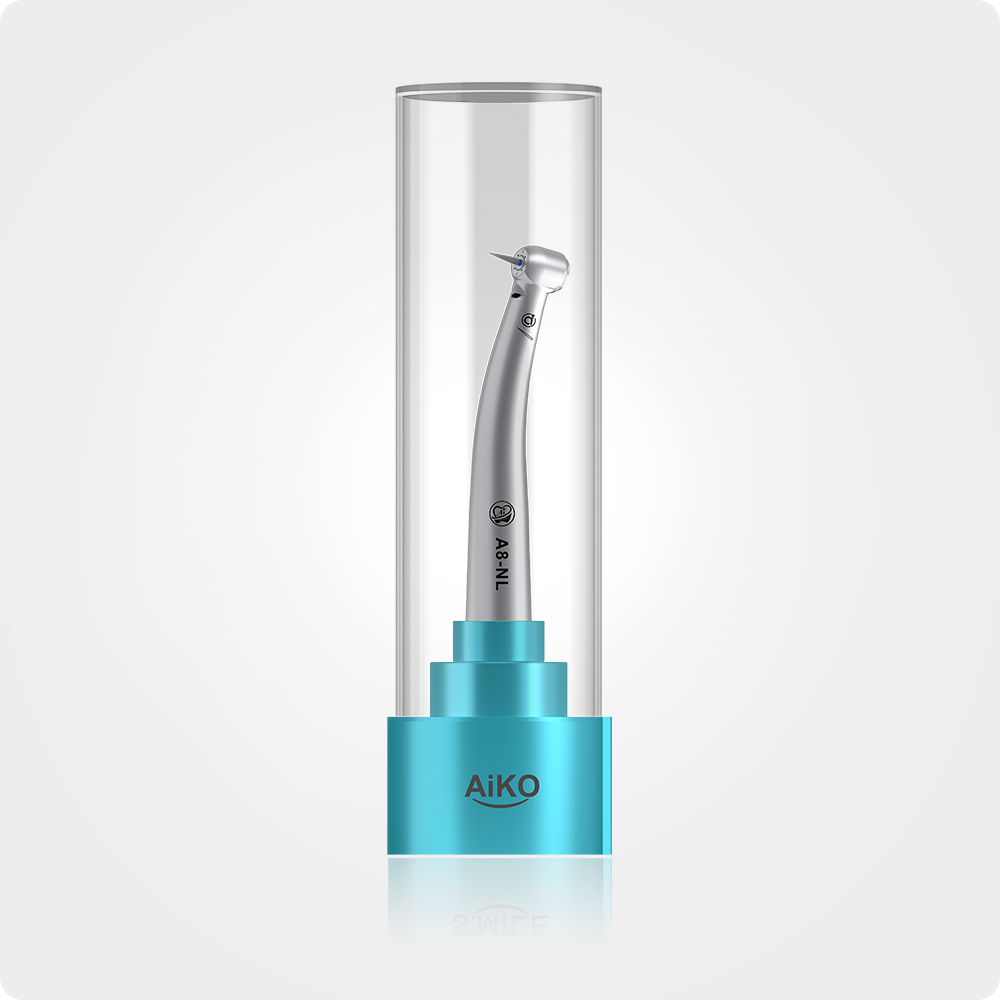
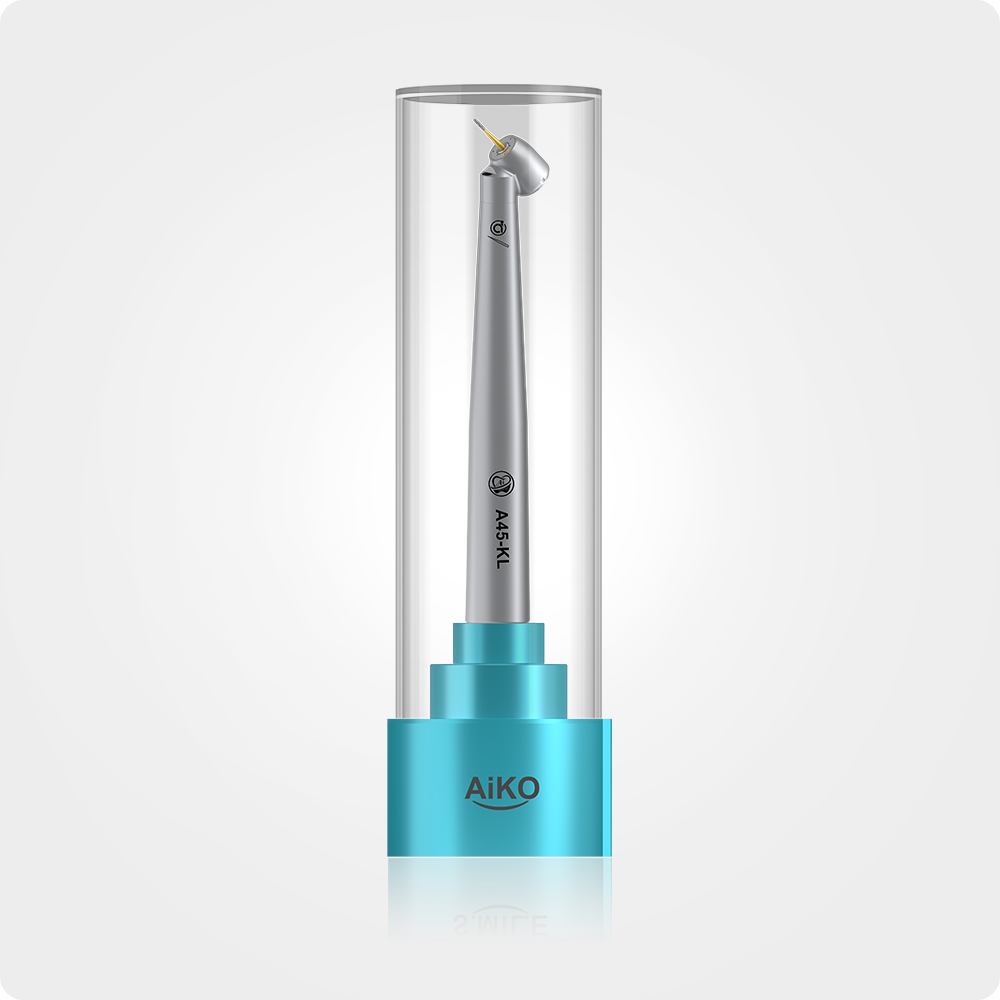
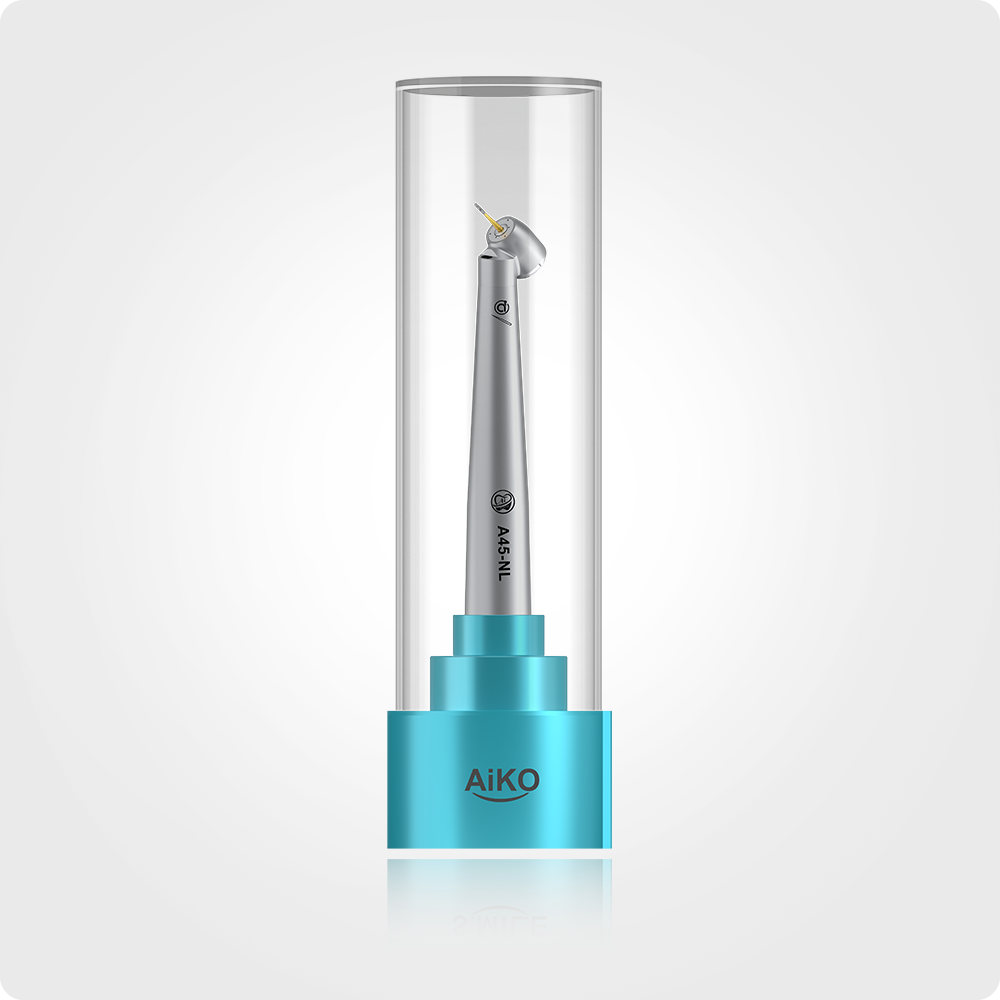














Maintenance Tips for Longevity: Caring for Your Air Turbine Handpiece
Nov 22,2026
Views ()

Maintenance Tips for Longevity: Caring for Your Air Turbine Handpiece
Table of Contents
1. Introduction to Air Turbine Handpieces
2. Importance of Maintenance for Air Turbine Handpieces
3. Daily Maintenance Practices
3.1 Cleaning Procedures
3.2 Lubrication Techniques
4. Weekly and Monthly Maintenance Routines
4.1 In-Depth Cleaning
4.2 Comprehensive Lubrication
5. Troubleshooting Common Issues
5.1 Identifying Performance Problems
5.2 Solutions for Common Handpiece Issues
6. Best Practices for Storage
7. Investing in Quality Equipment
8. Conclusion
9. FAQs
1. Introduction to Air Turbine Handpieces
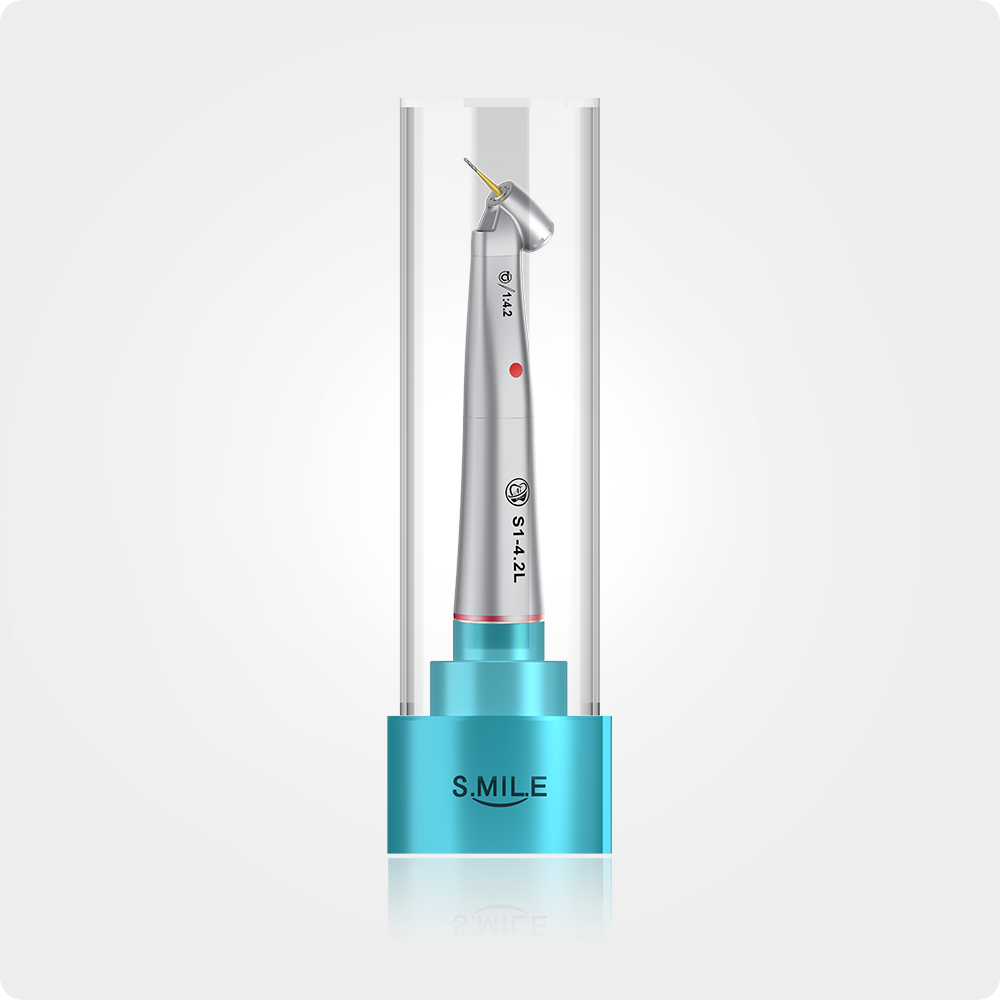
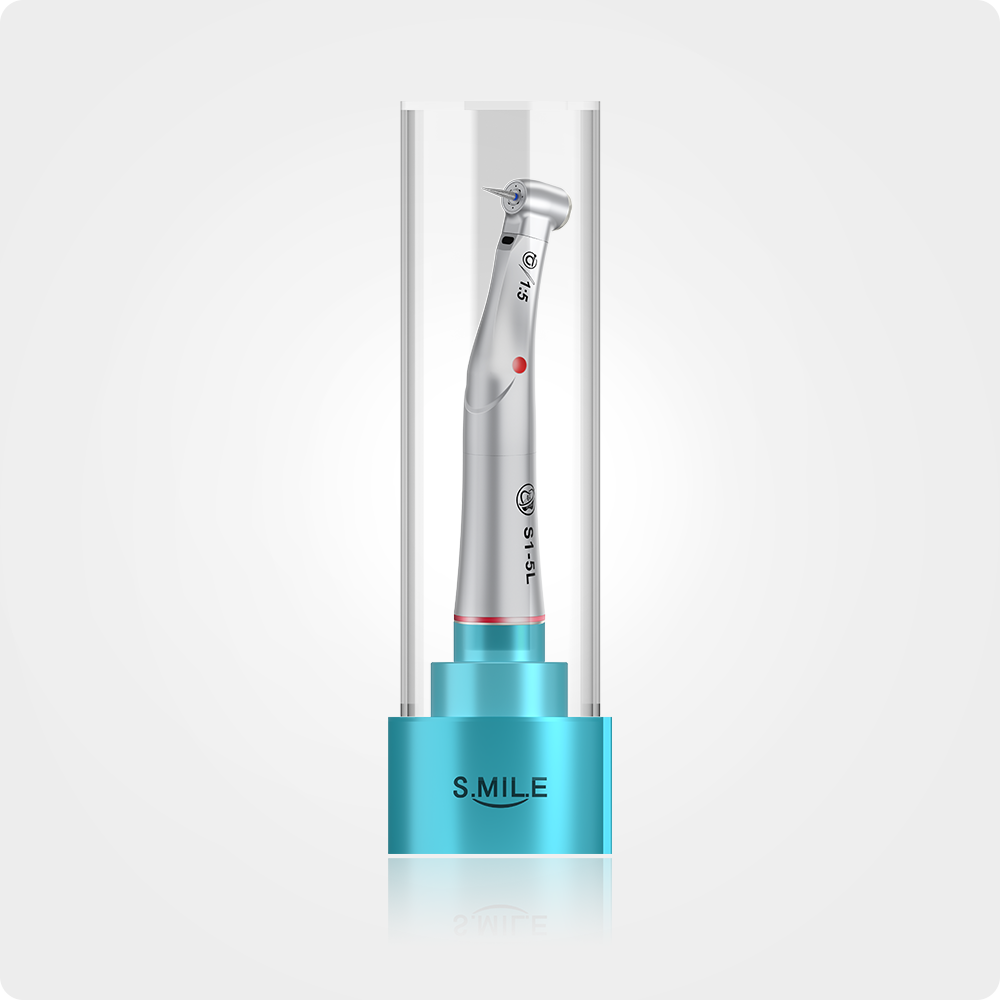
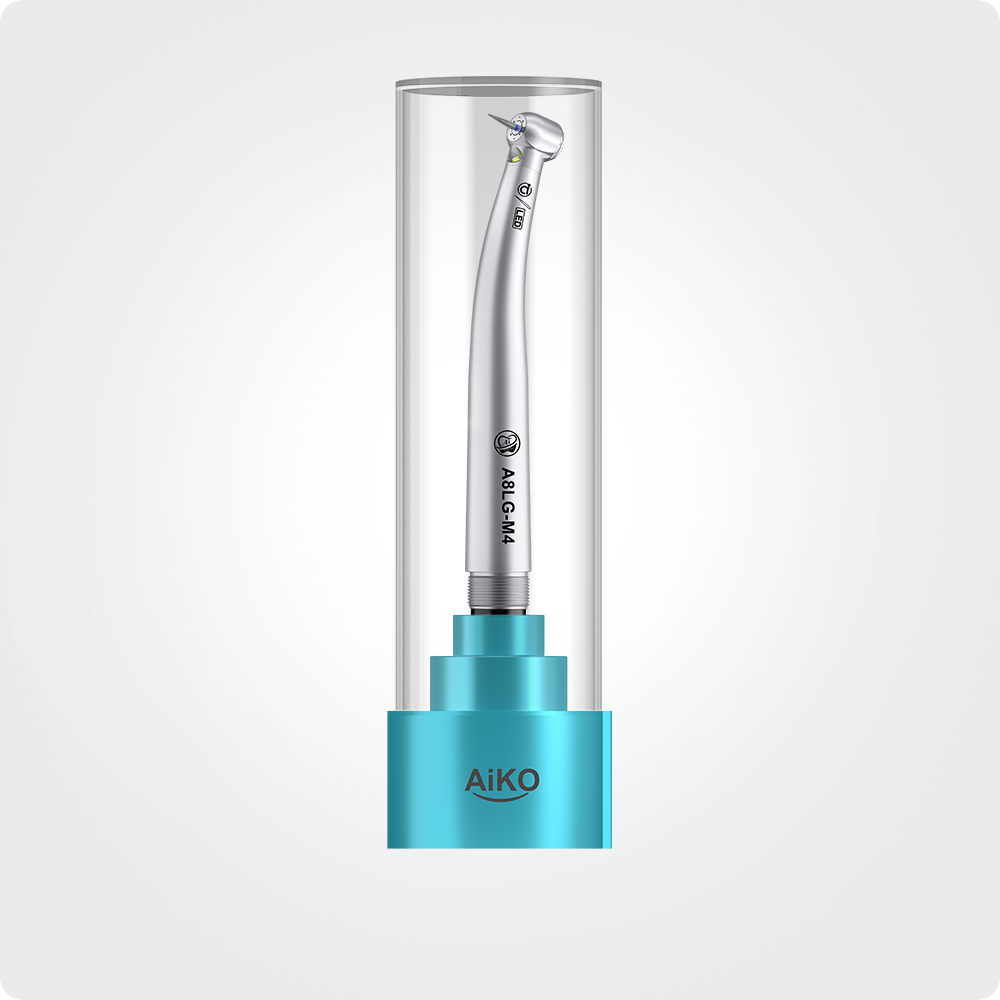
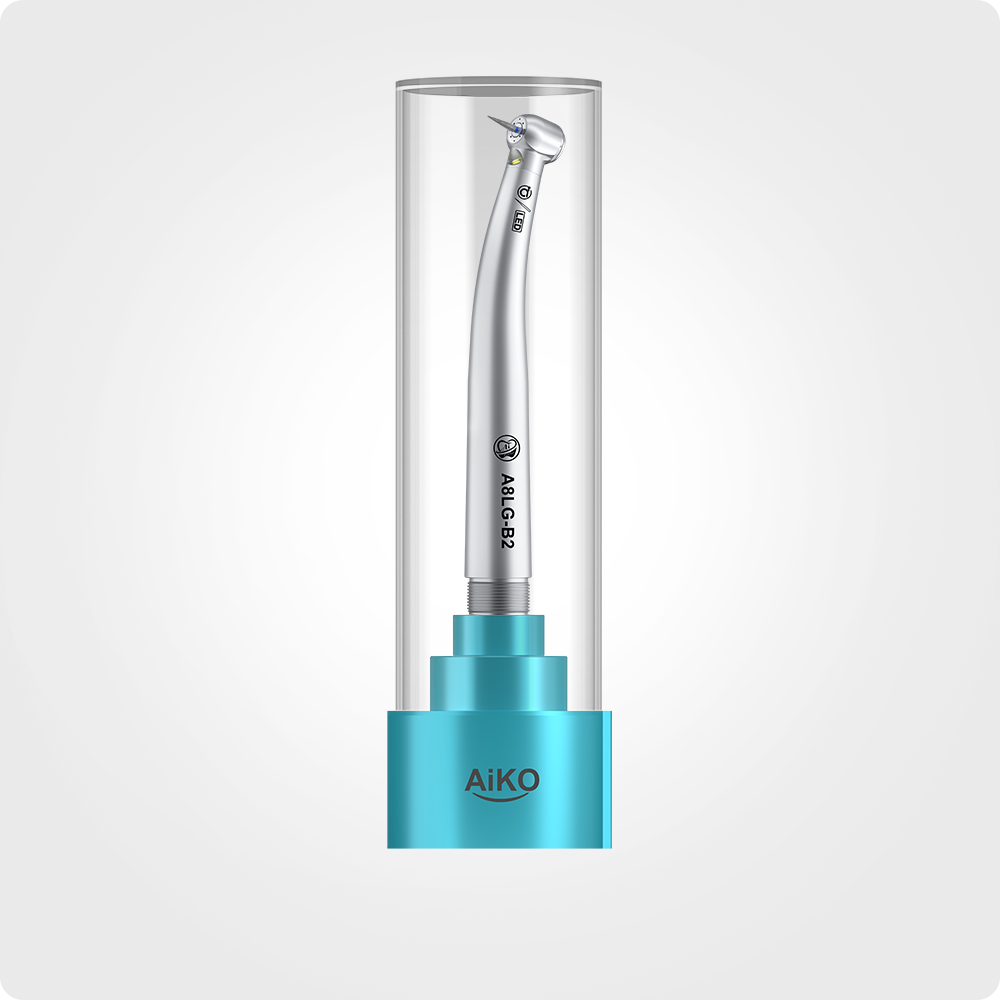
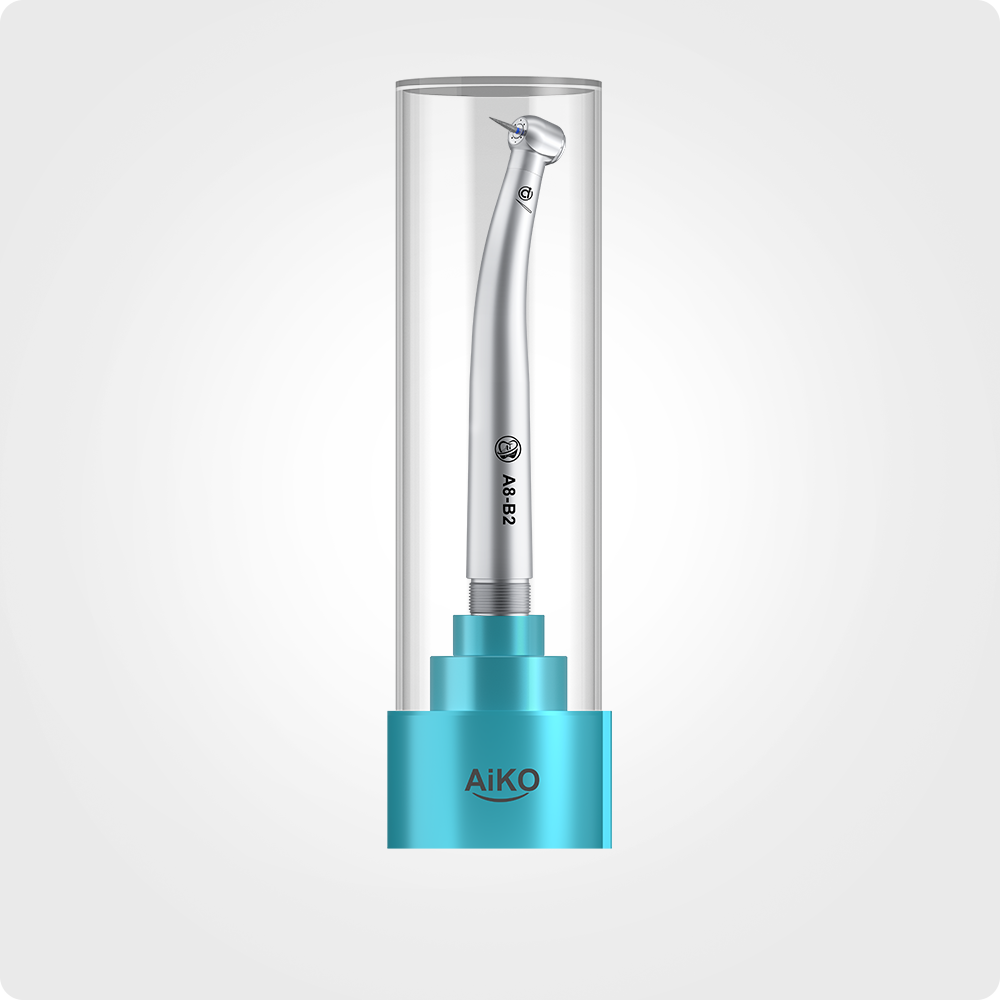
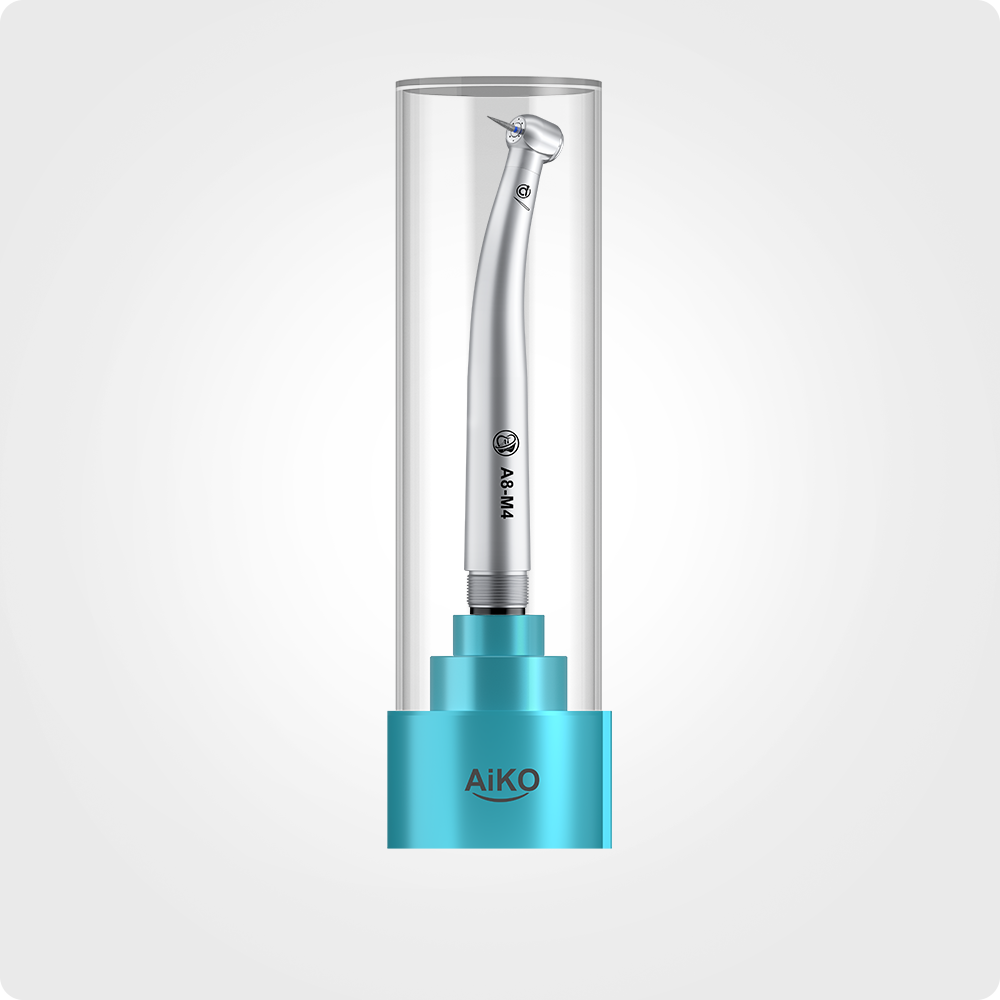
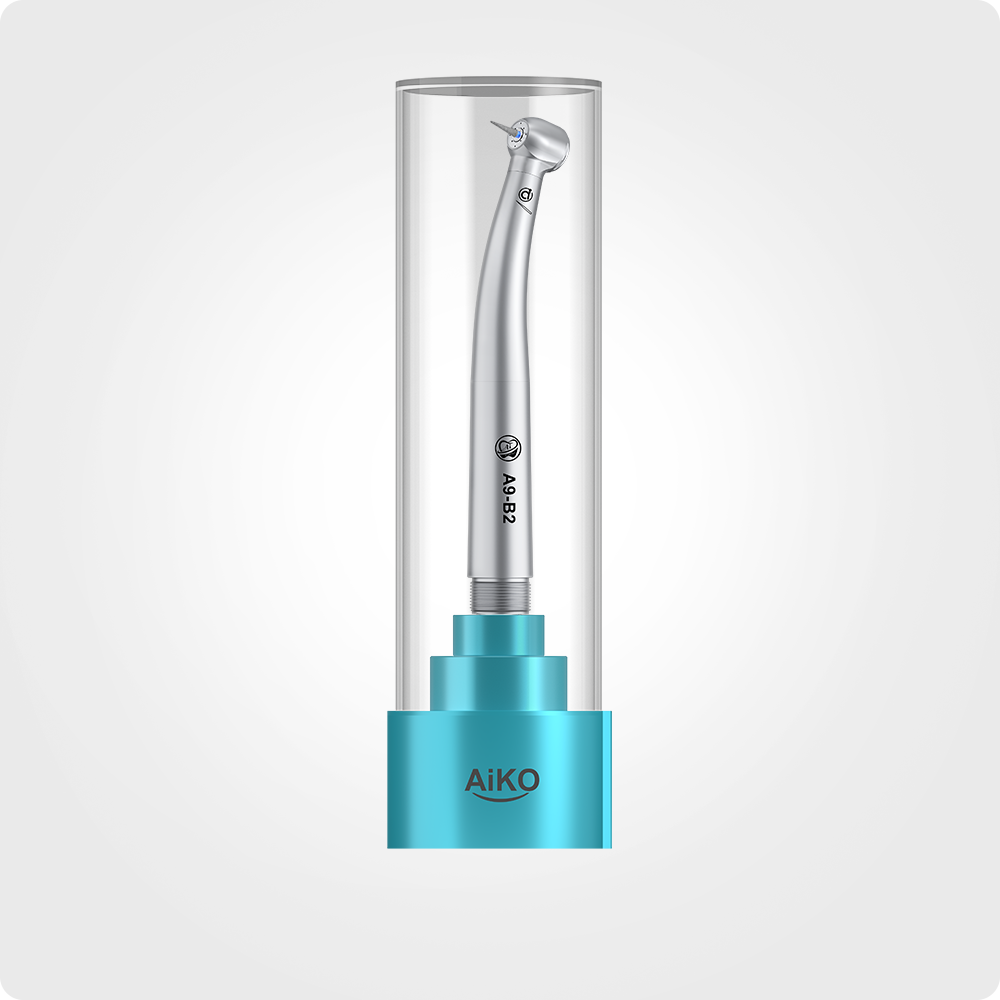
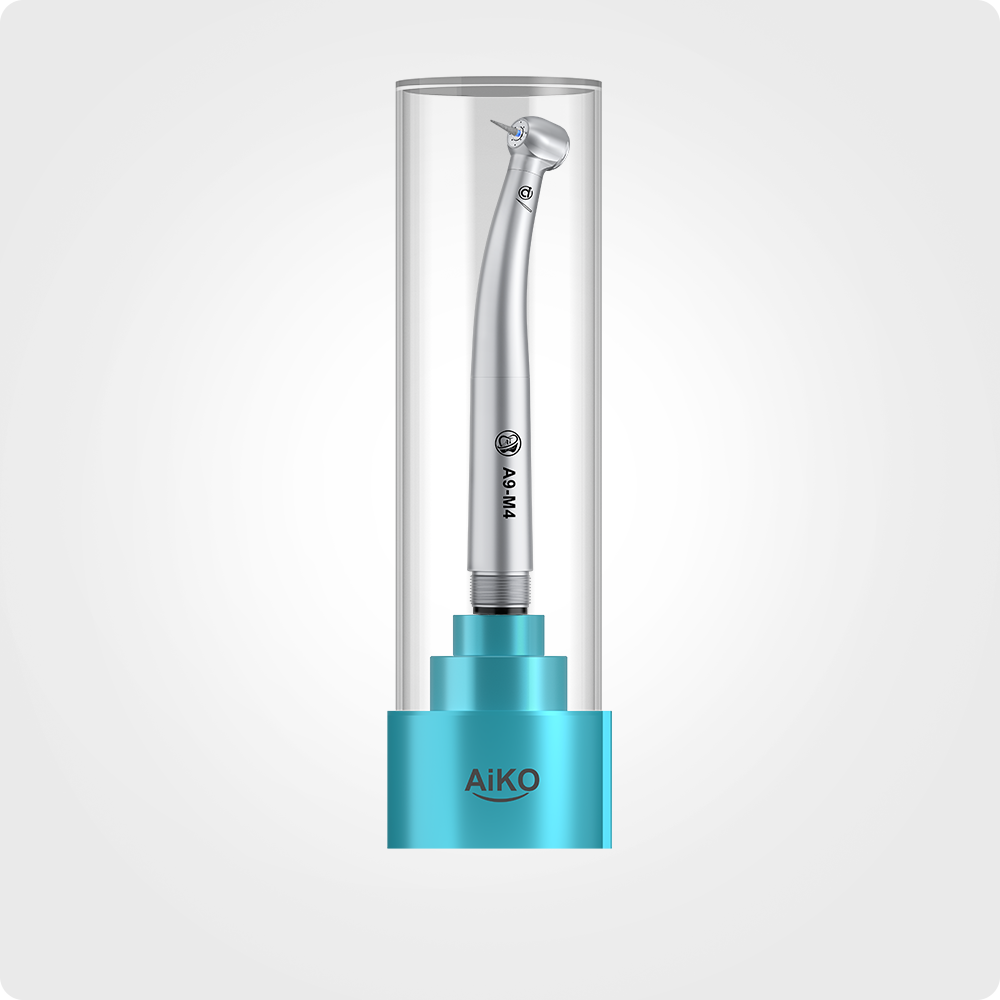
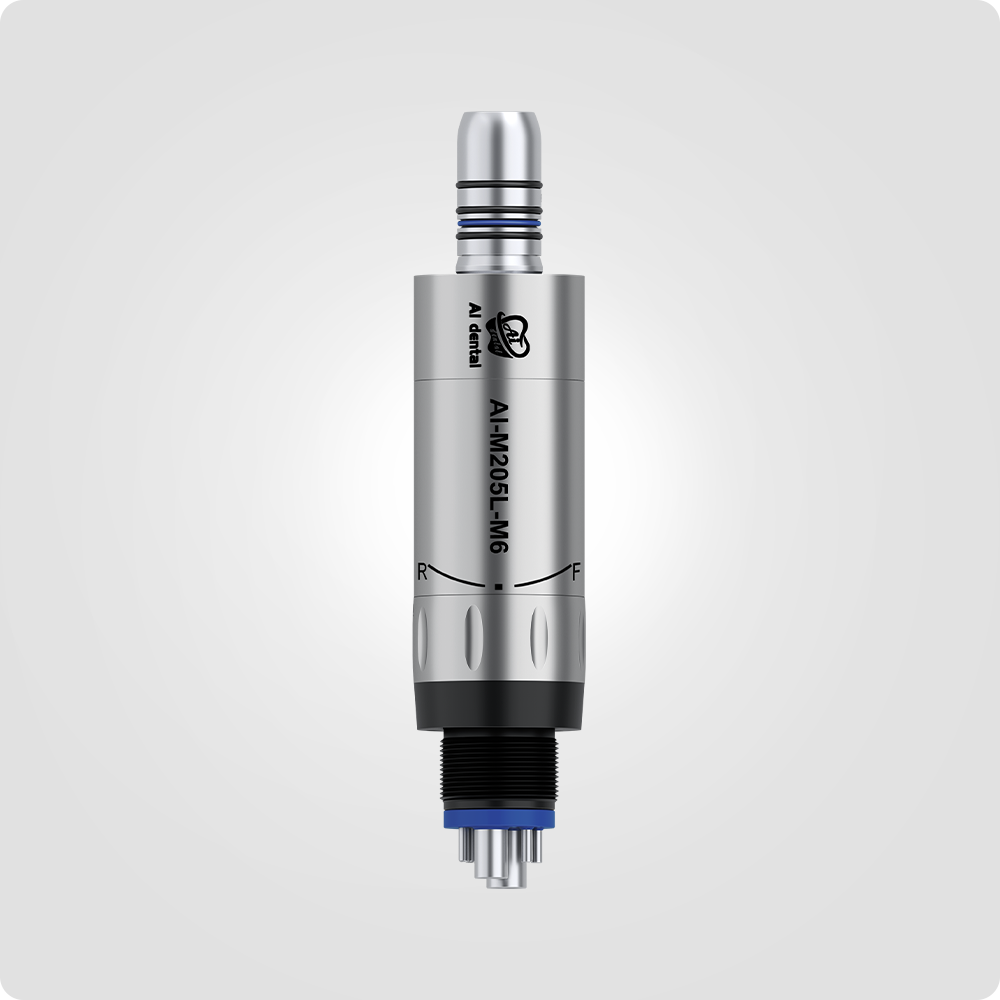
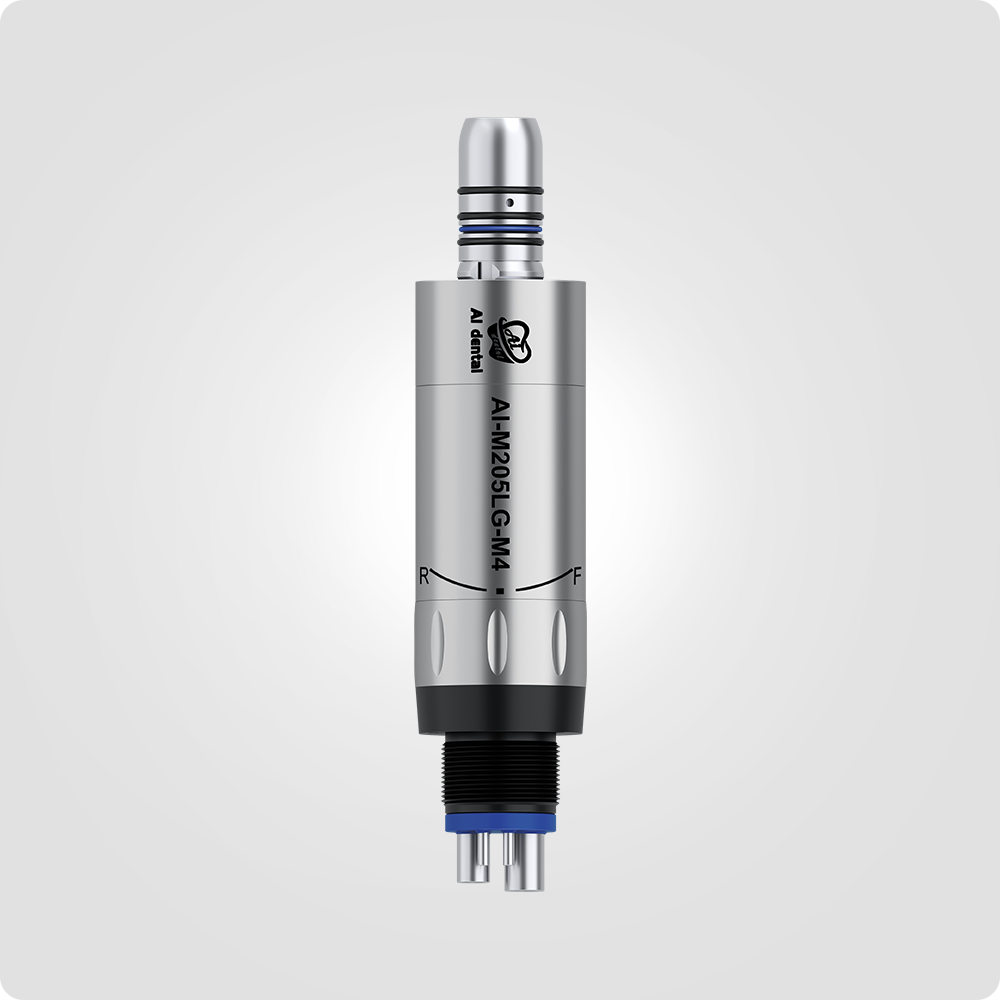
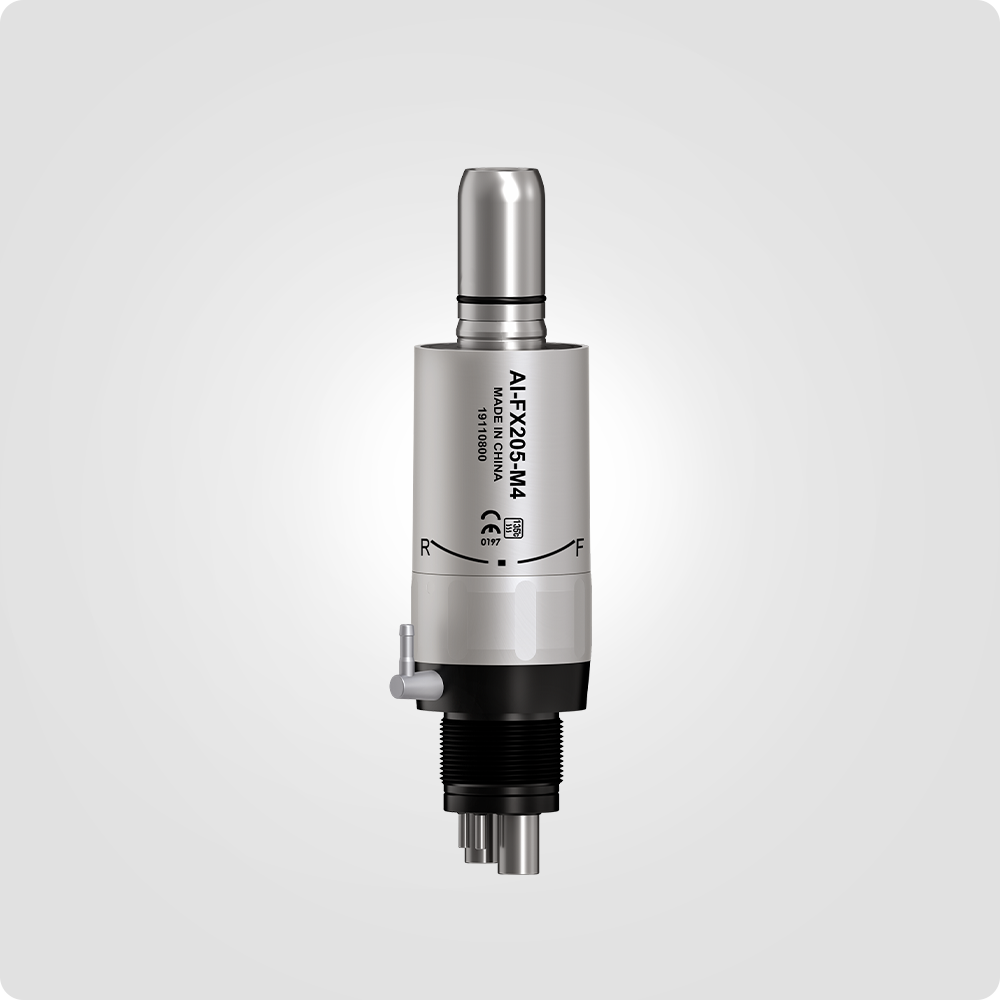
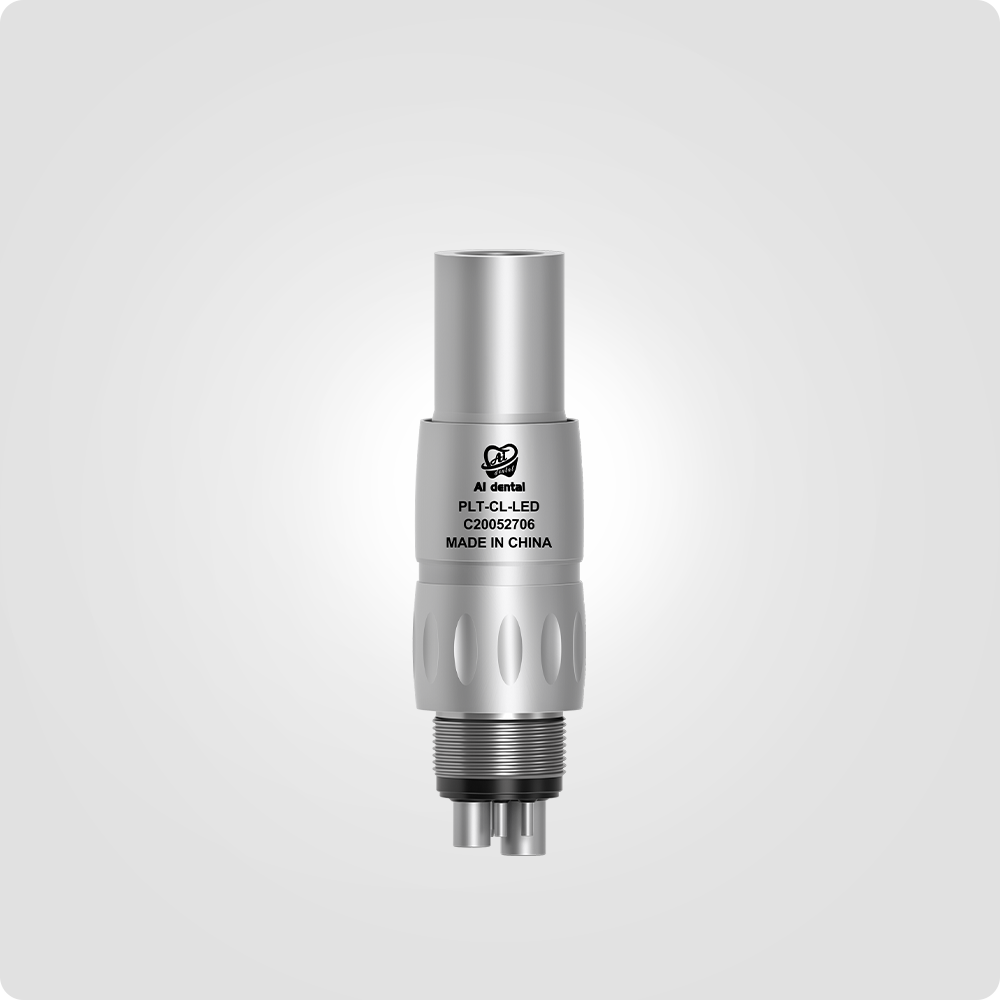
Air turbine handpieces are essential tools in modern dentistry, renowned for their efficiency and speed. These advanced instruments rely on compressed air to power a rotating bur, allowing dental professionals to perform a wide range of procedures with precision. The complexity of these devices necessitates proper maintenance to ensure their longevity and performance.
2. Importance of Maintenance for Air Turbine Handpieces
Regular maintenance of air turbine handpieces is crucial for several reasons. First, it ensures consistent performance, enabling dental professionals to deliver high-quality care. Second, well-maintained handpieces minimize the risk of breakdowns, which can lead to costly repairs and downtime. Third, proper care can significantly extend the life of the device, offering better returns on investment for dental practices.
3. Daily Maintenance Practices
To keep your air turbine handpiece in optimal condition, daily maintenance is essential. This involves cleaning and lubrication procedures that should be integrated into your routine.
3.1 Cleaning Procedures
After each use, it’s vital to clean the air turbine handpiece thoroughly. Start by removing any visible debris or dental materials using a soft brush. Follow this by disinfecting the exterior surfaces with an appropriate dental disinfectant, ensuring that all parts of the handpiece are sanitized. Pay particular attention to the bur area, as it is prone to accumulation of particles.
3.2 Lubrication Techniques
Proper lubrication of your air turbine handpiece is crucial for its functionality. After cleaning, apply a few drops of high-quality handpiece lubricating oil into the air inlet of the handpiece. This oil reduces friction, minimizes wear and tear, and ensures smooth operation. It is important to follow the manufacturer's guidelines regarding the type of lubricant to use.
4. Weekly and Monthly Maintenance Routines
In addition to daily care, establishing a comprehensive weekly and monthly maintenance routine can significantly enhance the durability of your air turbine handpiece.
4.1 In-Depth Cleaning
Once a week, perform a more thorough cleaning. This should include disassembling parts that are safe to remove based on manufacturer guidelines. Clean these parts individually using an ultrasonic cleaner, if available. Pay attention to the internal components, as they can accumulate debris over time.
4.2 Comprehensive Lubrication
Monthly lubrication should be more extensive than daily applications. Remove the handpiece from the air supply and apply lubricant directly into the air channel while running the handpiece for a few seconds. This procedure ensures that the lubricant reaches all moving parts, optimizing performance.
5. Troubleshooting Common Issues
Even with diligent maintenance, air turbine handpieces may encounter issues. Understanding how to troubleshoot common problems can save time and avoid unnecessary repairs.
5.1 Identifying Performance Problems
Symptoms of performance issues may include reduced speed, unusual noises, or excessive vibration. These indicators often signal that the handpiece requires immediate attention. Performing a visual inspection and listening for abnormal sounds can help identify the cause of these problems.
5.2 Solutions for Common Handpiece Issues
To address reduced speed, check for blockages in the air supply or ensure that the handpiece is adequately lubricated. If you hear unusual noises, it may indicate that the bearings are worn and require replacement. For excessive vibration, inspect the handpiece for loose parts or signs of wear. In some cases, it may be necessary to consult with a professional technician for repairs.
6. Best Practices for Storage
Proper storage of your air turbine handpiece is essential for maintaining its integrity. After cleaning and lubrication, store the handpiece in a designated case or holder that protects it from dust and damage. Avoid placing heavy objects on top of the handpiece, as this can cause misalignment and damage to internal components.
7. Investing in Quality Equipment
Ultimately, the longevity of your air turbine handpiece is influenced by the quality of the equipment itself. Investing in high-quality tools from reputable manufacturers ensures that you receive devices designed for durability and performance. Look for handpieces that come with warranties and positive reviews from other dental professionals.
8. Conclusion
Caring for your air turbine handpiece requires a commitment to regular maintenance and attention to detail. By implementing daily, weekly, and monthly maintenance routines, you can ensure optimal performance and extend the lifespan of your handpiece. Understanding troubleshooting techniques and investing in high-quality equipment are equally vital in maintaining the efficiency of your dental practice. Take the time to care for your tools, and they will serve you well for years to come.
9. FAQs
Q1: How often should I clean my air turbine handpiece?
A1: It is recommended to clean your air turbine handpiece after each use to maintain optimal performance.
Q2: What type of lubricant should I use for my handpiece?
A2: Use a high-quality dental handpiece lubricant specifically designed for air turbine handpieces, following the manufacturer's recommendations.
Q3: What signs indicate that my handpiece needs servicing?
A3: Common signs include reduced speed, unusual noises, or excessive vibration. These issues can indicate wear and may require professional servicing.
Q4: How can I improve the lifespan of my handpiece?
A4: Regular maintenance, proper cleaning, lubrication, and safe storage practices will significantly improve the lifespan of your air turbine handpiece.
Q5: Can I perform repairs on my handpiece myself?
A5: While some minor maintenance can be performed by dental professionals, significant repairs should be conducted by a qualified technician to avoid further damage.
Previous
Related News
AI DENTAL Highlights Day 1 at 2026 Rimini Dental Expo-High-Value Smile & AiKO Series
May 15,2026
Views ()
Focus On Dental Handpieces