


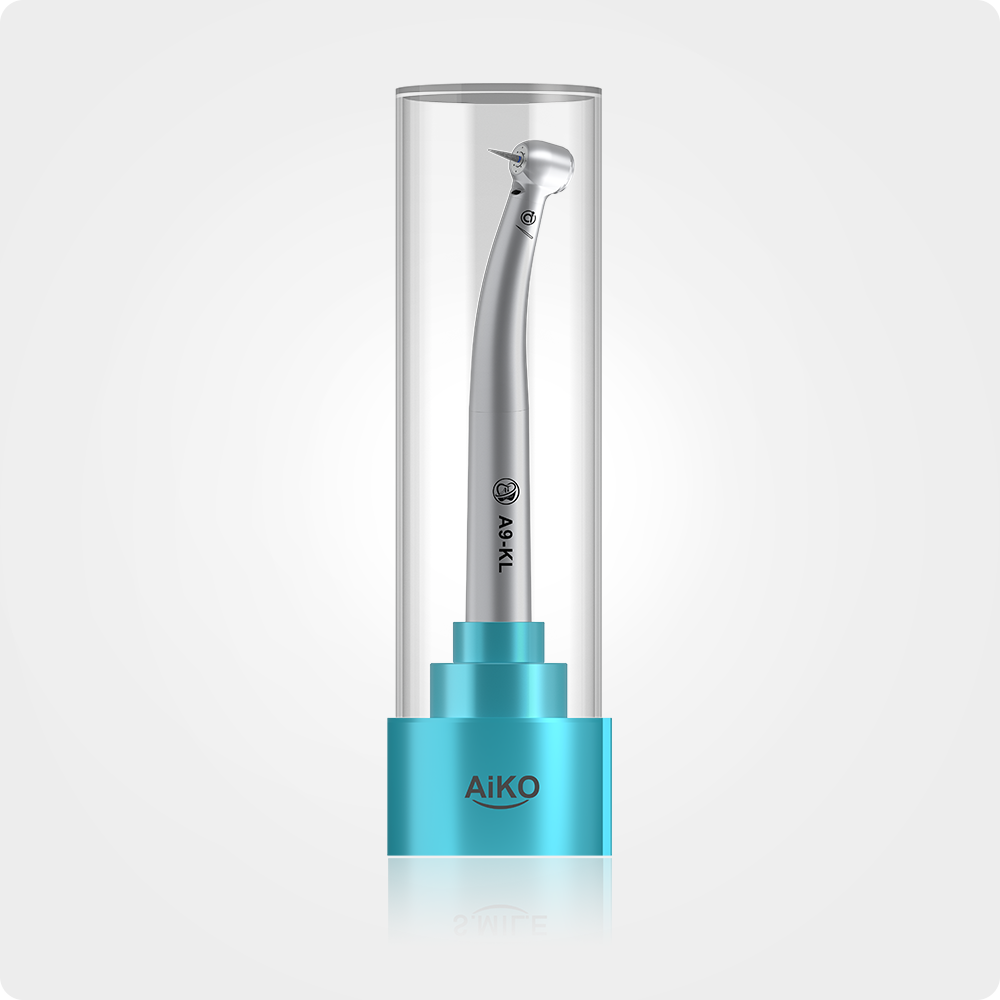


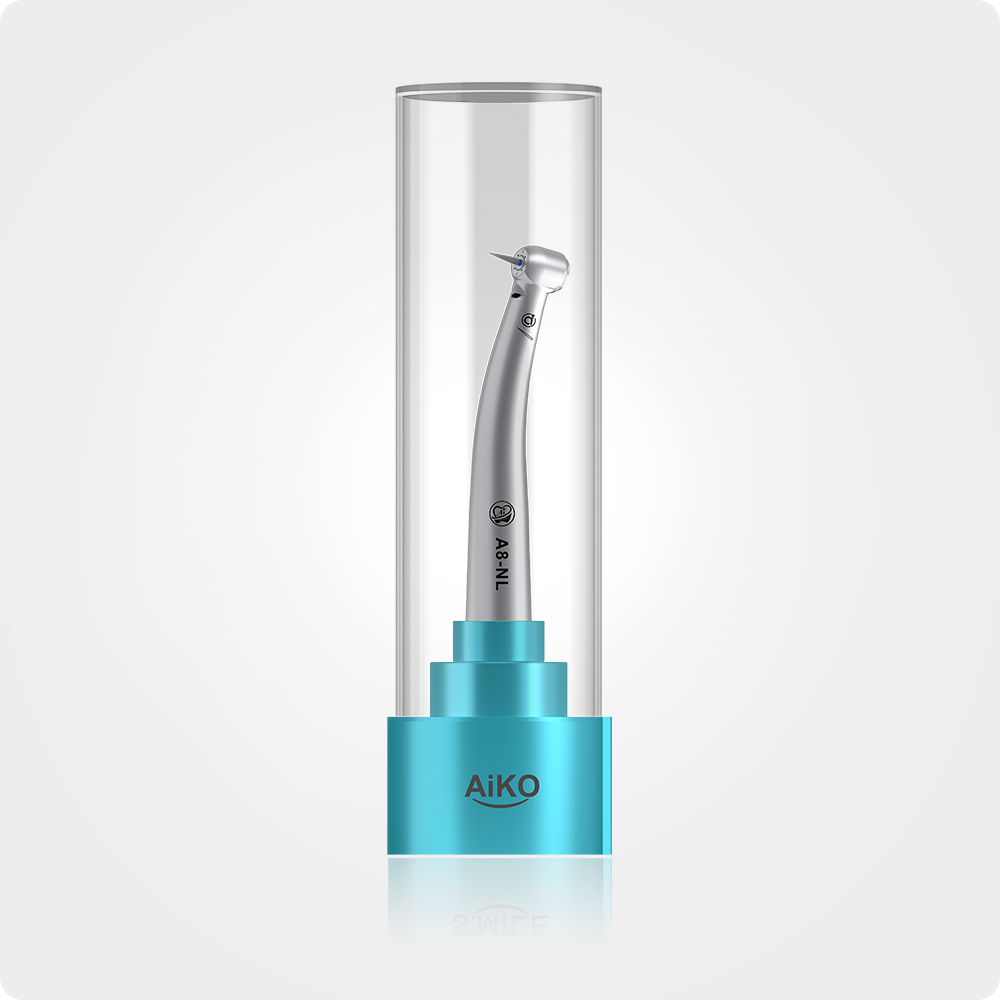
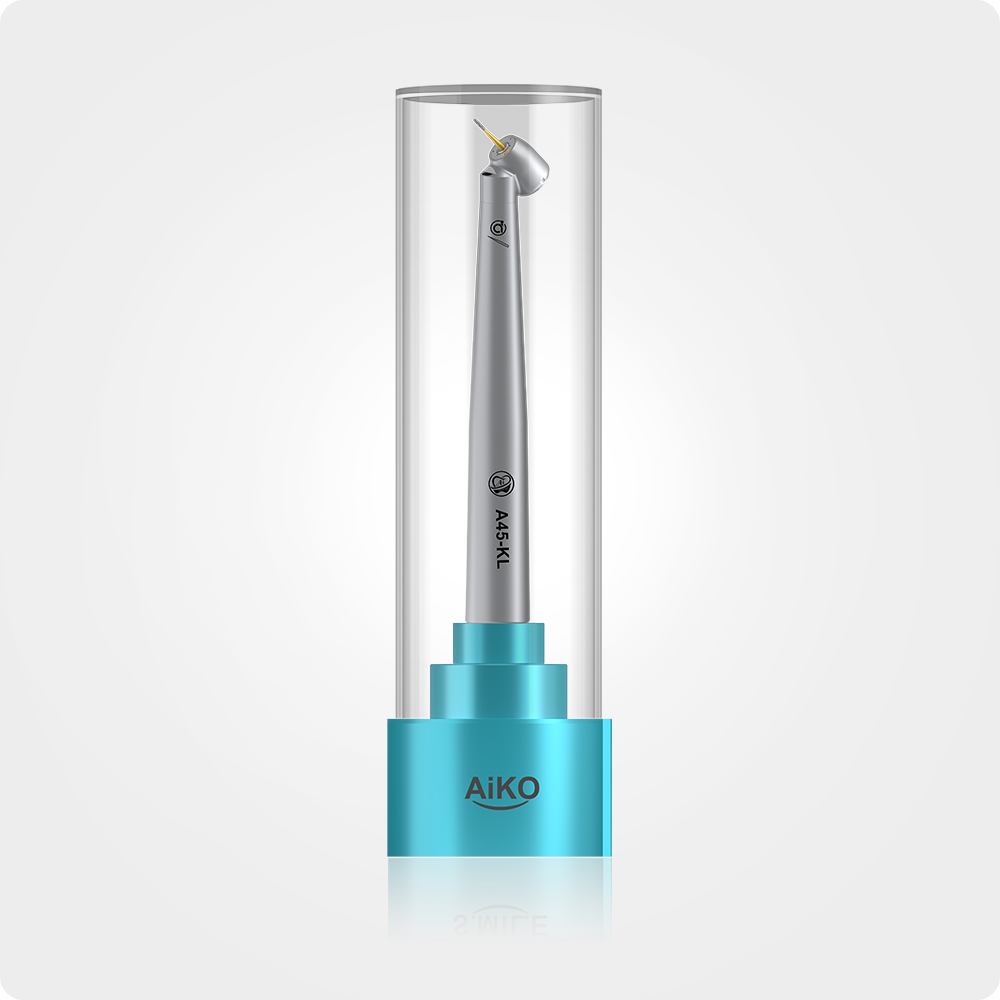
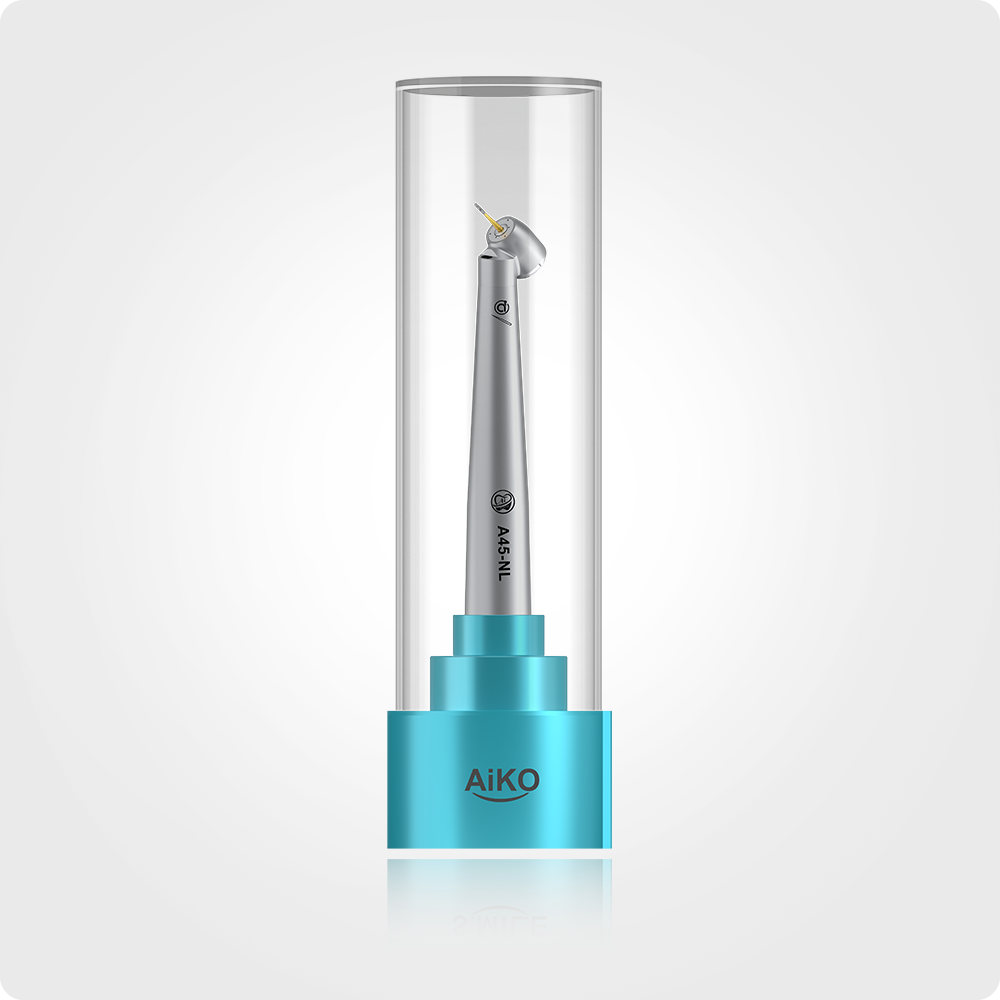
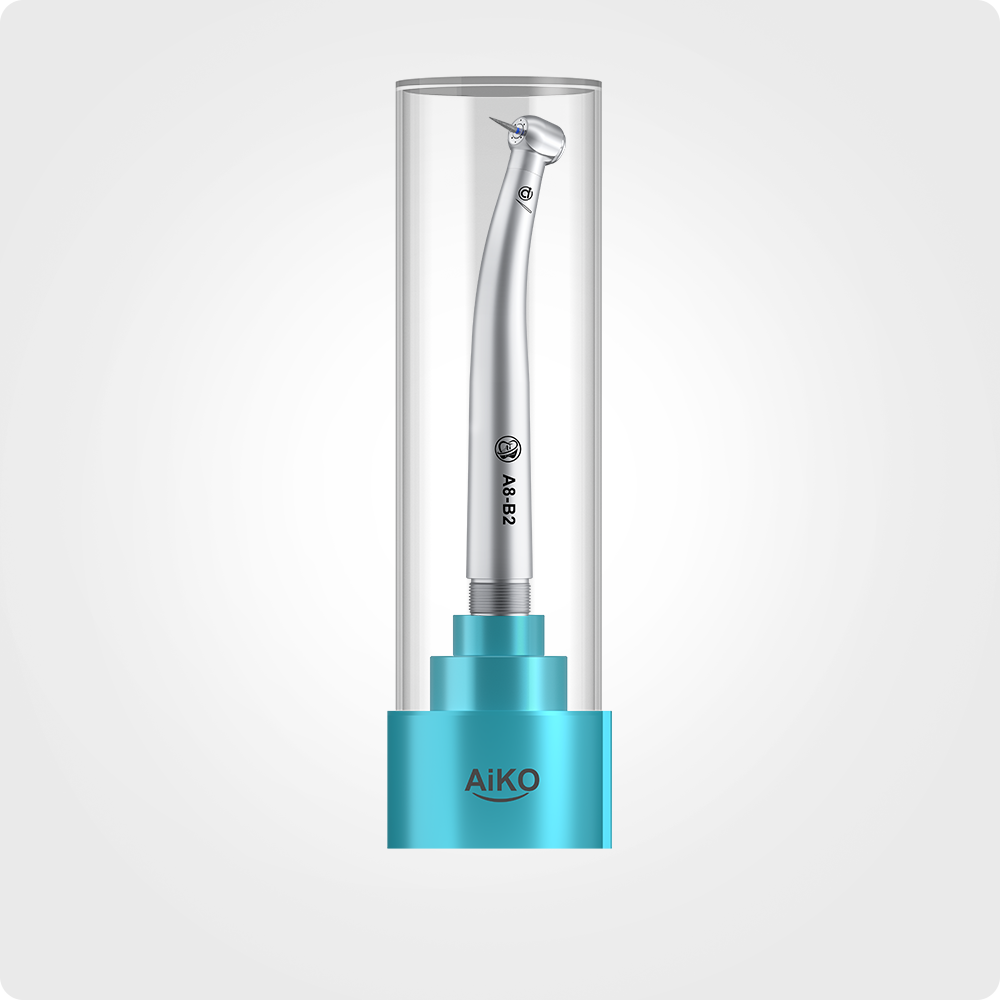
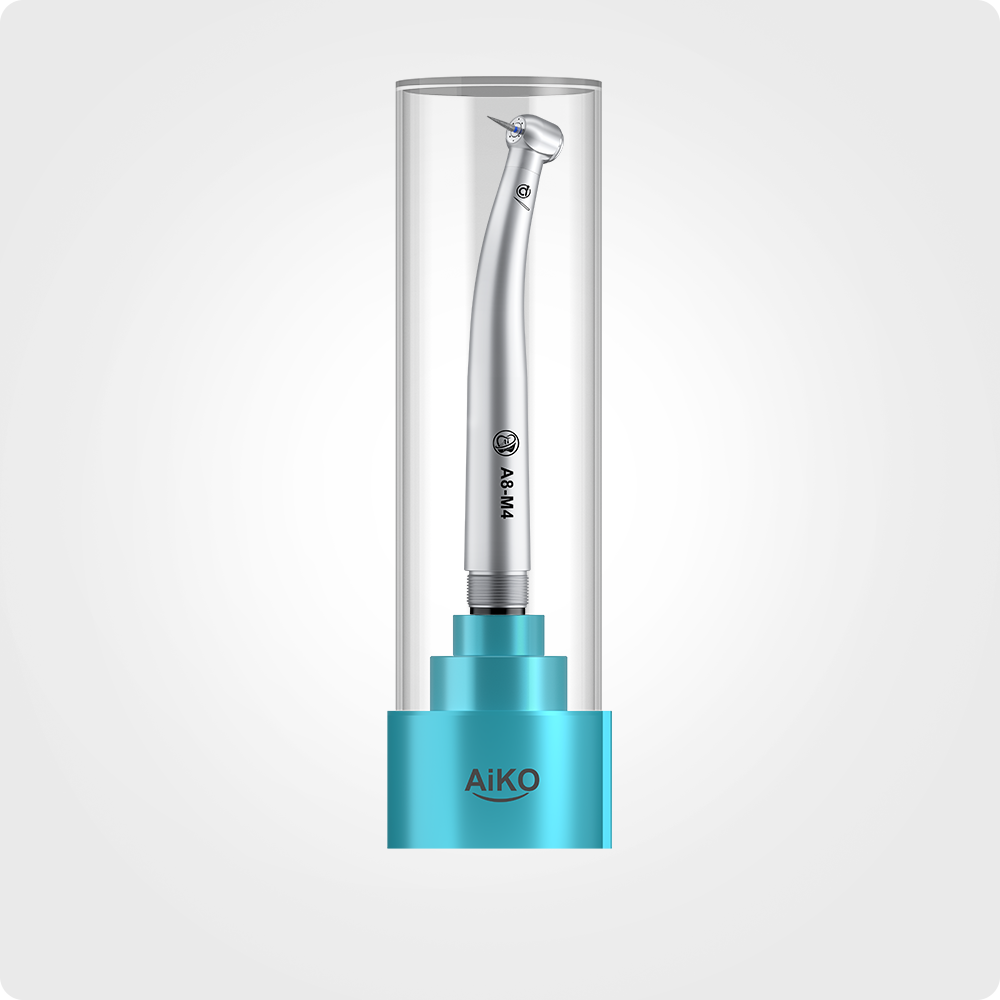
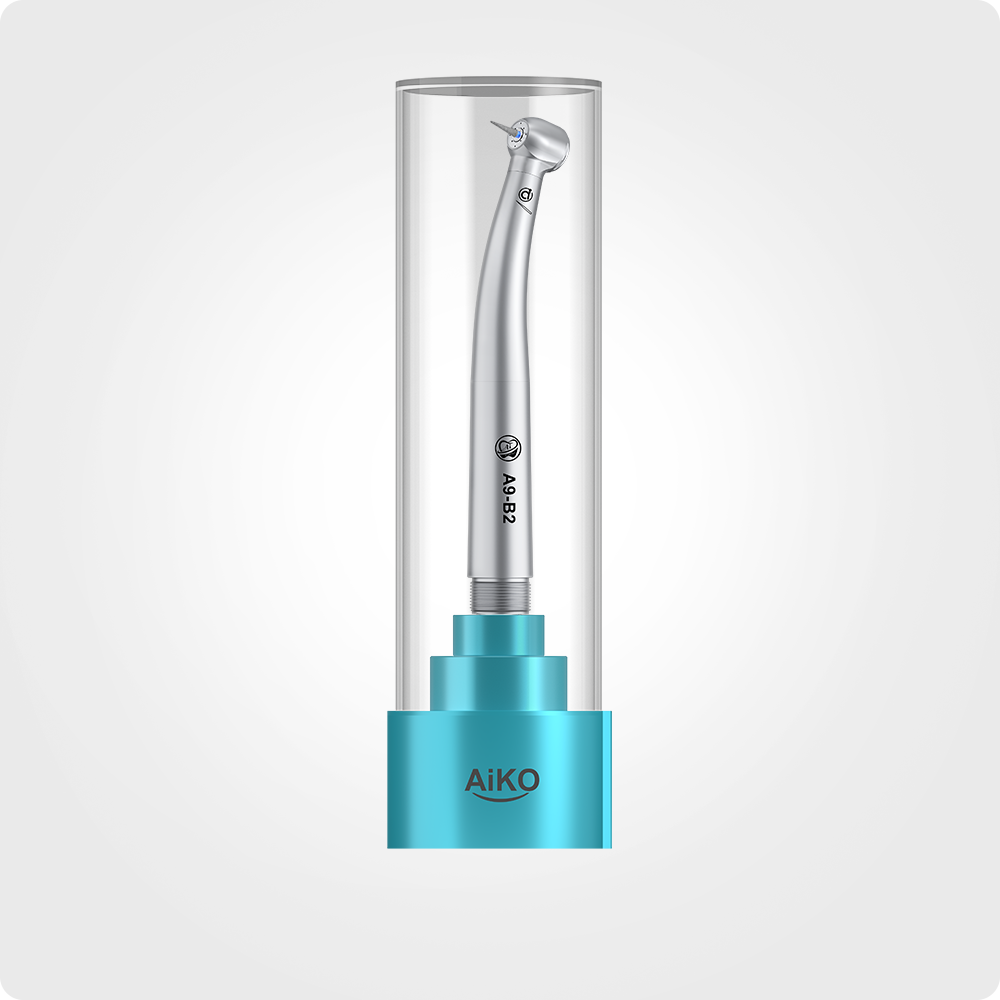
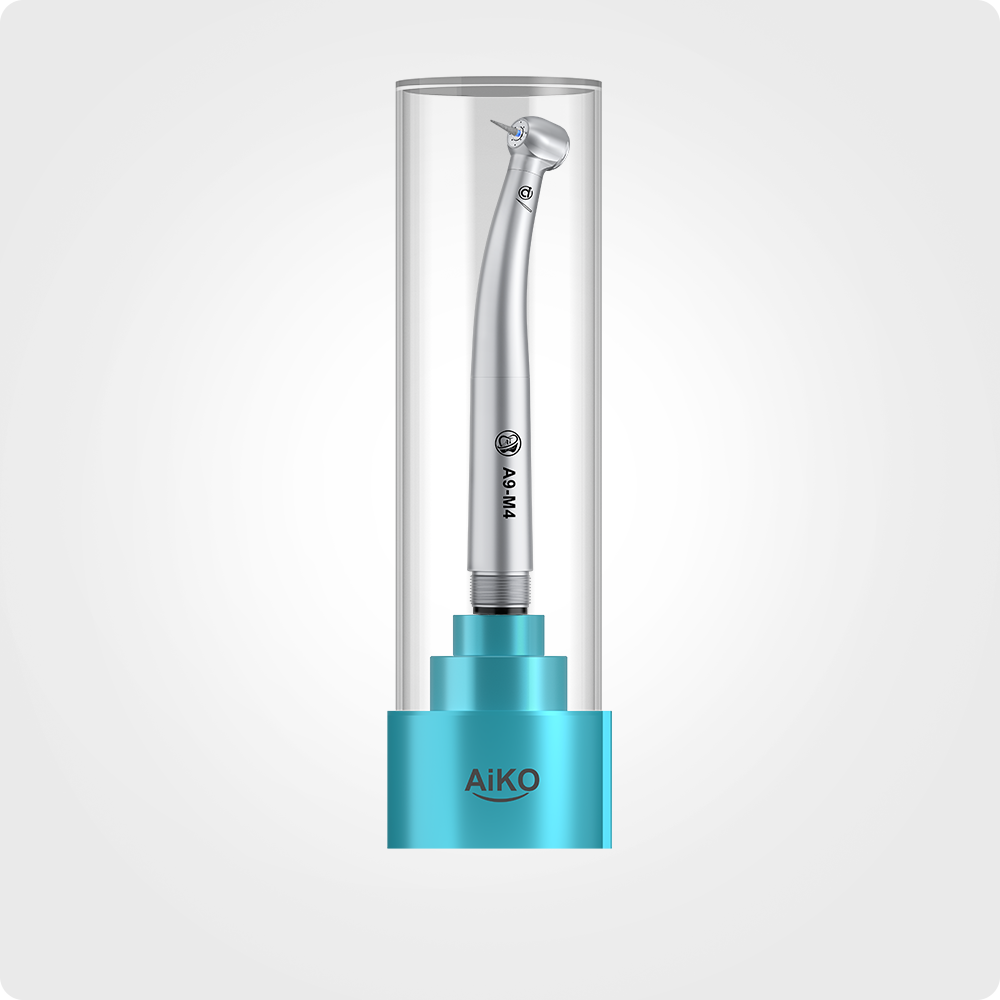

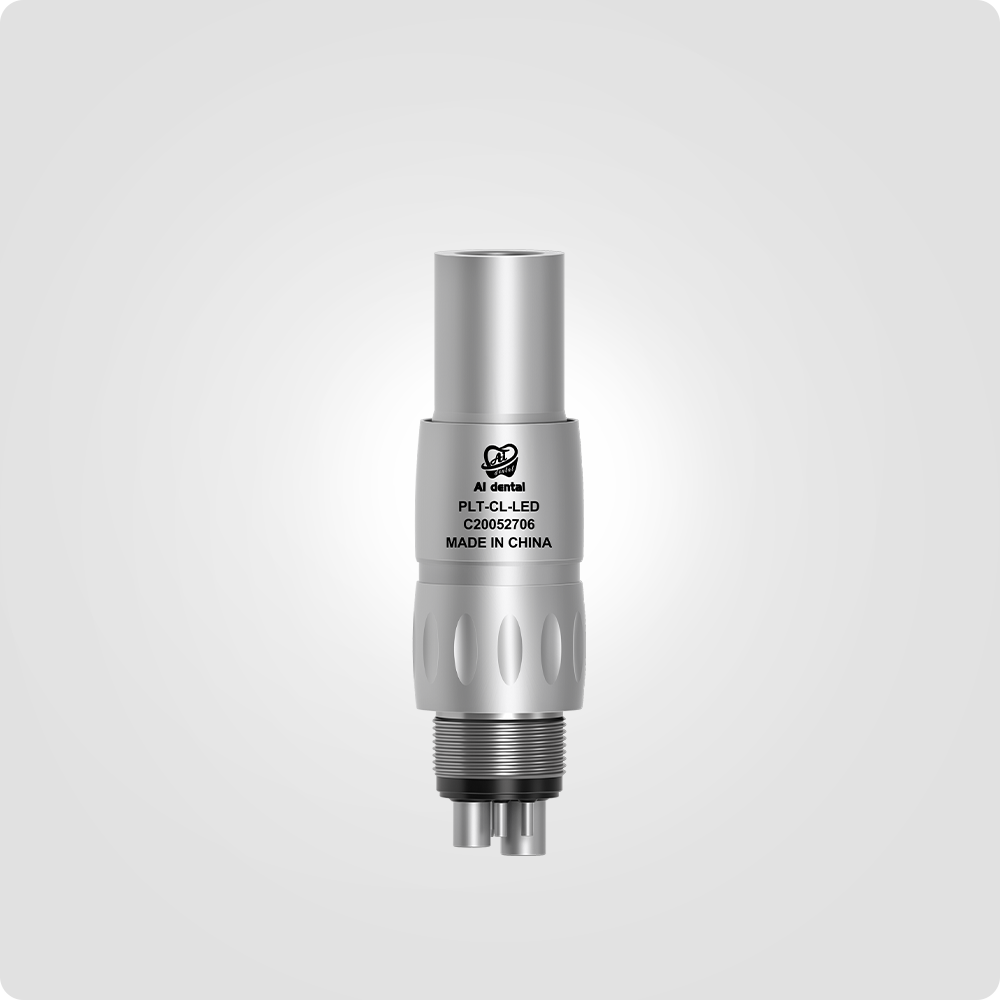
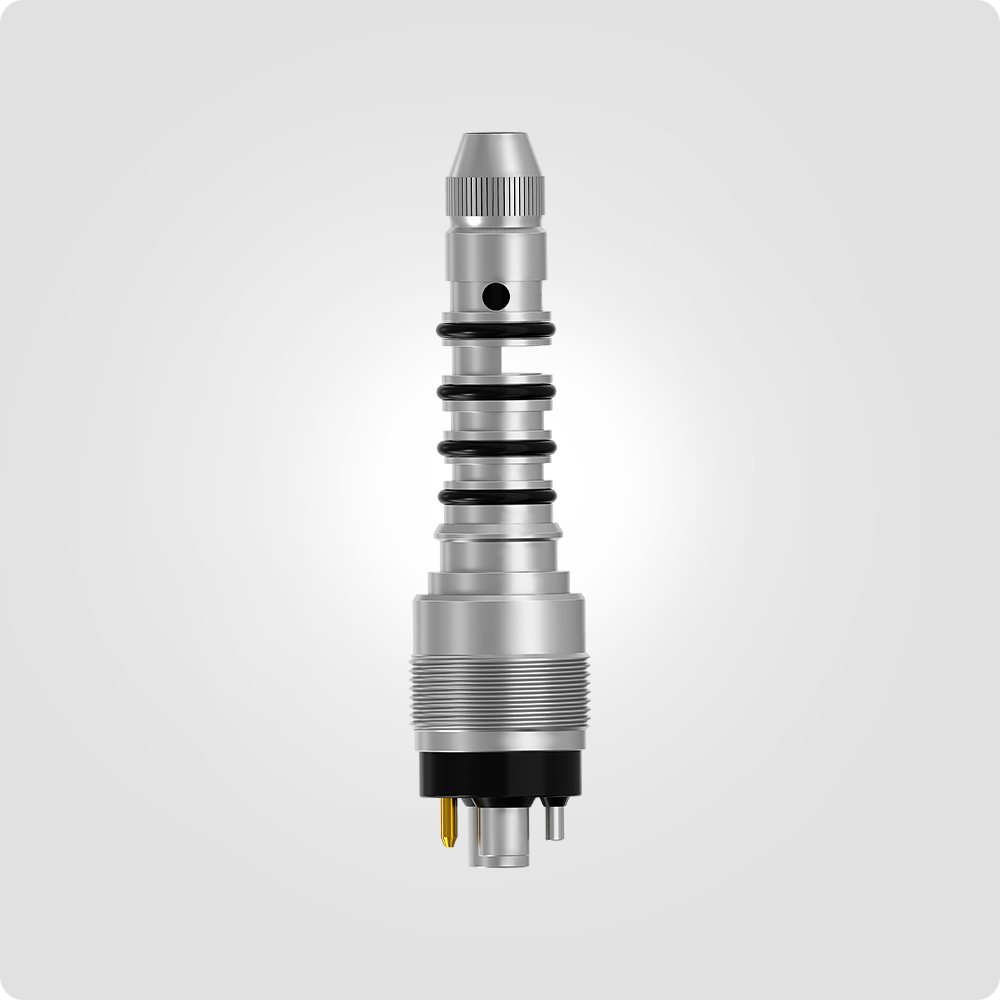








Understanding the Role of Contra Angle Low Speed Handpieces in Dental Procedures
Nov 11,2026
Views ()

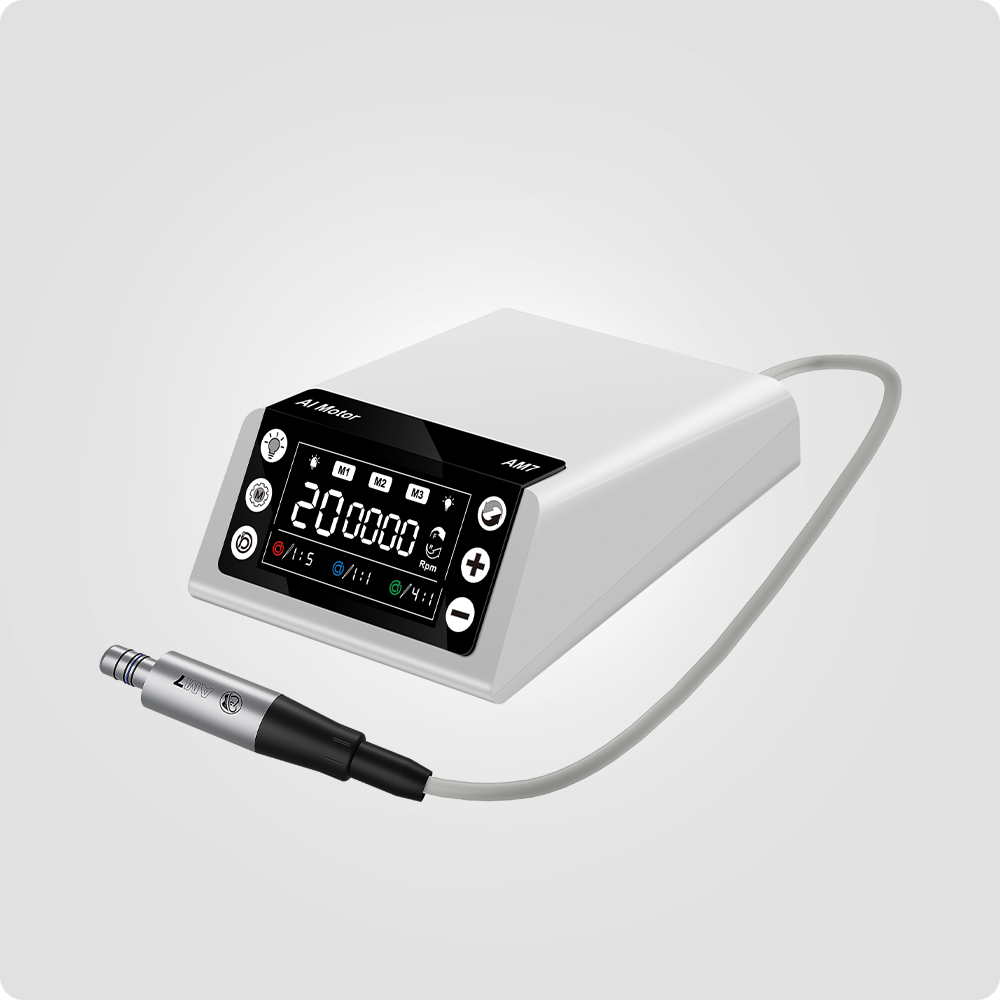
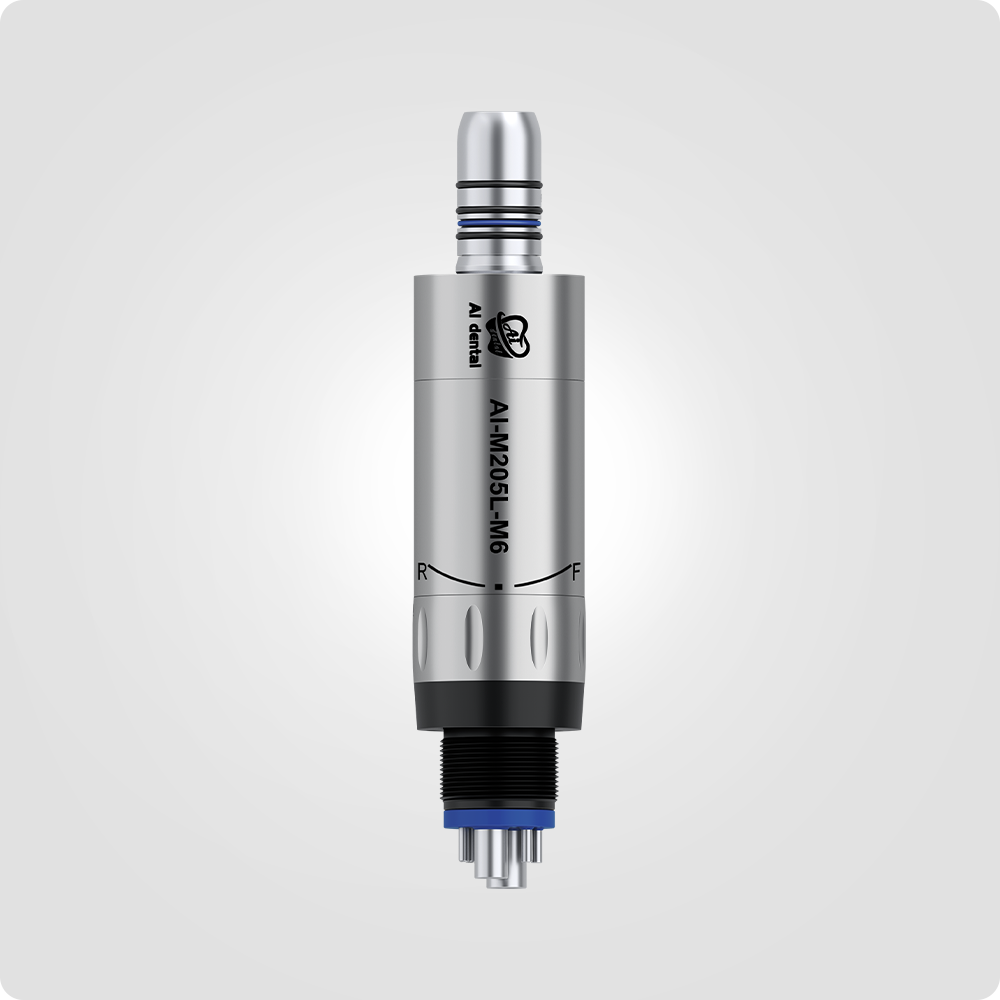
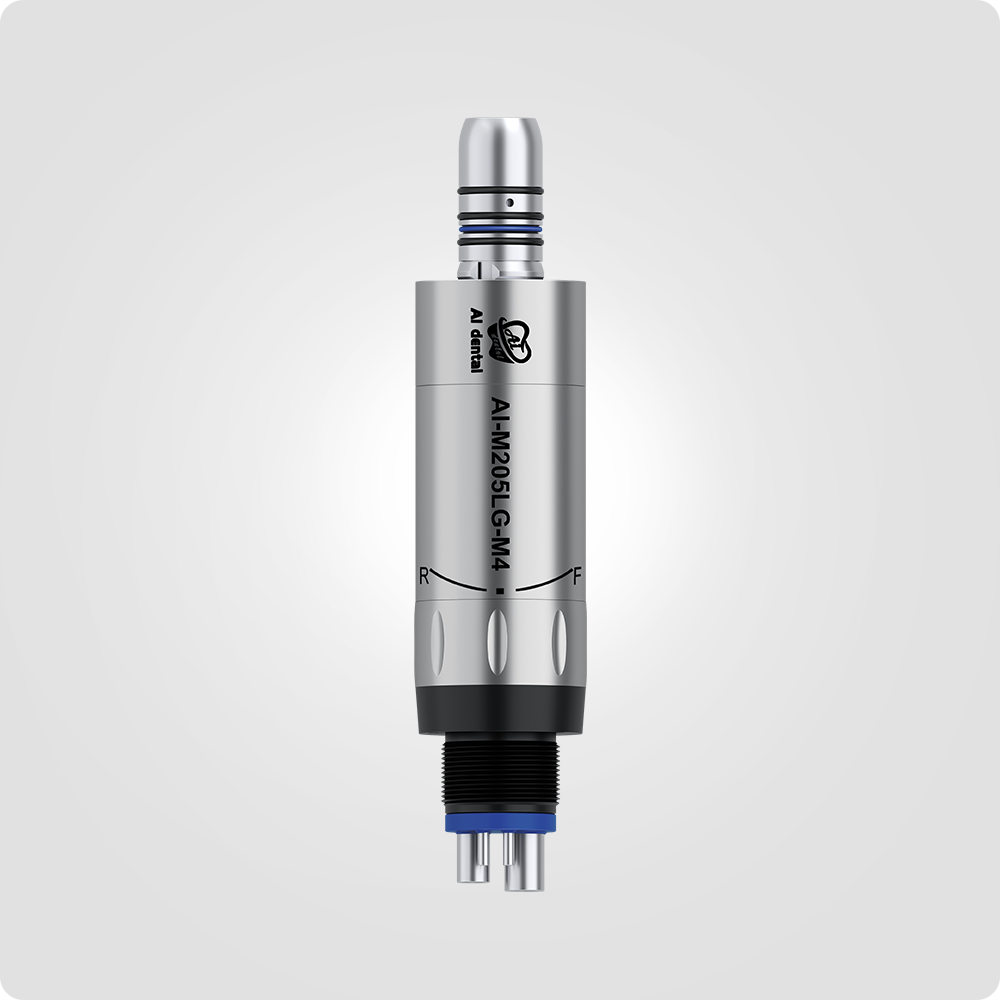
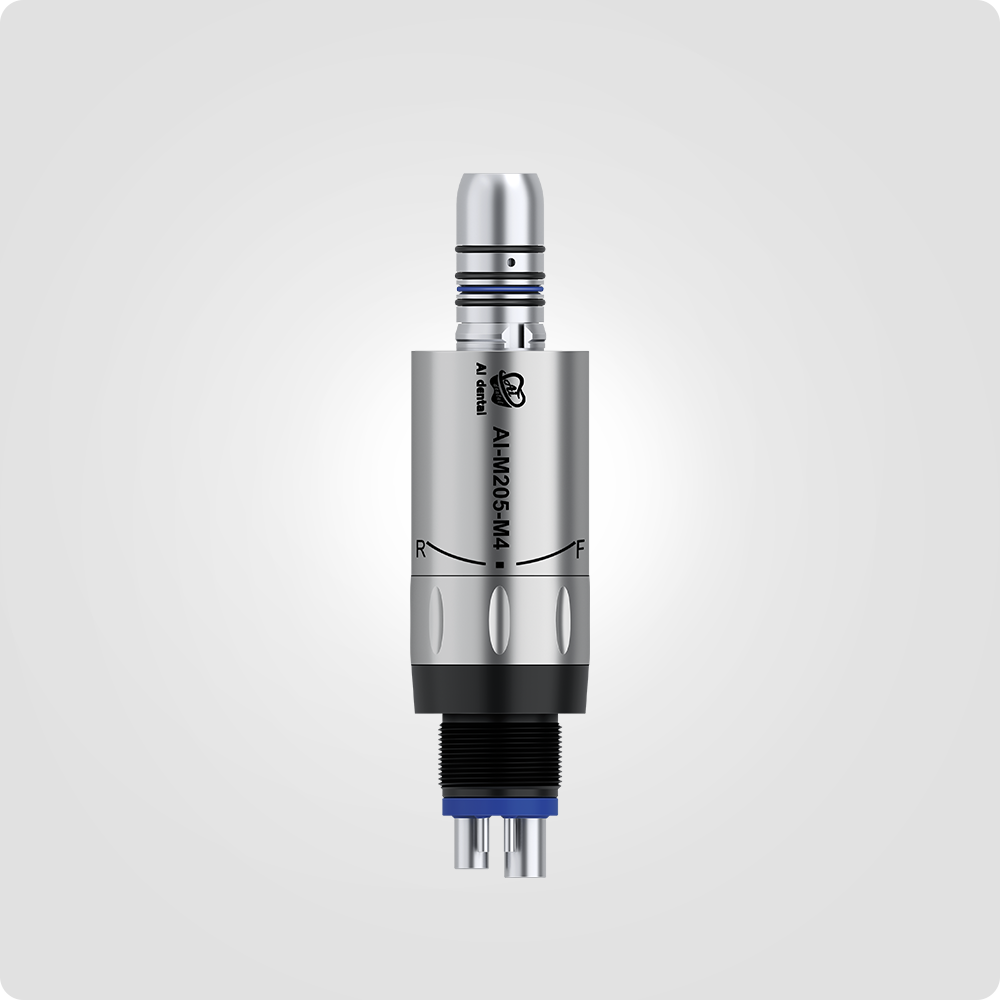
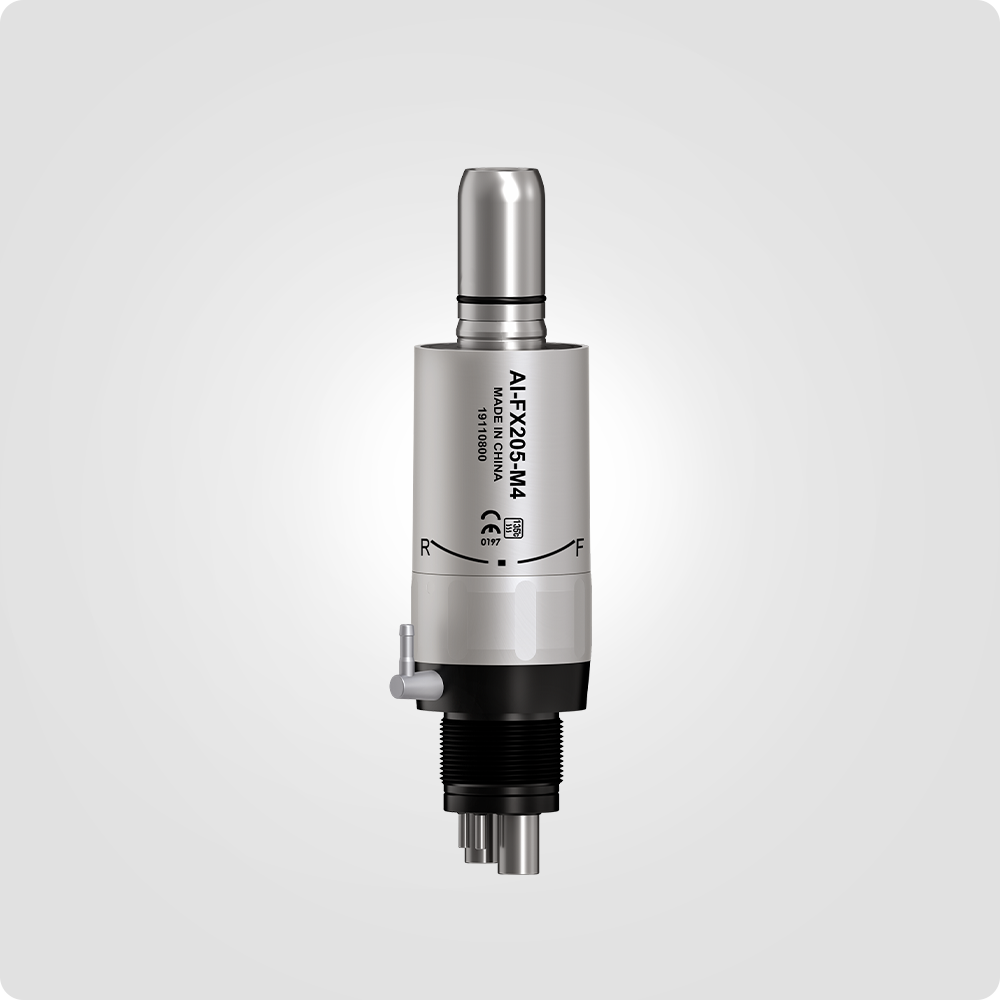
In the field of dentistry, precision and efficiency are paramount. One tool that embodies these principles is the contra angle low speed handpiece. This device is essential for a variety of dental procedures, ranging from restorative work to endodontics. Its design and functionality make it an indispensable part of a dentist's toolkit.
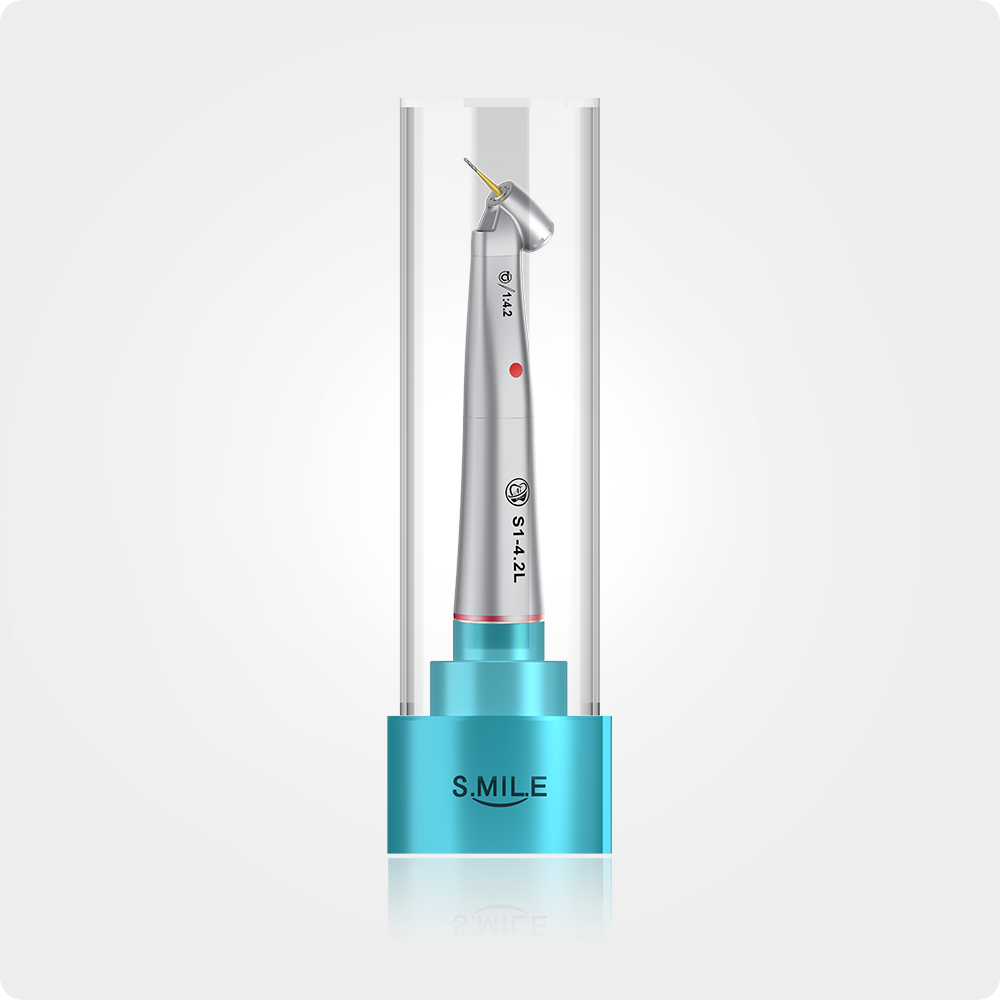
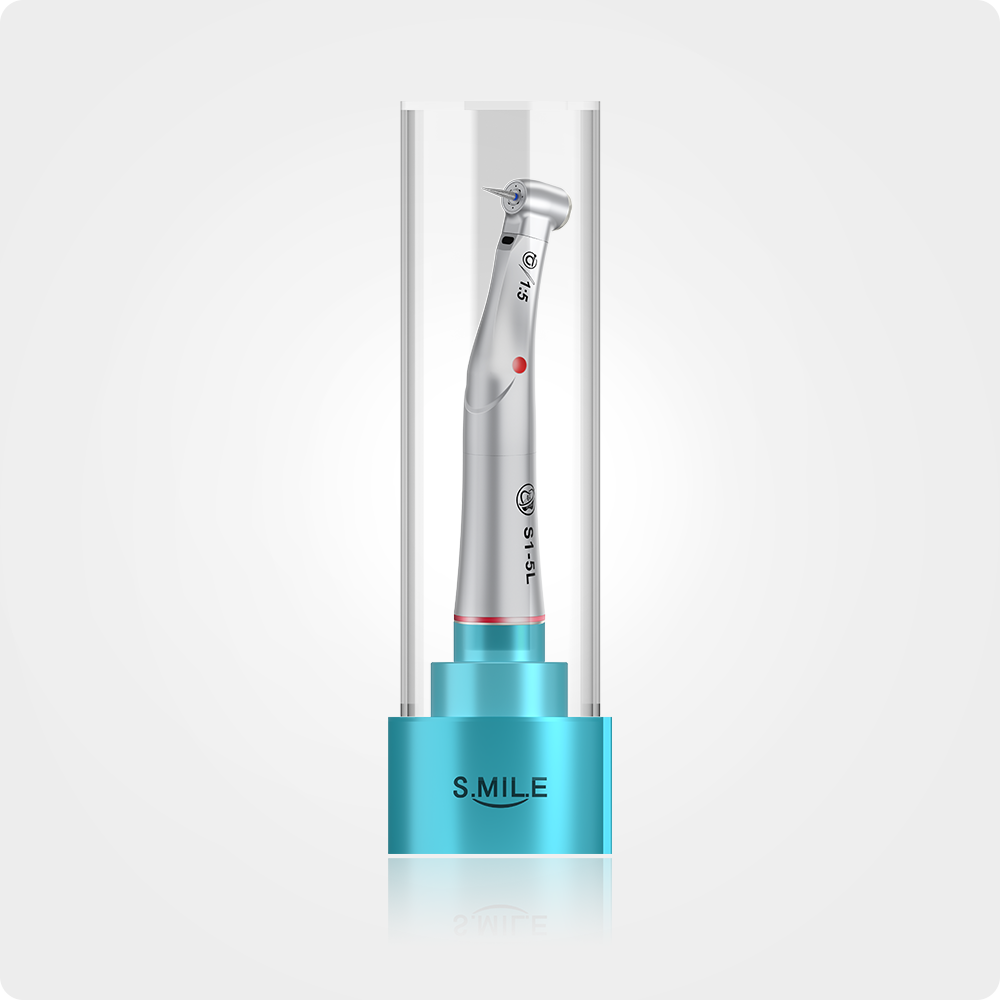
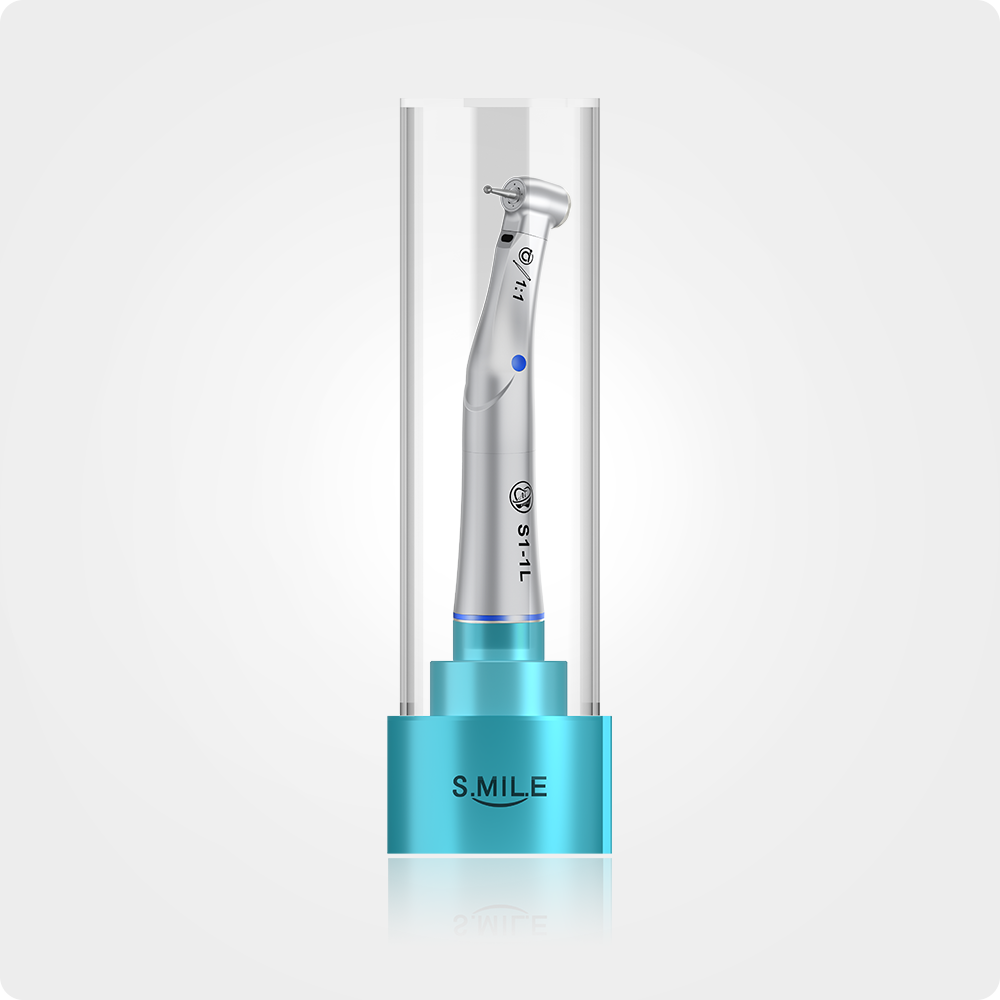
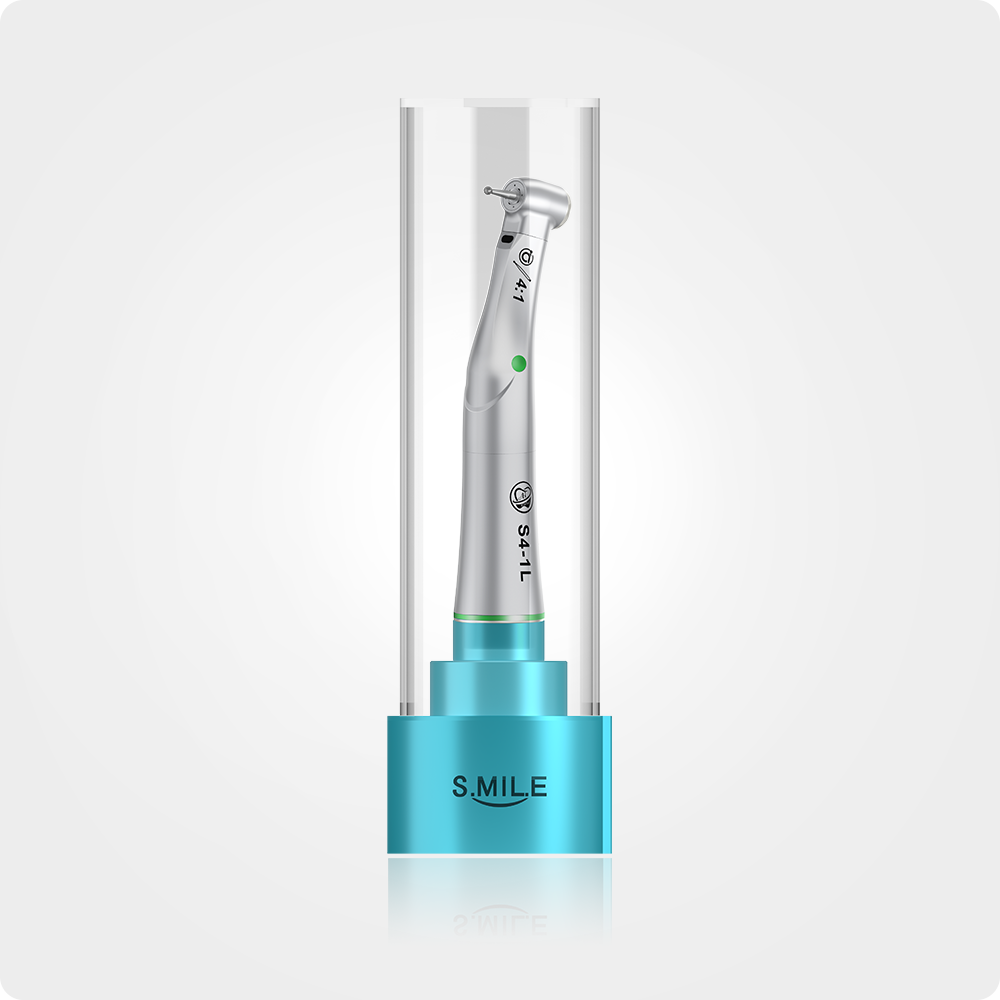
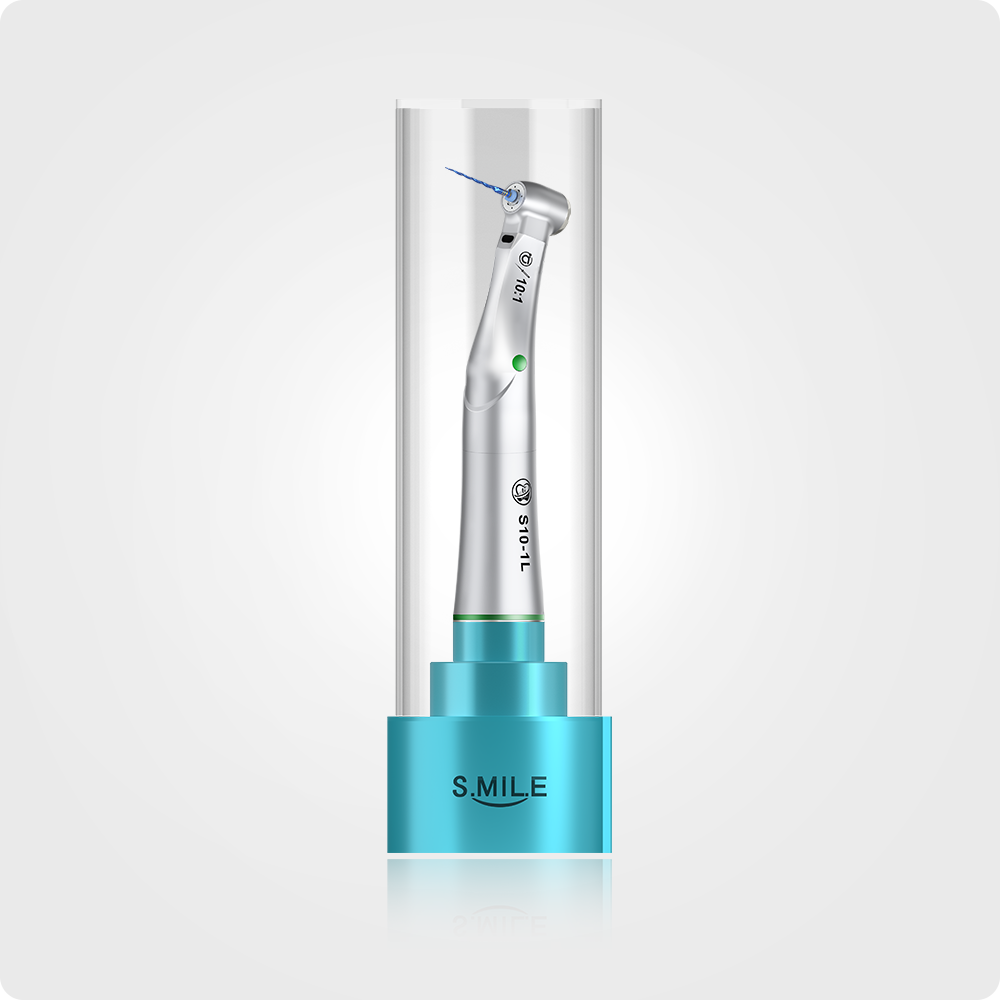
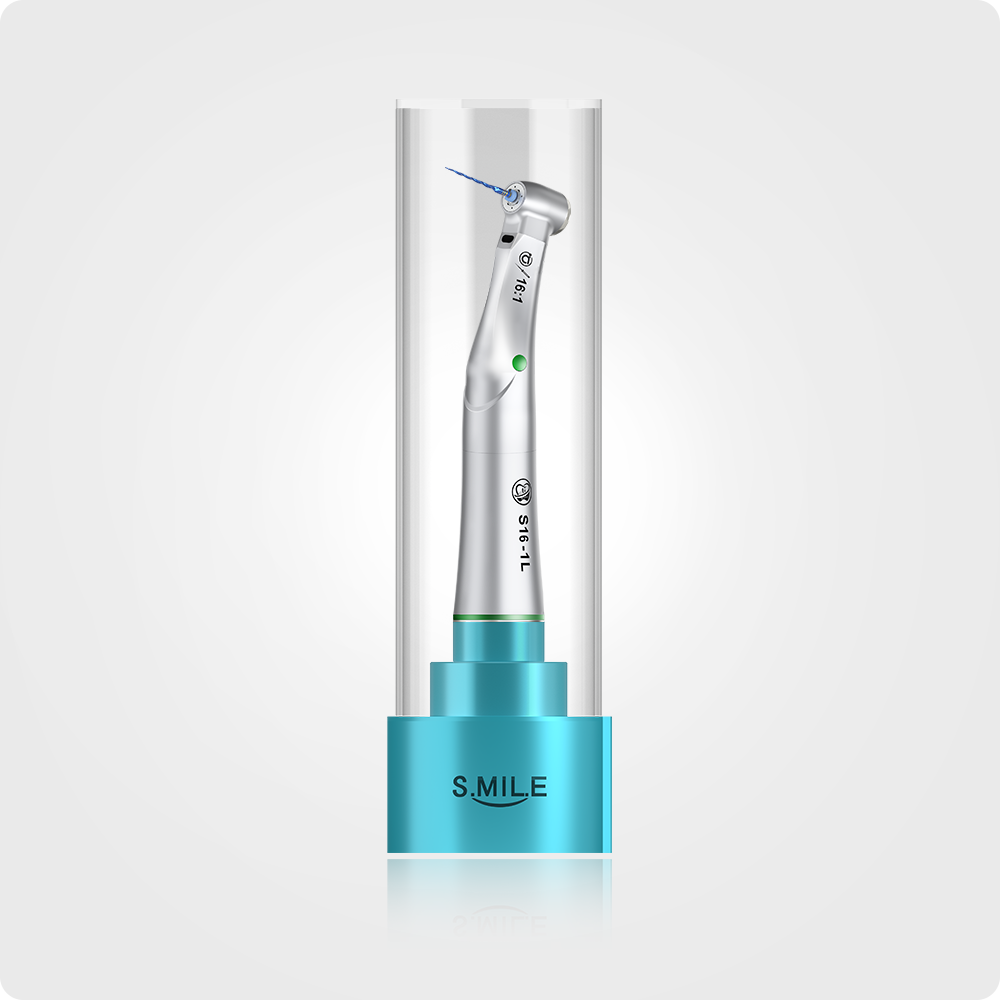
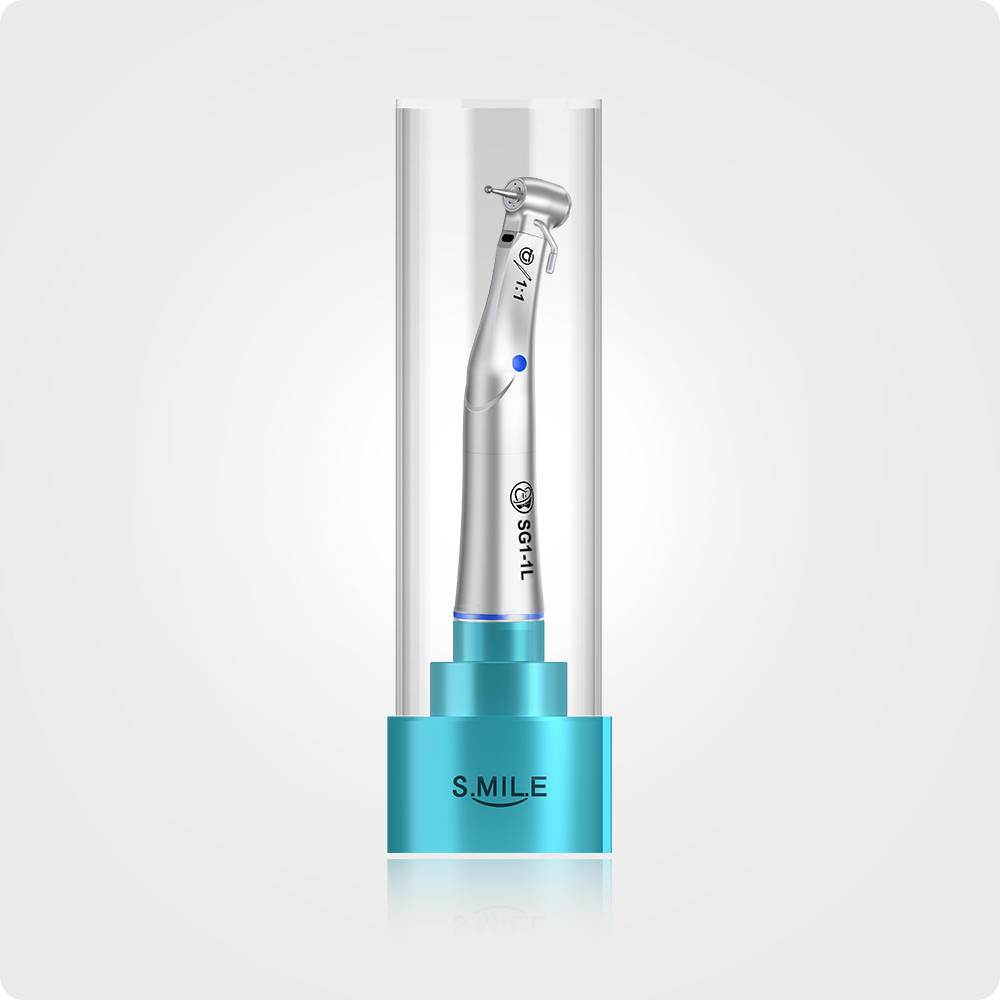
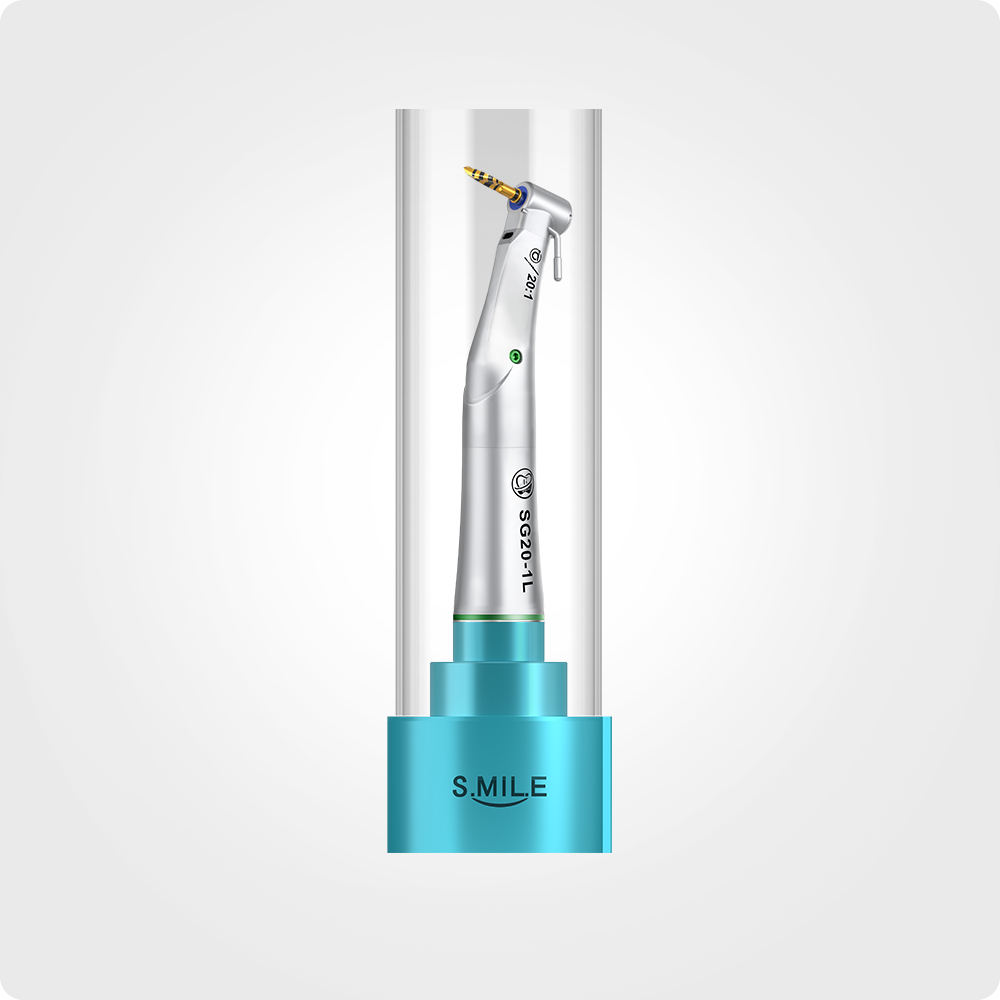
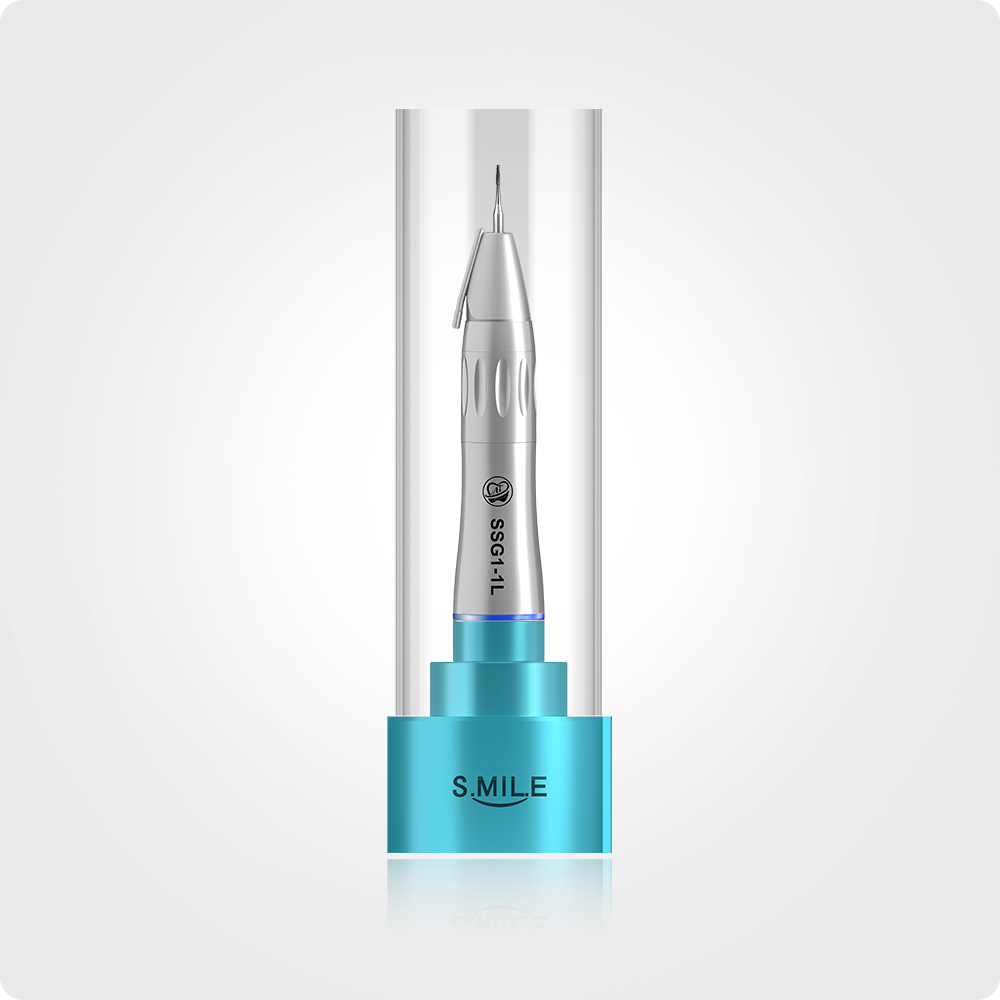
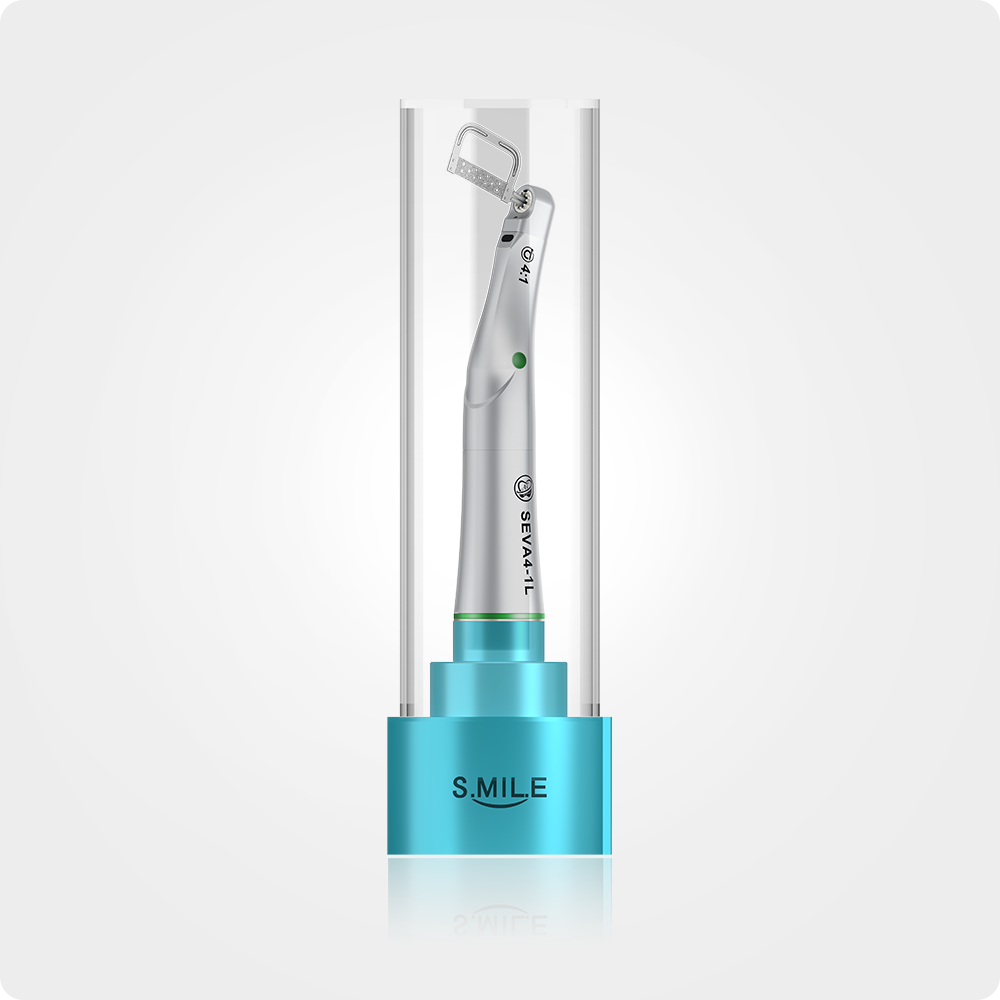
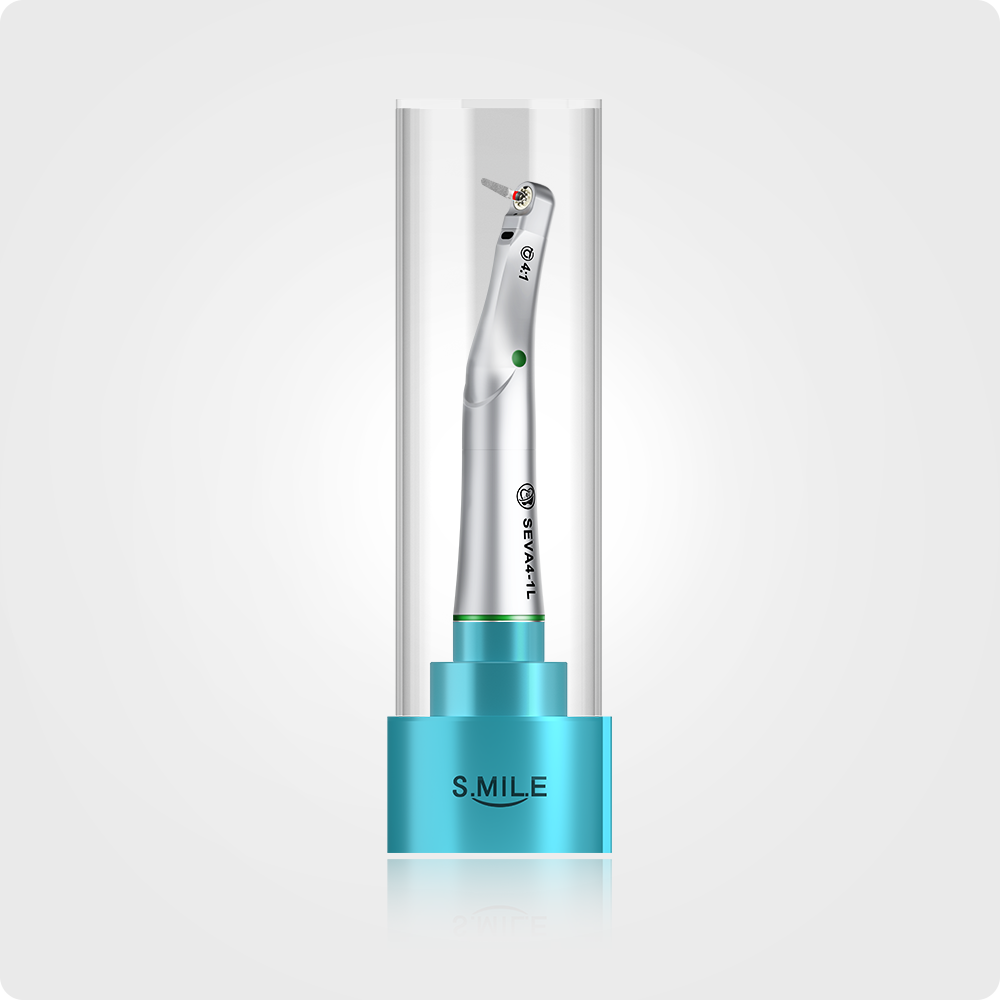
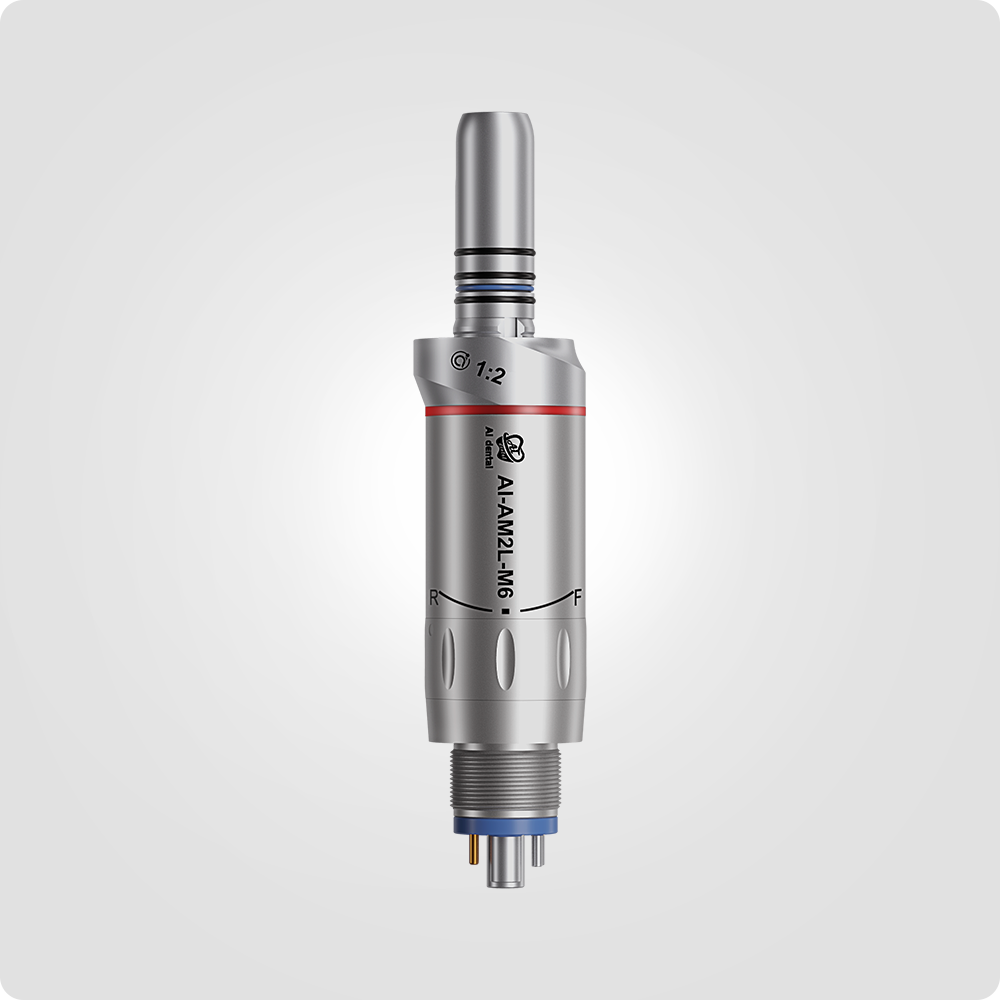
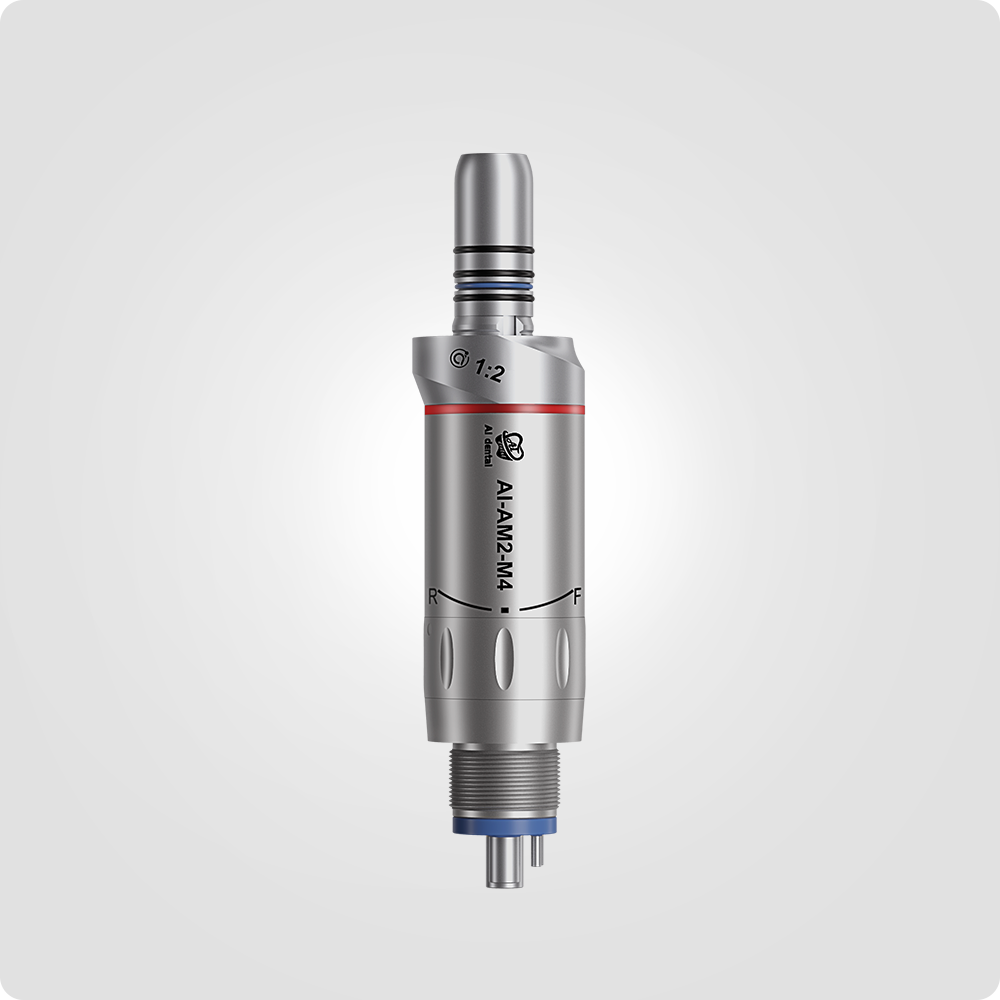
The contra angle low speed handpiece operates at a reduced speed compared to high-speed handpieces, which allows for better control during delicate procedures. This characteristic is particularly beneficial when working on soft tissues or during the finishing stages of restorative treatments. The contra angle design refers to the angle at which the bur is held; this angled configuration allows dentists to access difficult-to-reach areas of the mouth easily, enhancing the clinician's ability to perform intricate work.
One of the primary advantages of utilizing a contra angle low speed handpiece is its versatility. These handpieces can accommodate various attachments and burs, enabling dentists to perform a multitude of tasks. For instance, they can be used for polishing teeth, removing decay, or shaping restorative materials. Their low-speed capability is particularly advantageous when a gentler touch is necessary, minimizing the risk of thermal damage to the dental pulp and surrounding structures.
In addition to their precision and versatility, contra angle low speed handpieces are designed for ease of use. Many models come equipped with ergonomic grips that reduce hand fatigue, allowing dental professionals to operate the handpiece comfortably for extended periods. Moreover, the lightweight design contributes to the overall ease of maneuverability within the oral cavity.
Maintenance of contra angle low speed handpieces is crucial for ensuring their longevity and performance. Regular cleaning and sterilization are necessary to prevent cross-contamination and to uphold patient safety standards. Dental professionals should follow the manufacturer's guidelines for lubrication and maintenance to keep the handpiece in optimal working condition. Neglecting these practices can lead to decreased performance and potentially compromise patient care.
In summary, contra angle low speed handpieces play a vital role in contemporary dentistry. Their ability to provide controlled, precise movements makes them an ideal choice for a wide range of dental procedures. By understanding the benefits and maintenance requirements of these handpieces, dental professionals can enhance their clinical practice, ultimately contributing to improved patient outcomes. As technology continues to advance, the role of such instruments in dental healthcare will only become more significant, underscoring the importance of staying informed about the tools available in the field.
Related News
AI DENTAL Highlights Day 1 at 2026 Rimini Dental Expo-High-Value Smile & AiKO Series
May 15,2026
Views ()
Focus On Dental Handpieces