













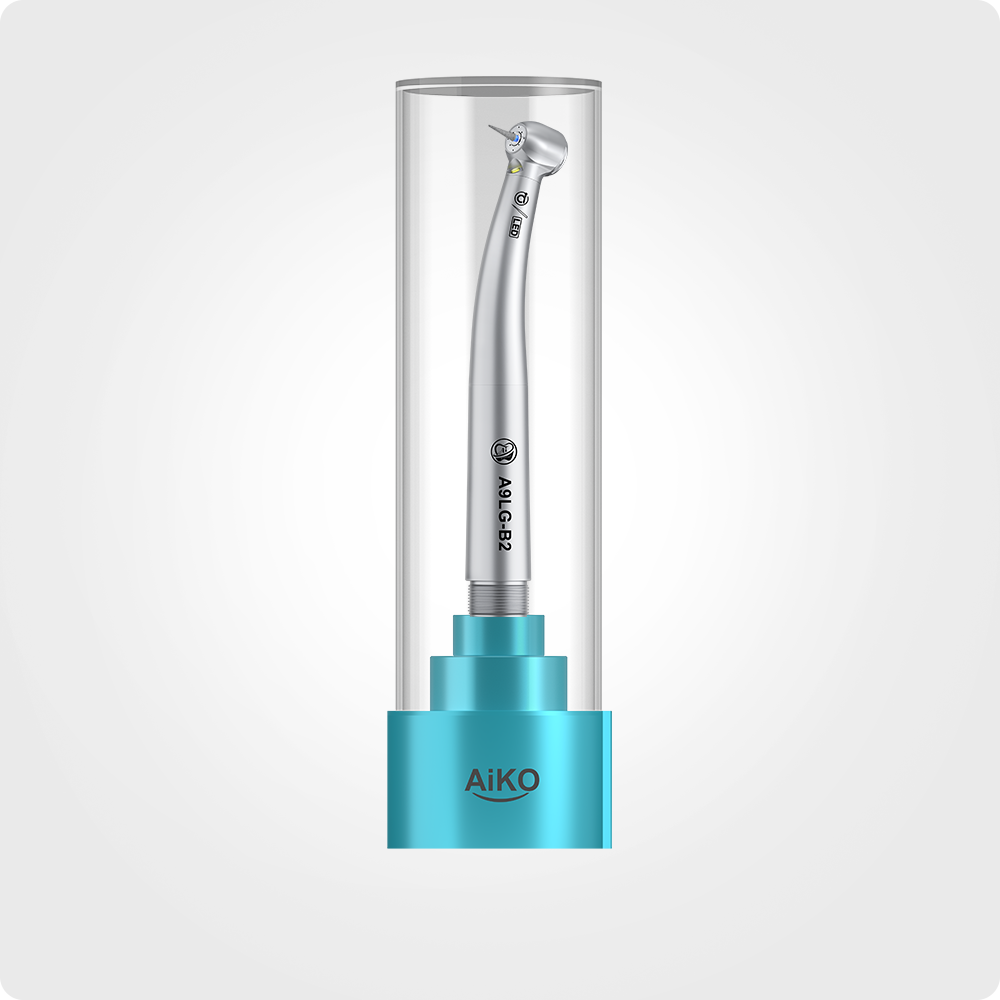
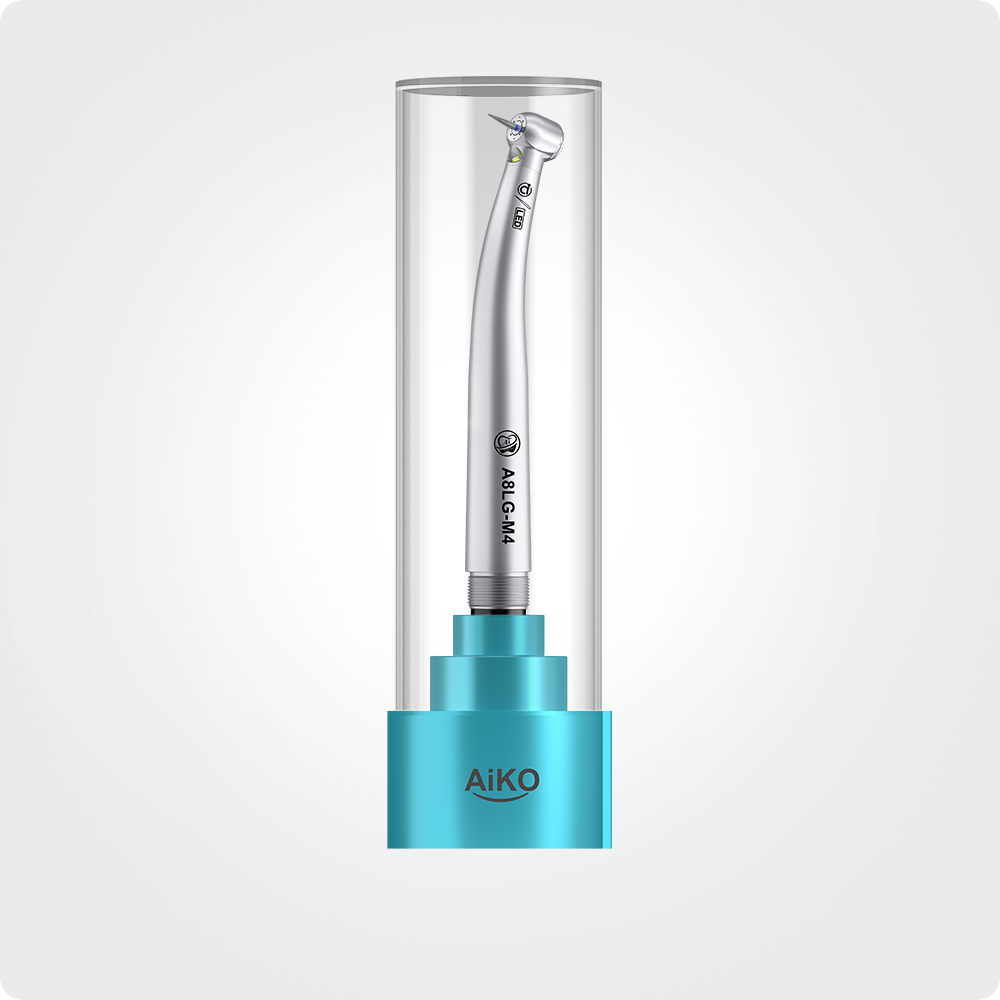
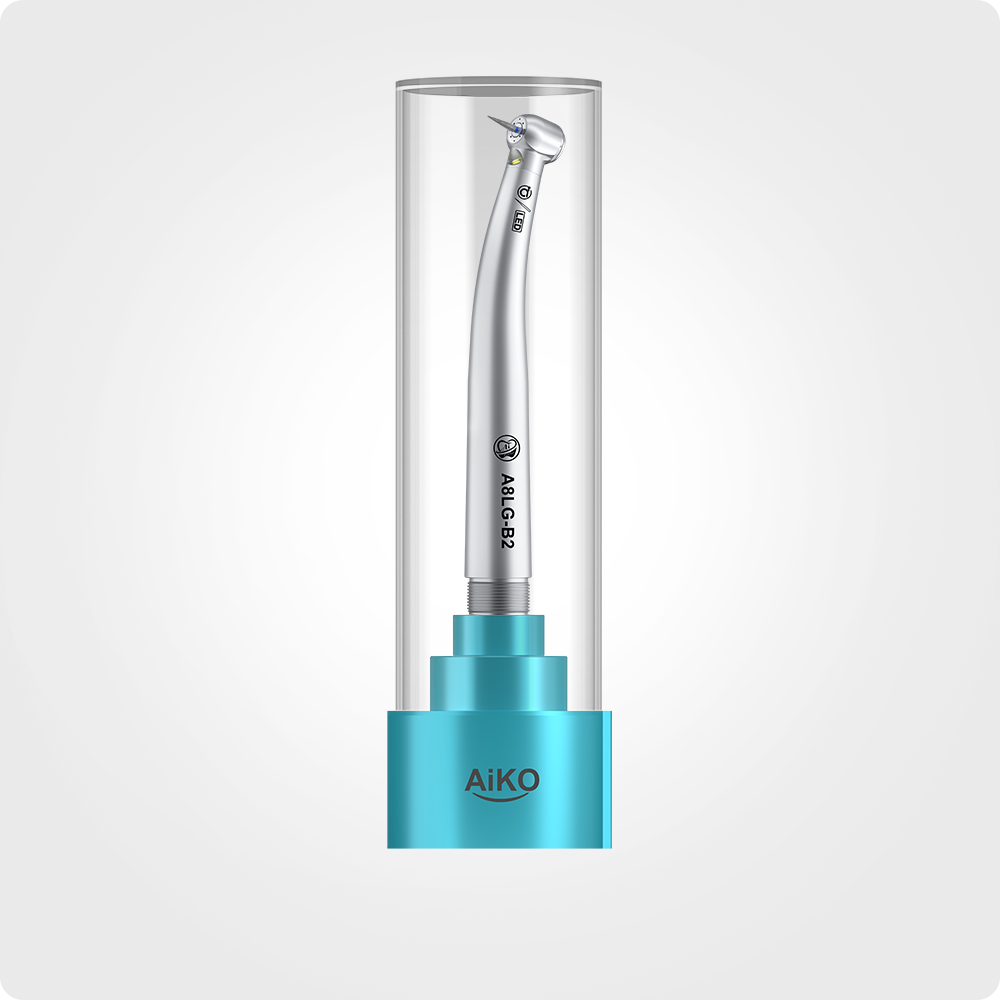
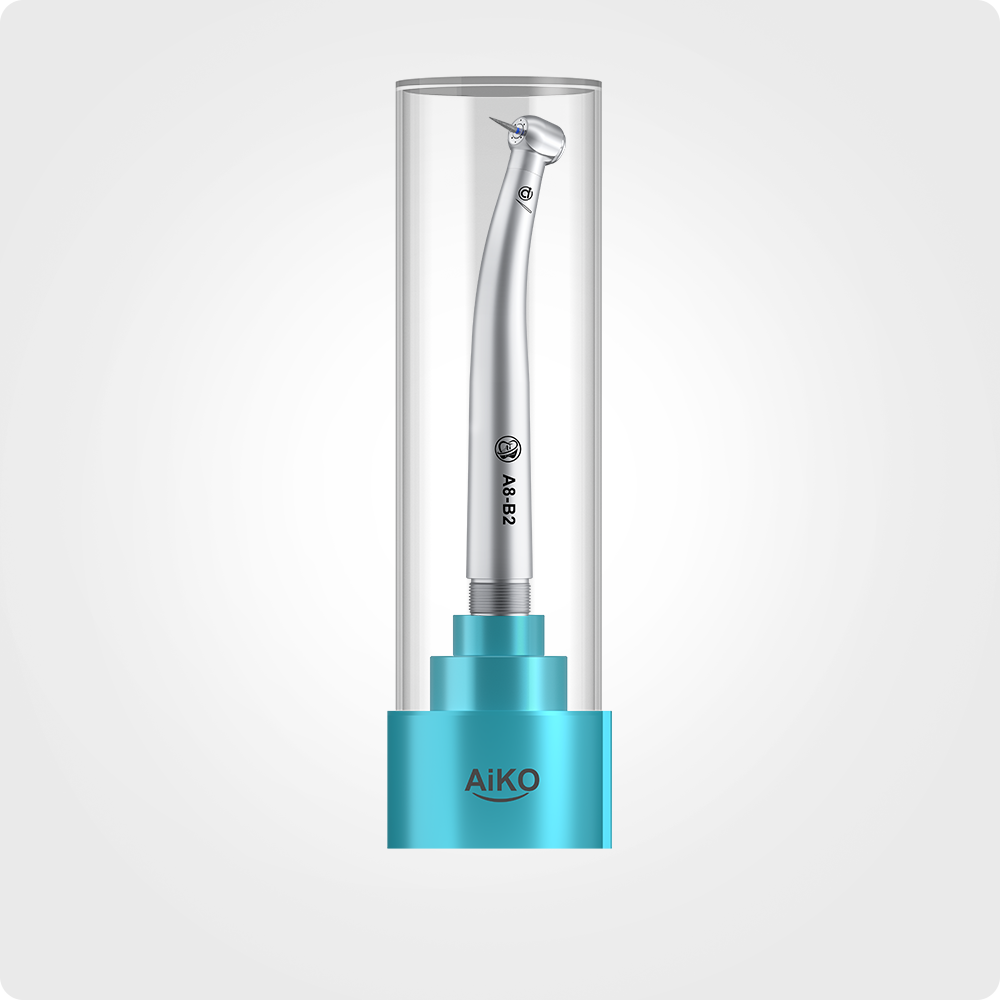










Why Quality Matters in the Dental Handpieces Market: A Comprehensive Analysis
Nov 10,2026
Views ()

Why Quality Matters in the Dental Handpieces Market
Understanding Dental Handpieces
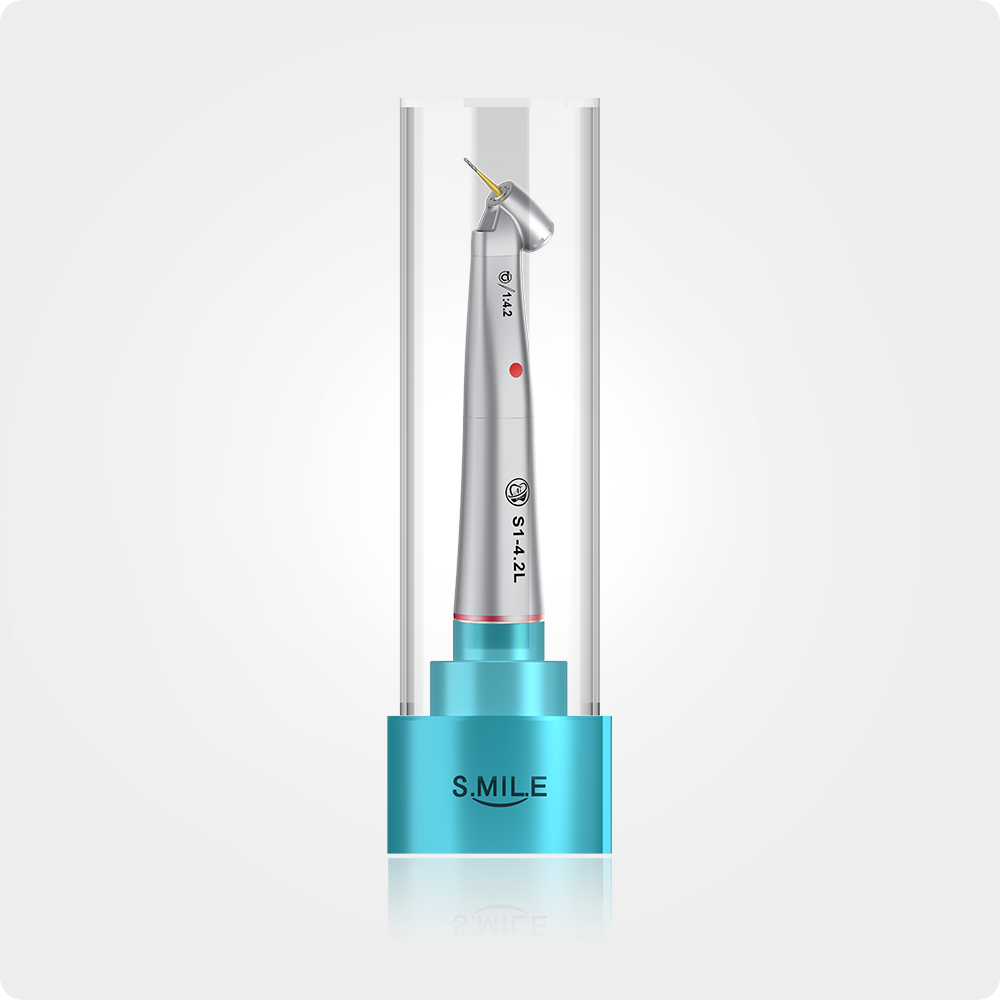
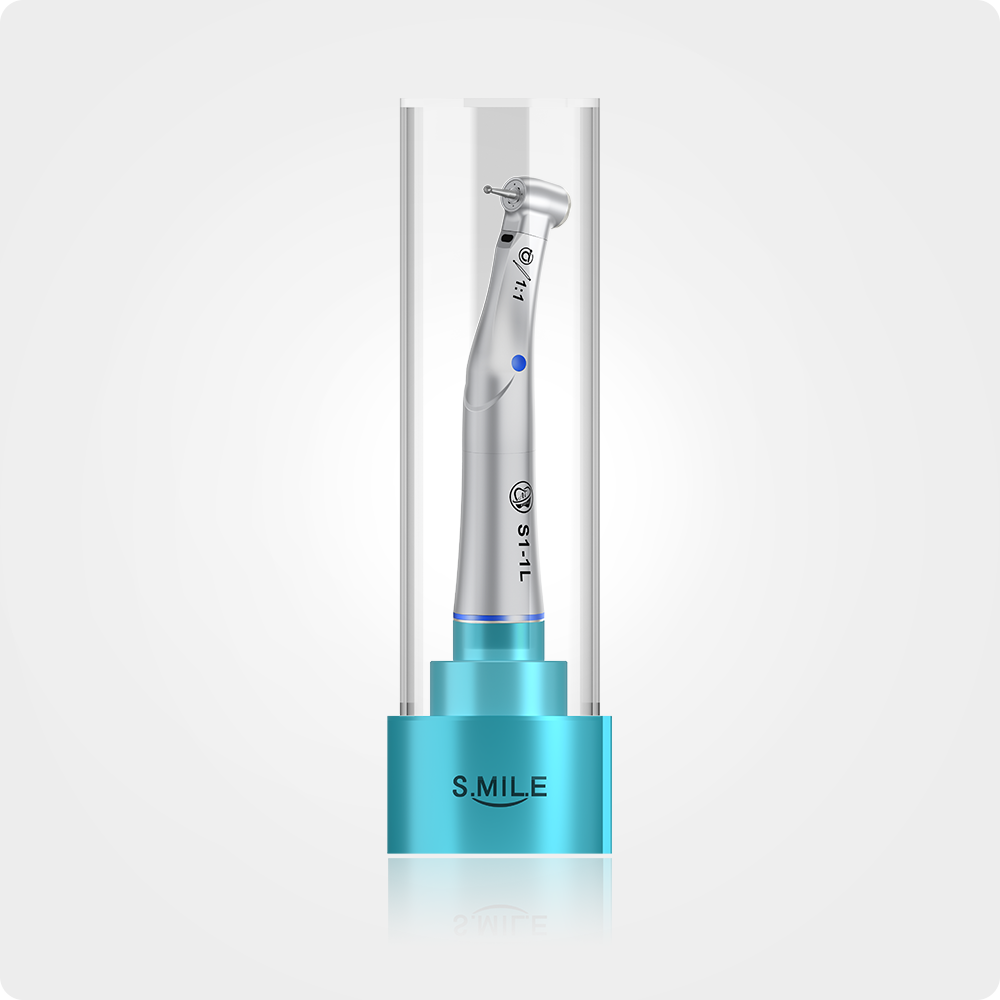
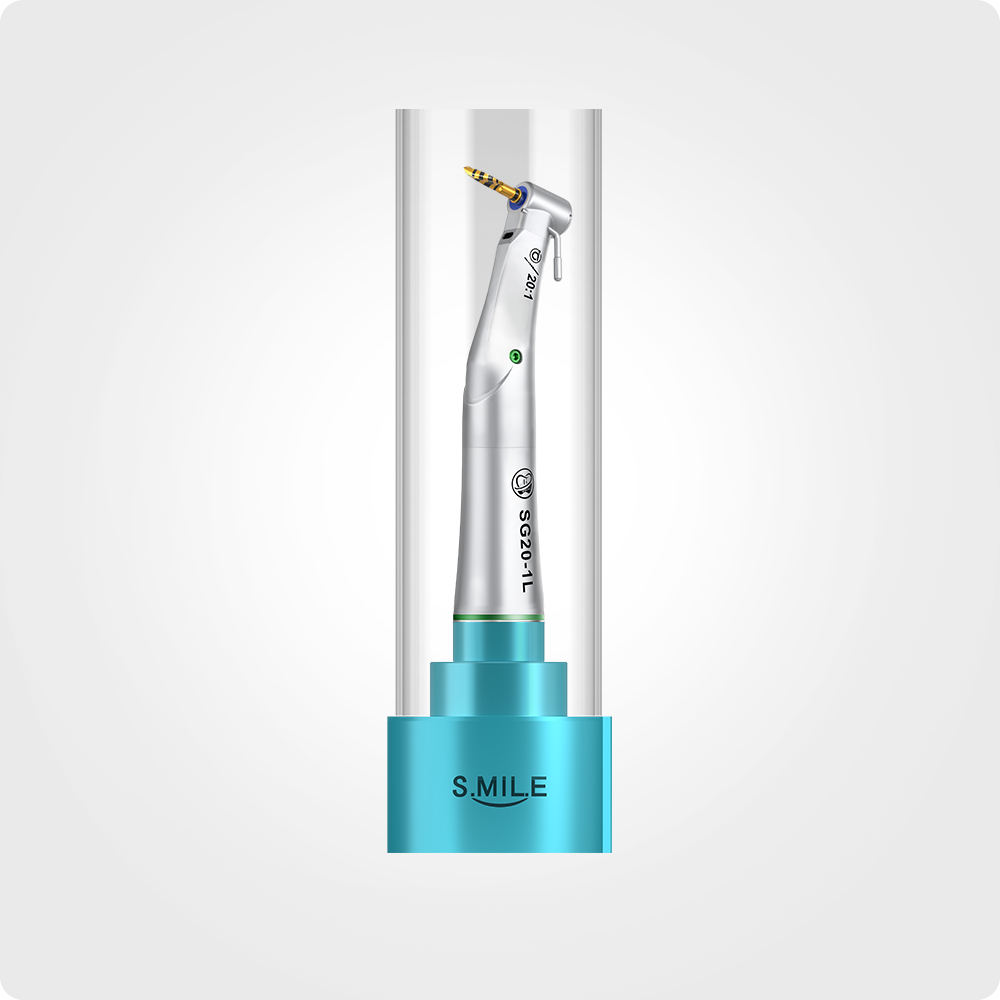
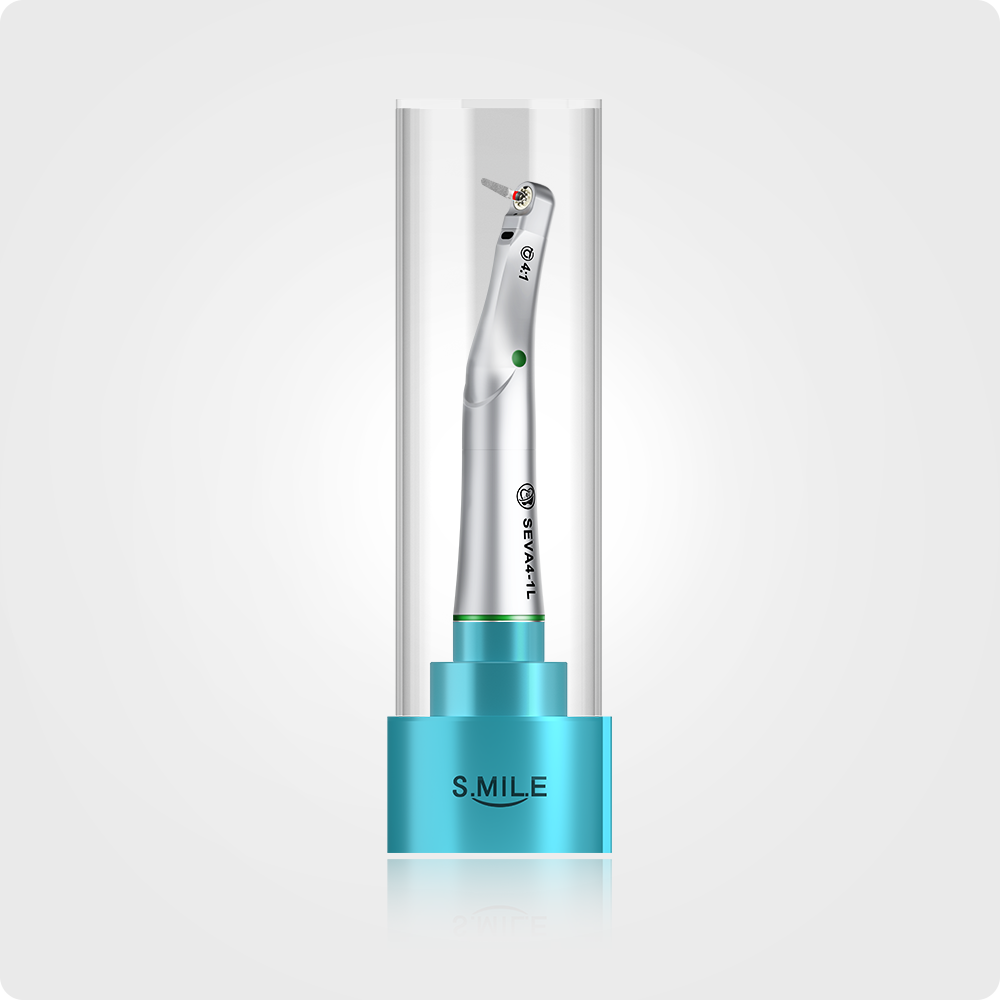
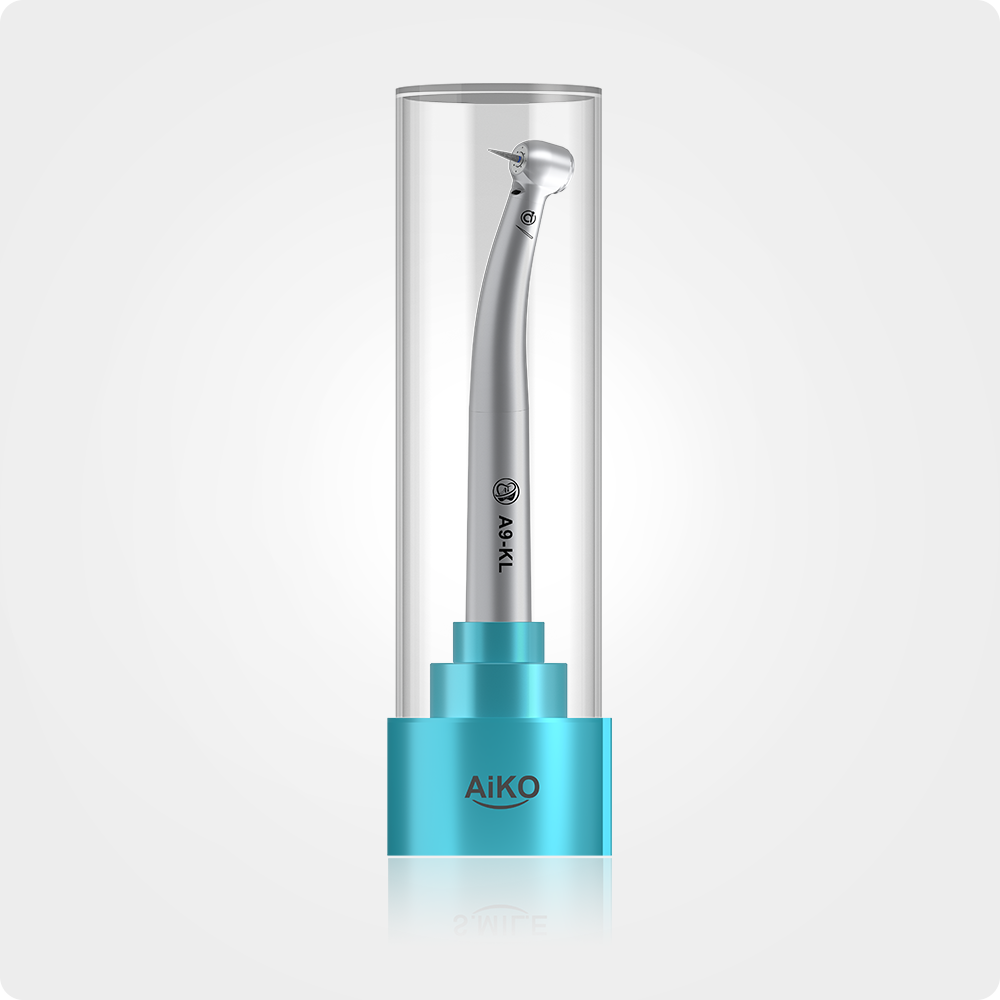
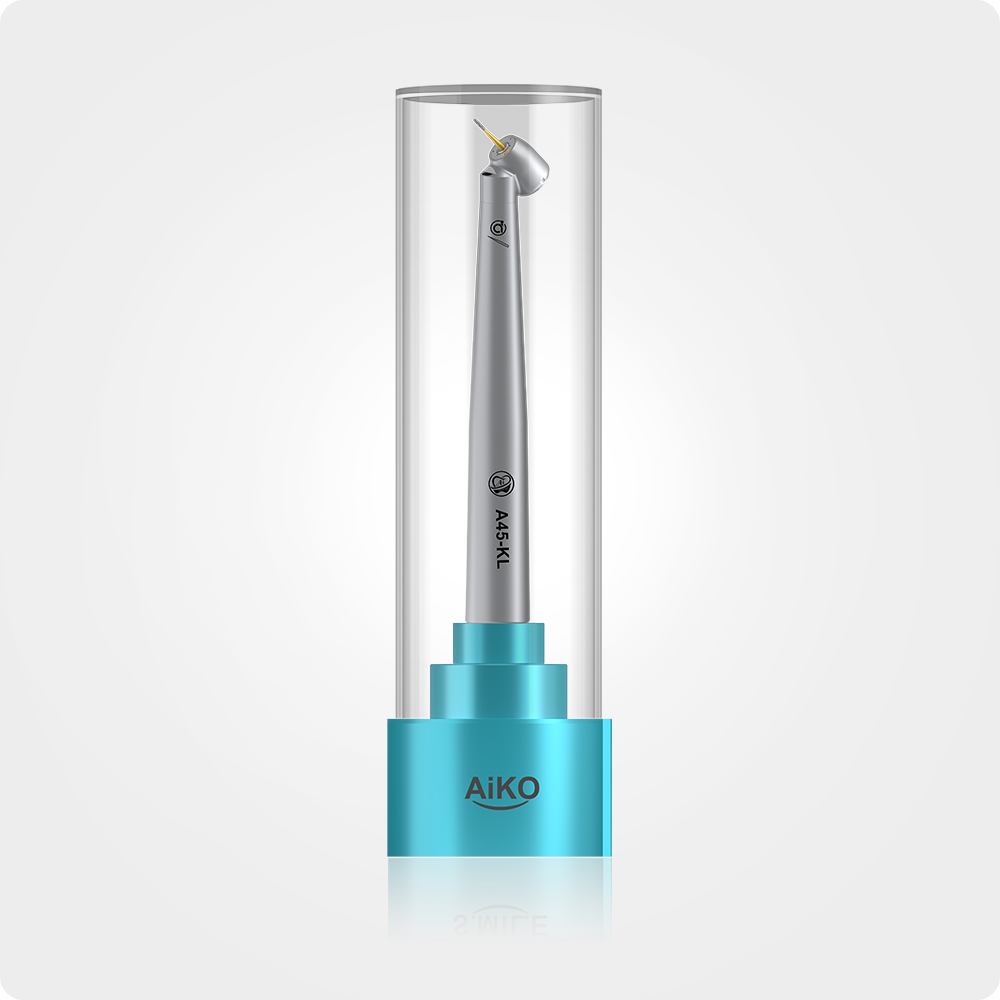
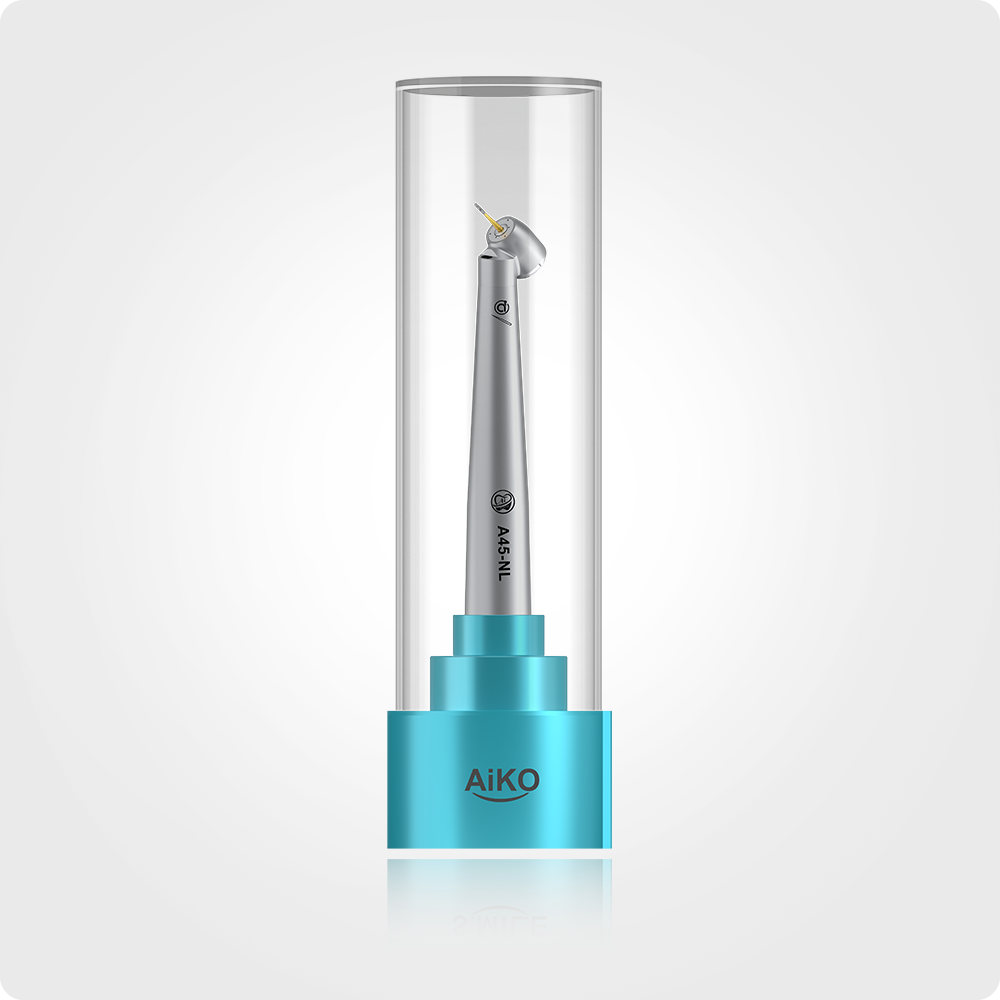
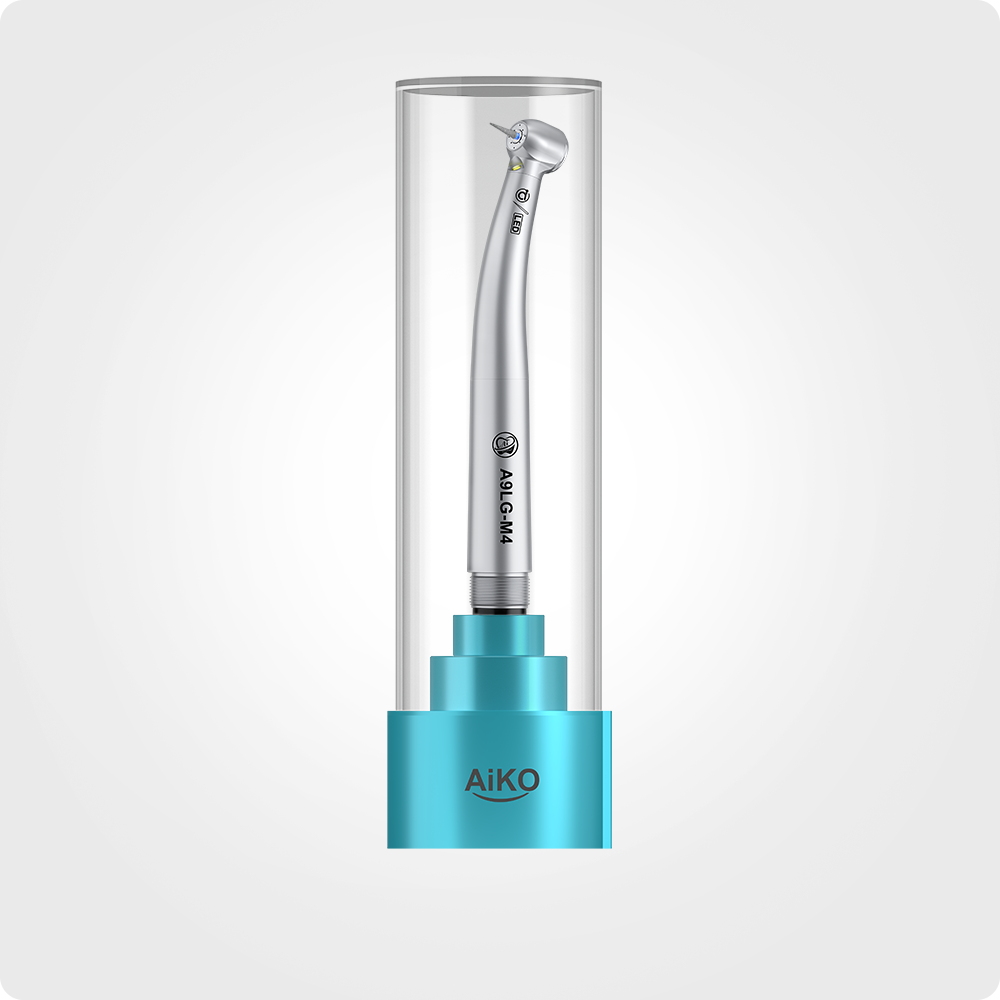
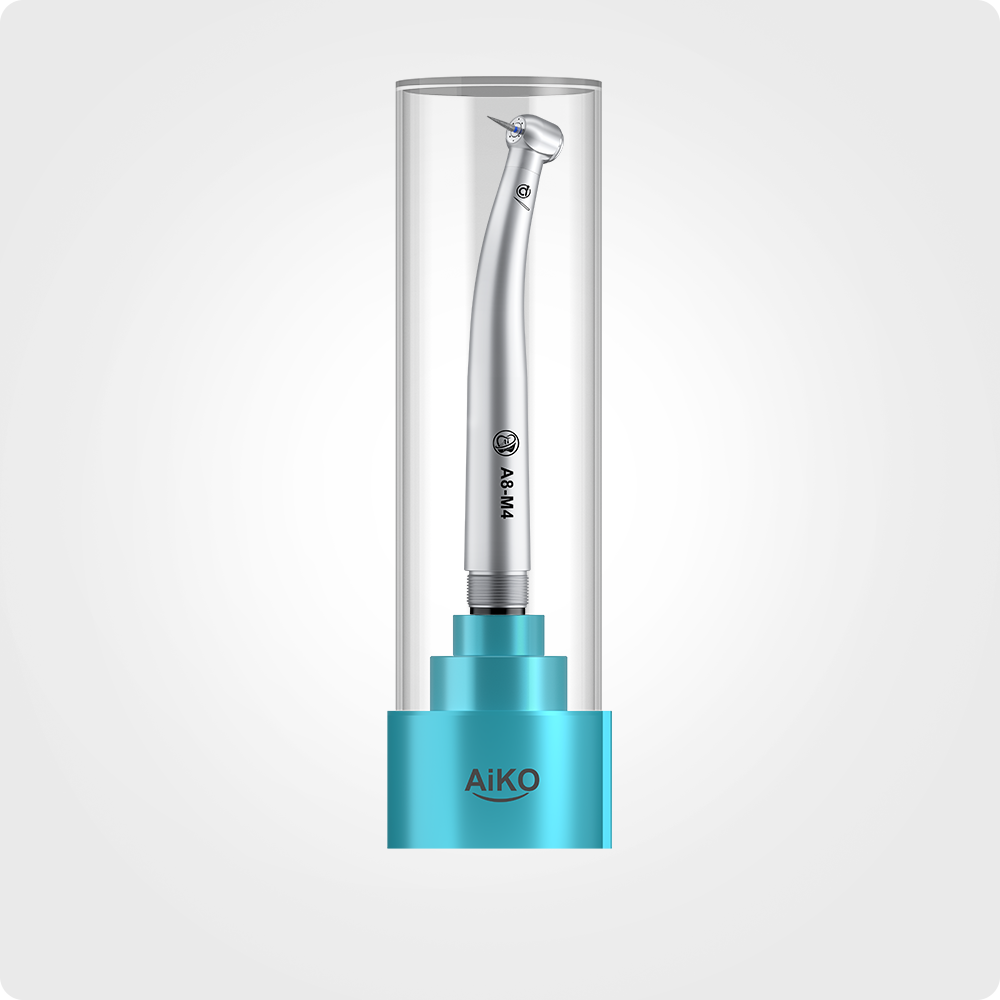
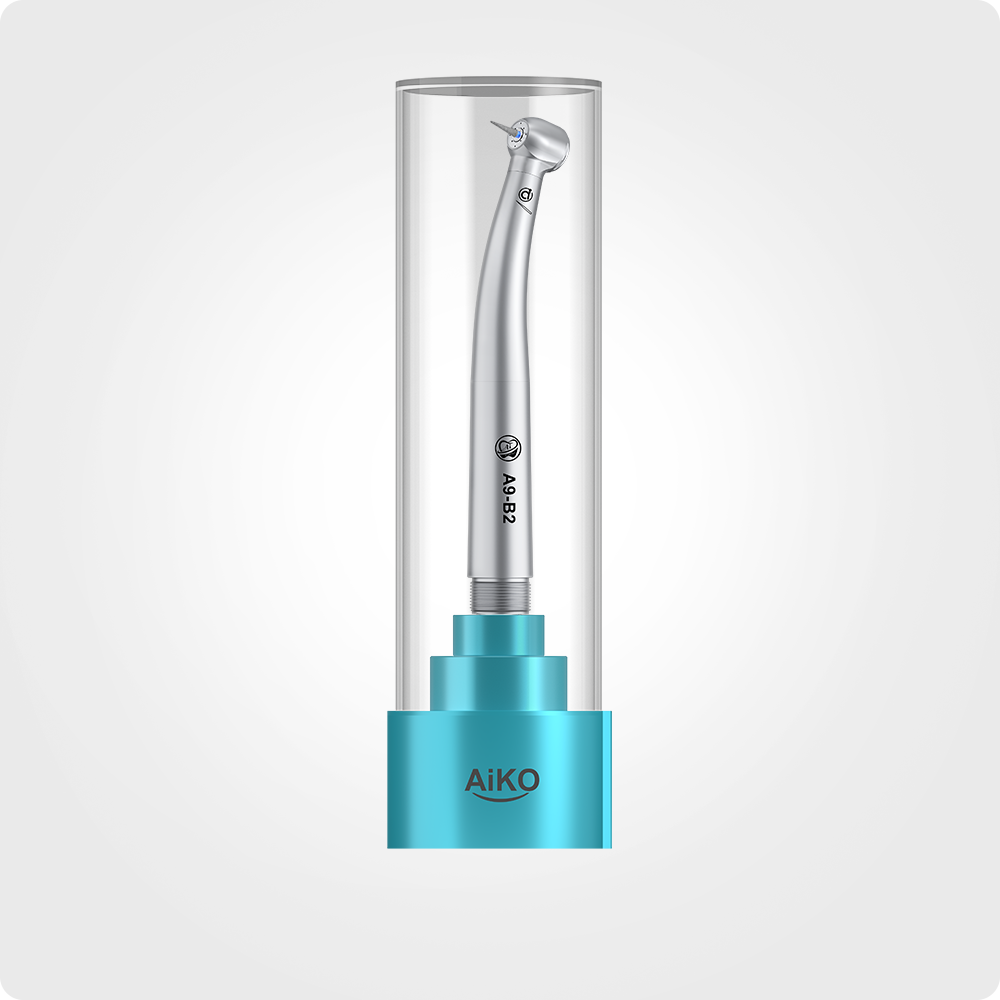
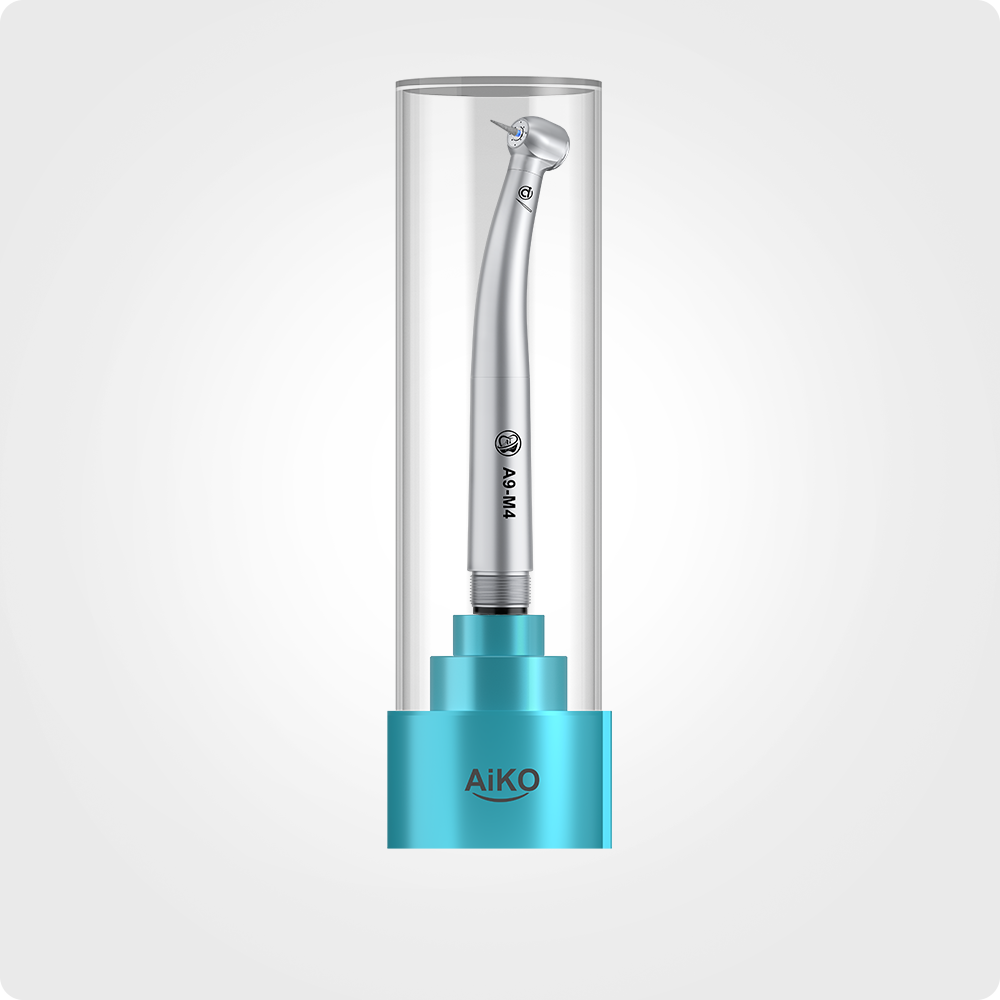
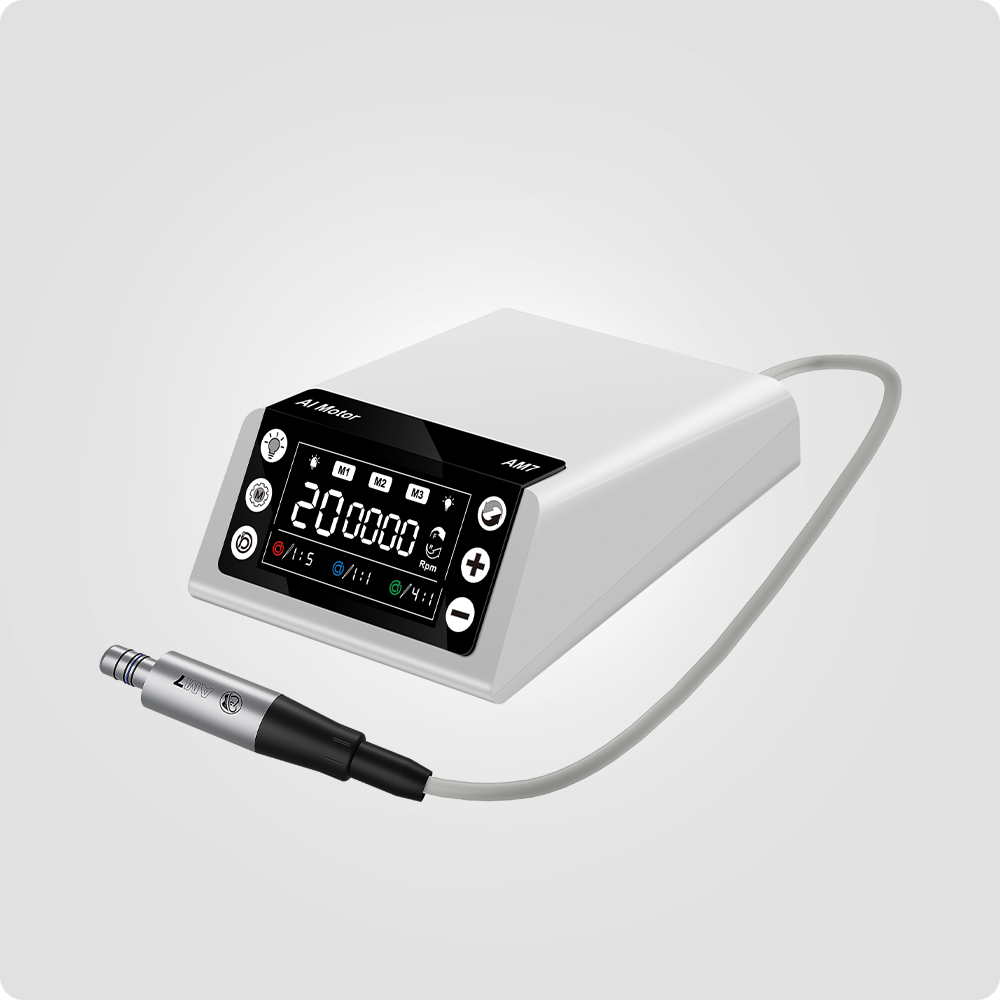
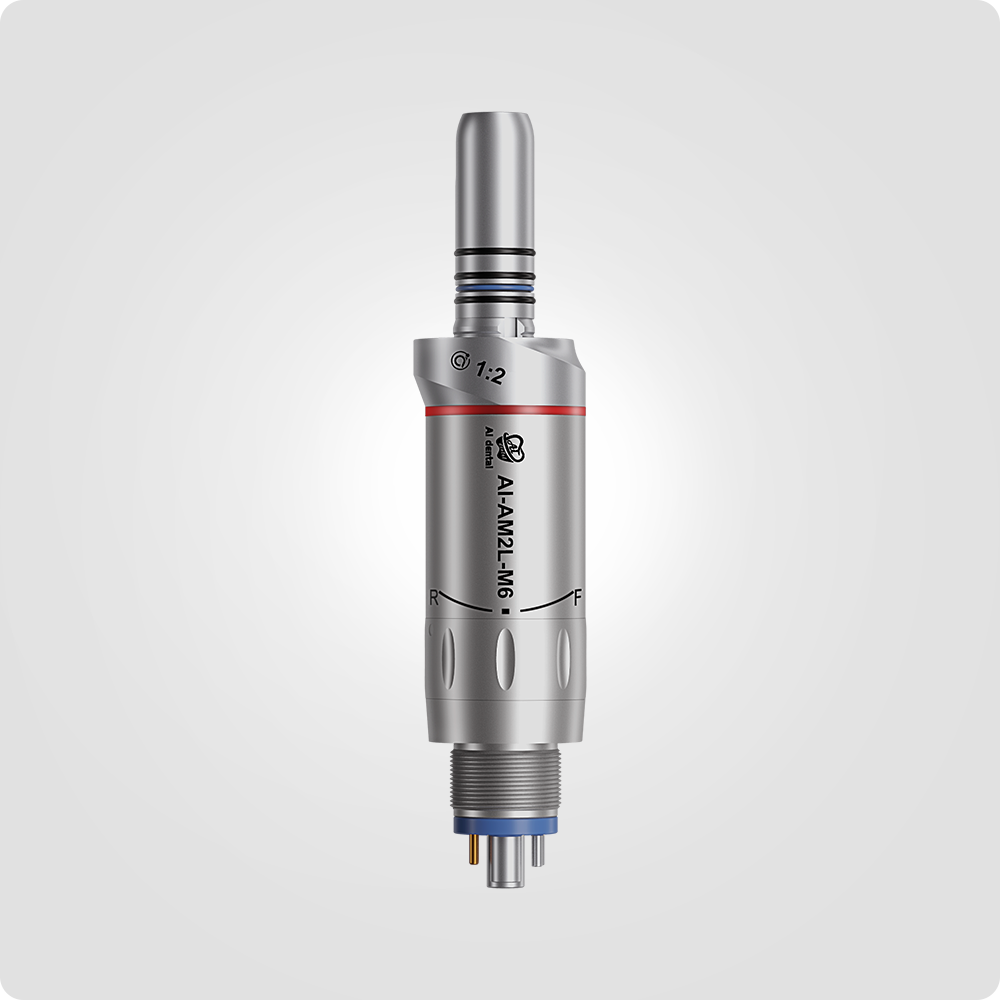
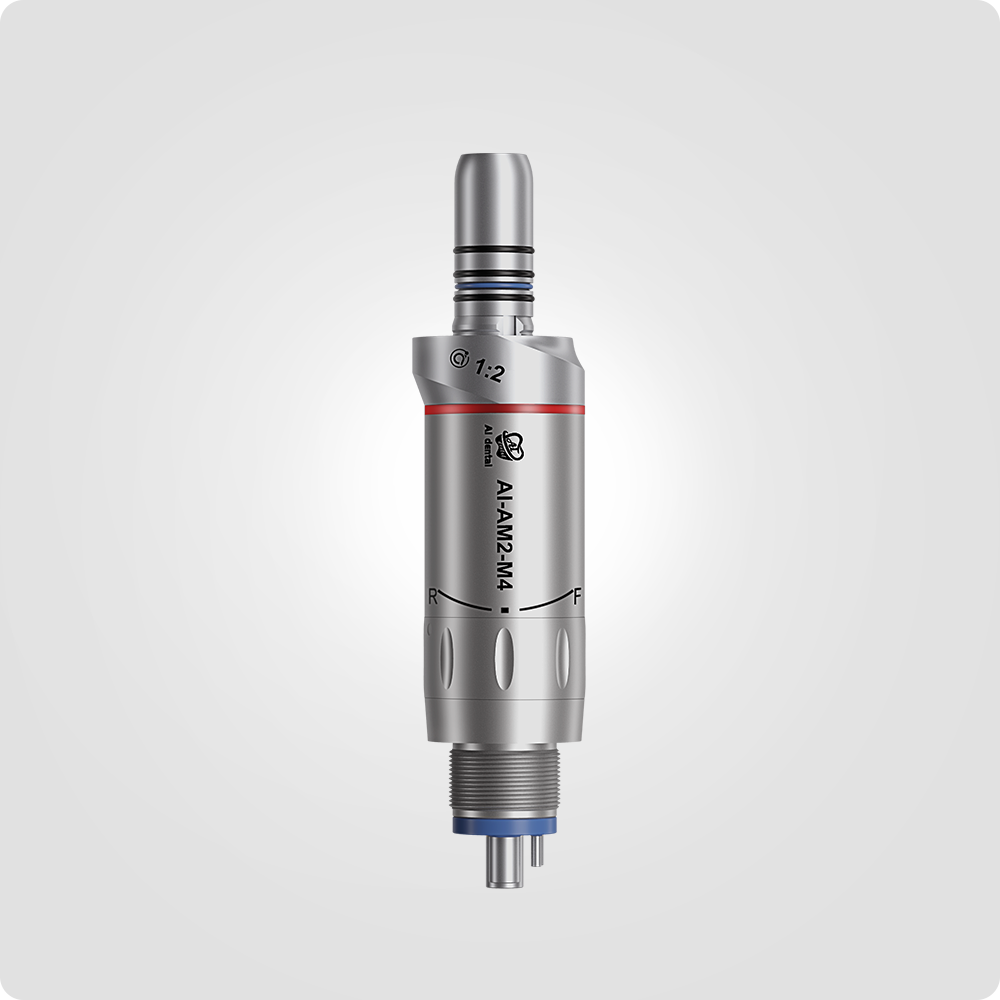
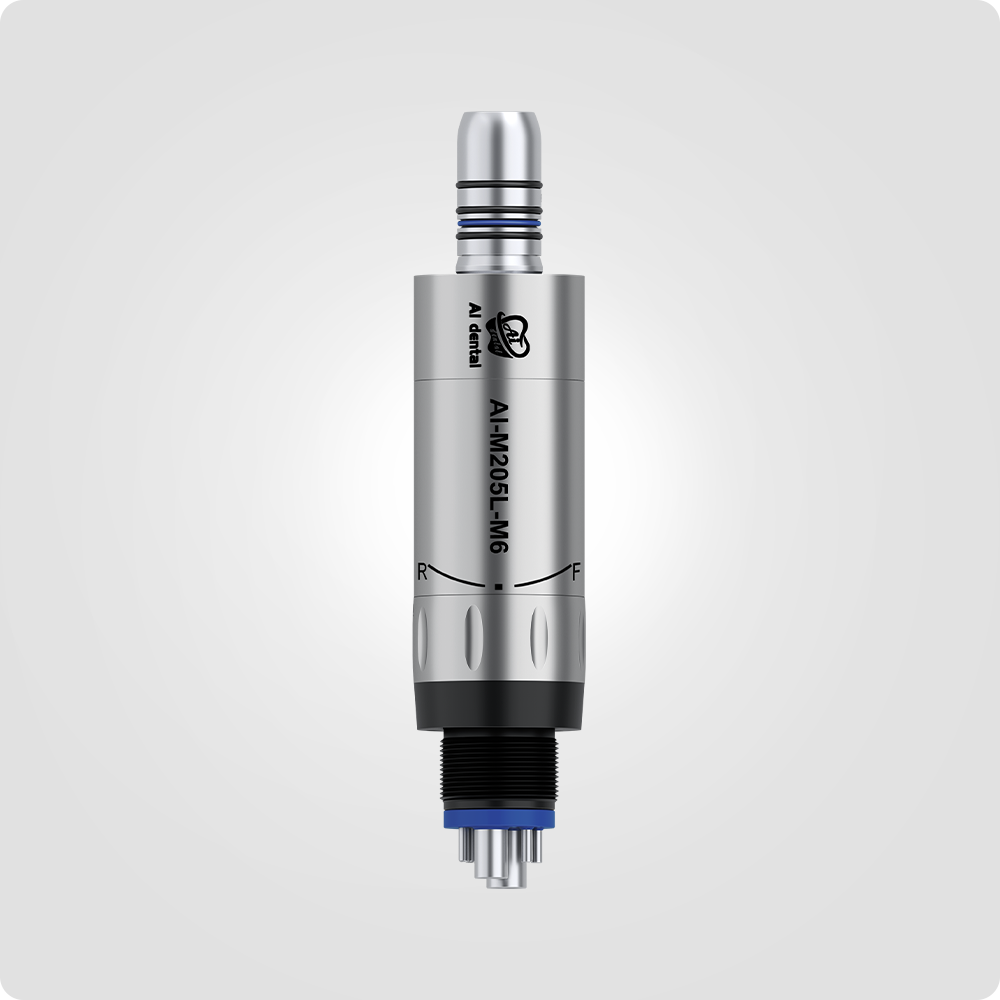
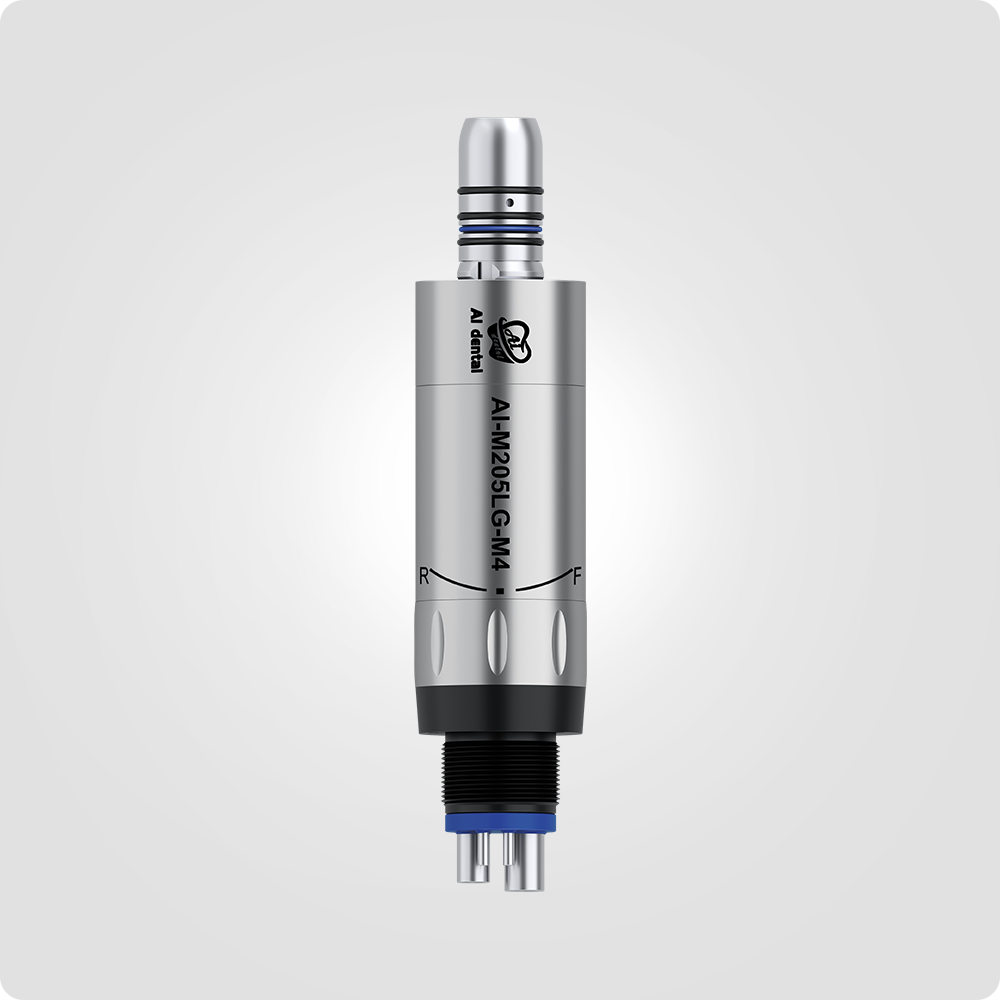
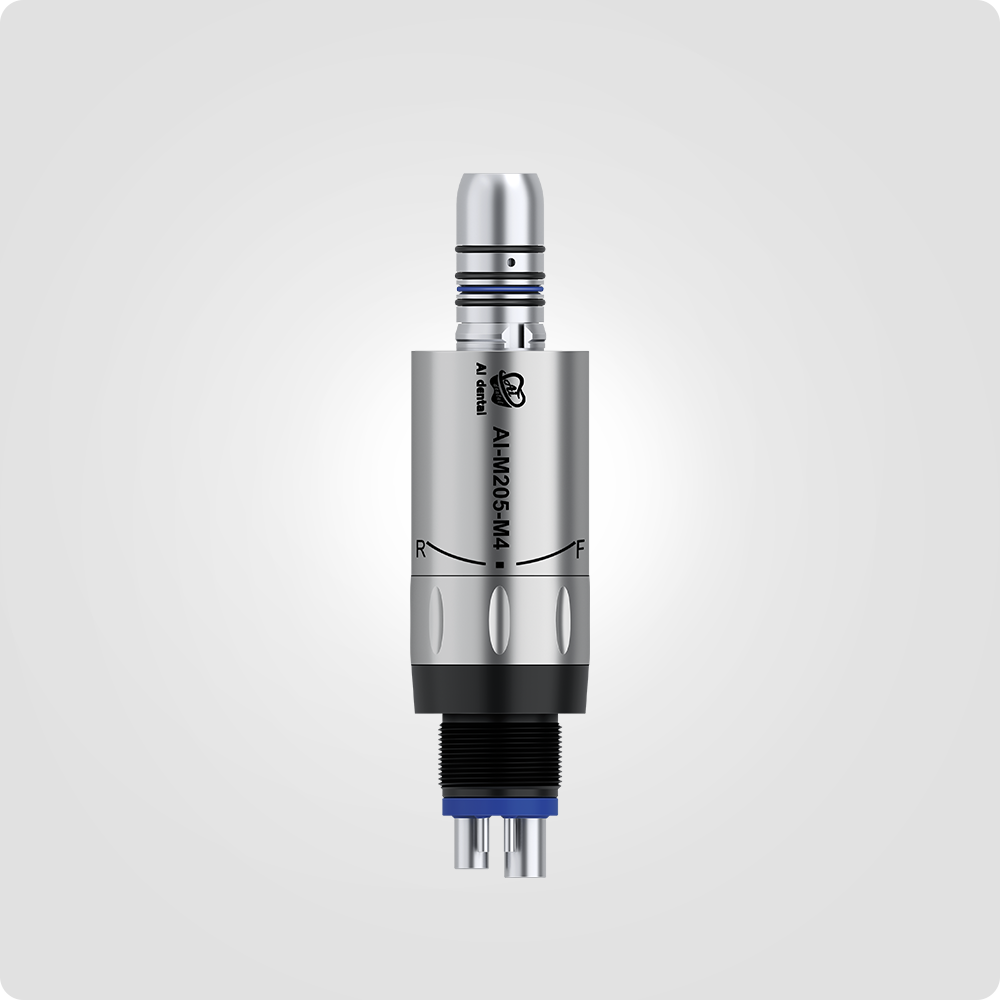
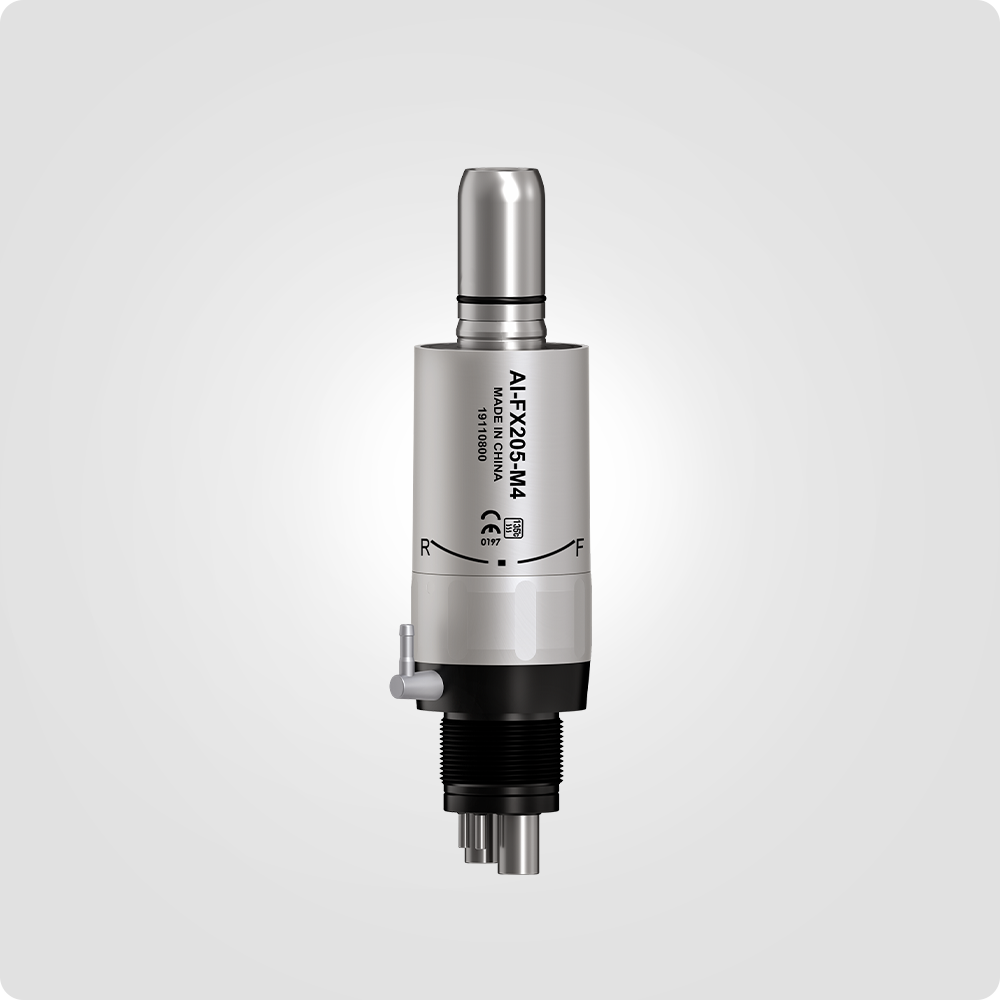
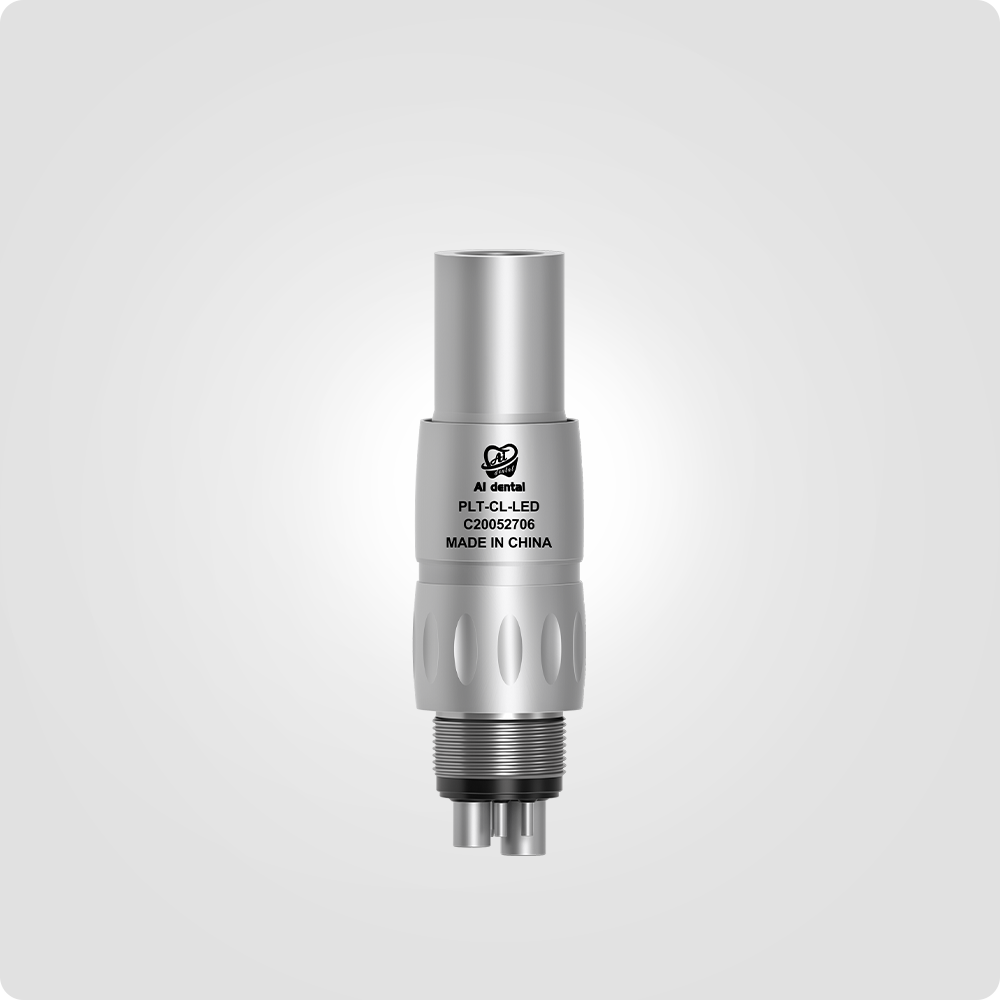
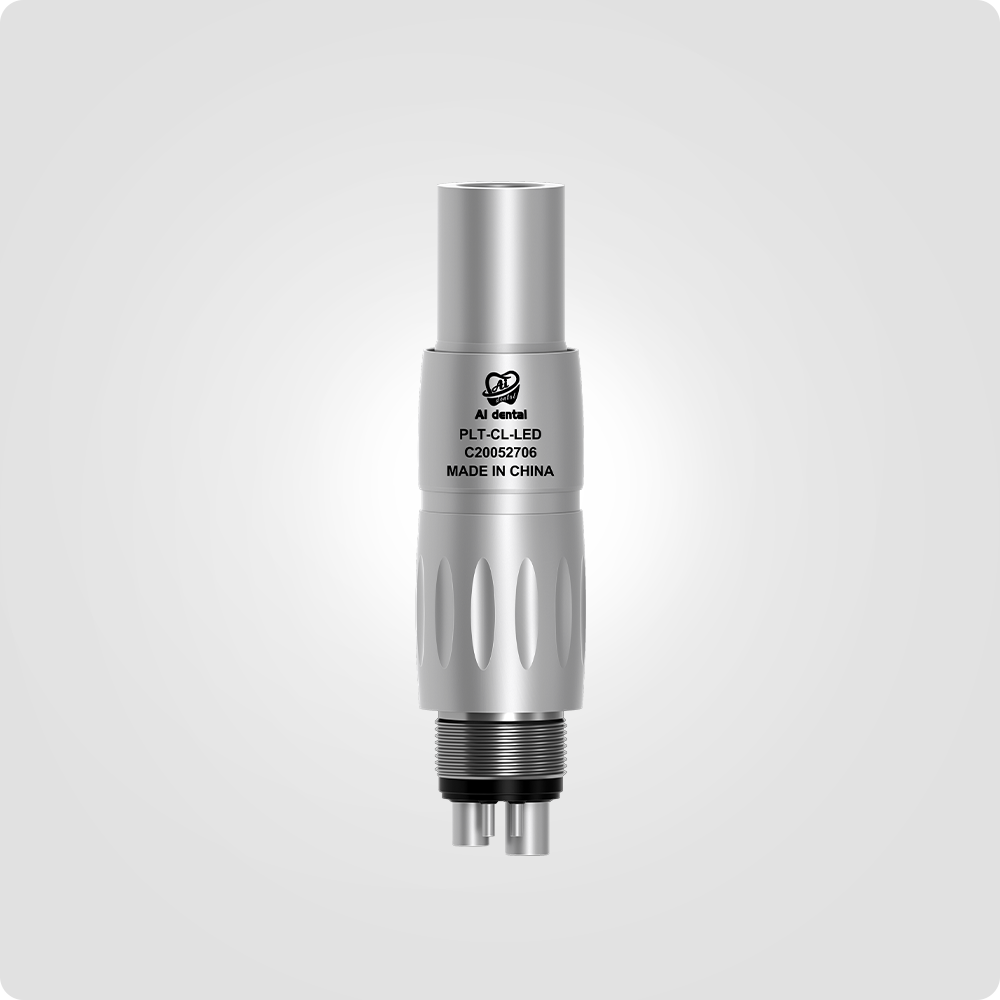
Dental handpieces are vital tools in the field of dentistry, used extensively for various procedures including drilling, polishing, and cutting. These instruments come in different types, including high-speed and low-speed handpieces, each designed for specific tasks. The performance of these tools heavily relies on their quality, which directly impacts both the efficiency of dental procedures and the comfort level of patients.
The Importance of Quality in Dental Handpieces
Quality in dental handpieces is not merely a preference; it is a necessity. High-quality handpieces enhance operational efficiency and ensure patient safety. Here are several reasons why quality matters in this domain:
1. Patient Safety and Comfort
Using high-quality dental handpieces reduces the risk of complications during procedures. They operate more smoothly, producing less vibration and noise, which significantly enhances patient comfort. When patients feel comfortable, their anxiety levels decrease, leading to a better overall experience.
2. Precision and Control
The precision of dental procedures hinges on the tools used. High-quality handpieces provide better torque and control, enabling dentists to perform intricate tasks with accuracy. This precision not only improves the quality of care but also helps in achieving optimal treatment outcomes.
3. Durability and Longevity
Investing in quality dental handpieces means choosing durability. High-quality instruments are built to withstand the rigors of daily use, reducing the frequency of repairs or replacements. This longevity translates to cost savings for dental practices over time.
4. Enhanced Performance and Speed
Quality handpieces are engineered for optimal performance, allowing for higher speeds and efficiency during procedures. This efficiency can drastically reduce the time needed for treatments, enabling dental practices to serve more patients without compromising care quality.
Factors Influencing Quality in Dental Handpieces
1. Material Composition
The materials used in the construction of dental handpieces significantly affect their quality. High-grade stainless steel and advanced ceramics are commonly used for their strength and resistance to corrosion. These materials ensure that handpieces can endure sterilization processes without degrading.
2. Design and Engineering
The design of dental handpieces impacts their ergonomics and functionality. Well-engineered handpieces reduce hand fatigue for dentists, allowing for prolonged use without discomfort. Additionally, innovative designs often incorporate features that enhance performance, such as better airflow and reduced heat generation.
3. Manufacturing Standards
Adhering to stringent manufacturing standards is crucial for maintaining quality. Reputable manufacturers often follow international quality standards, ensuring that their products meet the necessary safety and performance benchmarks. This adherence to quality control during production results in more reliable instruments.
4. Technological Advancements
The dental industry is continually evolving, with new technologies emerging that enhance the quality of handpieces. Features such as LED lighting, improved turbine design, and digital integration can significantly elevate the performance and user experience, making it essential for dental practices to stay updated with current trends.
Market Trends Impacting Dental Handpieces
1. Growing Demand for Advanced Technologies
As patients become more aware of their treatment options, the demand for advanced dental technologies increases. This trend pushes manufacturers to innovate continually, focusing on creating handpieces that offer enhanced performance, safety, and patient comfort.
2. Shift towards Minimally Invasive Procedures
The dental field is witnessing a shift towards minimally invasive techniques, driving the need for precision instruments like high-quality handpieces. These tools need to facilitate procedures with minimal discomfort and optimal results, aligning with patient expectations for modern dental care.
3. Increased Focus on Infection Control
In the wake of global health concerns, infection control has become a focal point in dentistry. High-quality handpieces designed for easy cleaning and sterilization are in high demand, as dental practices prioritize patient safety and adherence to health regulations.
Best Practices for Selecting Quality Dental Handpieces
1. Research Reputable Brands
When selecting dental handpieces, it's essential to research brands with a proven track record of quality and reliability. Look for manufacturers that invest in research and development and have positive reviews from dental professionals.
2. Evaluate Performance Specifications
Understanding the specifications of handpieces, including speed, torque, and noise levels, is crucial. Choose instruments that align with the specific needs of your practice and the types of procedures you perform most frequently.
3. Consider Ergonomics
Ergonomically designed handpieces can make a significant difference in the comfort of both the dentist and the patient. Look for options that minimize hand fatigue and provide a comfortable grip during prolonged use.
4. Assess Warranty and Support Services
A robust warranty and reliable customer support are indicators of a manufacturer’s confidence in their product quality. Ensure that the chosen handpiece comes with adequate warranty coverage and access to technical support in case of issues.
FAQs About Dental Handpieces and Quality
1. What types of dental handpieces are available?
Dental handpieces primarily include high-speed and low-speed options, each serving distinct purposes in dental procedures, from drilling to polishing.
2. How often should dental handpieces be replaced?
The lifespan of a dental handpiece varies based on usage and quality. Generally, high-quality handpieces can last several years with proper maintenance, while lower-quality options may require more frequent replacement.
3. What maintenance is required for dental handpieces?
Regular maintenance includes cleaning, lubricating, and sterilizing handpieces. Following the manufacturer’s guidelines for care is essential to ensure optimal performance and longevity.
4. Are expensive dental handpieces worth the investment?
Investing in high-quality, albeit more expensive, dental handpieces often results in better performance, durability, and patient satisfaction, making them a worthwhile investment in the long run.
5. How do advancements in technology affect dental handpieces?
Technological advancements lead to improved designs, better materials, and enhanced features in dental handpieces, ultimately improving their performance and user experience.
Conclusion
In conclusion, the significance of quality in the dental handpieces market cannot be overstated. Quality instruments are essential for ensuring patient safety, enhancing operational efficiency, and delivering superior dental care. As the industry continues to evolve, dental professionals must prioritize quality when selecting handpieces to meet the growing demands of patients and the standards of modern dentistry. By investing in high-quality dental handpieces, practices can achieve better outcomes, greater patient satisfaction, and long-term success.
Related News
AI DENTAL Highlights Day 1 at 2026 Rimini Dental Expo-High-Value Smile & AiKO Series
May 15,2026
Views ()
Focus On Dental Handpieces