



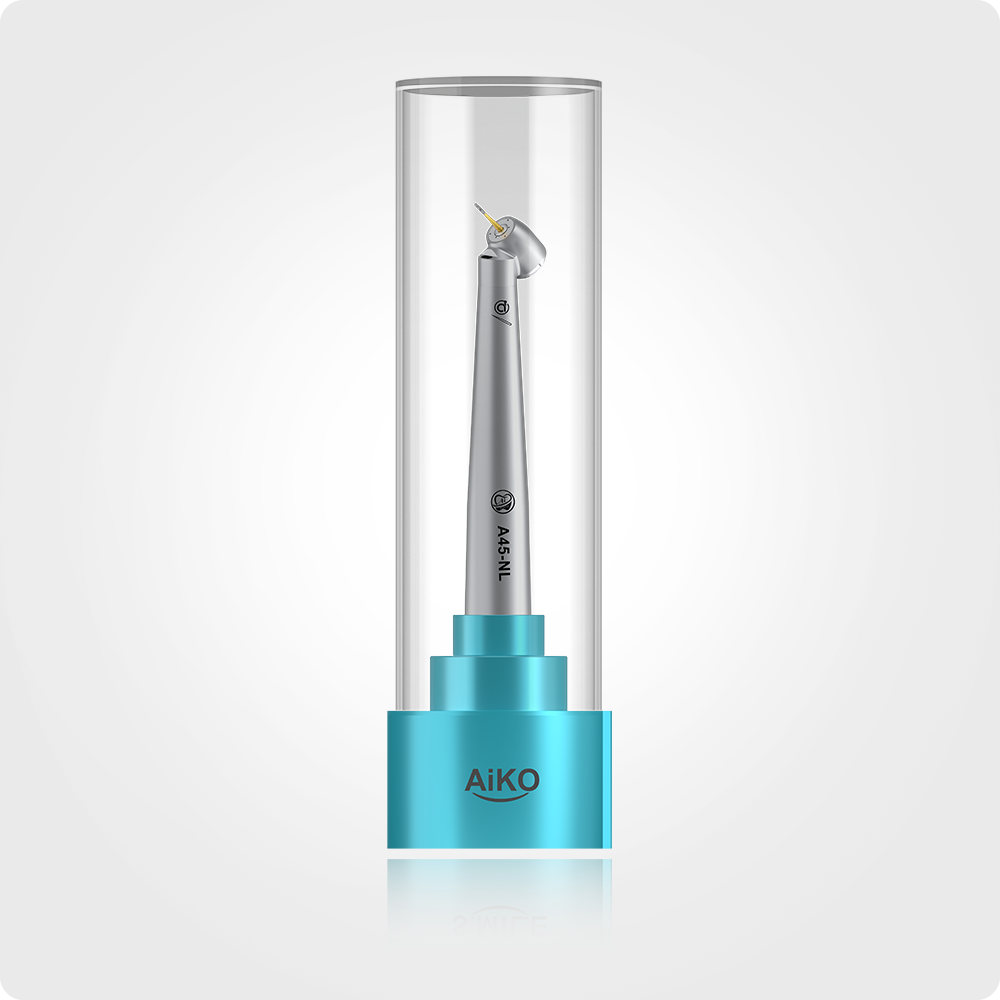
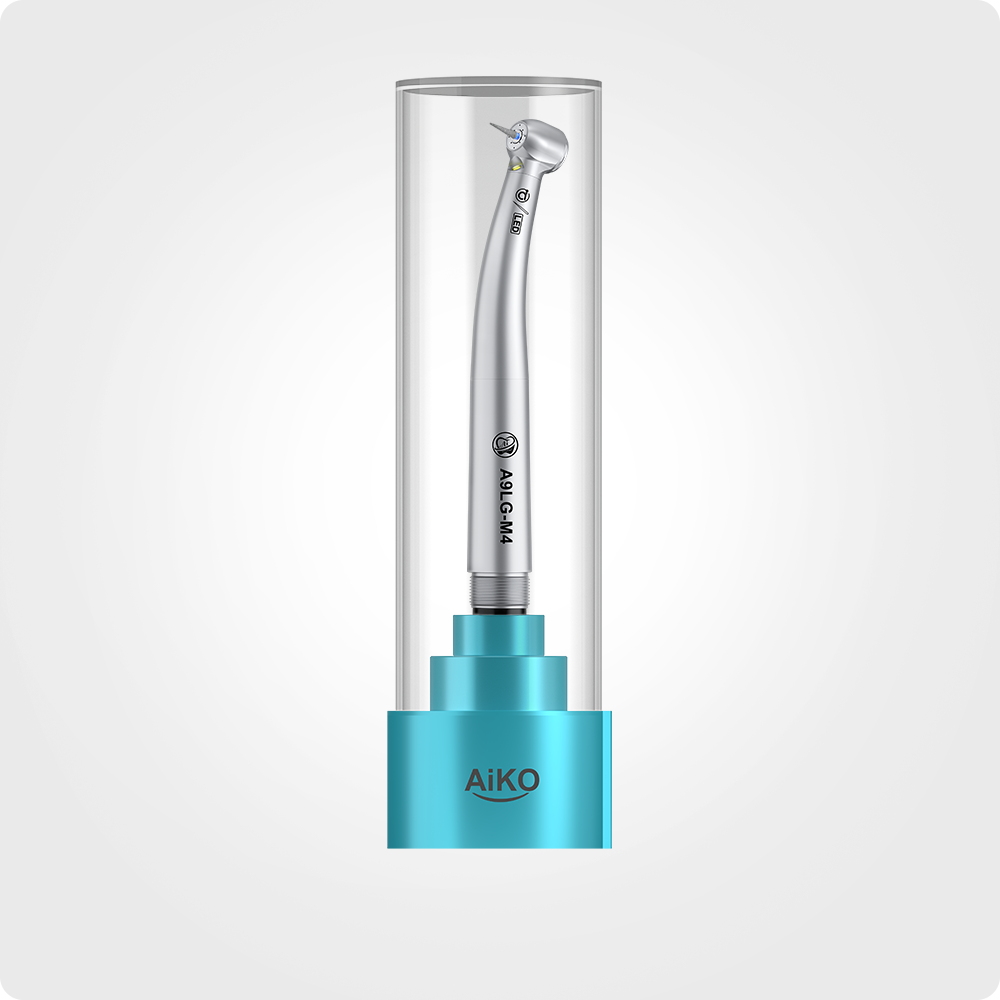
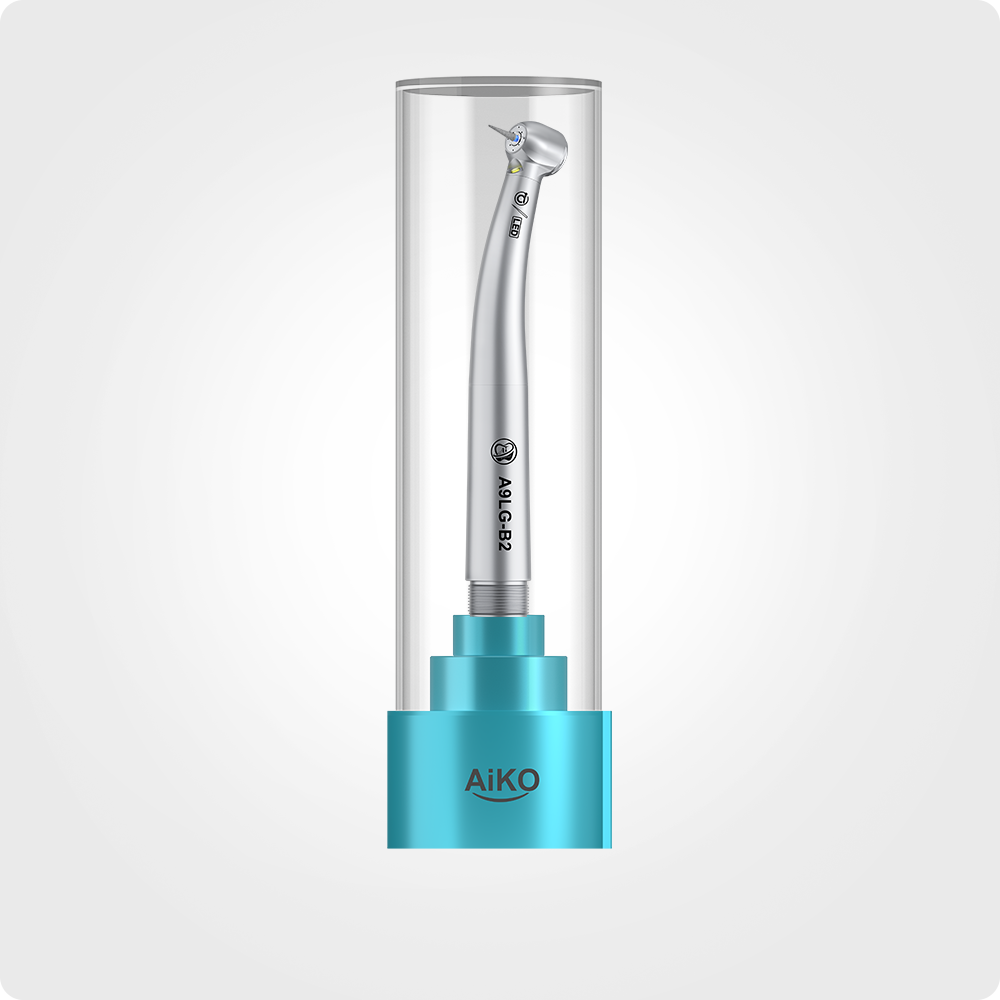
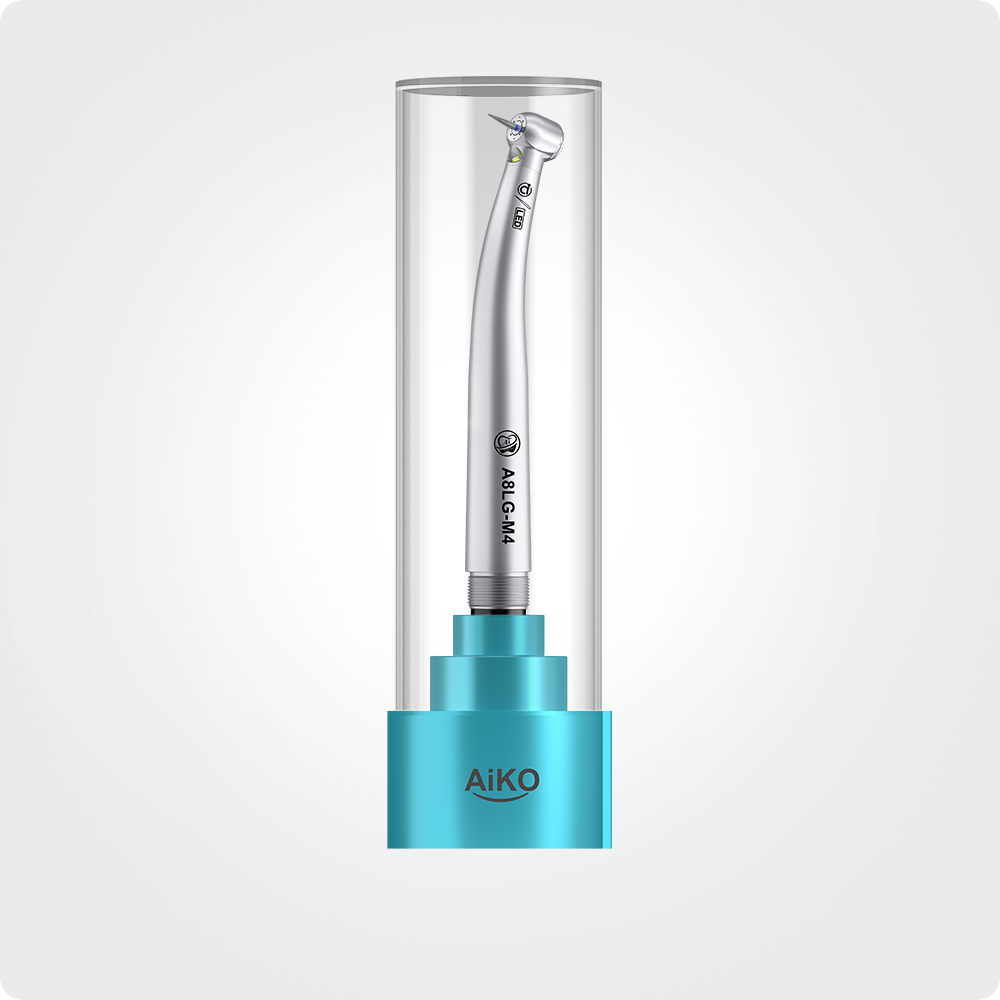


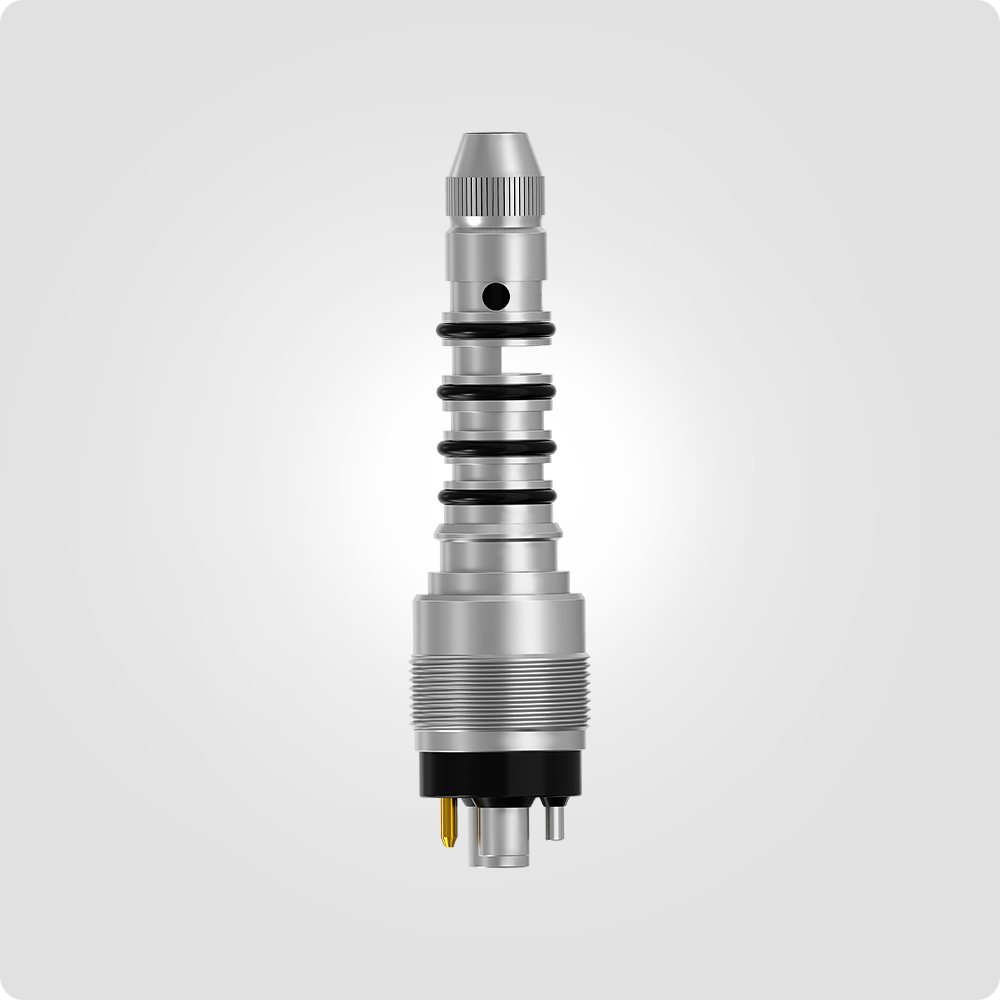








The Science Behind Dental Air Turbine Handpieces: How They Work
Nov 12,2026

The Science Behind Dental Air Turbine Handpieces: How They Work
In modern dentistry, efficiency and precision are paramount. **Dental air turbine handpieces** have revolutionized the way dental procedures are performed, enabling dentists to execute complex tasks with remarkable speed and accuracy. Understanding the science behind these instruments is crucial for dental professionals who wish to utilize them effectively. This article aims to elucidate the inner workings of dental air turbine handpieces, their components, and their significance in the field of dentistry.
Table of Contents
- Understanding Dental Air Turbine Handpieces
- History of Dental Handpieces
- How Air Turbine Handpieces Work
- Components of Air Turbine Handpieces
- Advantages of Using Air Turbine Handpieces
- Maintenance of Air Turbine Handpieces
- The Future of Dental Air Turbine Technology
- Frequently Asked Questions (FAQs)
Understanding Dental Air Turbine Handpieces
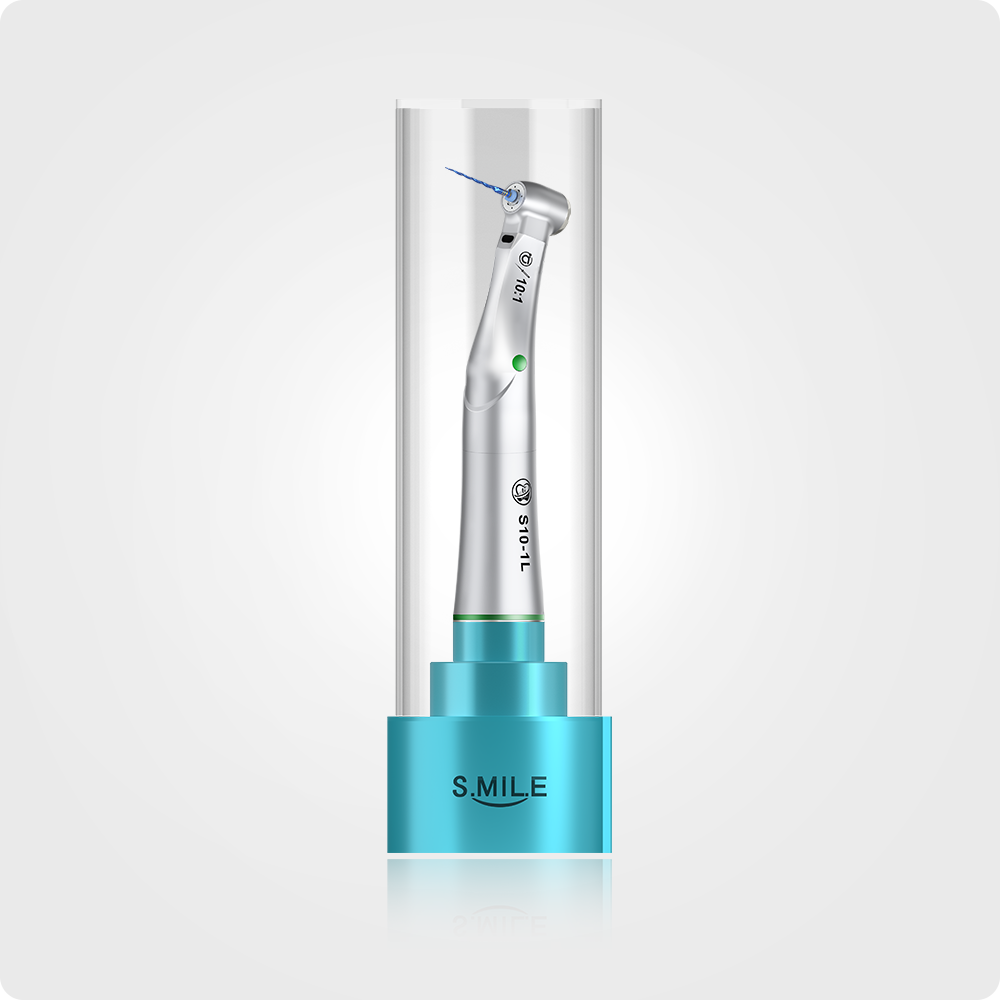
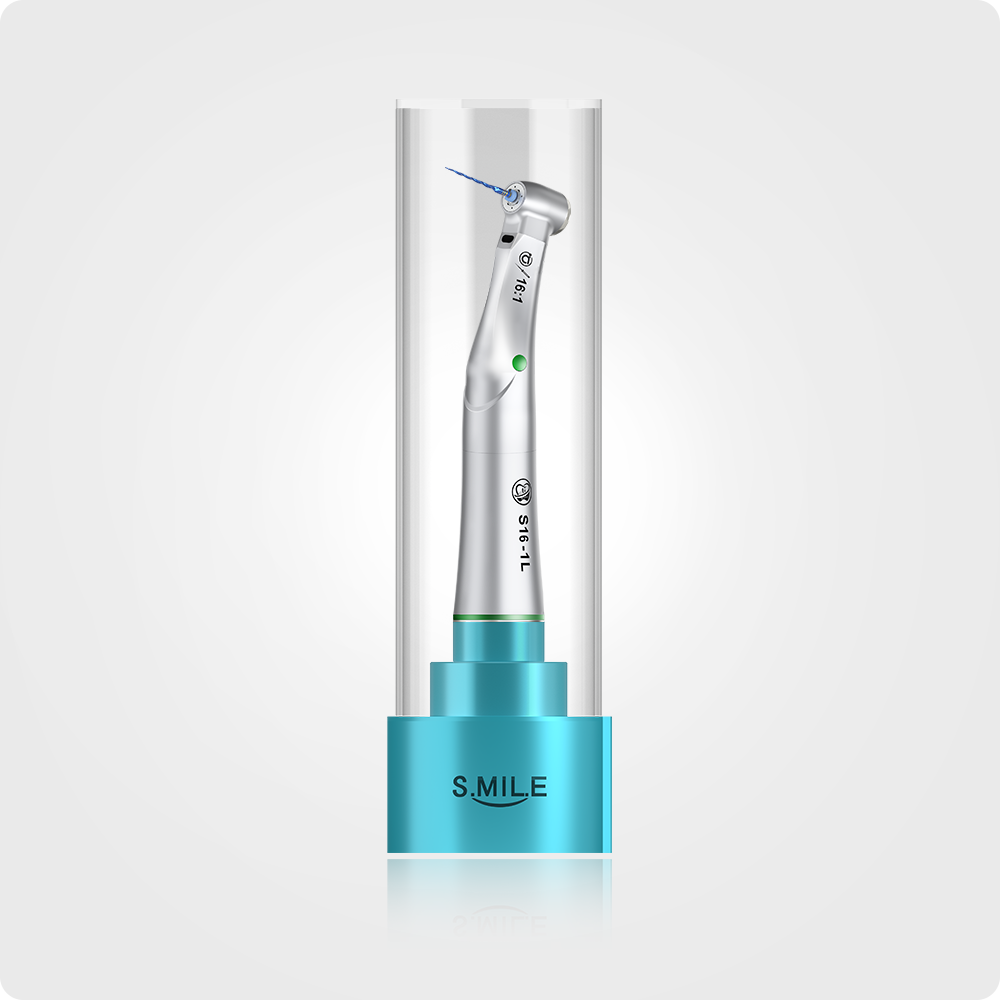
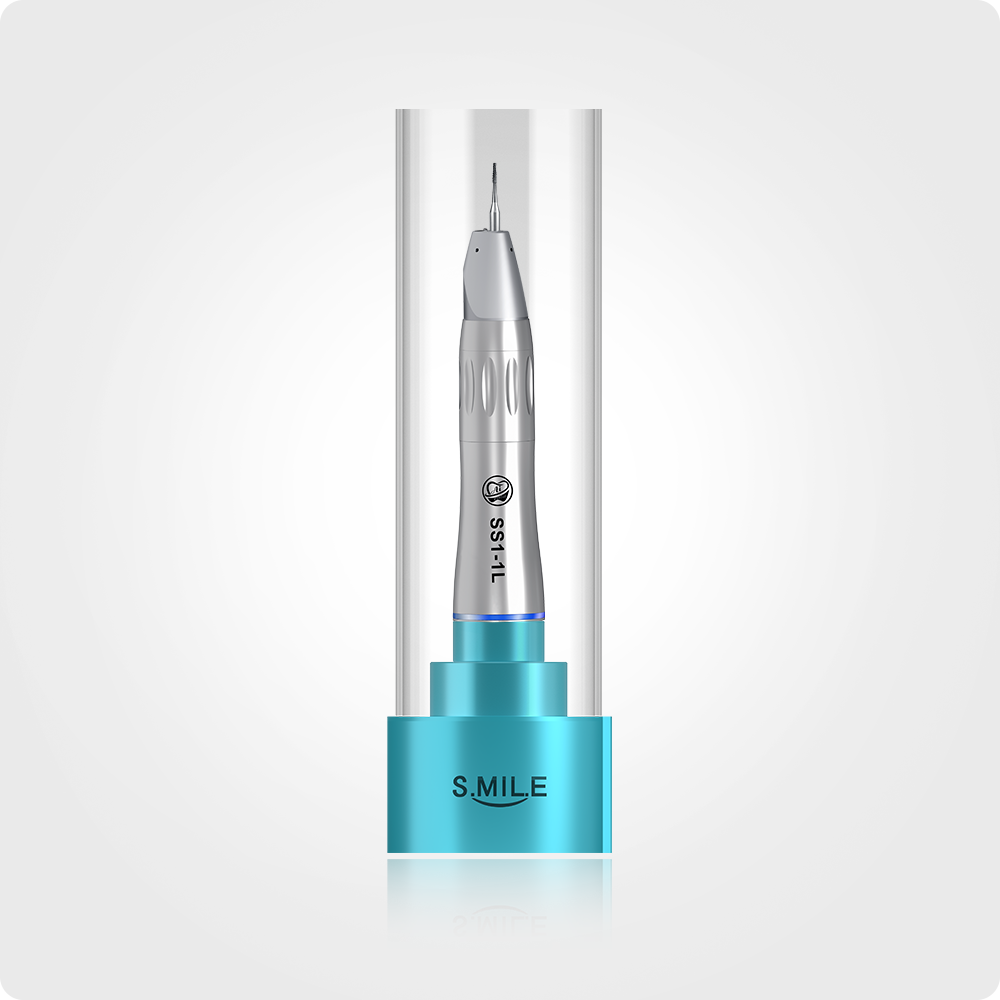
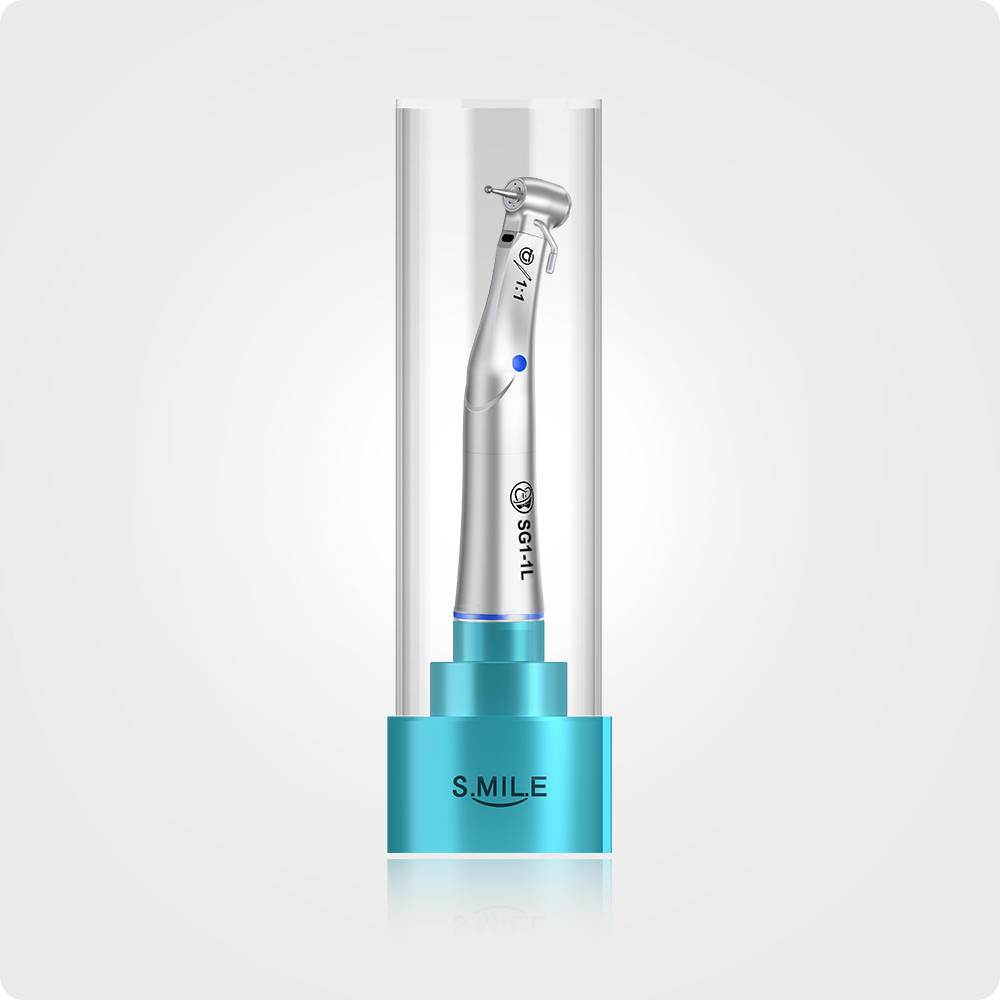
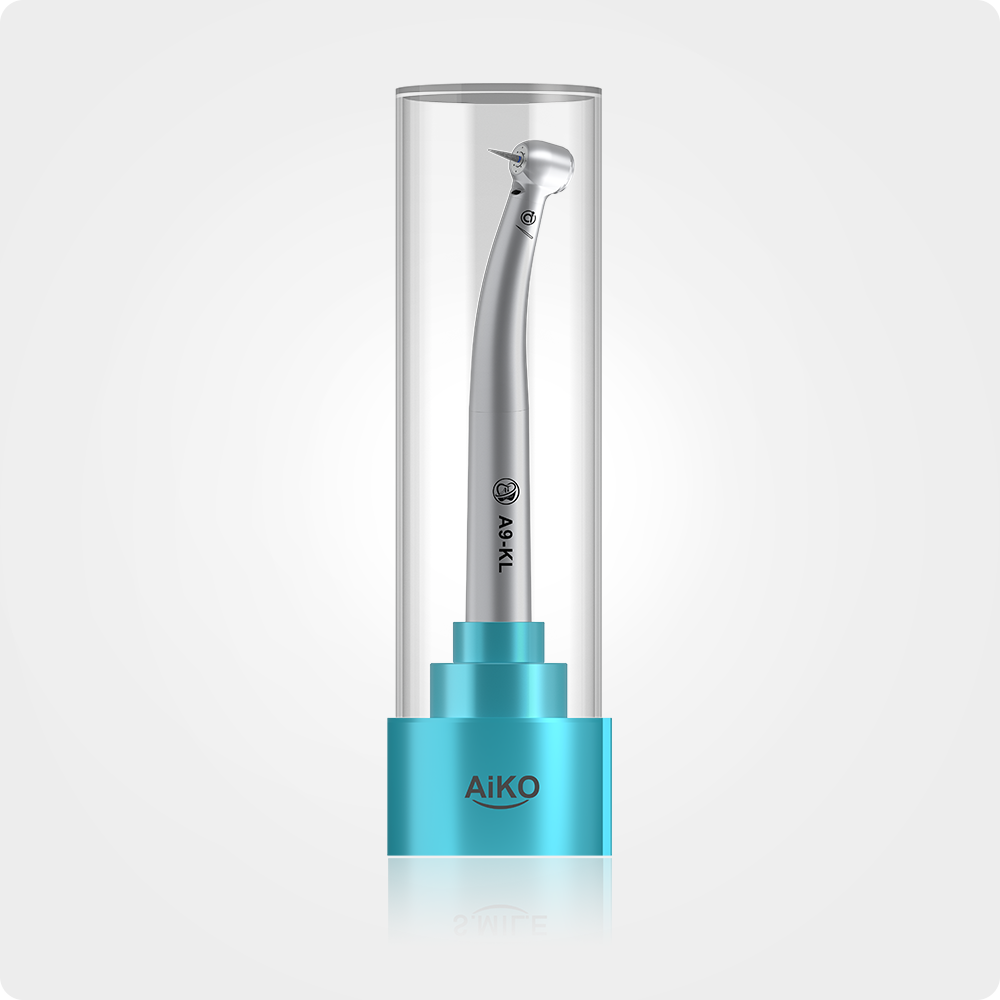
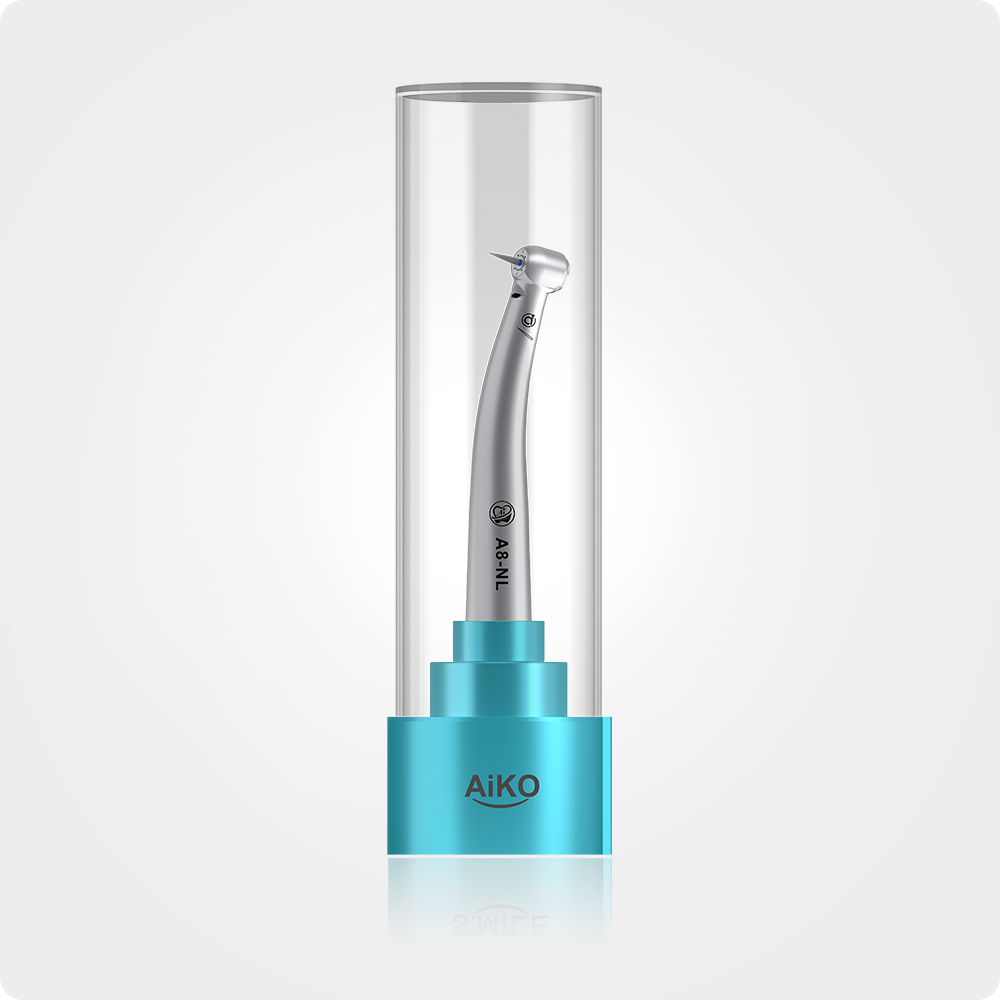
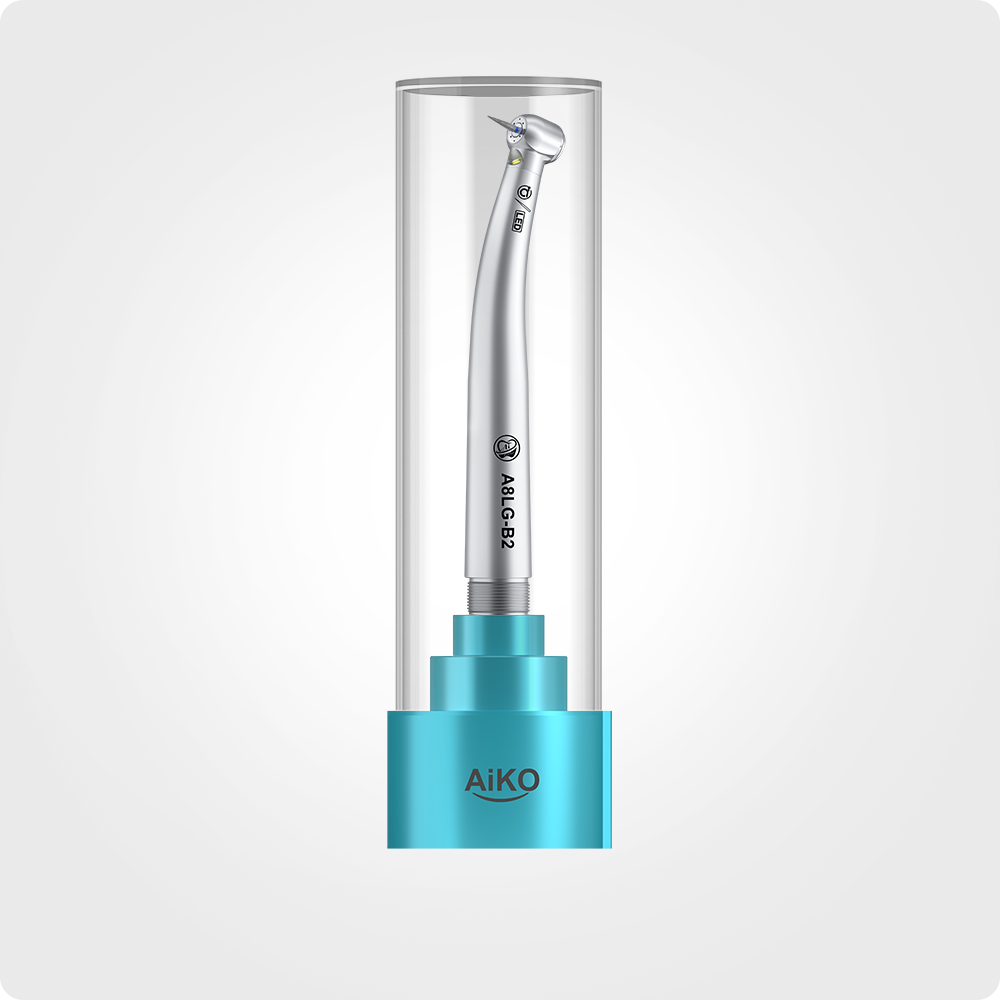
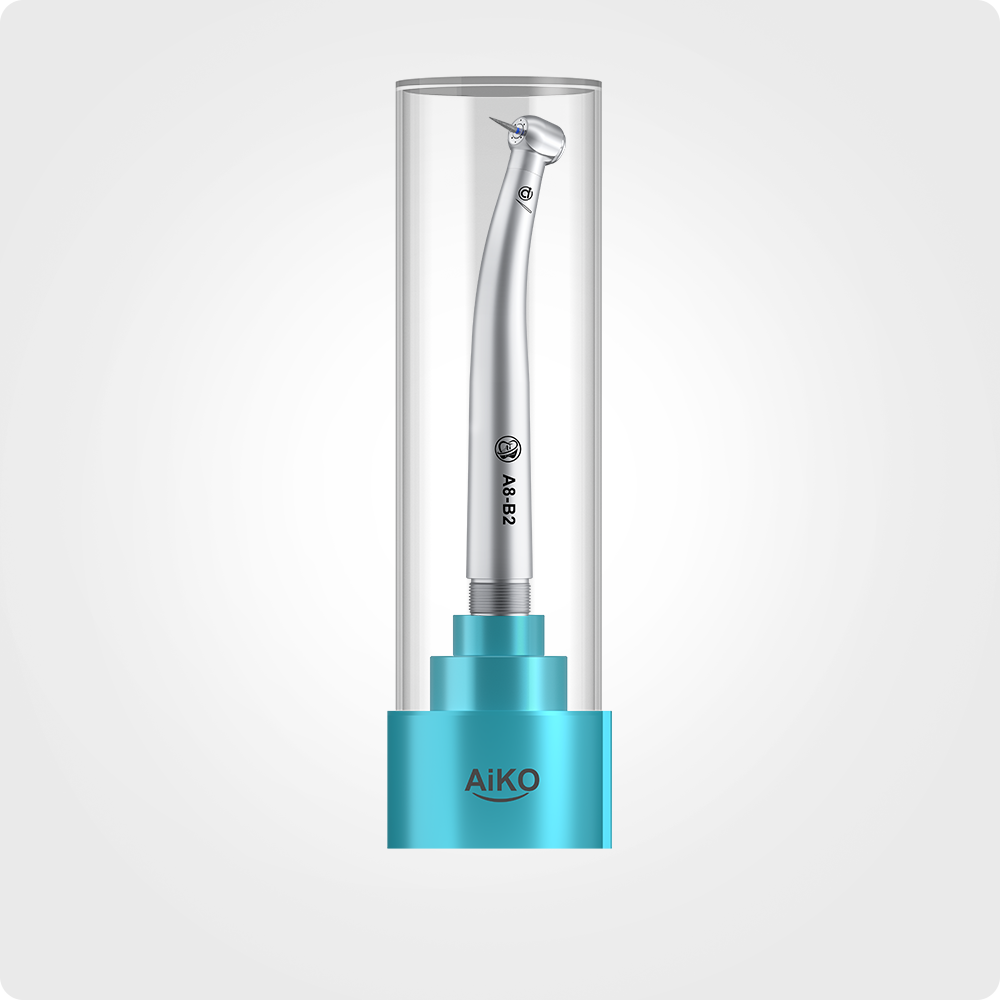
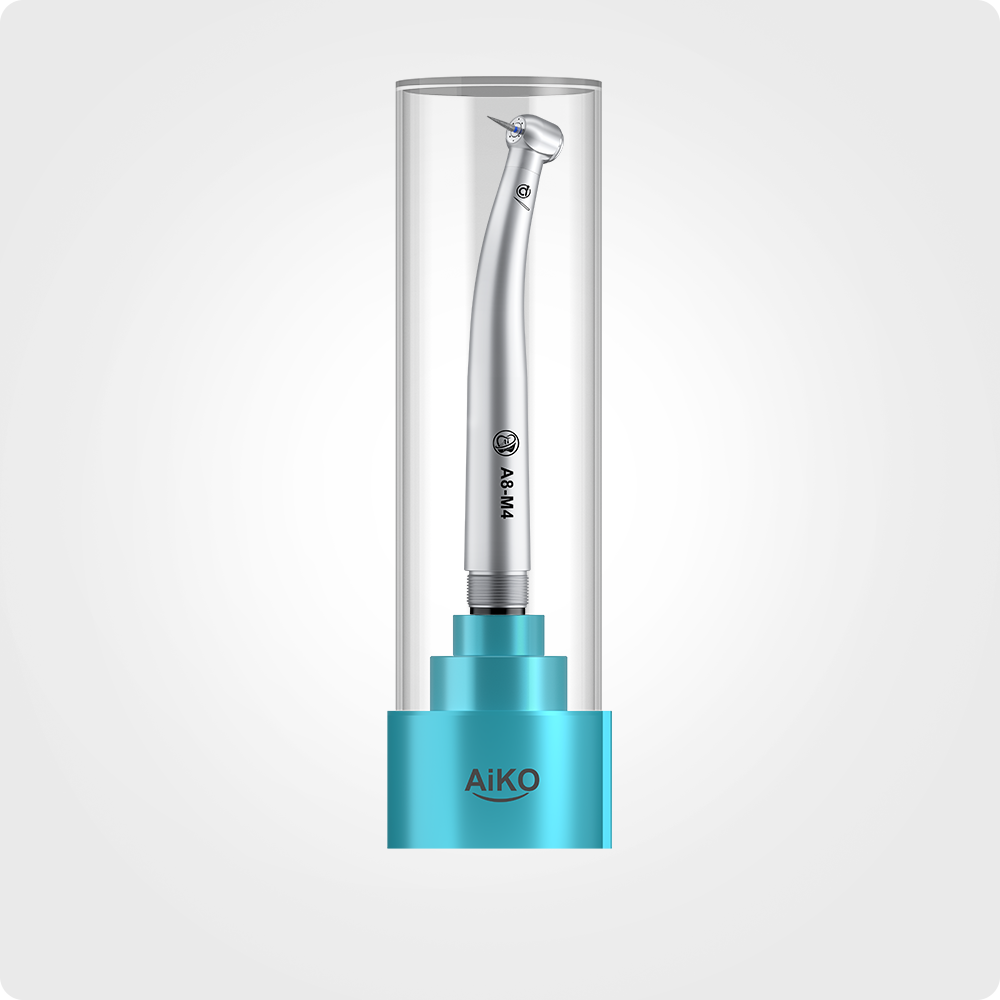
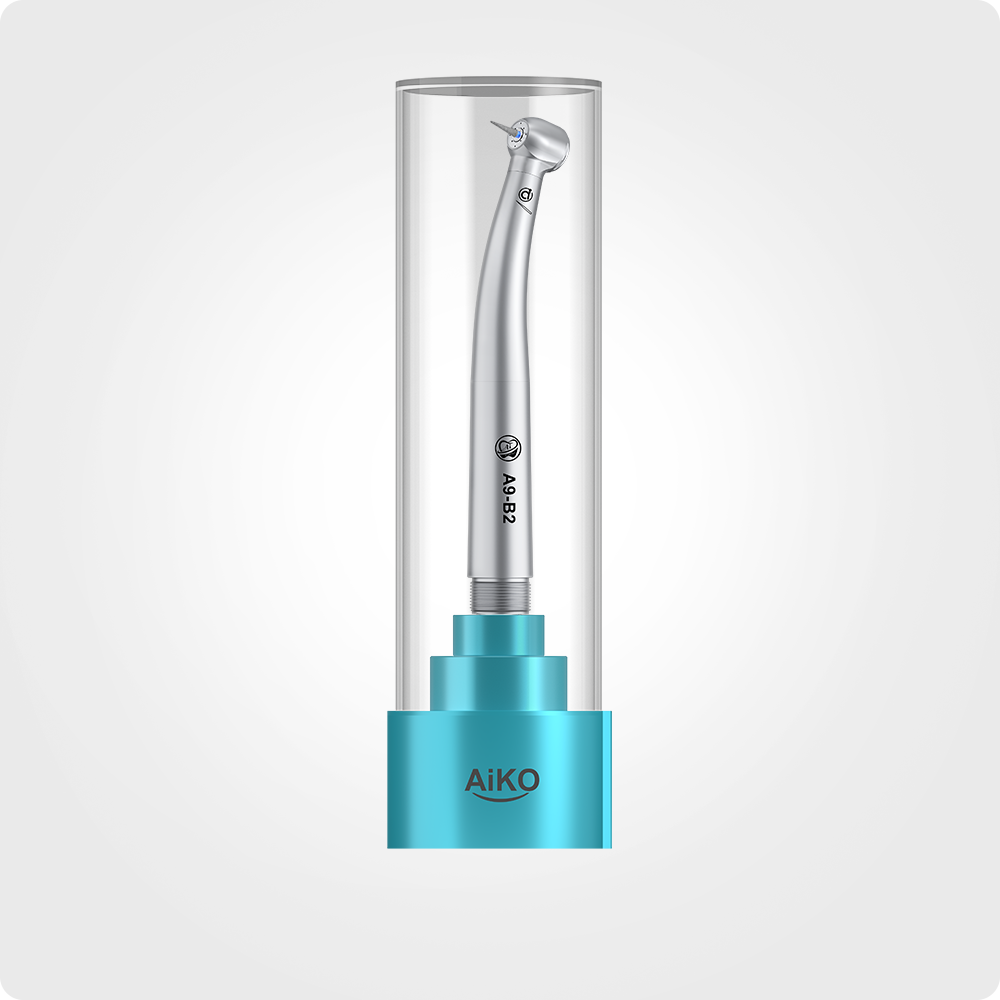
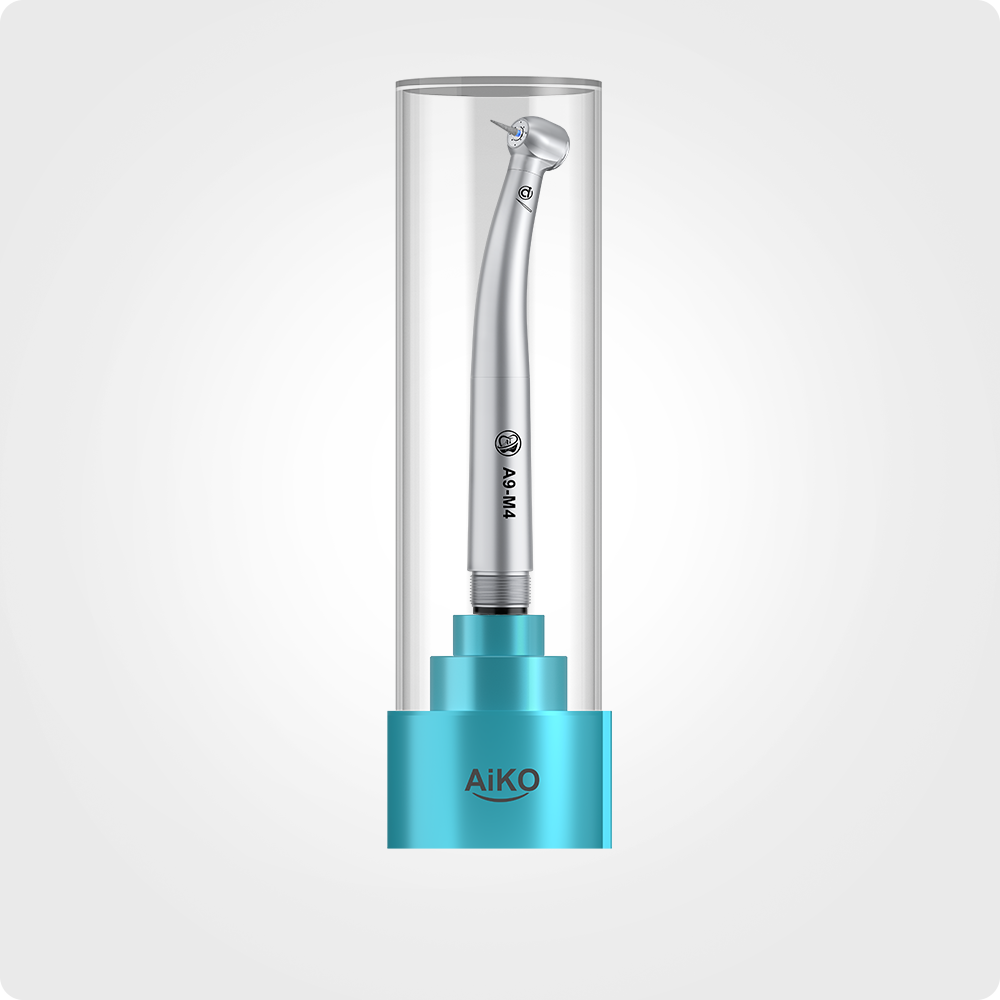
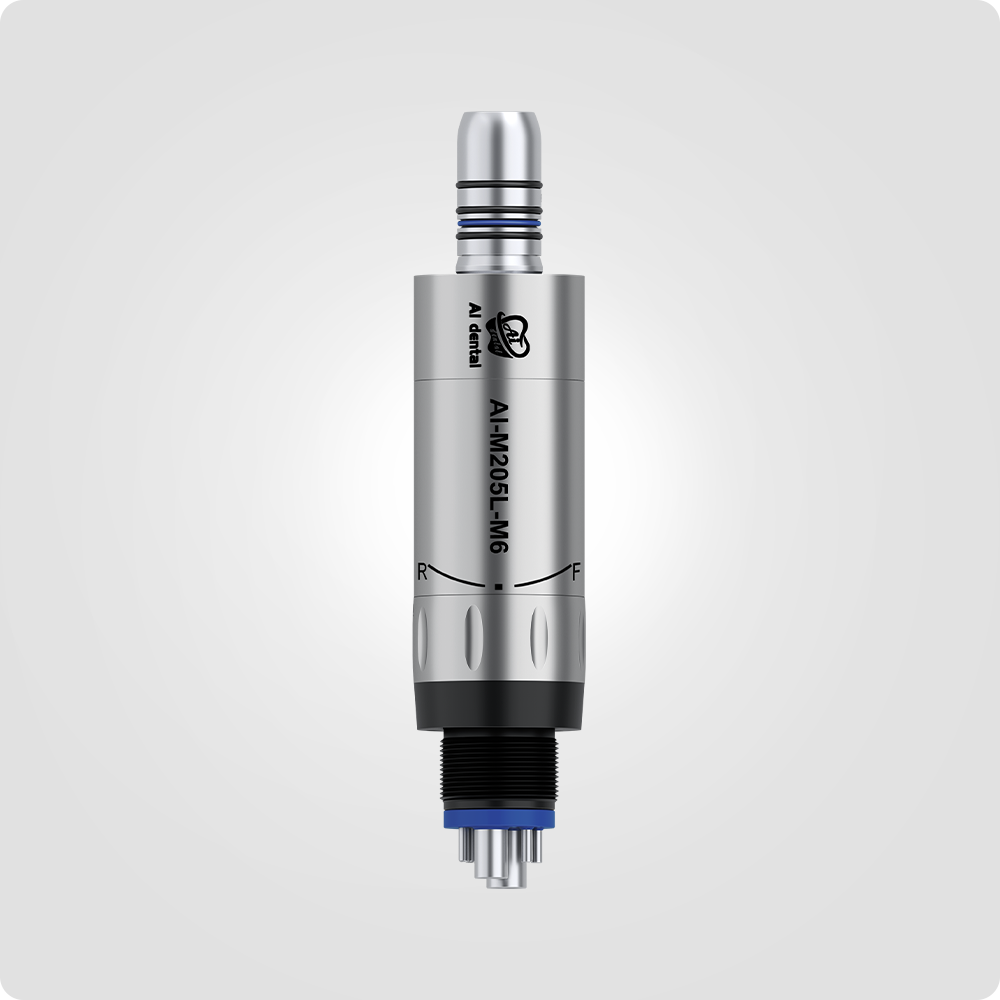
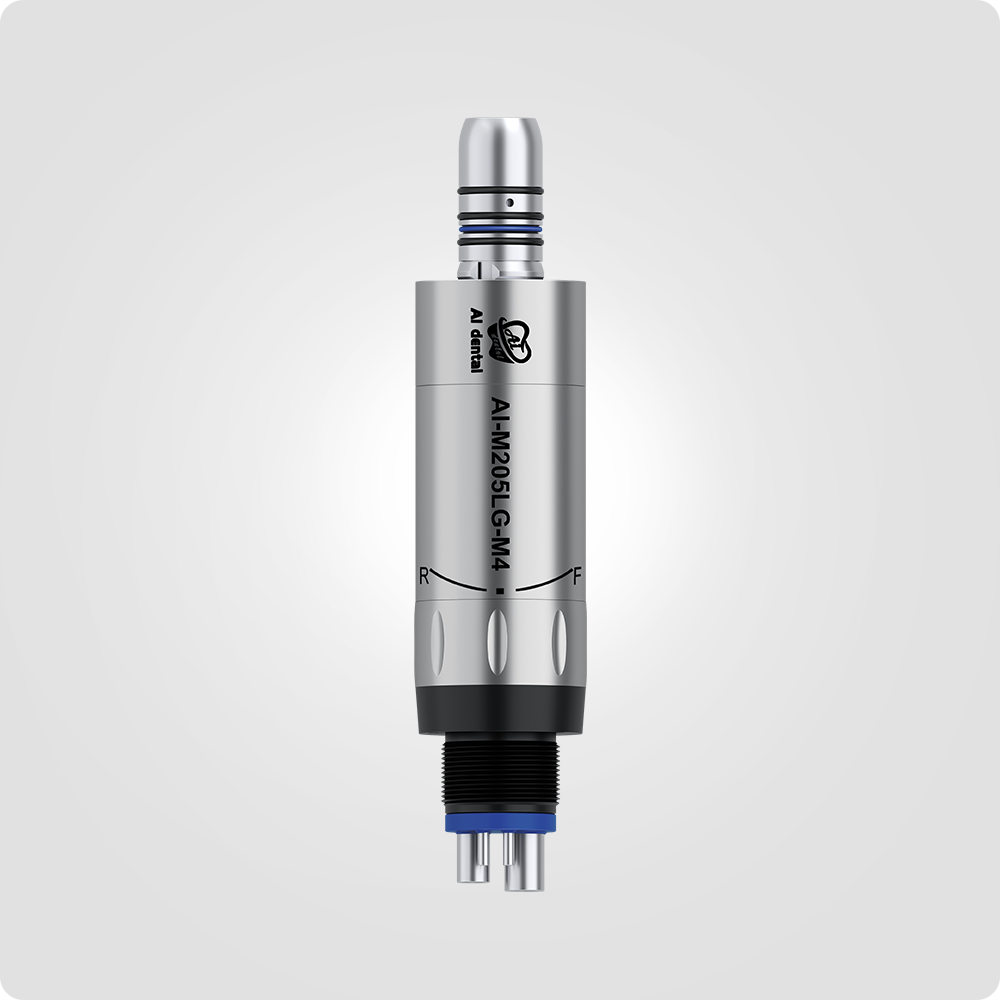
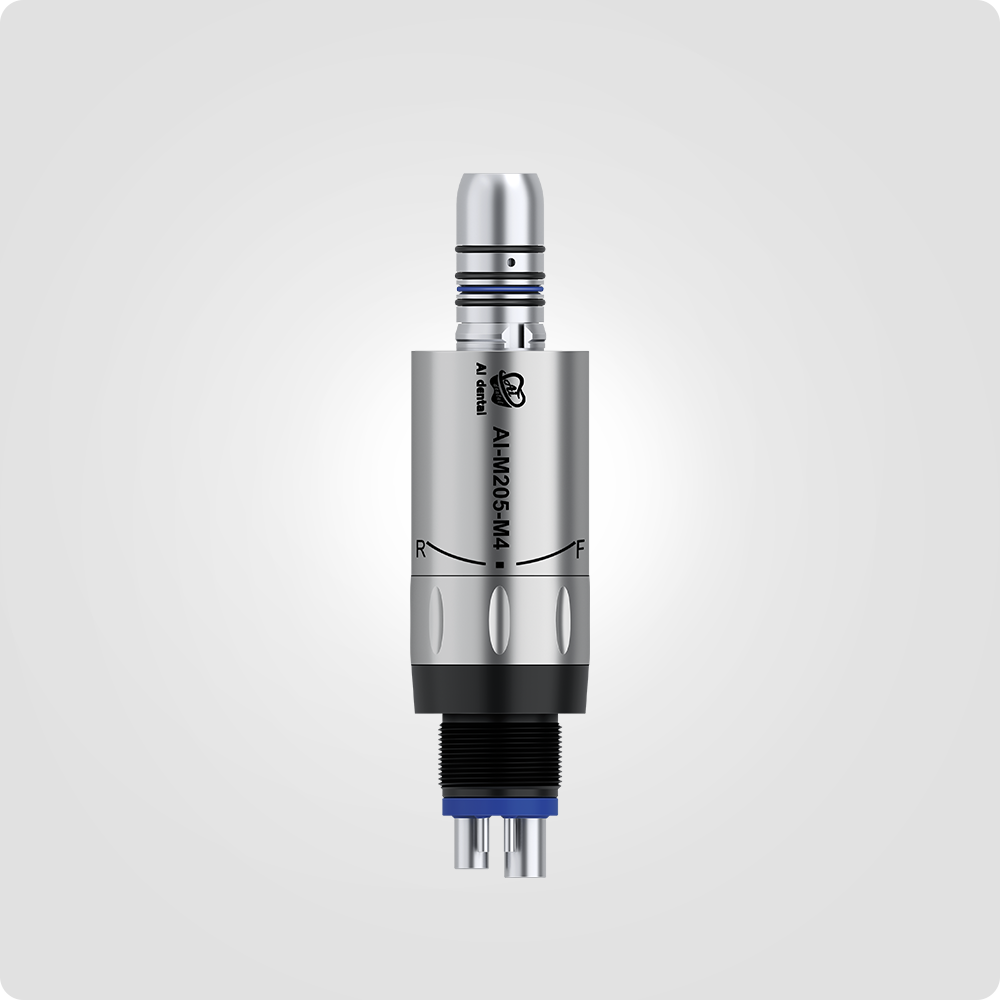
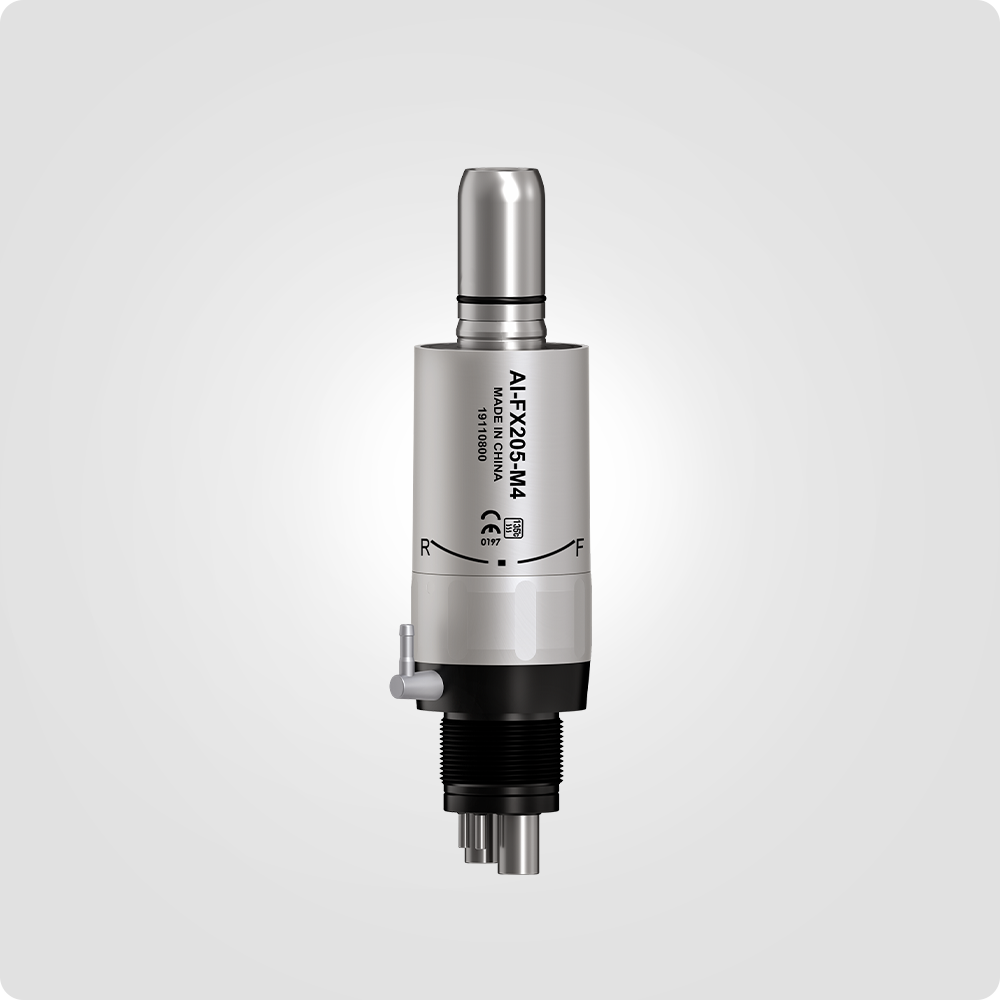
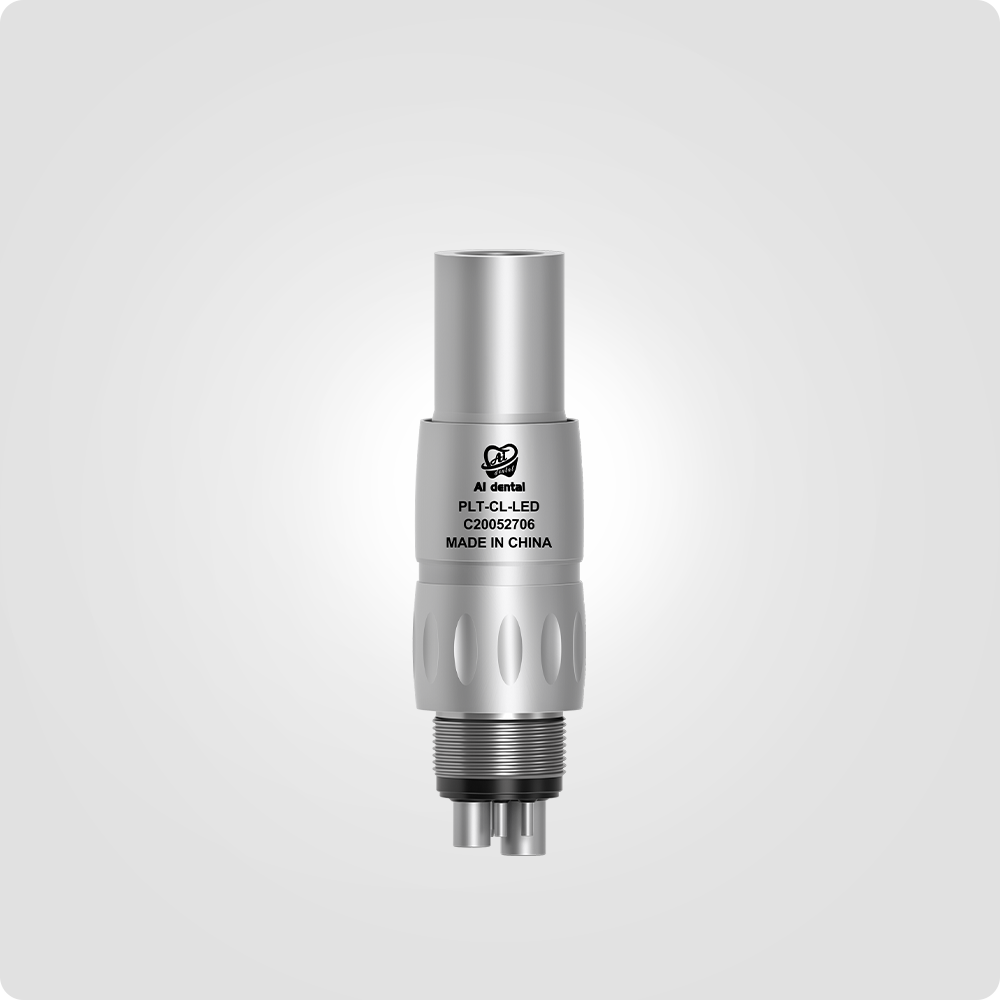
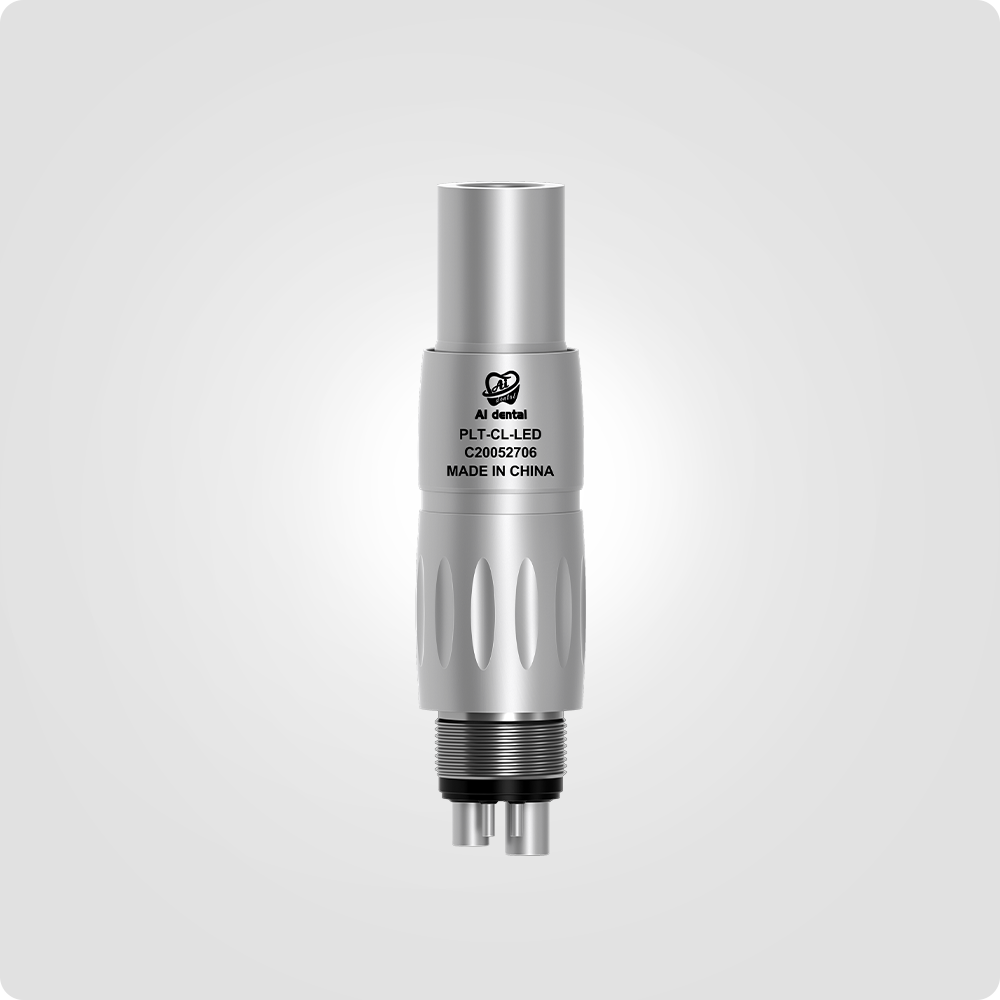
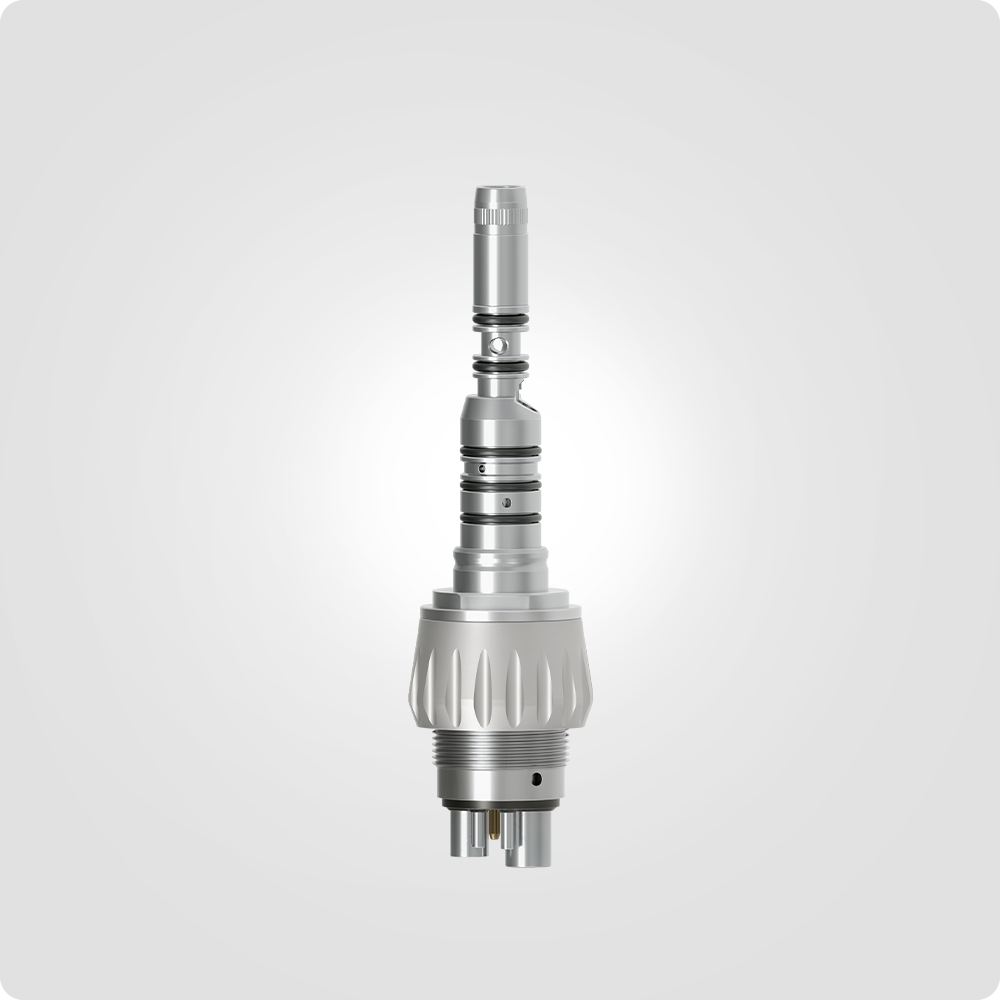
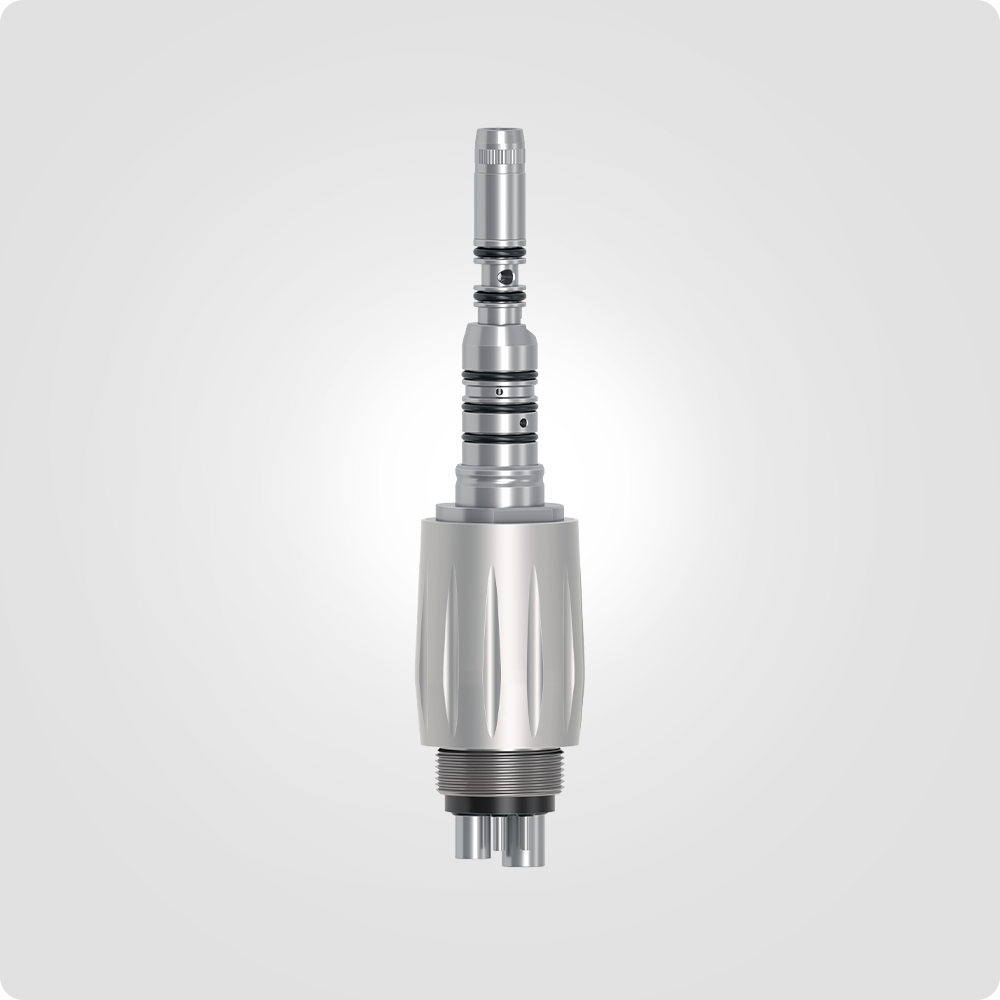
Dental air turbine handpieces are essential tools in the dental practice that utilize compressed air to rotate a turbine, which drives a bur to perform various dental procedures. These handpieces are widely used for cutting, shaping, and polishing teeth and are known for their high-speed capabilities and efficiency.
The Role of Air Pressure
The operation of air turbine handpieces relies heavily on **compressed air**. The air pressure generated by the dental unit is directed into the handpiece, where it spins a small turbine. The speed of rotation can reach up to 400,000 revolutions per minute (RPM), making these handpieces incredibly effective for drilling through hard tooth enamel and other dental materials.
History of Dental Handpieces
The evolution of dental handpieces dates back to the late 19th century. Initially, dentists used manually operated drills that required significant physical effort. The introduction of electric handpieces in the 1950s was groundbreaking, but it wasn't until the development of the air turbine handpiece that dentistry truly transformed. These handpieces offered a lightweight, efficient alternative to electric models, allowing for greater maneuverability and precision.
Pioneering Innovations
One of the key innovations in dental handpieces was the addition of **air turbines**. These turbines replaced electric motors and provided a reliable source of power without adding considerable weight to the handpiece. This shift marked a significant milestone in dental technology, enabling dentists to work more efficiently and comfortably.
How Air Turbine Handpieces Work
The mechanics of air turbine handpieces are fascinating. When compressed air is introduced into the handpiece, it enters a turbine chamber where the air pressure causes blades to rotate. This rotational motion is transferred to a bur, which is the cutting instrument used in dental procedures. The handpiece's design allows for a straight, smooth flow of air, minimizing resistance and ensuring optimal performance.
The Physics of Rotation
The **Centrifugal Force** generated by the rotating turbine is crucial for efficient cutting. As the turbine spins, it creates a vacuum that draws in additional air, which helps maintain the handpiece's speed. This design not only enhances cutting efficiency but also reduces the risk of overheating, ensuring a consistent performance throughout procedures.
Types of Bur and Their Functions
The type of bur used in conjunction with air turbine handpieces plays an important role in the efficiency and effectiveness of the procedure. Different burs are designed for specific tasks, such as:
- Diamond Burs: Used for cutting hard tissues, such as enamel and dentin.
- Carbide Burs: Ideal for bulk material removal and shaping.
- Finishing Burs: Employed for smoothing and polishing surfaces.
Components of Air Turbine Handpieces
Understanding the various components of an air turbine handpiece is essential to grasp how they function effectively. The primary parts include:
The Handpiece Body
The handpiece body houses all internal components and is typically made from lightweight materials like stainless steel or titanium. Its ergonomic design allows for comfortable handling during prolonged use.
The Turbine
The turbine is the heart of the handpiece, consisting of several blades that spin rapidly when air is introduced. This component is engineered for precision and durability to withstand high-speed operation.
The Bur Chuck
The bur chuck is the mechanism that securely holds the bur in place. It allows for quick and easy bur changes, enhancing the handpiece's usability. Most modern handpieces feature a push-button chuck that simplifies this process.
The Water Spray System
A critical feature of air turbine handpieces is the built-in water spray system. This system cools the bur during operation, preventing overheating and minimizing patient discomfort. The dual action of air and water ensures that the procedure runs smoothly.
Advantages of Using Air Turbine Handpieces
The adoption of air turbine handpieces in dental practices offers numerous advantages:
High-Speed Efficiency
Air turbine handpieces are renowned for their speed. The ability to reach up to 400,000 RPM allows dentists to complete procedures much faster than with traditional methods, improving overall patient turnover.
Reduced Noise and Vibration
Compared to electric handpieces, air turbine models tend to produce less noise and vibration, which not only enhances patient comfort but also allows for a more focused working environment for the dentist.
Improved Control and Precision
The lightweight design of air turbine handpieces provides better maneuverability and control, enabling dentists to perform intricate procedures with high precision. This is especially important in cosmetic dentistry and restorative work.
Maintenance of Air Turbine Handpieces
To ensure longevity and optimal performance, proper maintenance of air turbine handpieces is essential. Regular cleaning and sterilization are crucial, as they help prevent cross-contamination and maintain instrument integrity.
Daily Care
After each use, the handpiece should be cleaned using a lubricating solution. This helps to remove debris and prevent the buildup of contaminants. Dentists should also periodically perform a thorough cleaning of the internal components as recommended by the manufacturer.
Storage
Proper storage is key to prolonging the life of air turbine handpieces. They should be kept in a designated sterile area, away from direct sunlight and extreme temperatures, to avoid damage.
The Future of Dental Air Turbine Technology
As technology continues to advance, the future of dental air turbine handpieces is promising. Innovations in materials and design are expected to enhance their performance further, making them even more efficient and user-friendly.
Integration with Digital Dentistry
The rise of digital dentistry presents exciting opportunities. Integrating air turbine handpieces with digital imaging and CAD/CAM technologies can streamline the workflow in dental practices, allowing for more precise and efficient treatments.
Smart Handpieces
The development of smart handpieces equipped with sensors could revolutionize the industry by providing real-time data on performance and condition, enabling proactive maintenance and reducing downtime.
Frequently Asked Questions (FAQs)
1. What is the difference between air turbine handpieces and electric handpieces?
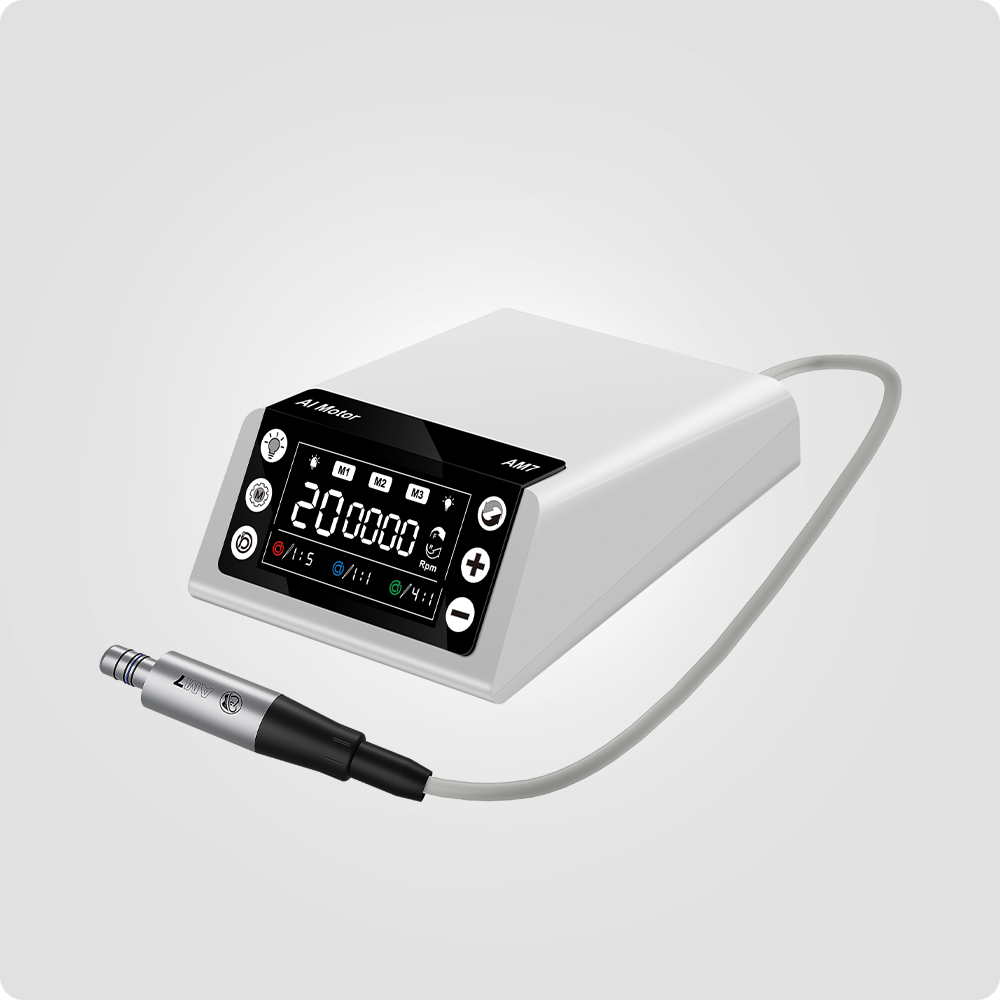
Air turbine handpieces utilize compressed air to rotate a turbine, while electric handpieces rely on an electric motor. Air turbines are generally lighter and quieter, but electric handpieces can provide more torque for specific tasks.
2. How often should air turbine handpieces be serviced?
It is recommended to service air turbine handpieces every six months or according to the manufacturer's guidelines to ensure optimal performance and hygiene.
3. Can air turbine handpieces be used for all dental procedures?
While air turbine handpieces are versatile, they are particularly suited for high-speed cutting and polishing. Some procedures may require the use of specific instruments, such as electric handpieces for more torque-dependent tasks.
4. What maintenance is required for air turbine handpieces?
Regular cleaning, lubrication, and sterilization are essential for maintaining air turbine handpieces. Additionally, periodic professional servicing is advisable to check for wear and tear.
5. How do I choose the right bur for my air turbine handpiece?
The choice of bur depends on the specific task at hand. Dentists should select burs based on the material they are working with and the desired outcome, such as cutting, shaping, or polishing.
Conclusion
Understanding the science behind dental air turbine handpieces is crucial for modern dental practices. These instruments not only improve the efficiency and speed of various dental procedures but also enhance the overall patient experience. With ongoing advancements in technology, the future of dental air turbine handpieces promises even greater innovations, ensuring that dentistry continues to provide high-quality care. By investing in proper maintenance and staying informed about the latest developments, dental professionals can leverage these tools to their fullest potential, delivering optimal results for their patients.
Related News
AI DENTAL Highlights Day 1 at 2026 Rimini Dental Expo-High-Value Smile & AiKO Series
May 15,2026
Focus On Dental Handpieces