
















































The Future of Dentistry: Exploring AI Dental Handpieces
Oct 11,2026
Views ()

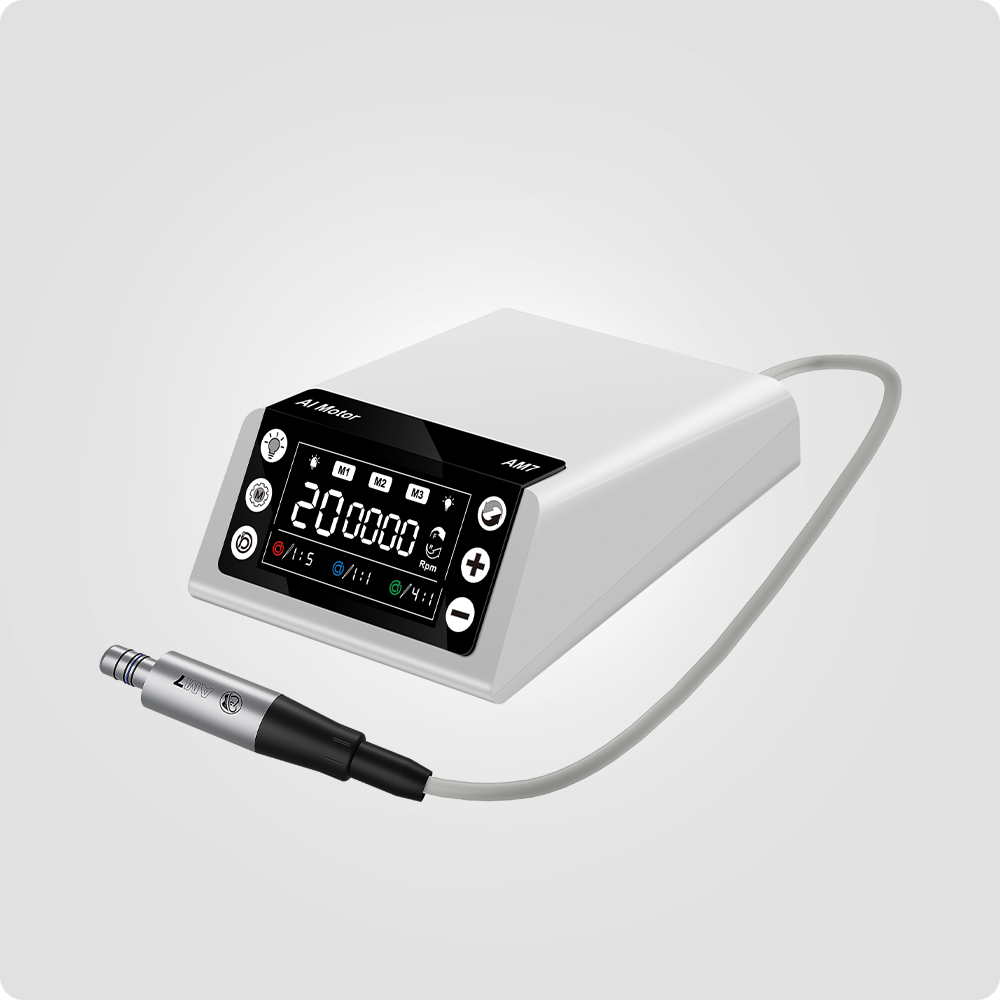
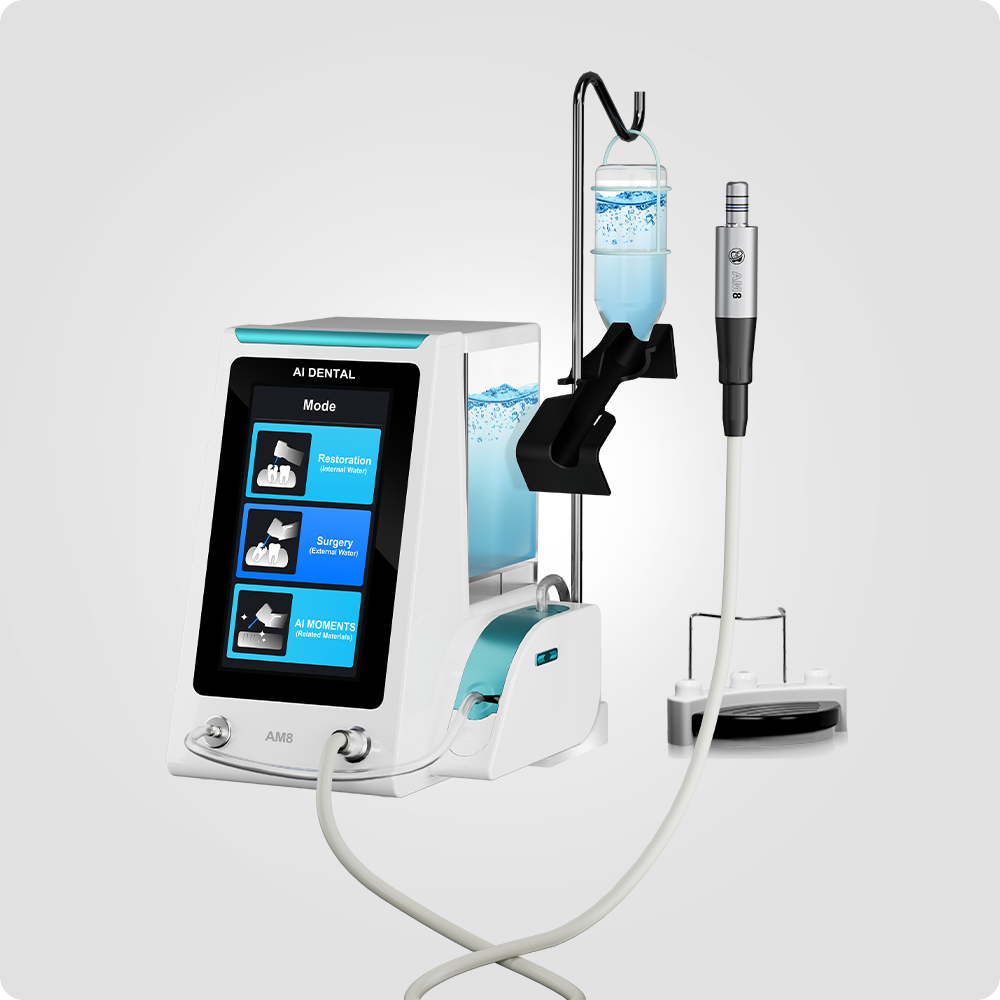
As dentistry evolves, the integration of artificial intelligence (AI) into dental tools is becoming increasingly common. One such innovation is the AI dental handpiece, a device that combines traditional dental handpieces with advanced AI technology. These handpieces are designed to assist dental practitioners in providing precise and efficient treatments, ultimately improving patient outcomes.
AI dental handpieces utilize advanced algorithms to analyze data in real-time, enabling practitioners to make informed decisions during procedures. For instance, these handpieces can monitor the speed and pressure applied during dental treatments, adjusting automatically to ensure optimal performance. This means that dentists can achieve better results, whether they're performing routine cleanings or complex surgical procedures.
One of the critical benefits of AI dental handpieces is their ability to enhance precision. Traditional handpieces require significant skill and experience to use effectively, but with AI-assisted technology, even less experienced dentists can achieve high levels of accuracy. This is particularly beneficial in procedures like cavity preparations or crown placements, where precision is crucial.
Additionally, AI dental handpieces can contribute to improved patient comfort. By optimizing the performance of the handpiece, the system can minimize discomfort during procedures. For example, the AI can adjust the torque and speed, reducing vibrations and pressure that often cause discomfort for patients. This enhancement not only leads to a more pleasant experience for patients but may also reduce anxiety associated with dental visits.
Moreover, AI dental handpieces can facilitate better diagnostics. Some advanced models are equipped with sensors that can detect changes in tooth structure or tissue quality, providing valuable insights that can aid in treatment planning. This capability allows dentists to identify potential issues before they escalate, leading to more proactive and preventive care.
The implementation of AI dental handpieces represents a significant step forward in dental technology. As these devices become more common, they are expected to play a crucial role in shaping the future of dentistry. With their ability to enhance precision, improve patient comfort, and assist in diagnostics, AI dental handpieces are not just a trend—they are a vital part of modern dental practice.
In summary, AI dental handpieces exemplify how technological advancements are transforming the field of dentistry. By integrating AI into dental practices, practitioners can enhance their capabilities, leading to better patient care and outcomes. As this technology continues to develop, it holds the promise of making dental treatments more effective and comfortable for patients worldwide.
Related News
AI DENTAL Highlights Day 1 at 2026 Rimini Dental Expo-High-Value Smile & AiKO Series
May 15,2026
Views ()
Focus On Dental Handpieces