













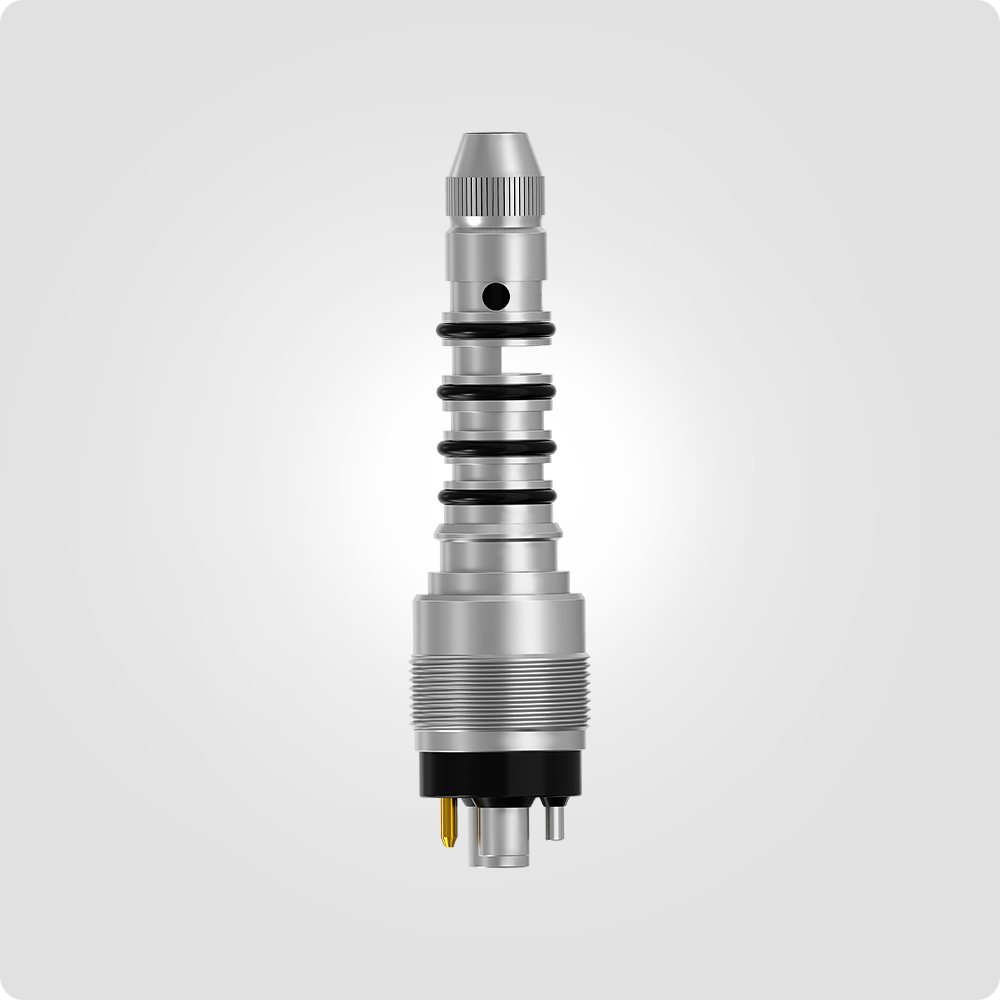








From Manual to AI: The Evolution of Dental Handpiece Technology
Oct 12,2026

From Manual to AI: The Evolution of Dental Handpiece Technology
The journey of dental handpiece technology illustrates a remarkable evolution, shaped by advancements in engineering, materials, and artificial intelligence. Over the years, dental handpieces, once a simple manual tool, have transitioned into complex devices, embedding technology that enhances efficiency, precision, and patient comfort. This article delves into this evolution, tracing the history, the technological advancements, and the future of dental handpieces.
Table of Contents
- 1. The History of Dental Handpieces
- 2. Manual Handpieces: The Traditional Tools
- 3. The Introduction of Electric Handpieces
- 4. Advancements in Handpiece Design and Materials
- 5. The Role of AI in Modern Dental Handpieces
- 6. The Benefits of AI-Driven Dental Handpieces
- 7. Challenges in Implementing AI in Dental Practices
- 8. Future Trends in Dental Handpiece Technology
- 9. Conclusion
- 10. Frequently Asked Questions
1. The History of Dental Handpieces
The origins of dental handpieces date back to ancient civilizations, where rudimentary tools were crafted from materials like bone and stone. These early instruments, although primitive, laid the groundwork for today's devices. The first significant advancement occurred in the 19th century with the invention of the foot-powered dental drill, which allowed dentists to perform procedures more efficiently.
As the 20th century progressed, the introduction of electric handpieces marked a pivotal moment in dental technology. These devices improved speed, precision, and comfort for both the dentist and the patient, setting the stage for the modern handpieces we use today.
2. Manual Handpieces: The Traditional Tools
Manual handpieces, characterized by their simplicity and reliability, were the staples of dental practices for many years. These tools required the dentist to exert physical effort to operate them, often leading to fatigue during lengthy procedures. Despite their limitations, manual handpieces were valued for their straightforward design and ease of maintenance.
Advantages of Manual Handpieces
- Simplicity: Easy to use and maintain.
- Cost-Effectiveness: Generally lower in price compared to electric counterparts.
- Reliability: Fewer mechanical components lead to reduced chances of malfunction.
Disadvantages of Manual Handpieces
- Physical Strain: Can cause fatigue for the dentist during prolonged use.
- Limited Speed: Slower than powered alternatives, affecting procedure efficiency.
3. The Introduction of Electric Handpieces
The 20th century saw the advent of electric handpieces, which revolutionized dental practices. These devices provided higher rotational speeds and required less physical effort from the dentist, significantly improving the overall experience for both parties. Electric handpieces also allowed for a wider range of attachments and accessories, enhancing their versatility.
Key Features of Electric Handpieces
- High-Speed Operation: Capable of achieving speeds exceeding 400,000 RPM.
- Variety of Functions: Equipped to handle various dental procedures from drilling to polishing.
- Reduced Noise: Operate more quietly than traditional manual handpieces, enhancing patient comfort.
4. Advancements in Handpiece Design and Materials
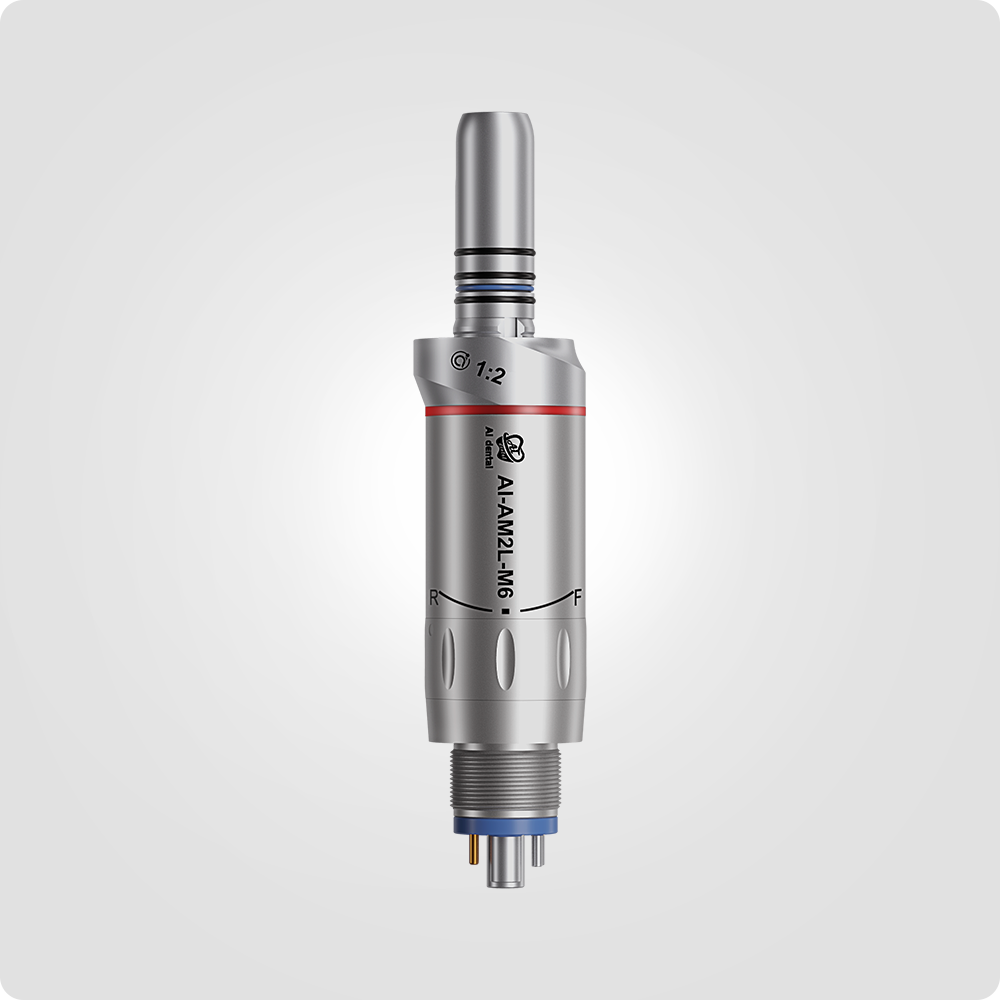
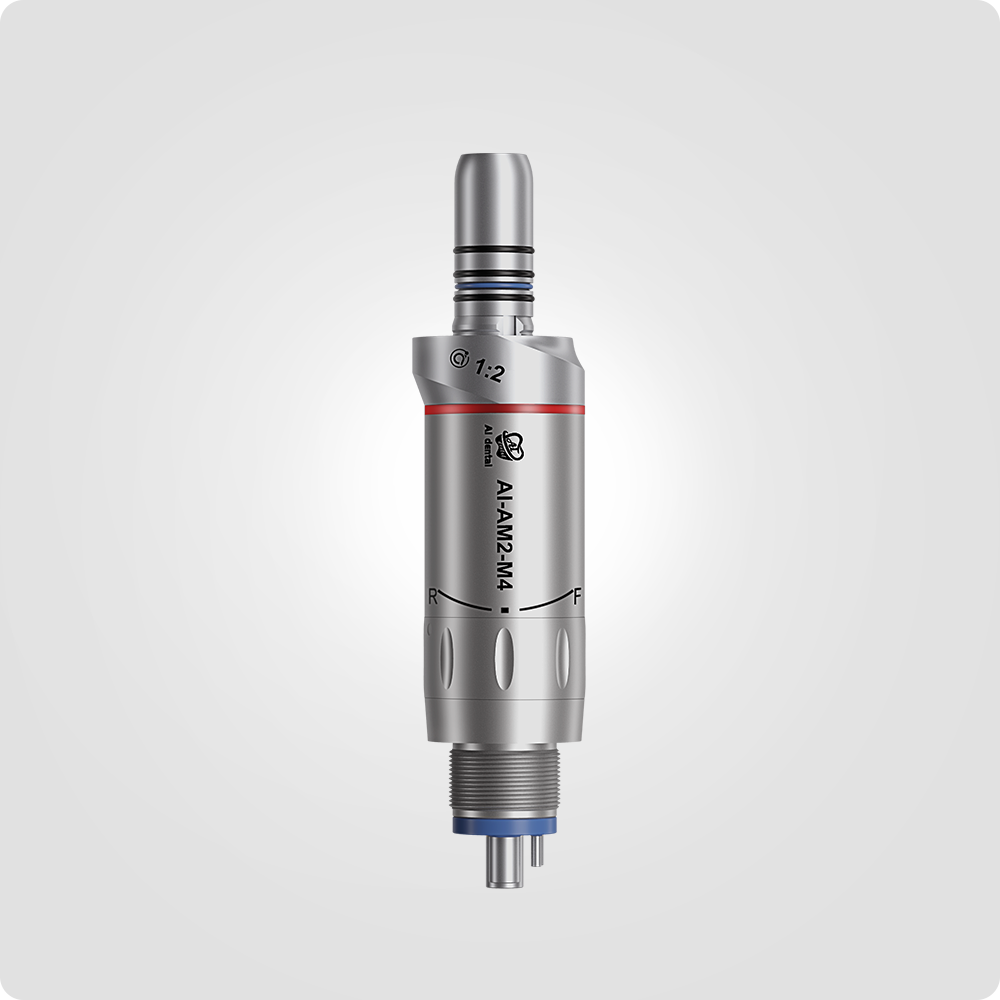
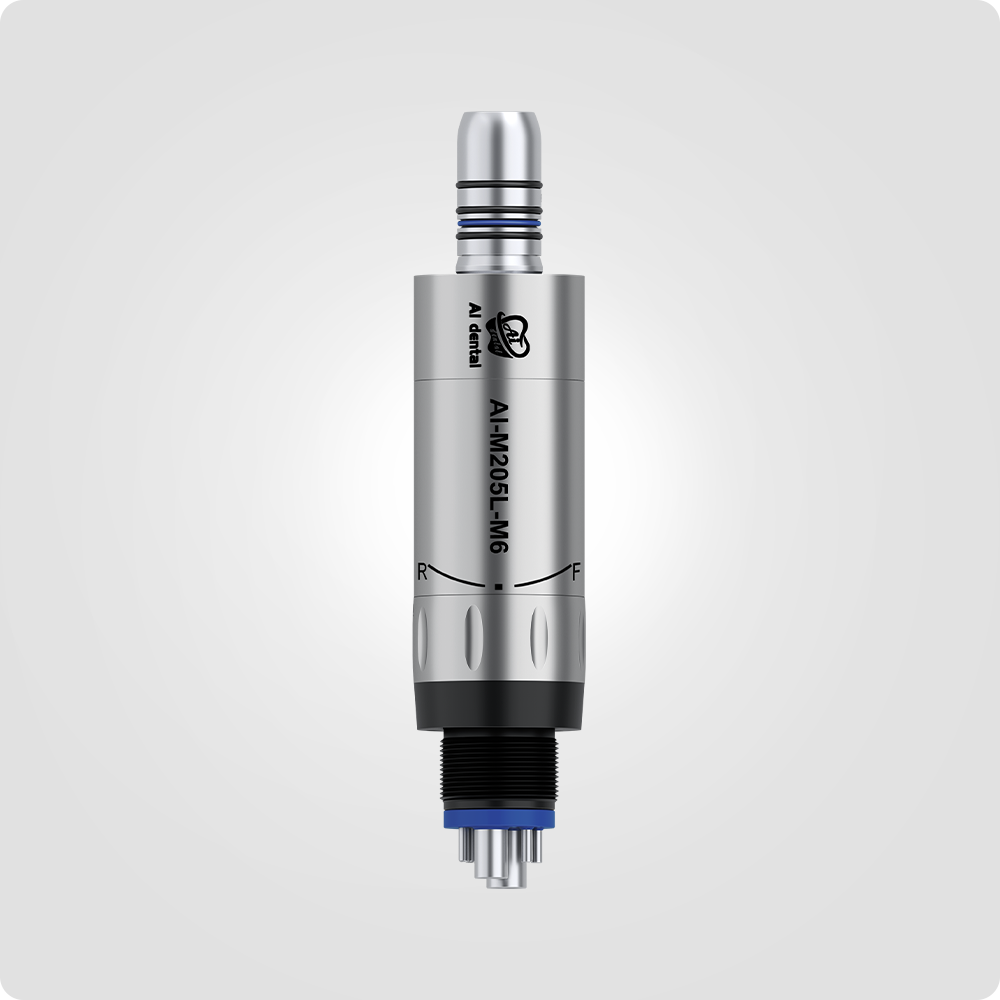
Advancements in materials science have led to the development of lighter, more durable dental handpieces. Modern devices often utilize advanced composites and metals that resist wear and corrosion. Ergonomic designs have also become a focus, with handpieces that fit comfortably in the dentist's hand, reducing strain during use.
Materials Used in Modern Handpieces
- Surgical Stainless Steel: Provides strength and resistance to corrosion.
- Composite Materials: Lightweight and designed for durability.
- Thermal Insulation: Protects against heat transfer from the motor to the dentist's hand.
5. The Role of AI in Modern Dental Handpieces
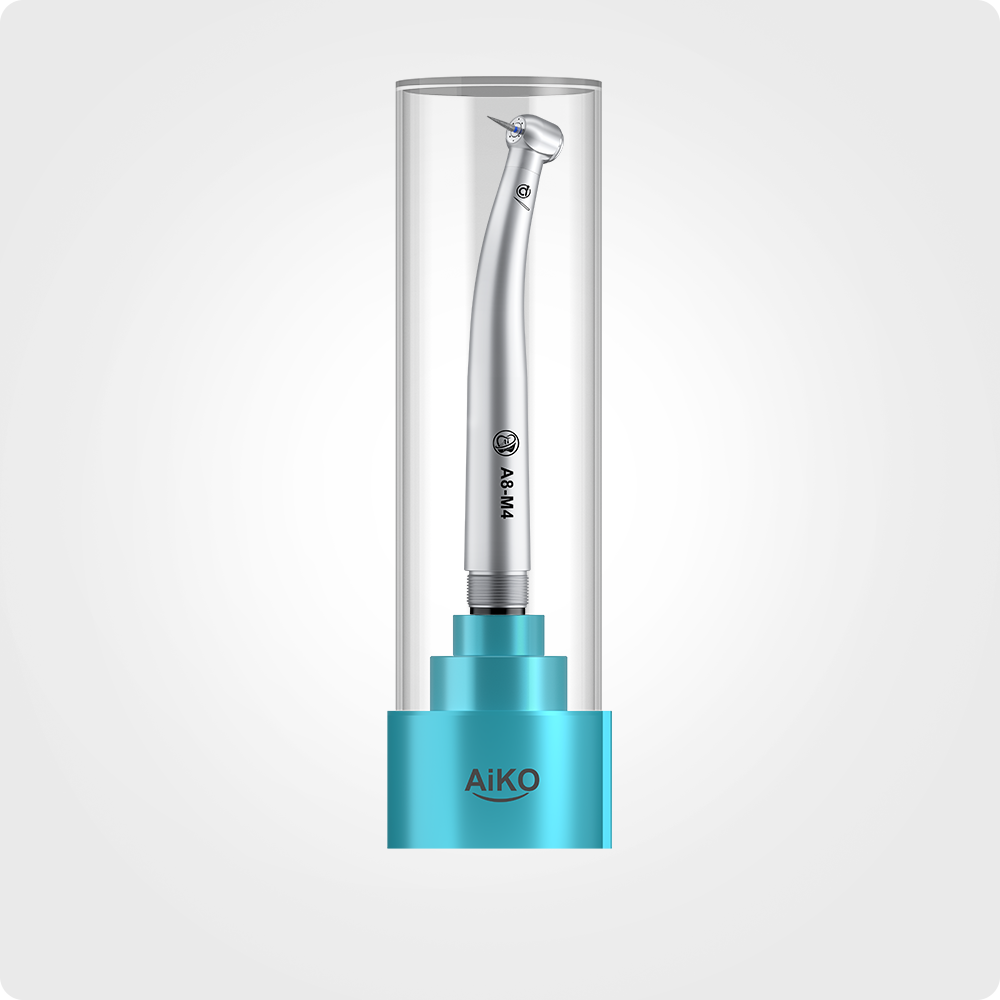
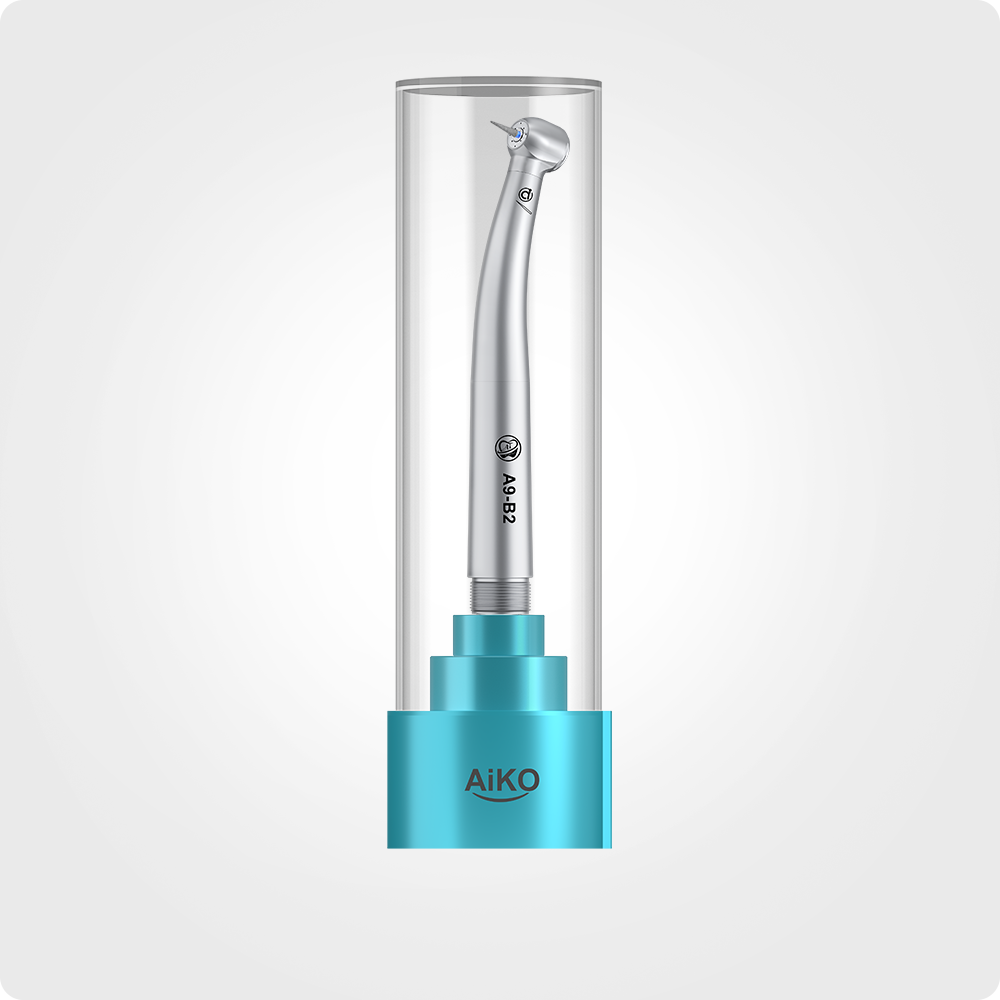
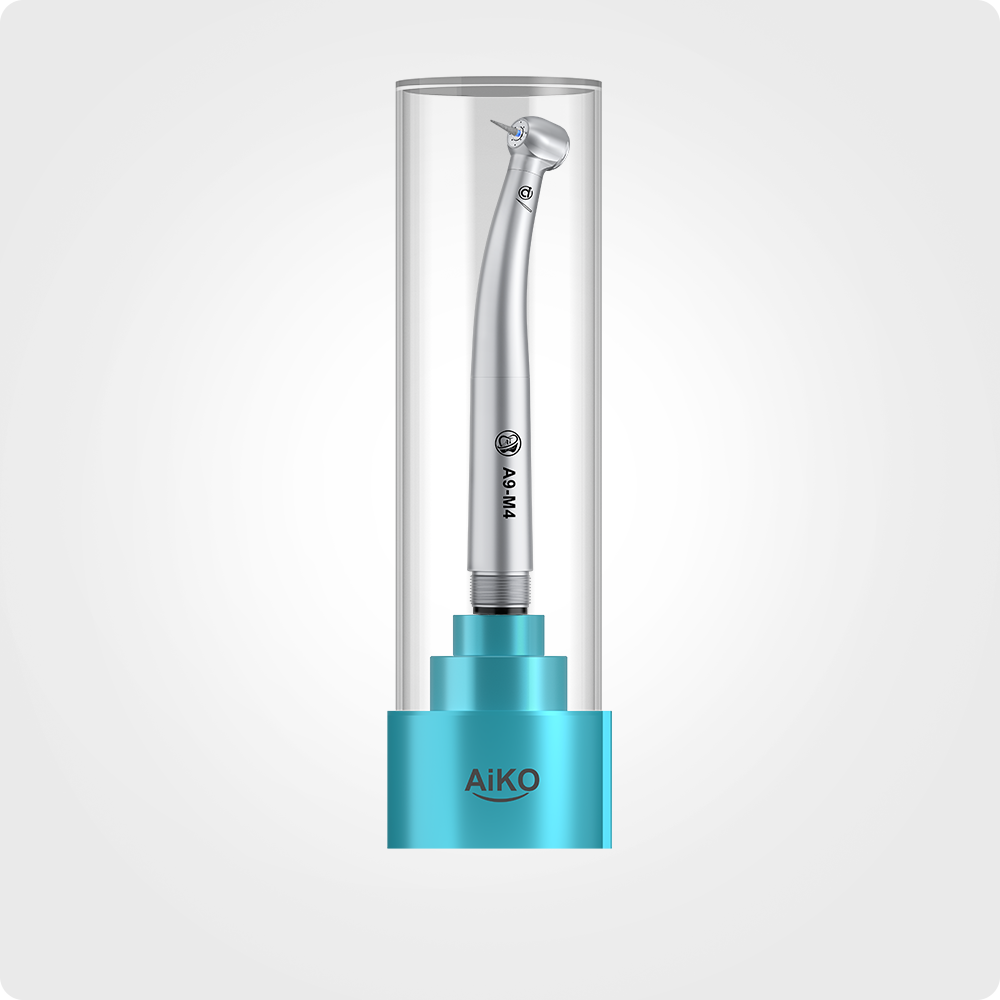
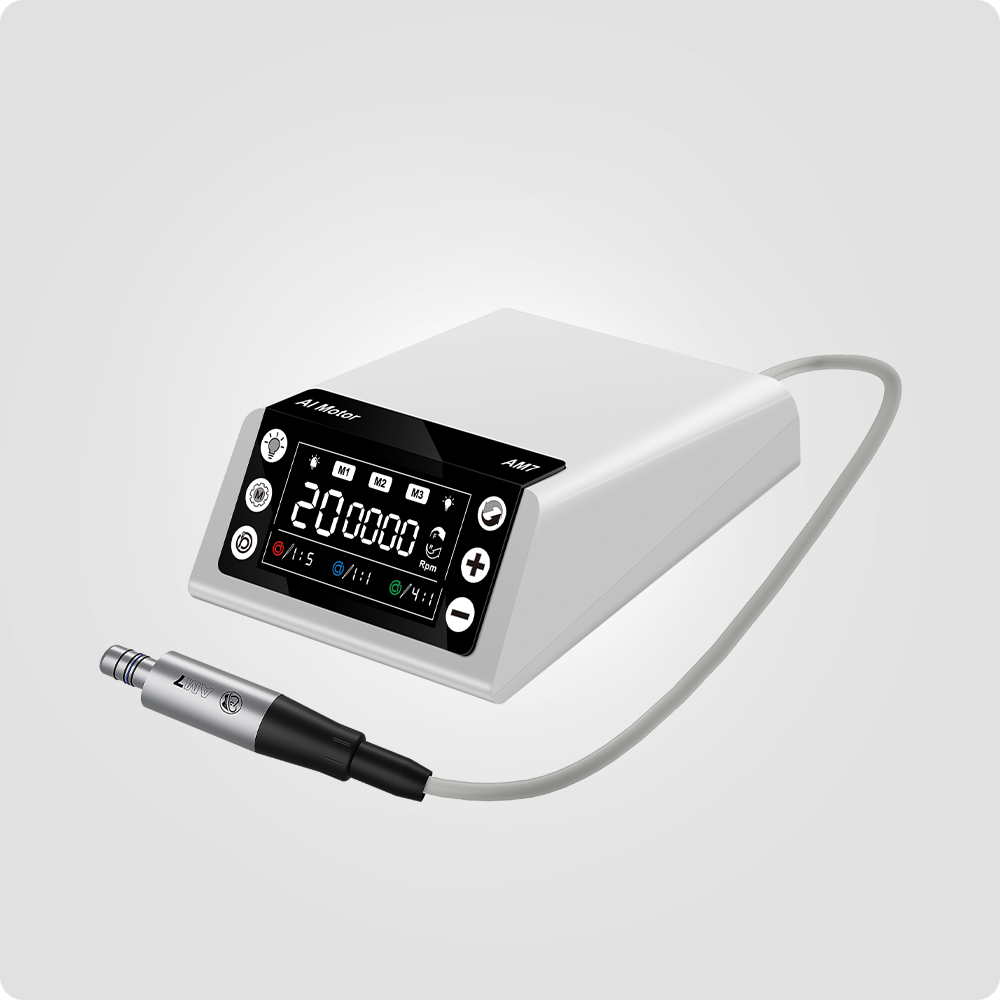
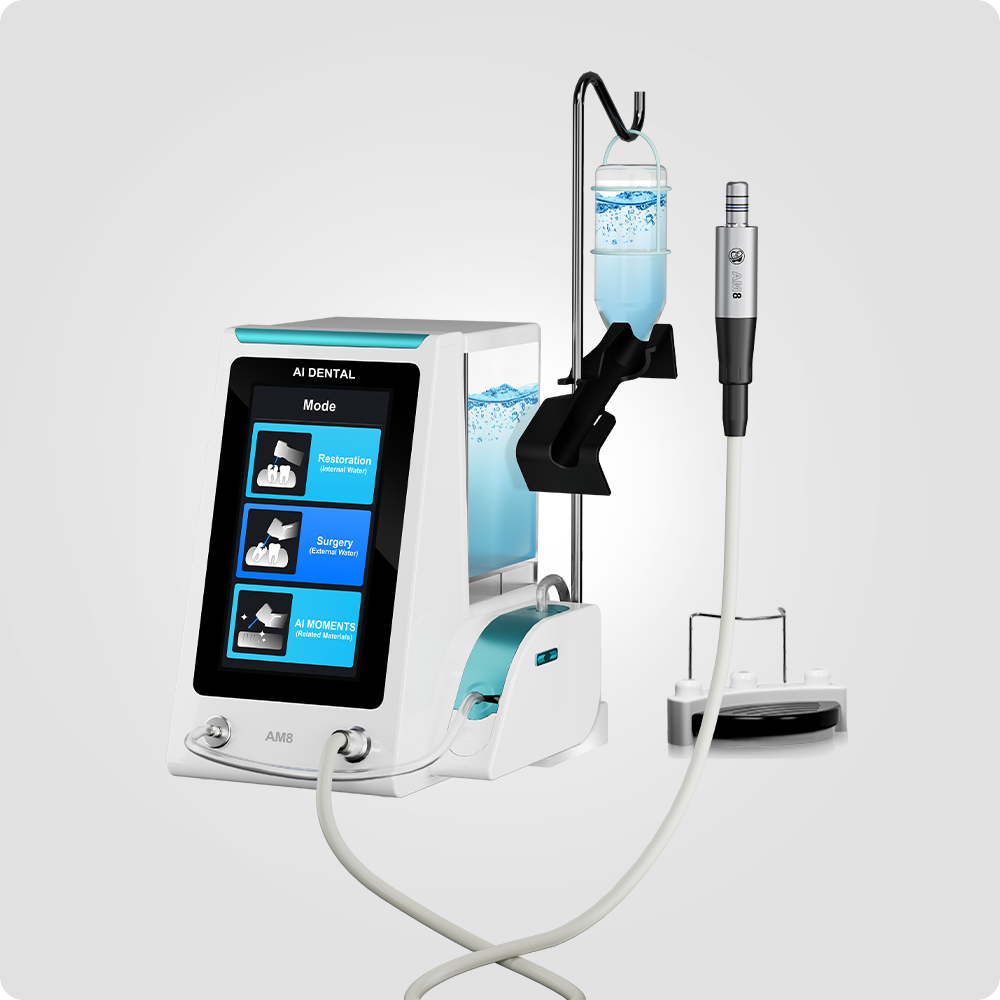
The integration of artificial intelligence into dental handpieces represents the latest frontier in dental technology. AI-driven handpieces can analyze various parameters during procedures, providing real-time feedback and suggestions to enhance performance. This capability allows dentists to make better-informed decisions, improving treatment outcomes.
AI Features in Dental Handpieces
- Real-Time Monitoring: Tracks tool performance and provides alerts for maintenance needs.
- Precision Control: Adjusts speed and torque based on the specific procedure.
- Data Analytics: Collects data for future reference, helping to improve practices.
6. The Benefits of AI-Driven Dental Handpieces
The transition to AI-enhanced dental handpieces brings numerous advantages to dental practices. These benefits range from improved patient safety to increased operational efficiency.
Enhanced Patient Safety
AI can help minimize human error by providing real-time insights during procedures, ensuring that dentists maintain optimal conditions and techniques.
Improved Workflow Efficiency
By automating several aspects of the dental procedure, AI-driven handpieces can streamline workflows, allowing dental teams to focus more on patient care rather than equipment management.
Personalized Treatment Plans
AI can analyze patient-specific data to offer personalized recommendations for treatment, enhancing patient satisfaction and outcomes.
7. Challenges in Implementing AI in Dental Practices
While the benefits of AI-driven dental handpieces are significant, several challenges exist in implementing this technology within dental practices. These challenges include the cost of investment, the need for ongoing training, and concerns about data privacy and security.
Cost of Investment
High initial costs associated with AI technology may deter some practices from upgrading their equipment, particularly smaller offices with limited budgets.
Training and Adaptation
Dental professionals must undergo training to effectively use AI-enhanced handpieces, which may require additional time and resources.
Data Privacy Concerns
As with any technology that collects data, concerns about patient privacy and data security remain paramount. Dental practices must ensure they comply with regulations regarding patient information.
8. Future Trends in Dental Handpiece Technology
The future of dental handpieces is poised to integrate even more advanced technologies, including enhanced AI capabilities, wireless technology, and improved connectivity.
Advanced AI Algorithms
Future handpieces may utilize more sophisticated AI algorithms capable of predicting patient needs and adjusting operational parameters proactively.
Wireless Connectivity
Wireless technology could eliminate the need for cumbersome cords, enhancing mobility and convenience during procedures.
Integration with Other Technologies
Handpieces may increasingly integrate with other dental technologies, such as imaging systems and patient record software, creating a more cohesive approach to dental care.
9. Conclusion
The evolution of dental handpiece technology from manual tools to advanced AI-driven devices highlights the remarkable progress within the dental field. As innovations continue to emerge, dental professionals must embrace these changes to enhance patient care and improve operational efficiency. The future promises exciting developments as AI and other technologies shape the landscape of dentistry, ensuring that dental practices can provide the highest quality of care.
10. Frequently Asked Questions
What are the main differences between manual and electric dental handpieces?
Manual handpieces rely on physical effort to operate, while electric handpieces use motors to provide speed and efficiency. Electric handpieces are typically faster and reduce physical strain on the dentist.
How does AI improve the functionality of dental handpieces?
AI enhances dental handpieces by providing real-time feedback, monitoring performance, and adjusting settings for optimal outcomes during procedures.
Are AI-driven dental handpieces expensive?
While AI-driven dental handpieces can have higher upfront costs, they may lead to cost savings in the long run due to improved efficiency and patient outcomes.
What training is required to use AI-enhanced dental handpieces?
Dentists and dental staff may need to undergo training programs to learn how to effectively operate AI-driven handpieces and integrate them into their practice.
What is the future of dental handpiece technology?
The future of dental handpiece technology will likely focus on enhanced AI capabilities, wireless technology, and improved connectivity with other dental systems.
Previous
Previous
Related News
AI DENTAL Highlights Day 1 at 2026 Rimini Dental Expo-High-Value Smile & AiKO Series
May 15,2026
Focus On Dental Handpieces