
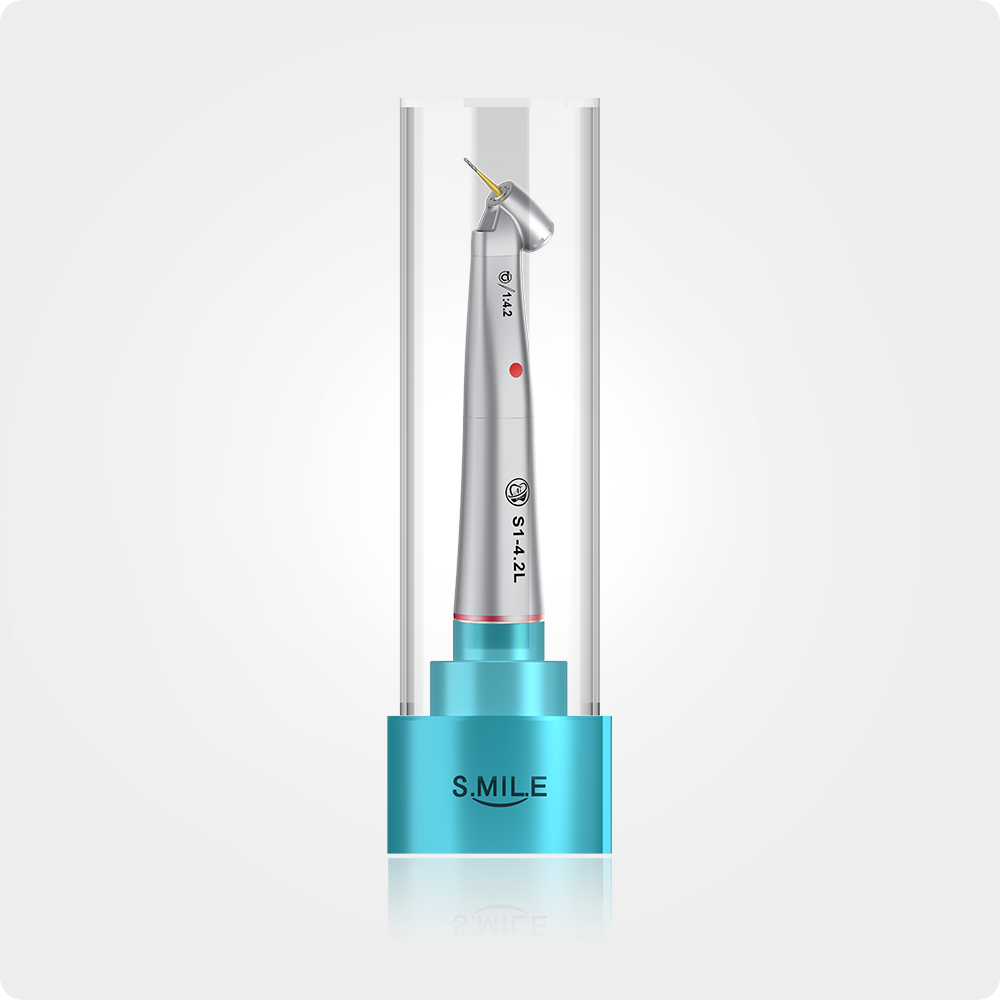
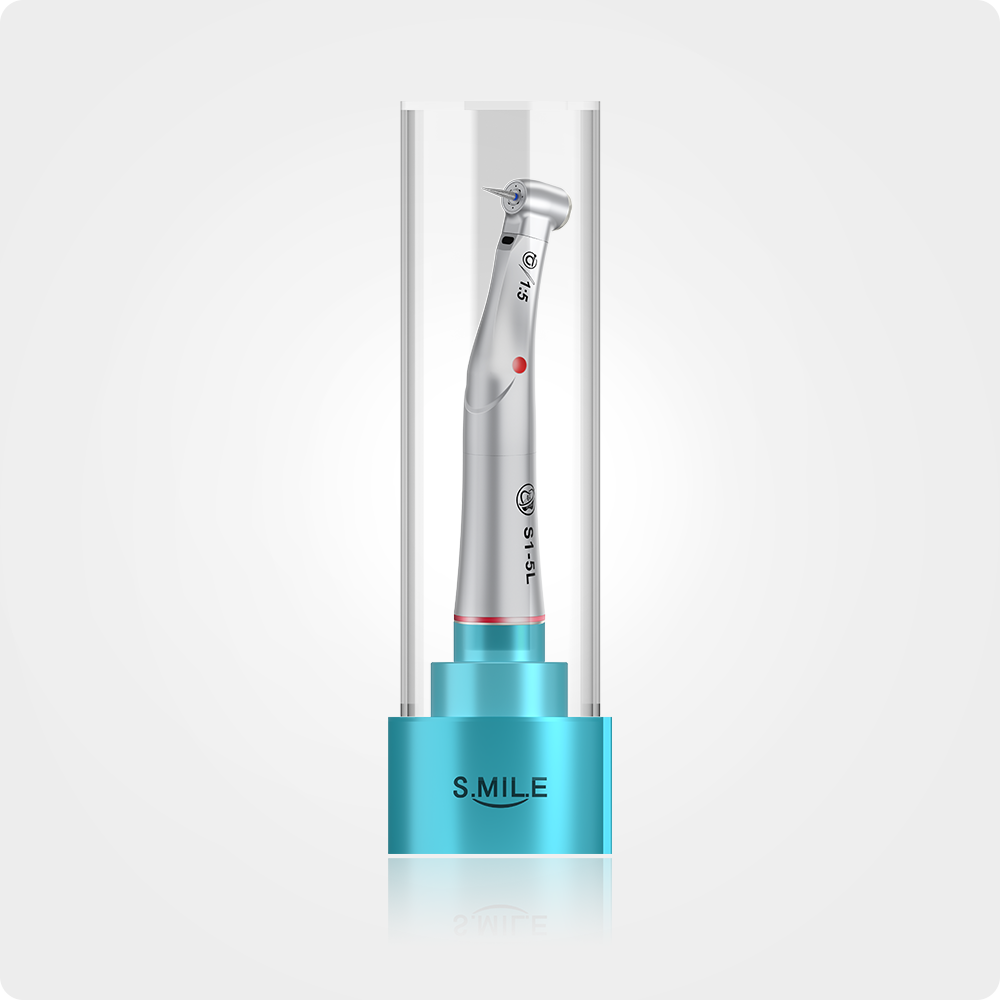
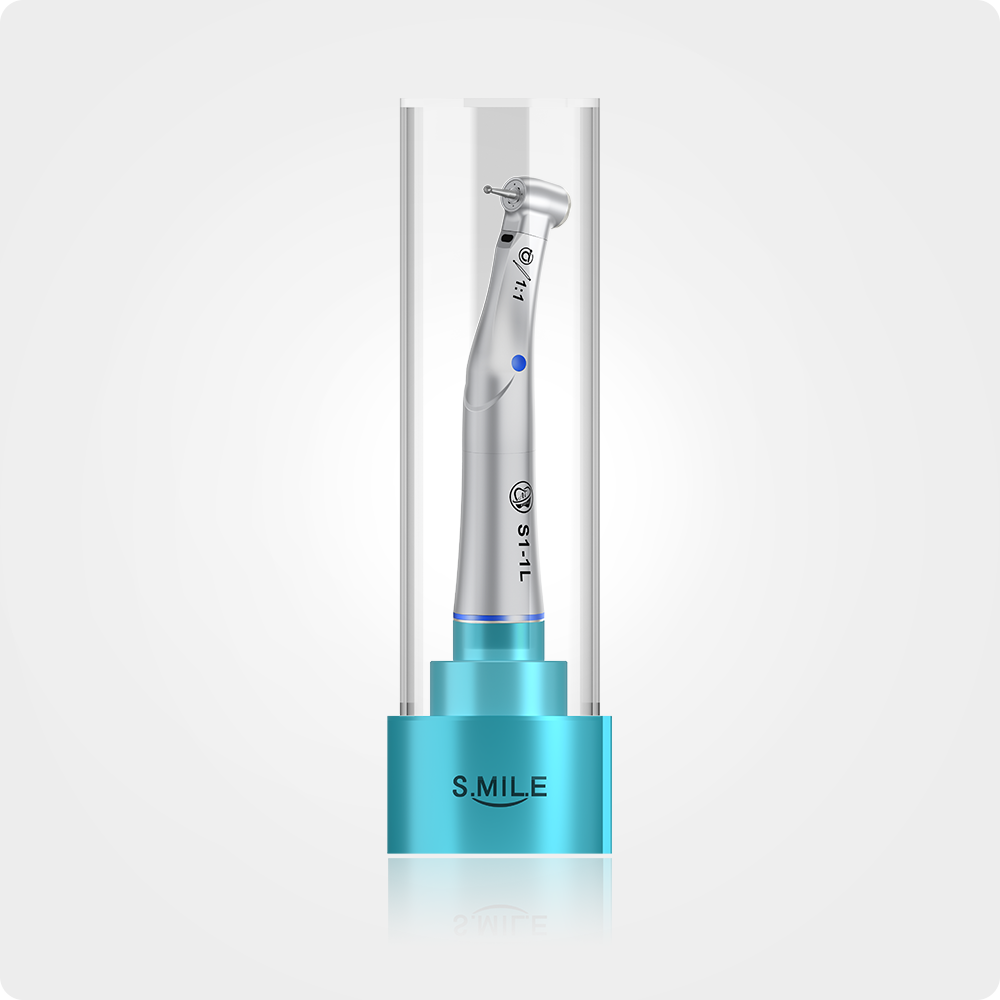
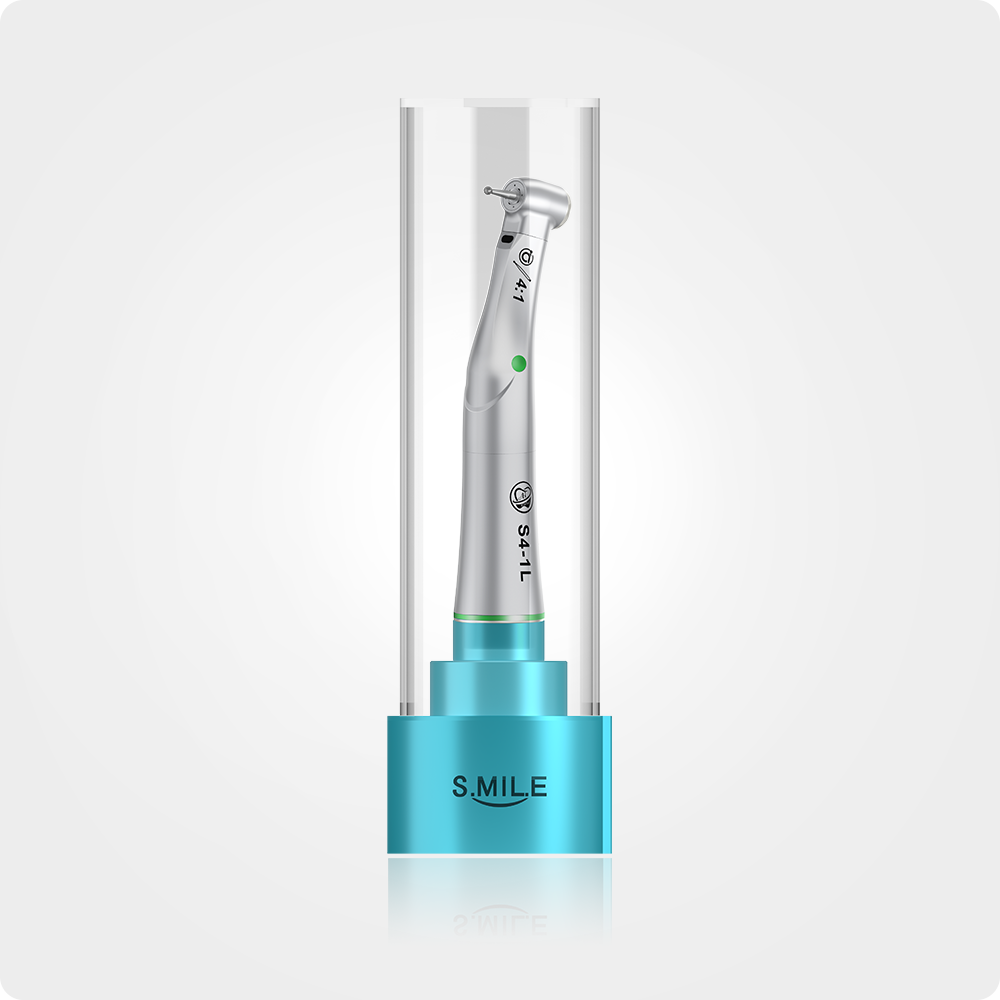











The Future of Dentistry: Electric Micromotors and Their Impact on Patient Care
Oct 10,2026
Views ()

The Future of Dentistry: Electric Micromotors and Their Impact
Table of Contents
- 1. Introduction to Electric Micromotors in Dentistry
- 2. What Are Electric Micromotors?
- 3. Key Benefits of Electric Micromotors in Dental Procedures
- 4. Advancements in Micromotor Technology
- 5. The Impact of Electric Micromotors on Patient Care
- 6. The Adoption of Electric Micromotors in Dental Offices
- 7. The Future of Dentistry: Trends and Predictions
- 8. Conclusion
- 9. FAQs About Electric Micromotors in Dentistry
1. Introduction to Electric Micromotors in Dentistry
The landscape of dentistry is evolving at an unprecedented pace, driven by technological advancements that enhance precision, efficiency, and patient comfort. Among the most significant innovations are **electric micromotors**, which have become increasingly integral in dental practices. This article examines how these devices are shaping the future of dentistry, with a focus on their operational benefits, patient care improvements, and overall impact on dental procedures.
2. What Are Electric Micromotors?
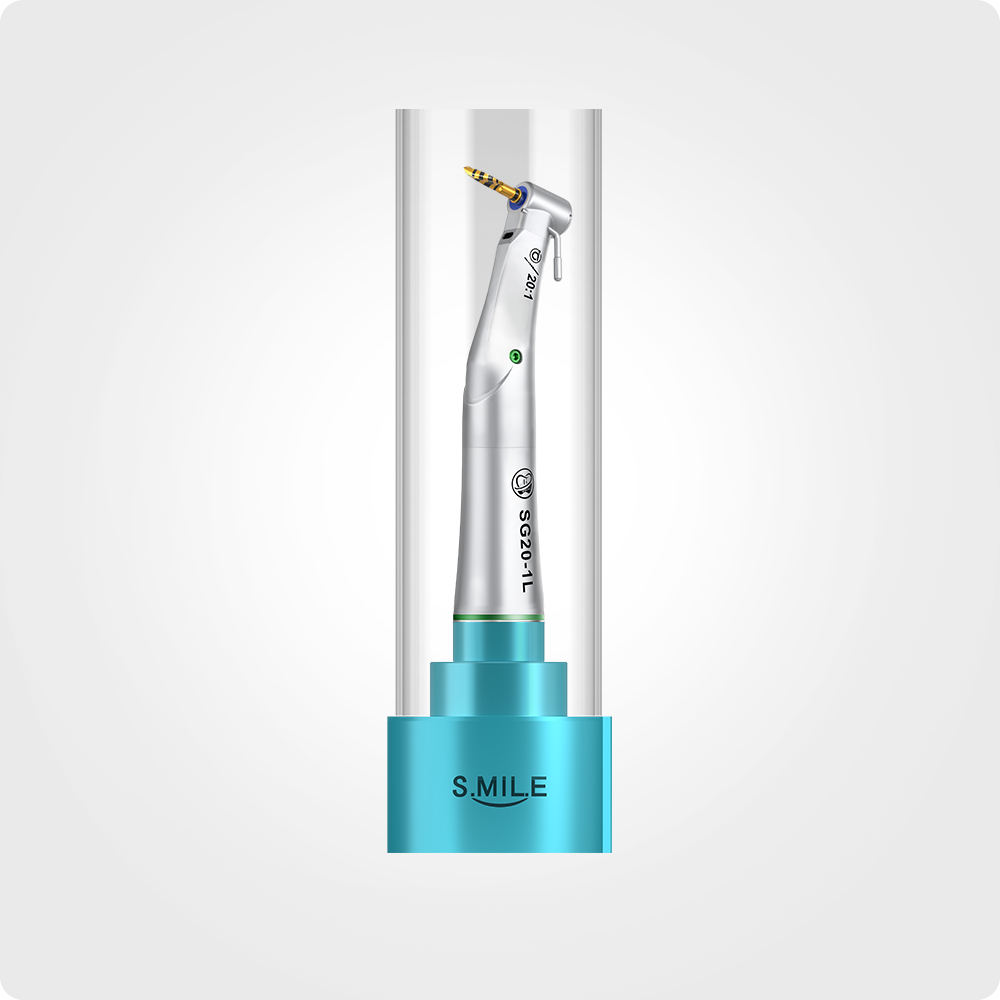
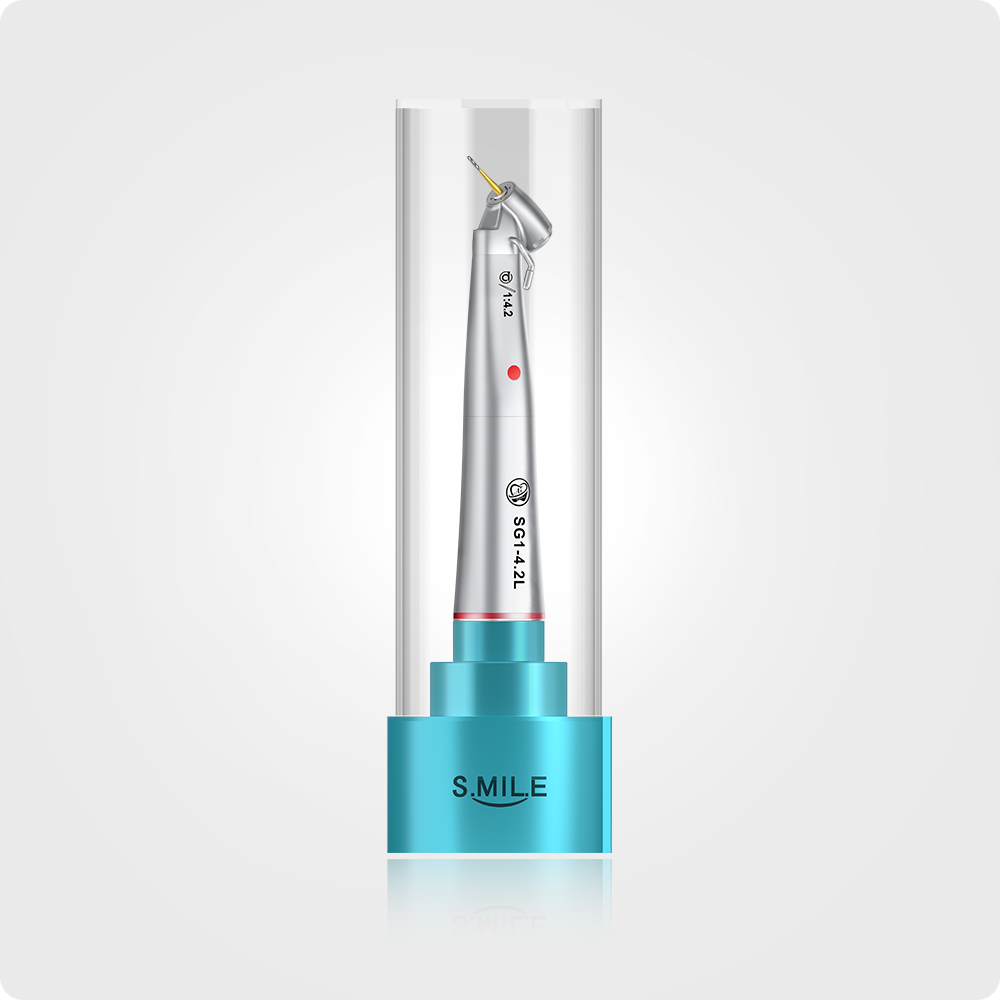
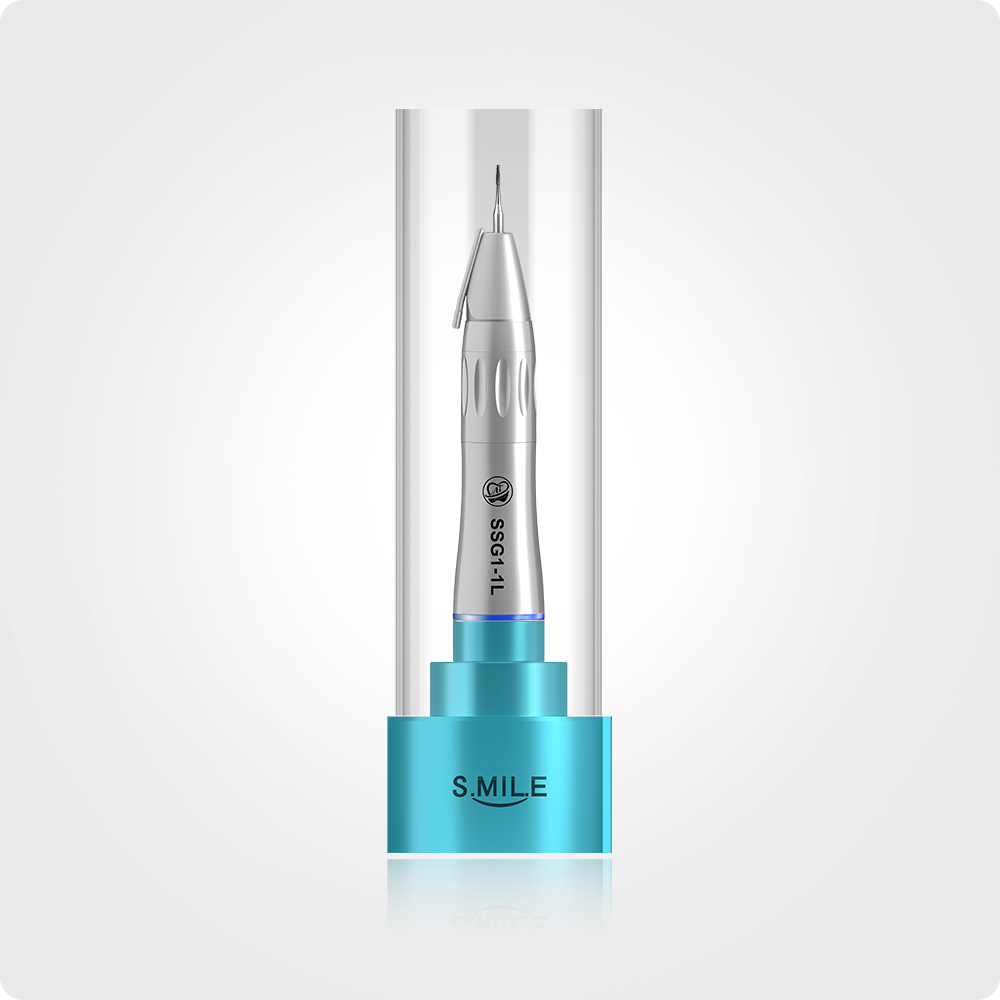
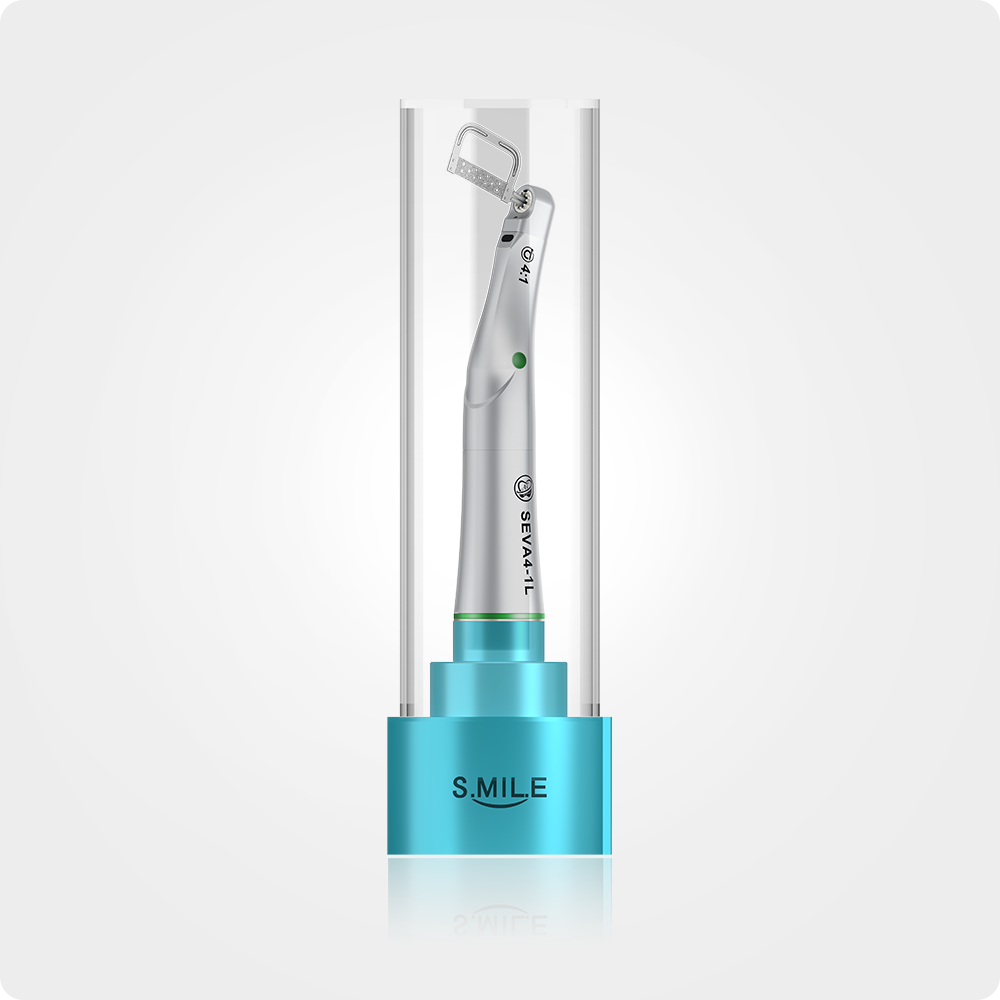
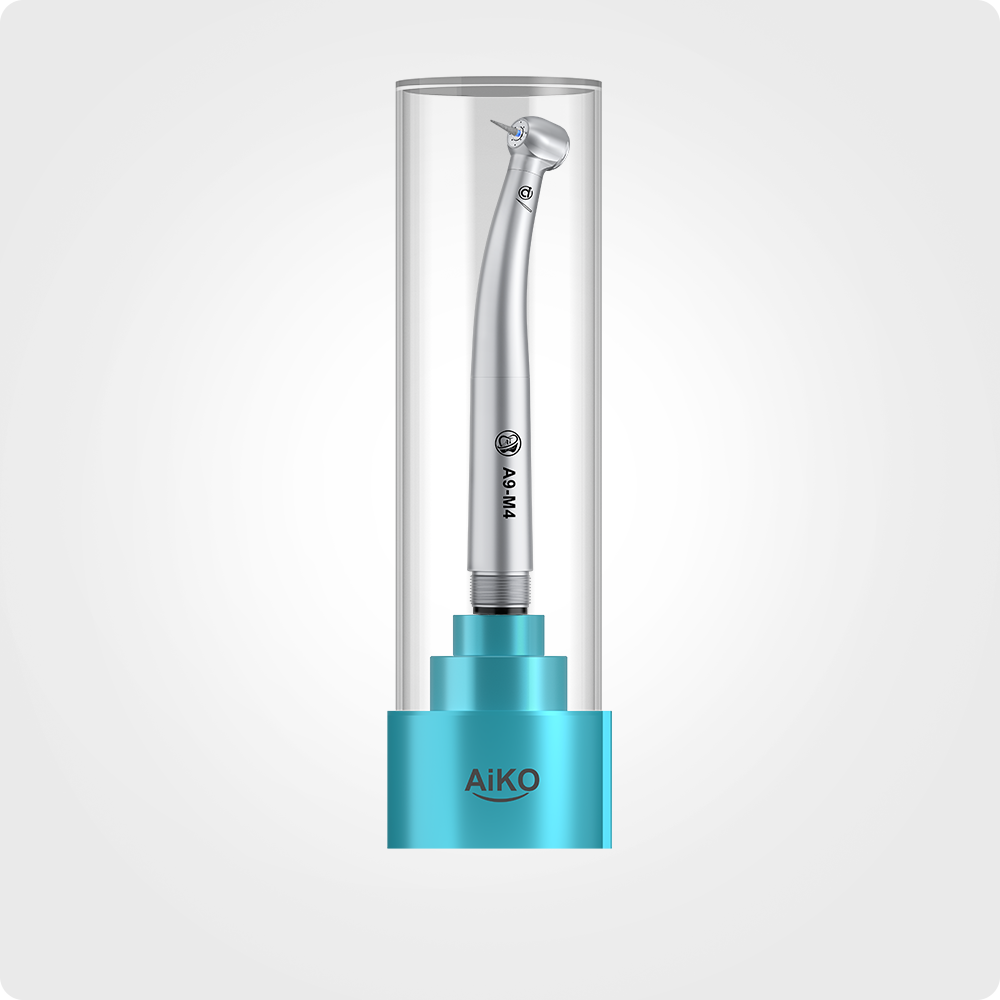
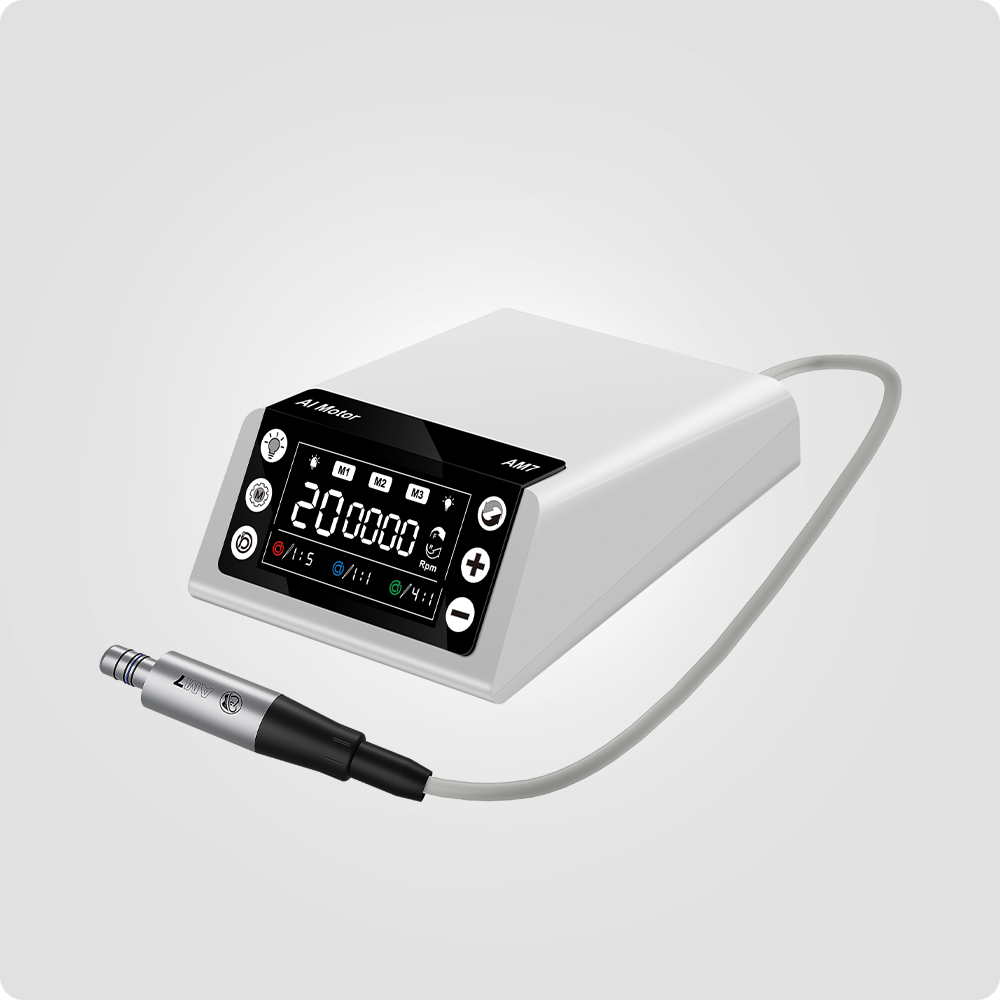
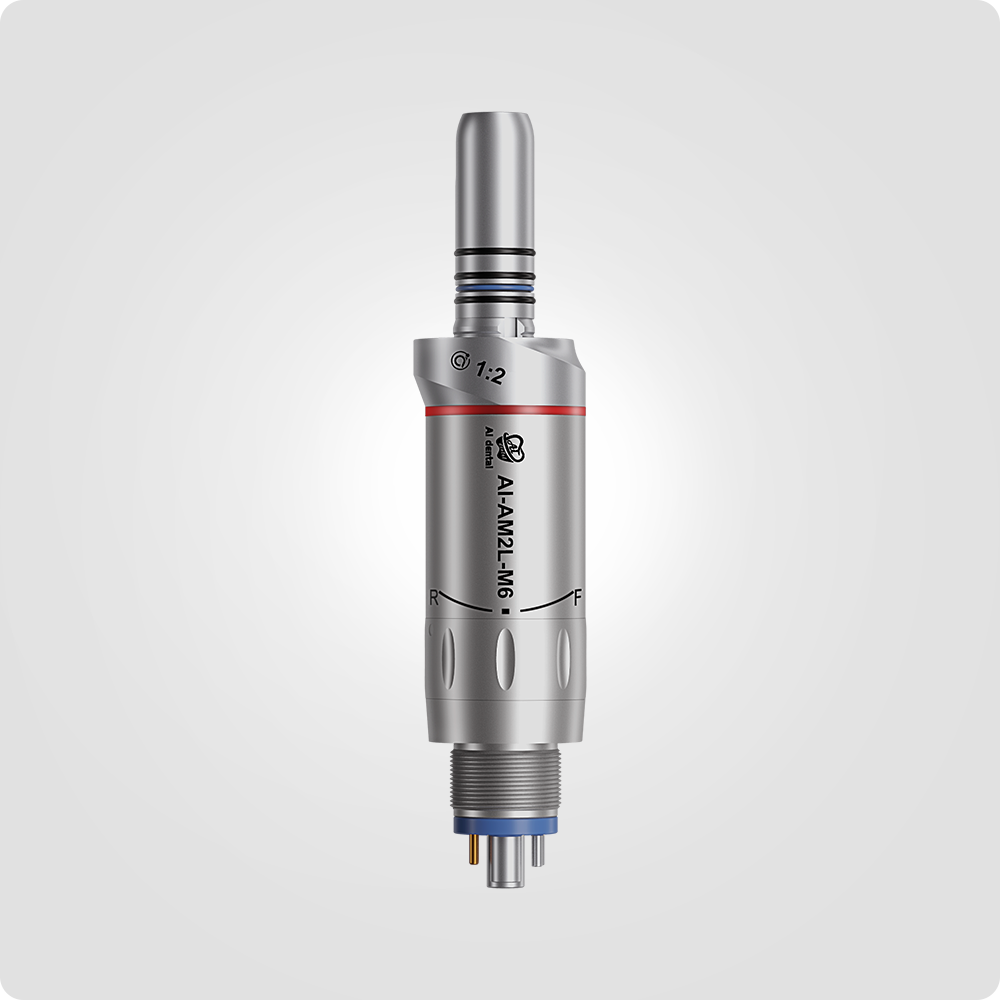
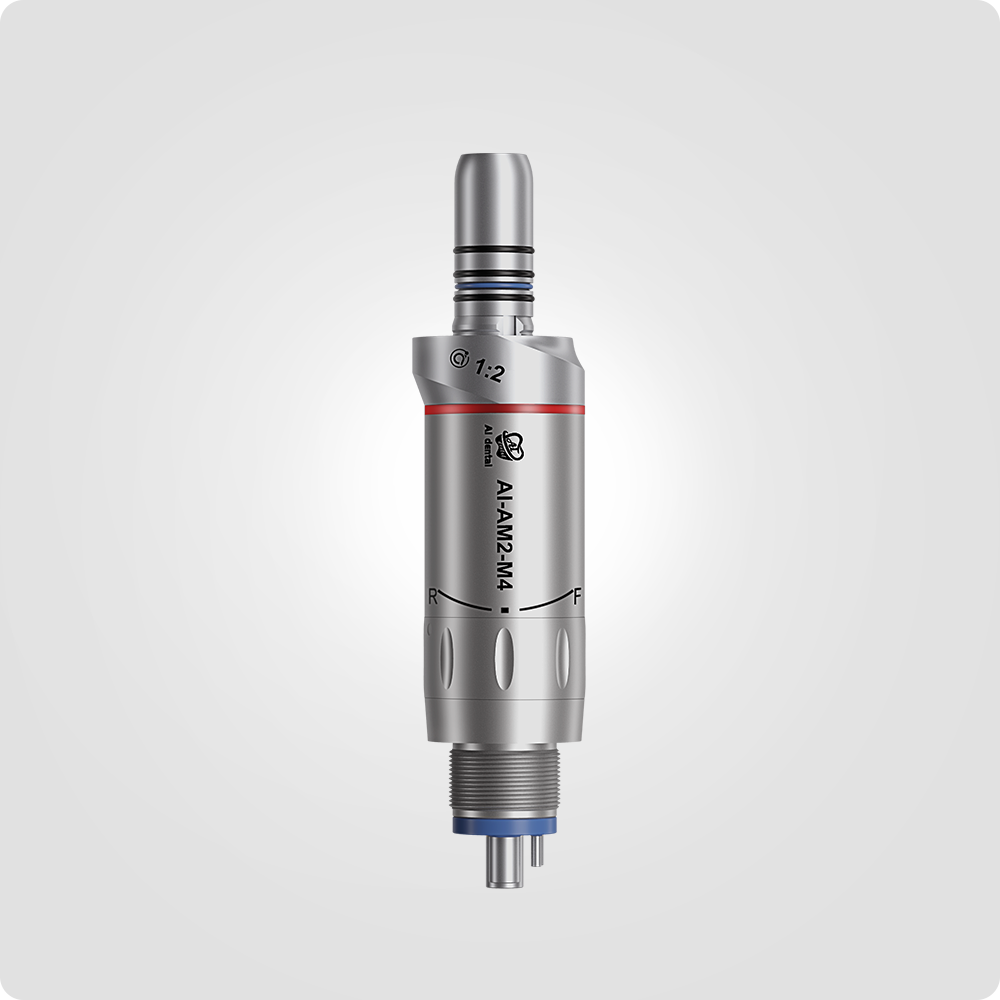
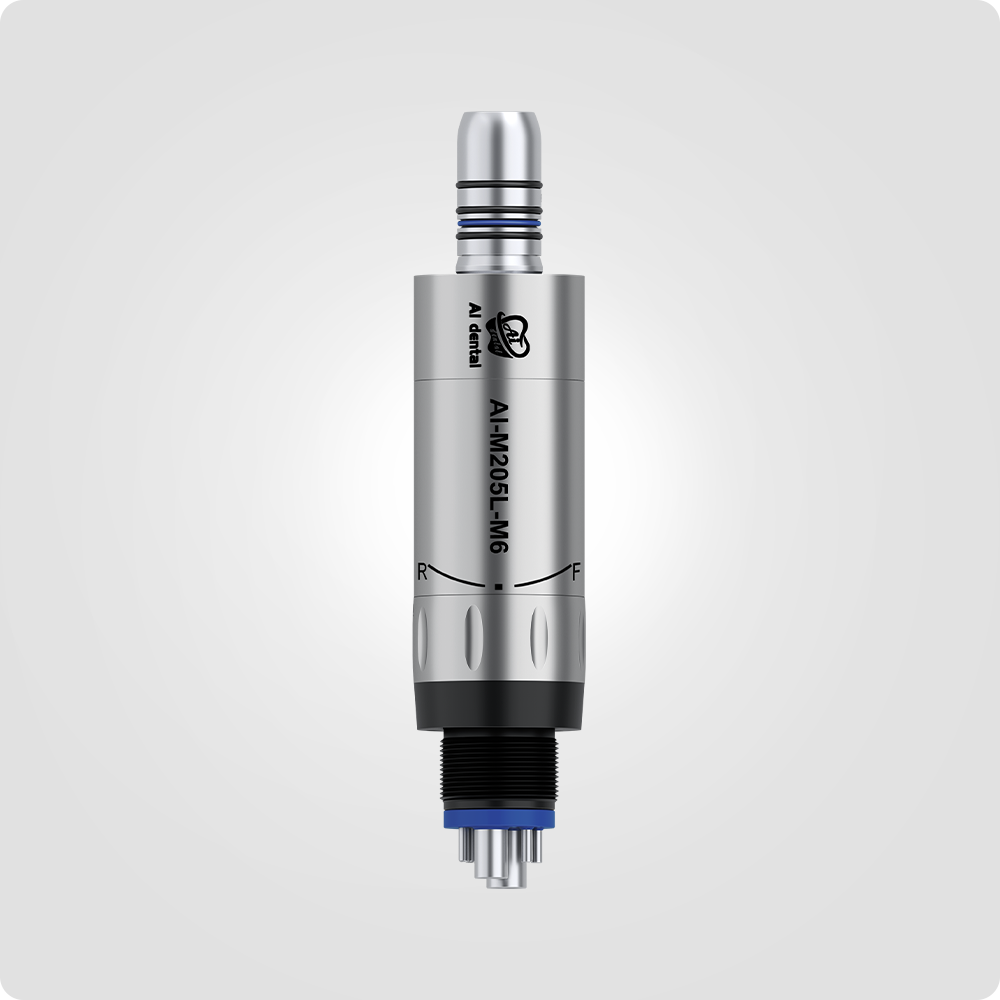
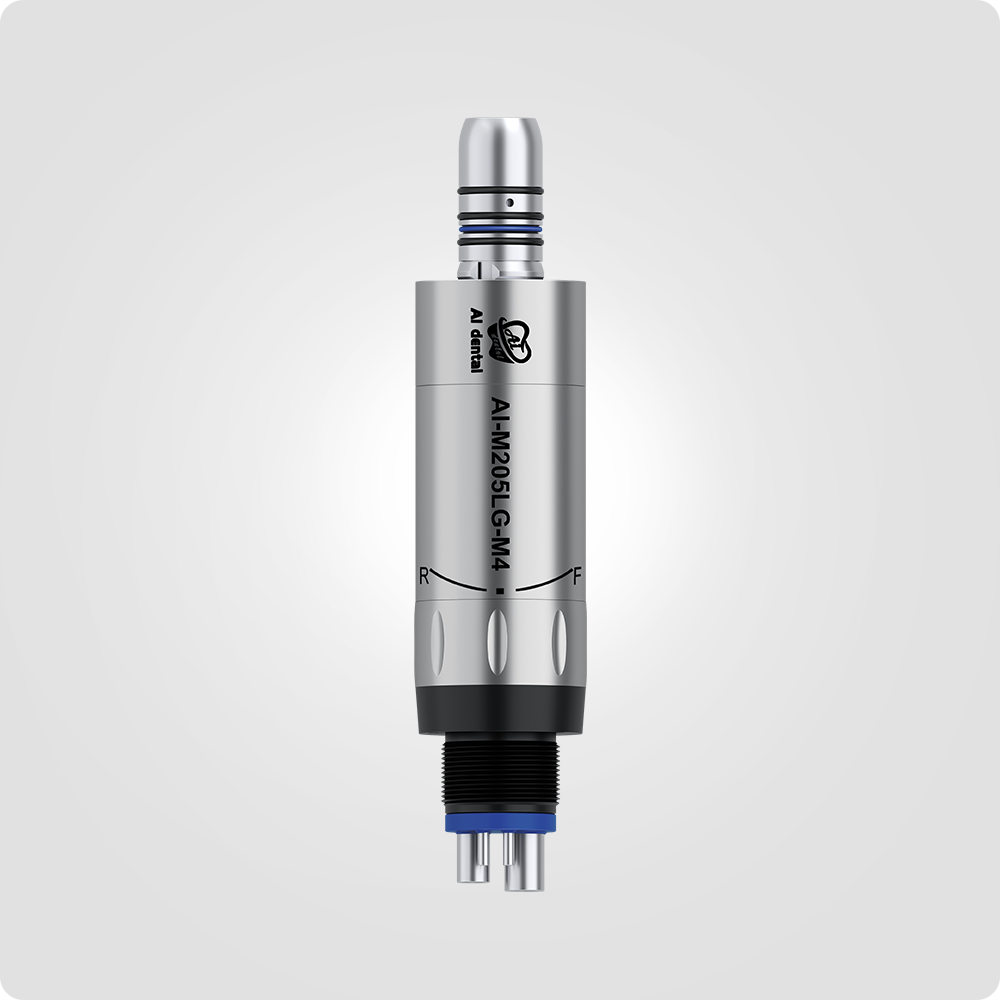
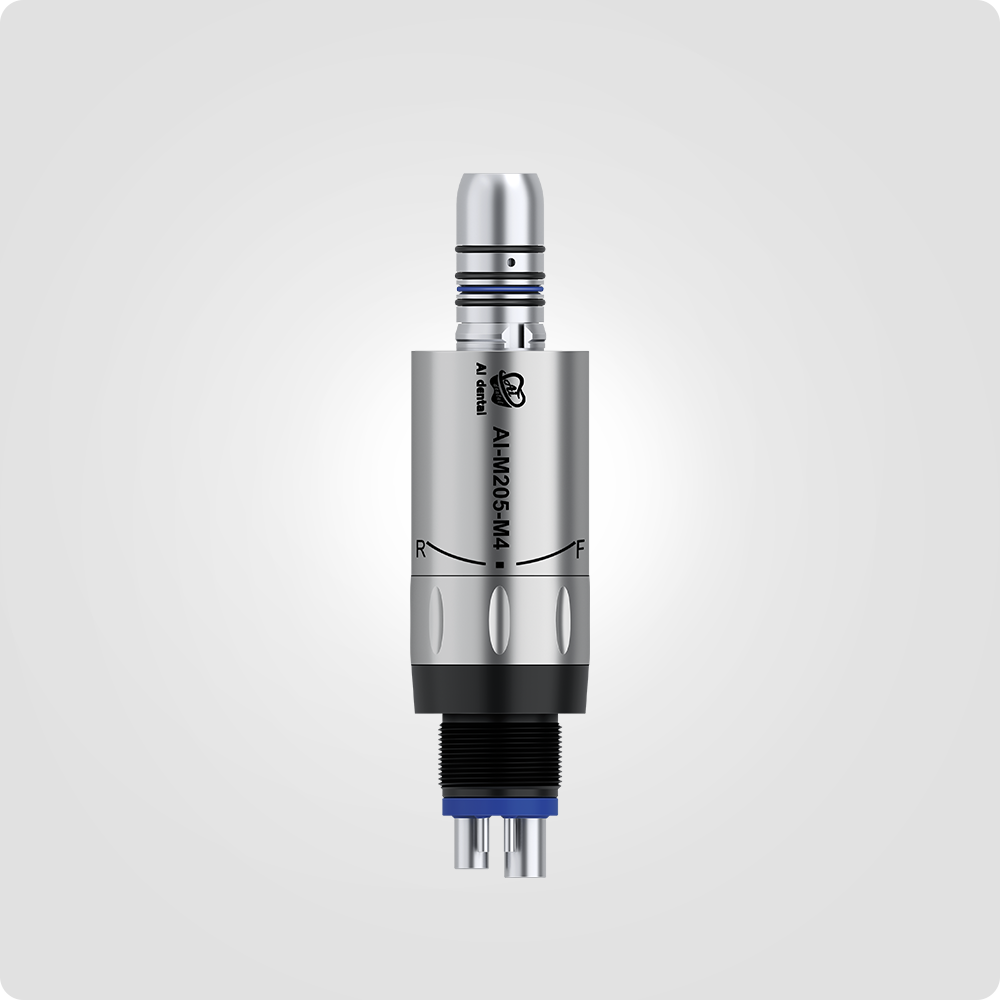
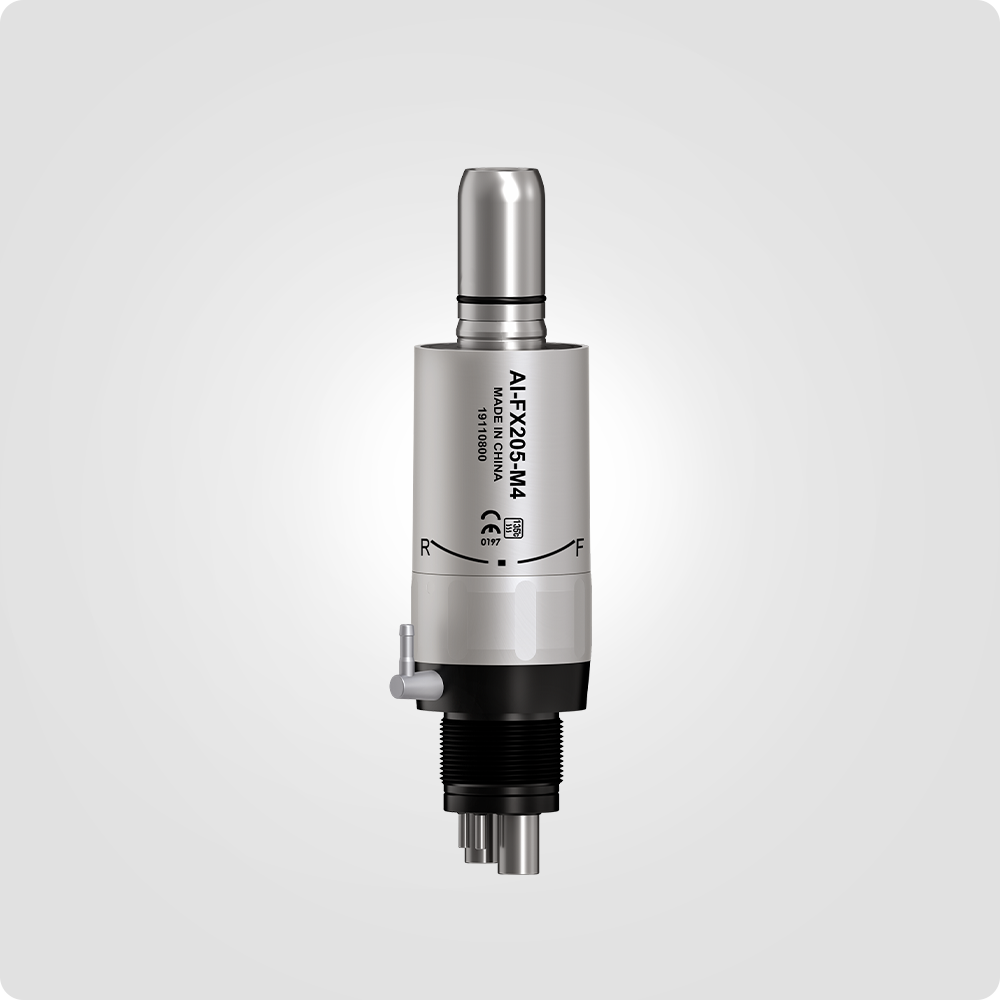
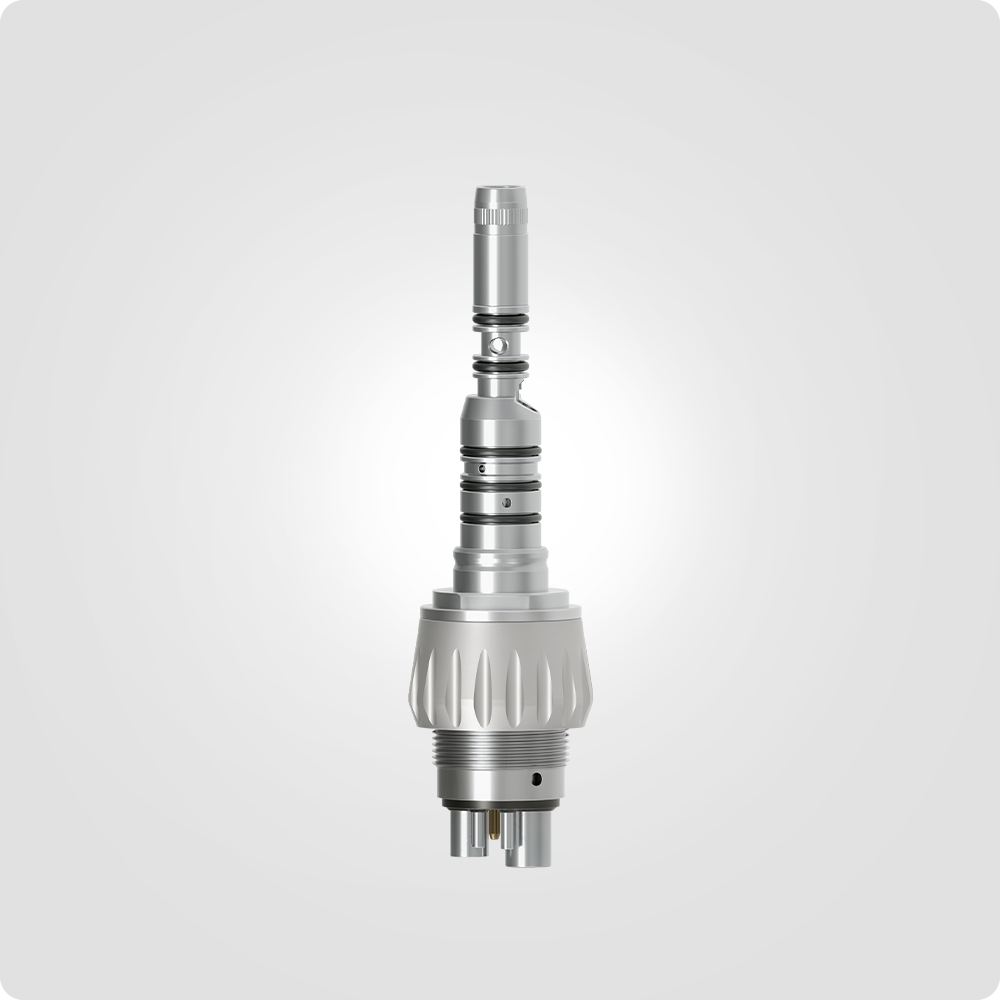
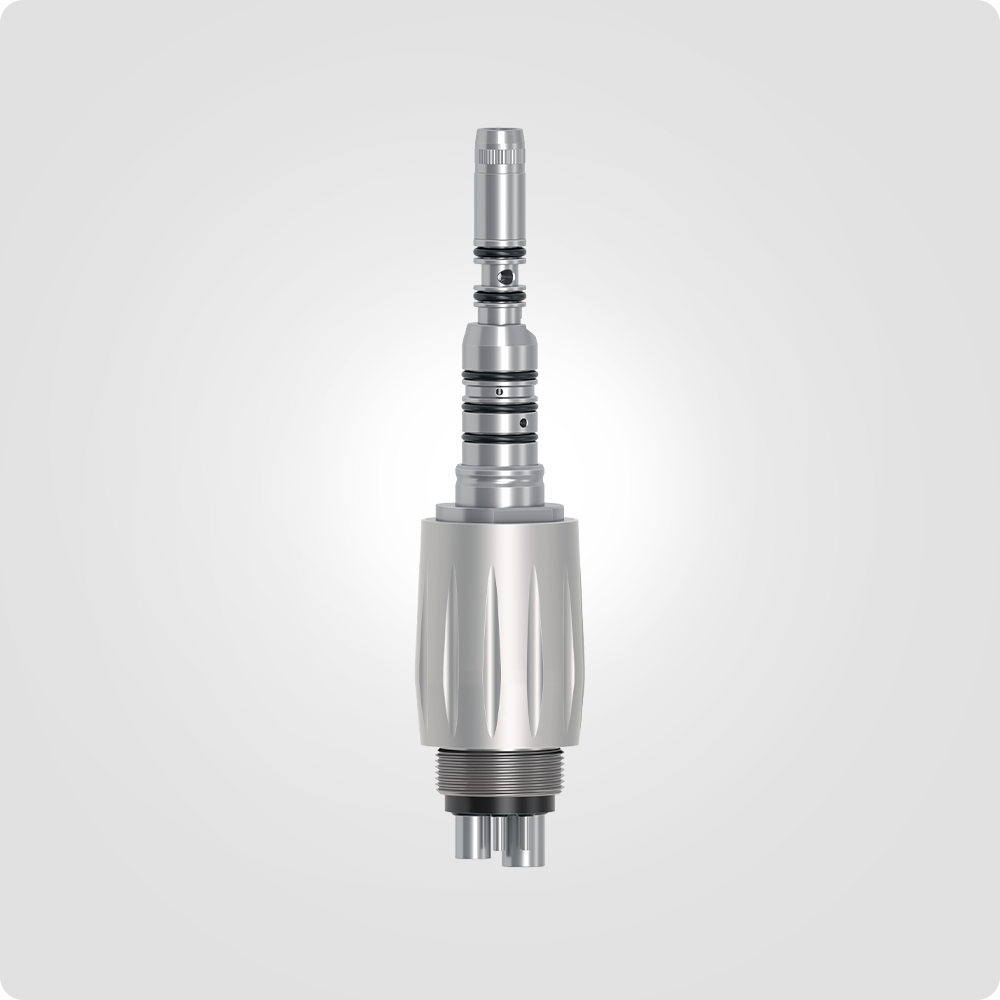
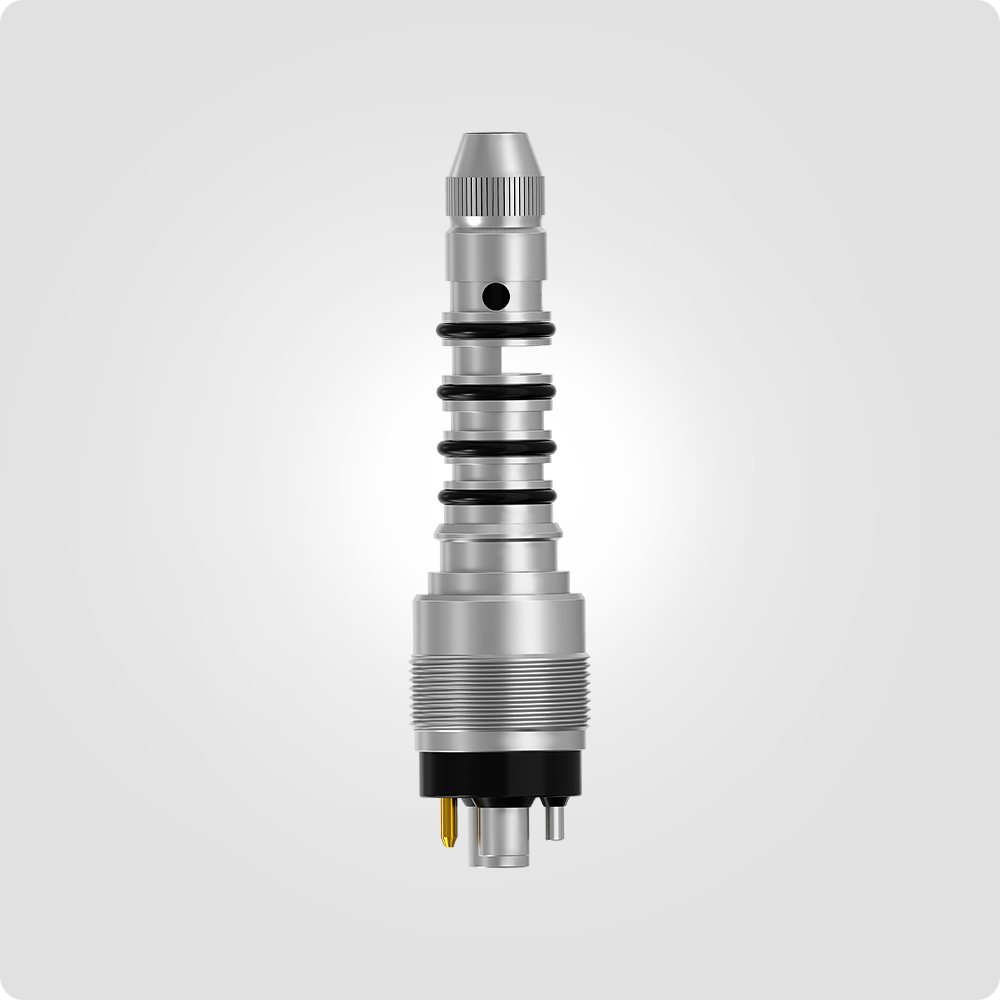
Electric micromotors are precision-driven instruments utilized in various dental procedures, ranging from restorative dentistry to endodontics. Unlike traditional air-driven turbines, electric micromotors offer a more controlled and consistent power output. They operate on electric energy, providing high torque at low speeds, which is essential for tasks that require meticulous attention to detail.
How Electric Micromotors Function
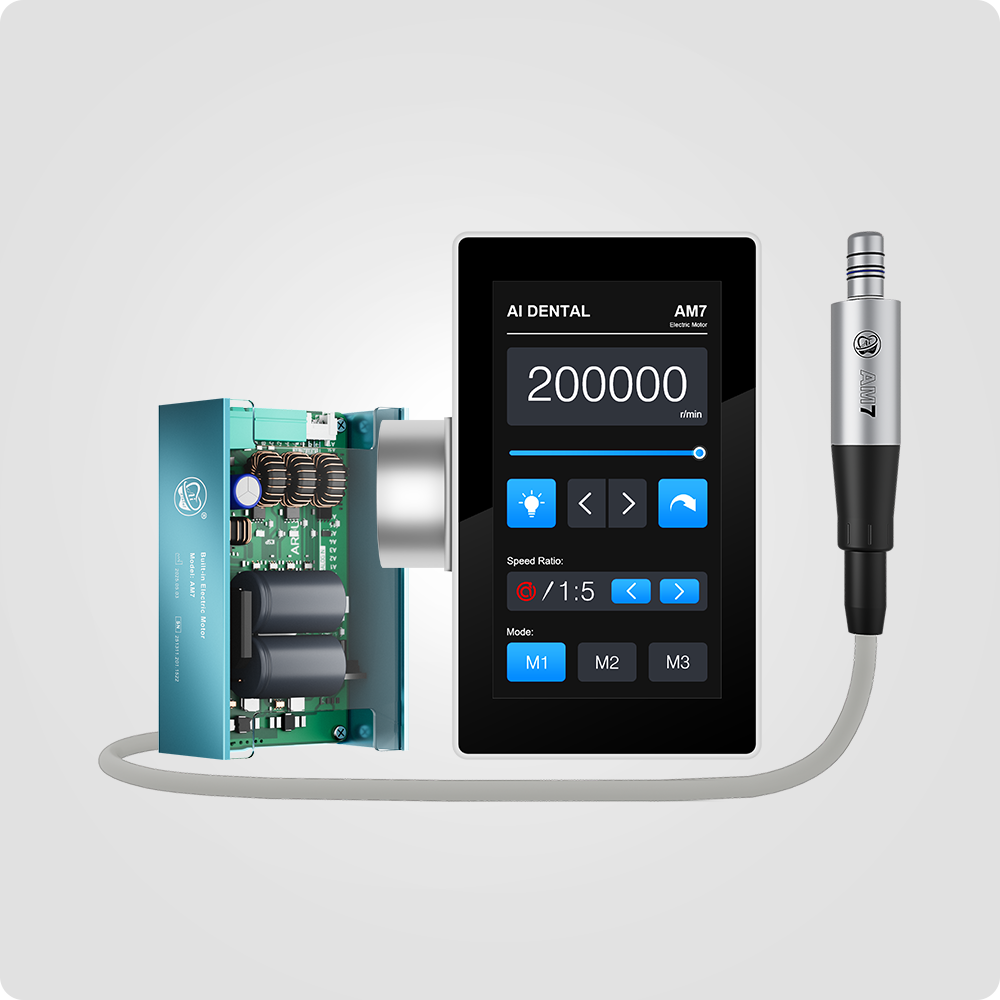
The fundamental operation of electric micromotors involves converting electrical energy into mechanical energy. This conversion allows for smooth rotation of dental handpieces, enabling dental professionals to perform intricate tasks without the vibrations associated with air-driven alternatives. The ability to adjust speed and torque settings further empowers dentists to tailor their approach based on individual patient needs.
3. Key Benefits of Electric Micromotors in Dental Procedures
The integration of electric micromotors into dental practices brings a myriad of advantages. These benefits contribute to a more efficient workflow and enhanced patient experiences.
Enhanced Precision and Control
Electric micromotors allow for superior control during procedures. The consistent torque minimizes the risk of damaging tooth structures or surrounding tissues, promoting better outcomes in complex procedures like root canals or crown preparations.
Reduced Noise and Vibration
One of the significant discomforts patients experience during dental treatment is the noise and vibrations produced by traditional handpieces. Electric micromotors operate more quietly, creating a calmer environment that can alleviate anxiety and improve the overall patient experience.
Improved Efficiency and Speed
With the capability to maintain consistent power, electric micromotors enable dental professionals to complete procedures more quickly without compromising quality. This efficiency allows for increased patient turnover while still providing high standards of care.
Versatility in Applications
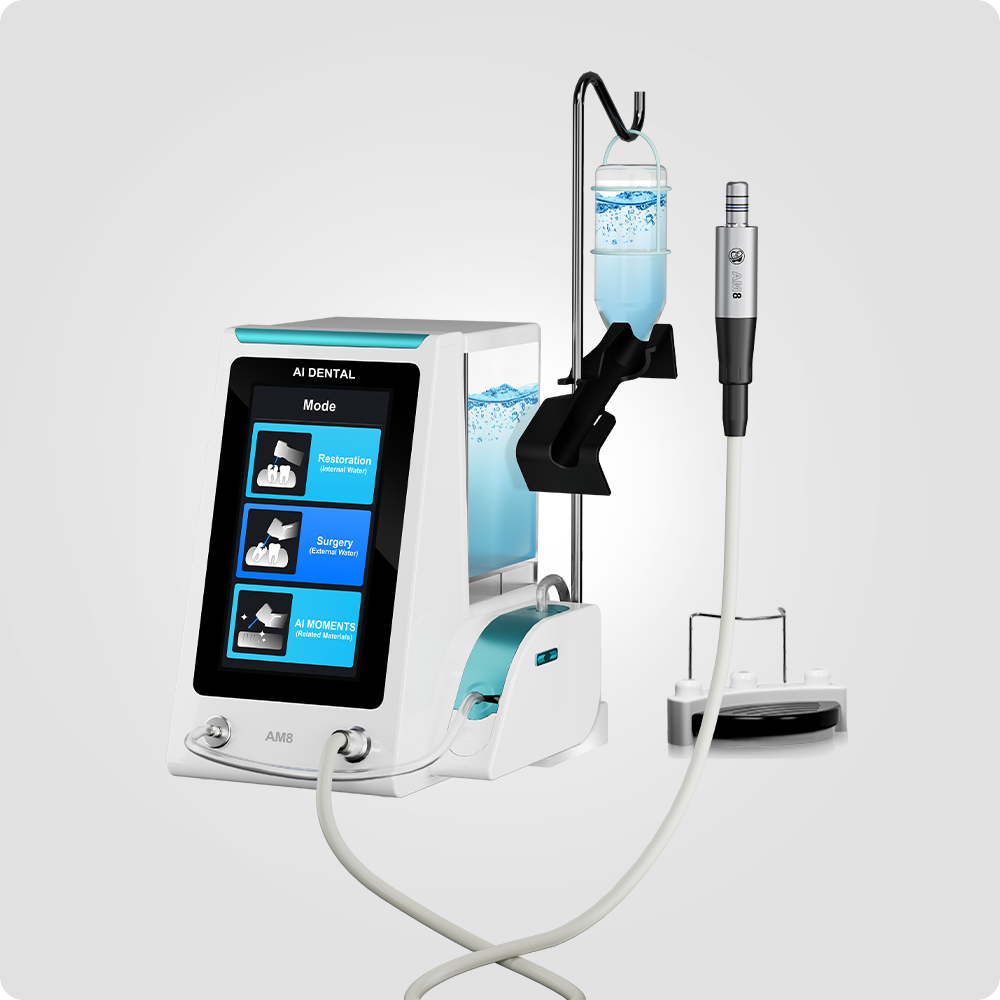
Electric micromotors are versatile tools that can be used for a variety of applications, from routine hygiene care to complex surgical procedures. This adaptability makes them a valuable asset in any dental practice.
4. Advancements in Micromotor Technology
The technology behind electric micromotors continues to evolve, enhancing their functionality and reliability. Recent advancements include:
Smart Technology Integration
Modern electric micromotors are increasingly equipped with smart technology that allows for real-time monitoring of performance metrics. These features ensure that dental professionals can track the efficiency of their instruments and optimize their use.
Wireless Capabilities
The latest electric micromotors offer wireless options, eliminating the need for cumbersome cords and enhancing maneuverability during procedures. This innovation not only improves comfort for the dentist but also enhances accessibility during treatments.
Advanced Battery Life
With improved battery technology, electric micromotors now offer longer usage times between charges. This enhancement is crucial for busy dental practices, ensuring that equipment remains operational throughout the day.
5. The Impact of Electric Micromotors on Patient Care
The introduction of electric micromotors has significantly impacted patient care in dentistry.
Reduced Treatment Time
By enhancing the efficiency of dental procedures, electric micromotors reduce the time patients spend in the chair. This reduction not only improves patient satisfaction but also allows practitioners to see more patients throughout the day.
Minimized Discomfort and Pain
The improved precision and control associated with electric micromotors lead to less discomfort during procedures. Patients often report fewer adverse experiences, leading to a more positive perception of dental treatments.
Increased Patient Confidence
As patients experience improved care and outcomes, their confidence in dental procedures grows. This trust encourages regular visits and preventative care, ultimately leading to better oral health for the community.
6. The Adoption of Electric Micromotors in Dental Offices
The transition to electric micromotors in dental practices is gaining momentum.
Training and Education
Dental professionals are increasingly seeking training programs that focus on the effective use of electric micromotors. Understanding the technology and its benefits is crucial for maximizing their potential in clinical settings.
Cost Considerations
While the initial investment in electric micromotors may be higher than traditional handpieces, the long-term benefits, including reduced treatment times and enhanced patient satisfaction, often outweigh these costs. Practices are recognizing the value of investing in advanced technology.
Patient Demand
As patients become more informed about dental technologies, their demand for advanced care options increases. Practices that adopt electric micromotors often find themselves more competitive and appealing to a broader patient base.
7. The Future of Dentistry: Trends and Predictions
The future of dentistry is undoubtedly intertwined with the continued evolution of electric micromotor technology.
Increased Customization
Future advancements may focus on customizable settings that allow individual practitioners to adjust micromotor features to suit specific treatment protocols. This level of personalization will enhance care quality.
Integration with Other Technologies
As telehealth and digital dentistry expand, electric micromotors will likely integrate with these technologies, enabling remote diagnostics and treatment planning. This integration could revolutionize patient care accessibility.
Sustainability and Eco-Friendly Practices
The dental industry is leaning towards sustainability, and future electric micromotor designs may incorporate eco-friendly materials and energy-efficient technologies, aligning with global efforts to reduce waste and energy consumption.
8. Conclusion
Electric micromotors are revolutionizing the dental landscape, offering unparalleled precision, efficiency, and patient comfort. As technology continues to advance, their role in dentistry will only grow, impacting both practitioners and patients positively. The shift towards electric micromotors represents not just a trend, but a fundamental change in how dental procedures are performed, with the potential to enhance oral health outcomes significantly.
9. FAQs About Electric Micromotors in Dentistry
1. What are electric micromotors used for in dentistry?
Electric micromotors are used for a variety of dental procedures, including cavity preparation, endodontic treatments, and restorative work, providing controlled power and precision.
2. How do electric micromotors compare to traditional handpieces?
Electric micromotors offer consistent torque, reduced noise and vibration, and enhanced control compared to traditional air-driven handpieces, leading to improved patient experiences and outcomes.
3. Are electric micromotors more expensive than traditional dental instruments?
While the upfront cost of electric micromotors may be higher, their long-term benefits, including efficiency and patient satisfaction, can lead to cost savings over time.
4. Can electric micromotors be used for all dental procedures?
Electric micromotors are versatile and can be used for many dental procedures, although specific applications may depend on the model and settings of the micromotor.
5. What should dental professionals consider when selecting an electric micromotor?
Dental professionals should consider factors such as power output, battery life, compatibility with existing equipment, and the specific procedures they plan to perform when selecting an electric micromotor.
Related News
AI DENTAL Highlights Day 1 at 2026 Rimini Dental Expo-High-Value Smile & AiKO Series
May 15,2026
Views ()
Focus On Dental Handpieces