





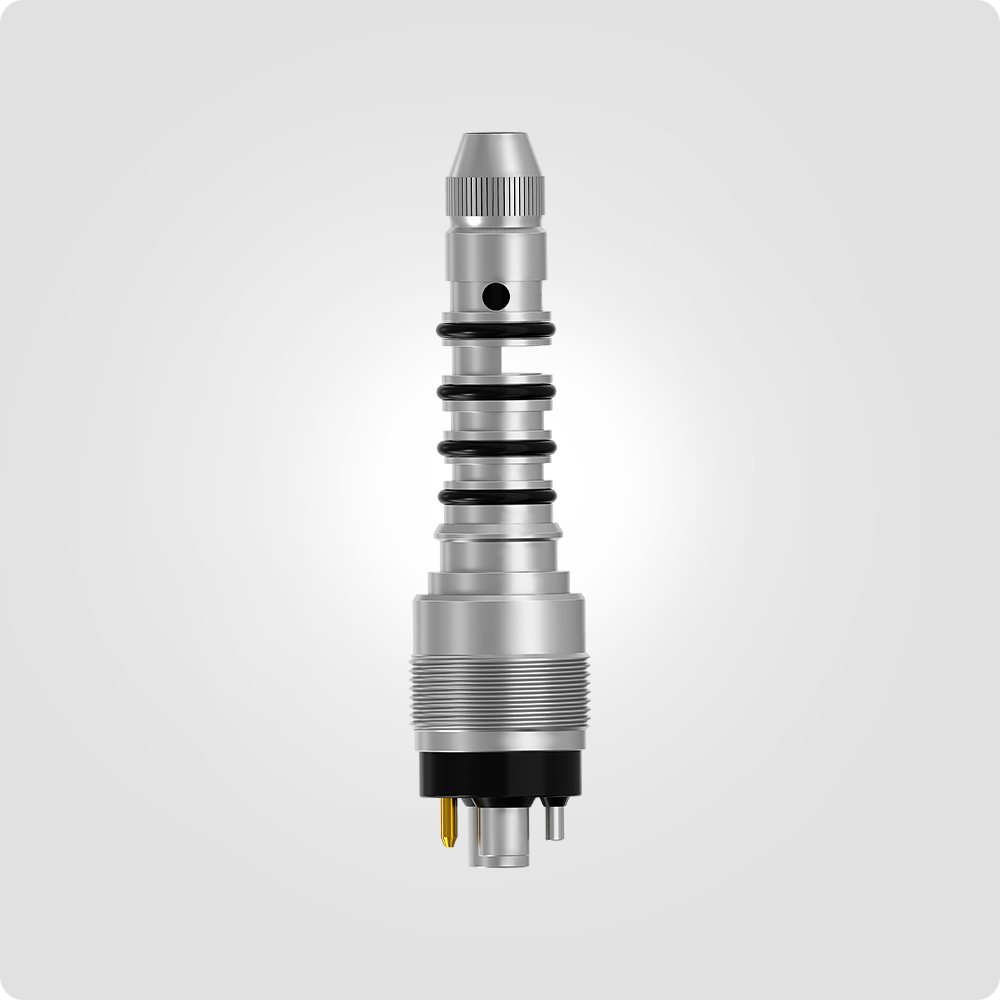








Understanding Contra Angle Handpieces: A Key Component in Modern Dentistry
Oct 09,2026
Views ()

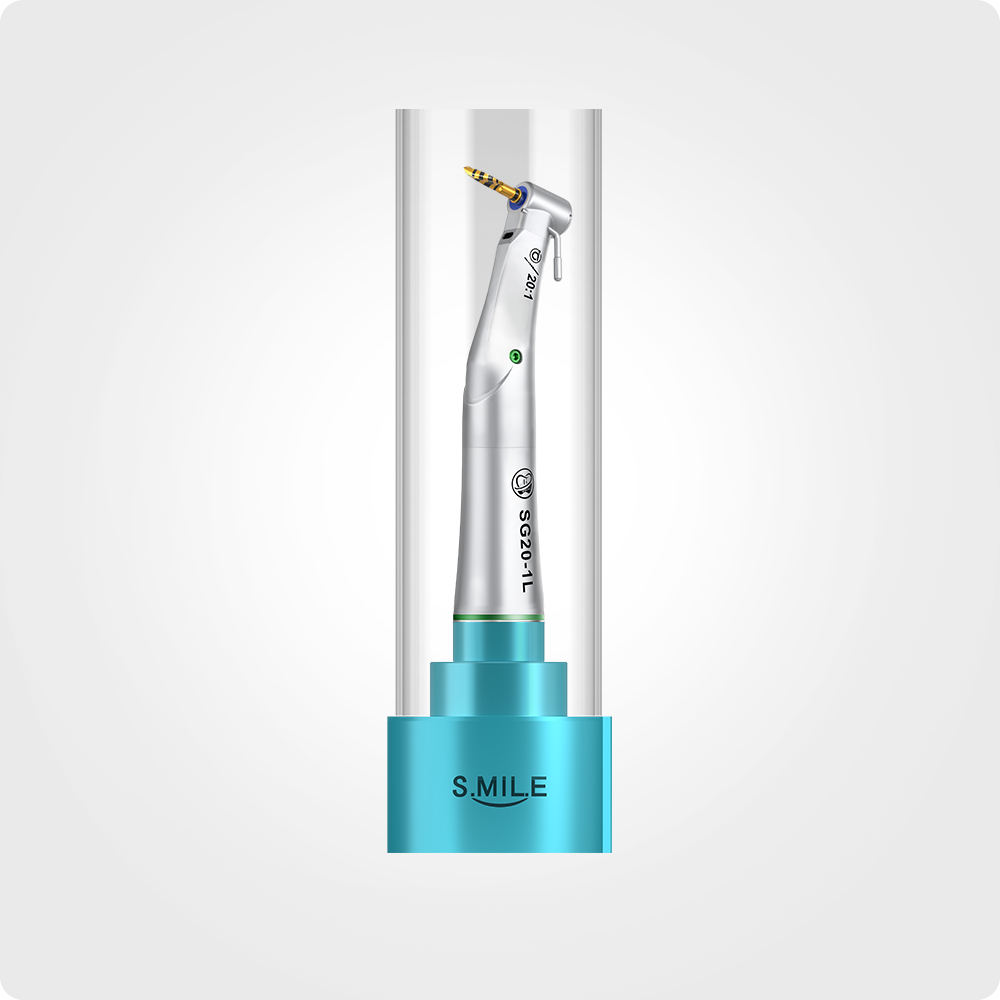
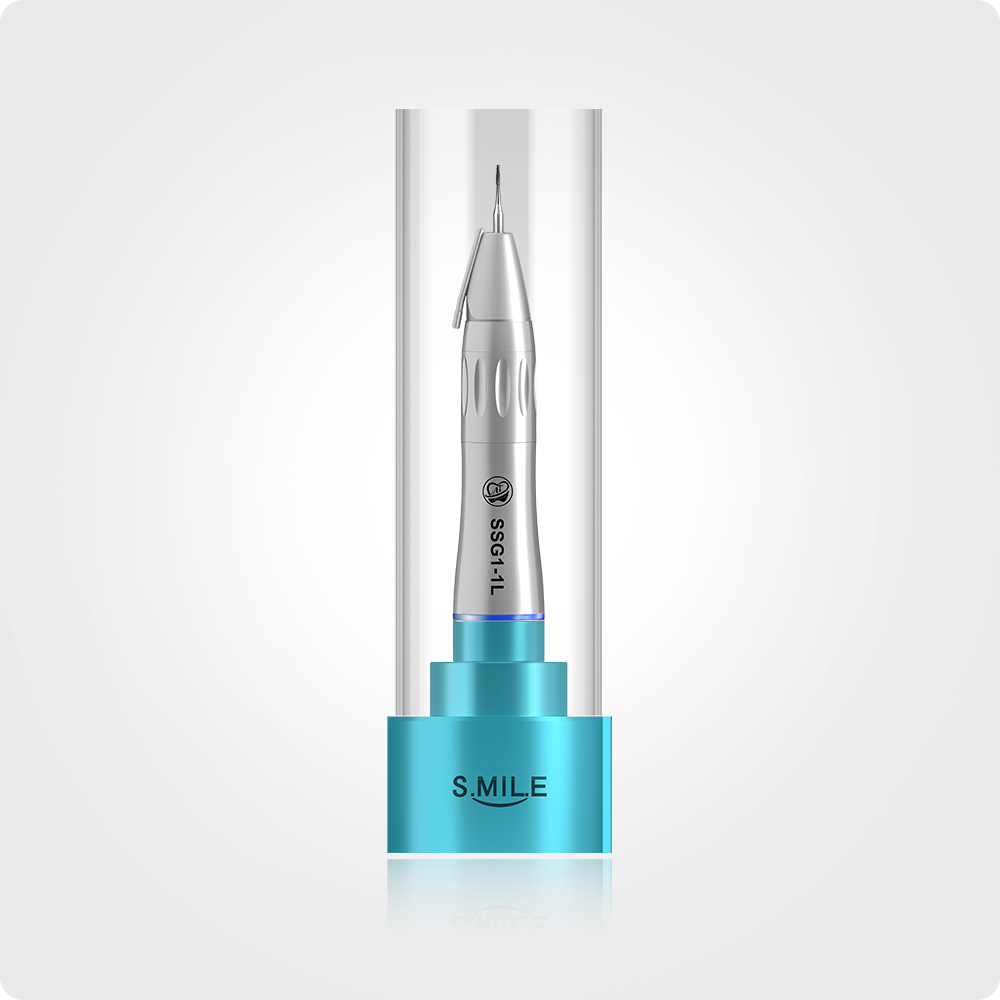
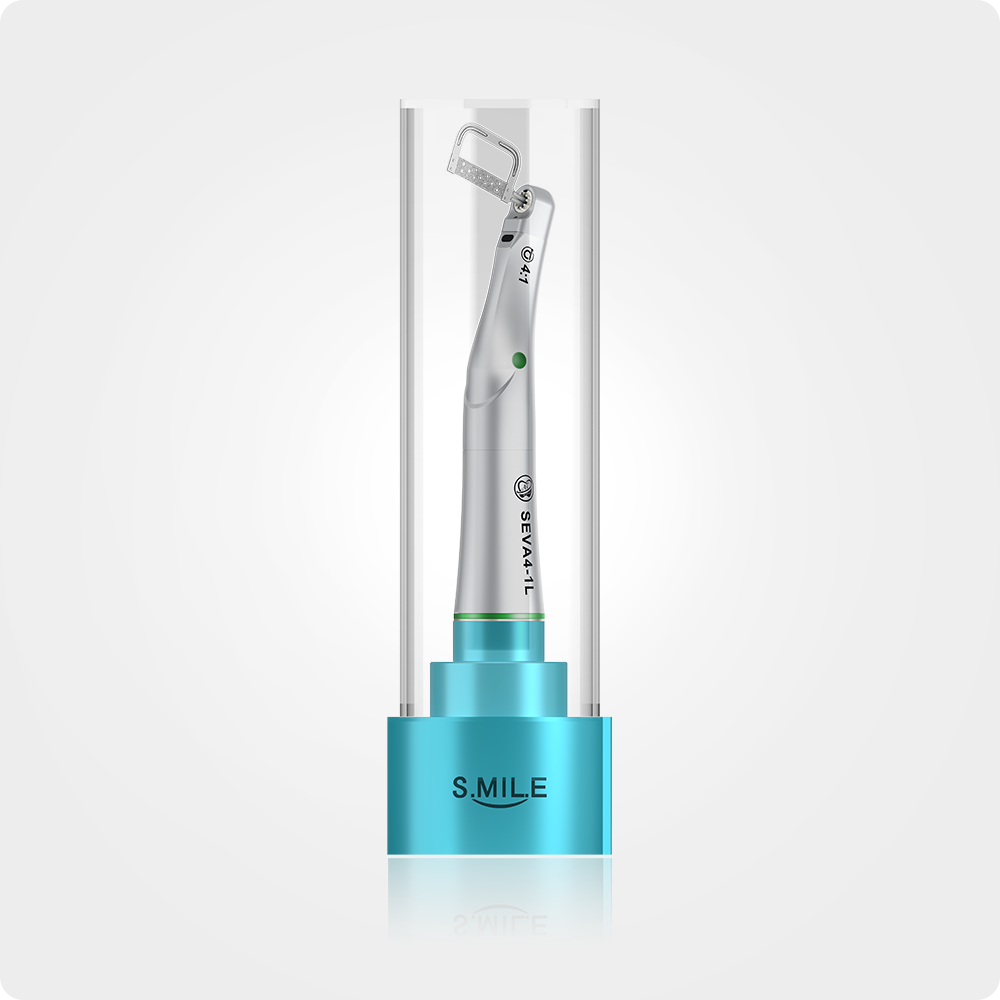
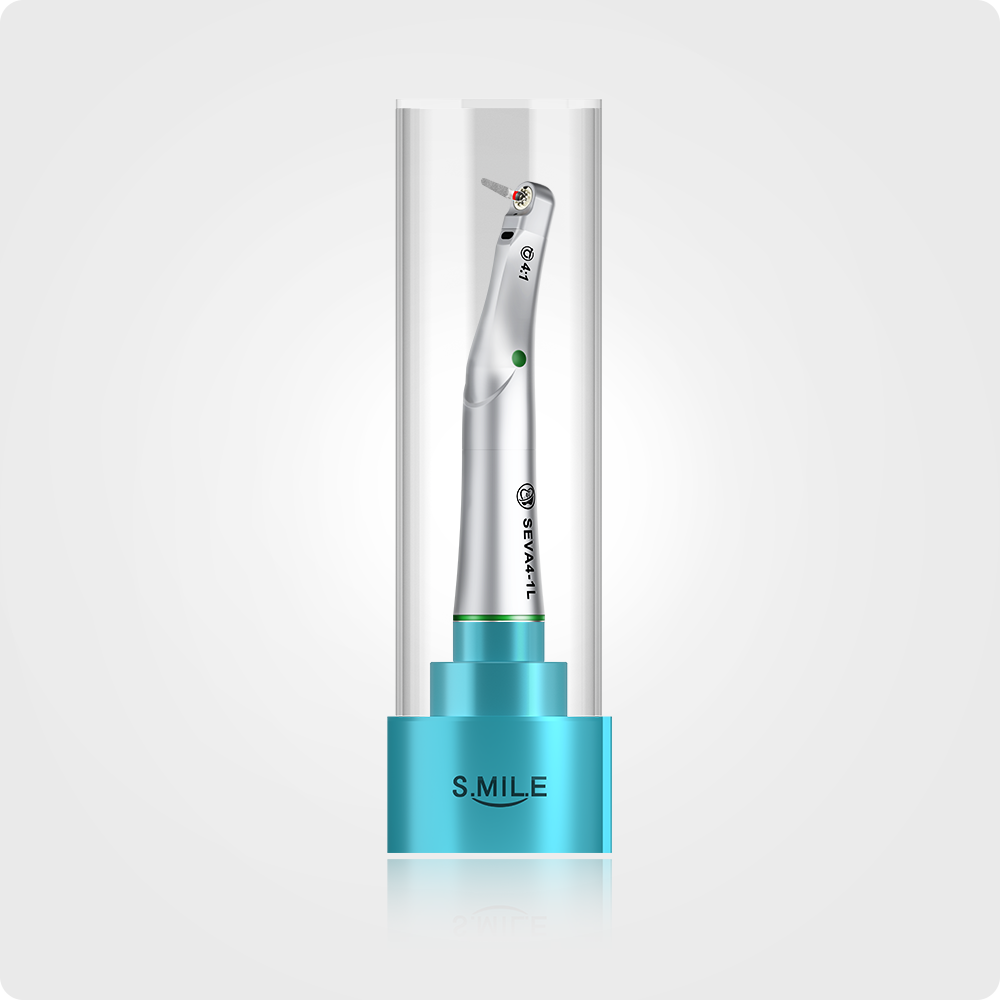
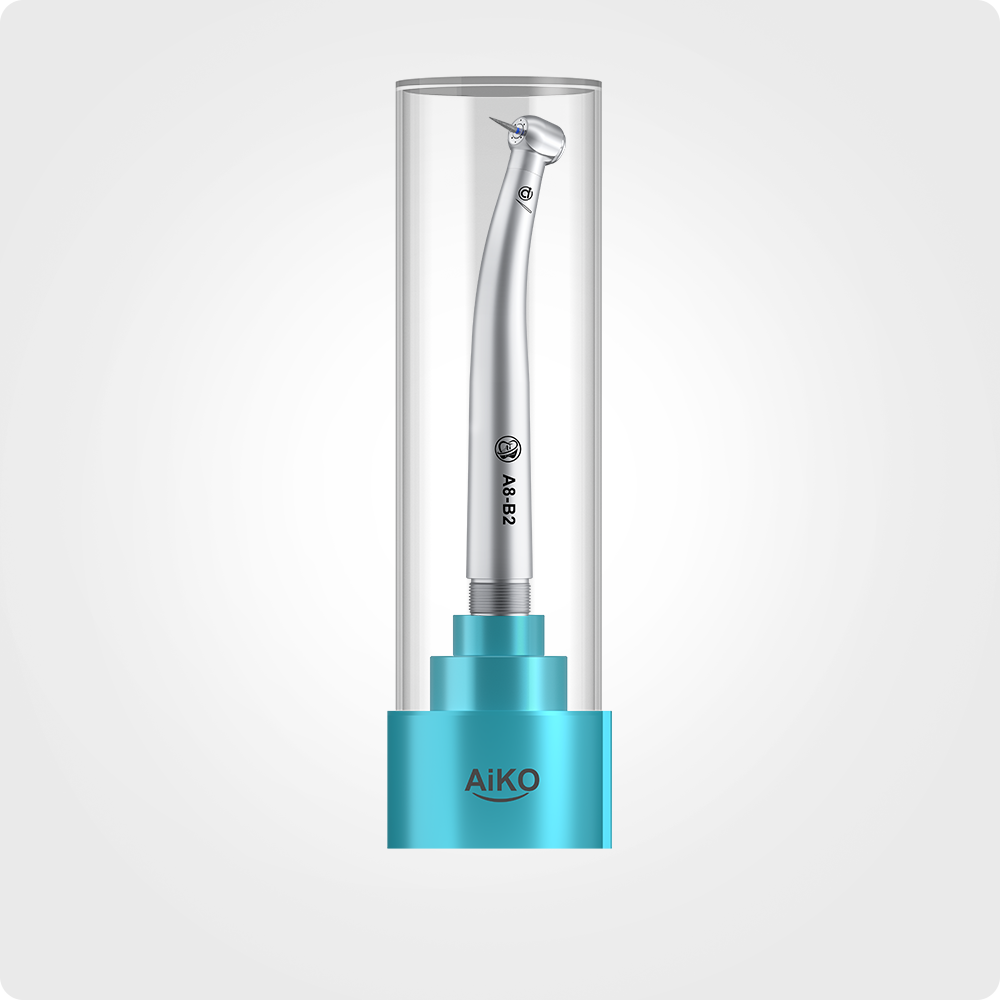
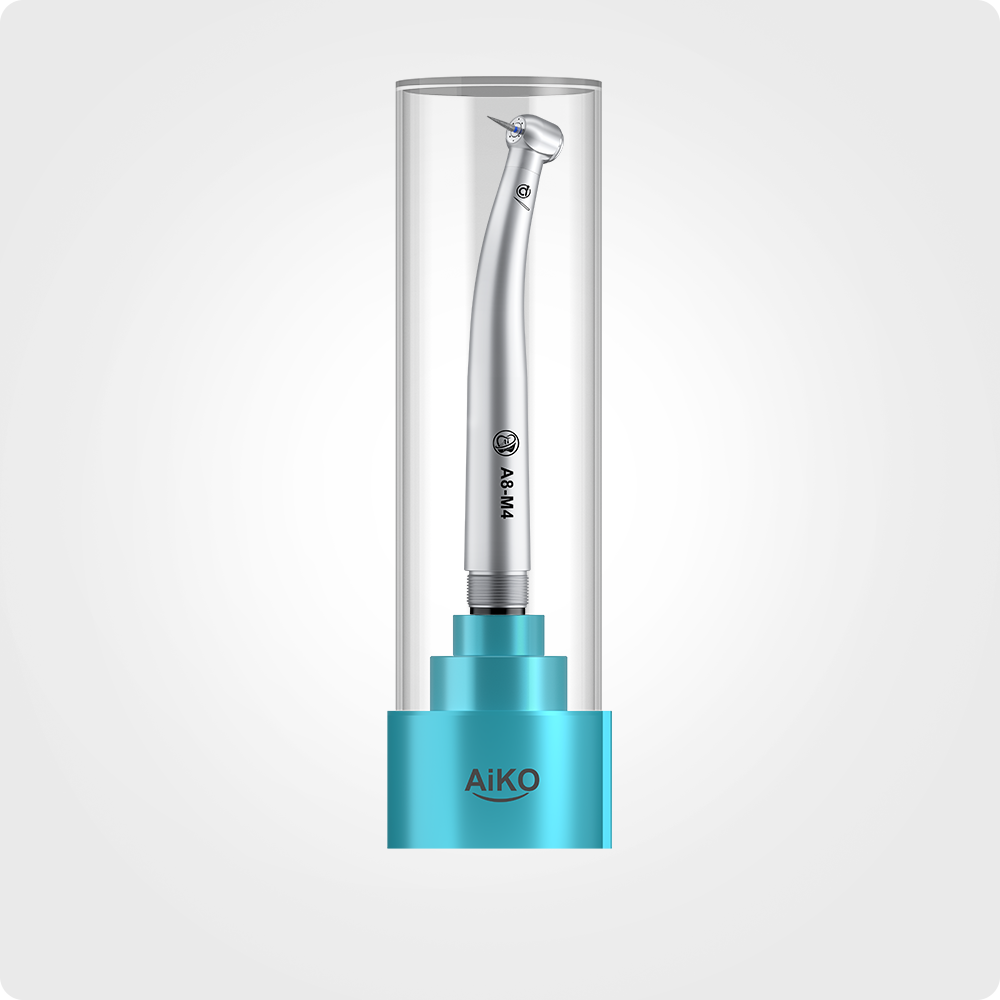
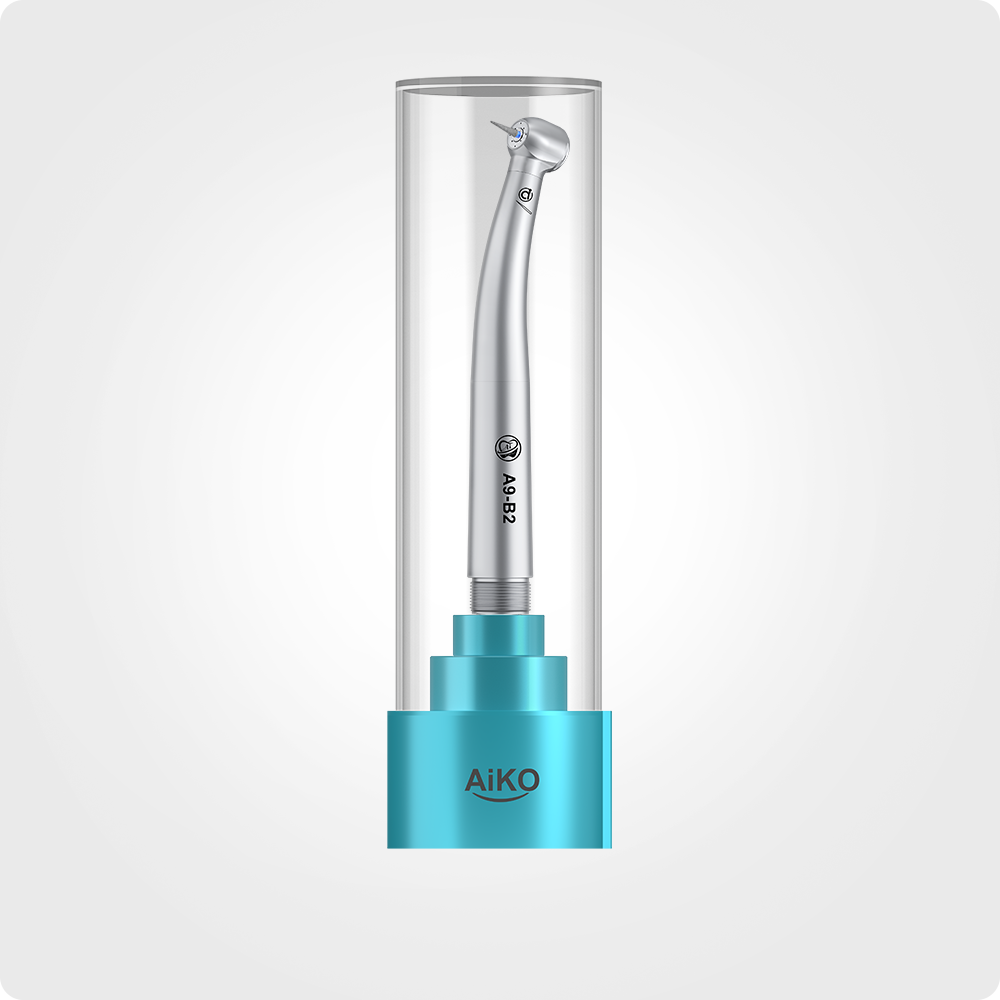
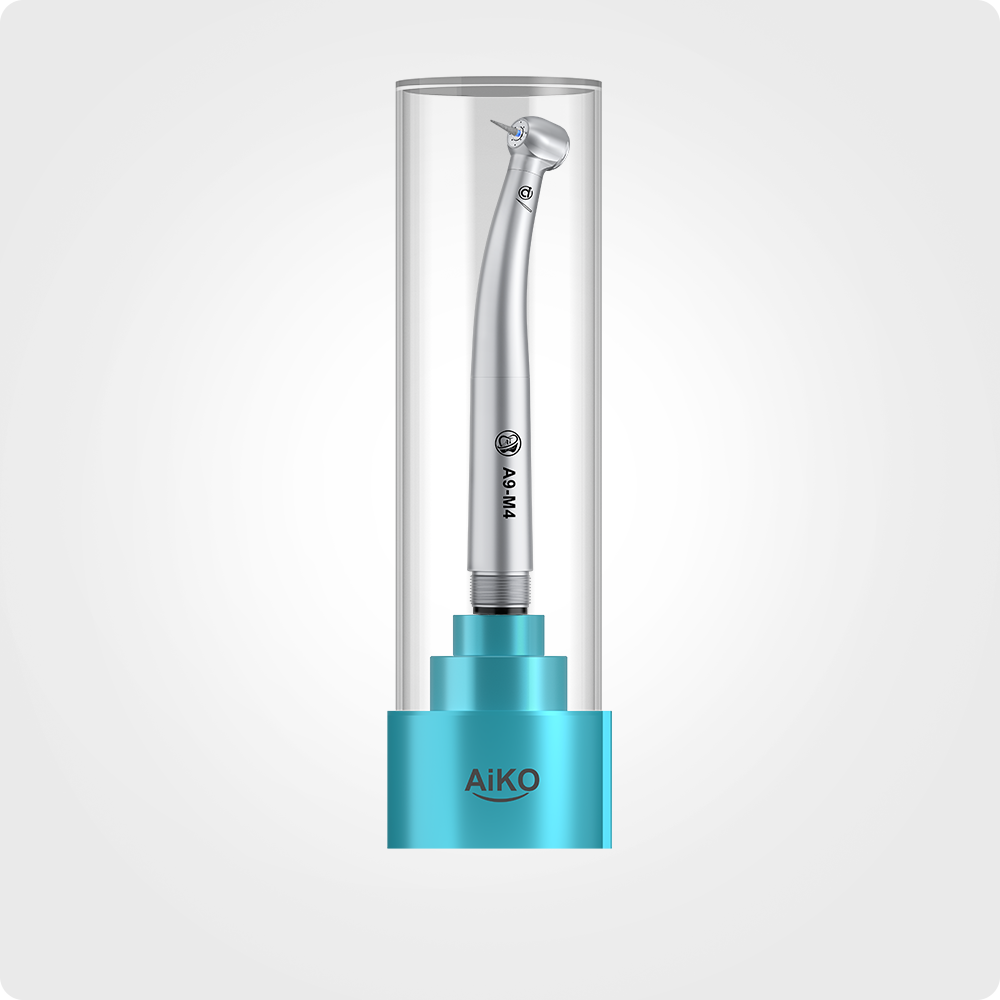
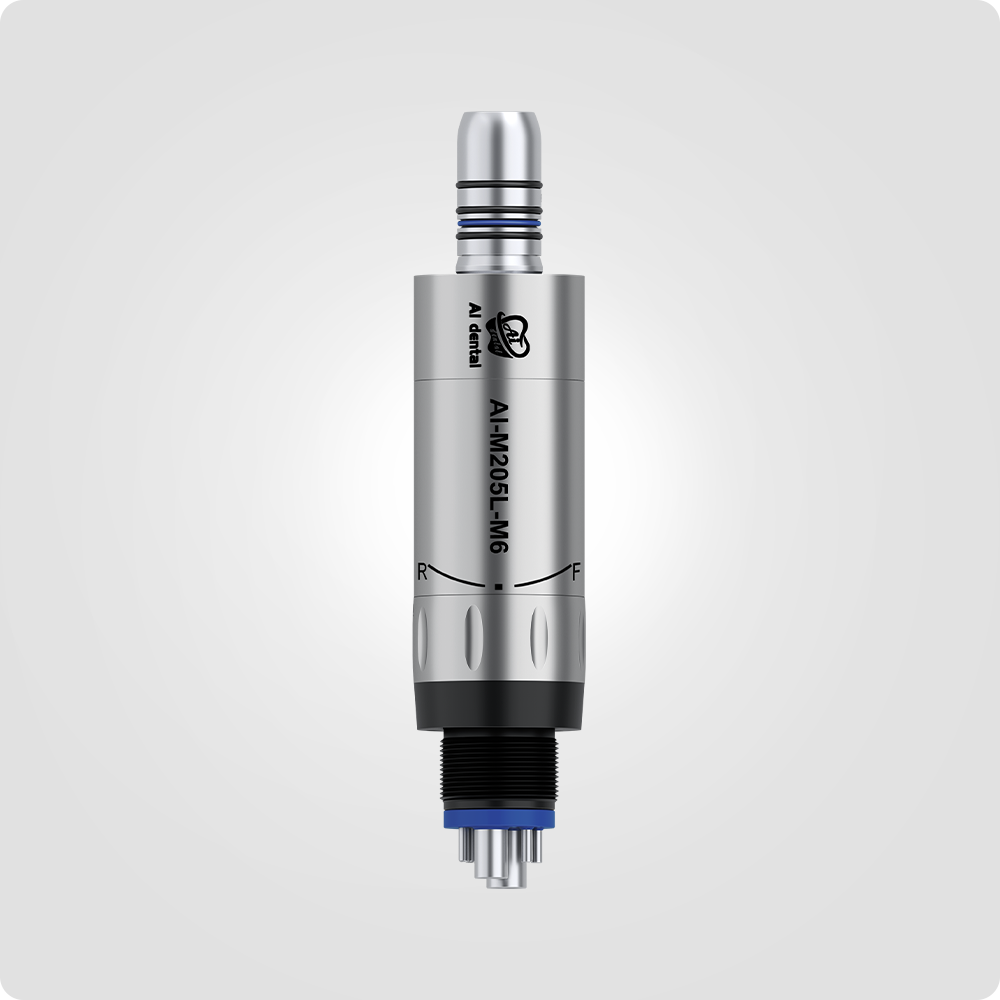
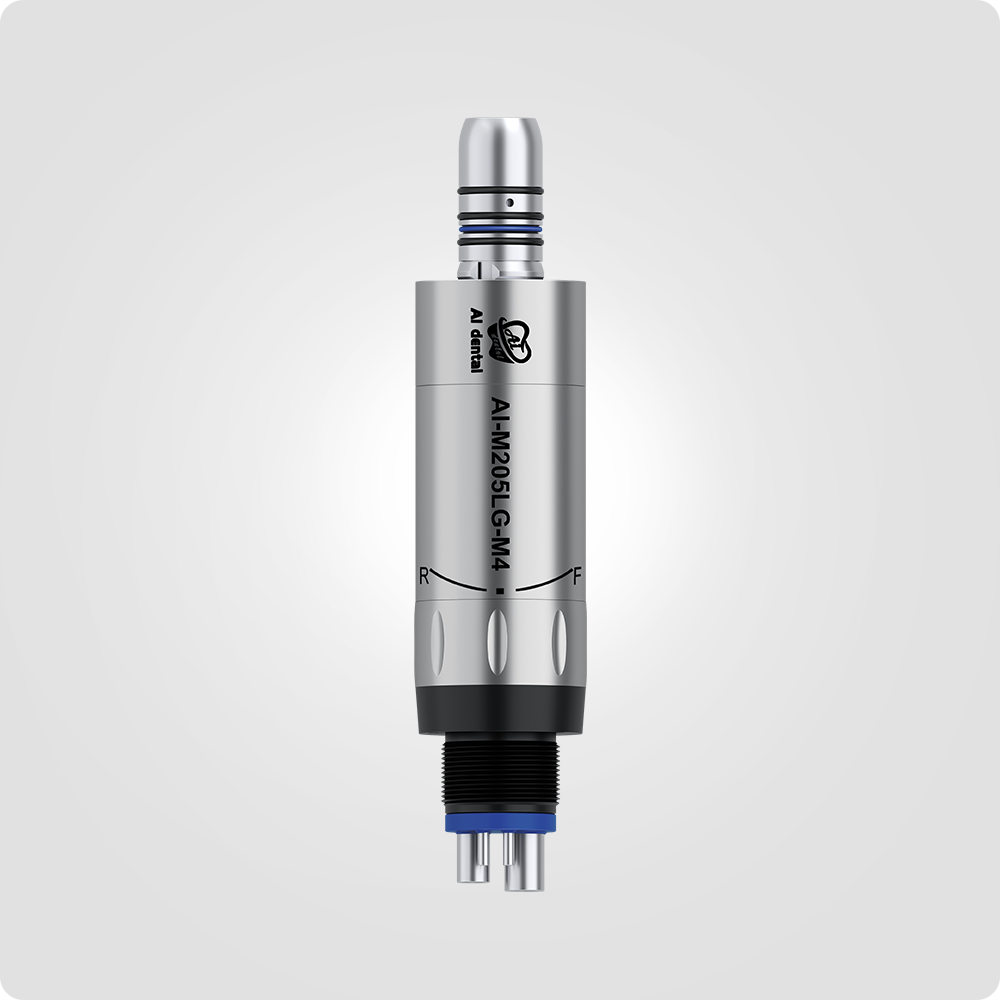
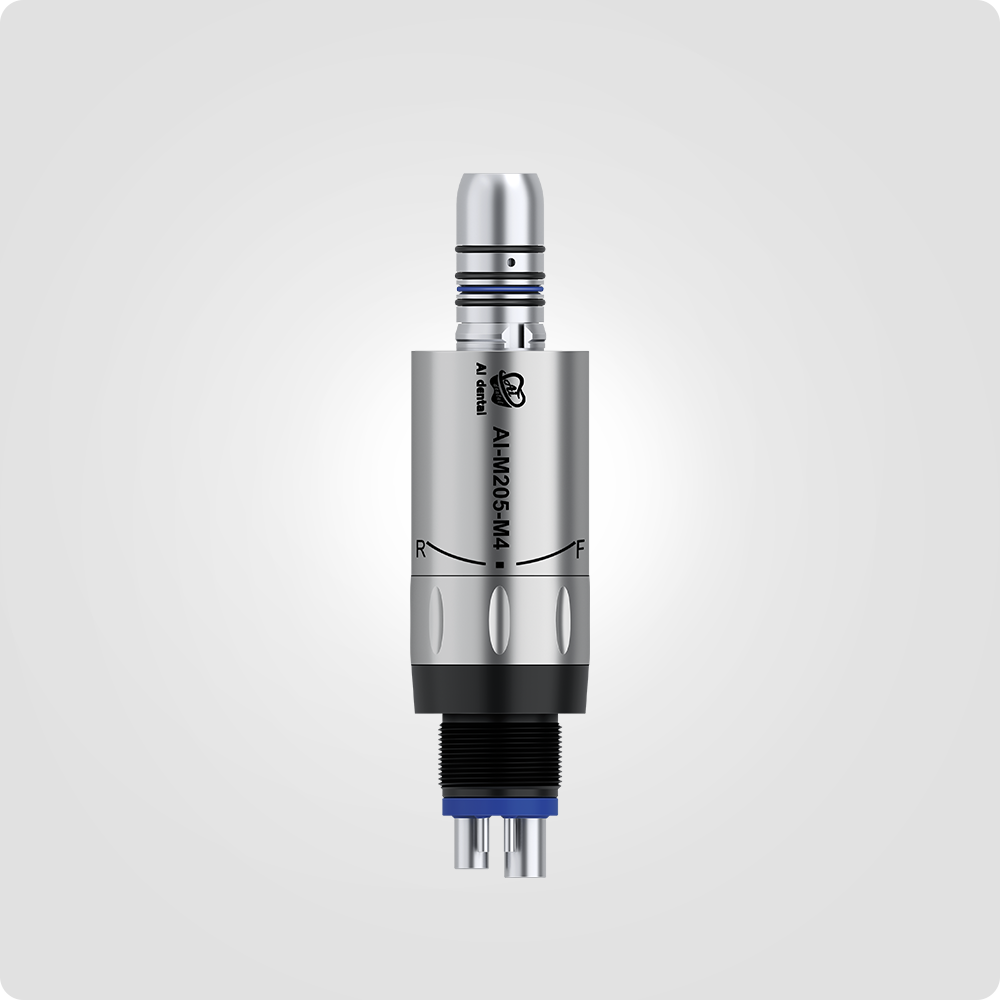
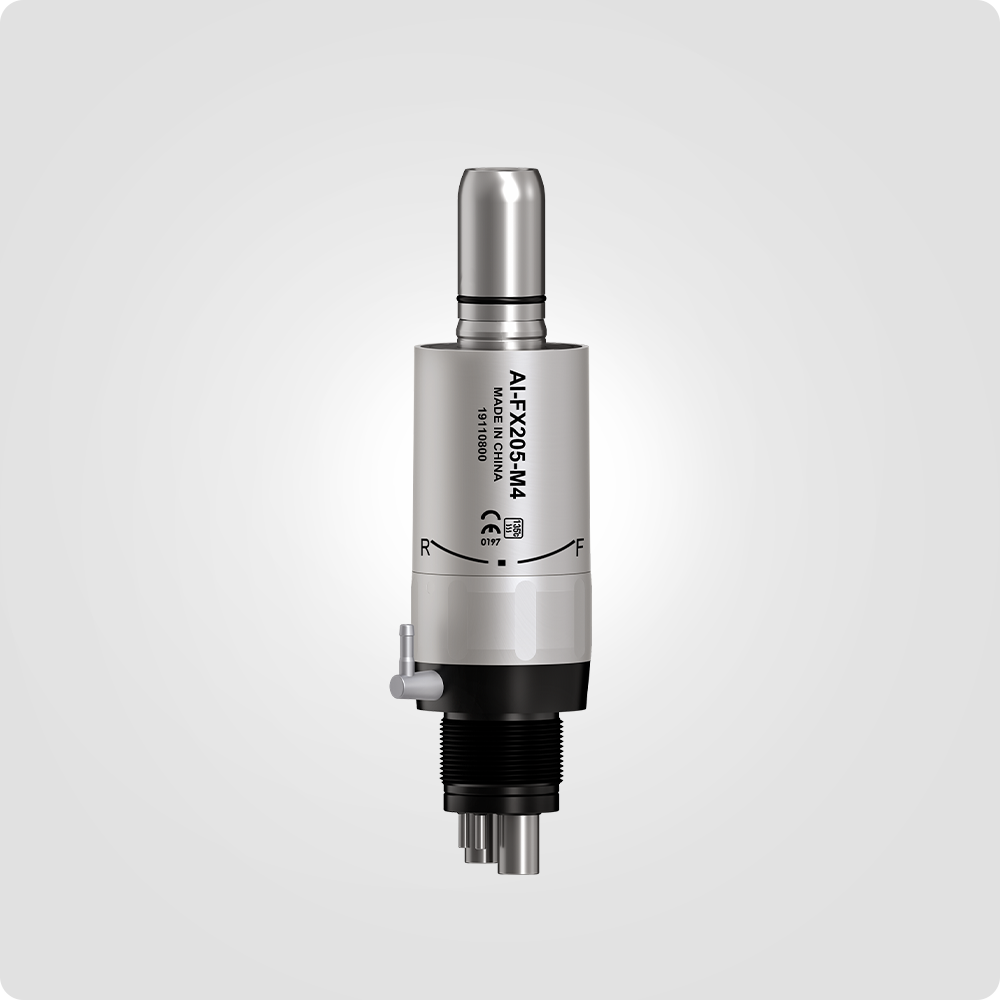
In the field of dentistry, precision and efficiency are paramount, and one of the critical tools that aid in achieving these goals is the contra angle handpiece. This specialized dental instrument has become a staple in modern dental practices, primarily due to its unique design and functionality that cater to various clinical needs.
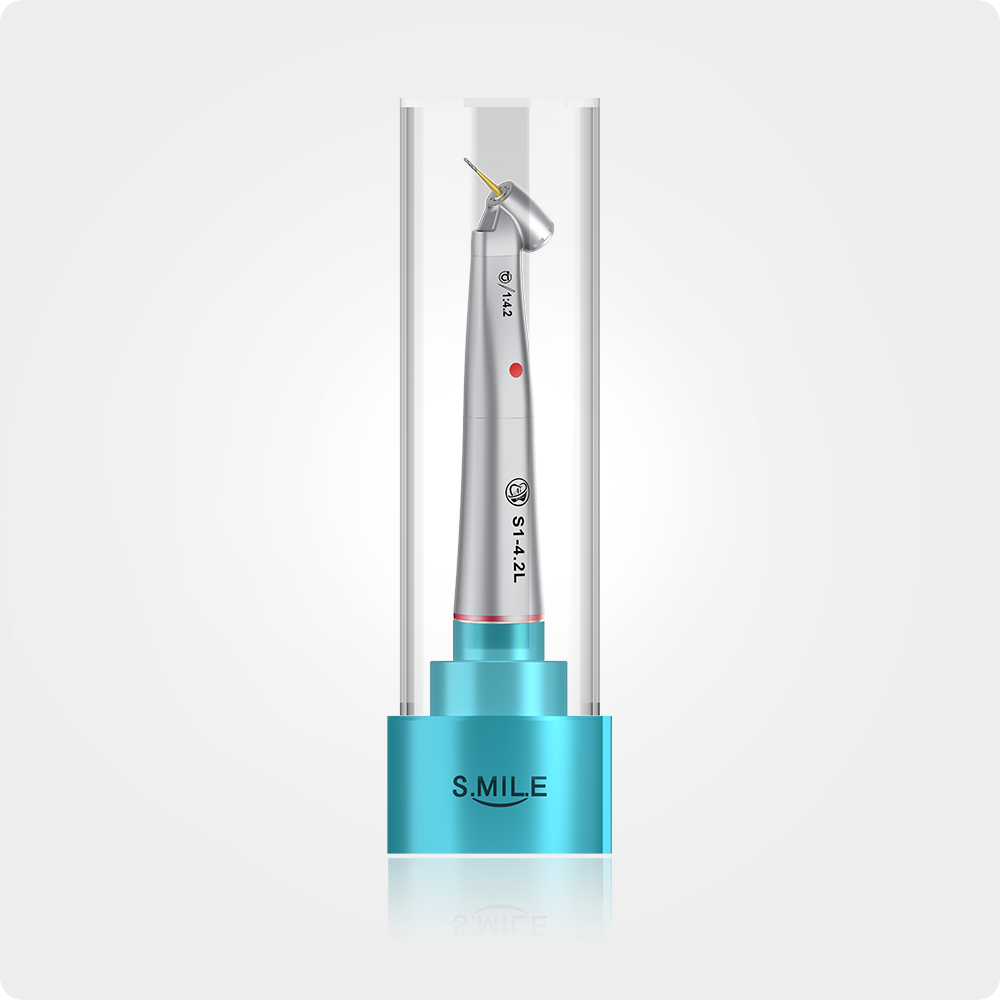
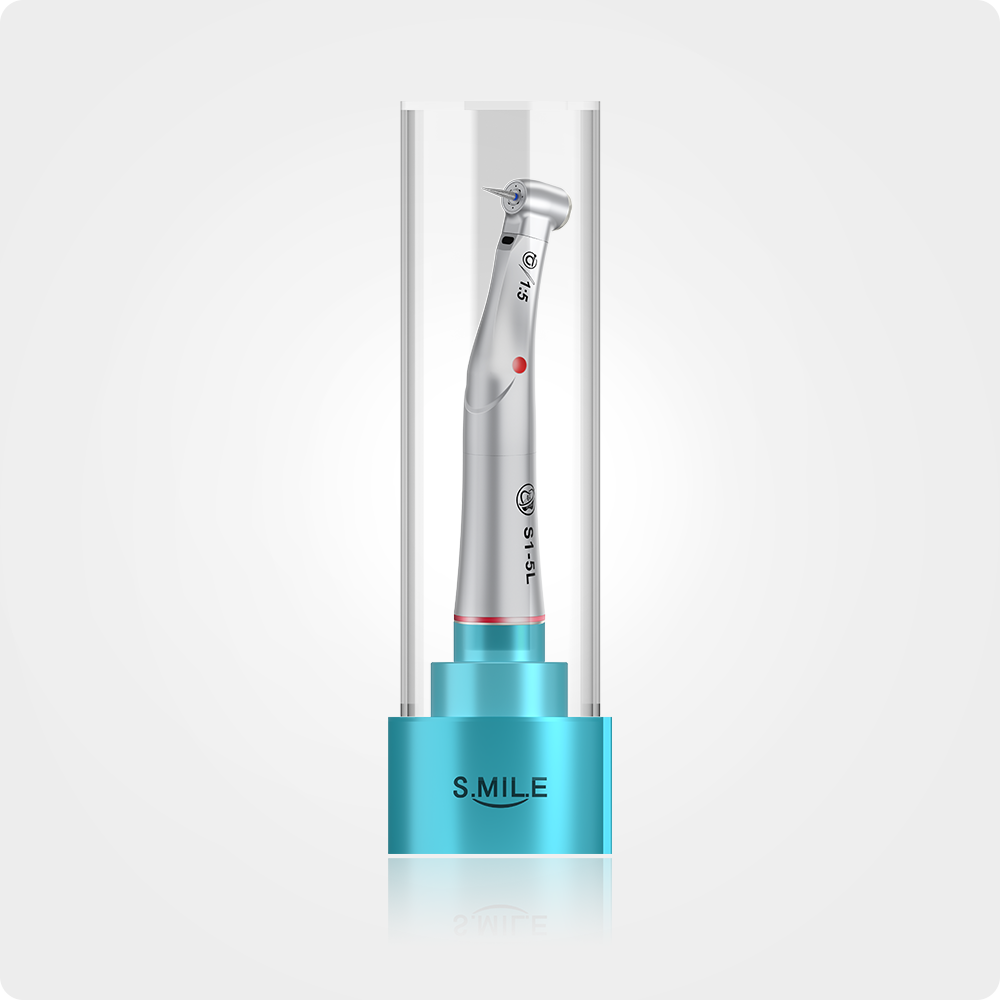
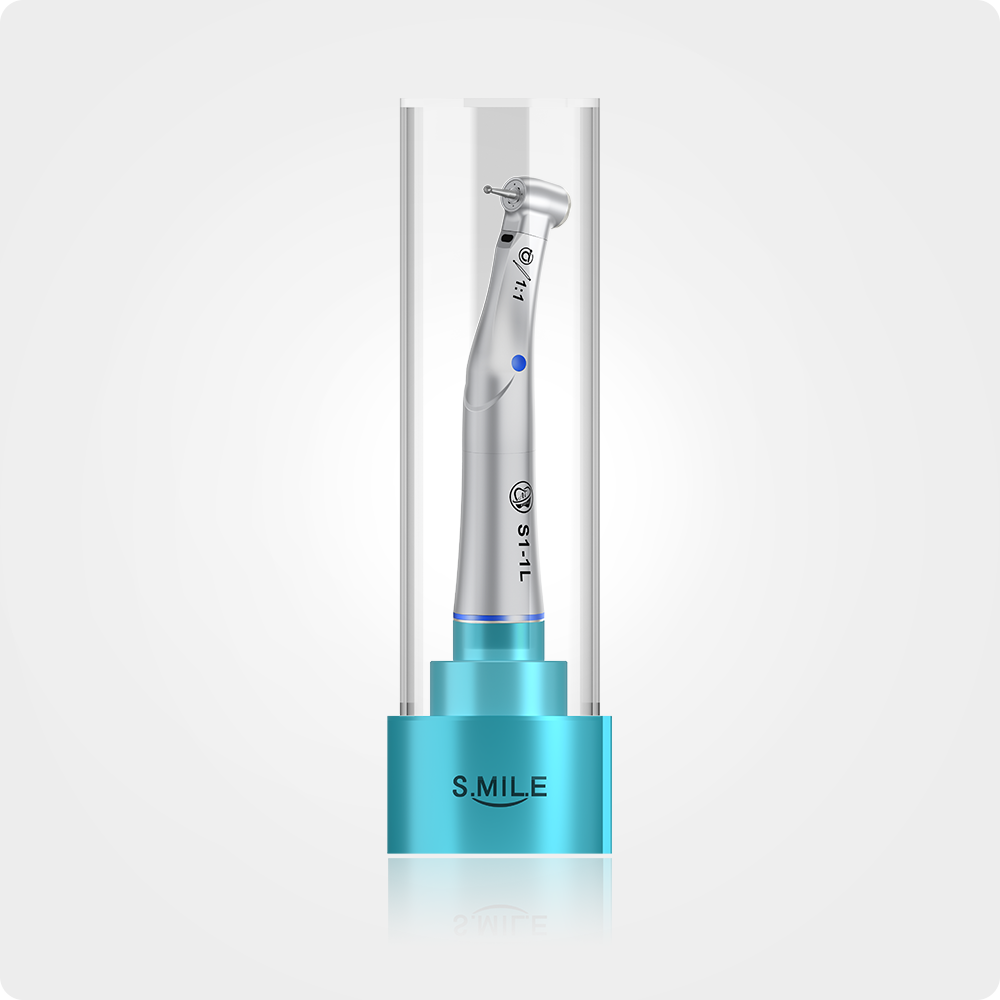
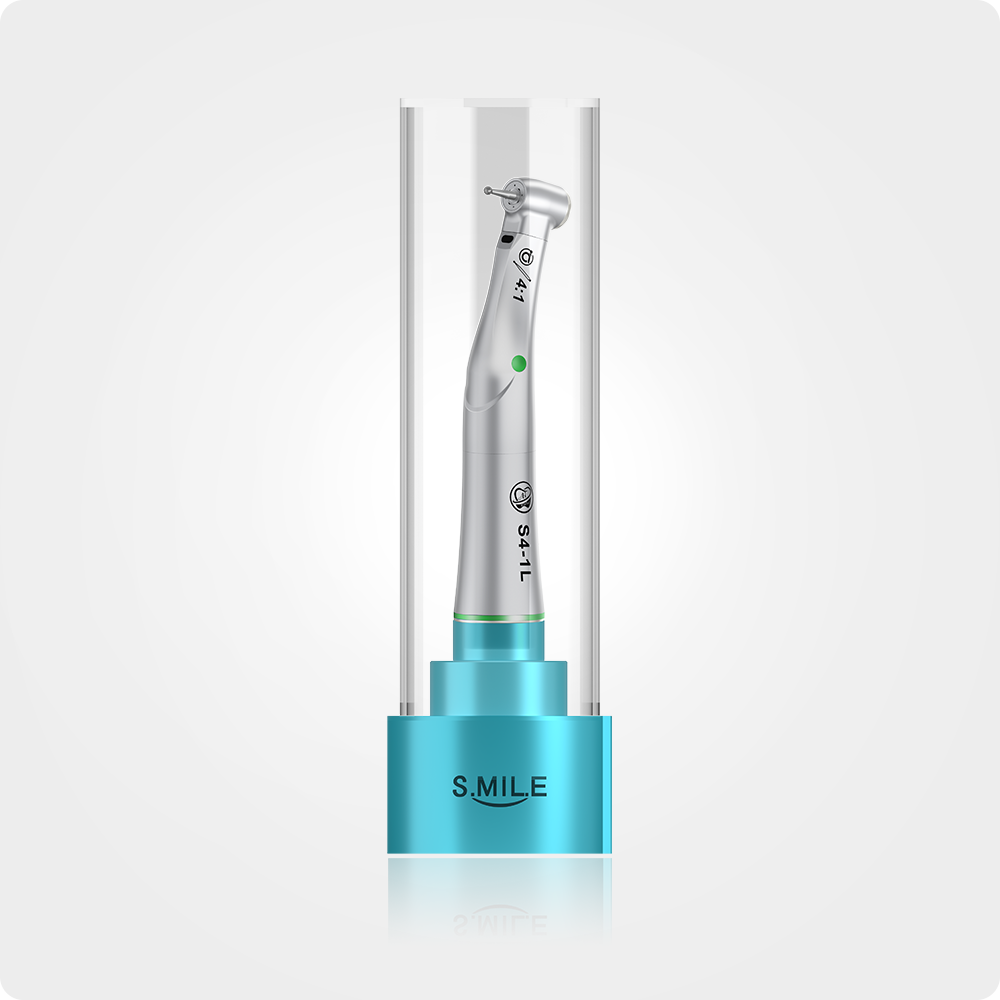
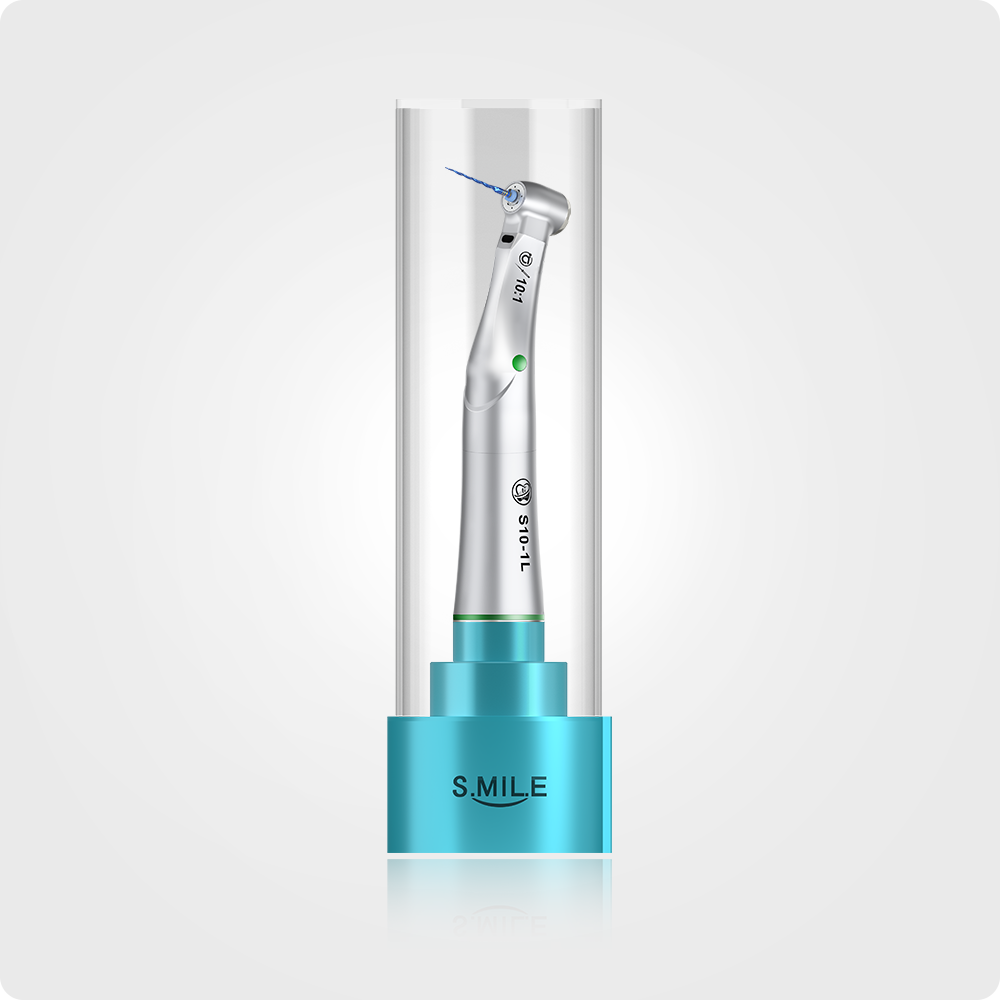
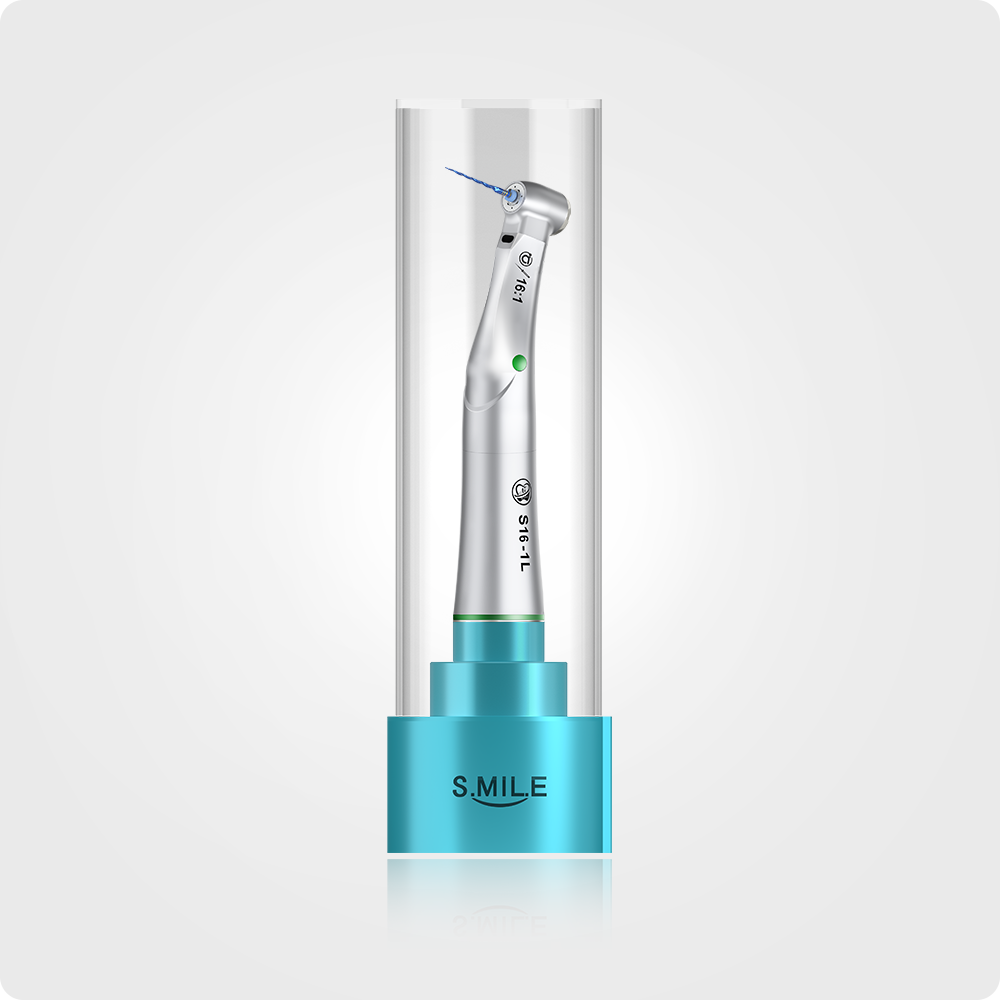
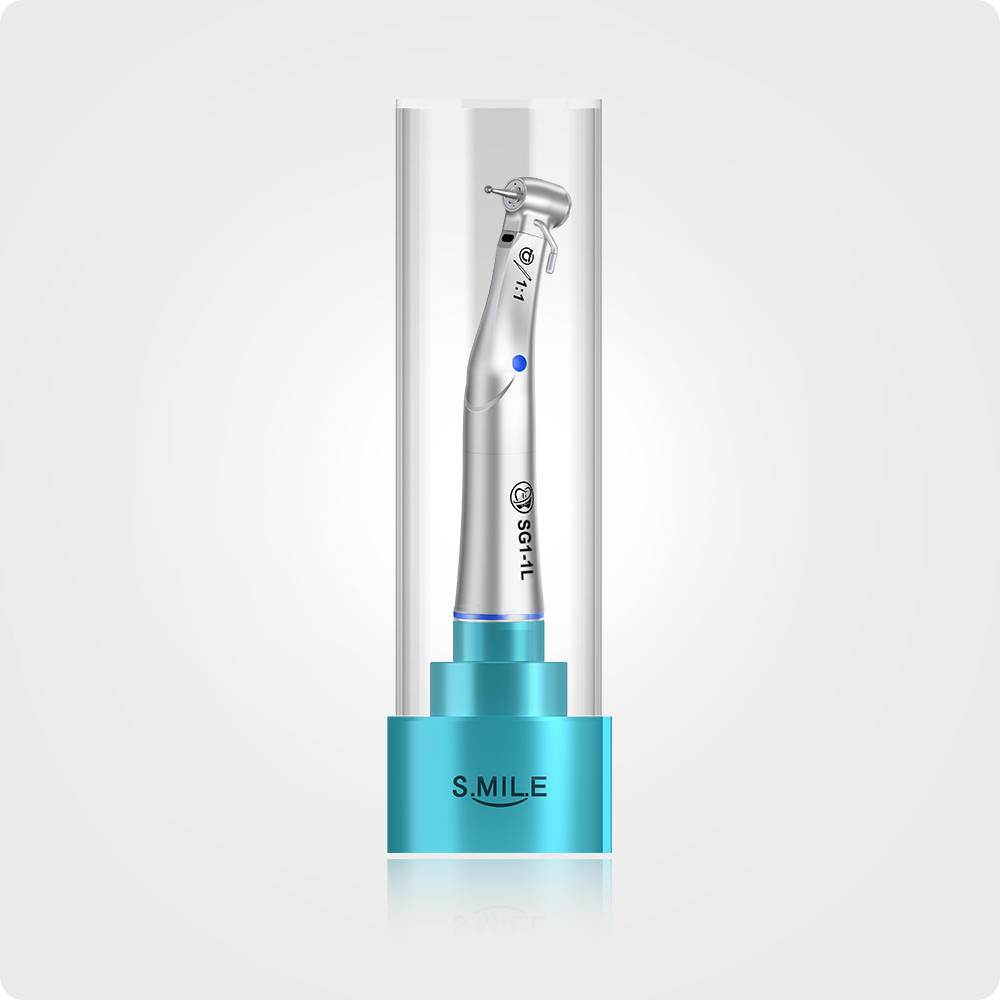
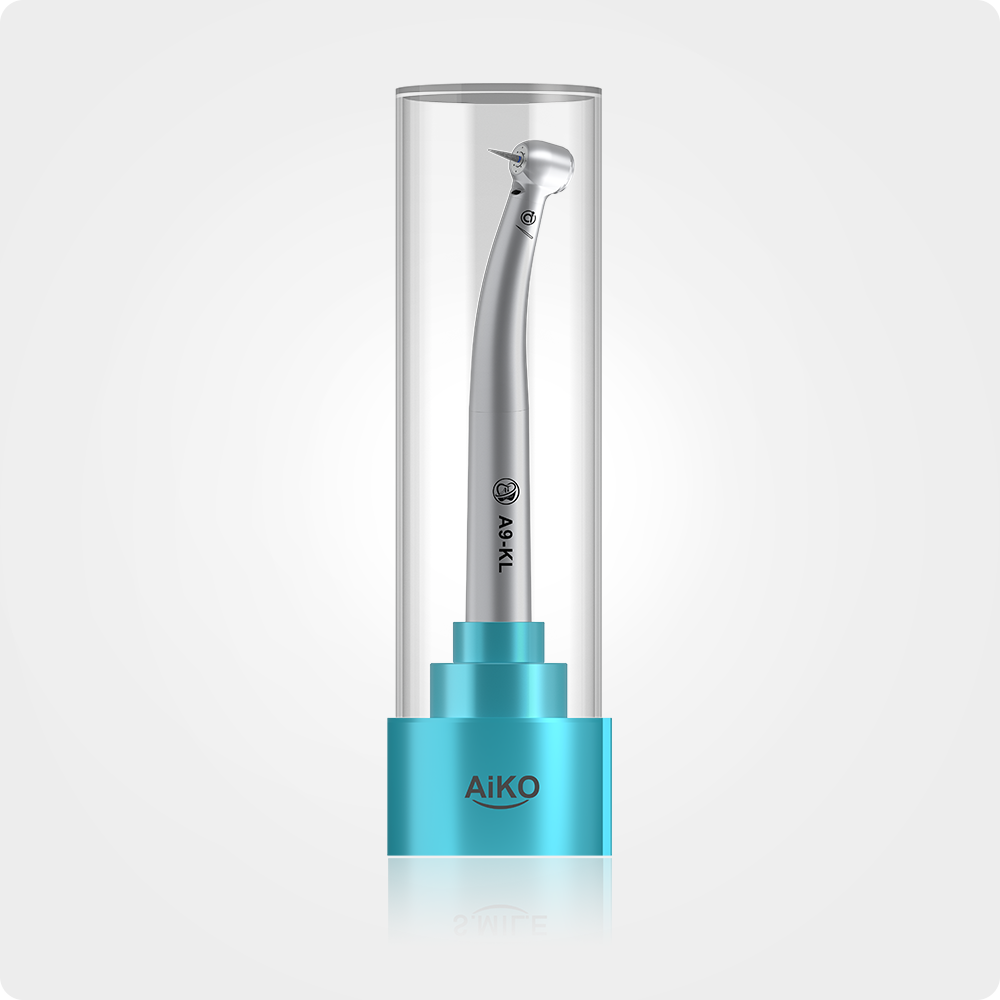
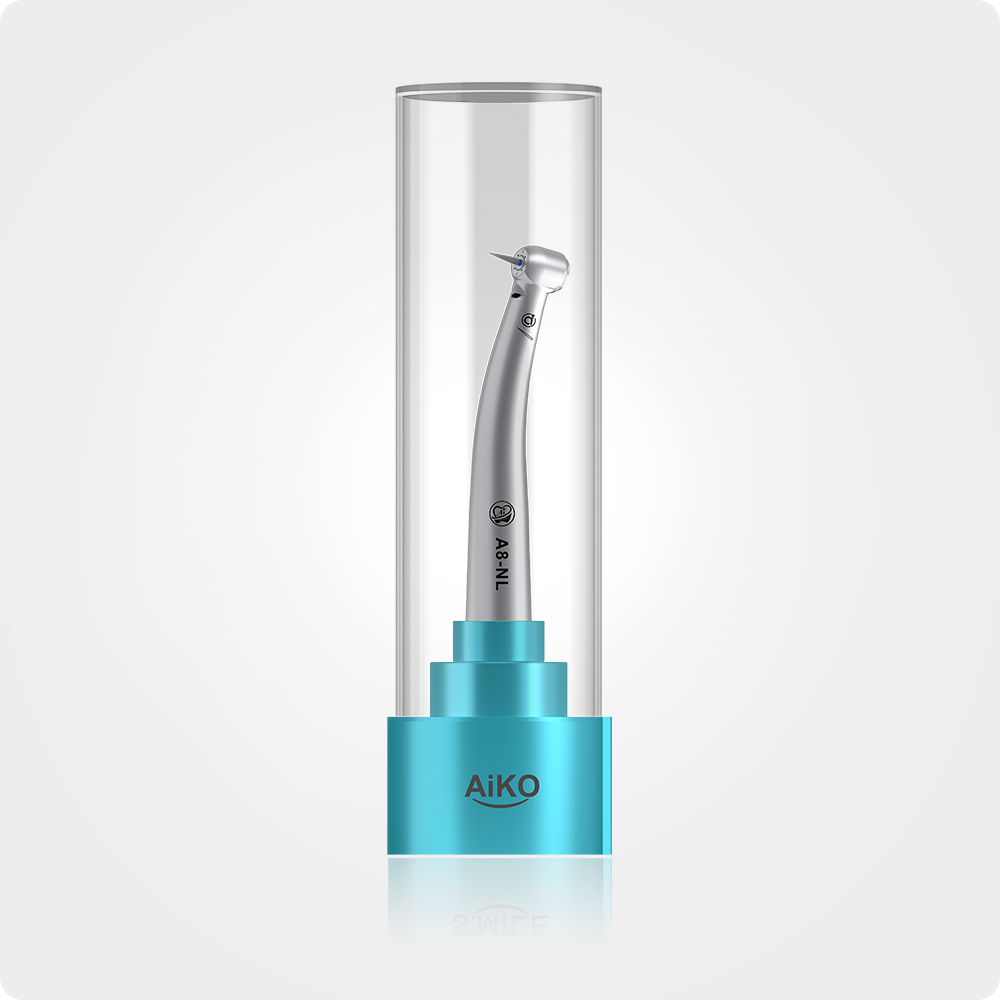
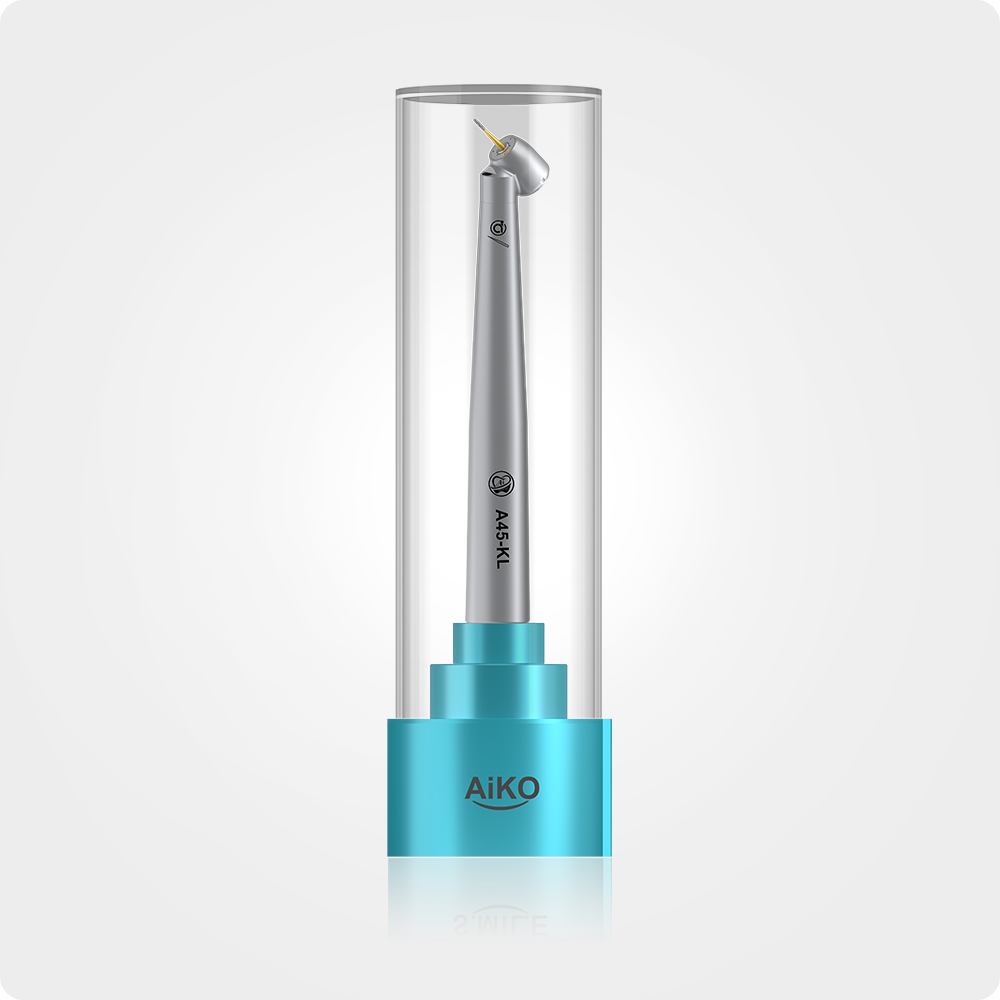
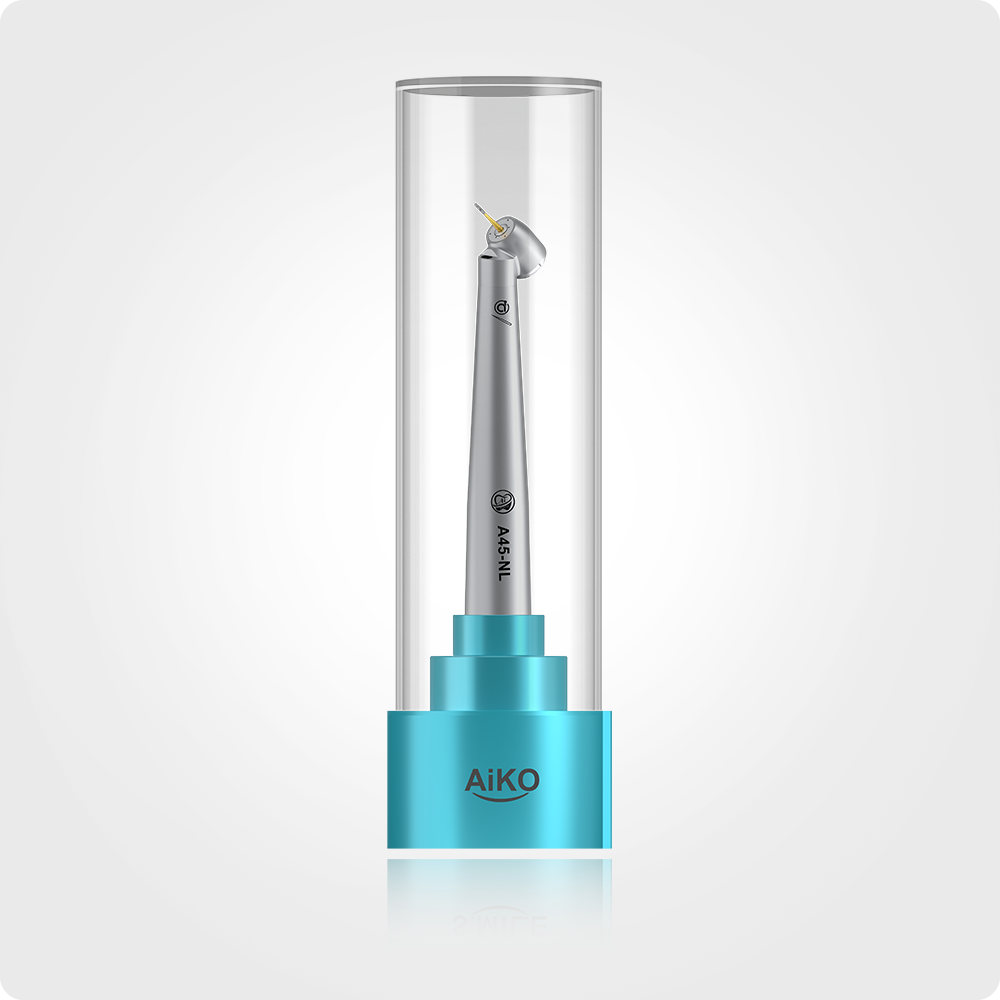
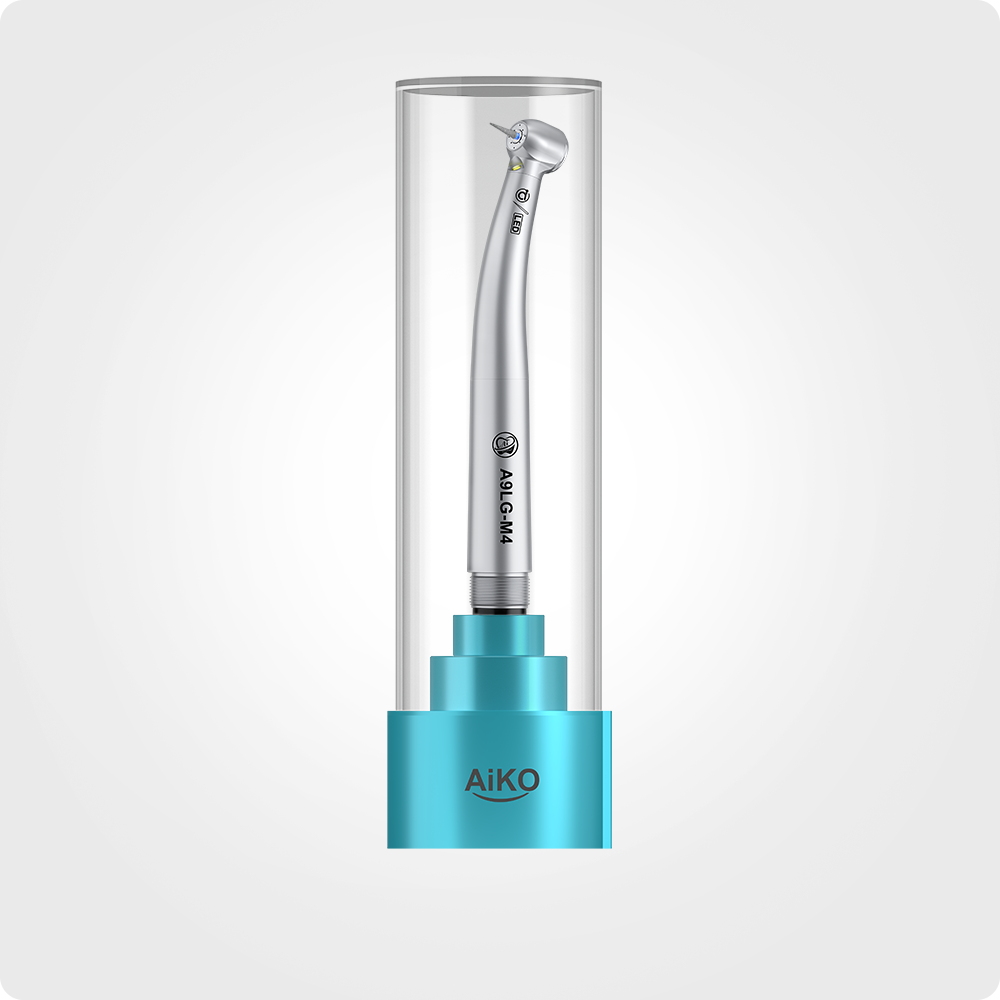
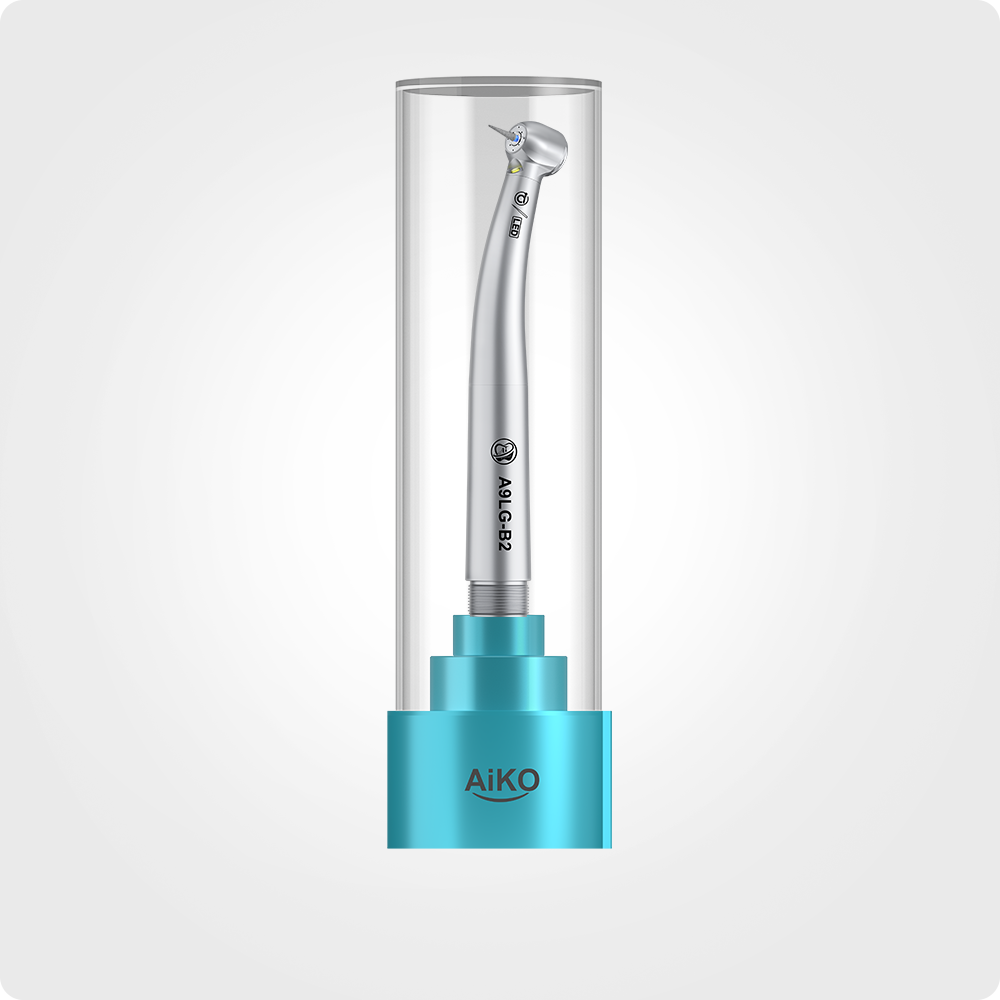
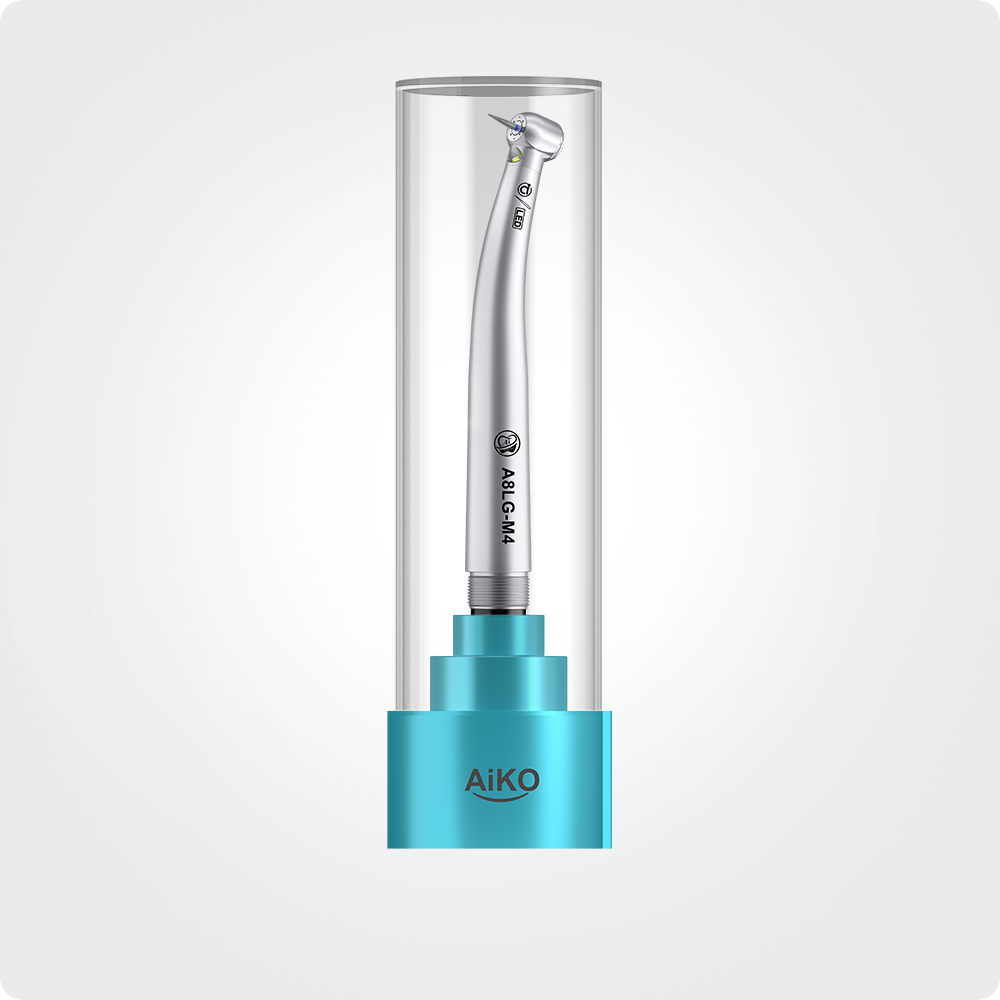
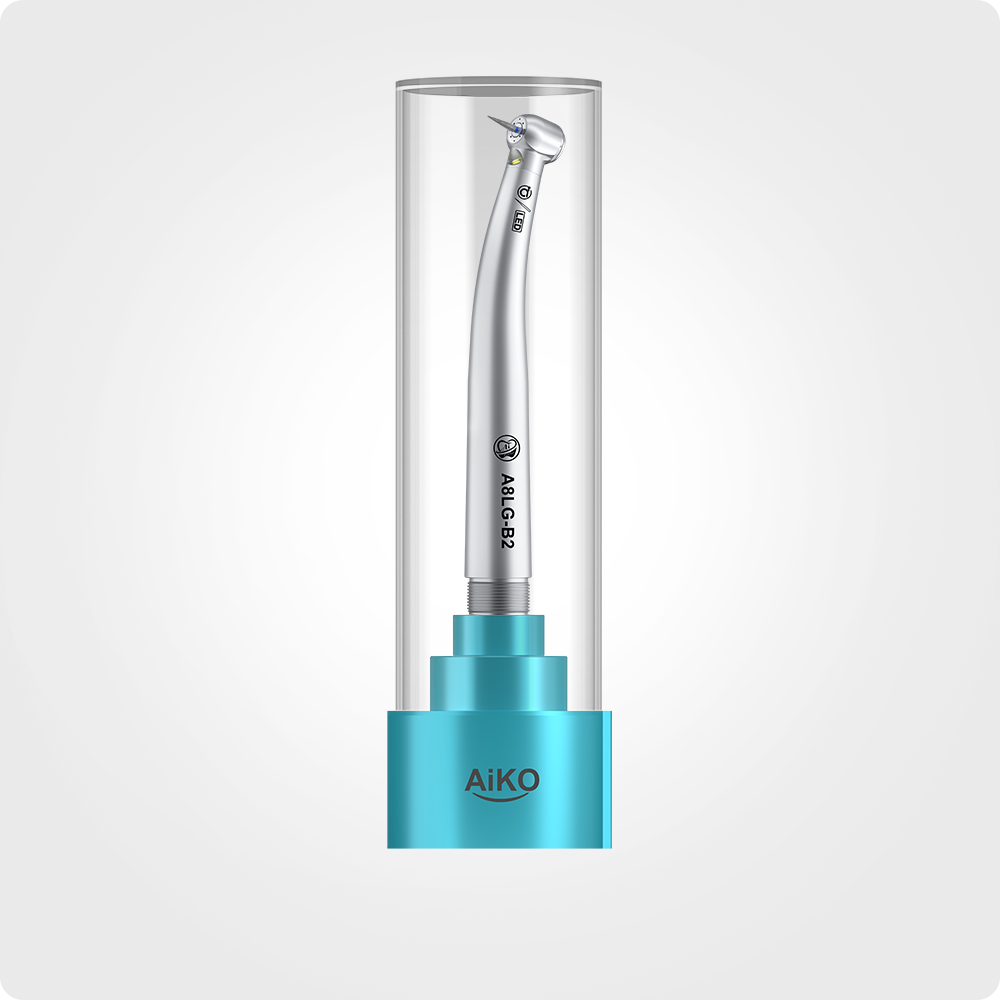
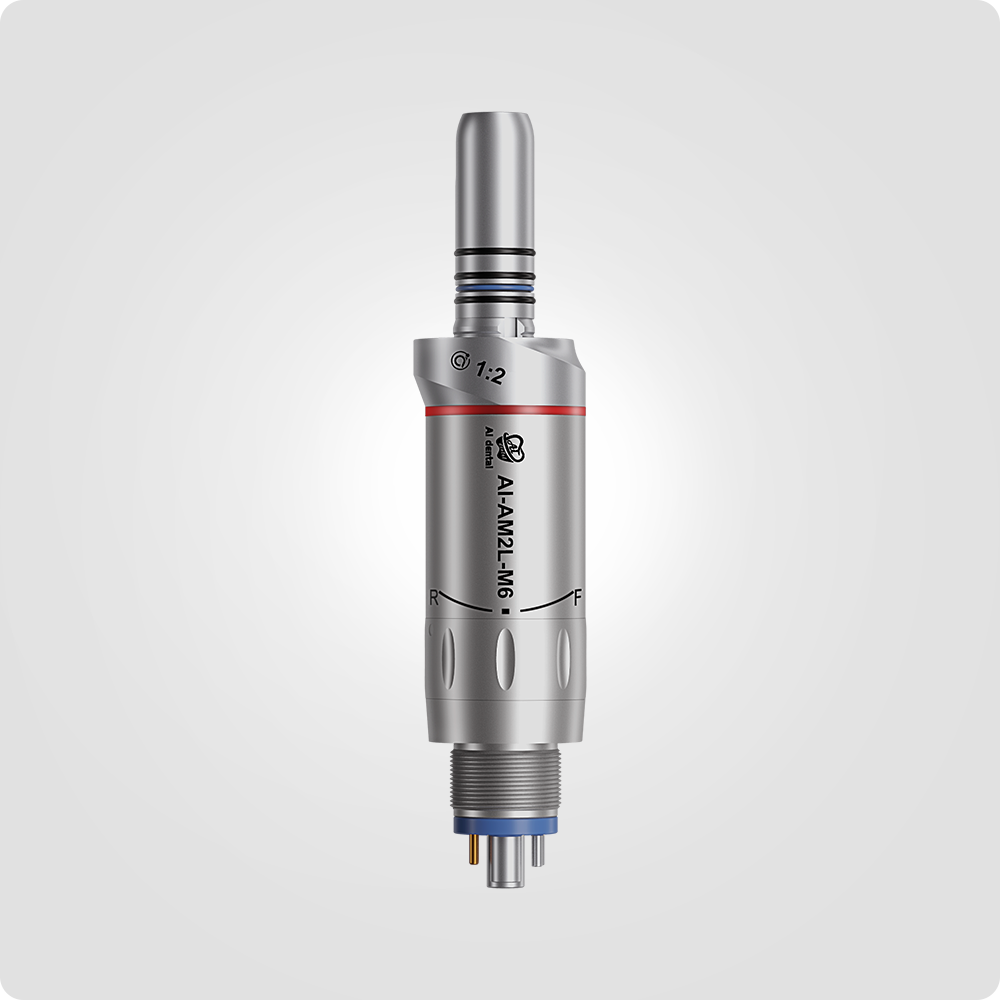
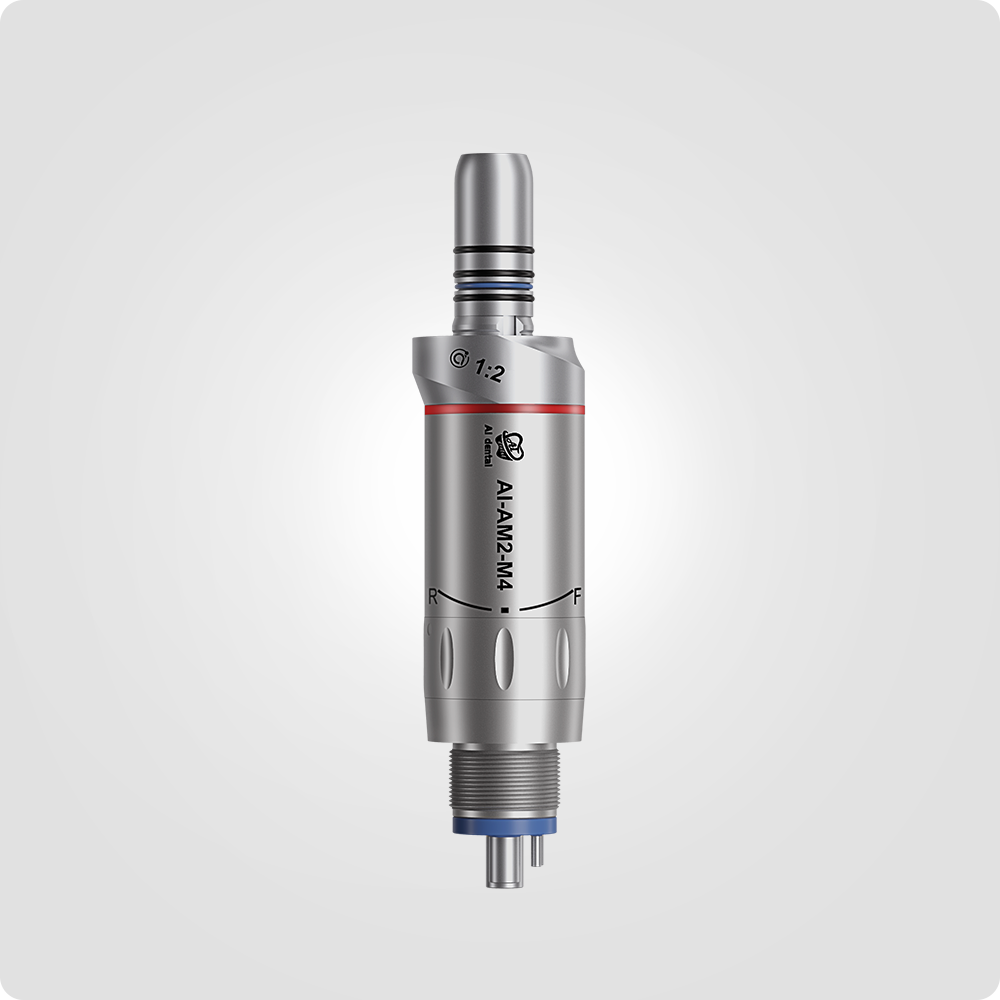
A contra angle handpiece is designed with a specific angulation that allows dentists to access difficult areas within the oral cavity. This feature is particularly beneficial for procedures such as cavity preparation, root canal treatments, and the polishing of teeth, where maneuverability is essential. The ergonomic design of these handpieces enables practitioners to maintain a comfortable wrist position while working, reducing fatigue during longer procedures.
One of the standout features of contra angle handpieces is their compatibility with various rotary instruments, including burs and polishing tools. This versatility makes them an indispensable part of a dentist's toolkit. By using different attachments, dentists can perform a wide range of procedures, from cutting and shaping hard tissue to refining surfaces for restorative work.
Moreover, contra angle handpieces are often engineered to accommodate high-speed and low-speed operations. High-speed handpieces are typically used for cutting and removing dental material at a much faster rate, while low-speed handpieces are preferred for finishing and polishing tasks, providing clinicians with the appropriate tool for each step of a dental procedure.
In addition to their functional benefits, contra angle handpieces are designed with patient comfort in mind. The reduced noise and vibration levels compared to traditional handpieces enhance the patient experience, making dental visits less intimidating. Furthermore, many modern contra angle handpieces are designed to facilitate easy cleaning and sterilization, ensuring compliance with infection control protocols.
Another advantage of using contra angle handpieces is the improved visibility they offer. Their design allows dentists to work at different angles while maintaining a clear line of sight to the treatment area, which is crucial for accuracy and successful outcomes.
In summary, contra angle handpieces are vital instruments in the dental field, providing a combination of precision, versatility, and patient comfort. Their unique design allows for enhanced access and maneuverability, making them an essential choice for a variety of dental procedures. As technology continues to advance, we can expect further improvements in the efficiency and effectiveness of these crucial tools, continuing to elevate the standards of dental care.
Related News
AI DENTAL Highlights Day 1 at 2026 Rimini Dental Expo-High-Value Smile & AiKO Series
May 15,2026
Views ()
Focus On Dental Handpieces