



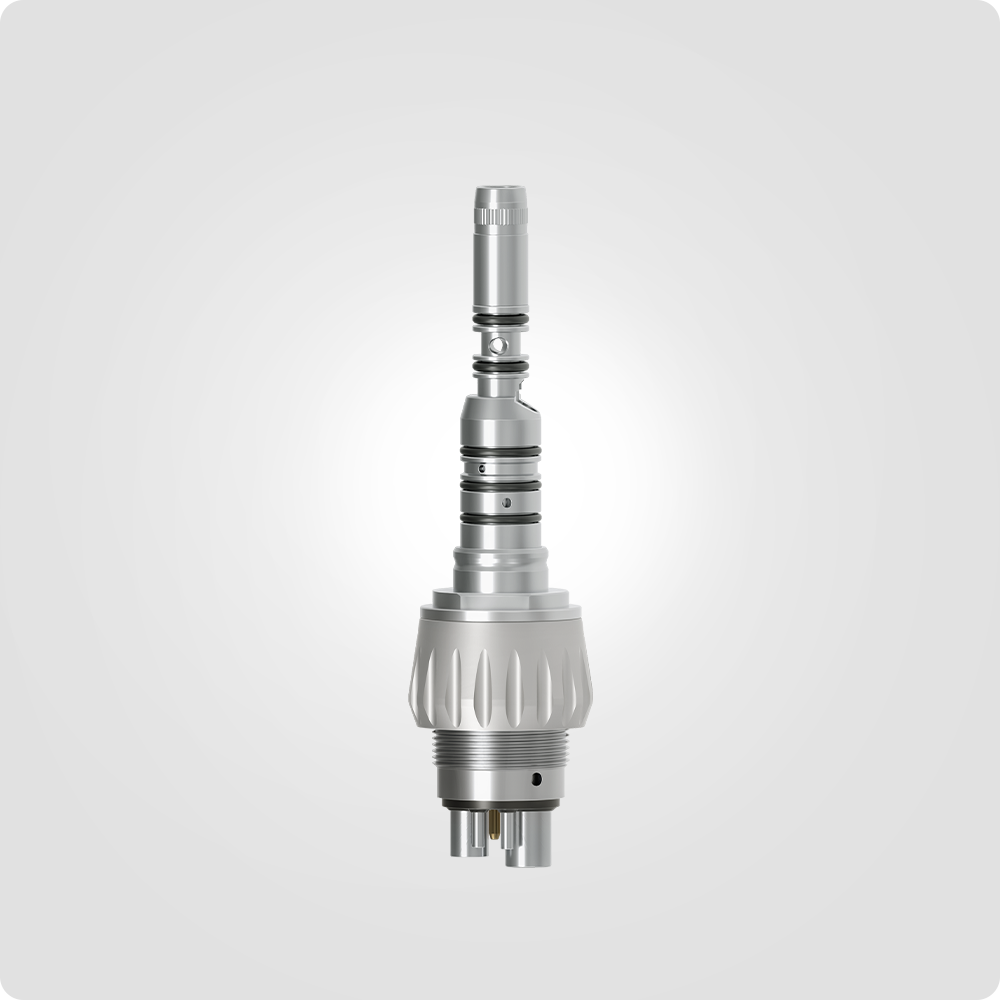
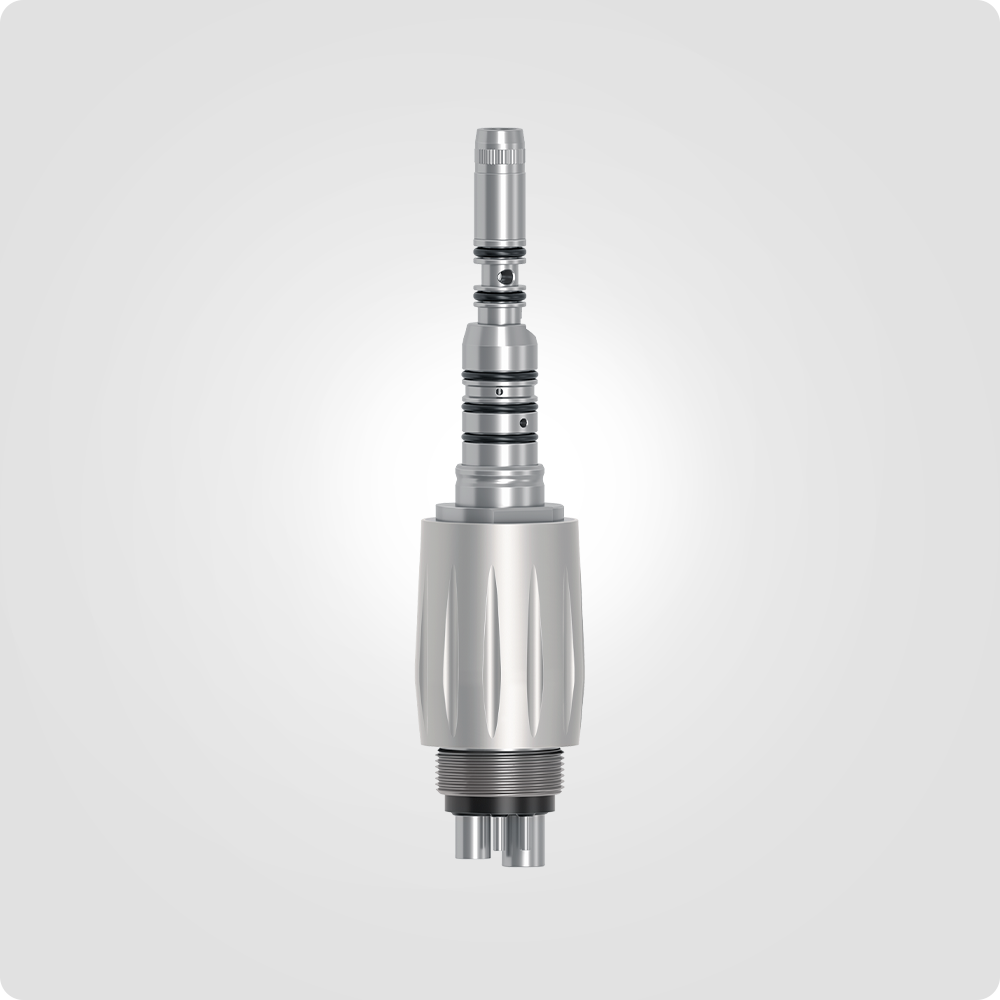
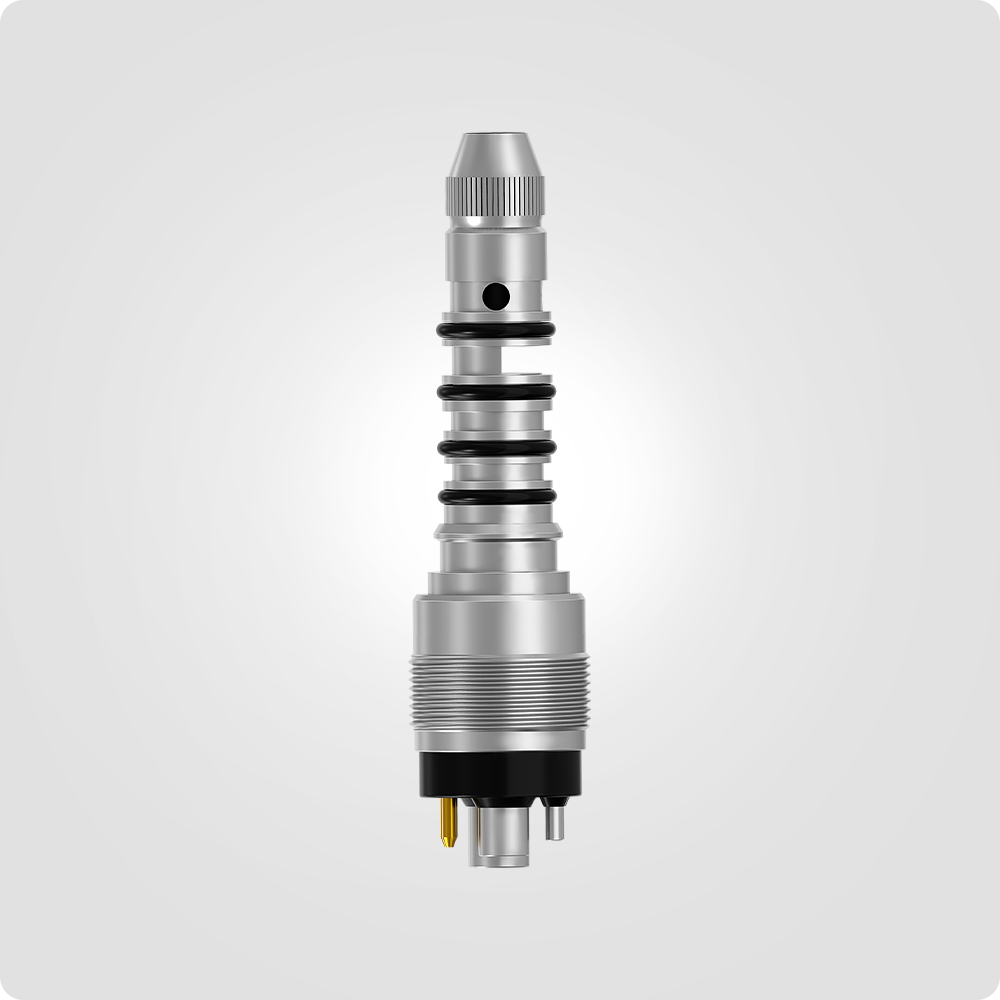








How to Choose the Right Dental Air Turbine Handpiece for Your Practice
Sep 26,2026
Views ()

How to Choose the Right Dental Air Turbine Handpiece for Your Practice
In the rapidly evolving field of dentistry, selecting the right equipment is crucial for ensuring patient comfort and treatment efficacy. Among the myriad of tools available, the **dental air turbine handpiece** stands out as a vital instrument that facilitates a range of dental procedures. This article provides a comprehensive guide on how to choose the right dental air turbine handpiece for your practice, detailing key features, types, maintenance practices, and more.
Table of Contents
- Understanding Dental Air Turbine Handpieces
- Key Features to Consider
- Types of Dental Air Turbine Handpieces
- Top Brands and Models
- Importance of Research
- Cost Considerations
- Frequently Asked Questions
- Conclusion
Understanding Dental Air Turbine Handpieces
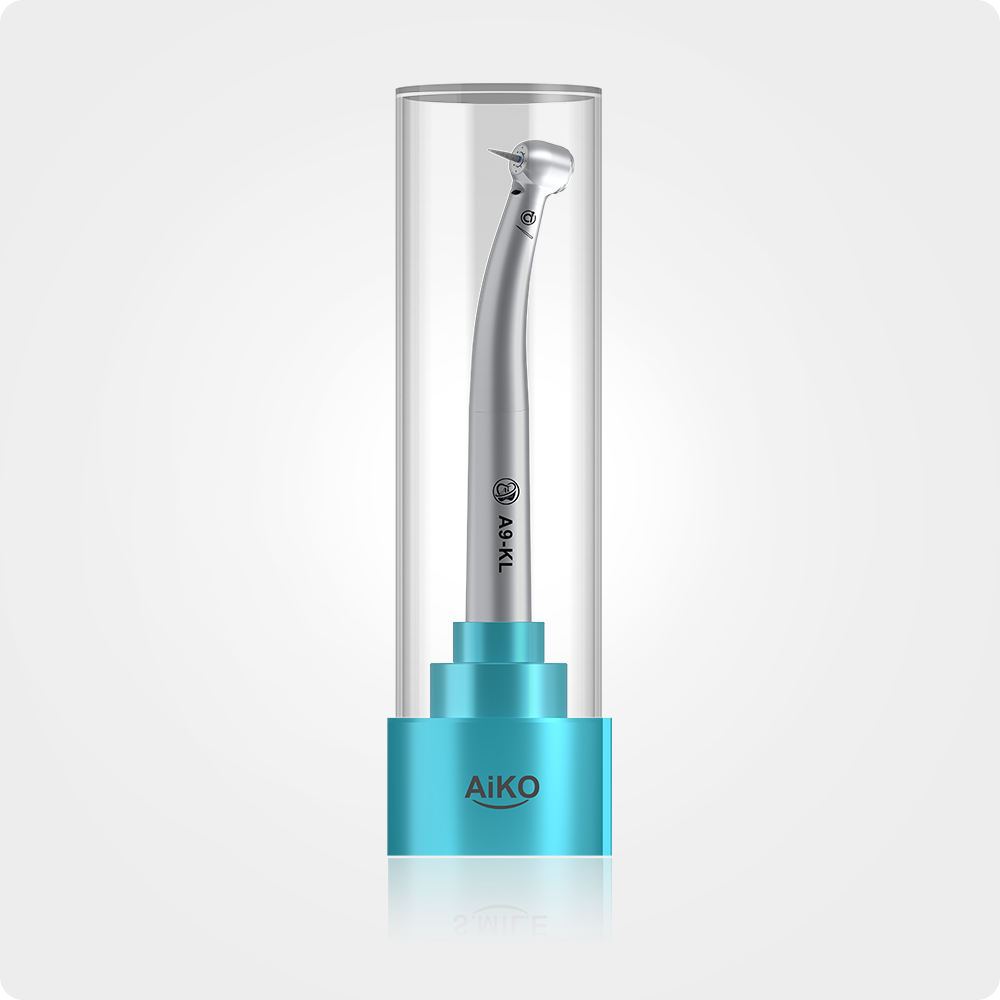
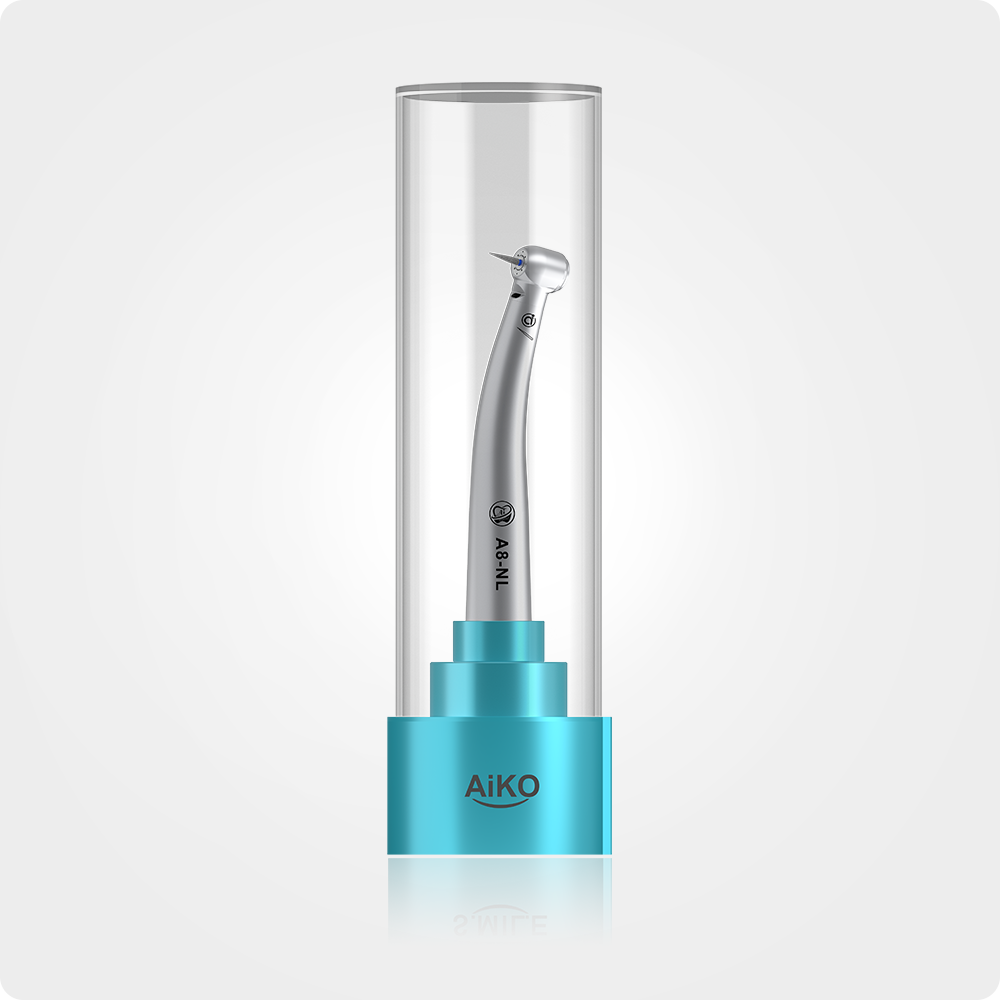
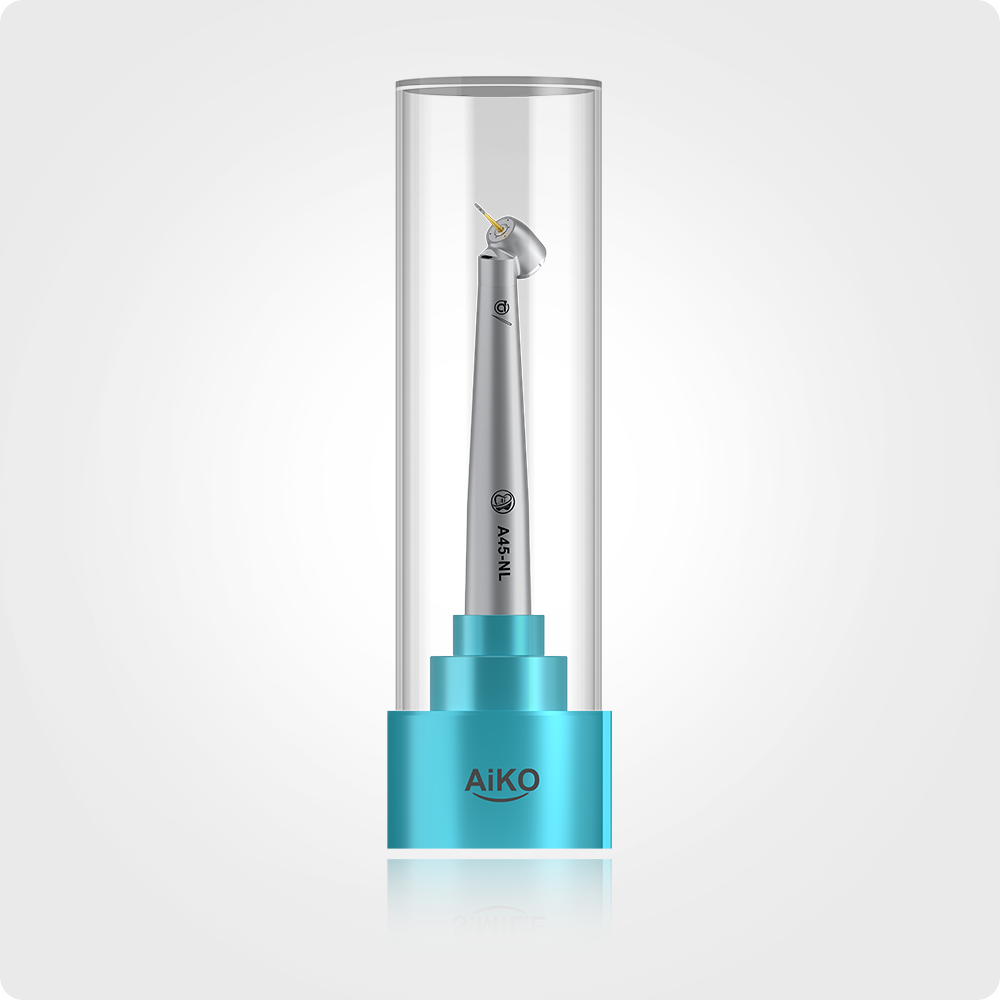
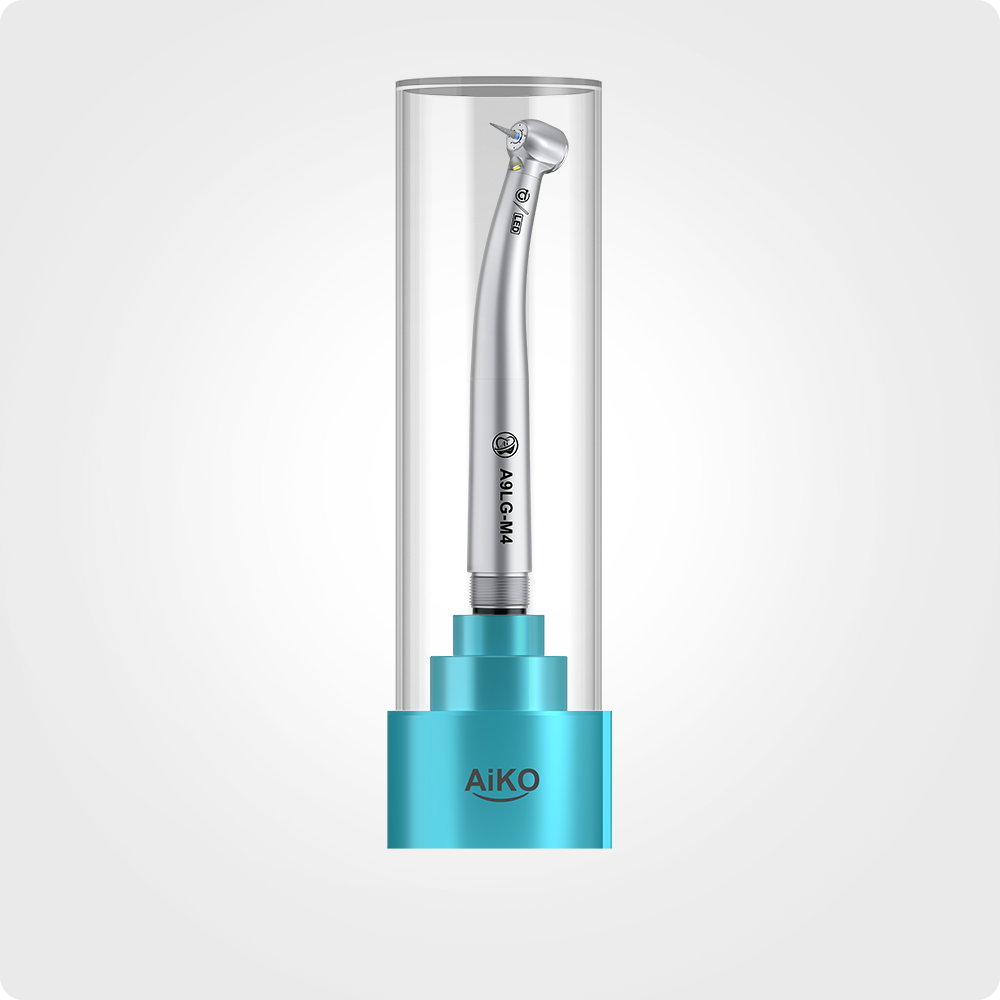
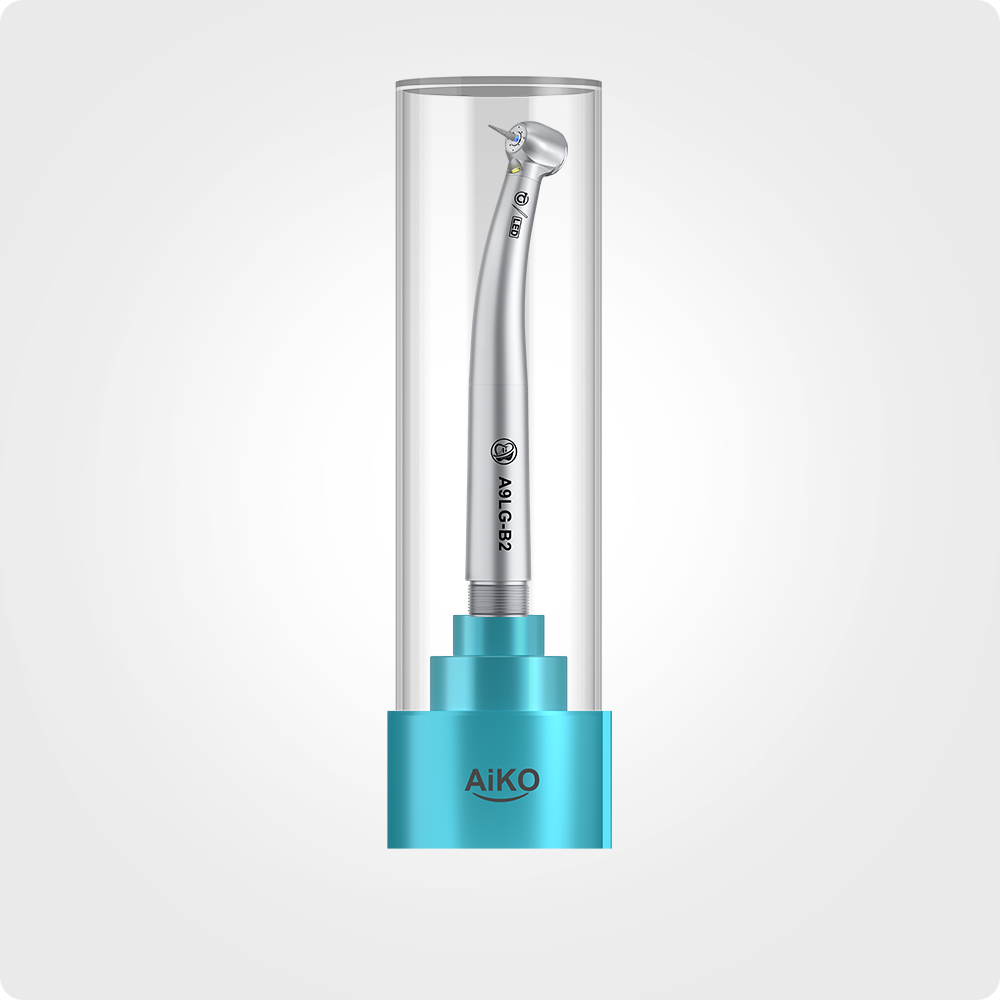
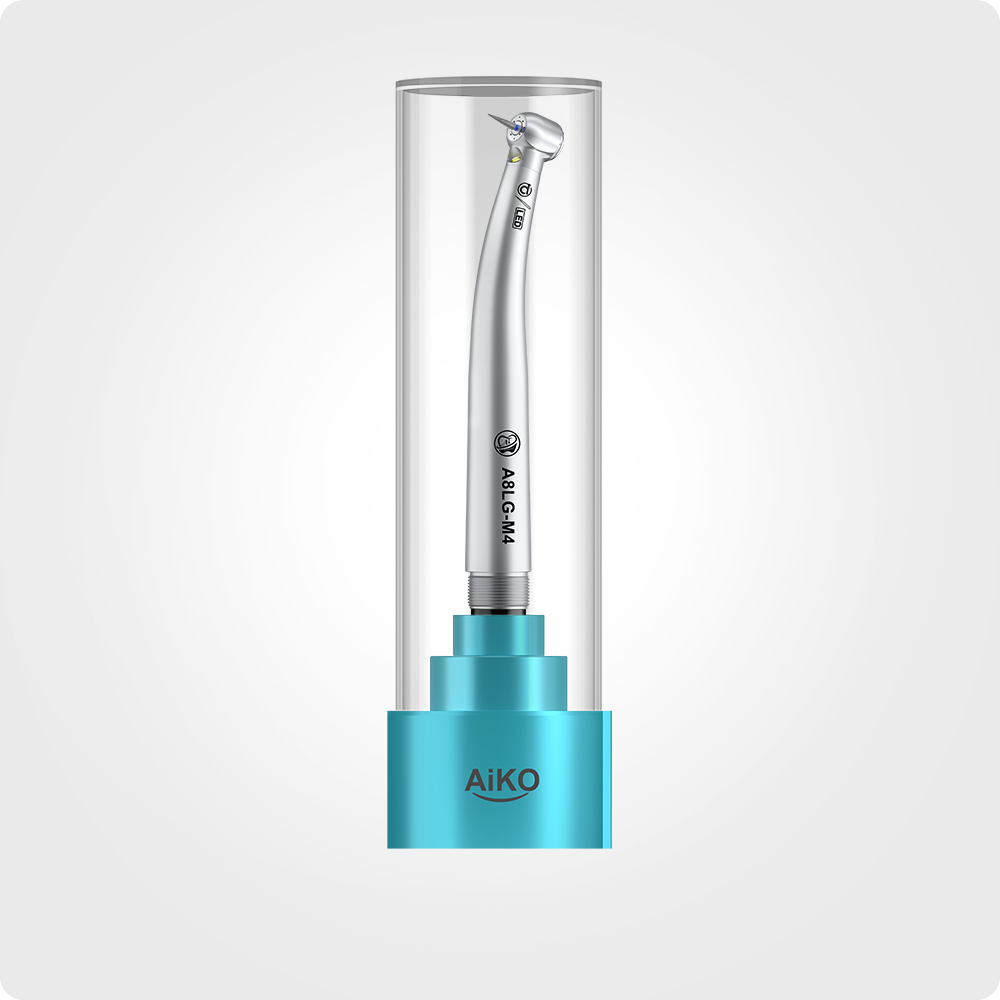
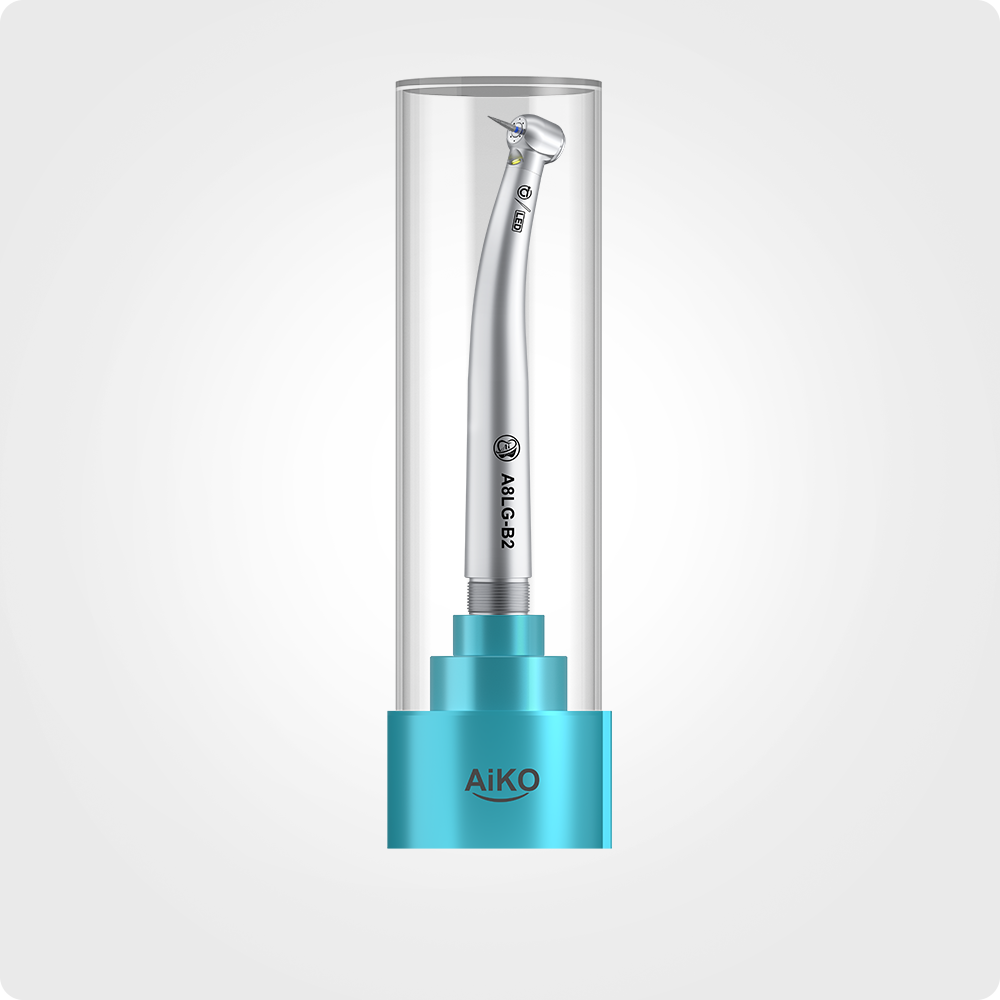
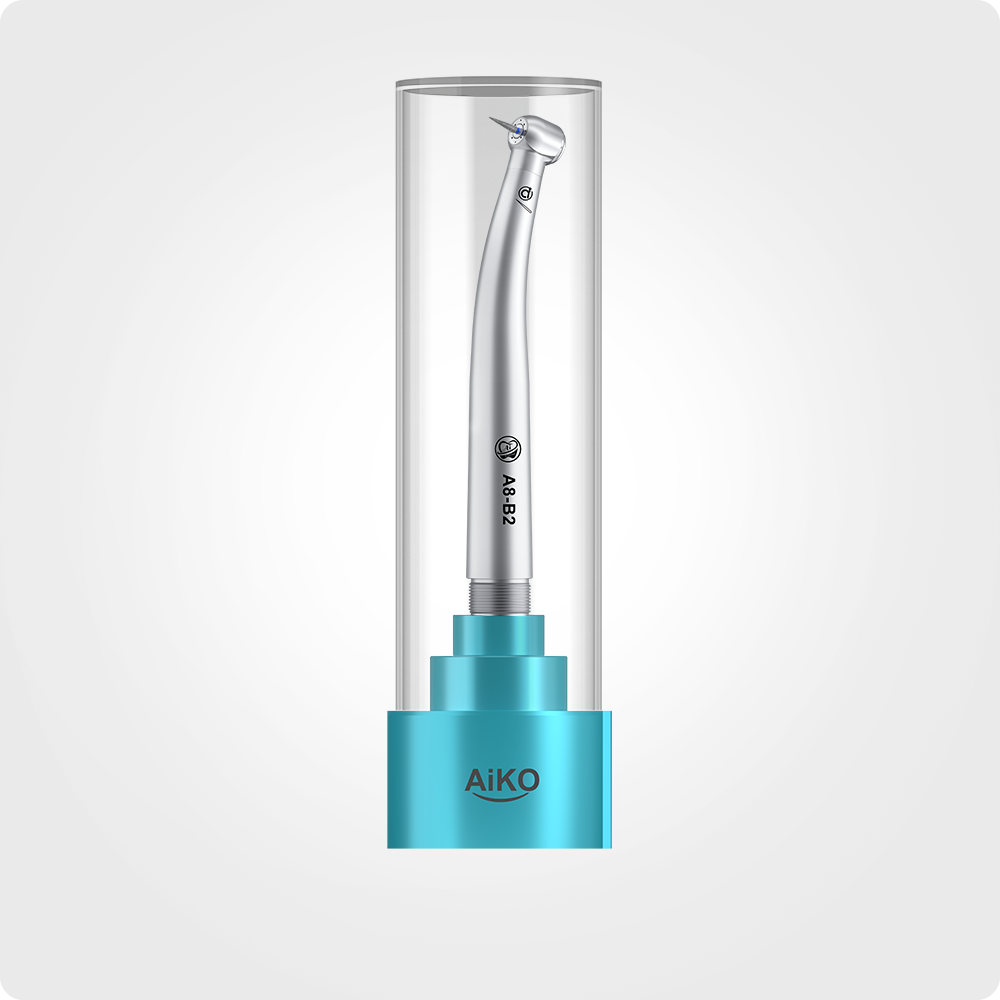
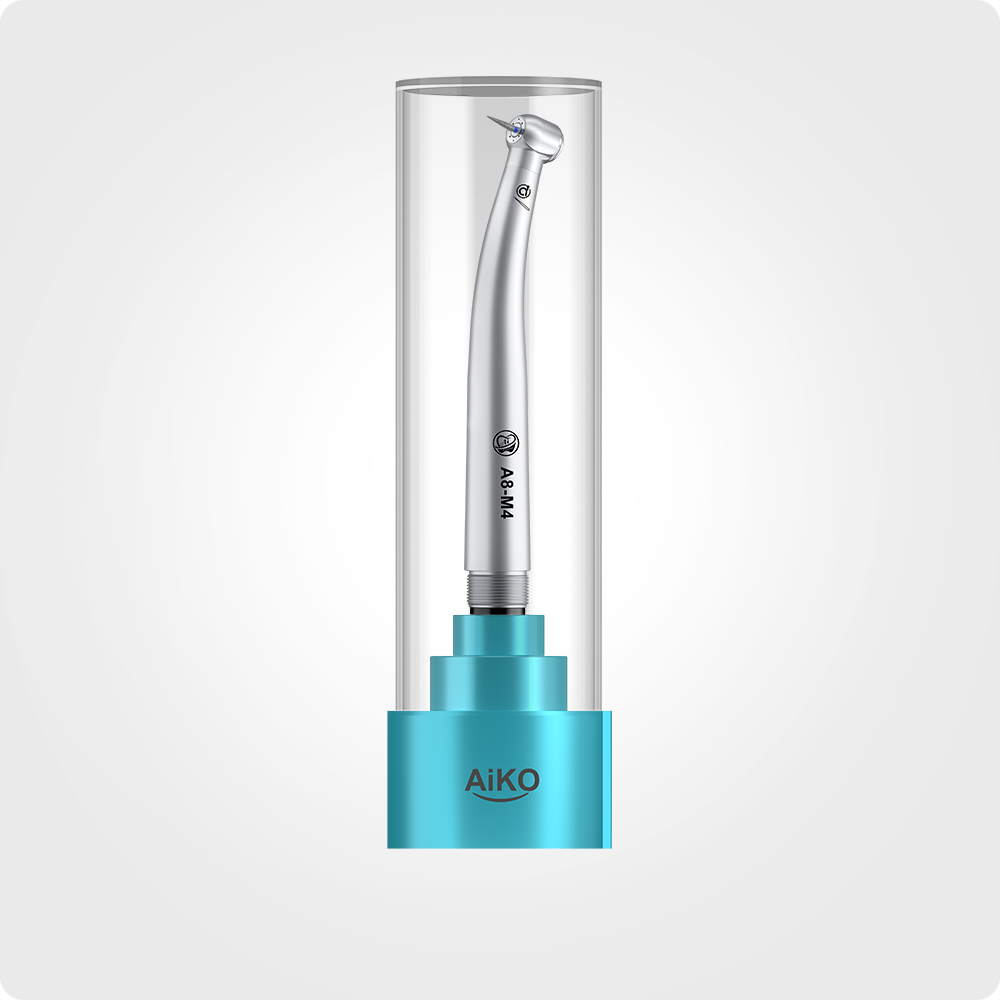
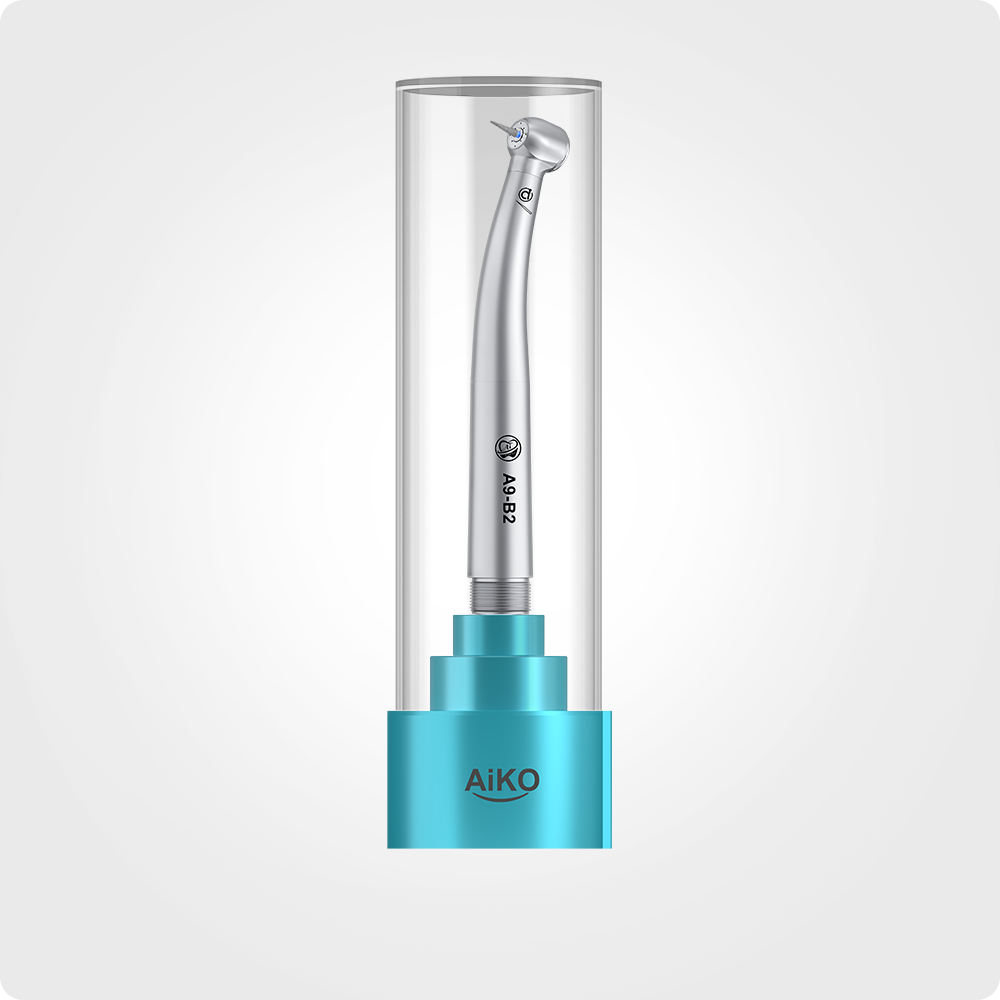
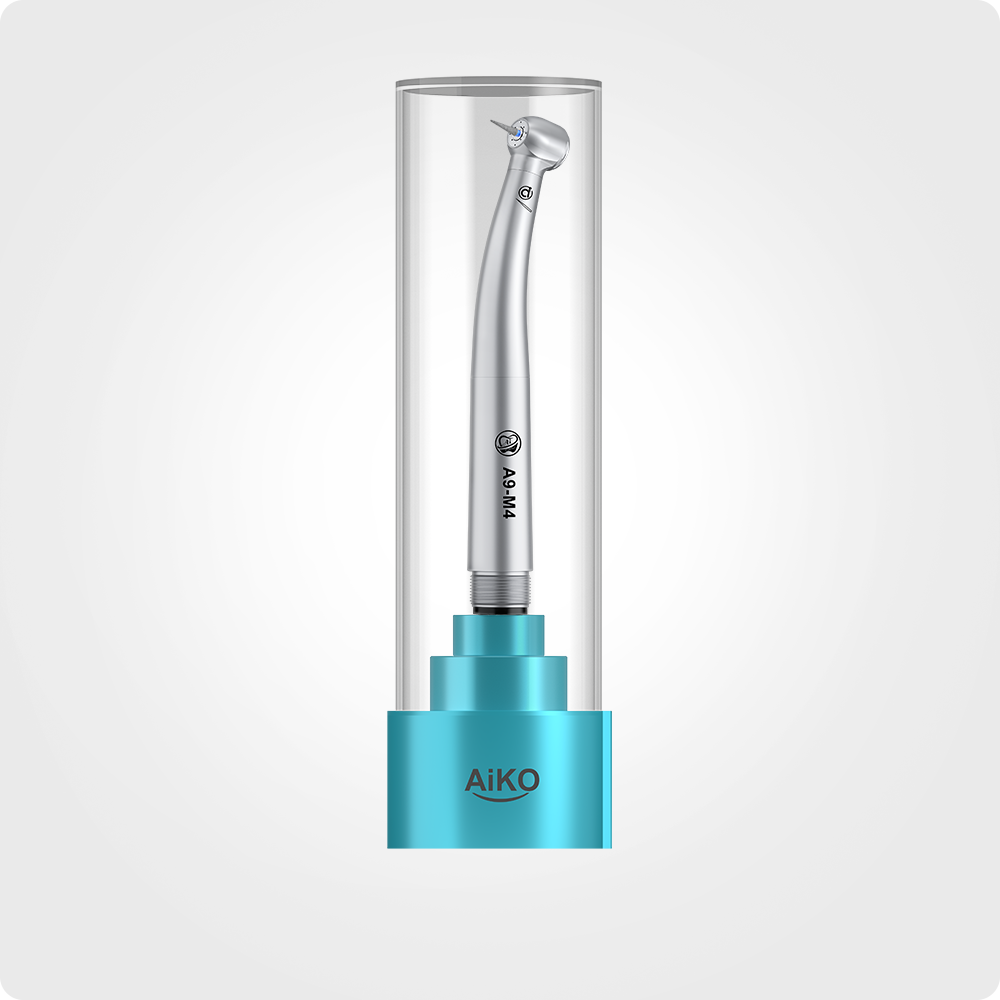
A dental air turbine handpiece is a critical tool that uses compressed air to drive a turbine, resulting in high-speed rotation. This allows for effective tooth preparation, cavity removal, and other procedures. The use of air turbines has become prevalent due to their efficiency and versatility, making them a staple in modern dental practices.
Key Features to Consider
When choosing a dental air turbine handpiece, several key features demand careful consideration to ensure optimal performance and usability.
Speed and Power
The speed of a dental air turbine handpiece is measured in revolutions per minute (RPM). High-speed handpieces typically operate between 300,000 and 400,000 RPM, offering rapid cutting capabilities. However, it is essential to match the speed with your specific procedures. For instance, crown preparations may require higher speeds, while other tasks may not.
Ergonomics and Weight
The design and weight of the handpiece significantly impact usability. A lightweight and ergonomically designed handpiece reduces hand fatigue during extended procedures. Consider handpieces with anti-slip grips and a balanced design to enhance control and precision.
Noise Levels
Noise can be a significant factor in patient comfort. Many modern handpieces are designed to operate quietly, reducing anxiety for patients and improving the overall experience in your practice. Look for handpieces that specify low noise levels in their product descriptions.
Maintenance Requirements
Regular maintenance is vital for the longevity of dental handpieces. Choose a model that is easy to disassemble and clean. Some handpieces come with self-cleaning features that help prolong their operational life. Ensure that you are aware of the maintenance schedule and the necessary supplies, such as lubricants.
Types of Dental Air Turbine Handpieces
Understanding the types of dental air turbine handpieces available can help you make an informed decision based on your practice's needs.
High-Speed Handpieces
High-speed handpieces are designed for quick cutting and drilling tasks, making them ideal for procedures like cavity preparation and crown shaping. They provide precision and efficiency but can generate heat, making proper cooling mechanisms essential.
Low-Speed Handpieces
Low-speed handpieces are typically used for polishing, endodontic treatments, and other procedures requiring greater control. They operate at lower RPMs but offer torque that is necessary for specific tasks.
Top Brands and Models
Several brands are renowned for producing high-quality dental air turbine handpieces. Researching the top brands can provide insights into reputable options.
1. **NSK**: Known for precision engineering, NSK handpieces often feature innovative technologies that enhance performance.
2. **KaVo**: With a strong reputation in the dental field, KaVo offers a range of handpieces known for their durability and efficiency.
3. **Bien-Air**: Their handpieces are renowned for ergonomics and low noise levels, making them a favorite among dental professionals.
4. **StarDental**: This brand provides reliable performance with a focus on affordability, making it a popular choice for many practices.
Importance of Research
Conducting thorough research before making a purchase is crucial. Reading user reviews, comparing specifications, and consulting with peers can provide valuable insights into how handpieces perform in real-world settings. Additionally, it is beneficial to explore dental trade shows or exhibitions where you can test various models firsthand.
Cost Considerations
The cost of a dental air turbine handpiece can vary significantly based on brand, features, and model. While higher-priced options may offer advanced features and better durability, it is essential to evaluate your budget alongside your practice's needs. Consider the long-term value of the investment rather than focusing solely on the upfront cost.
Frequently Asked Questions
1. How often should I replace my dental air turbine handpiece?
Handpieces generally last between 2-5 years, but this can vary based on usage and maintenance. Regular checks can help determine when replacement is necessary.
2. What maintenance is required for dental air turbine handpieces?
Regular cleaning, lubrication, and sterilization are necessary to keep handpieces in optimal condition. Follow the manufacturer's guidelines for maintenance.
3. Are there specific brands that are more reliable than others?
Brands like NSK, KaVo, Bien-Air, and StarDental have established reputations for reliability and performance. Researching user experiences can help identify the best fit for your practice.
4. Can I use any dental air turbine handpiece with my existing dental unit?
Not all handpieces are compatible with every dental unit. Ensure that the handpiece you choose is compatible with your existing system.
5. What should I do if my handpiece starts making unusual noises?
Unusual noises can indicate maintenance issues. Inspect the handpiece for debris or wear and consult the manufacturer's guidelines or a technician for assistance.
Conclusion
Choosing the right dental air turbine handpiece is a critical decision that impacts both the efficiency of your practice and the comfort of your patients. By focusing on key features such as speed, ergonomics, and maintenance requirements, along with understanding the types available, you can make an informed choice that aligns with your practice's needs. Investing time in research and considering reputable brands will ensure that you find a handpiece that meets your expectations for performance and durability.
Previous
Related News
The Future of Dentistry: How AI Dental Handpieces are Revolutionizing Oral Care
Sep 22,2026
Views ()
Choosing the Right Electric Micromotor for Your Dental Clinic: A Comprehensive Guide
Sep 20,2026
Views ()
Focus On Dental Handpieces