











Understanding the Benefits and Applications of Contra Angle Low-Speed Handpieces in Dentistry
Sep 25,2026
Views ()

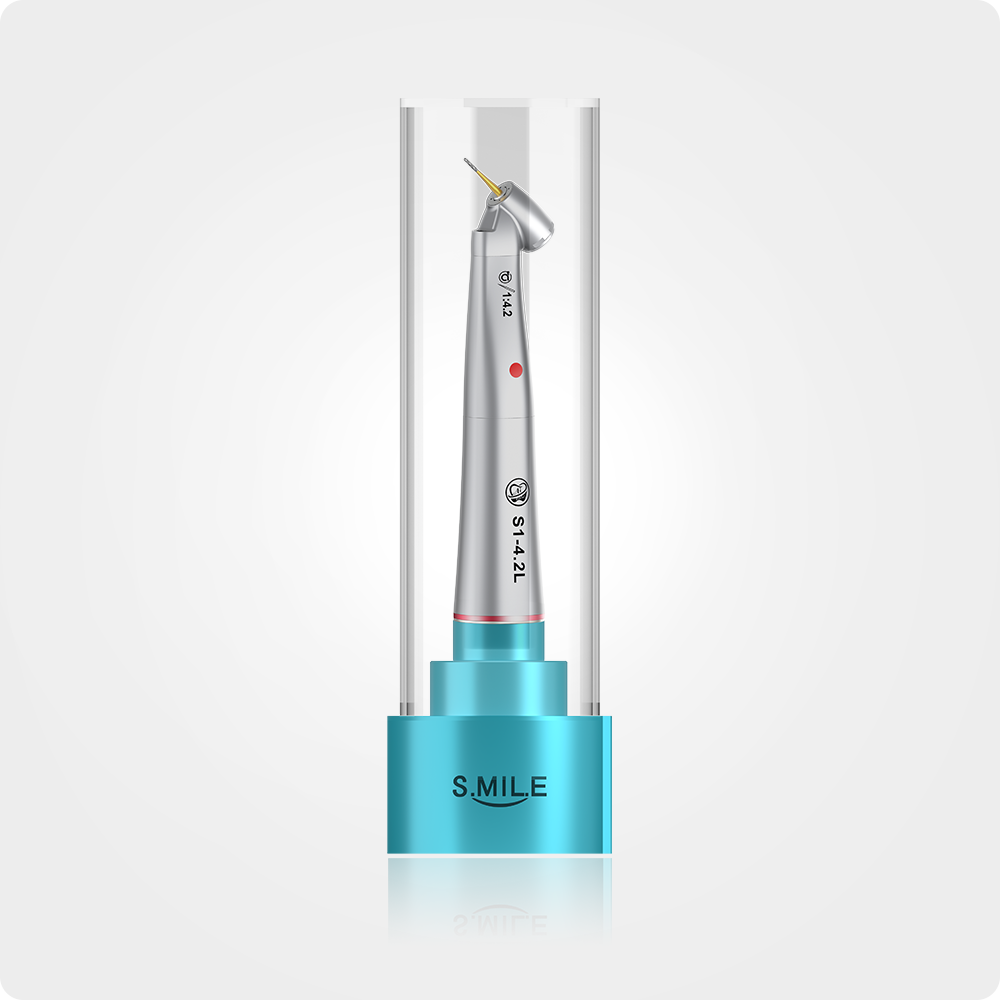
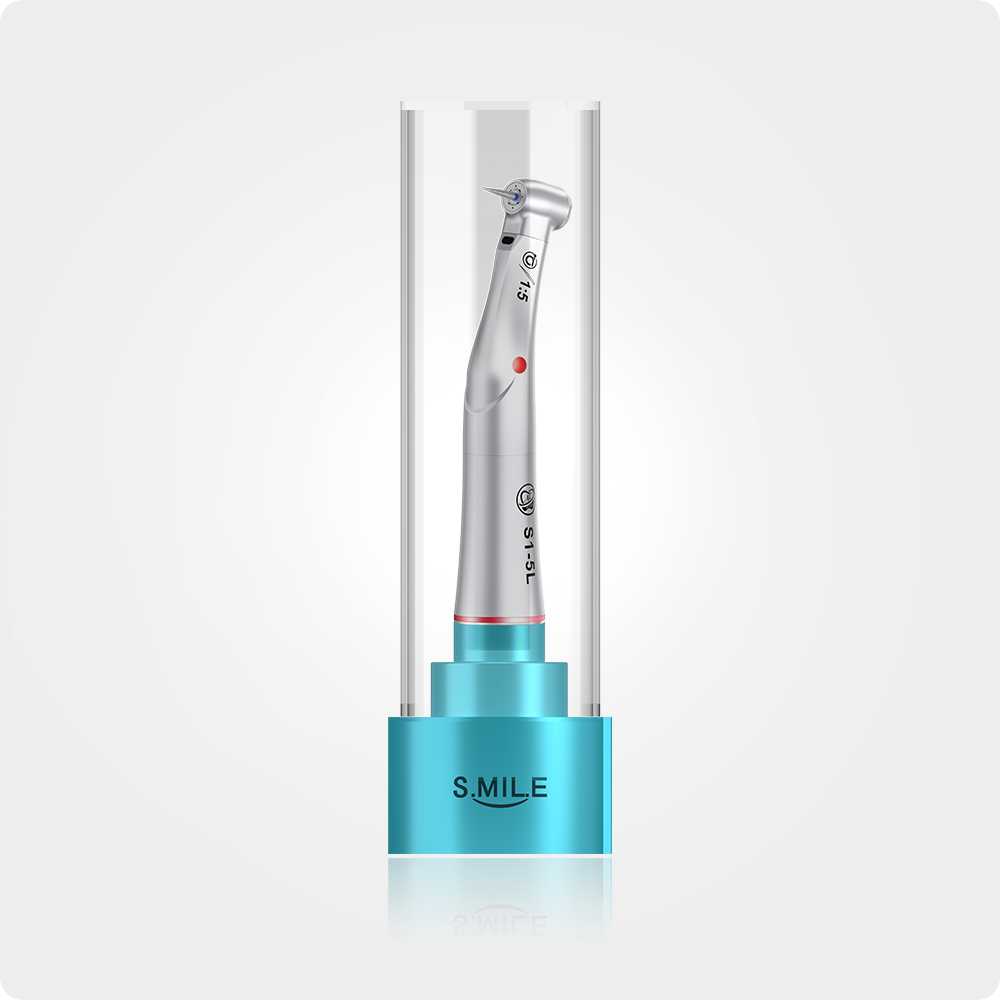
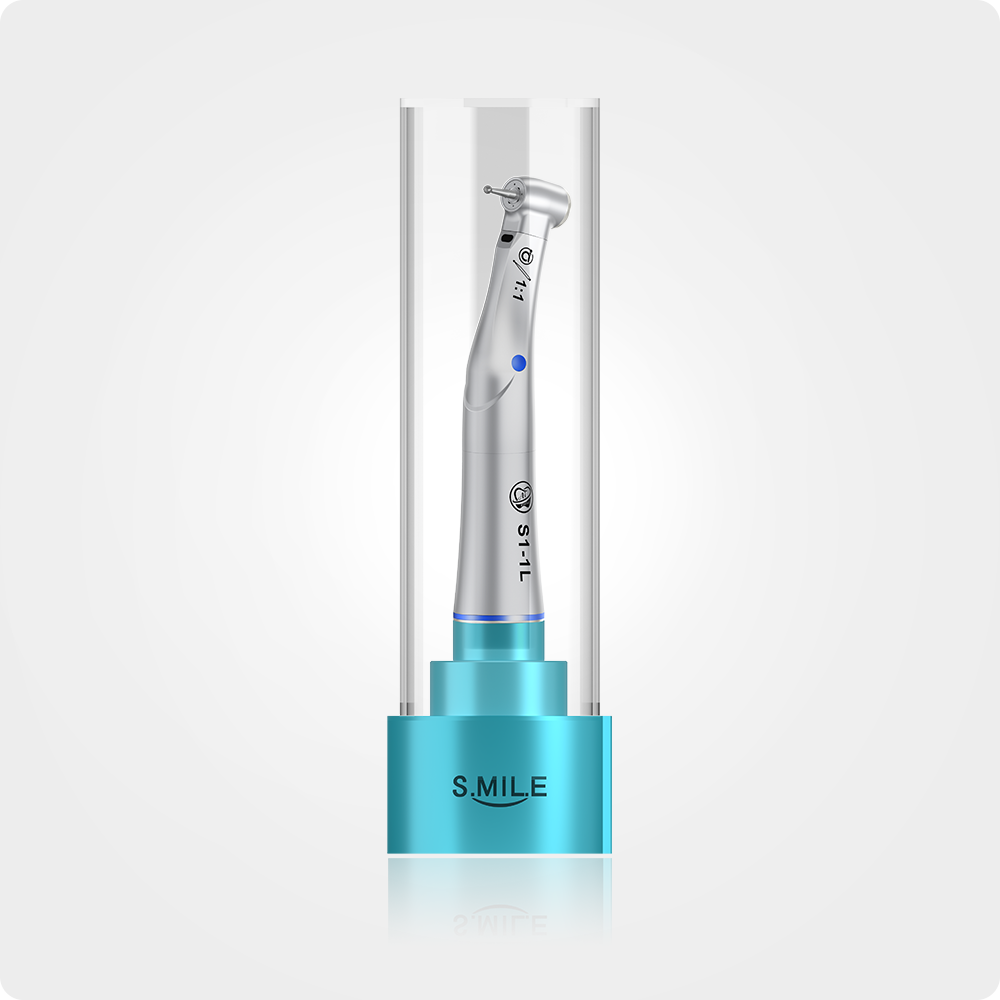
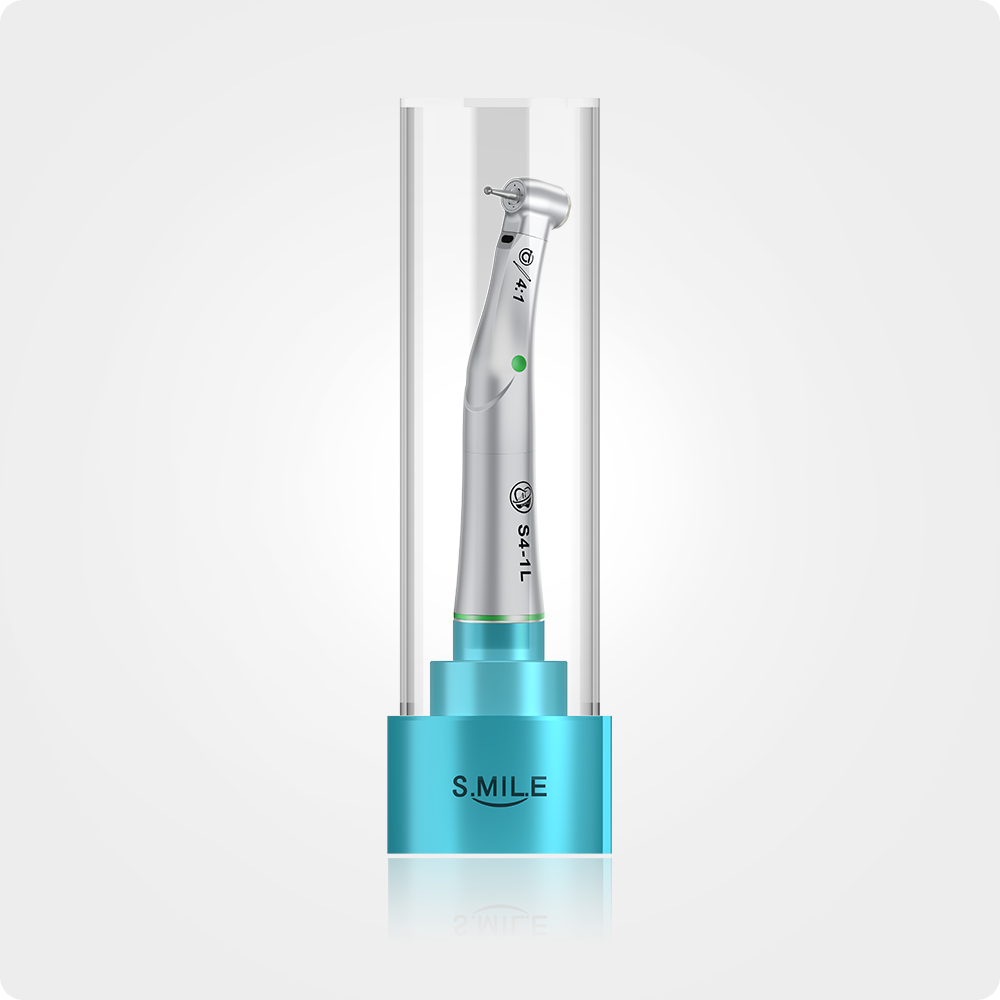
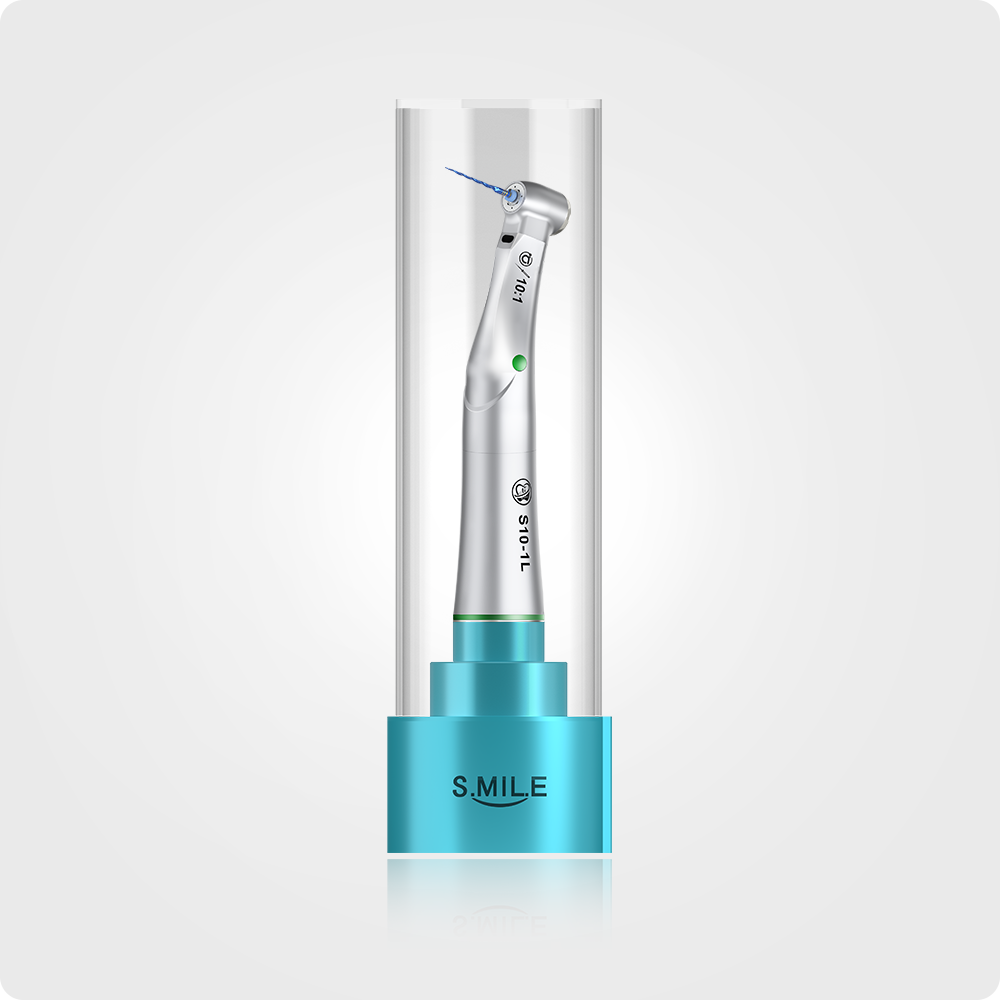
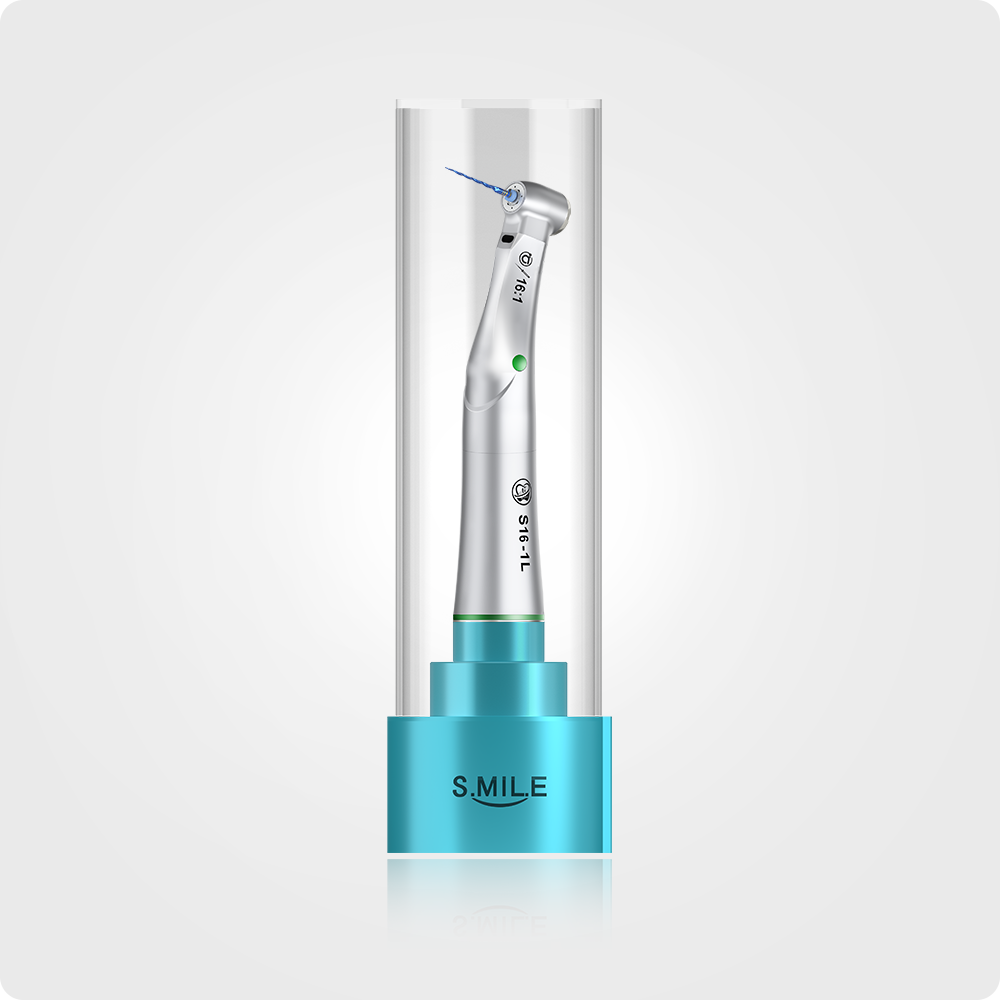
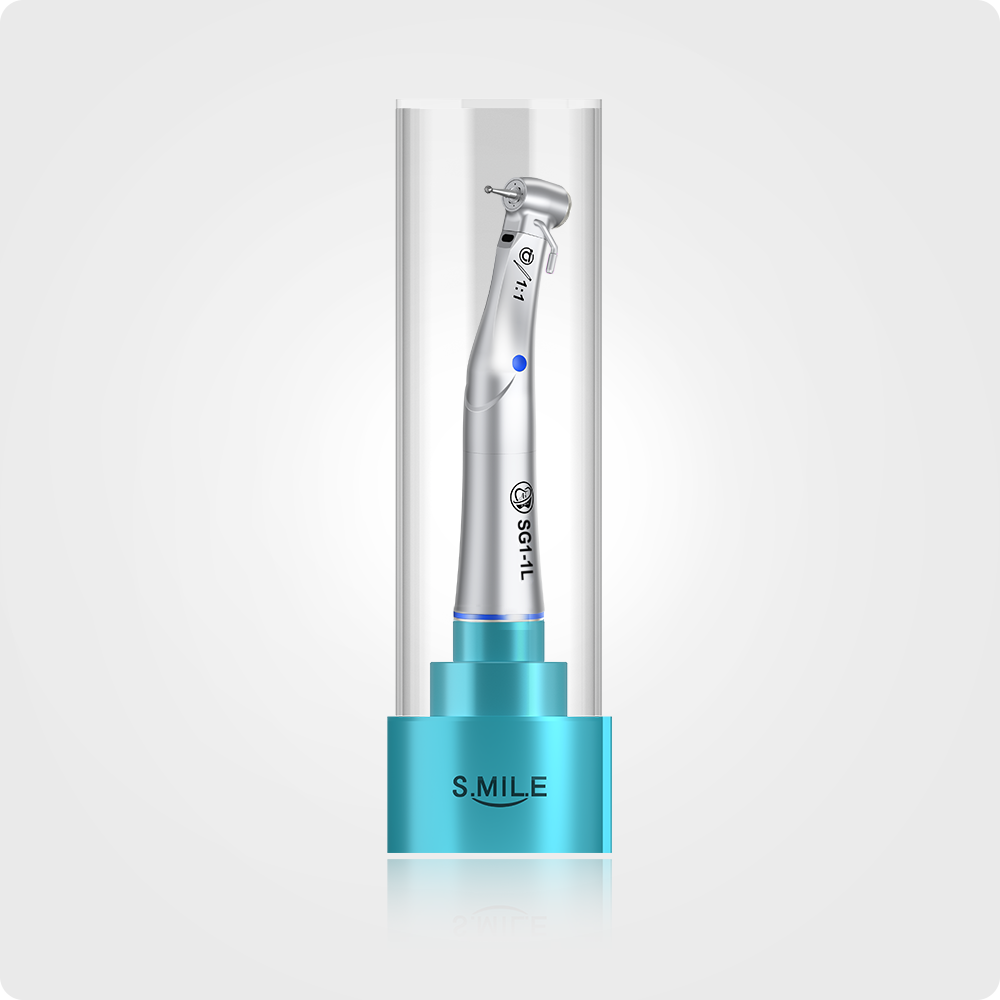
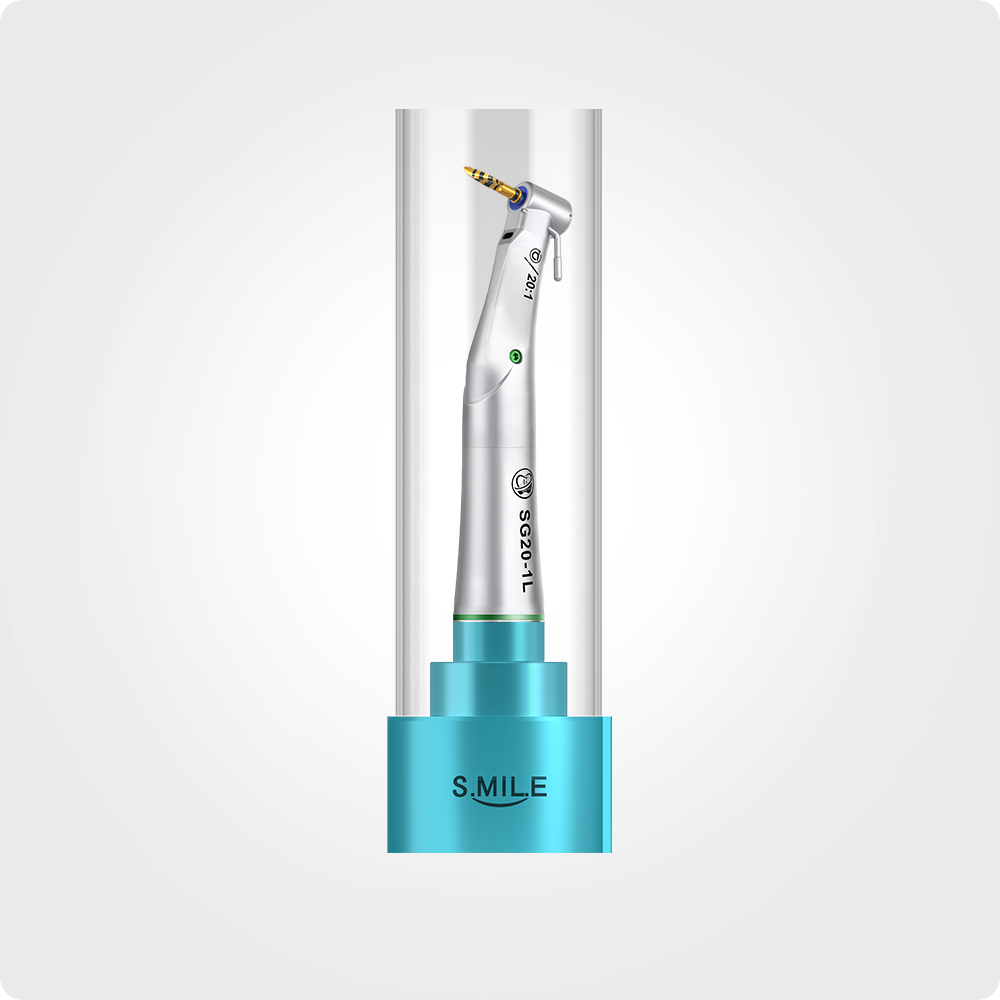
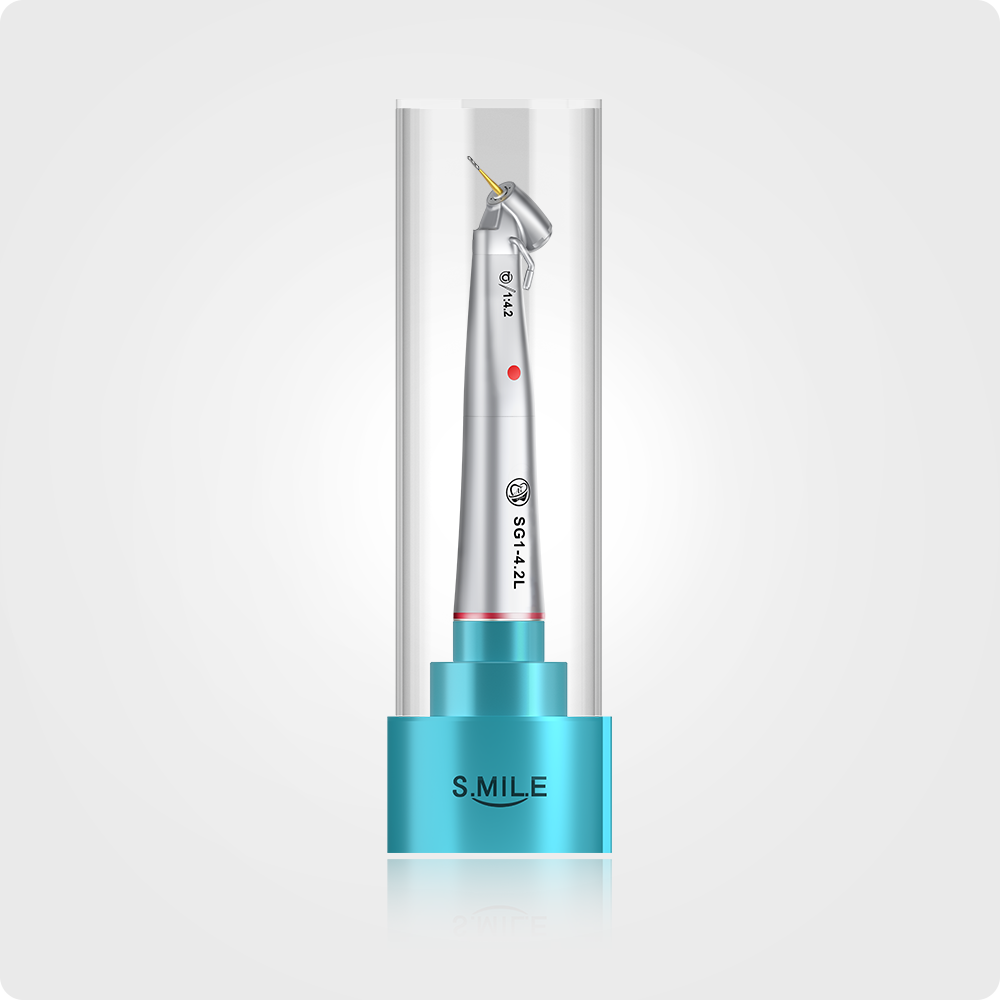
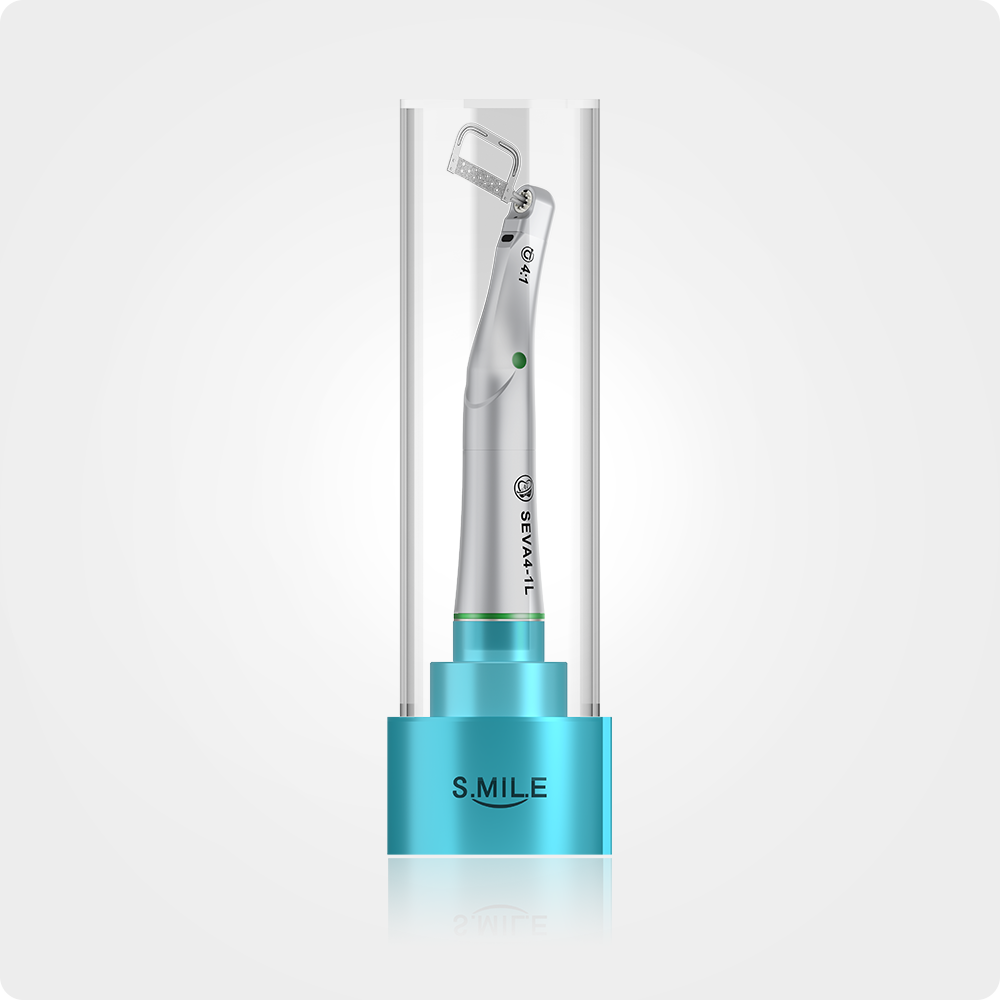
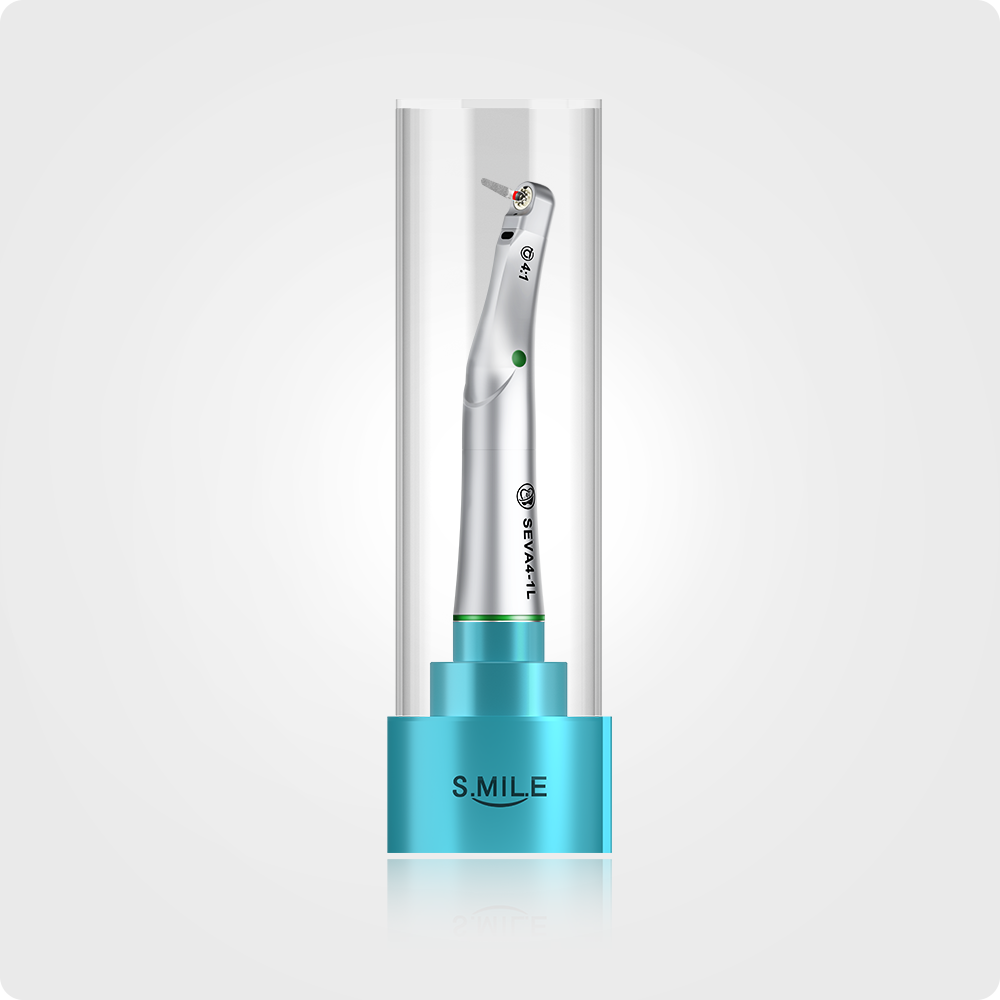
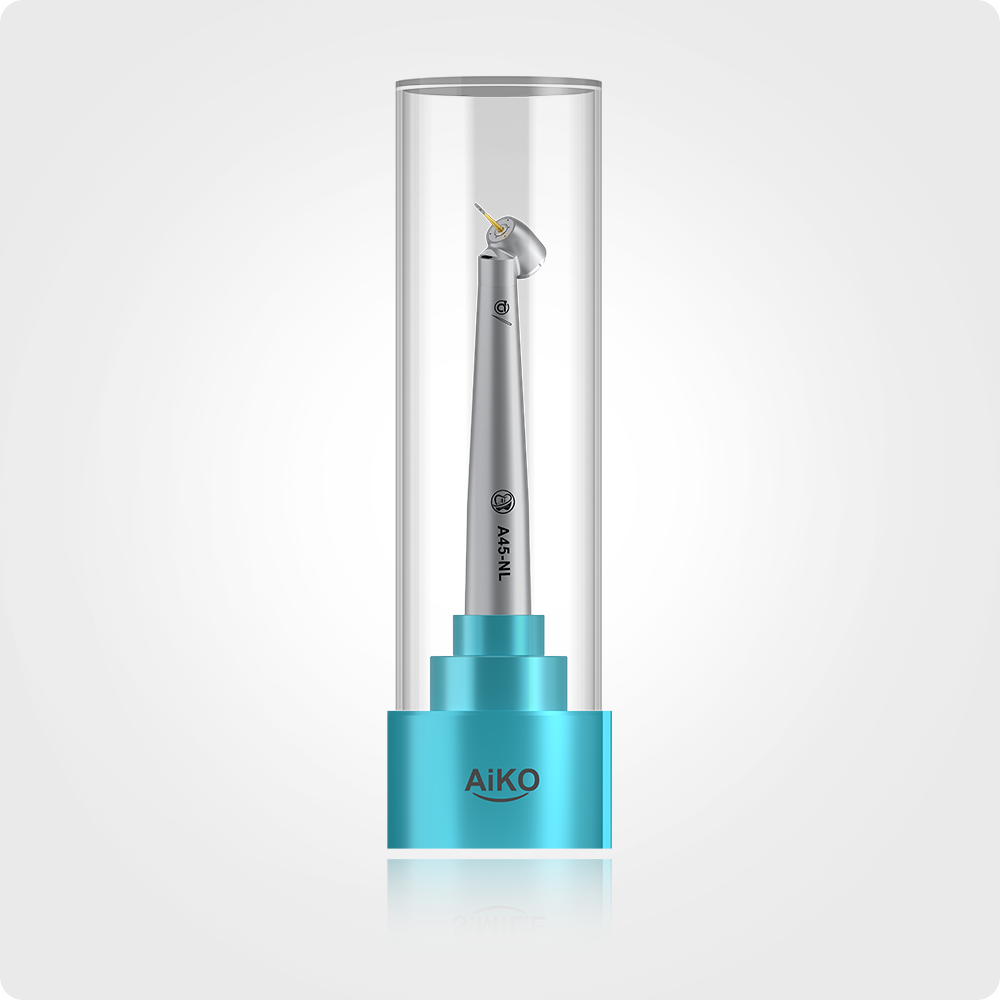
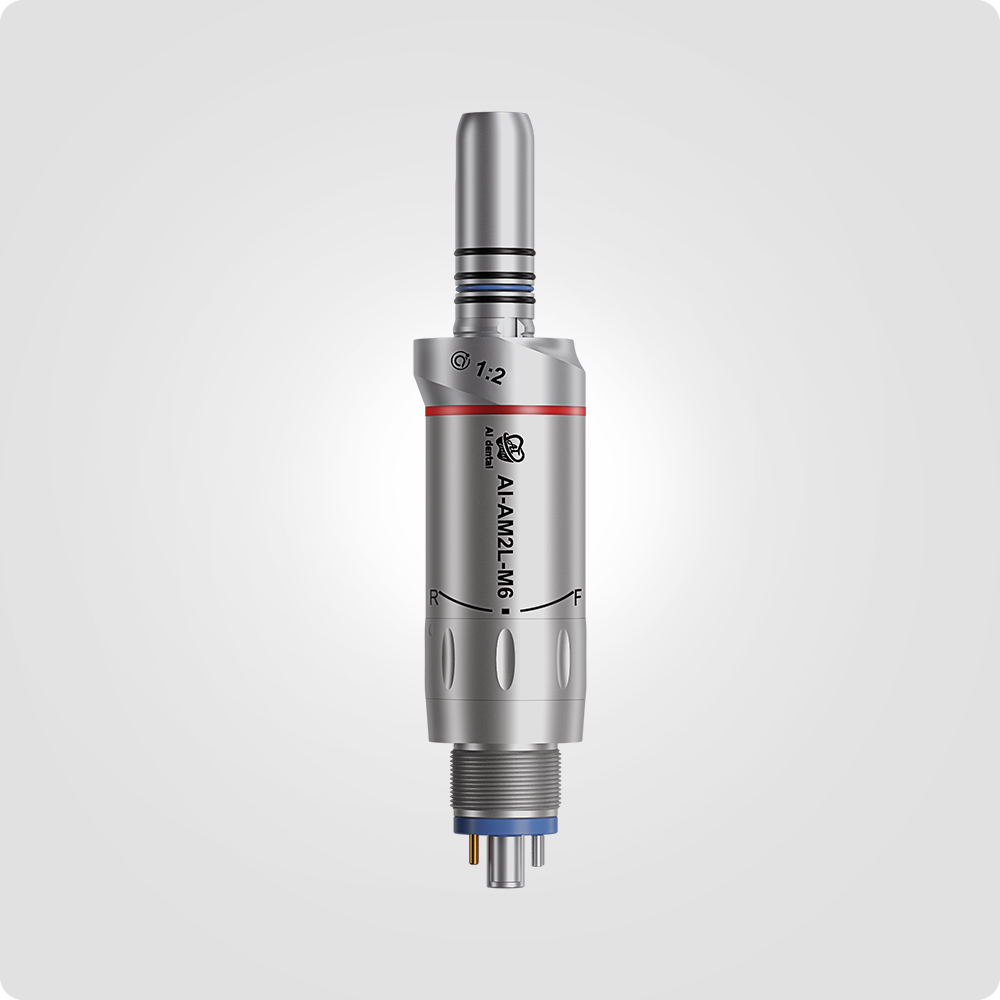
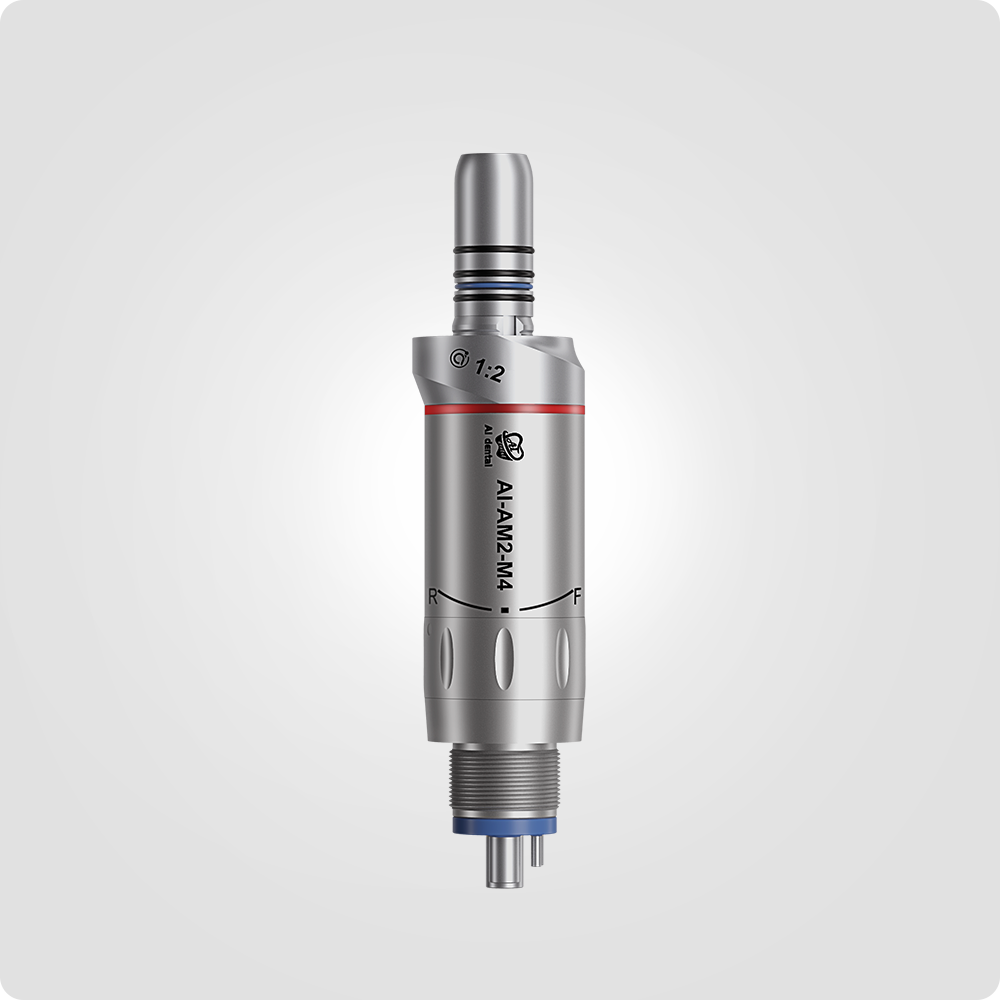
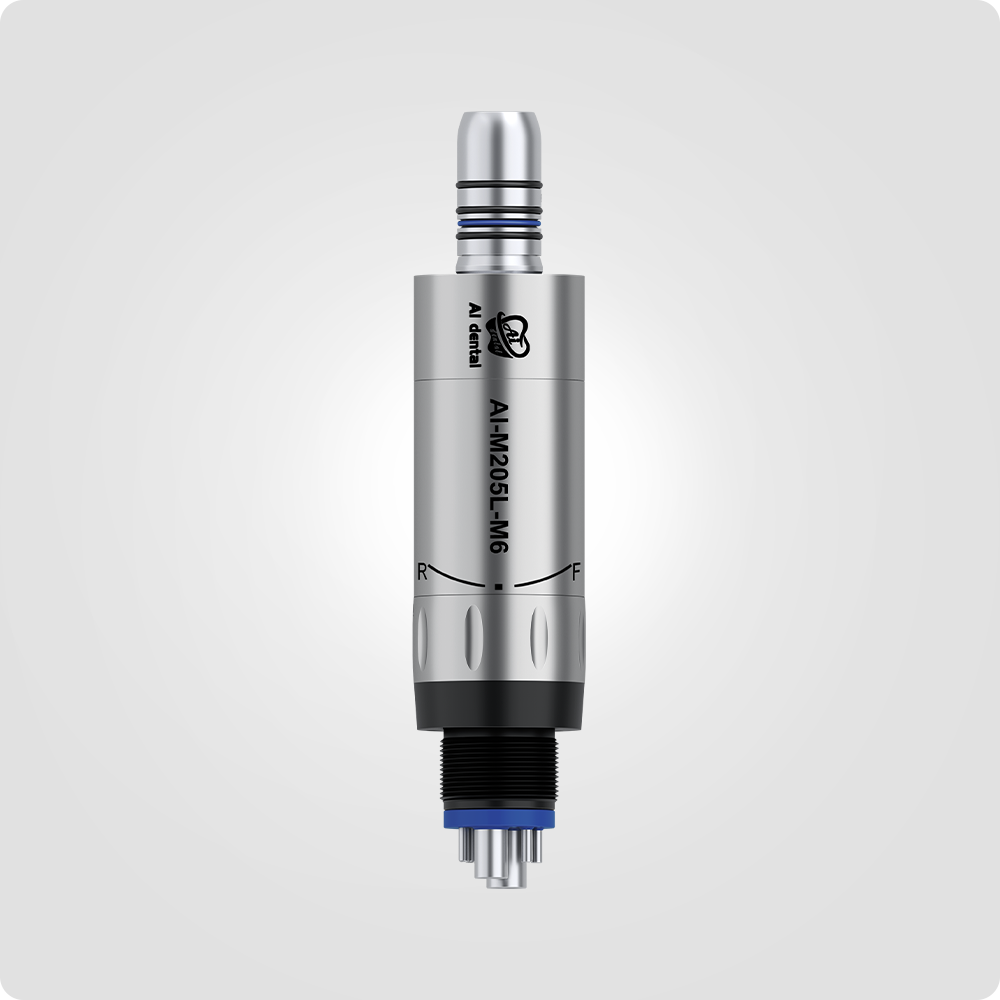
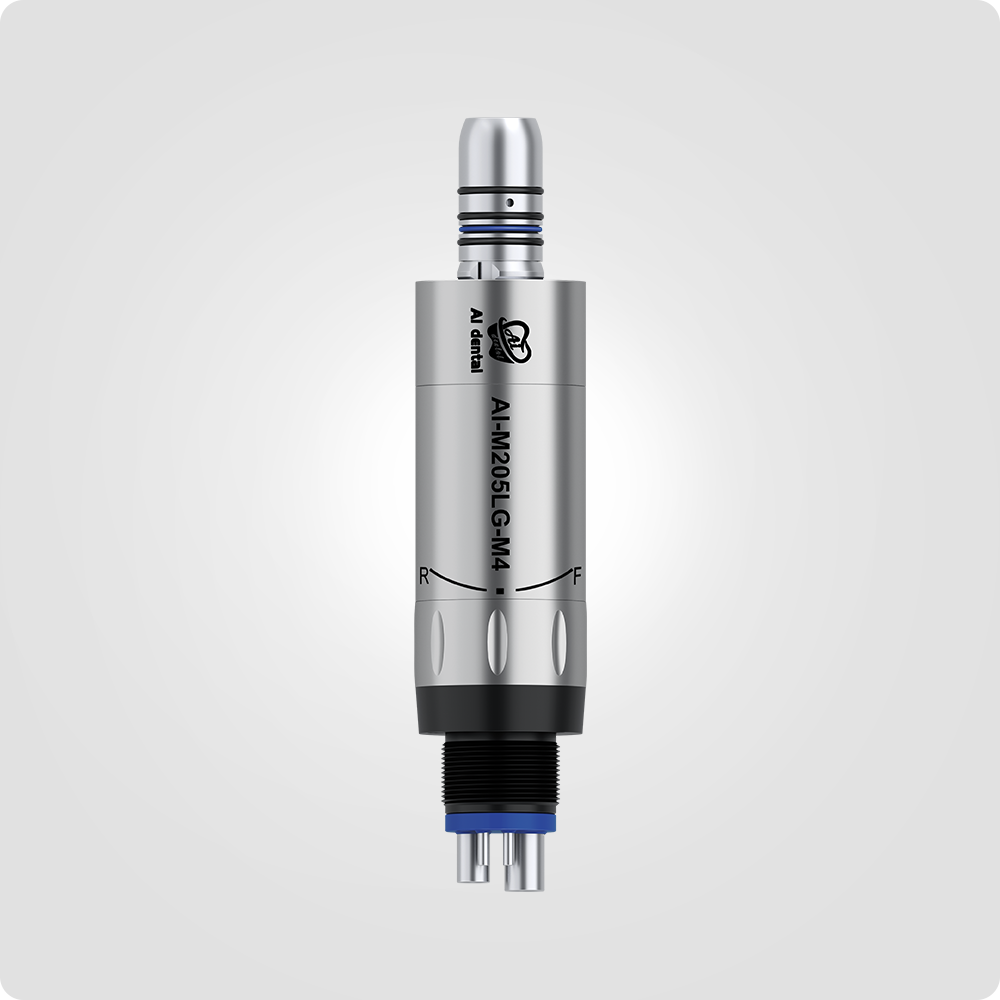
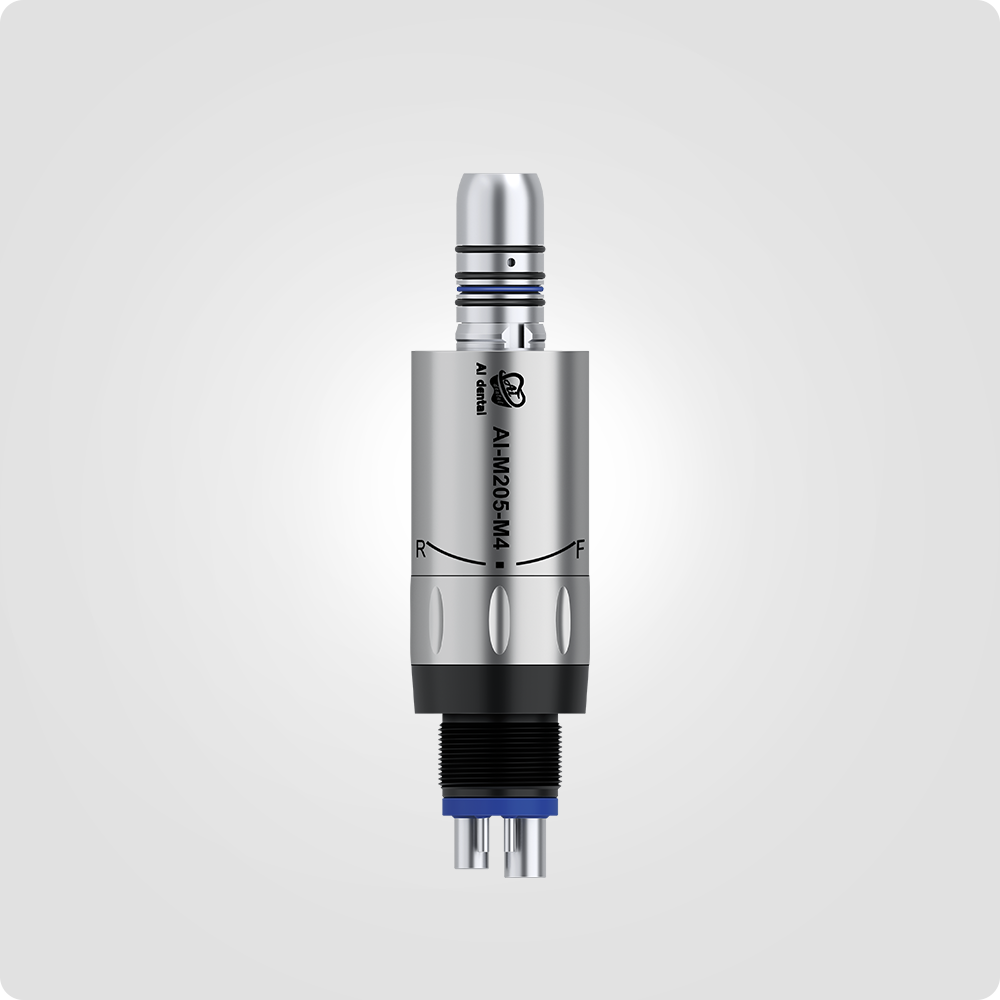
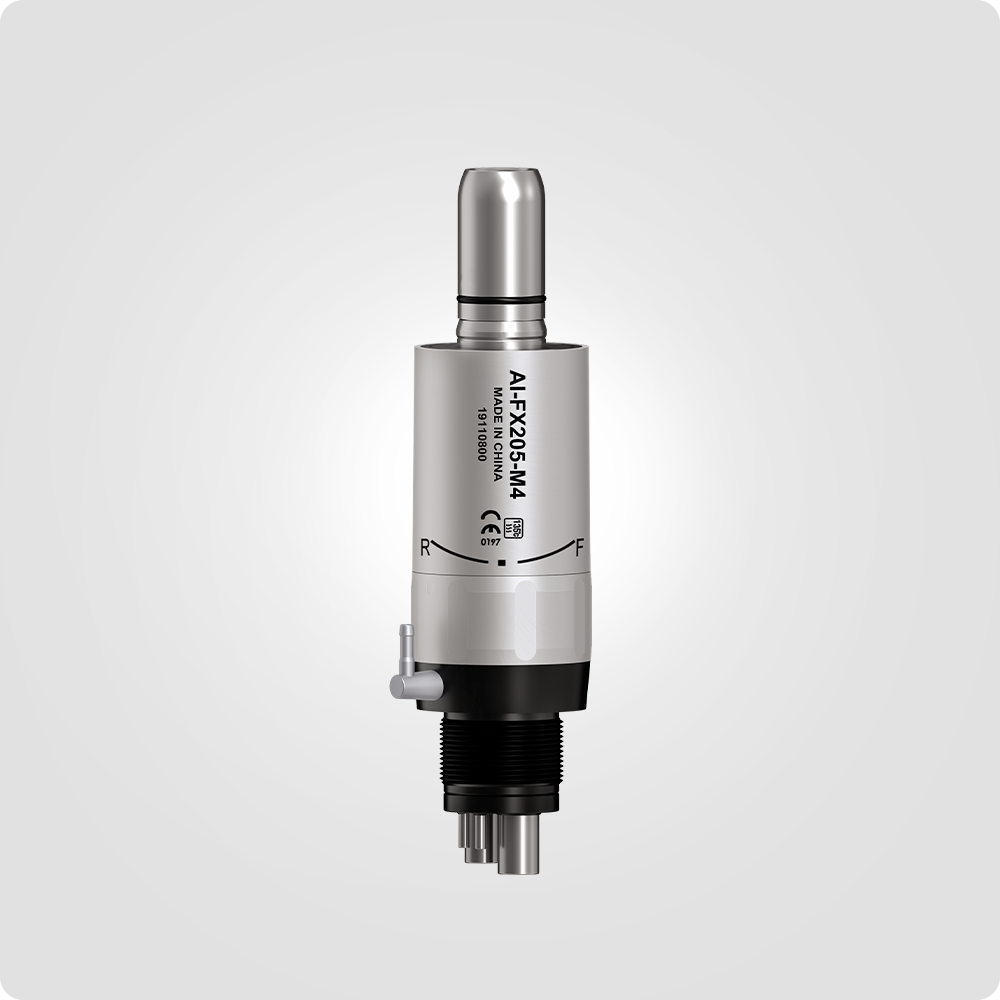
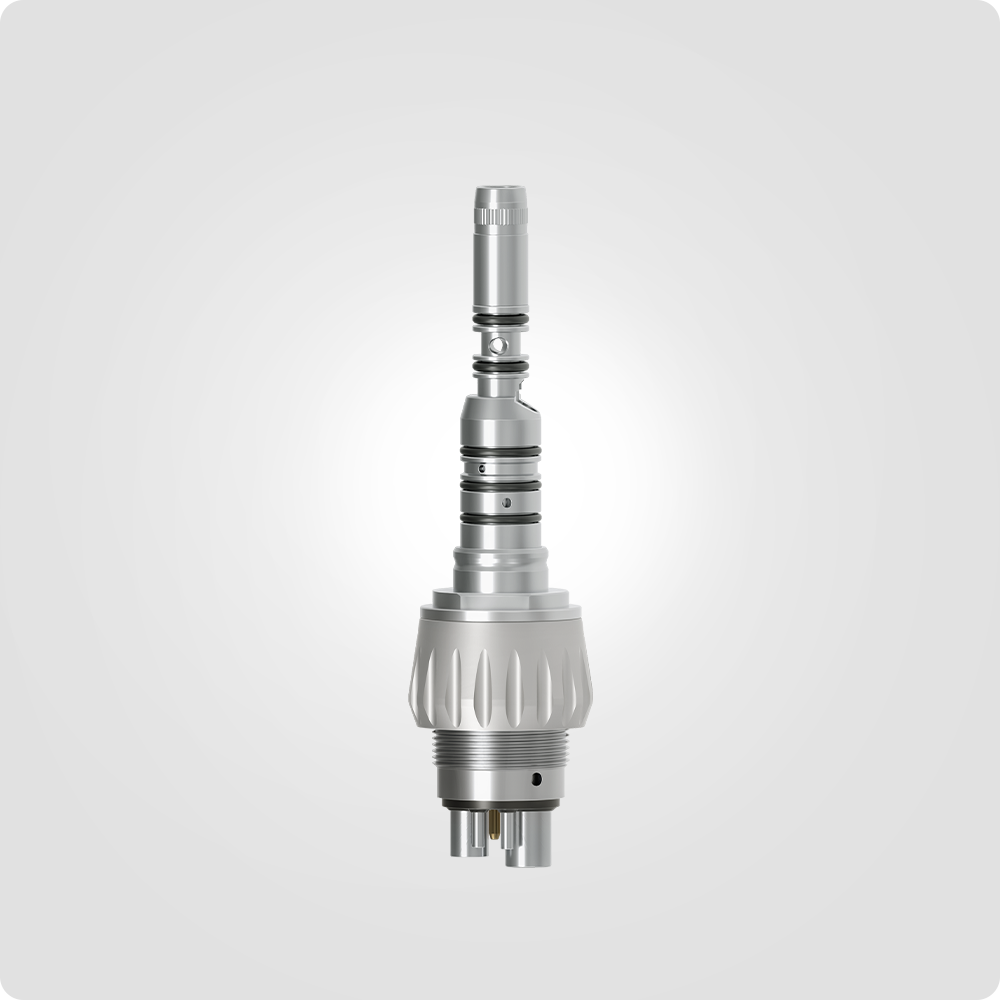
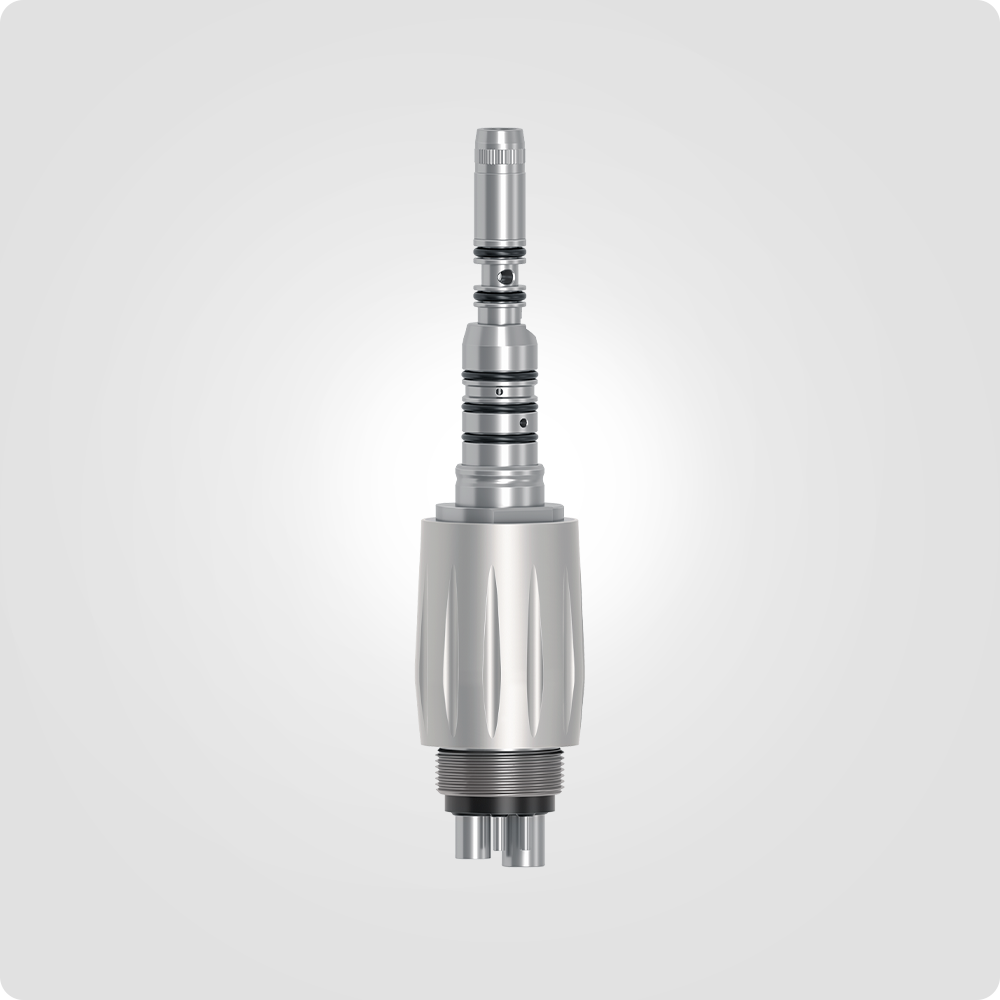
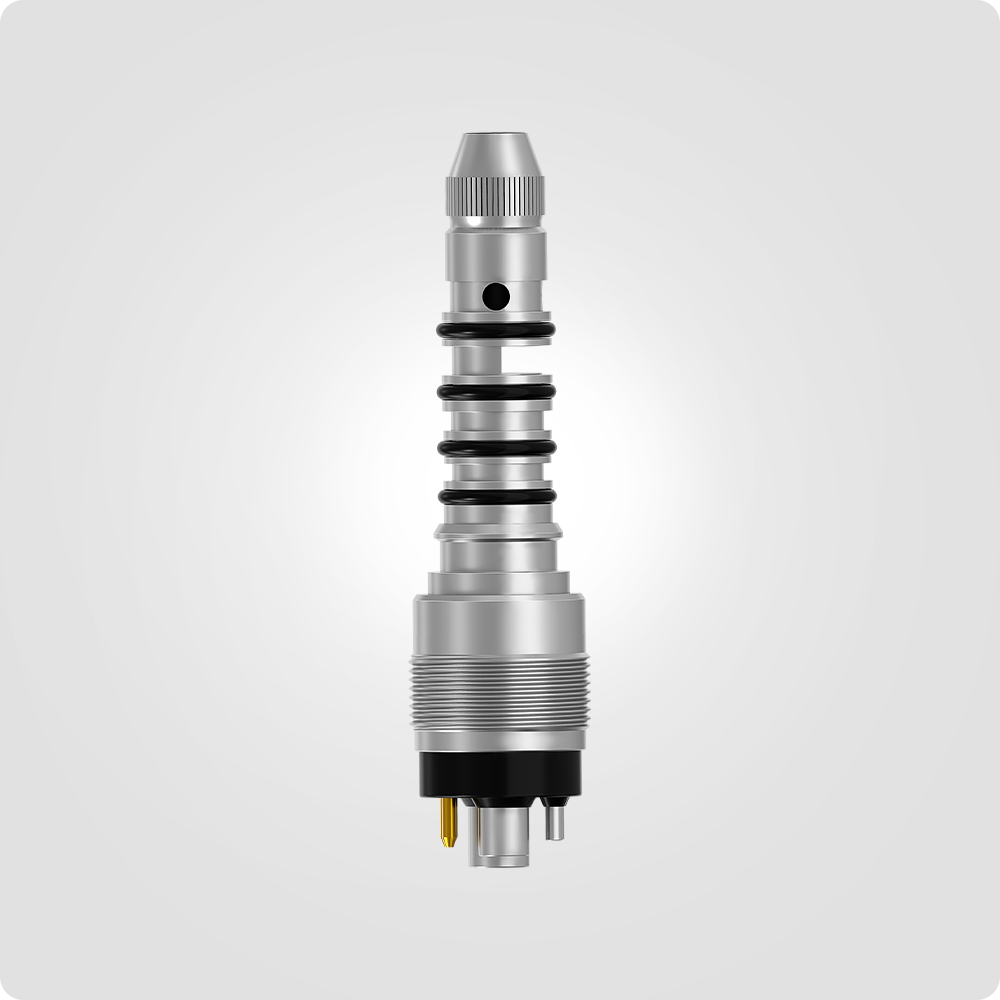
The contra angle low-speed handpiece is an indispensable tool in modern dentistry, providing practitioners with precision and control in various procedures. This instrument, characterized by its angled head and low-speed operation, is designed for specific tasks that require careful handling, such as cavity preparation, polishing, and endodontic treatments. Understanding its features and applications can significantly benefit dental professionals seeking to enhance their clinical capabilities.
One of the primary advantages of the contra angle low-speed handpiece lies in its ergonomic design. The angled head allows dentists to maintain a comfortable wrist position while accessing hard-to-reach areas in the oral cavity. This is particularly important when performing intricate procedures, as it minimizes strain and enhances the overall efficiency of the dental treatment. Additionally, the low-speed operation of this handpiece enables dentists to perform delicate tasks without the risk of damaging tooth structure or surrounding soft tissue.
Moreover, contra angle low-speed handpieces are compatible with various attachments, such as burs and polishing tools, making them versatile instruments in the dental operatory. This adaptability enables practitioners to switch between different tasks seamlessly, whether they are preparing a tooth for restoration or finishing a procedure with a polish. Furthermore, the use of this handpiece allows for better tactile feedback, which is crucial for accurate and precise work.
In terms of maintenance, contra angle low-speed handpieces require regular cleaning and sterilization to ensure optimal performance and longevity. Dental professionals should adhere to manufacturer guidelines regarding cleaning protocols and lubrication to prevent wear and tear. Proper maintenance not only extends the life of the instrument but also ensures patient safety by reducing the risk of cross-contamination.
Another important aspect to consider is the noise level associated with low-speed handpieces. Unlike high-speed handpieces, which can generate significant noise and vibrations, contra angle low-speed handpieces operate quietly. This feature can enhance the patient experience, as many individuals may feel anxious or uncomfortable with loud dental equipment. A quieter environment can contribute to a more relaxed atmosphere, fostering trust and cooperation during dental procedures.
In conclusion, the contra angle low-speed handpiece is a vital instrument for dental practitioners, offering numerous benefits that enhance both clinical efficiency and patient comfort. Its ergonomic design, versatility, and low-noise operation make it ideal for a variety of applications in dentistry. By incorporating this tool into their practice, dental professionals can improve the quality of care provided to their patients, ultimately leading to better treatment outcomes and higher patient satisfaction. Understanding the functionality and proper use of contra angle low-speed handpieces is essential for any dental professional aiming to excel in their field.
One of the primary advantages of the contra angle low-speed handpiece lies in its ergonomic design. The angled head allows dentists to maintain a comfortable wrist position while accessing hard-to-reach areas in the oral cavity. This is particularly important when performing intricate procedures, as it minimizes strain and enhances the overall efficiency of the dental treatment. Additionally, the low-speed operation of this handpiece enables dentists to perform delicate tasks without the risk of damaging tooth structure or surrounding soft tissue.
Moreover, contra angle low-speed handpieces are compatible with various attachments, such as burs and polishing tools, making them versatile instruments in the dental operatory. This adaptability enables practitioners to switch between different tasks seamlessly, whether they are preparing a tooth for restoration or finishing a procedure with a polish. Furthermore, the use of this handpiece allows for better tactile feedback, which is crucial for accurate and precise work.
In terms of maintenance, contra angle low-speed handpieces require regular cleaning and sterilization to ensure optimal performance and longevity. Dental professionals should adhere to manufacturer guidelines regarding cleaning protocols and lubrication to prevent wear and tear. Proper maintenance not only extends the life of the instrument but also ensures patient safety by reducing the risk of cross-contamination.
Another important aspect to consider is the noise level associated with low-speed handpieces. Unlike high-speed handpieces, which can generate significant noise and vibrations, contra angle low-speed handpieces operate quietly. This feature can enhance the patient experience, as many individuals may feel anxious or uncomfortable with loud dental equipment. A quieter environment can contribute to a more relaxed atmosphere, fostering trust and cooperation during dental procedures.
In conclusion, the contra angle low-speed handpiece is a vital instrument for dental practitioners, offering numerous benefits that enhance both clinical efficiency and patient comfort. Its ergonomic design, versatility, and low-noise operation make it ideal for a variety of applications in dentistry. By incorporating this tool into their practice, dental professionals can improve the quality of care provided to their patients, ultimately leading to better treatment outcomes and higher patient satisfaction. Understanding the functionality and proper use of contra angle low-speed handpieces is essential for any dental professional aiming to excel in their field.
Related News
The Future of Dentistry: How AI Dental Handpieces are Revolutionizing Oral Care
Sep 22,2026
Views ()
Choosing the Right Electric Micromotor for Your Dental Clinic: A Comprehensive Guide
Sep 20,2026
Views ()
Focus On Dental Handpieces