












Understanding the Airotor Handpiece: A Key Tool in Modern Dentistry
Sep 23,2026
Views ()

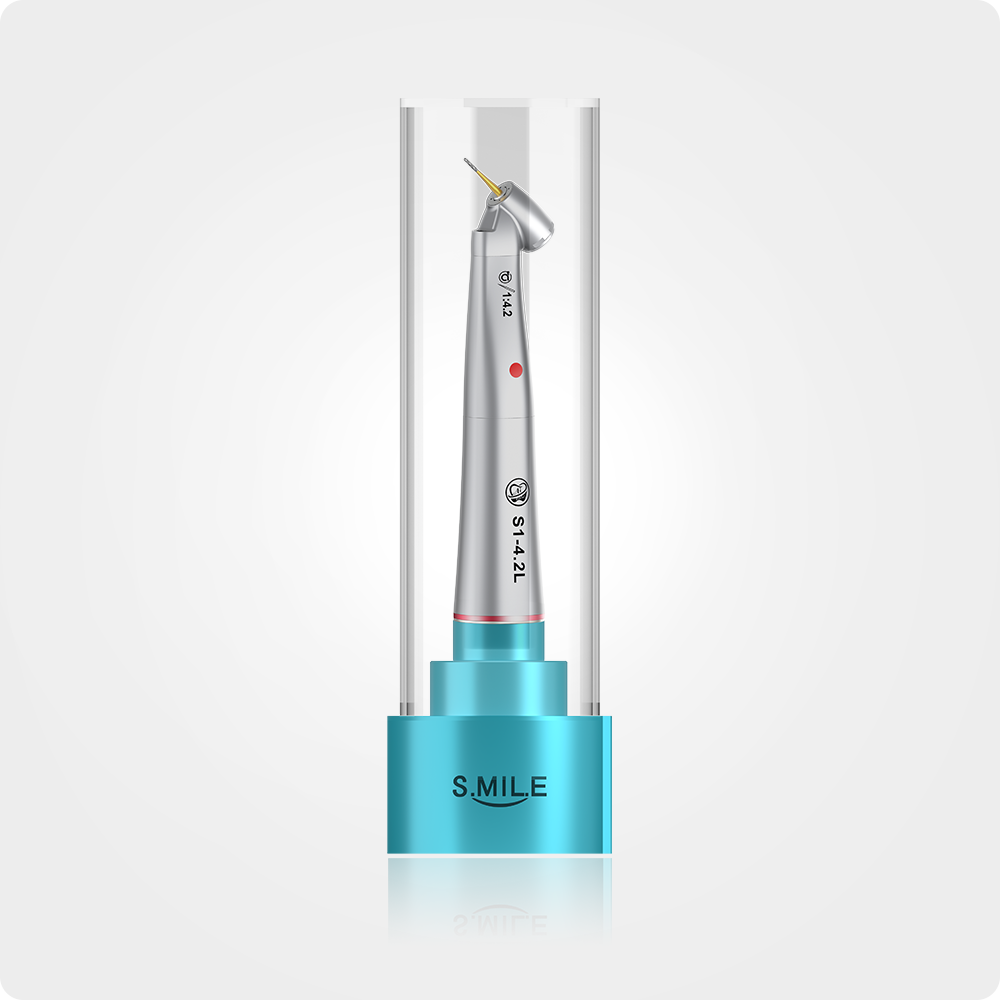
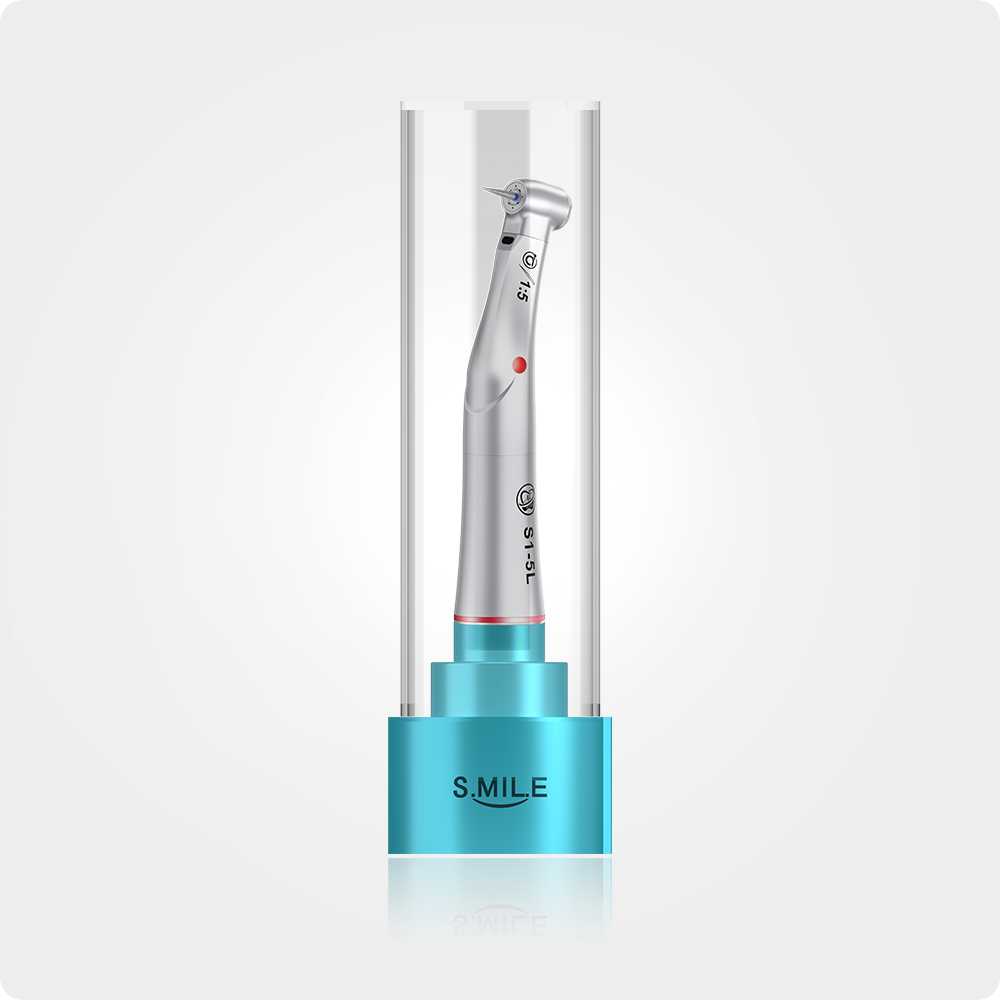
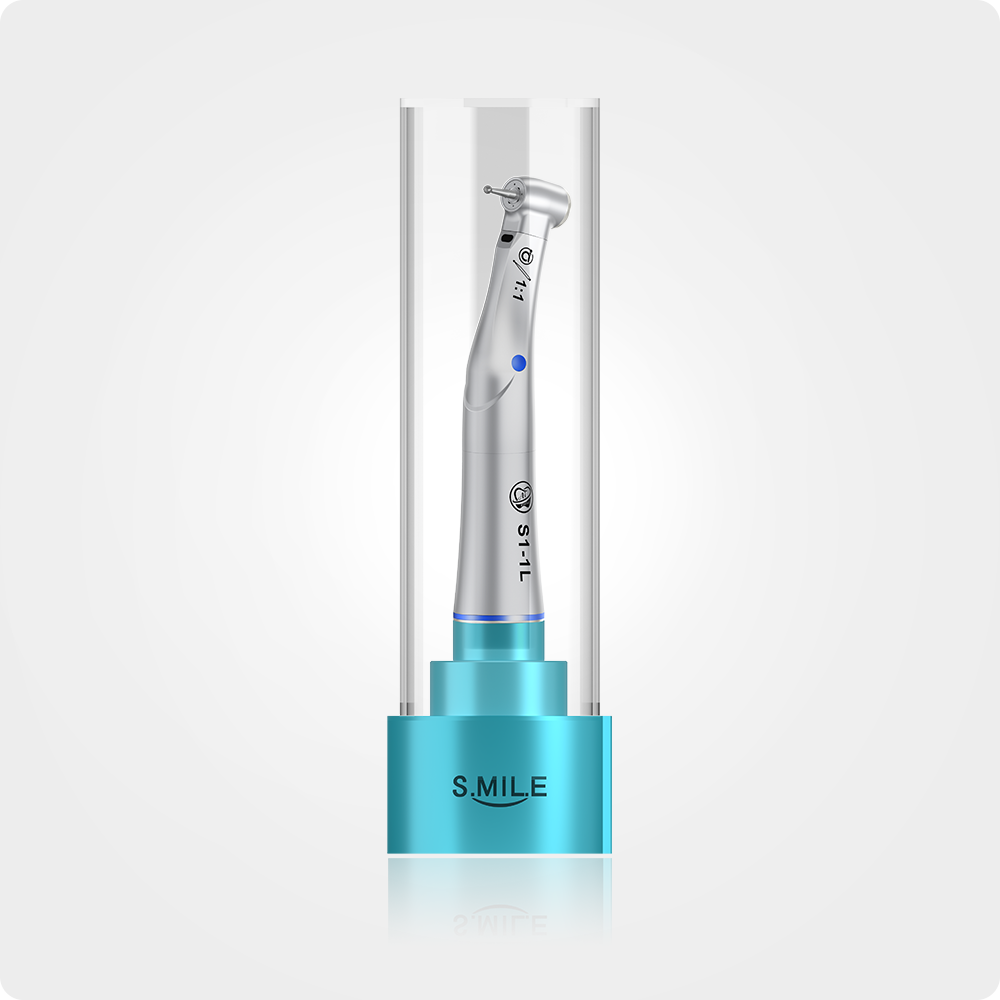
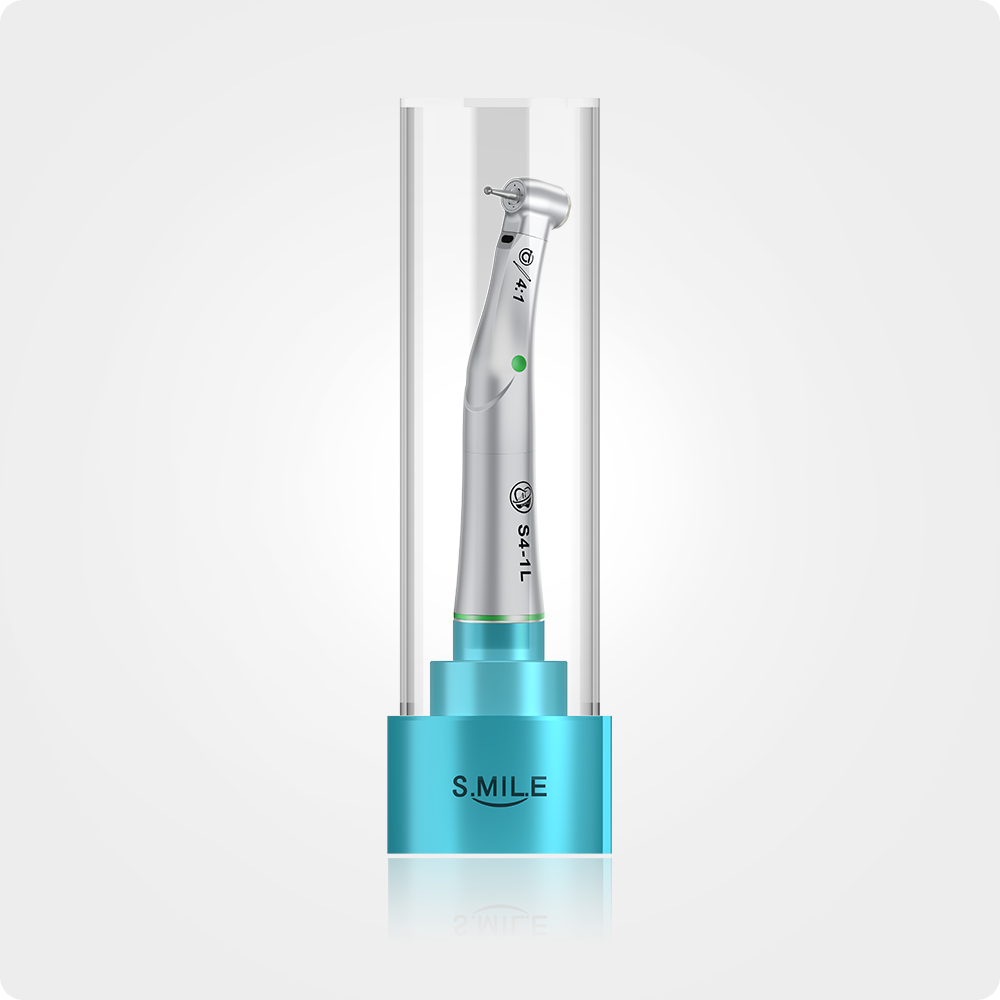
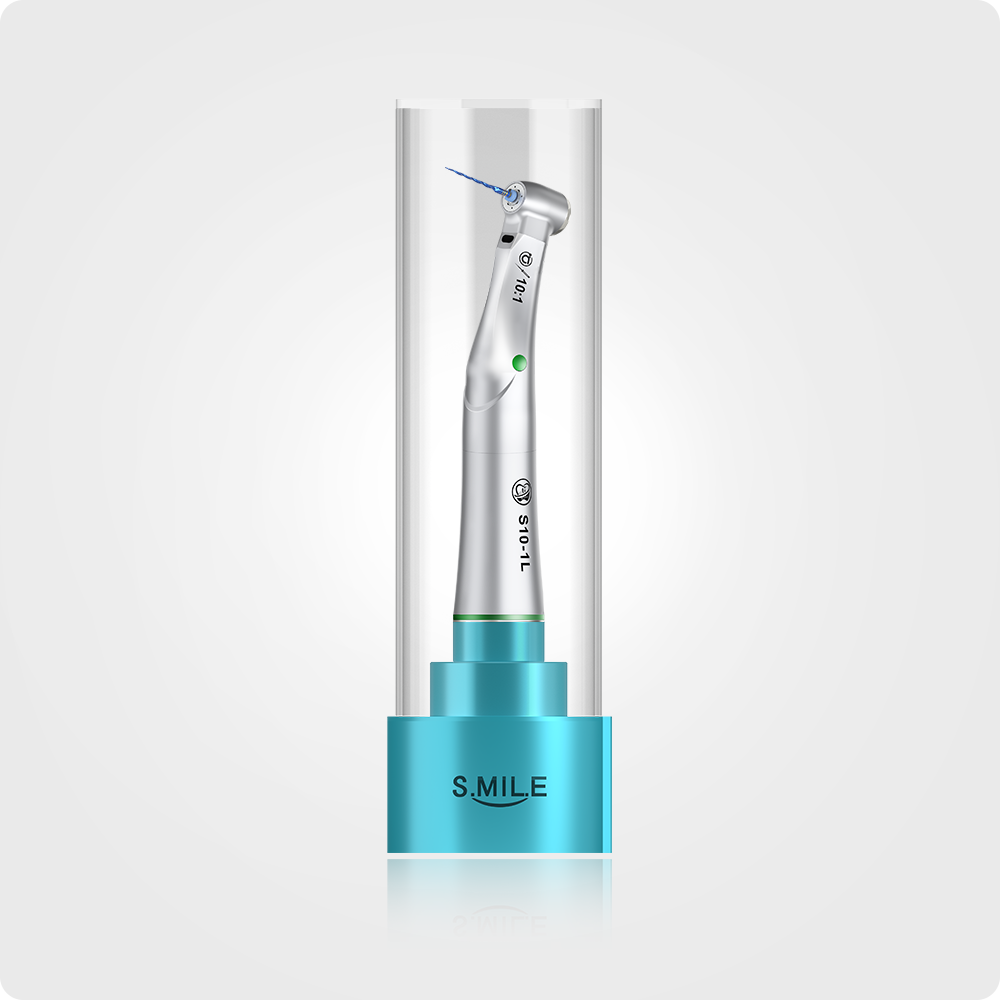
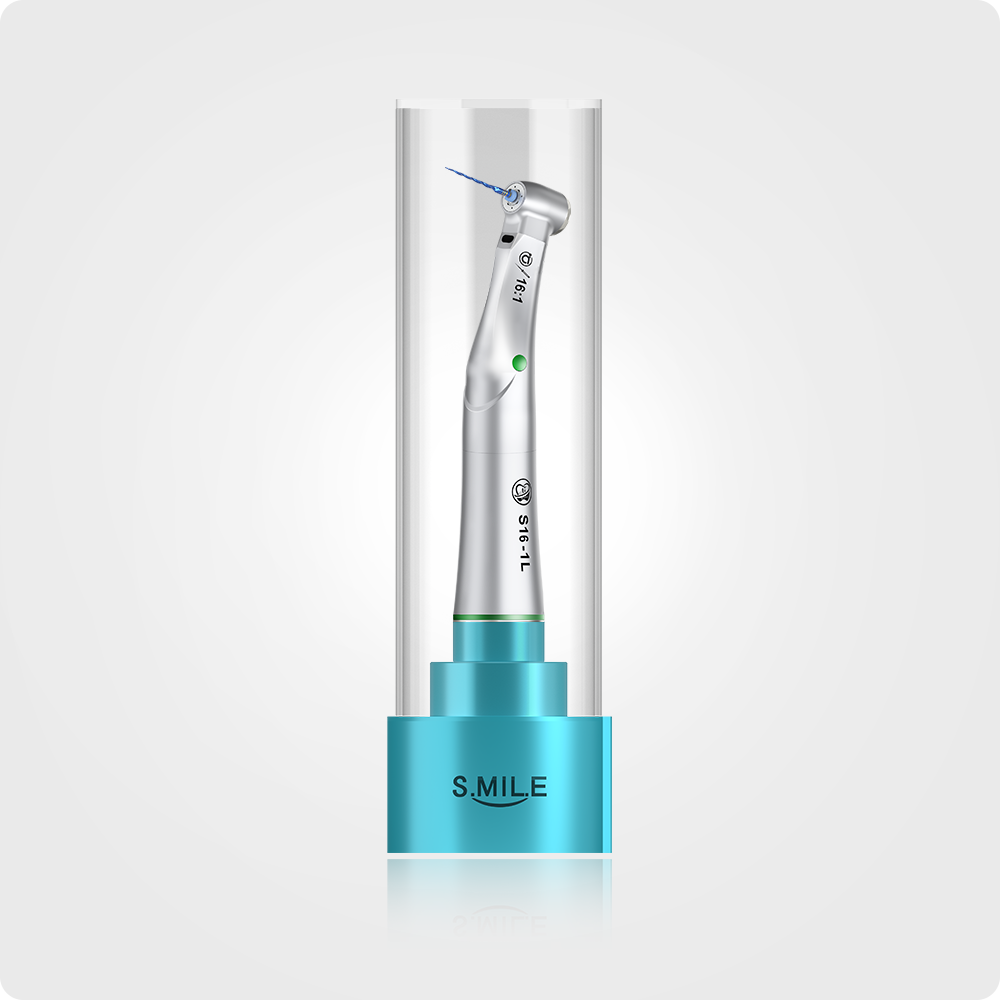
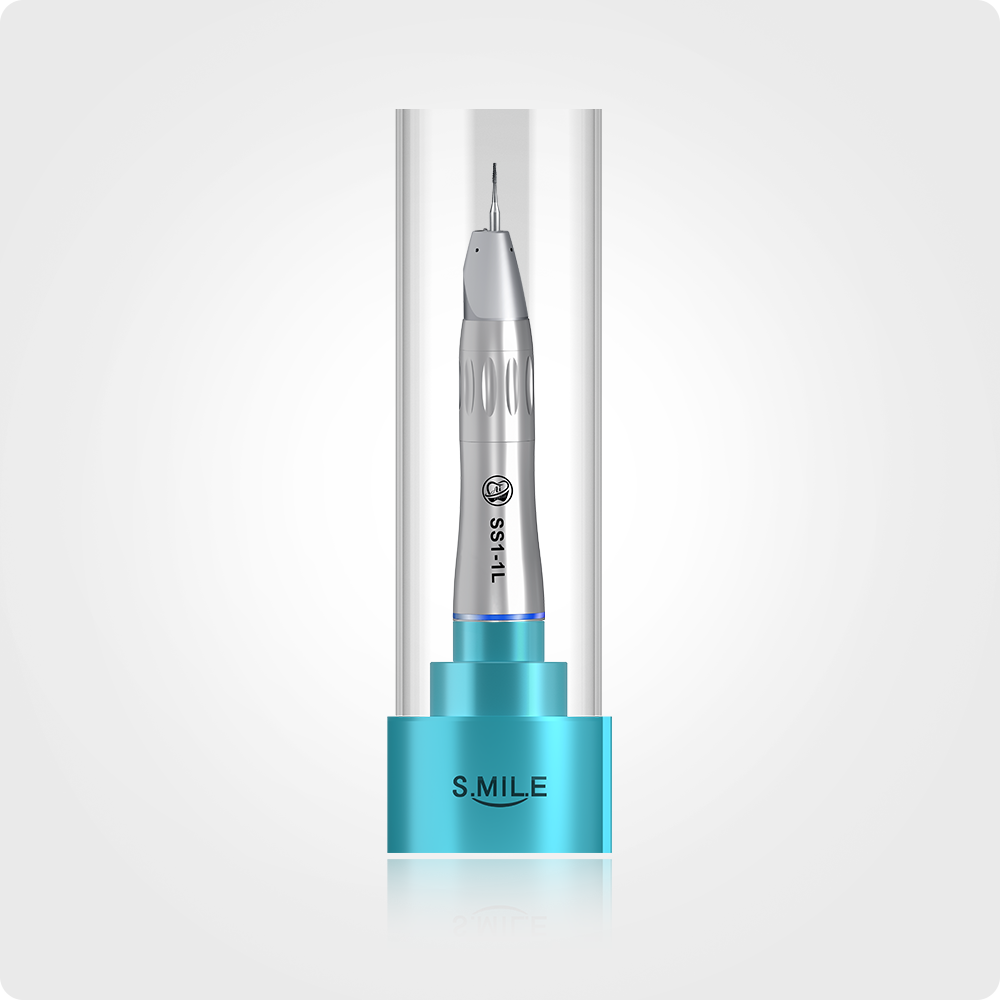
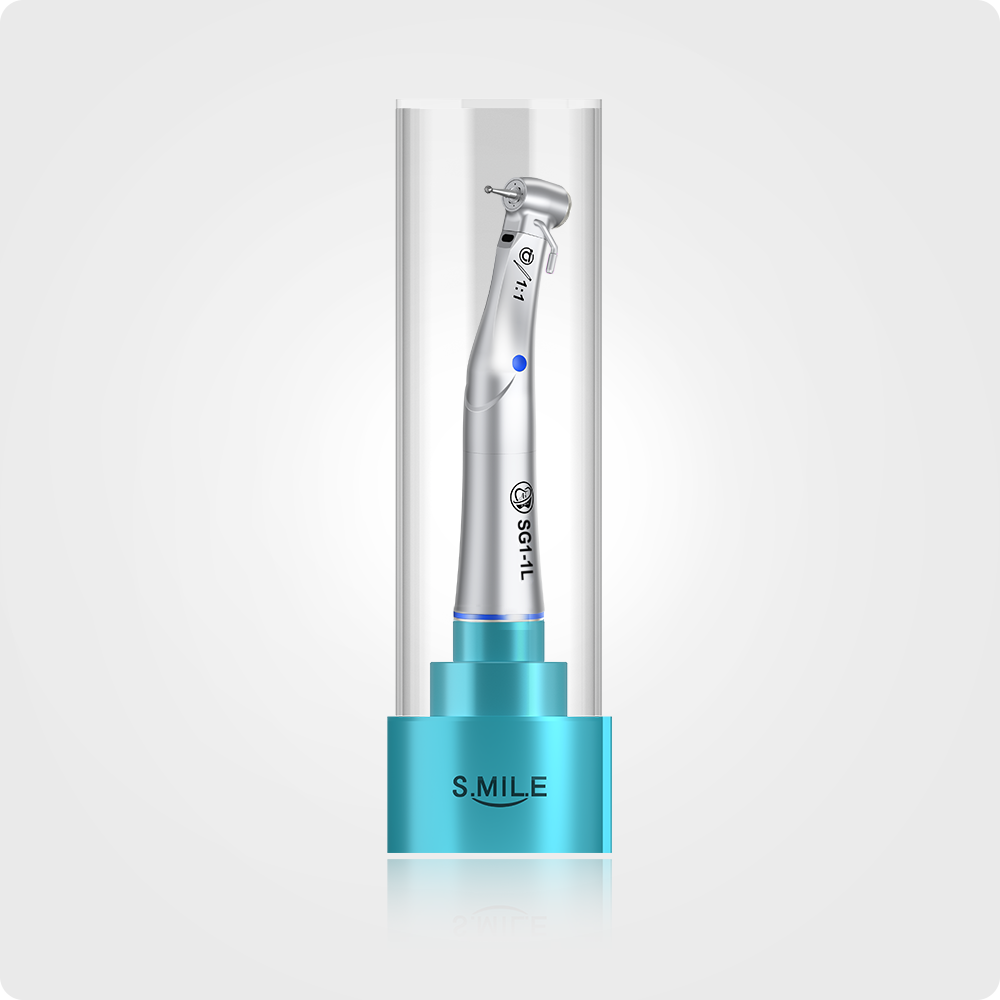
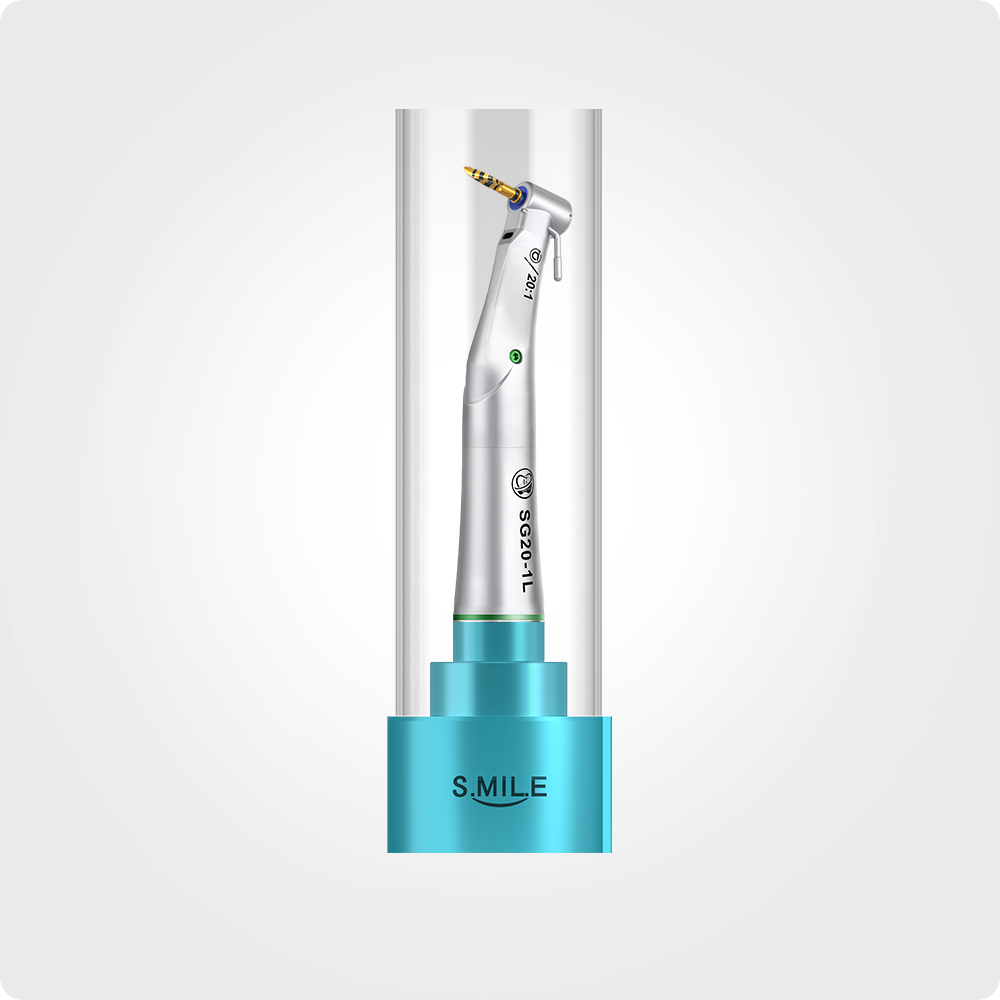
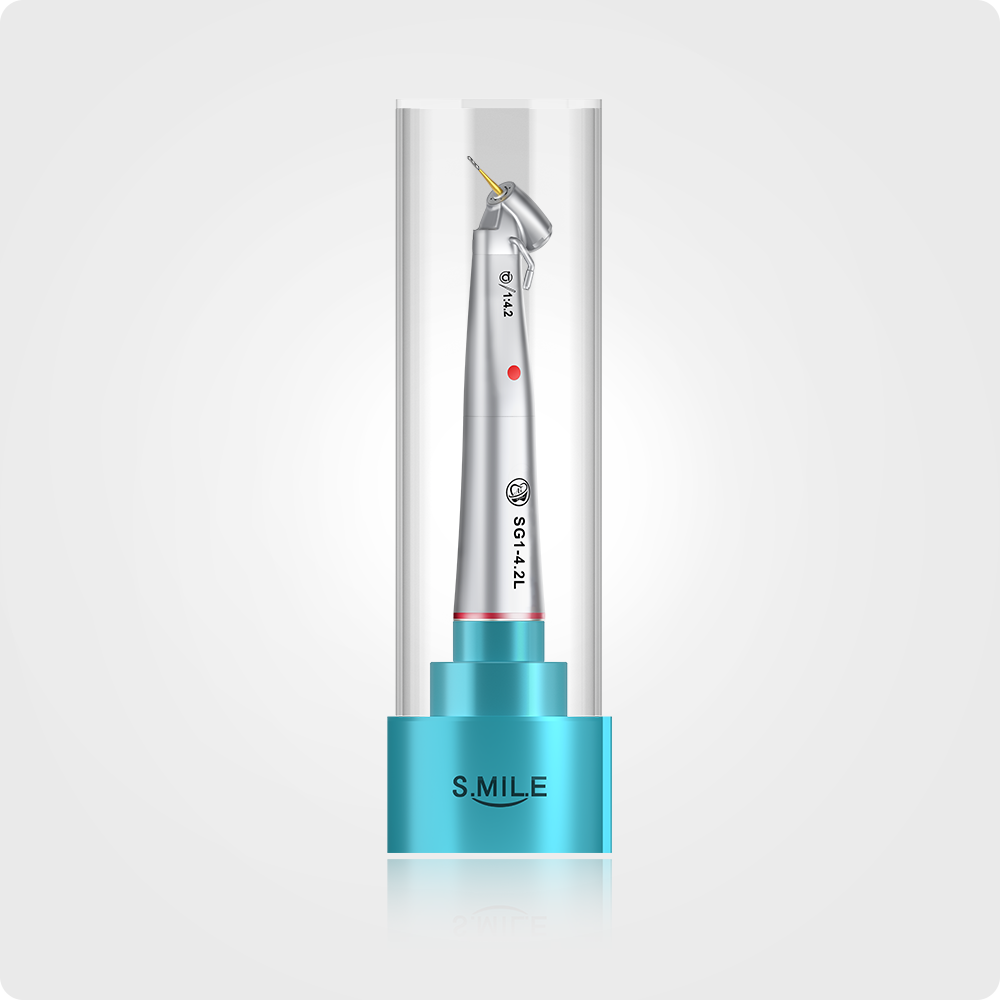
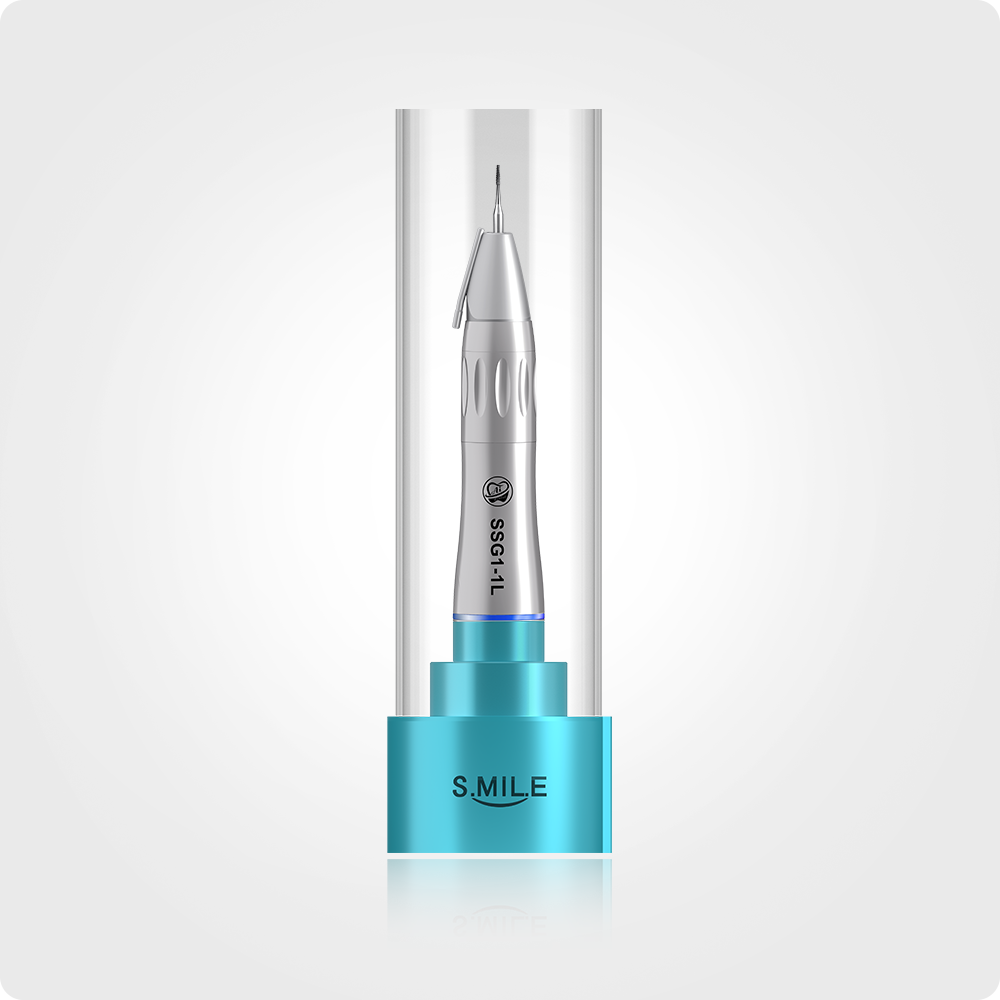
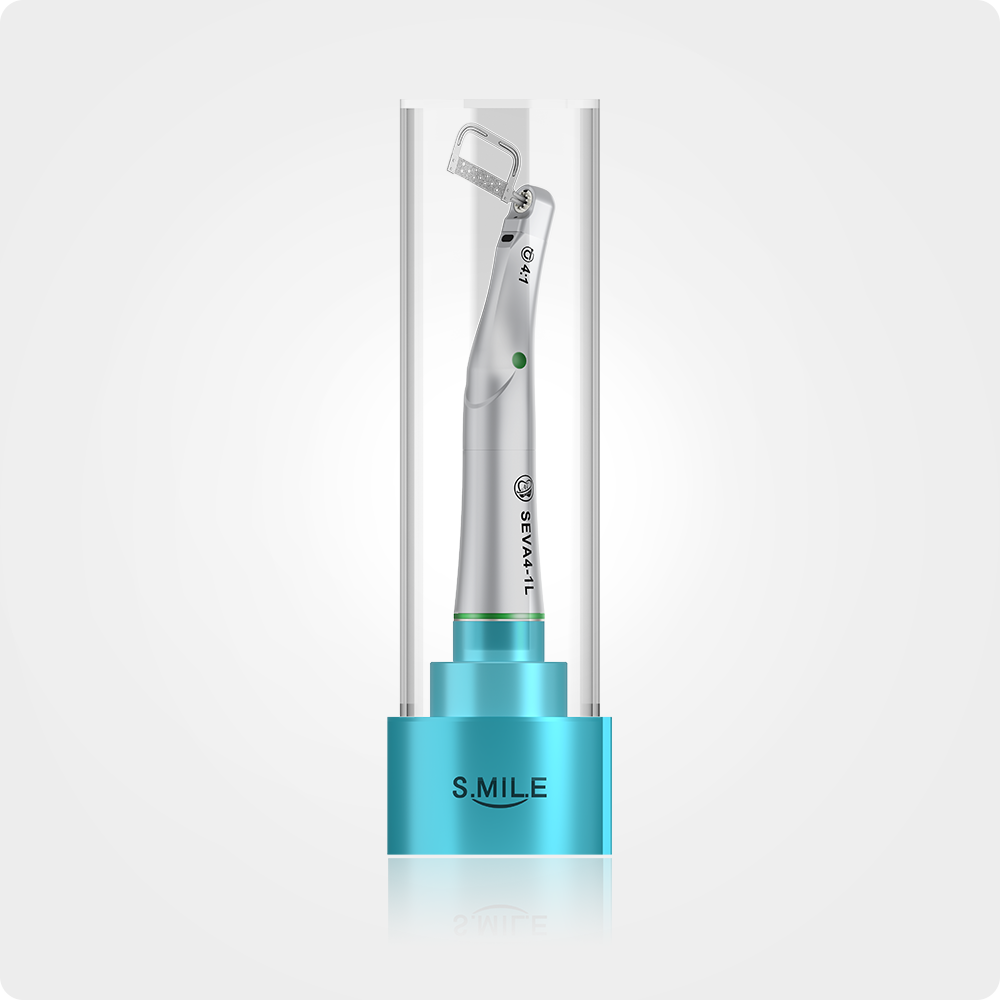
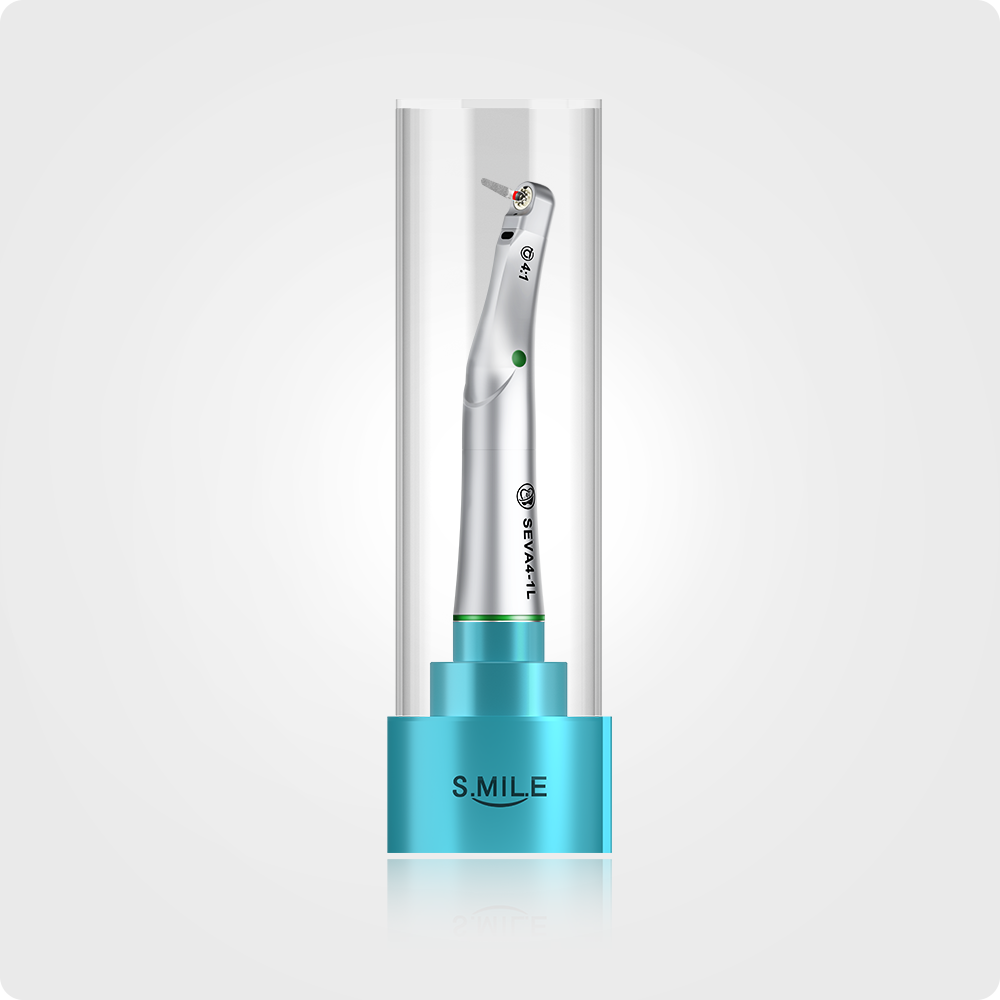
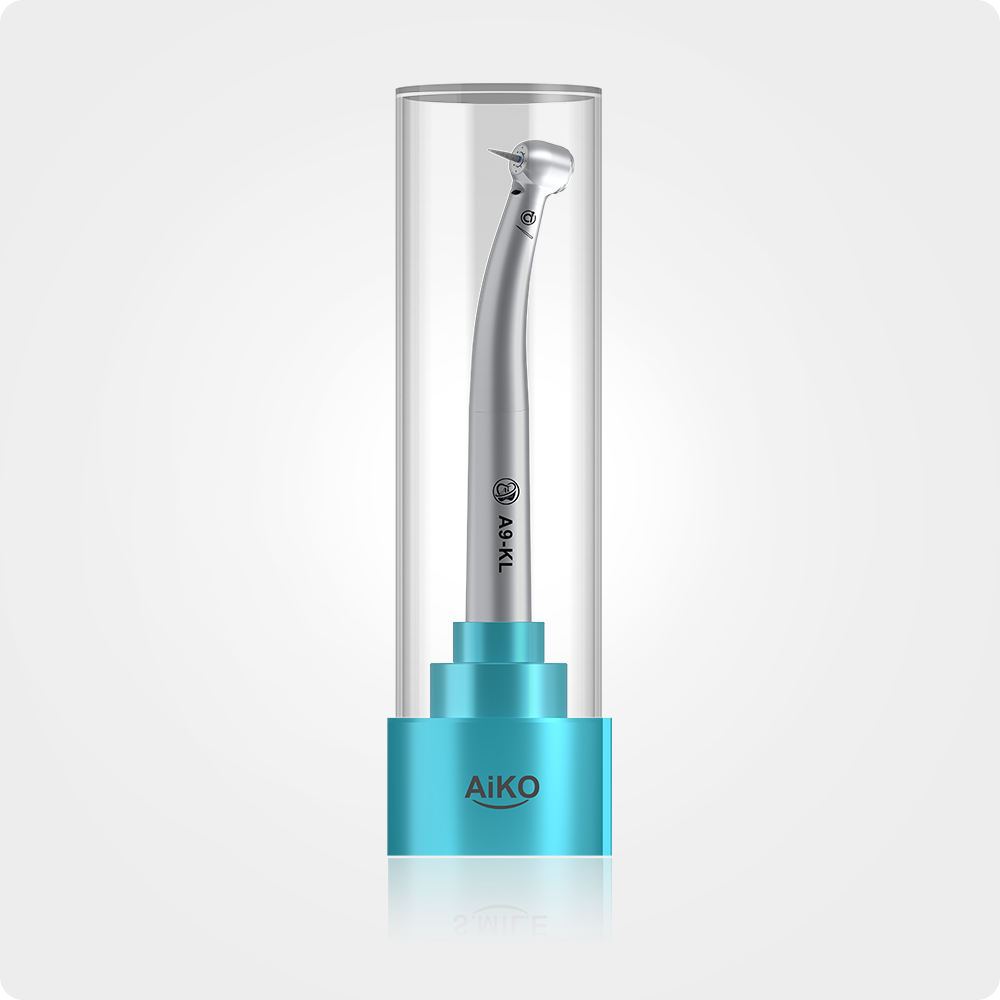
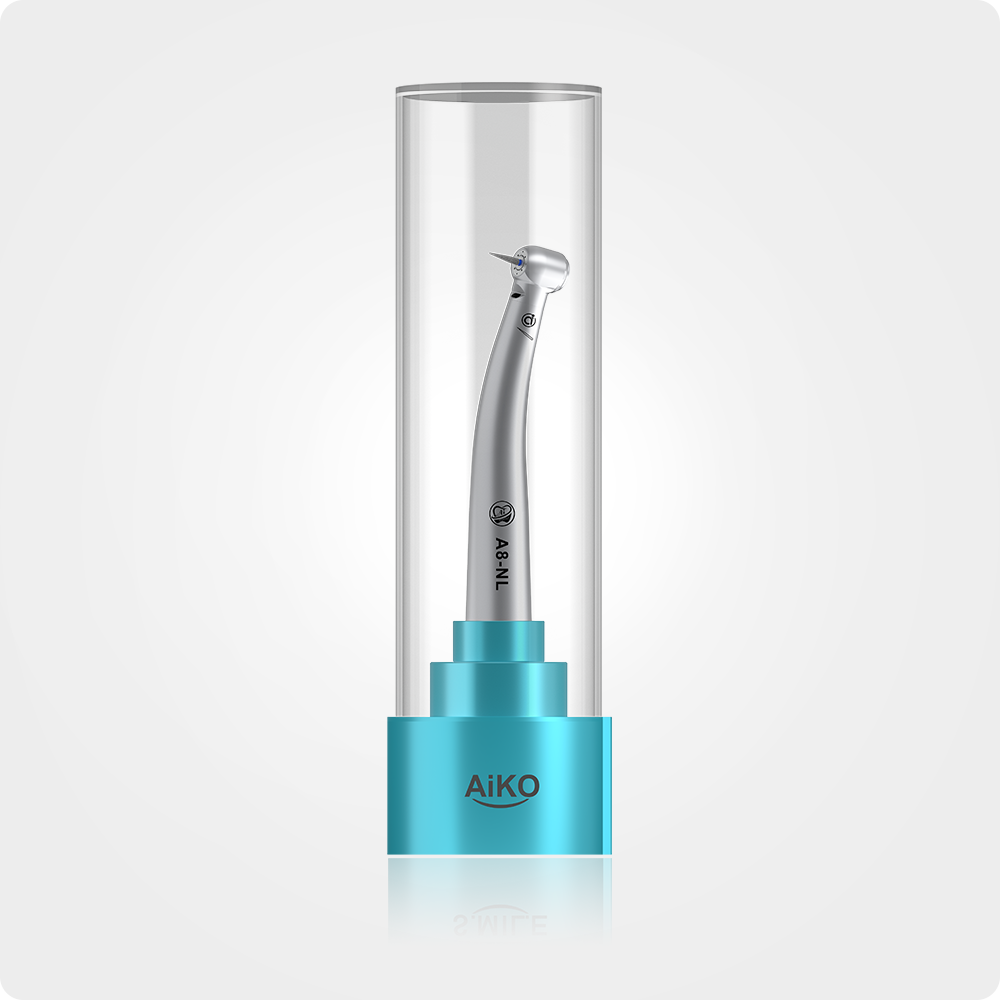
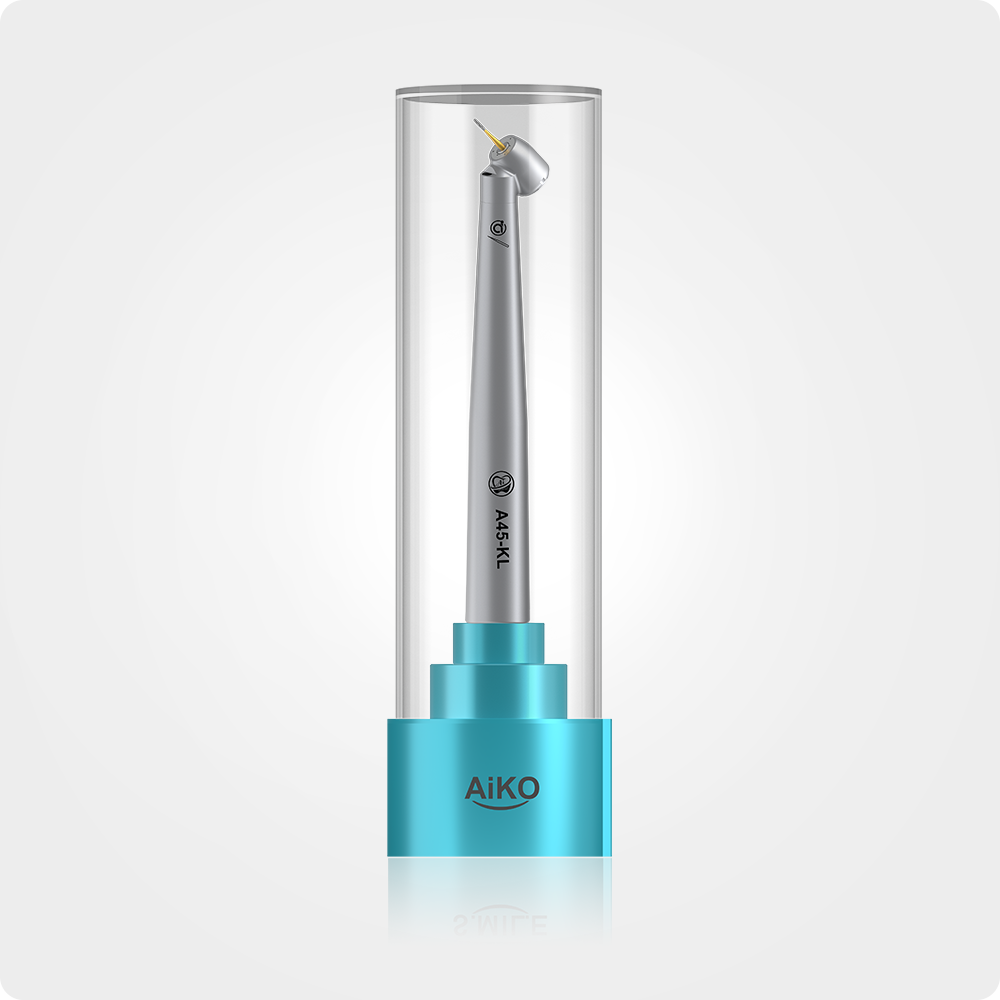
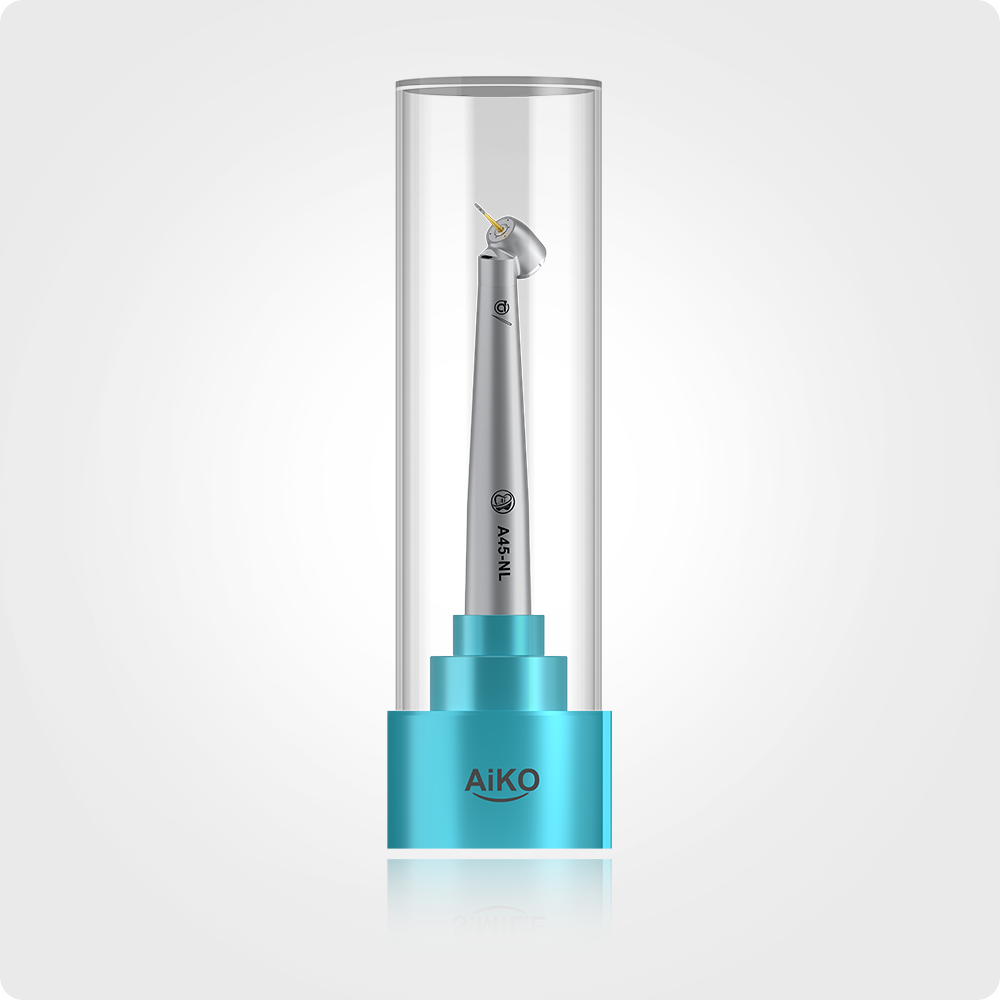
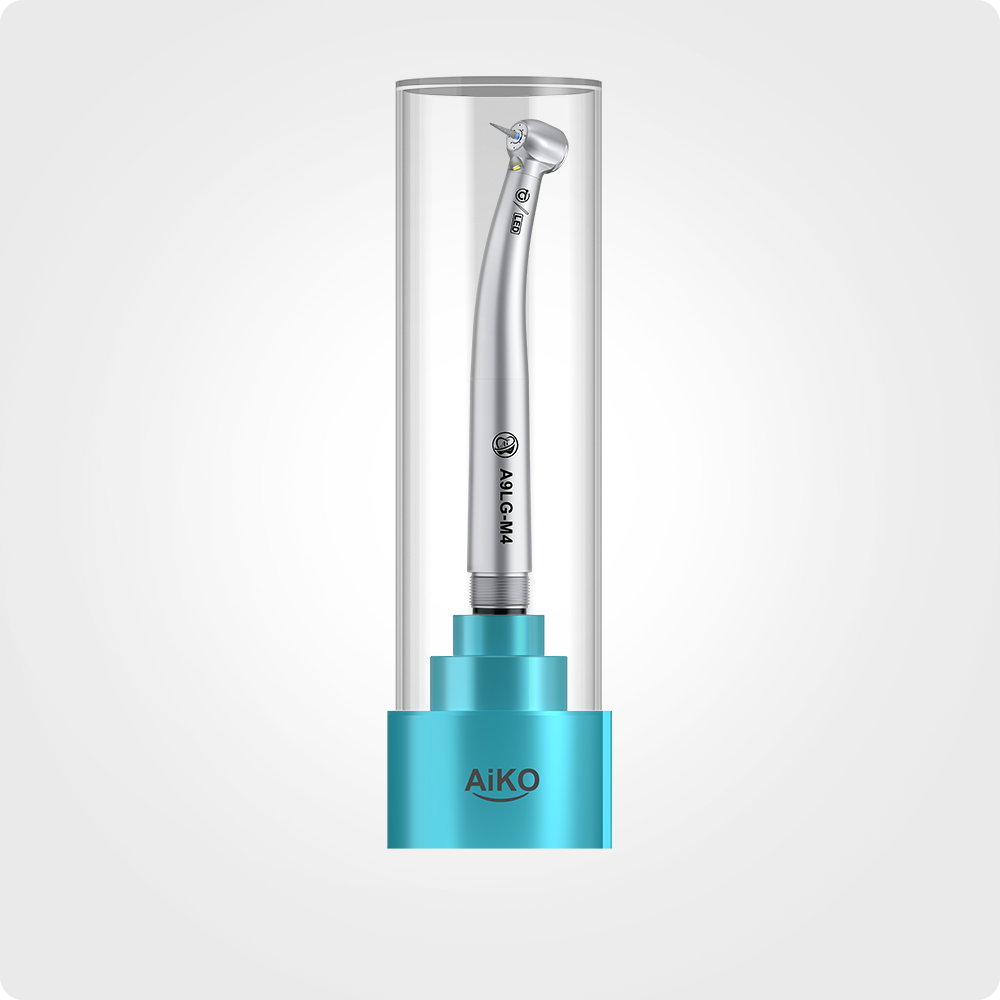
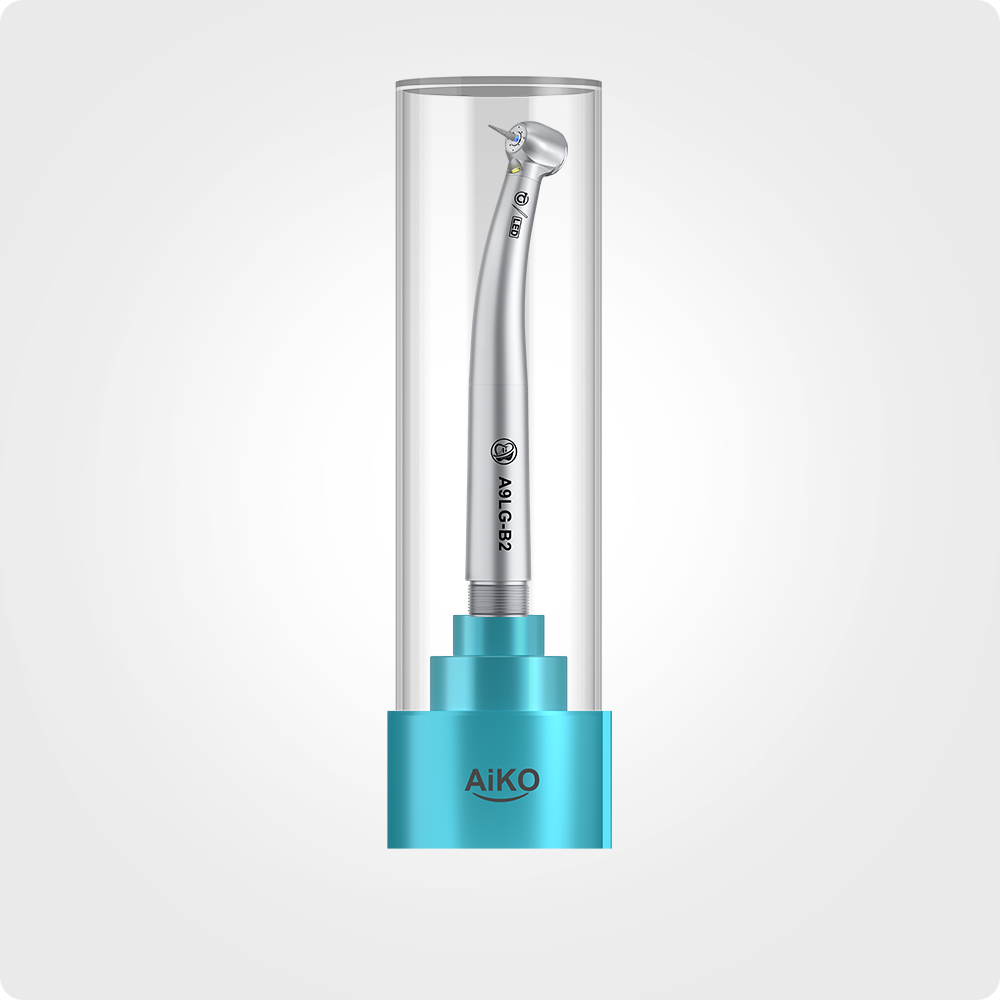
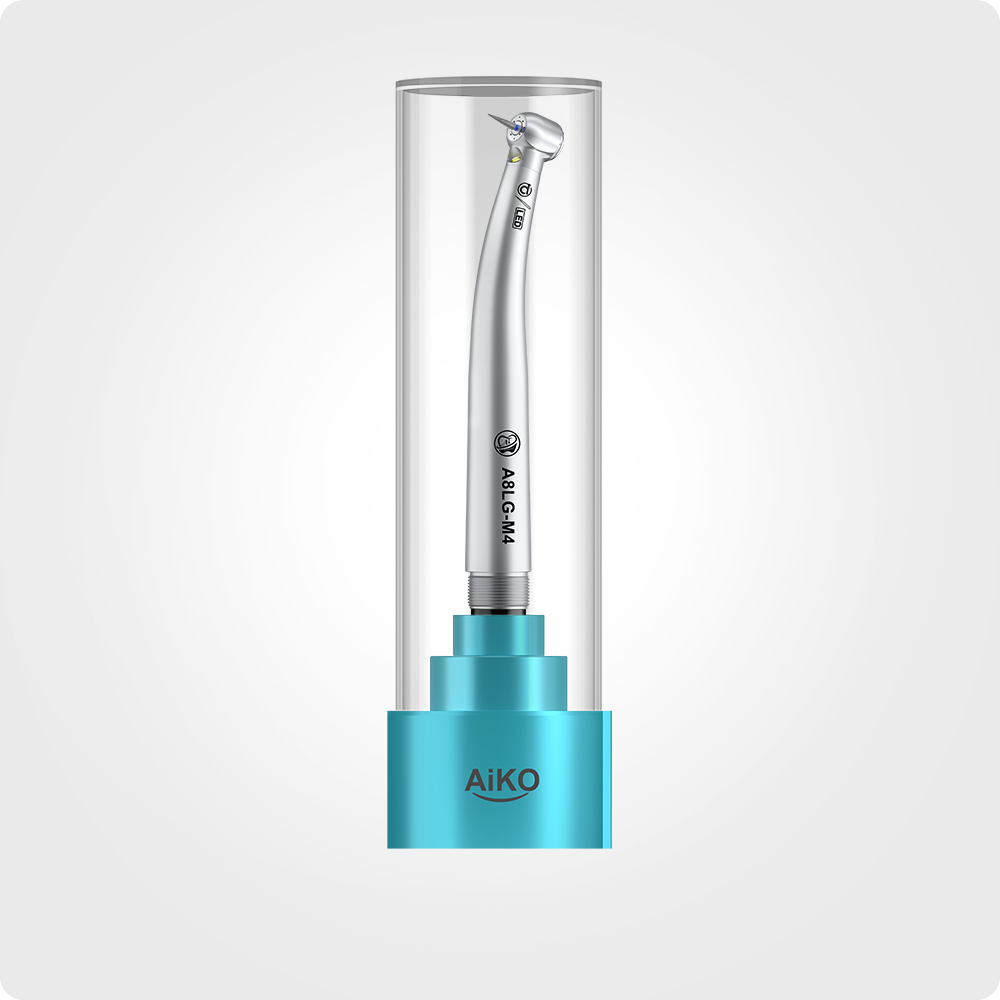
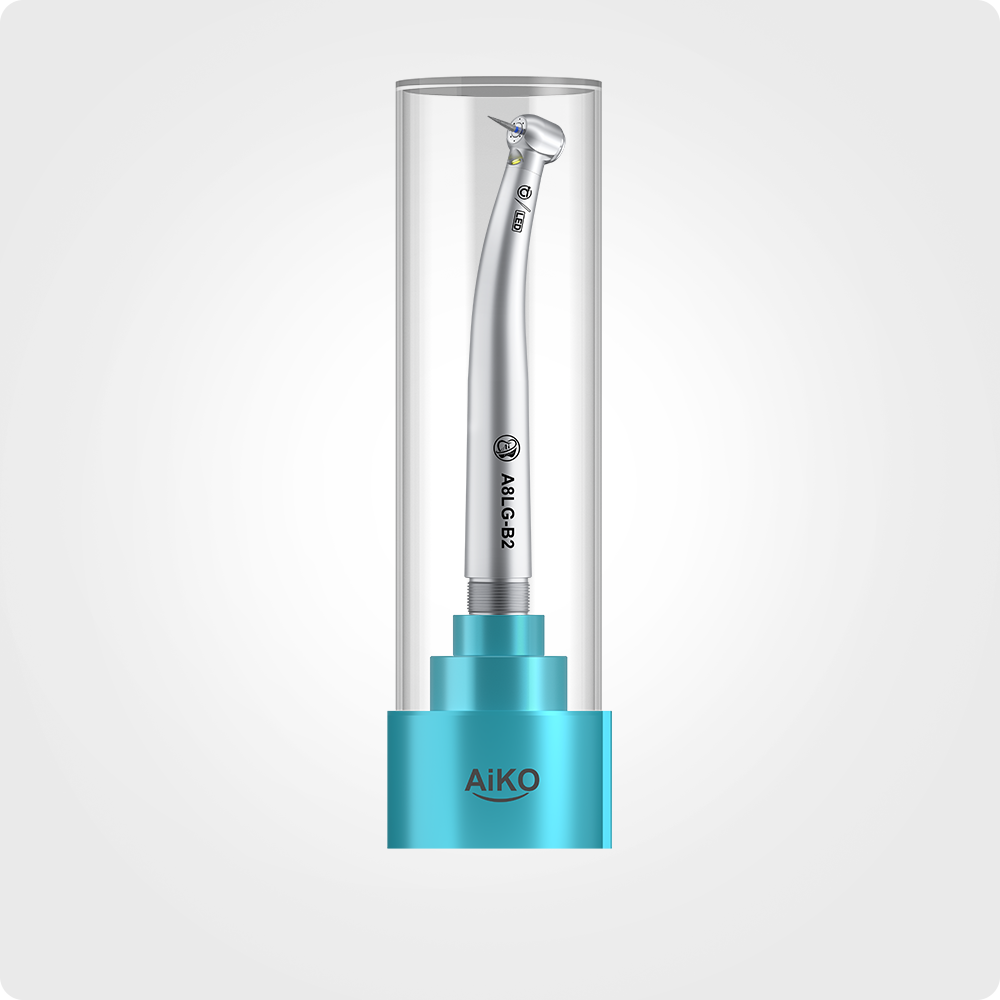
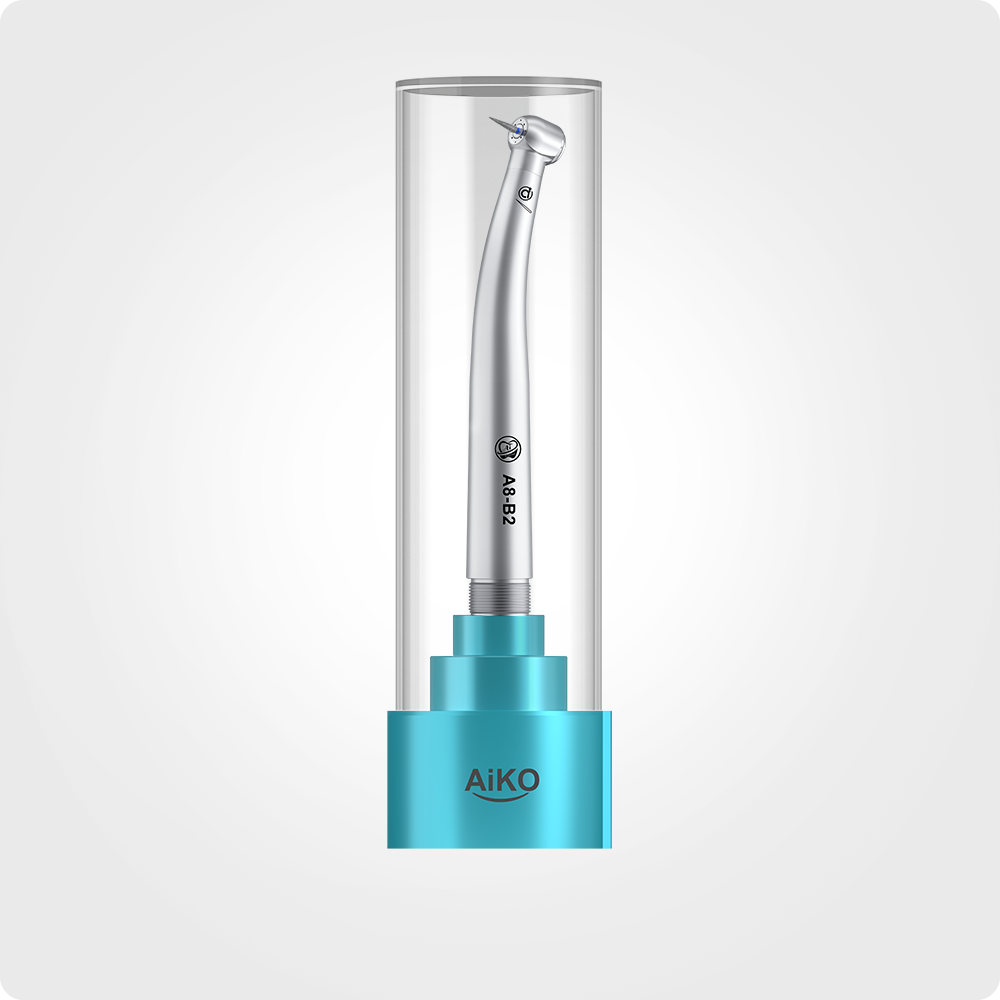
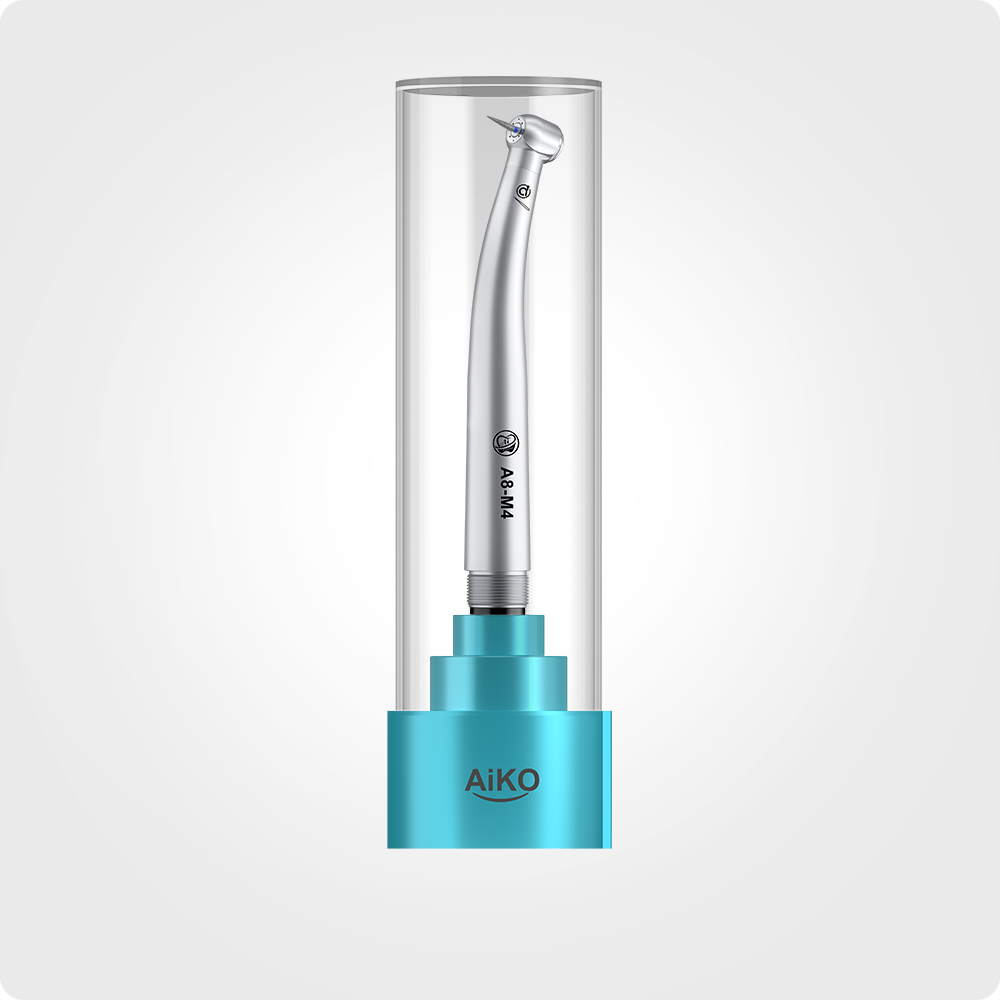
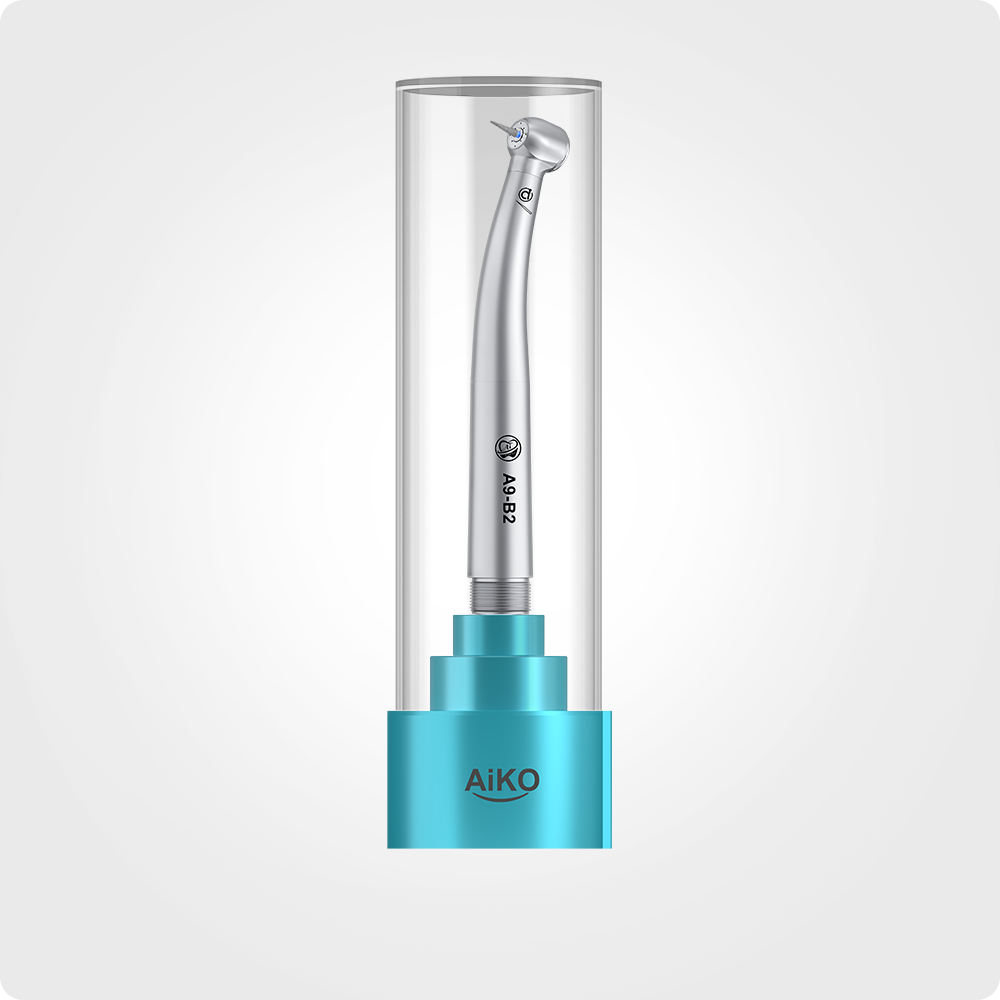
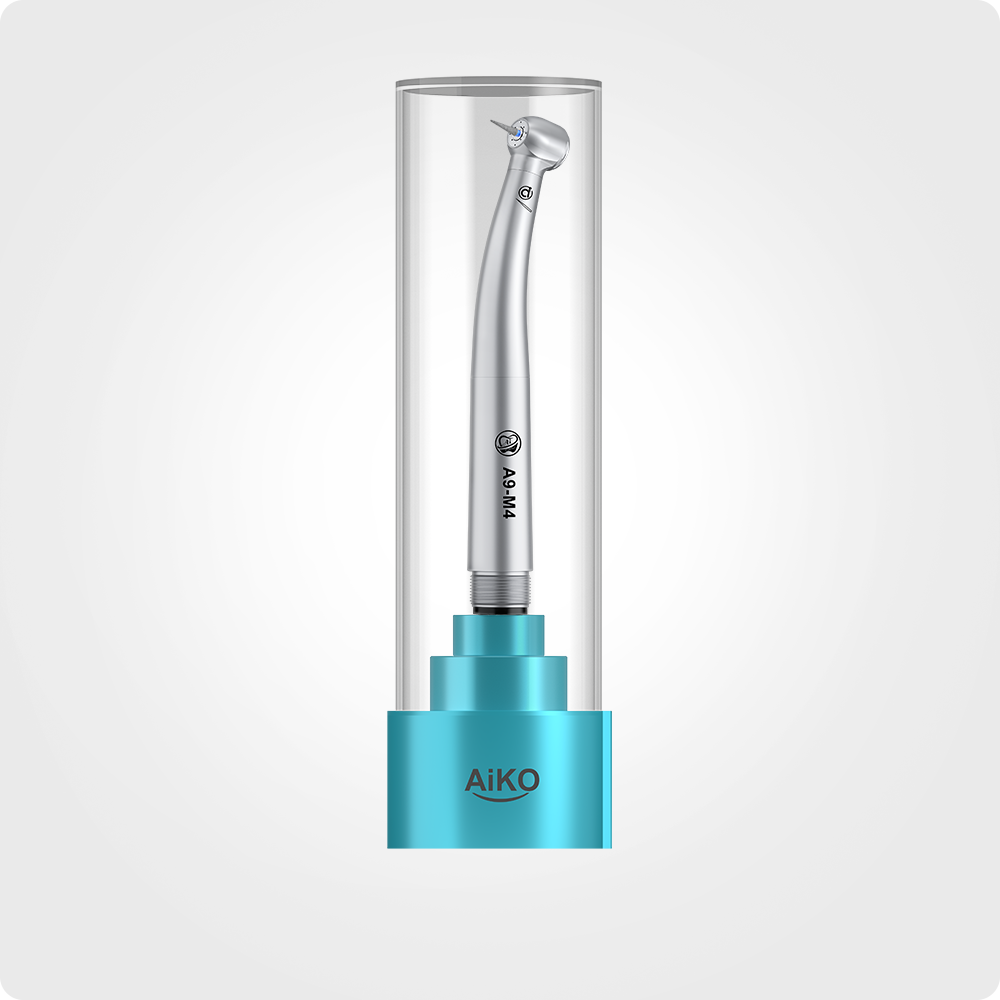
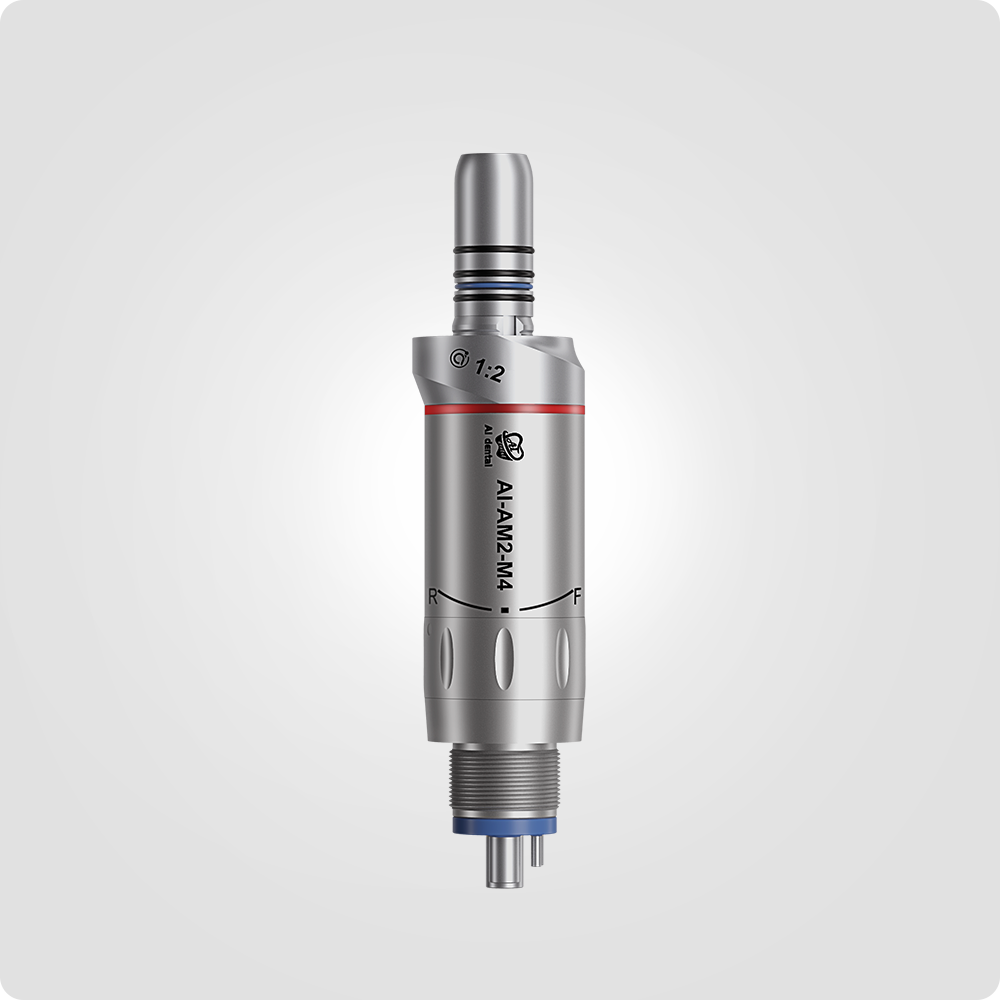
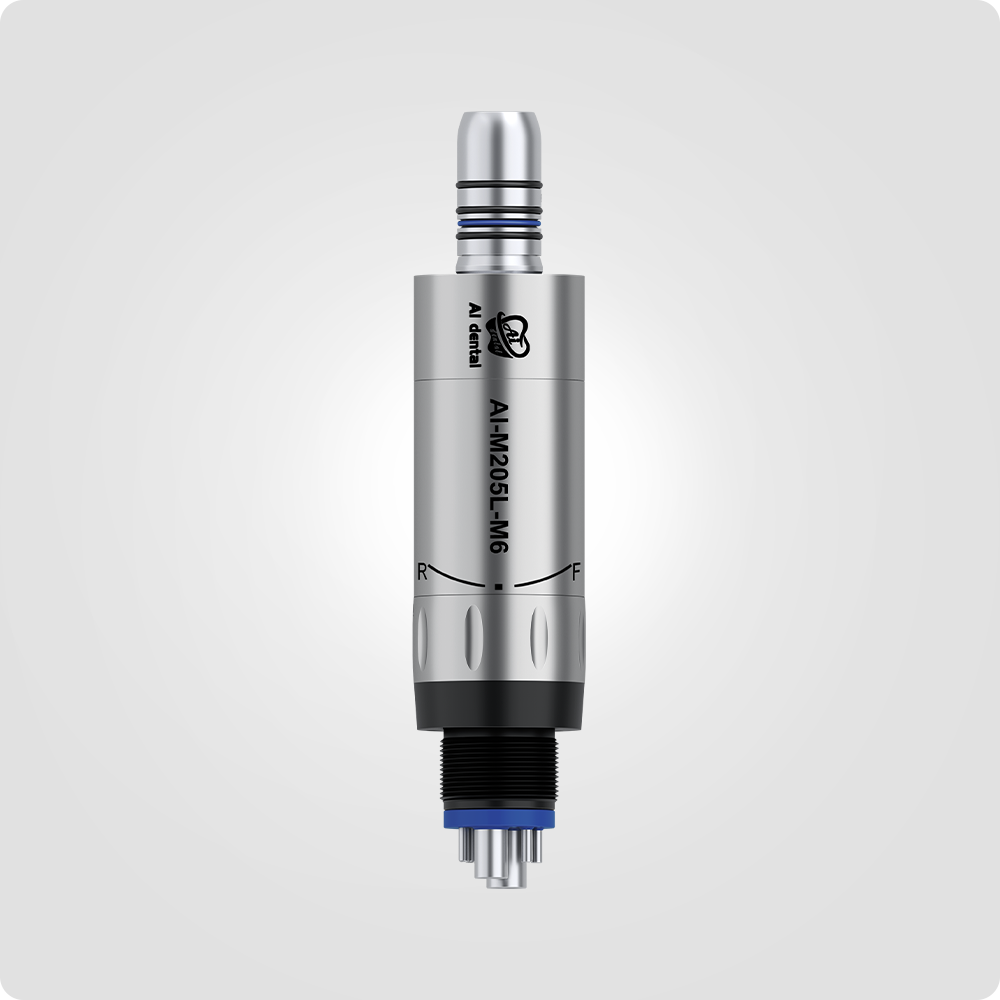
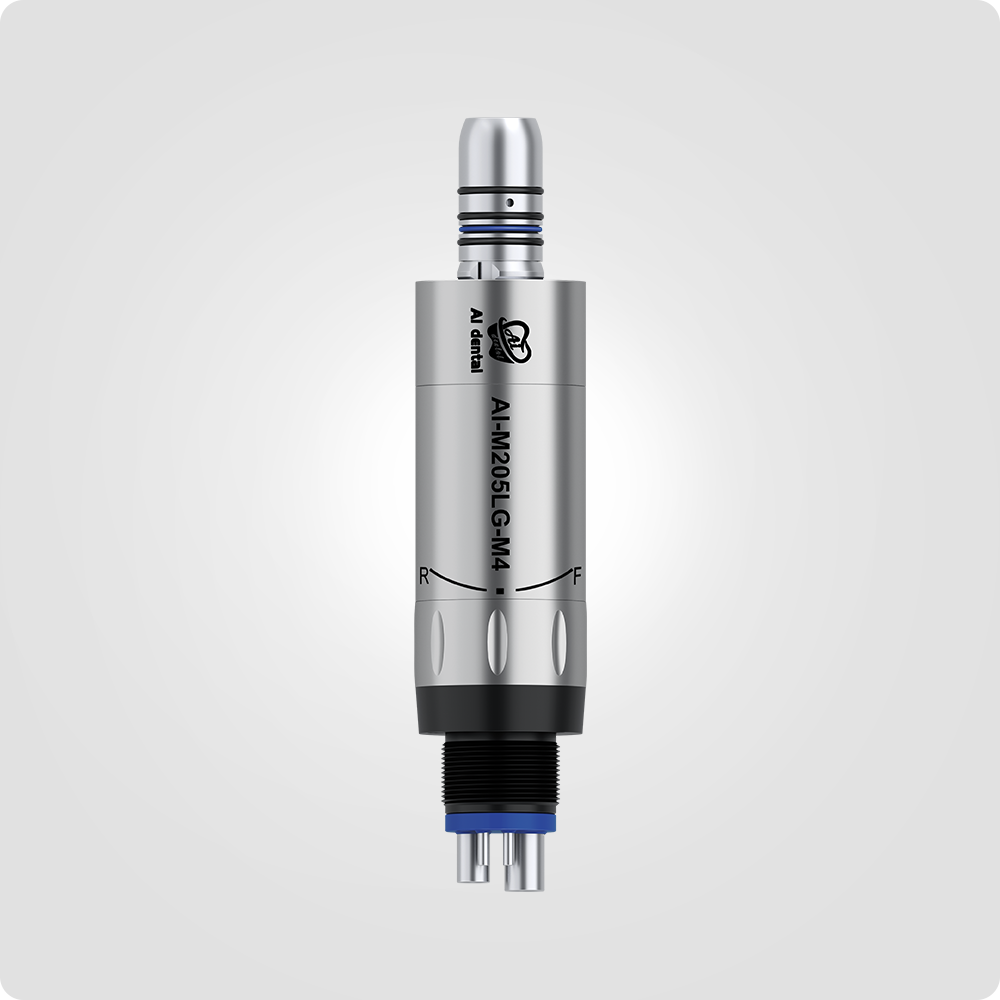
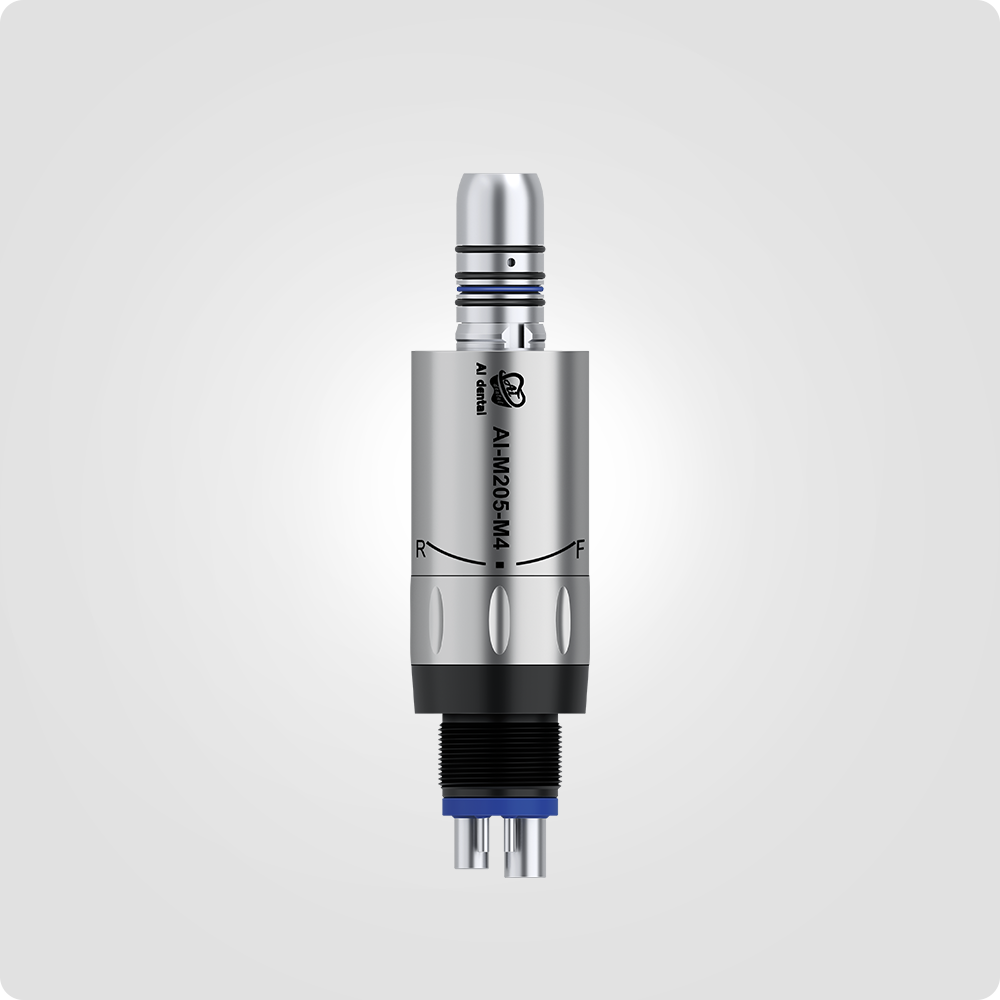
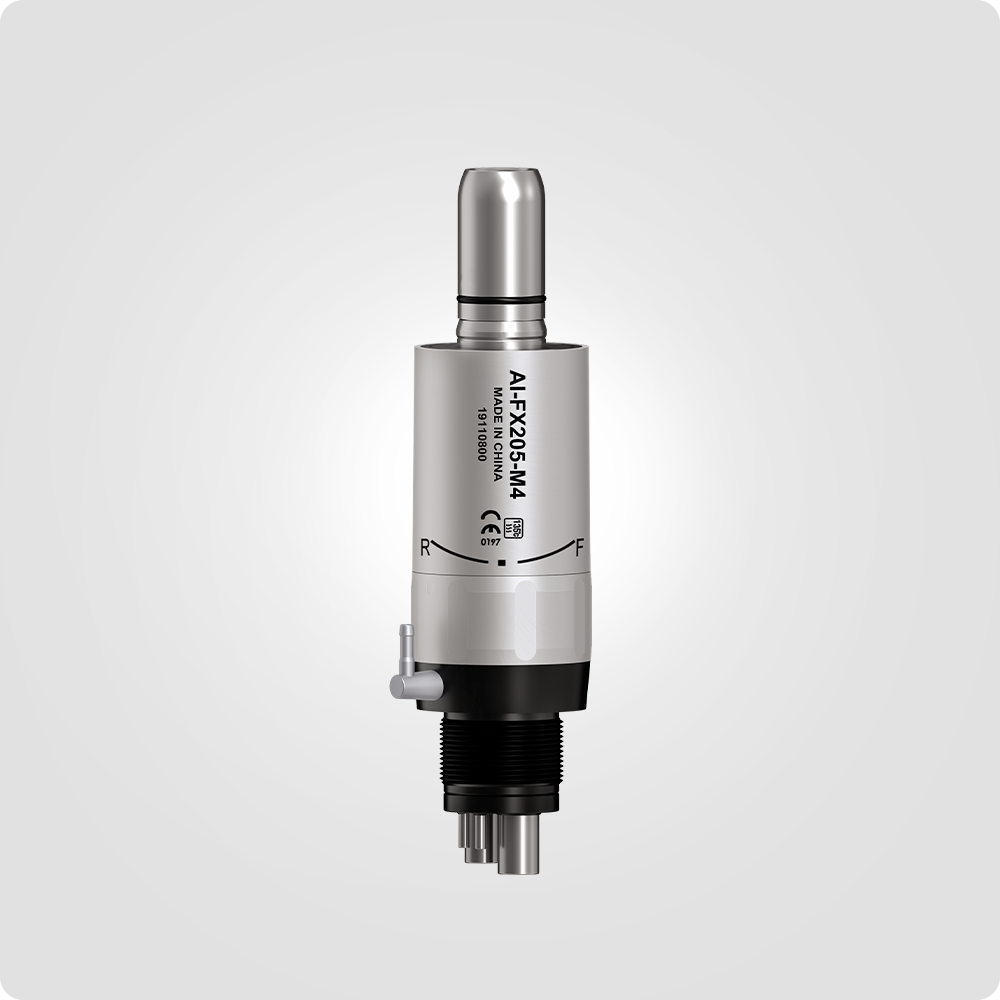
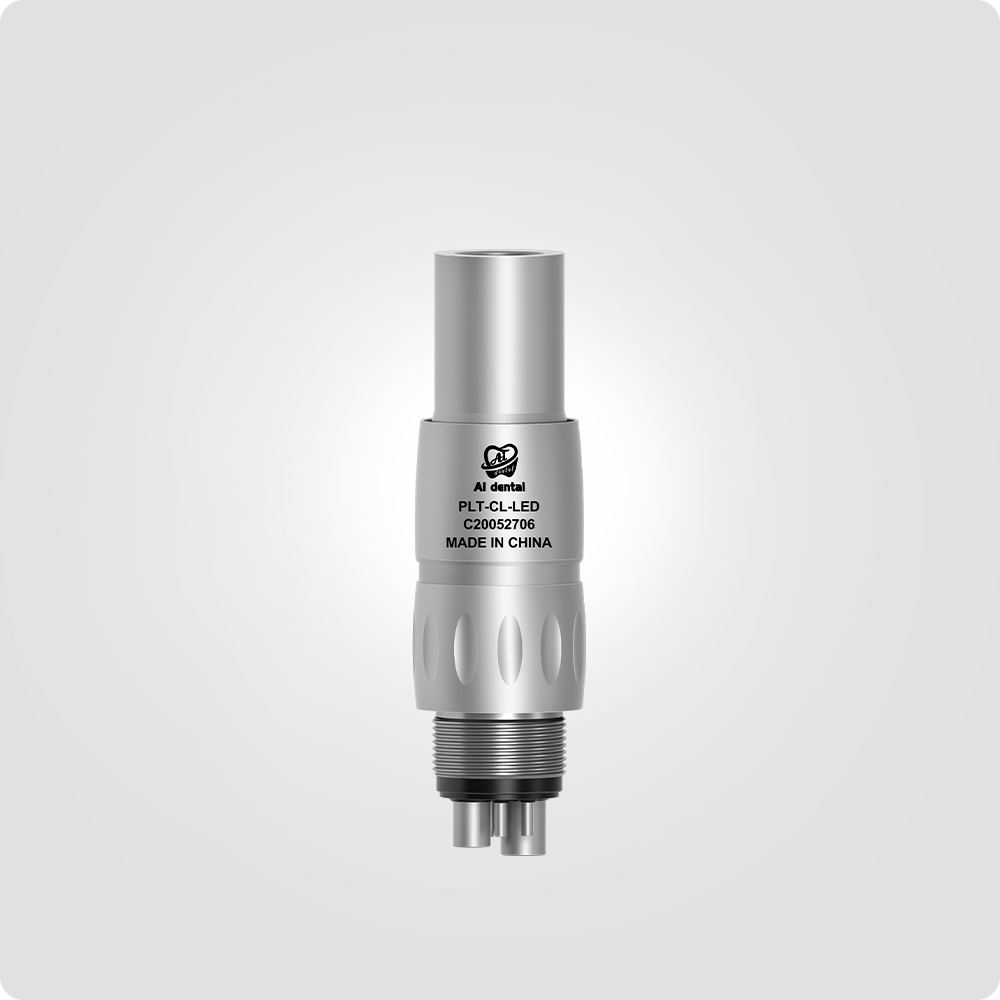
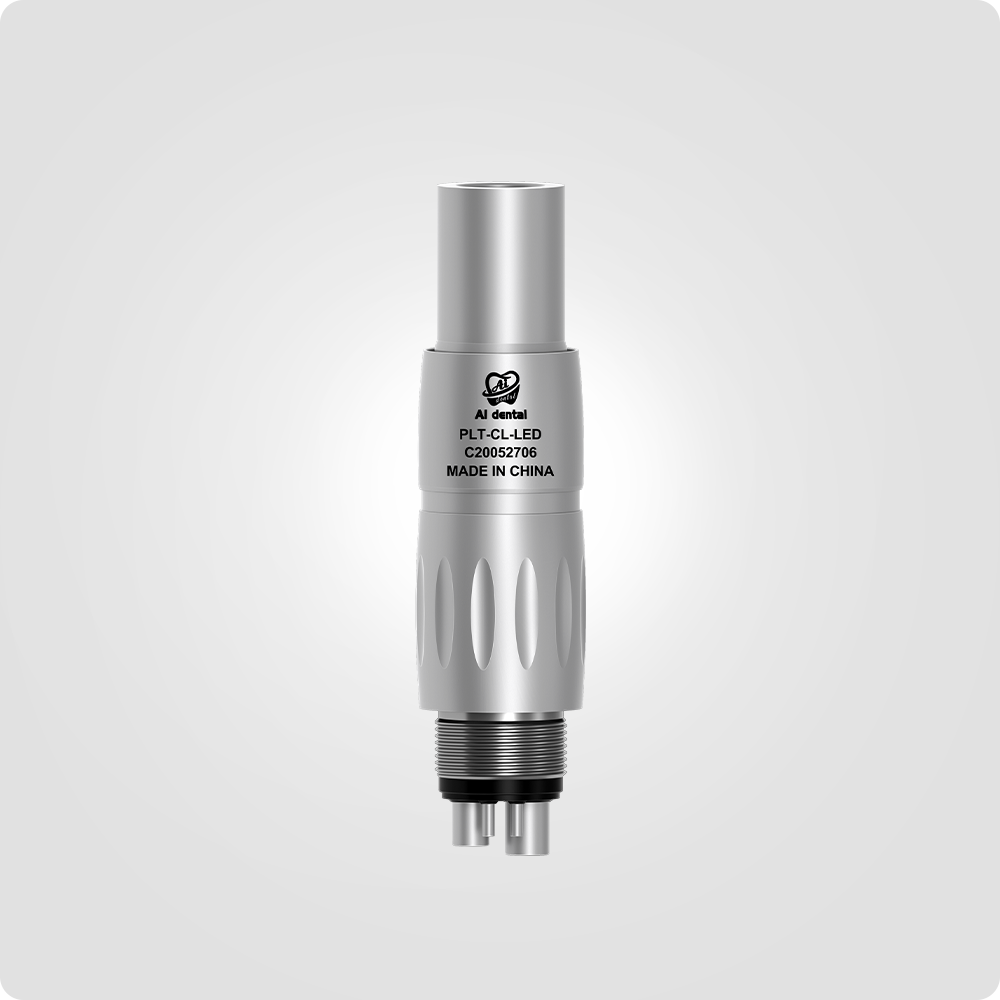
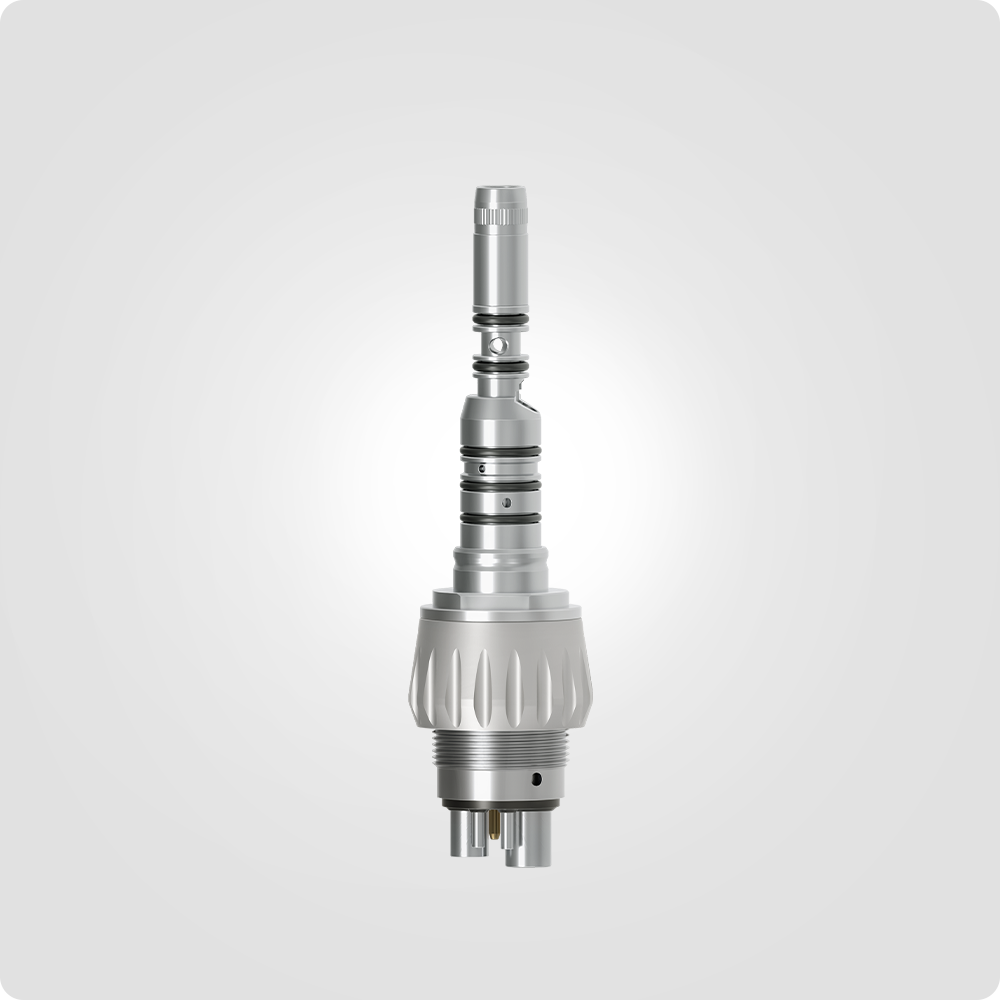
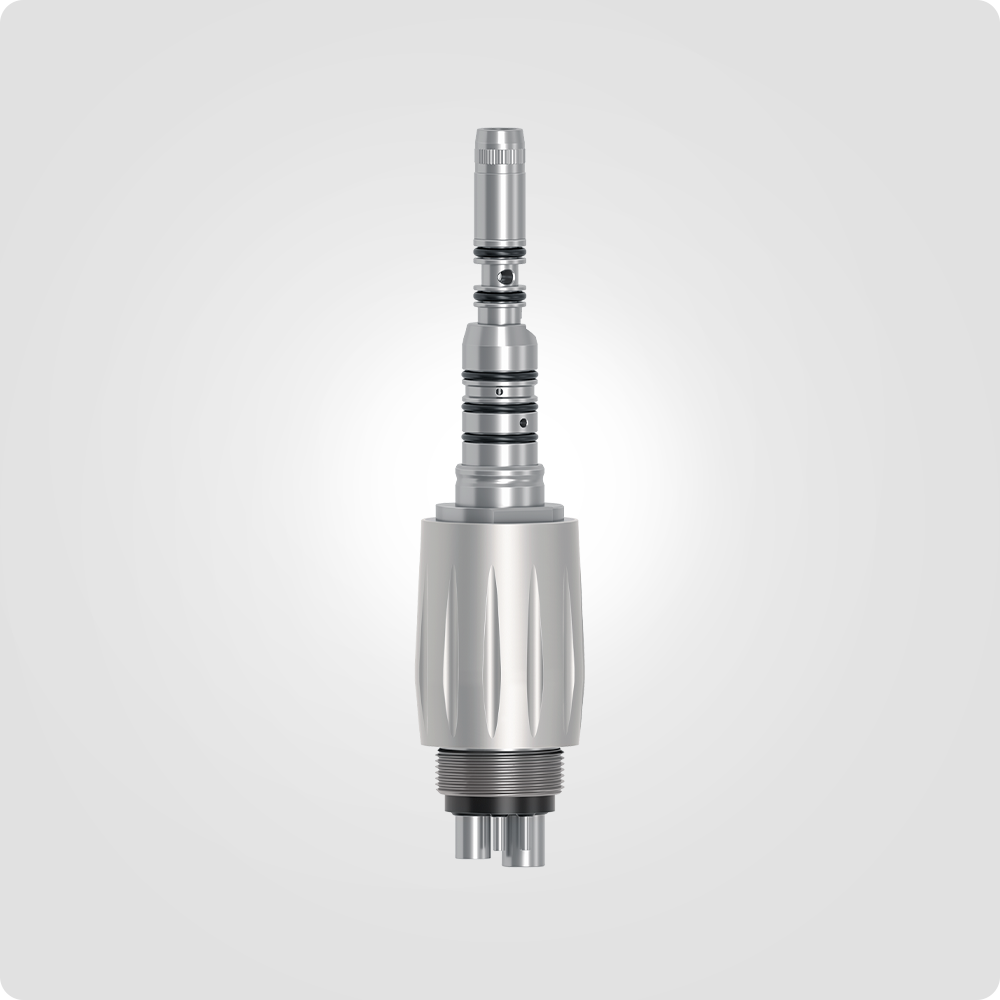
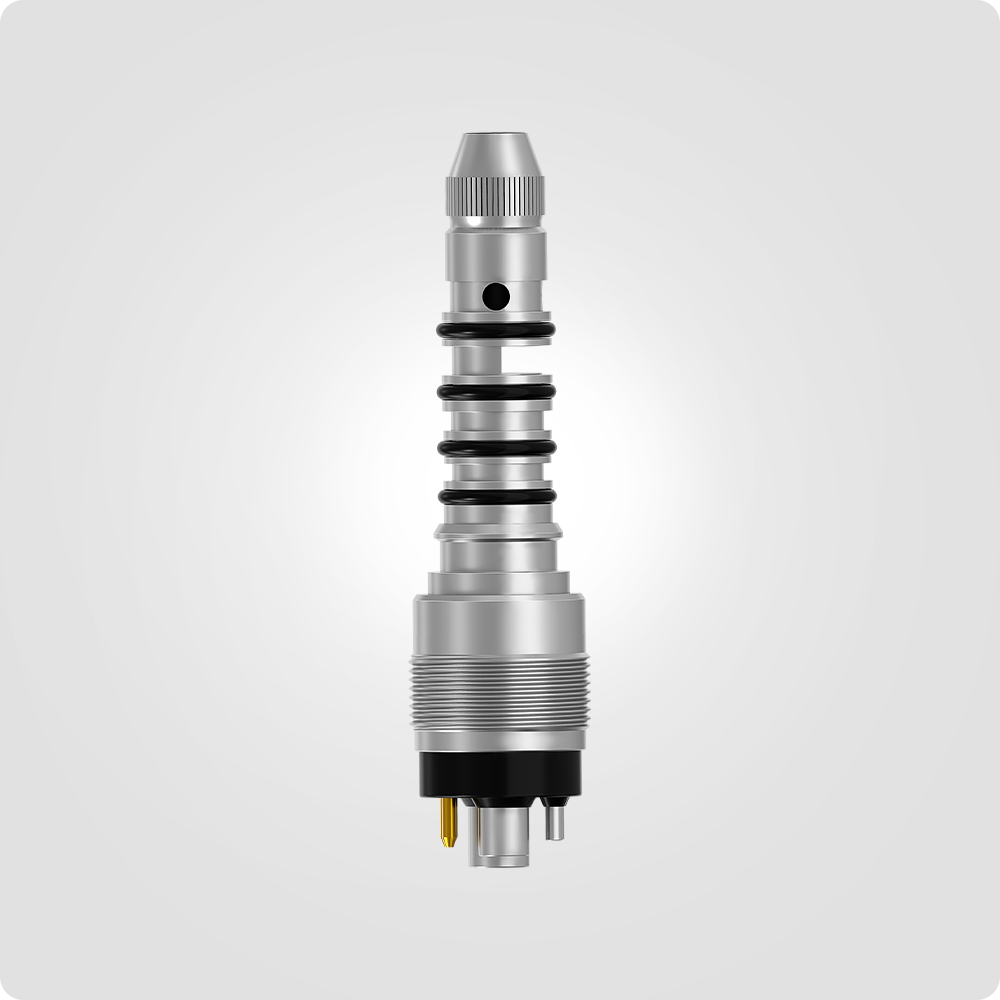
The Airotor handpiece is a pivotal dental tool that revolutionizes procedures in modern dentistry. It operates using compressed air to drive a high-speed rotating bur, which facilitates various dental treatments such as cavity preparation, tooth restoration, and polishing. One of the primary advantages of the Airotor handpiece is its ability to provide high-speed performance while minimizing discomfort for patients. This feature is especially beneficial during intricate procedures where precision is paramount.
One of the standout characteristics of the Airotor handpiece is its lightweight design, which provides enhanced maneuverability for dental practitioners. This ergonomic aspect not only reduces hand fatigue during extended procedures but also allows for greater control, leading to improved outcomes. Additionally, the handpiece is engineered to be compatible with various bur types, allowing dentists to select the optimal bur for each specific task, whether it be cutting, drilling, or finishing.
Moreover, the Airotor handpiece is designed with advanced cooling systems that help maintain a lower temperature during operation. This is crucial for preventing thermal injury to the tooth and surrounding tissues, which can occur during prolonged use of high-speed instruments. The incorporation of such cooling mechanisms contributes to an overall enhanced patient experience, as it reduces discomfort and potential complications associated with heat.
In terms of maintenance, the Airotor handpiece requires regular cleaning and servicing to ensure optimal performance and longevity. Dentists should adhere to the manufacturer's guidelines regarding sterilization and lubrication, as these factors significantly affect the handpiece's effectiveness and lifespan. Proper maintenance not only safeguards the instrument from wear and tear but also ensures the safety and health of patients by minimizing the risk of cross-contamination.
When considering the integration of the Airotor handpiece into a dental practice, professionals should evaluate the specific needs of their patients and the types of procedures they perform most frequently. Understanding the capabilities and limitations of the Airotor can enhance decision-making, enabling practitioners to select the most suitable instruments for their practice.
In conclusion, the Airotor handpiece stands as an invaluable asset in the field of dentistry. Its design facilitates high-speed operations, enhances patient comfort, and promotes precision in dental treatments. By understanding the features and maintenance requirements of the Airotor handpiece, dental professionals can maximize its benefits, ultimately leading to improved patient outcomes and heightened satisfaction in their practice.
One of the standout characteristics of the Airotor handpiece is its lightweight design, which provides enhanced maneuverability for dental practitioners. This ergonomic aspect not only reduces hand fatigue during extended procedures but also allows for greater control, leading to improved outcomes. Additionally, the handpiece is engineered to be compatible with various bur types, allowing dentists to select the optimal bur for each specific task, whether it be cutting, drilling, or finishing.
Moreover, the Airotor handpiece is designed with advanced cooling systems that help maintain a lower temperature during operation. This is crucial for preventing thermal injury to the tooth and surrounding tissues, which can occur during prolonged use of high-speed instruments. The incorporation of such cooling mechanisms contributes to an overall enhanced patient experience, as it reduces discomfort and potential complications associated with heat.
In terms of maintenance, the Airotor handpiece requires regular cleaning and servicing to ensure optimal performance and longevity. Dentists should adhere to the manufacturer's guidelines regarding sterilization and lubrication, as these factors significantly affect the handpiece's effectiveness and lifespan. Proper maintenance not only safeguards the instrument from wear and tear but also ensures the safety and health of patients by minimizing the risk of cross-contamination.
When considering the integration of the Airotor handpiece into a dental practice, professionals should evaluate the specific needs of their patients and the types of procedures they perform most frequently. Understanding the capabilities and limitations of the Airotor can enhance decision-making, enabling practitioners to select the most suitable instruments for their practice.
In conclusion, the Airotor handpiece stands as an invaluable asset in the field of dentistry. Its design facilitates high-speed operations, enhances patient comfort, and promotes precision in dental treatments. By understanding the features and maintenance requirements of the Airotor handpiece, dental professionals can maximize its benefits, ultimately leading to improved patient outcomes and heightened satisfaction in their practice.
Related News
The Future of Dentistry: How AI Dental Handpieces are Revolutionizing Oral Care
Sep 22,2026
Views ()
Choosing the Right Electric Micromotor for Your Dental Clinic: A Comprehensive Guide
Sep 20,2026
Views ()
Focus On Dental Handpieces