













































The Future of Dentistry: How AI Dental Handpieces are Revolutionizing Oral Care
Sep 22,2026
Views ()

The Future of Dentistry: How AI Dental Handpieces are Revolutionizing Oral Care
Table of Contents
- 1. Introduction to AI in Dentistry
- 2. What Are AI Dental Handpieces?
- 3. Benefits of AI Dental Handpieces in Dental Practices
- 4. Enhanced Precision and Efficiency in Procedures
- 5. Transforming Patient Experience with AI Technology
- 6. Integration with Digital Dentistry Tools
- 7. Challenges and Considerations in Adopting AI Handpieces
- 8. Future Trends in AI Technology for Dentistry
- 9. Frequently Asked Questions
- 10. Conclusion
1. Introduction to AI in Dentistry
Artificial Intelligence (AI) has made significant strides across various industries, and **dentistry** is no exception. In recent years, the integration of AI technologies has begun to transform traditional dental practices, improving both patient care and operational efficiency. One of the most notable advancements is the development of AI dental handpieces. These innovative tools are set to redefine the **standard of care** in dentistry, offering a new level of precision and functionality.
In this article, we will explore the various aspects of AI dental handpieces, including their features, benefits, and the impact they have on patient experiences and clinical outcomes. We will also discuss potential challenges and future trends in this evolving field.
2. What Are AI Dental Handpieces?
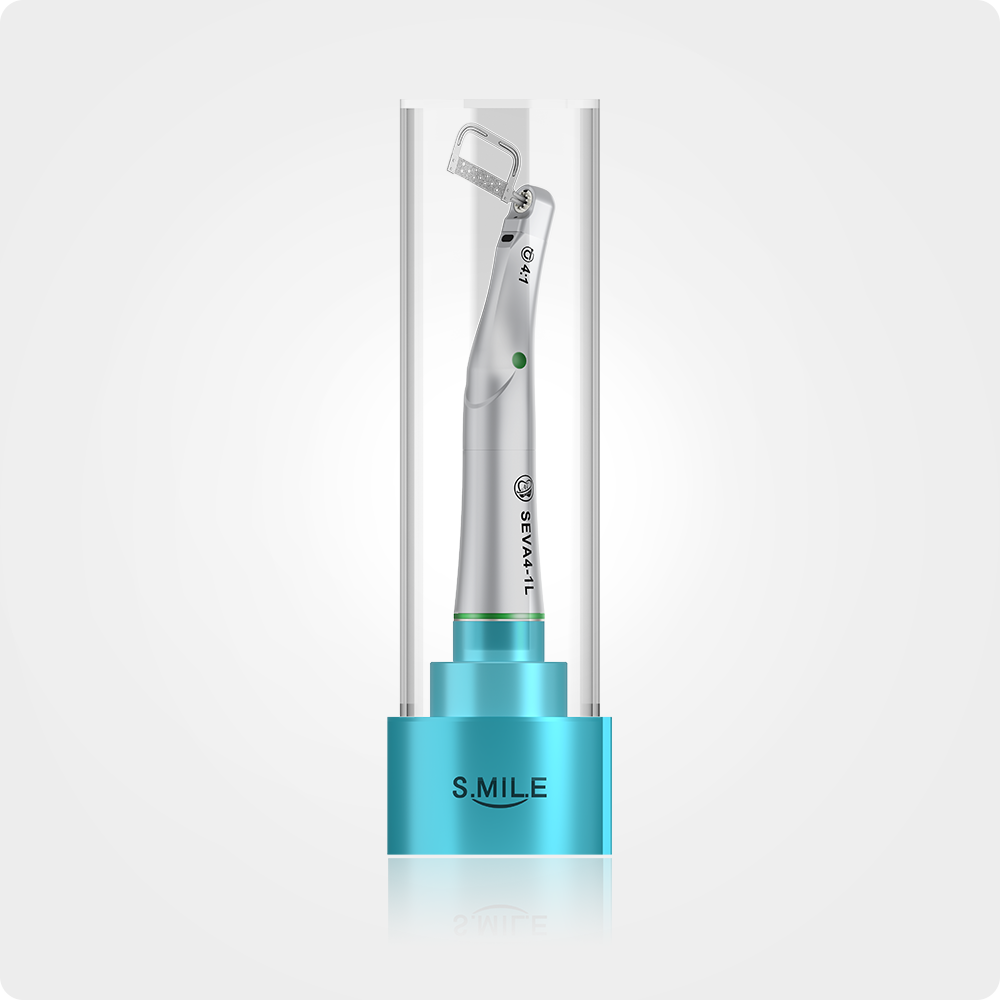
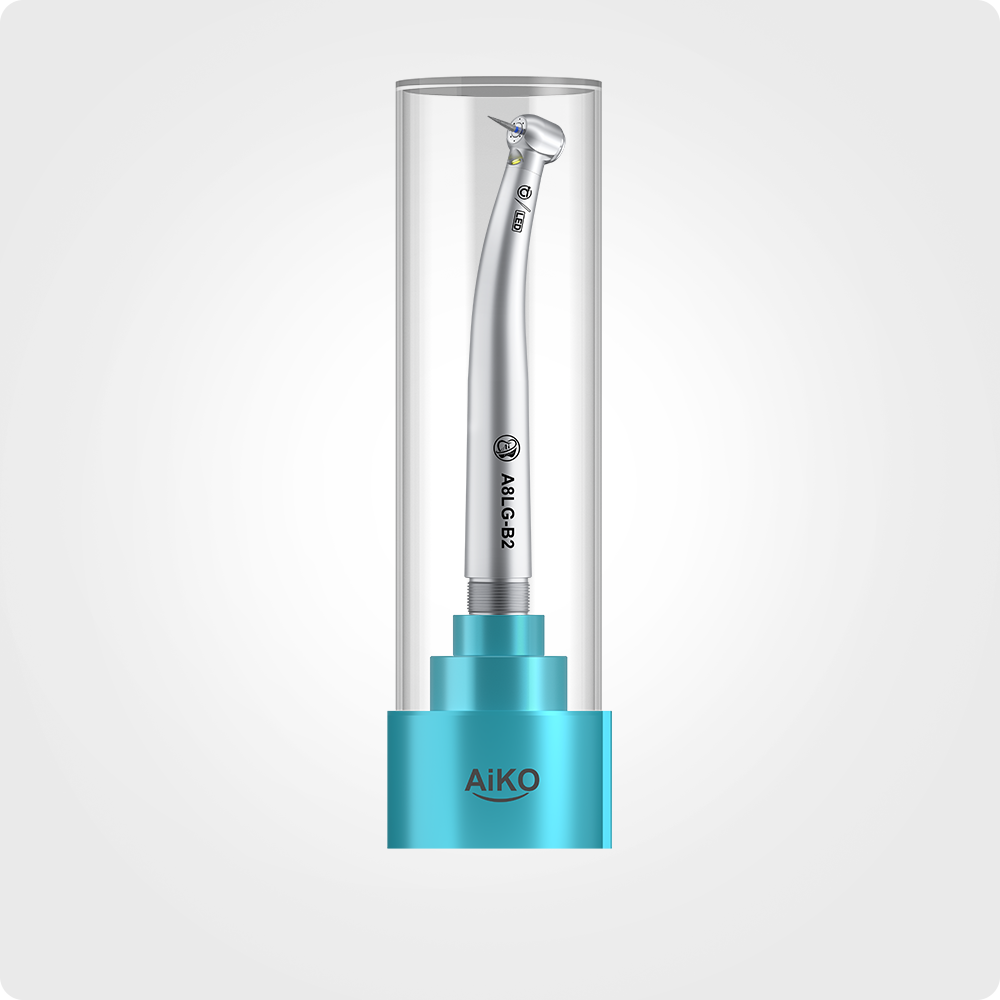
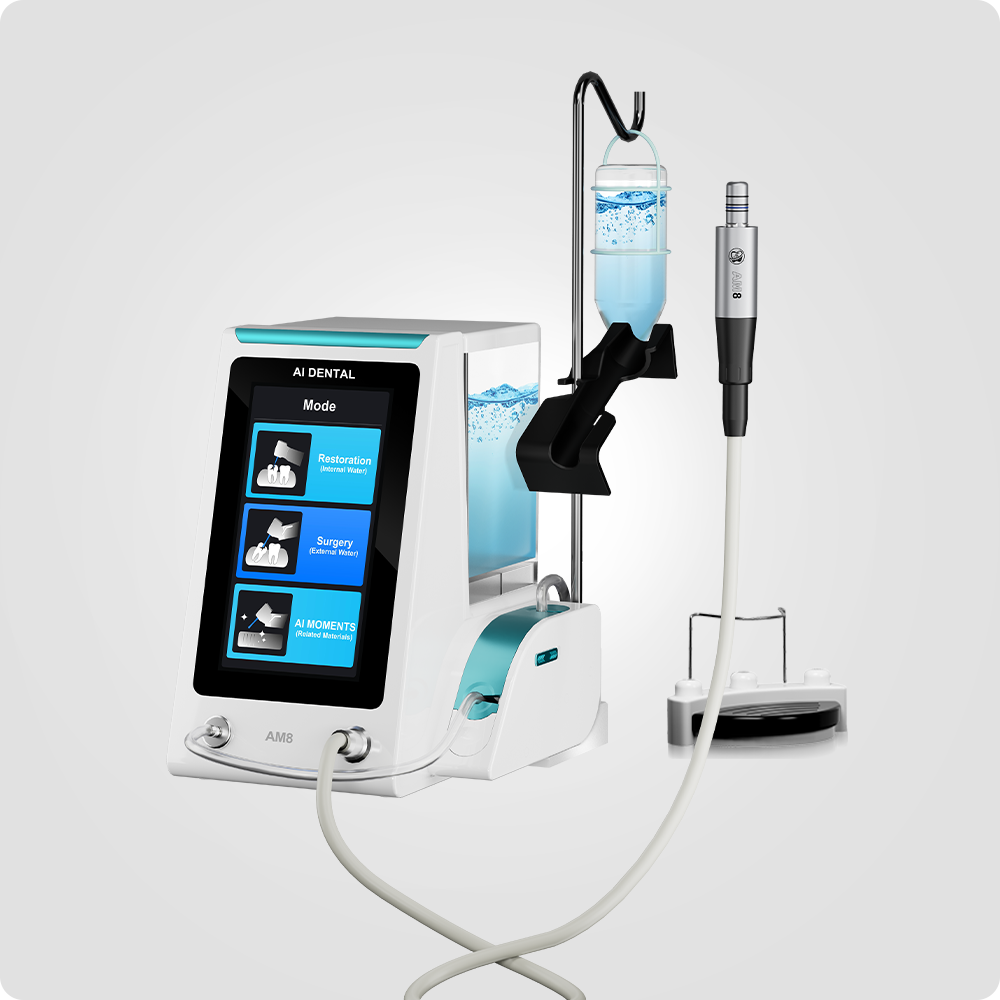
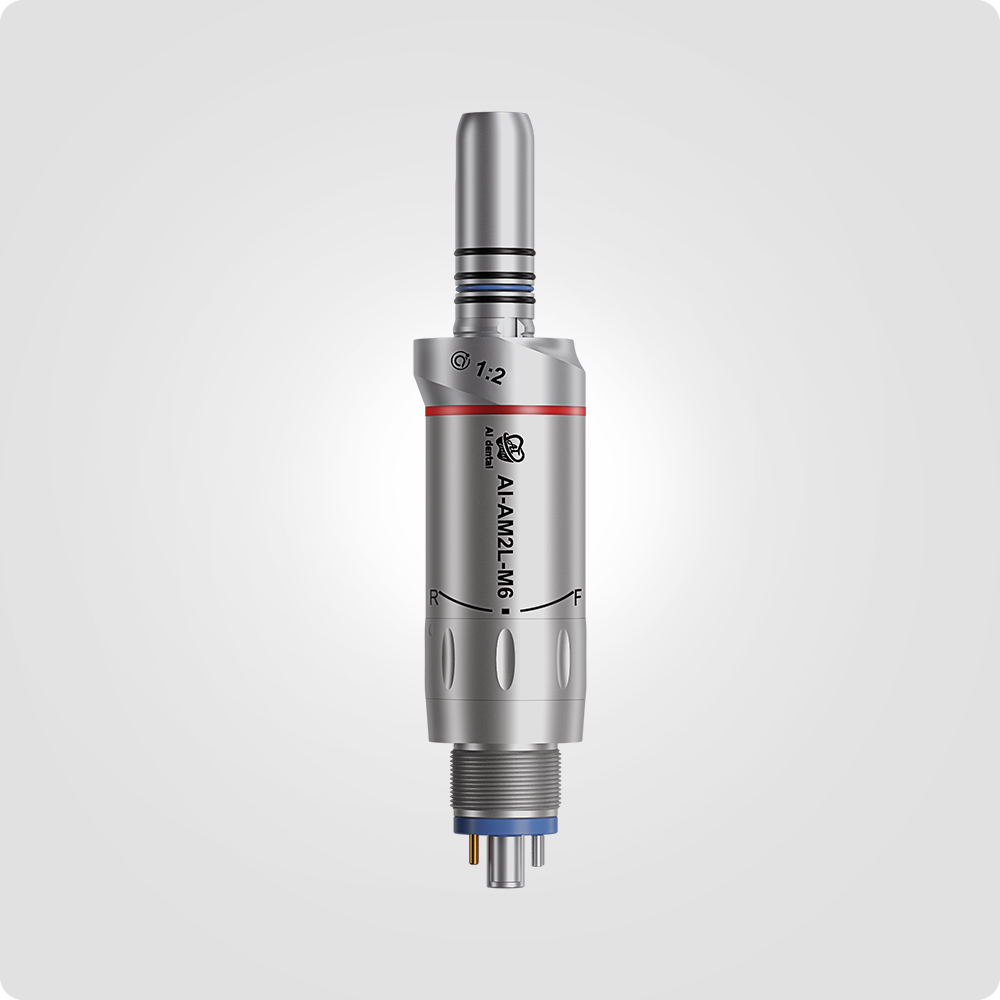
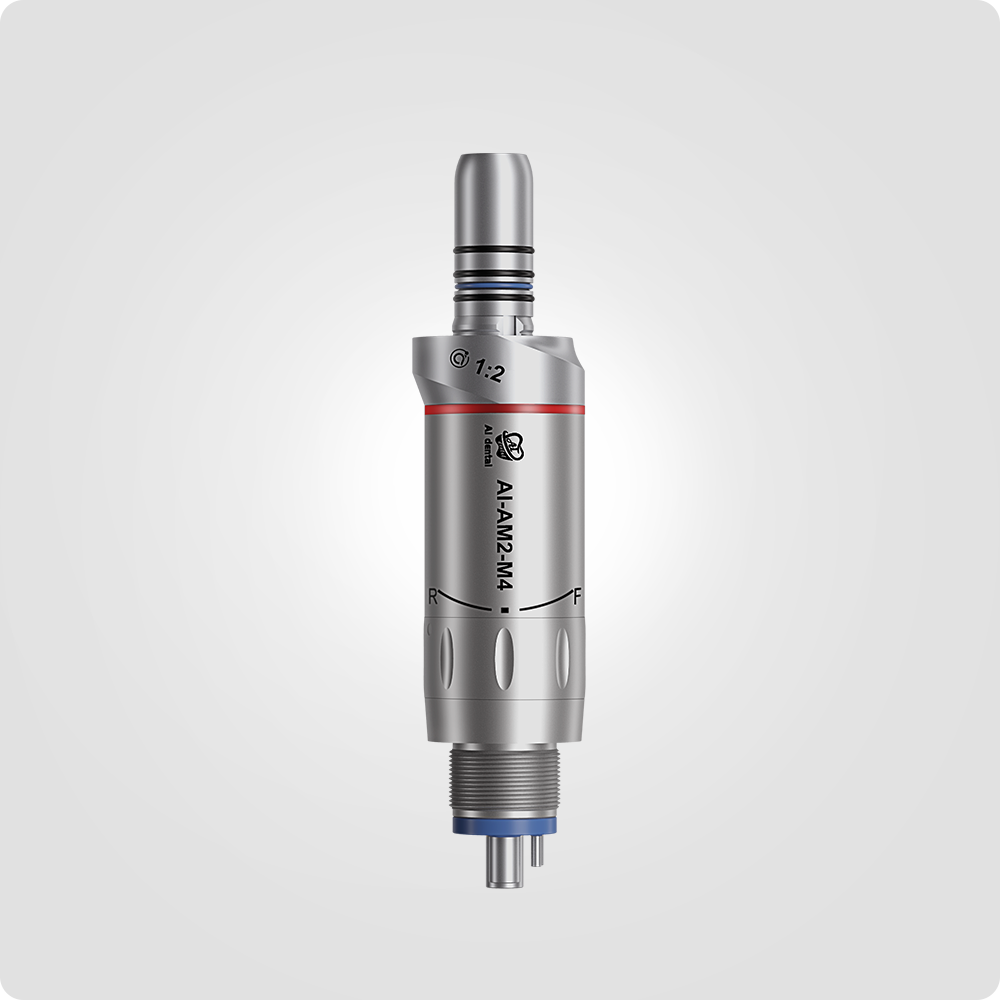
AI dental handpieces are advanced instruments equipped with **artificial intelligence algorithms** that enhance their functionality and performance. Unlike traditional handpieces, these innovative tools use sensors and data analytics to provide real-time feedback and adjust settings based on the task at hand. Key features of AI dental handpieces include:
- **Adaptive Power Control:** Automatically adjusts power based on the clinical situation to optimize performance.
- **Real-Time Monitoring:** Continuously assesses the handpiece's functioning and provides alerts for maintenance needs.
- **Data Integration:** Synchronizes with practice management systems, allowing for seamless record-keeping and patient management.
- **User-Friendly Interfaces:** Many AI handpieces come with intuitive designs, making them easy for dental practitioners to use.
With these features, AI dental handpieces represent a significant leap forward in dental technology, promising to enhance the quality of care provided to patients.
3. Benefits of AI Dental Handpieces in Dental Practices
The integration of AI dental handpieces into dental practices presents numerous benefits that can enhance both clinical outcomes and practice efficiency. Some of the key advantages include:
3.1 Increased Accuracy in Procedures
AI dental handpieces offer unparalleled accuracy, allowing dental professionals to perform intricate procedures with confidence. The **adaptive power control** feature minimizes the risk of damaging tooth structures while ensuring optimal cutting efficiency. This precision can lead to better treatment outcomes and reduced patient discomfort.
3.2 Enhanced Operational Efficiency
With real-time monitoring capabilities, AI dental handpieces streamline workflows in dental practices. By automatically detecting maintenance needs and tracking usage metrics, these tools help reduce downtime, allowing practices to serve more patients efficiently.
3.3 Improved Patient Safety
Safety is paramount in dental procedures. AI dental handpieces contribute to patient safety by providing continuous feedback during treatments. This helps practitioners avoid potential complications, ensuring that patients receive high-quality care with minimal risks.
3.4 Better Treatment Customization
AI technology allows for the customization of treatment plans tailored to individual patient needs. By analyzing patient data, dental professionals can make informed decisions about the best approaches for each case, leading to personalized care that enhances overall satisfaction.
4. Enhanced Precision and Efficiency in Procedures
AI dental handpieces are designed to improve precision and efficiency in various dental procedures. For example, during restorative treatments, these handpieces can adjust their speed and power based on the specific material being used and the condition of the tooth. This adaptability allows for optimal results while minimizing the risk of damage to surrounding tissues.
4.1 Minimally Invasive Techniques
The precision offered by AI dental handpieces supports the growing trend towards minimally invasive dentistry. By allowing practitioners to perform procedures with incredible accuracy, these tools help reduce the amount of healthy tooth structure that needs to be removed, promoting better long-term outcomes for patients.
4.2 Faster Procedure Times
Efficiency is vital in any dental practice, and AI dental handpieces contribute to faster procedure times. By automating certain functions and optimizing power delivery during treatments, dental professionals can complete procedures more quickly, leading to shorter appointment times and increased patient satisfaction.
5. Transforming Patient Experience with AI Technology
The integration of AI dental handpieces is not just about improving clinical outcomes; it also plays a crucial role in enhancing the overall patient experience.
5.1 Reduced Anxiety and Discomfort
Many patients experience anxiety when visiting the dentist. With AI dental handpieces, the potential for pain and discomfort is minimized. The precision and efficiency of these tools translate into less invasive procedures, which can help alleviate patient anxiety and improve overall satisfaction.
5.2 Enhanced Communication
AI dental handpieces provide real-time data that practitioners can share with patients, enhancing transparency in treatment plans. By discussing the technology and its benefits, dental professionals can help patients feel more informed and involved in their care decisions.
5.3 Increased Trust in Dental Practices
As patients become more aware of advancements in dental technology, the use of AI dental handpieces can foster increased trust in dental practices. Patients are likely to feel more confident in providers who utilize cutting-edge technology, leading to better patient retention and referrals.
6. Integration with Digital Dentistry Tools
AI dental handpieces work seamlessly alongside other digital tools in modern dentistry. This integration enhances practice efficiency and provides comprehensive data for treatment planning.
6.1 Compatibility with Digital Scanners
Many AI dental handpieces are compatible with digital scanners, allowing for precise imaging and treatment planning. This compatibility enables practitioners to visualize the treatment area accurately, leading to better-informed decisions.
6.2 Synchronization with Practice Management Software
AI dental handpieces can be integrated with practice management software, enabling efficient record-keeping and patient management. This synchronization streamlines administrative tasks, allowing dental professionals to focus on patient care rather than paperwork.
6.3 Data-Driven Insights
The data collected by AI dental handpieces provides valuable insights into practice performance. Dental practitioners can analyze usage metrics, patient outcomes, and treatment efficacy, leading to continuous improvement in care delivery.
7. Challenges and Considerations in Adopting AI Handpieces
While the benefits of AI dental handpieces are substantial, there are challenges and considerations that dental practices must address when adopting this technology.
7.1 Cost of Implementation
The initial investment in AI dental handpieces and associated technology can be significant. Dental practices must weigh the costs against the potential benefits to determine the feasibility of integration.
7.2 Training and Adaptation
Dental professionals may require training to effectively utilize AI dental handpieces. Ensuring that team members are comfortable with the technology is essential for maximizing its benefits and minimizing disruptions during the transition period.
7.3 Data Security and Privacy Concerns
With the integration of technology comes the need for robust data security measures. Dental practices must implement safeguards to protect patient information and comply with regulations related to data privacy.
8. Future Trends in AI Technology for Dentistry
The future of AI in dentistry is promising, with several trends likely to shape the industry in the coming years.
8.1 Increased Personalization through AI
As AI technology continues to evolve, the ability to offer personalized treatment recommendations will become more sophisticated. This will allow practitioners to tailor care plans based on individual patient data and preferences.
8.2 Expansion of AI-Driven Diagnostics
AI dental handpieces may serve as a gateway to more advanced diagnostic tools that utilize AI algorithms for enhanced analysis of dental conditions. These tools could lead to earlier detection of issues, resulting in better treatment outcomes.
8.3 Evolution of Tele-dentistry
The growing trend of tele-dentistry is likely to continue. AI dental handpieces can facilitate remote consultations and evaluations, enabling practitioners to provide care to patients even when they are not physically present in the office.
9. Frequently Asked Questions
1. What are the main advantages of AI dental handpieces?
AI dental handpieces offer enhanced precision, increased efficiency, improved patient safety, and better customization of treatment plans.
2. How do AI dental handpieces improve patient experience?
These handpieces reduce anxiety and discomfort, enhance communication, and foster trust through the use of advanced technology.
3. Are there challenges associated with adopting AI dental handpieces?
Yes, challenges include the cost of implementation, the need for staff training, and concerns regarding data security and privacy.
4. How can AI dental handpieces streamline practice operations?
AI handpieces can automate certain tasks, provide real-time monitoring for maintenance, and synchronize with practice management software to streamline workflows.
5. What is the future of AI technology in dentistry?
The future includes increased personalization of care, advancements in AI-driven diagnostics, and the evolution of tele-dentistry.
10. Conclusion
AI dental handpieces are poised to revolutionize the field of dentistry by improving precision, enhancing patient experiences, and increasing operational efficiency. As dental professionals embrace these innovative tools, they will unlock new possibilities for patient care and continue to advance the standards of practice in the industry. With ongoing developments in AI technology, the future of dentistry looks brighter than ever, promising a transformative shift that benefits both practitioners and patients alike. Embracing this change is essential for dental practices looking to stay at the forefront of the evolving landscape of oral health care.
Related News
The Future of Dentistry: How AI Dental Handpieces are Revolutionizing Oral Care
Sep 22,2026
Views ()
Choosing the Right Electric Micromotor for Your Dental Clinic: A Comprehensive Guide
Sep 20,2026
Views ()
Focus On Dental Handpieces