












Understanding Contra Angle Low Speed Handpieces: Essential Tools in Dentistry
Oct 05,2026
Views ()

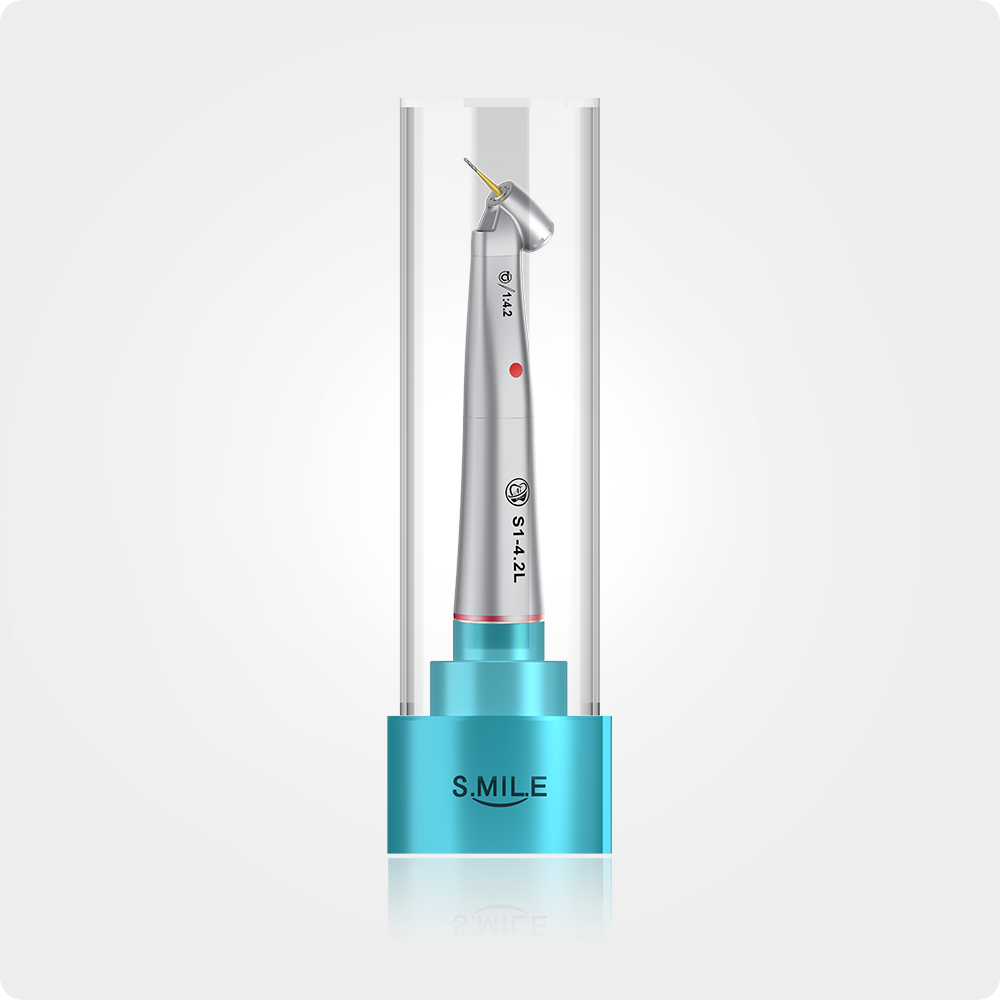
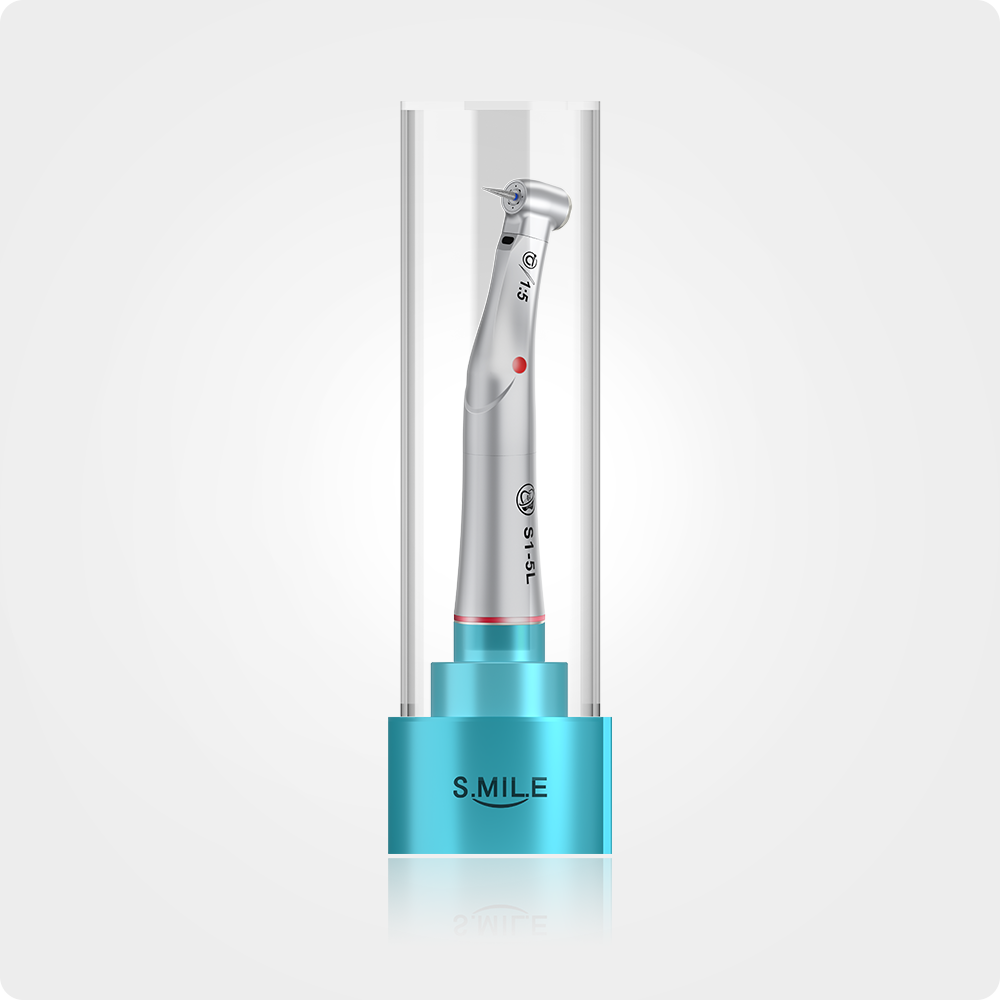
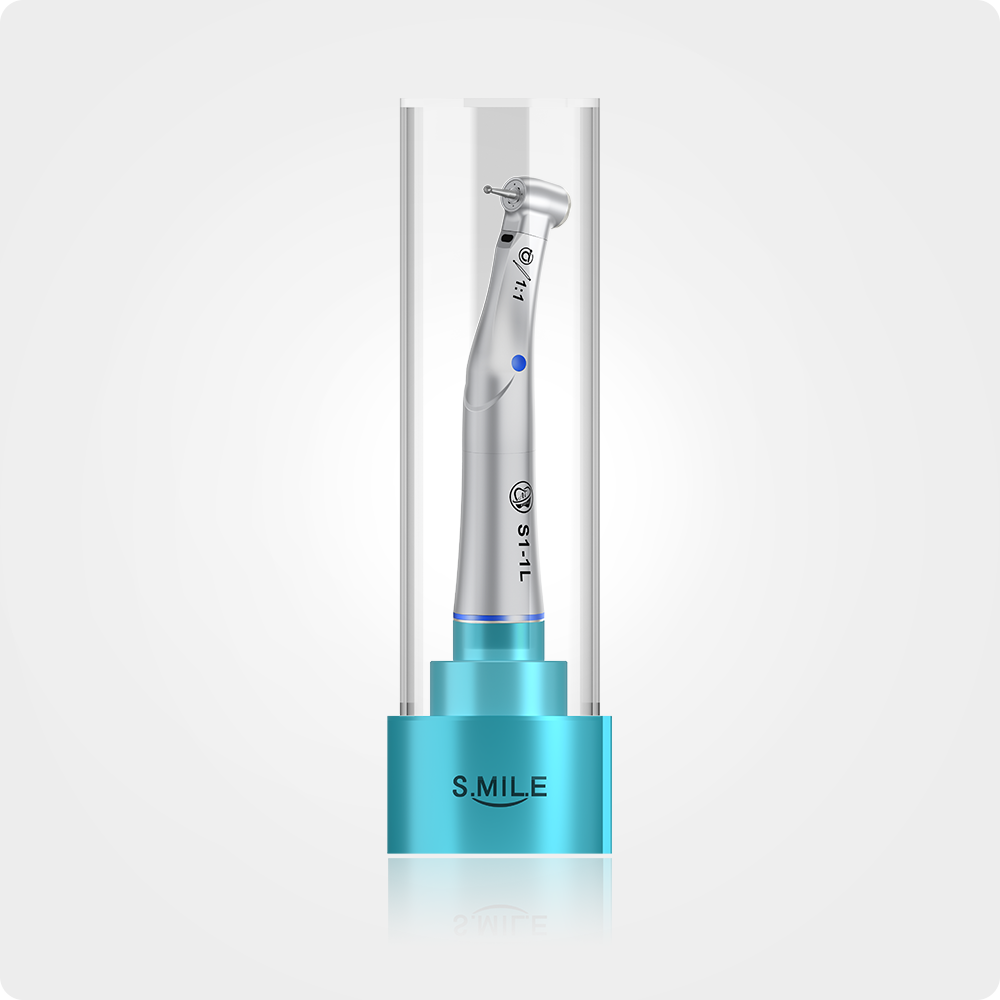
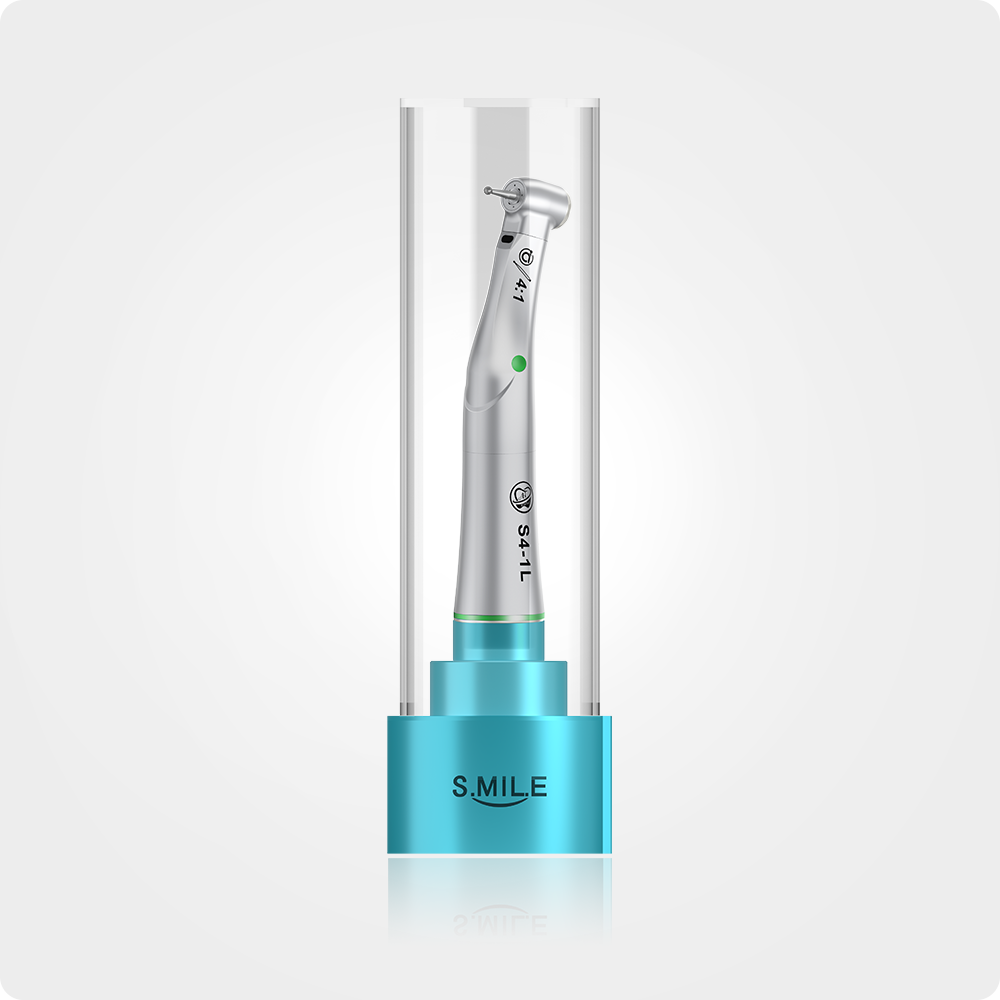
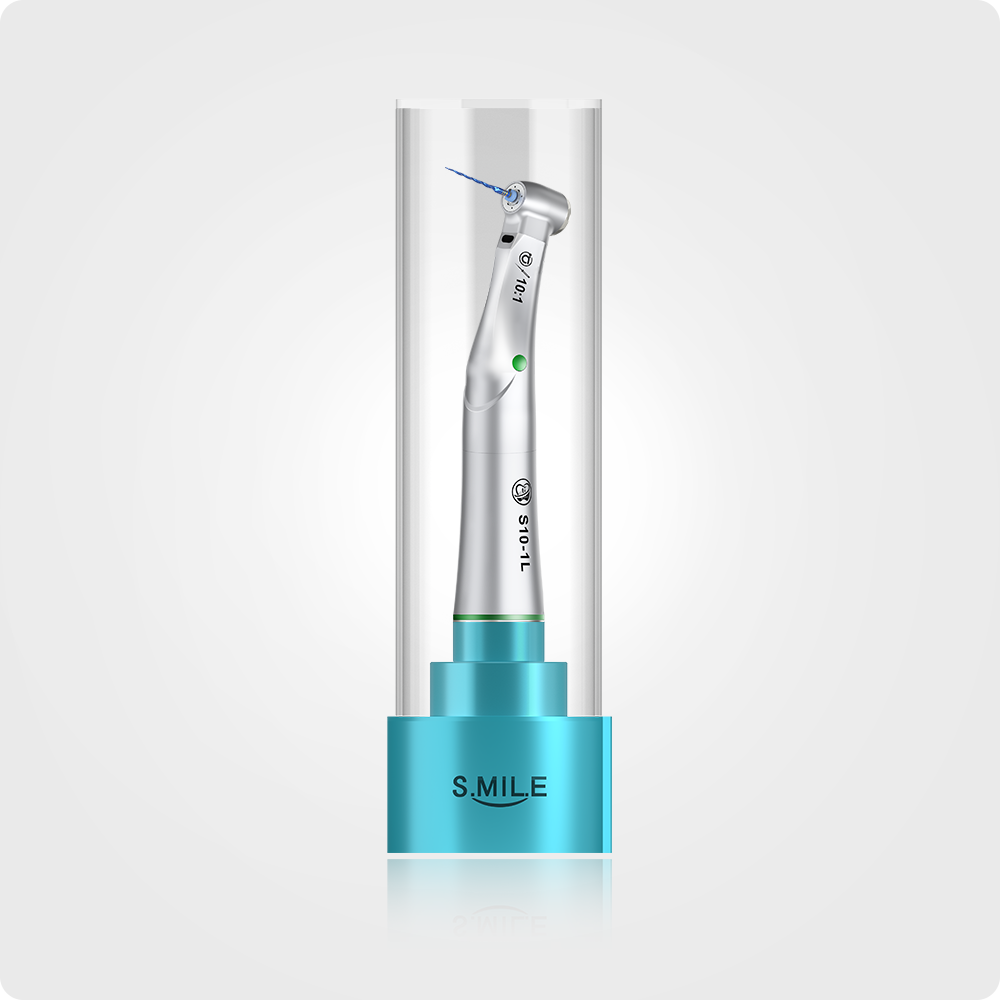
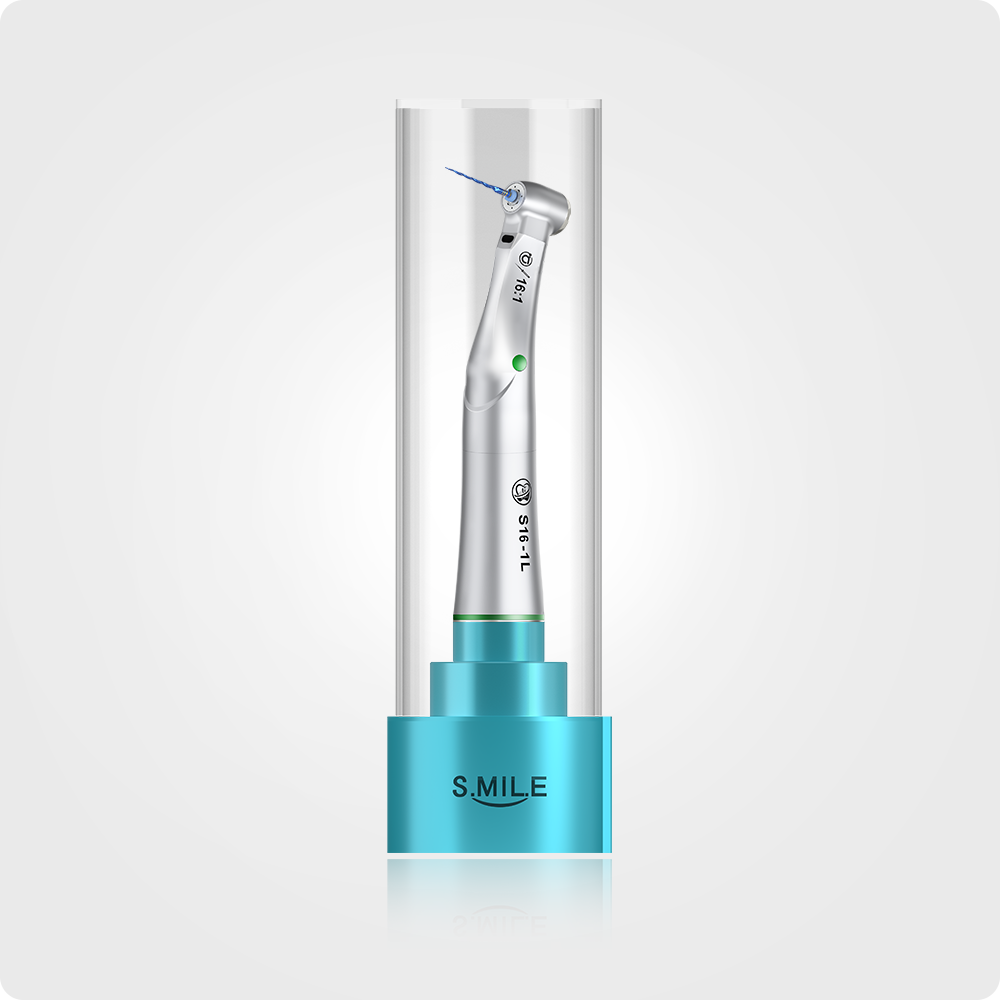
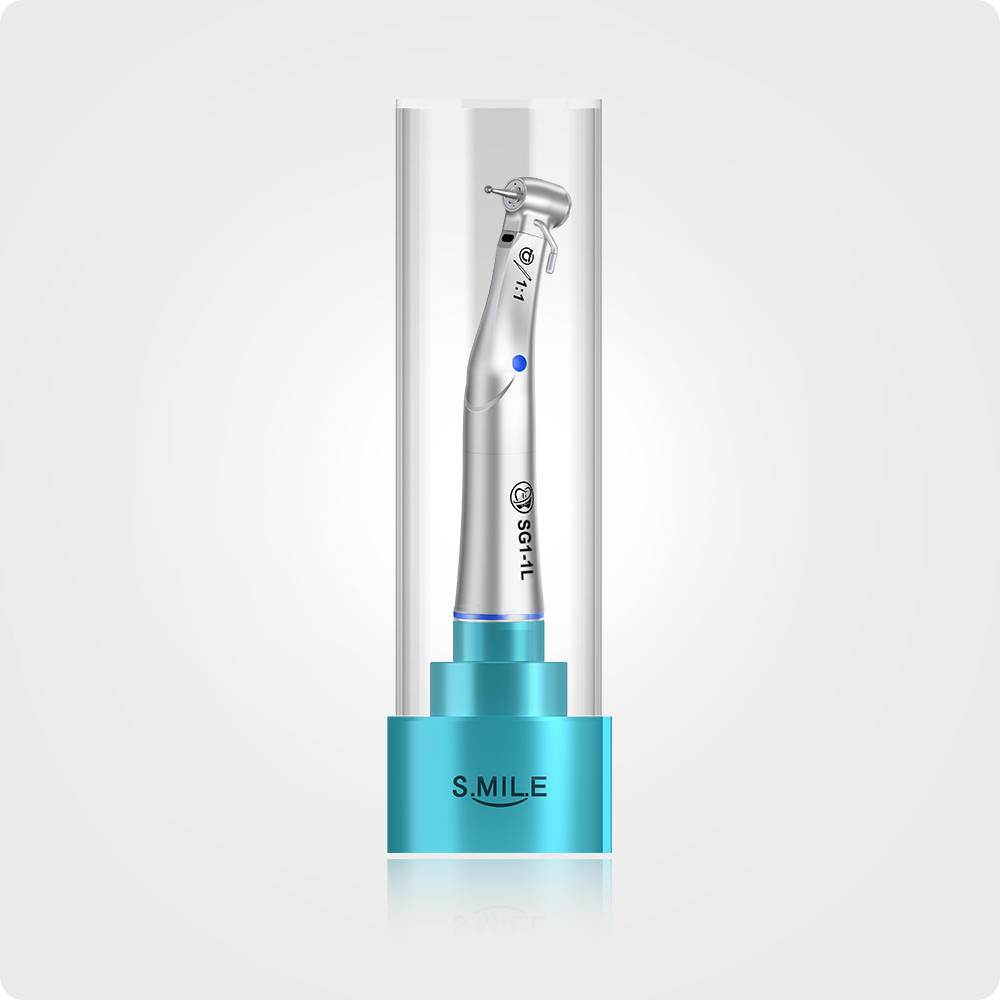
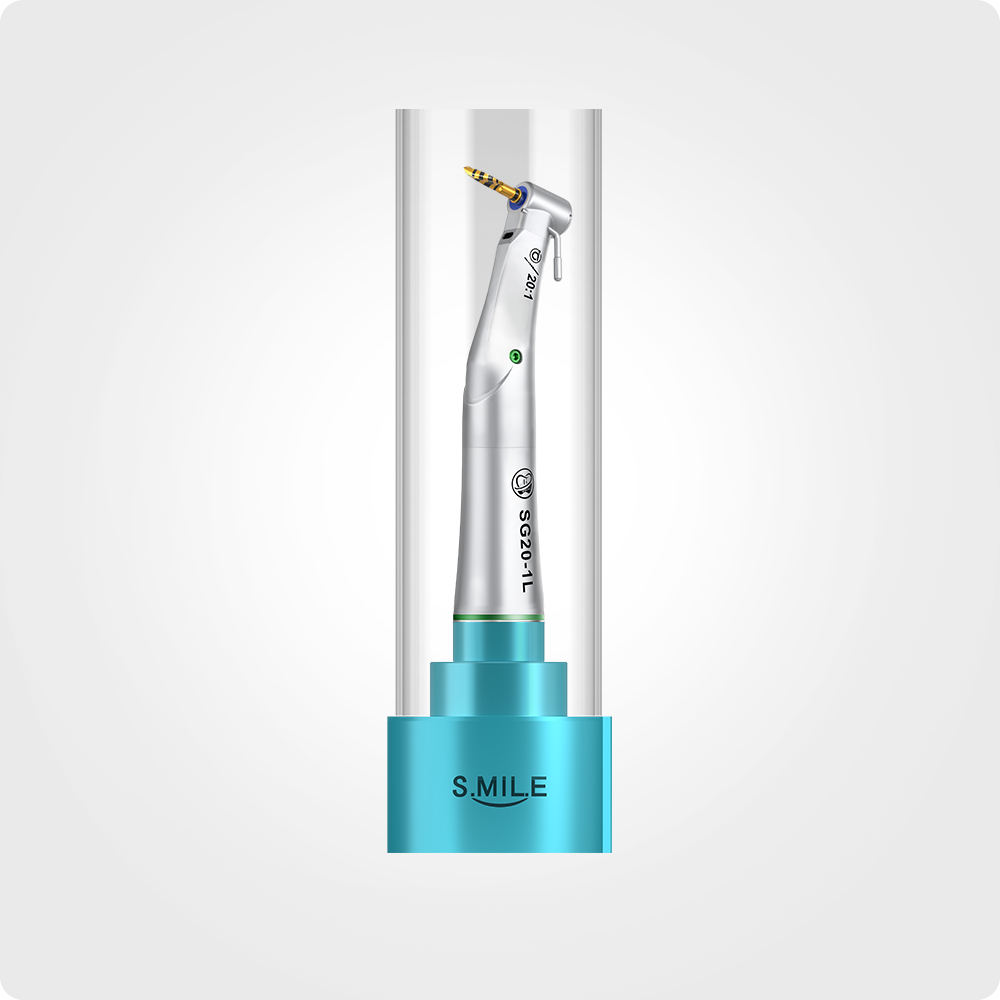
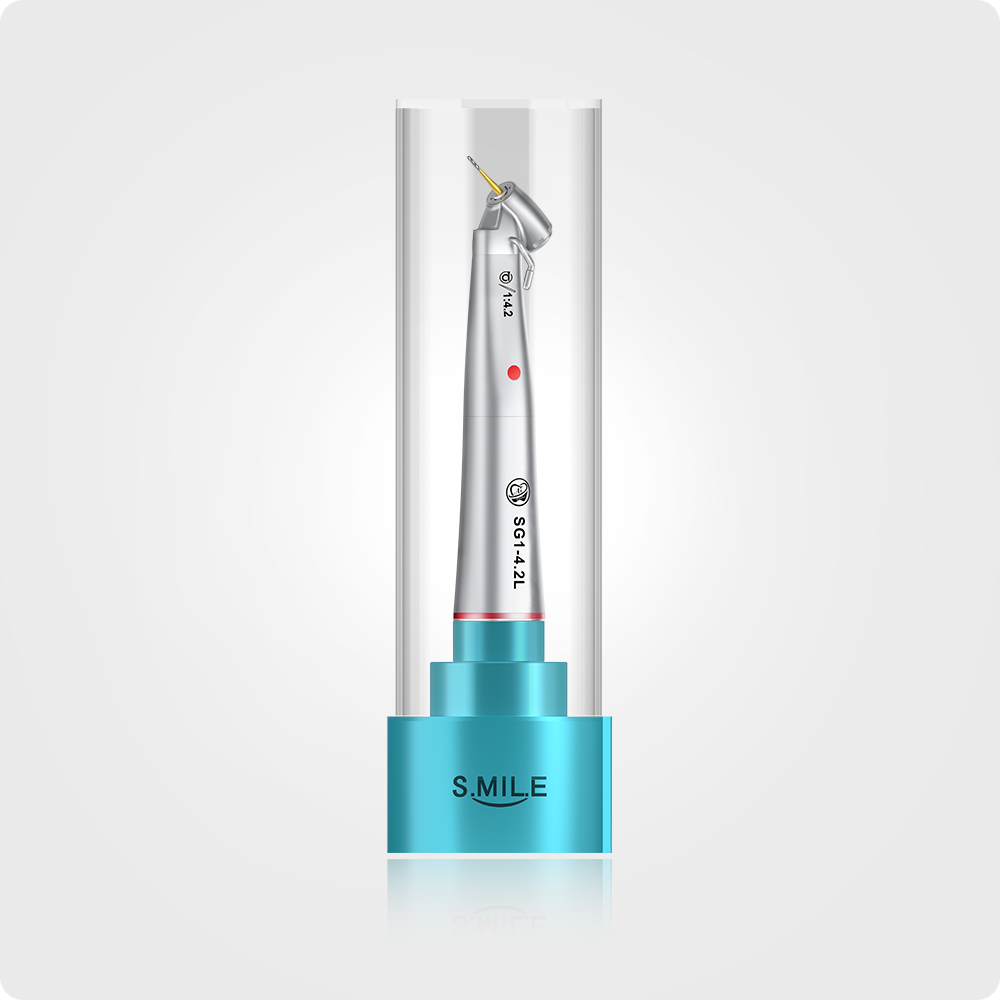
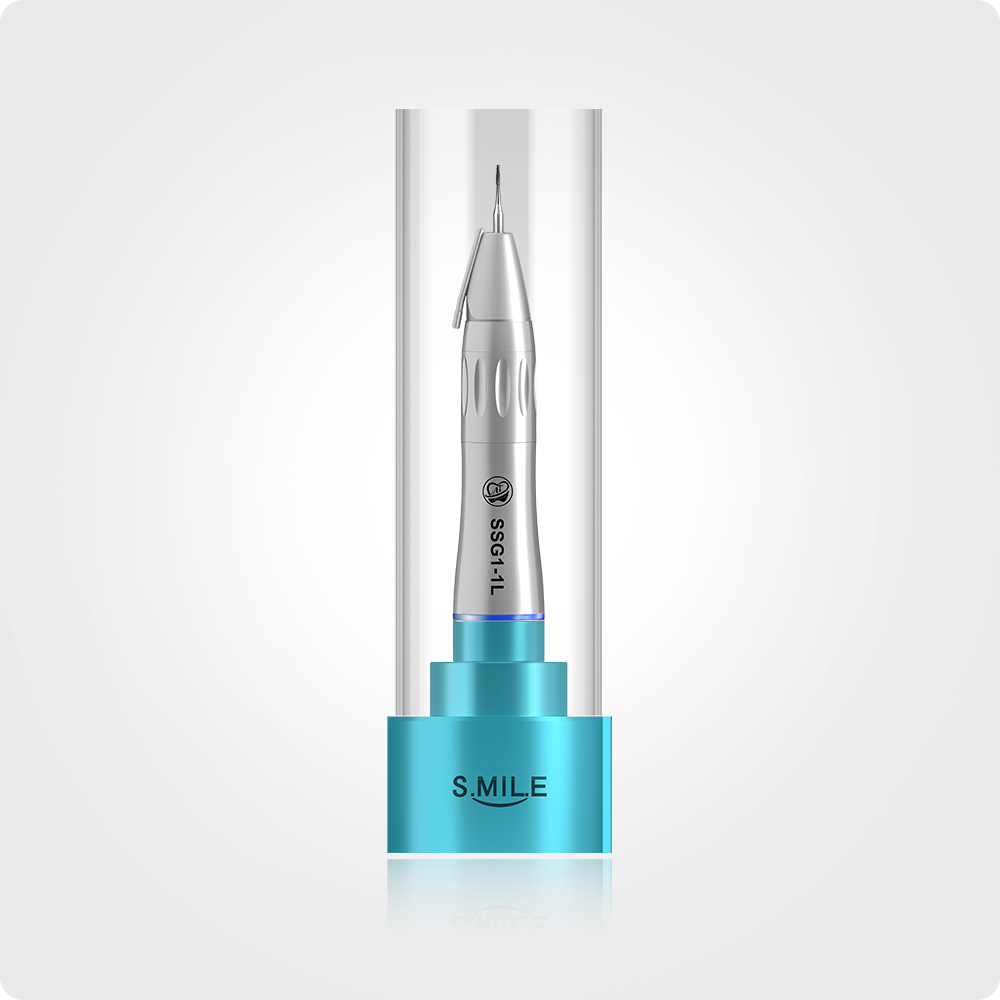
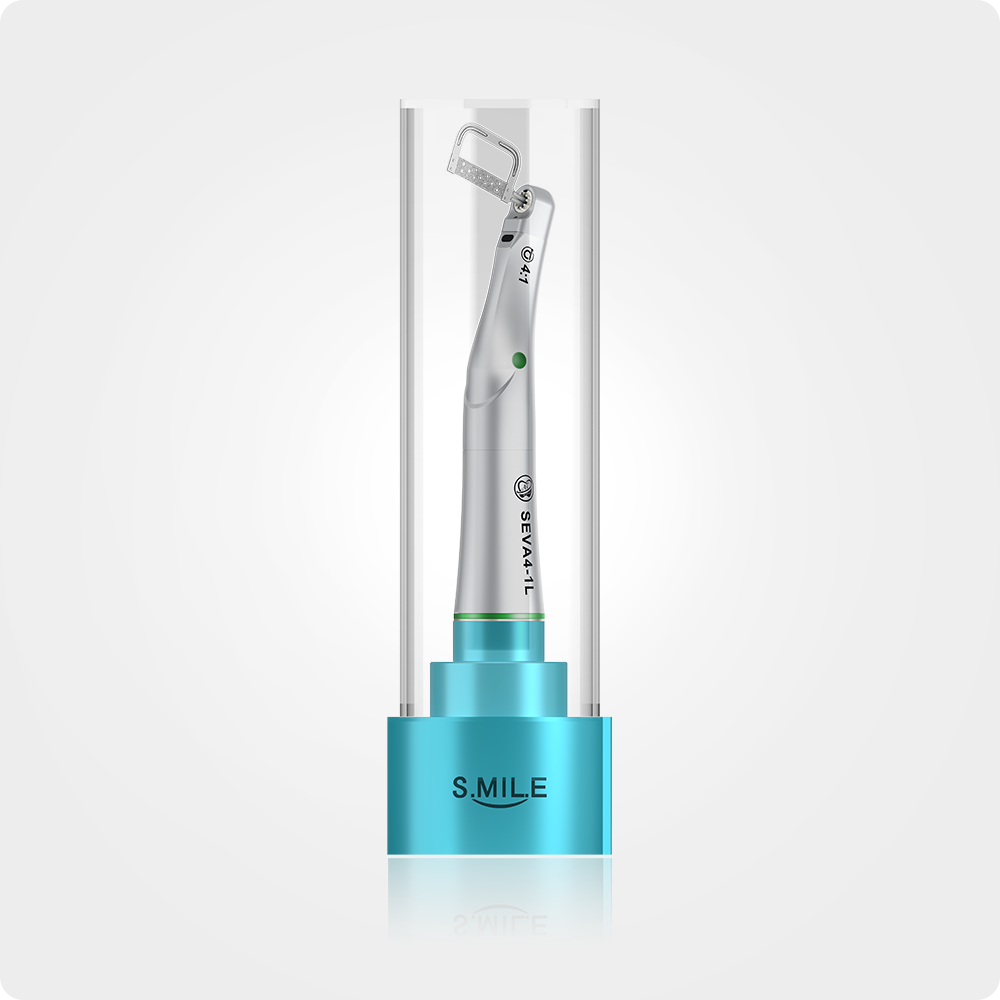
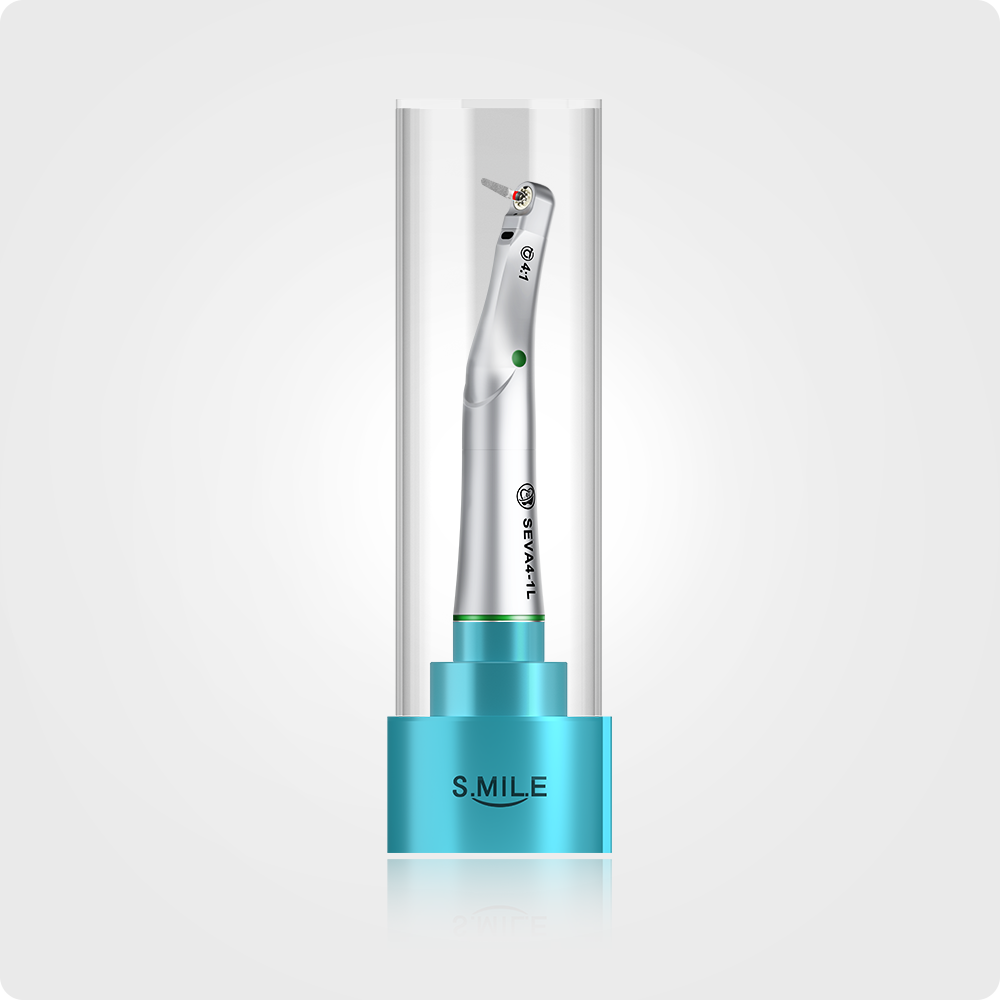
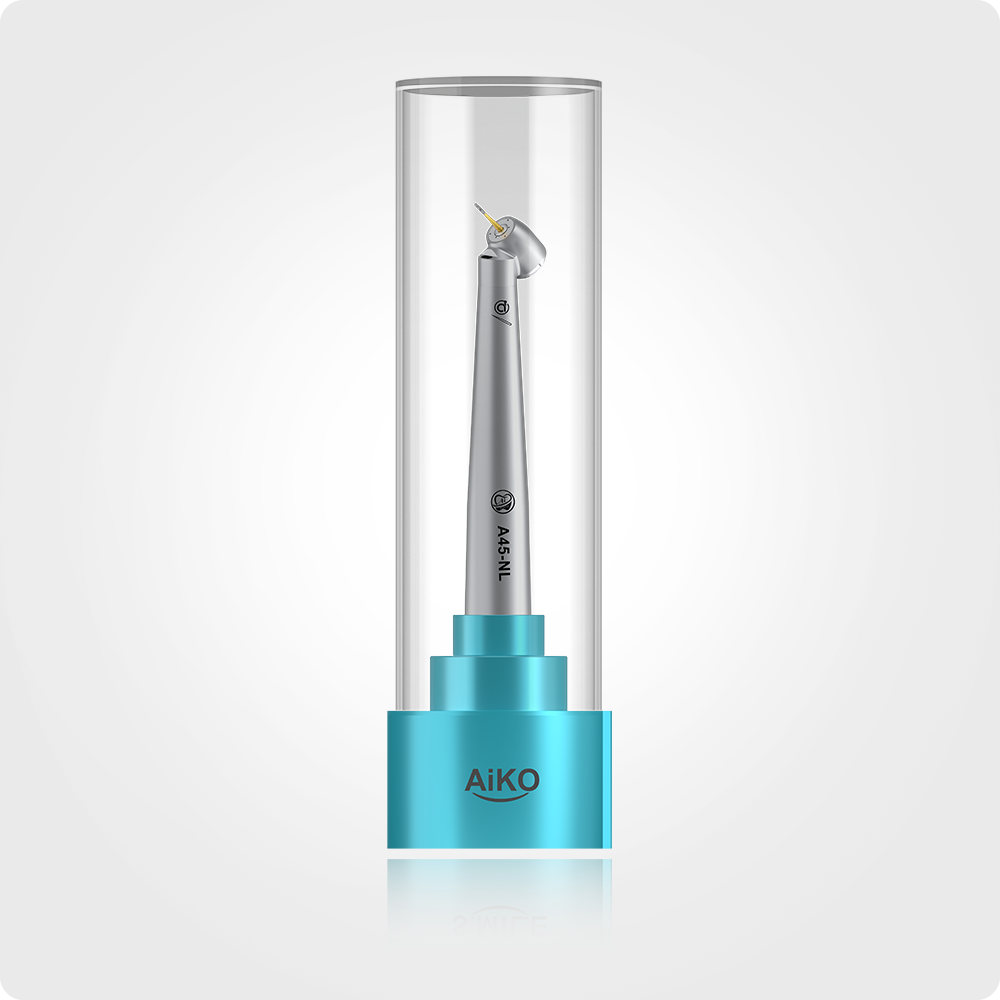
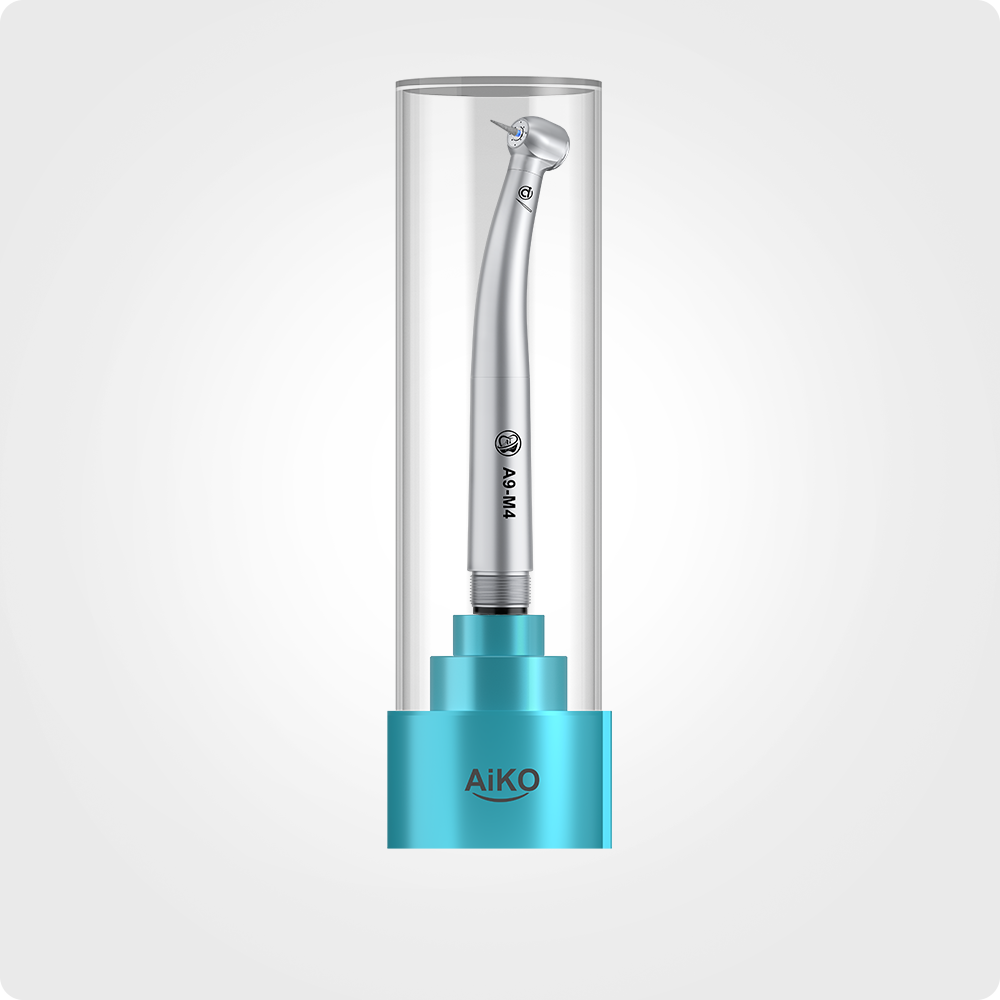
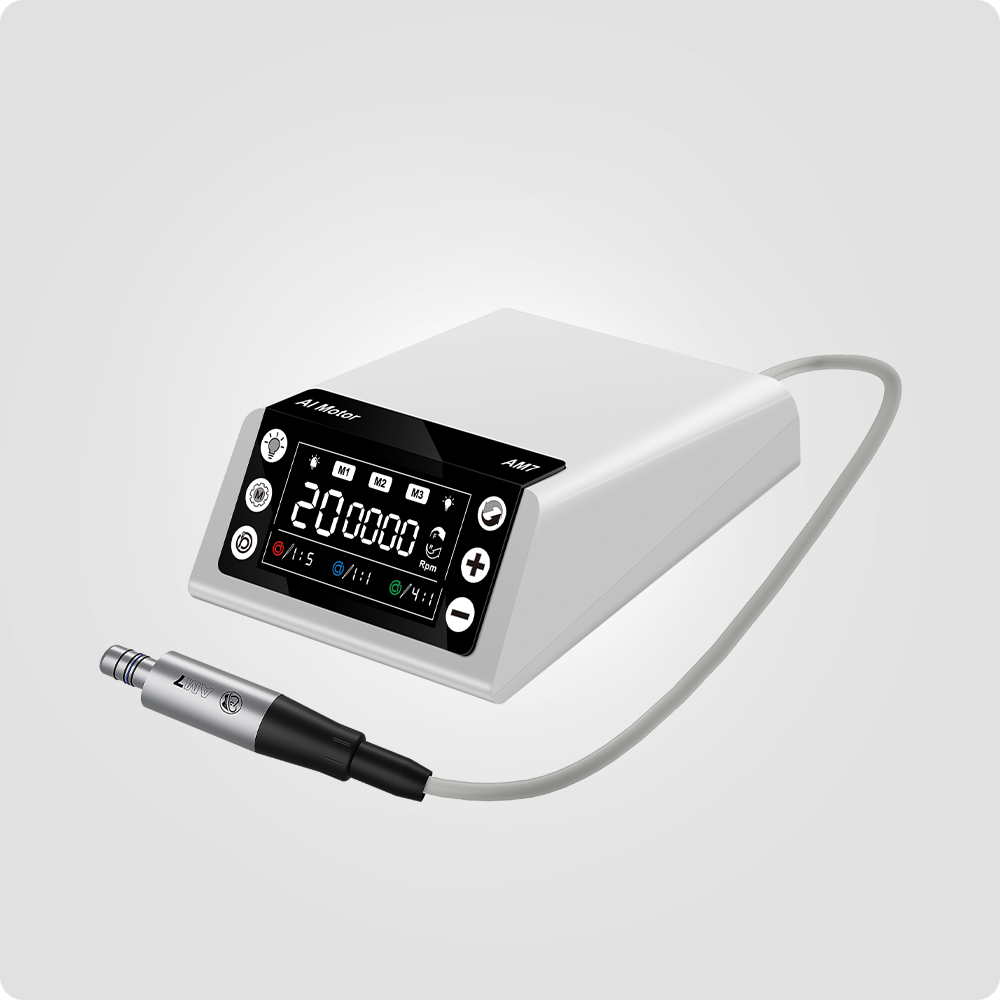
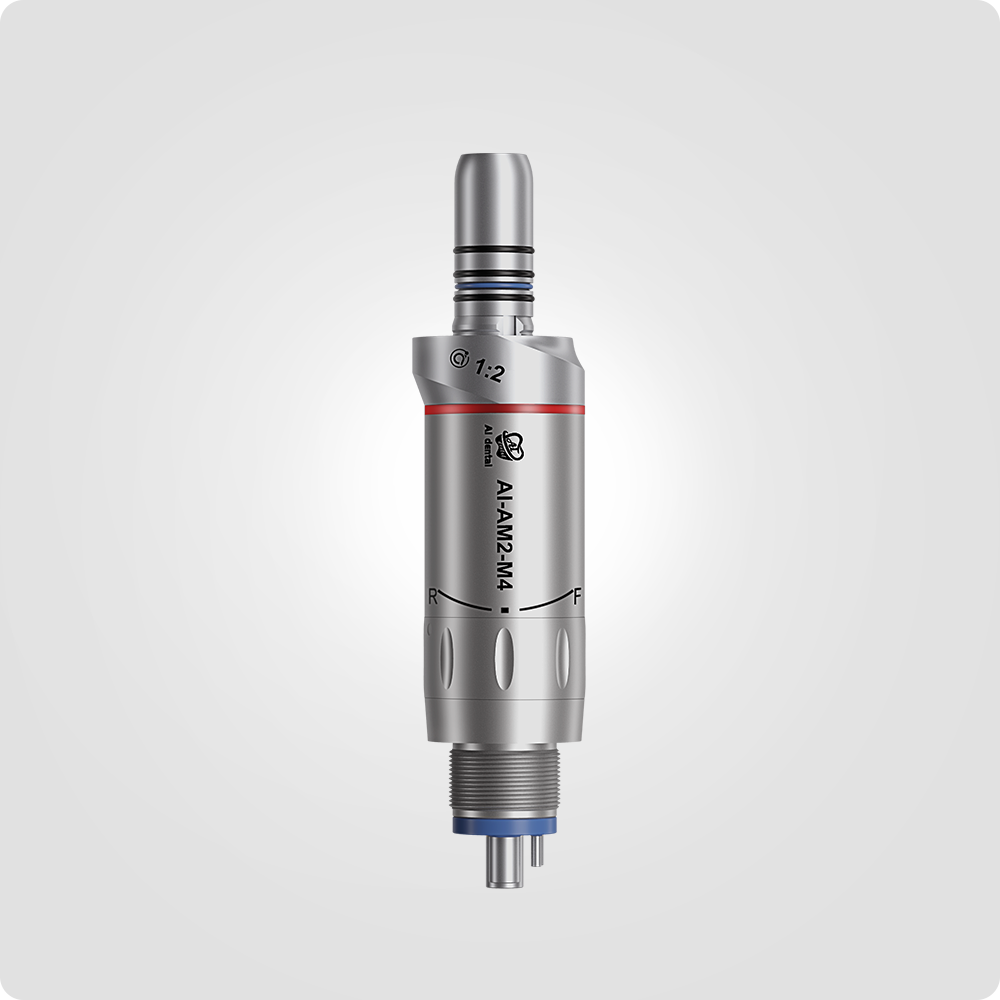
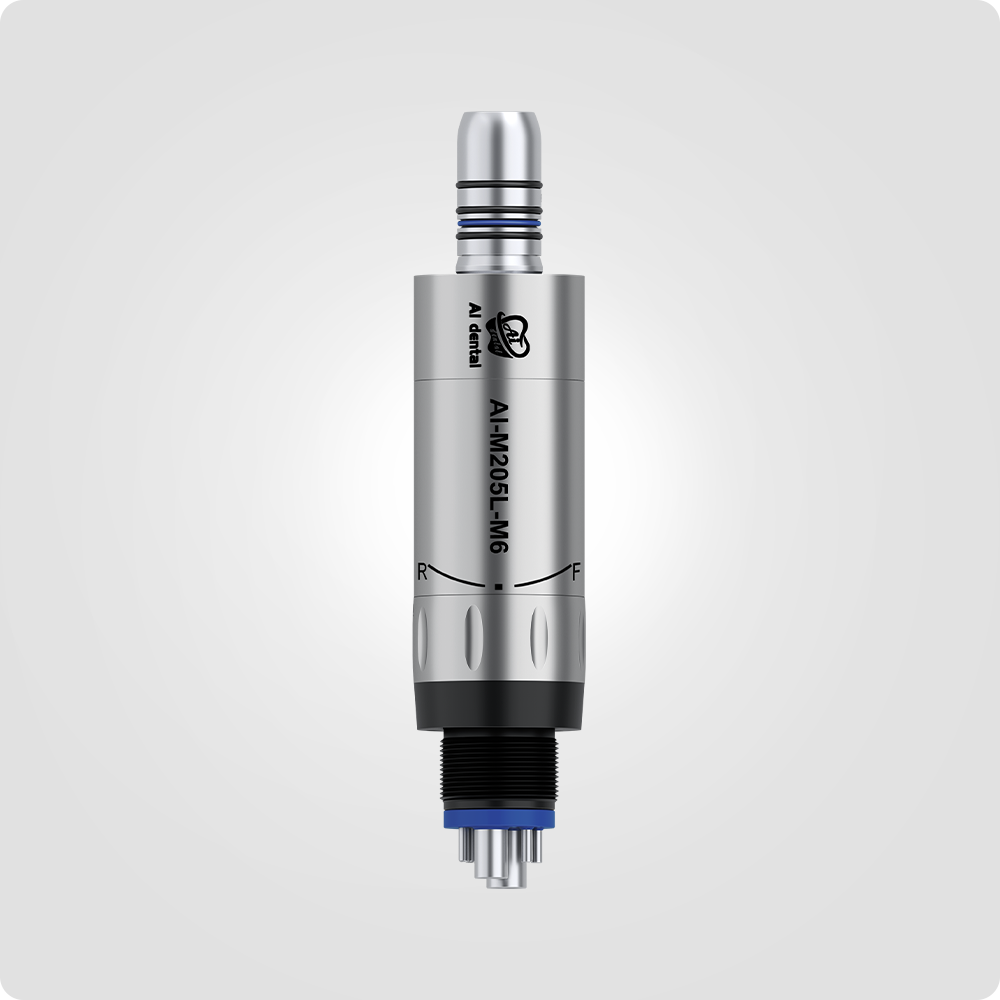
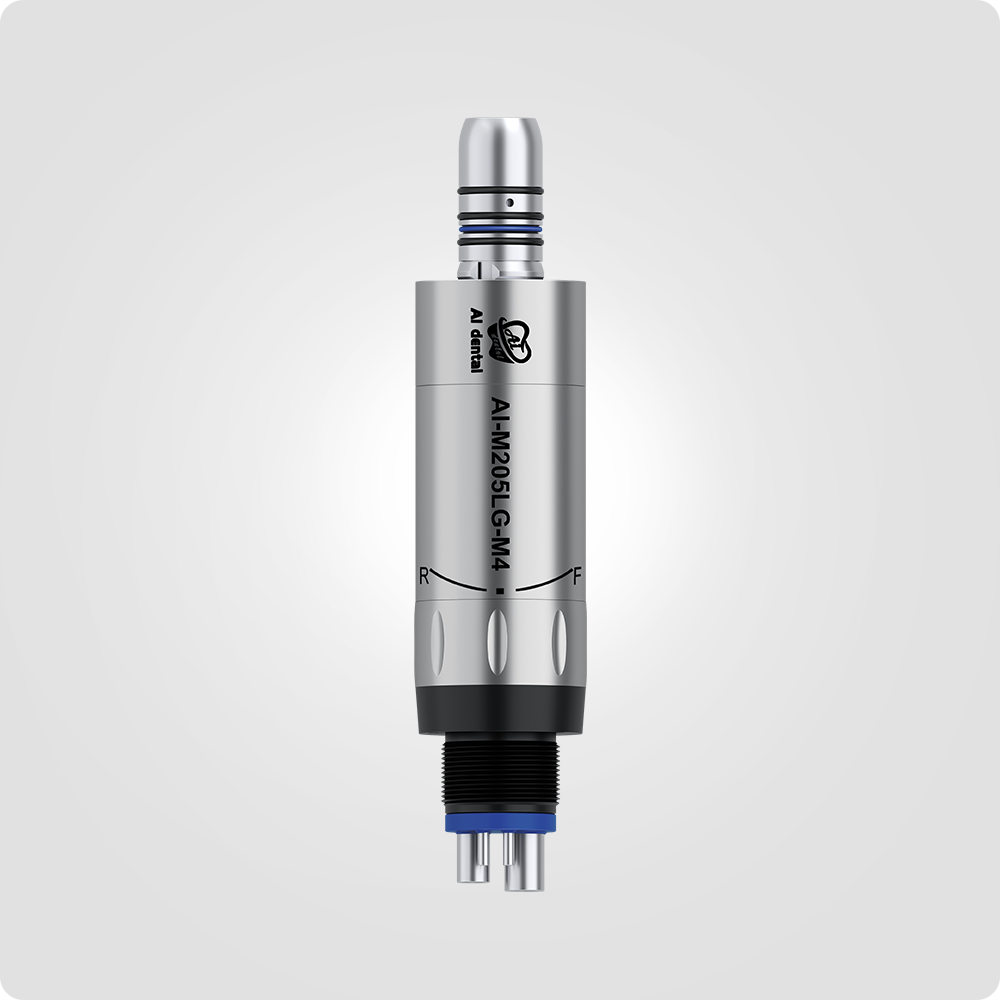
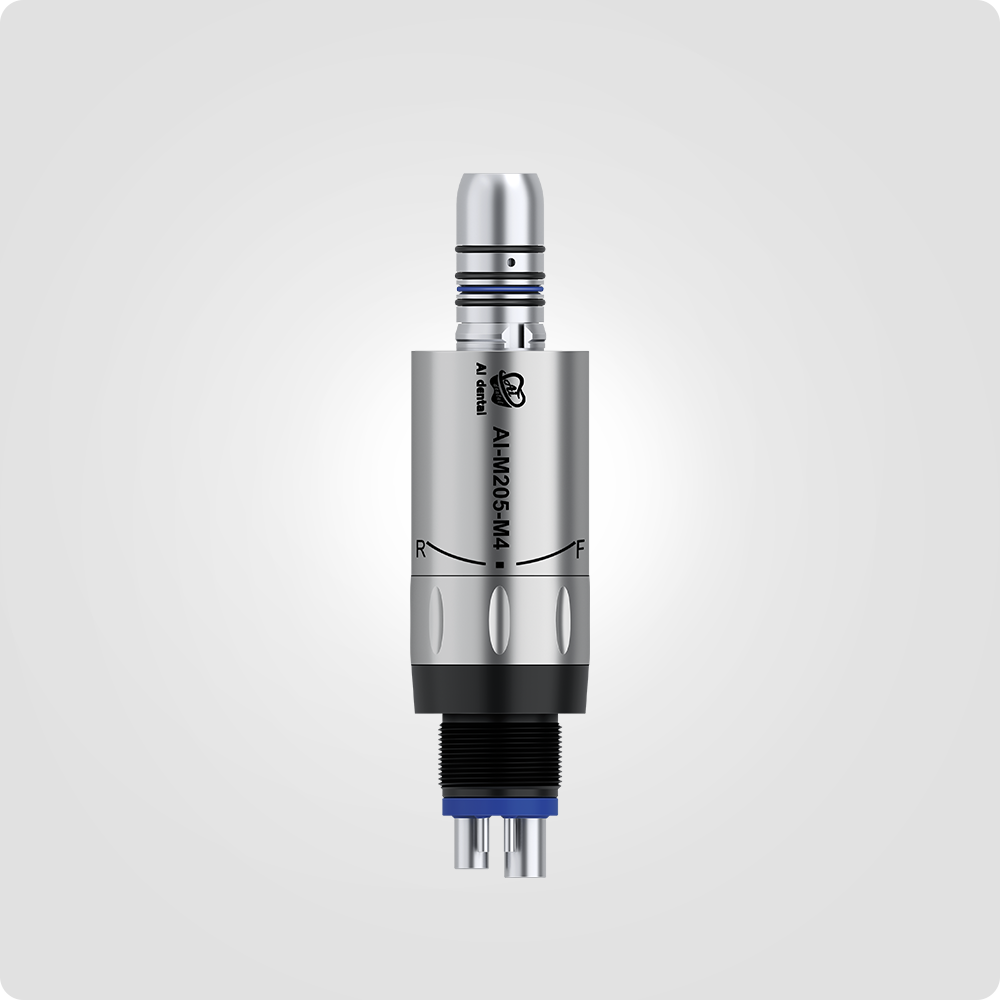
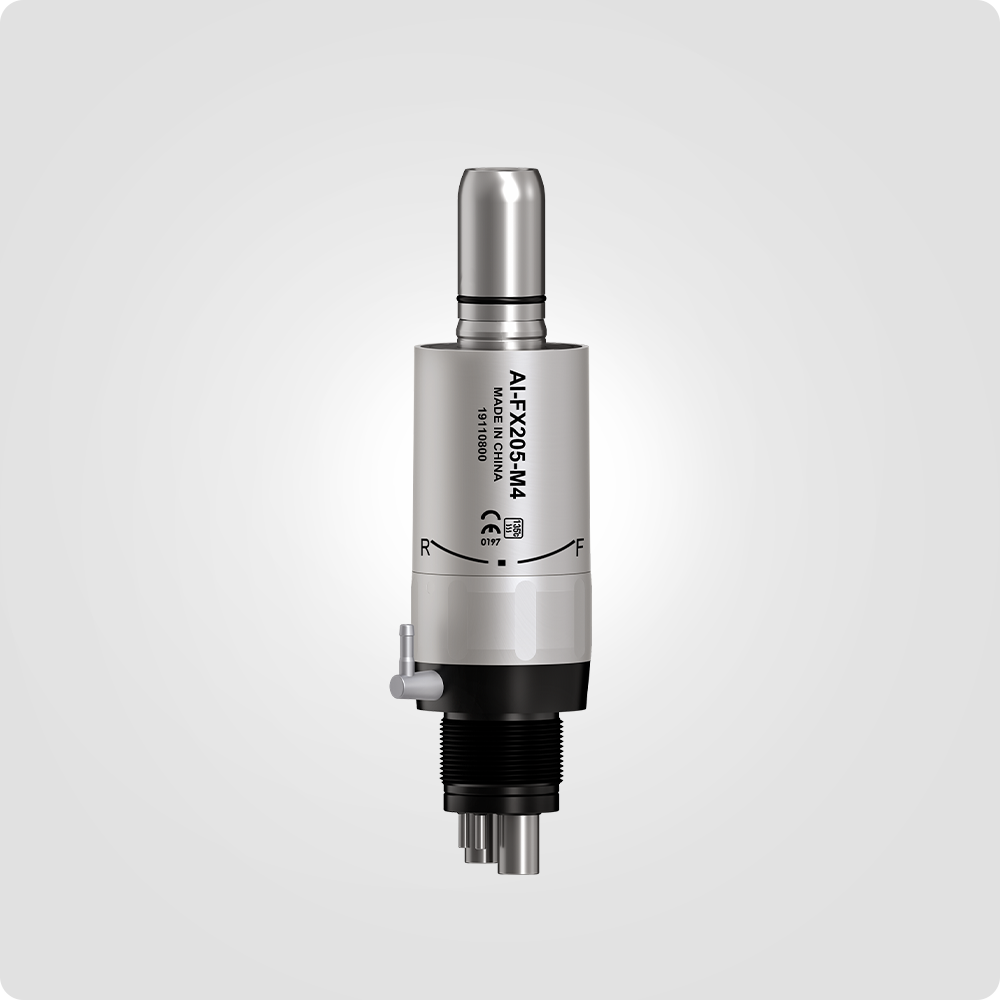
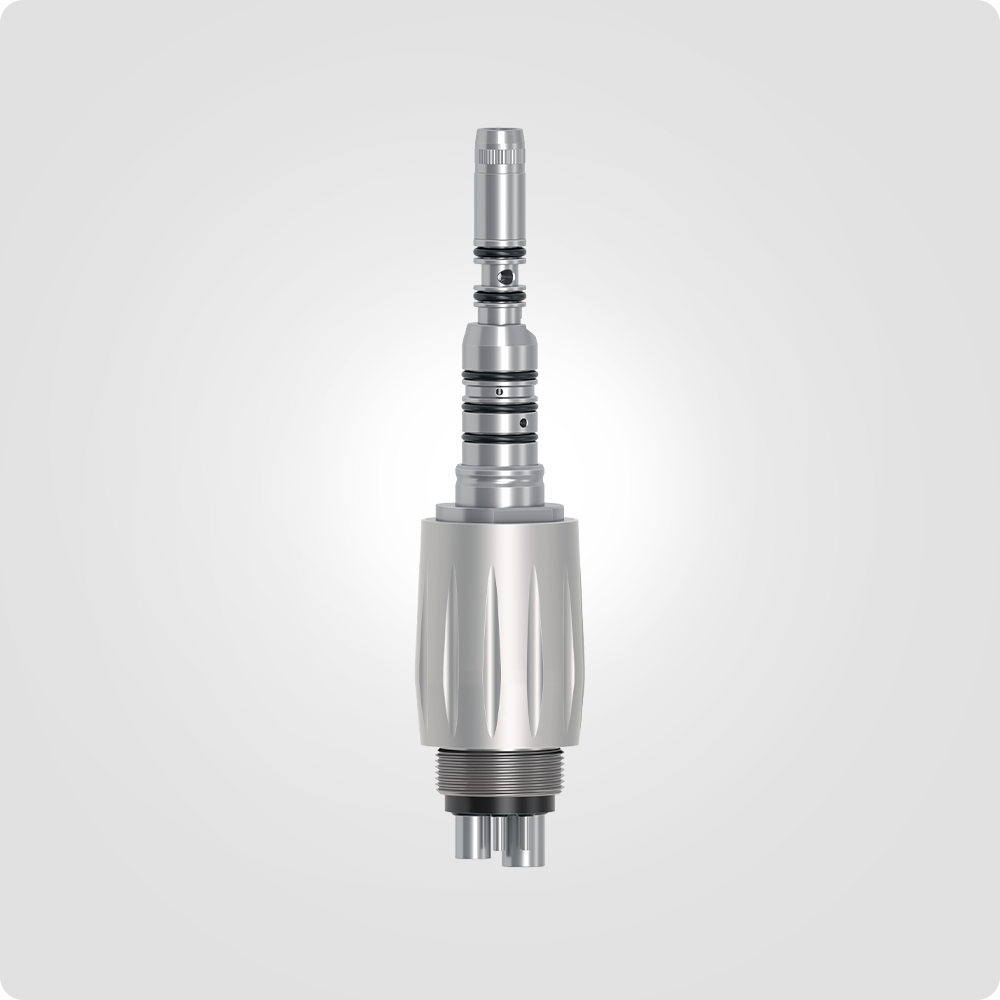
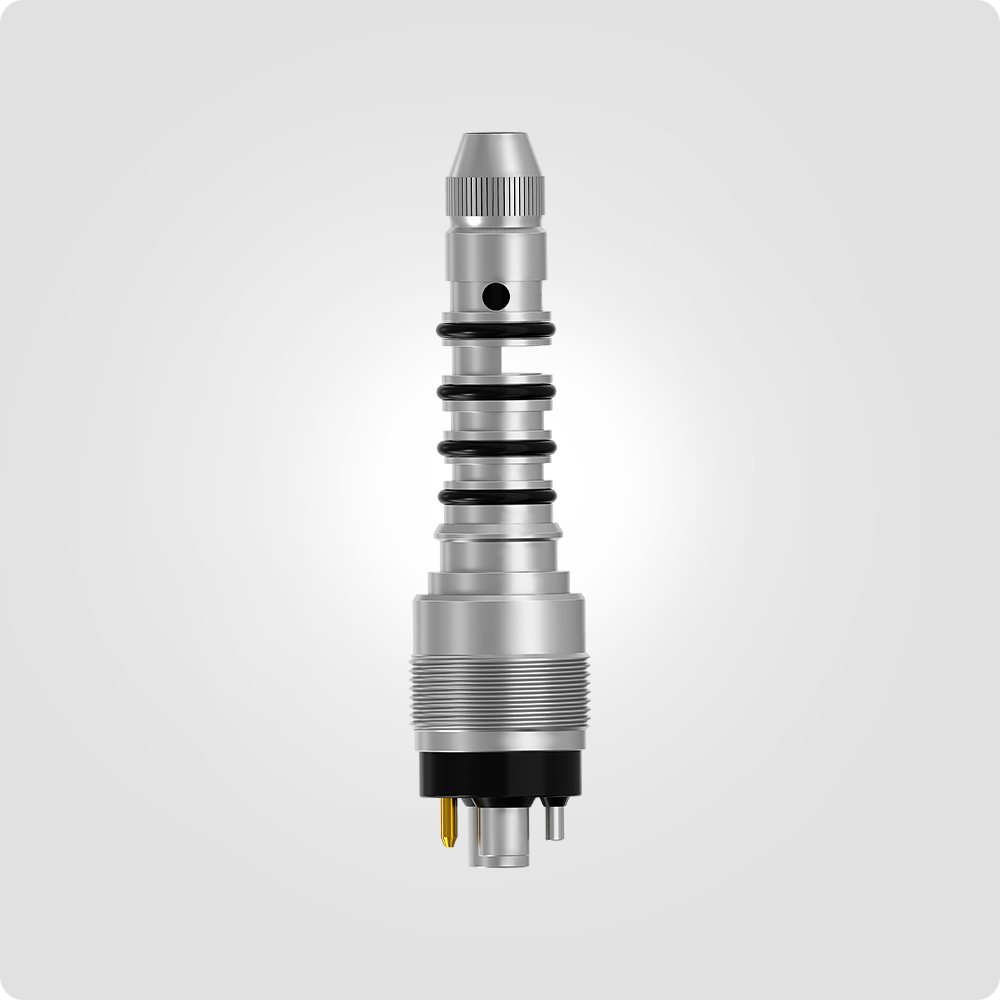
Contra angle low speed handpieces are essential instruments in the field of dentistry, playing a crucial role in various dental procedures. These handpieces are particularly designed to offer precision and control, making them invaluable for dentists and dental hygienists. Unlike high-speed handpieces, which are typically used for cutting and removing hard tissues, contra angle low speed handpieces are utilized for more delicate tasks, such as polishing, cavity preparation, and finishing procedures.
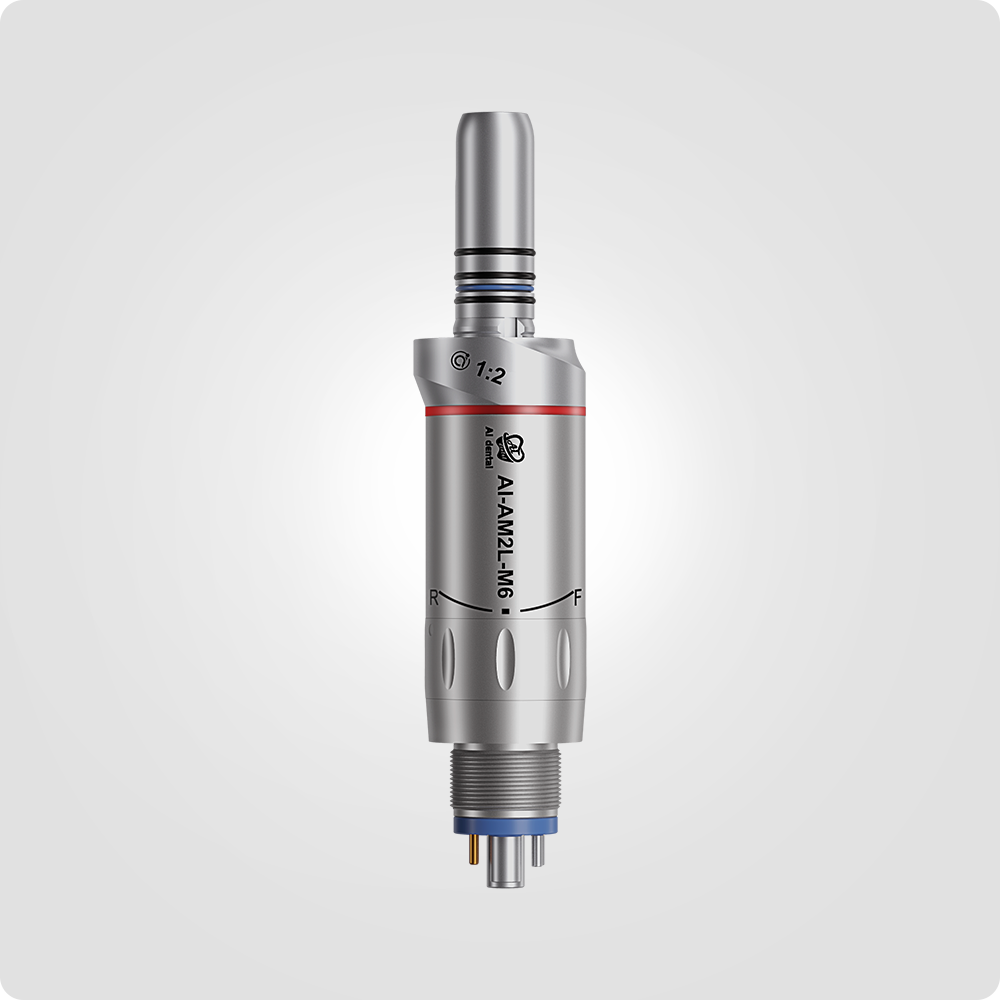
One of the standout features of contra angle low speed handpieces is their unique design. The “contra angle” refers to the angled connection between the handpiece and the bur (the rotating tool used in dentistry), which allows for better access to difficult-to-reach areas within the mouth. This angled design enhances visibility and maneuverability, ensuring that dental practitioners can perform procedures more efficiently and effectively.
Additionally, these handpieces operate at lower speeds, generally ranging from 100 to 40,000 RPM (revolutions per minute). This lower speed is ideal for tasks that require precision, such as preparing teeth for crowns or fillings, as it minimizes the risk of overheating and damage to the dental pulp. The controlled speed also allows for more delicate work, such as removing caries or smoothing tooth surfaces, which is essential for patient comfort and overall treatment success.
Another significant advantage of contra angle low speed handpieces is their versatility. They can accommodate a wide variety of burs and attachments, which makes them suitable for an array of dental procedures. Whether it’s for cleaning, shaping, or finishing, these handpieces can be adapted to meet the specific needs of a procedure, thus enhancing their utility in a dental practice.
Maintenance of contra angle low speed handpieces is also a critical aspect of their functionality. Regular cleaning, lubrication, and sterilization are necessary to ensure their longevity and optimal performance. Proper maintenance not only extends the life of the handpiece but also guarantees the safety and health of patients by preventing cross-contamination.
In conclusion, contra angle low speed handpieces are integral components of modern dentistry. Their design, functionality, and versatility make them indispensable for dental professionals. By understanding how these handpieces work and their applications, dentists can better serve their patients, ensuring high-quality care and improved clinical outcomes. Investing time in learning about and maintaining these tools can significantly enhance the efficiency and effectiveness of dental treatments.
Related News
AI DENTAL Highlights Day 1 at 2026 Rimini Dental Expo-High-Value Smile & AiKO Series
May 15,2026
Views ()
Focus On Dental Handpieces