








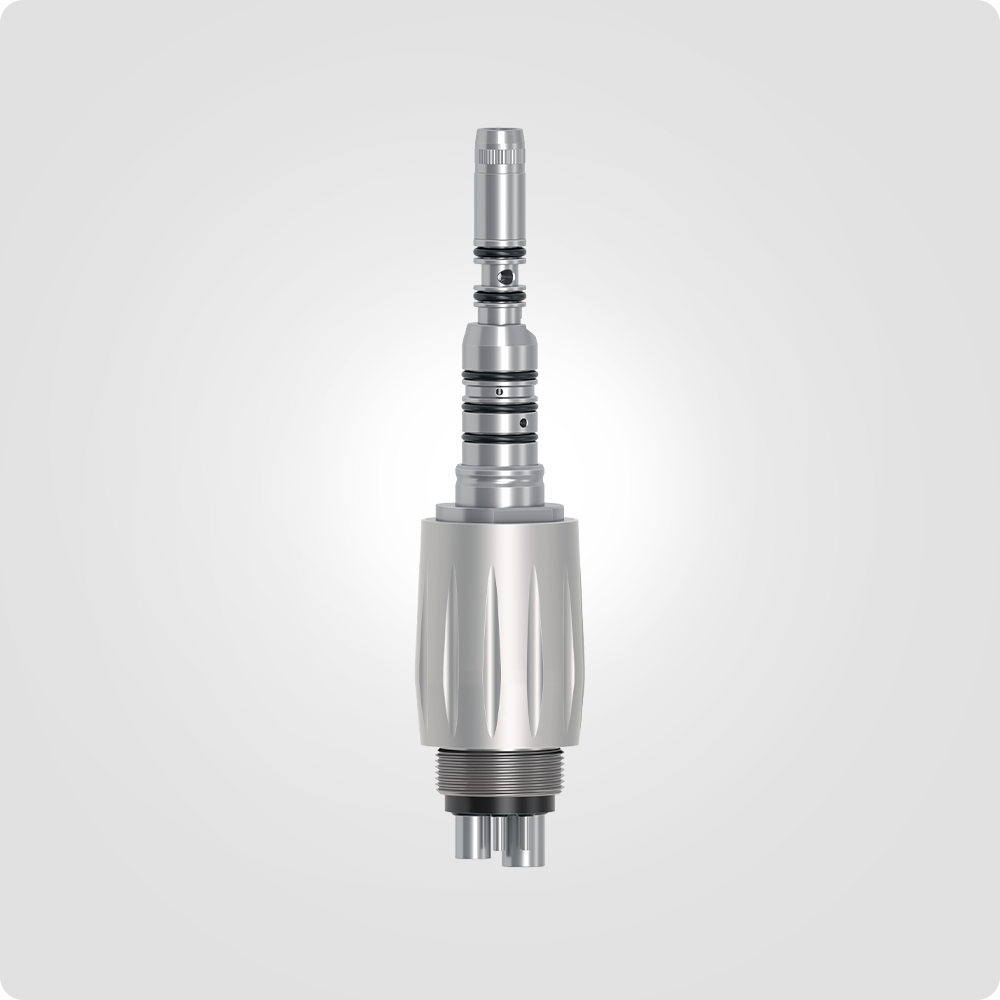









The Role of Digital Dentistry in the Dental Handpieces Market: Revolutionizing Oral Healthcare
Oct 04,2026
Views ()

The Role of Digital Dentistry in the Dental Handpieces Market
Table of Contents
- 1. Introduction to Digital Dentistry
- 2. Understanding Dental Handpieces
- 3. Evolution of Digital Dentistry
- 4. Impact of Digital Dentistry on the Dental Handpieces Market
- 5. Benefits of Digital Dentistry in Dental Practices
- 6. Challenges and Solutions in Digital Dentistry
- 7. Future Trends in Dental Handpieces and Digital Dentistry
- 8. Conclusion
- 9. FAQs
1. Introduction to Digital Dentistry
Digital dentistry represents a groundbreaking shift in how dental care is delivered, advancing traditional practices into a realm of enhanced accuracy and efficiency. The incorporation of digital technology not only improves diagnostic capabilities but also optimizes treatment plans, ensuring that patients receive the best possible care. With the rapid growth of digital tools, dental handpieces have undergone significant evolution, integrating advanced technology that boosts performance and patient satisfaction.
2. Understanding Dental Handpieces
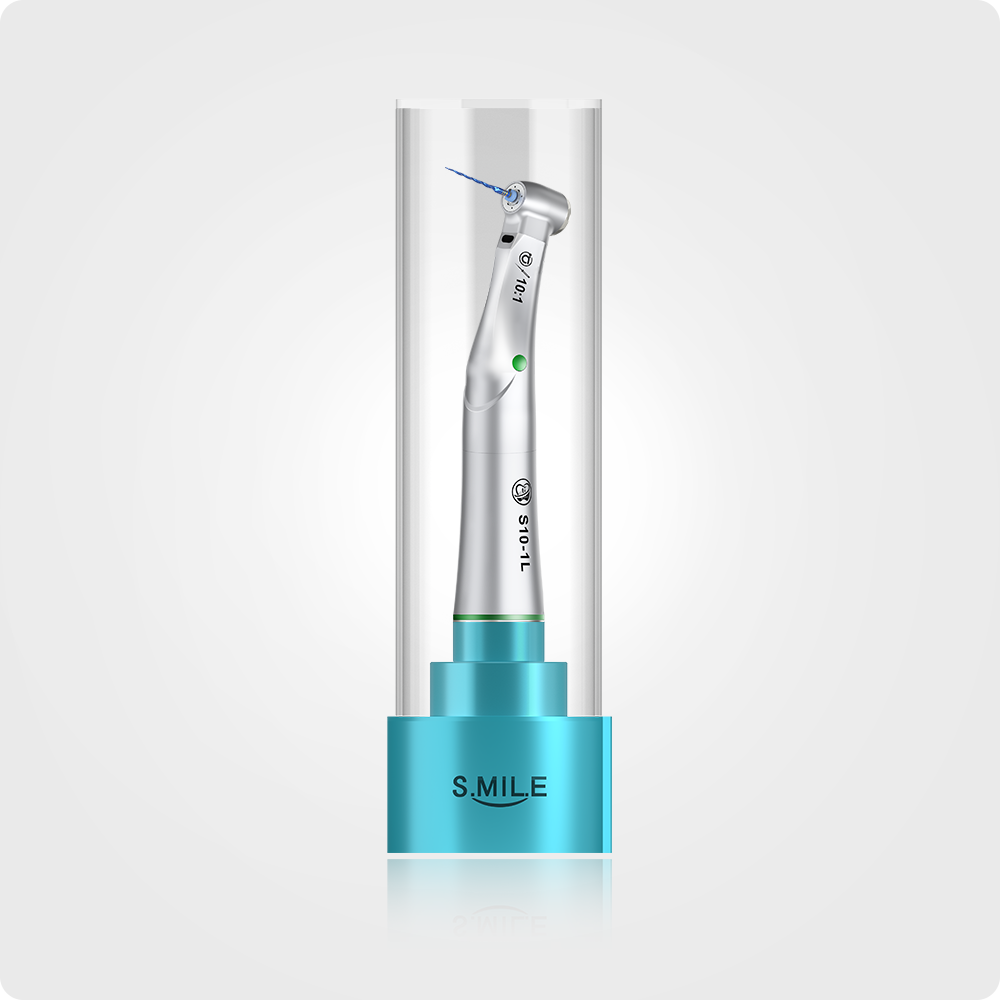
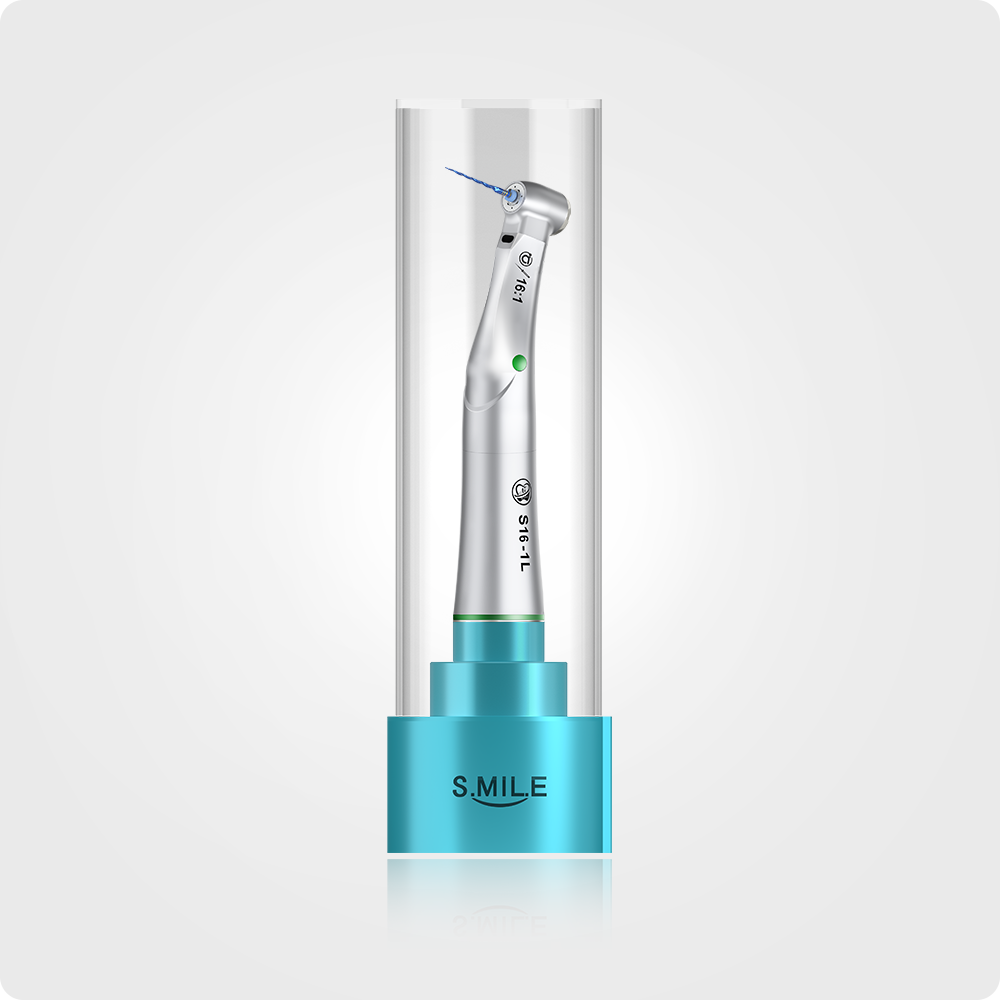
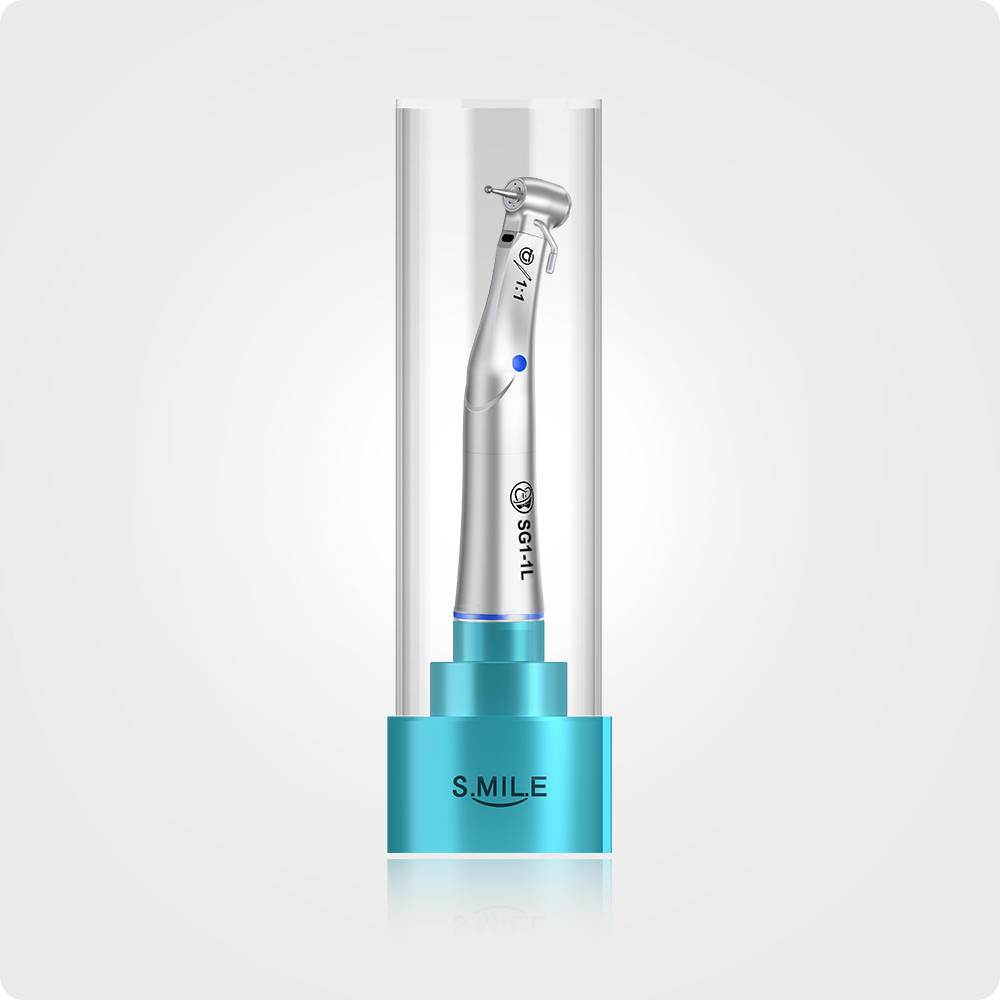
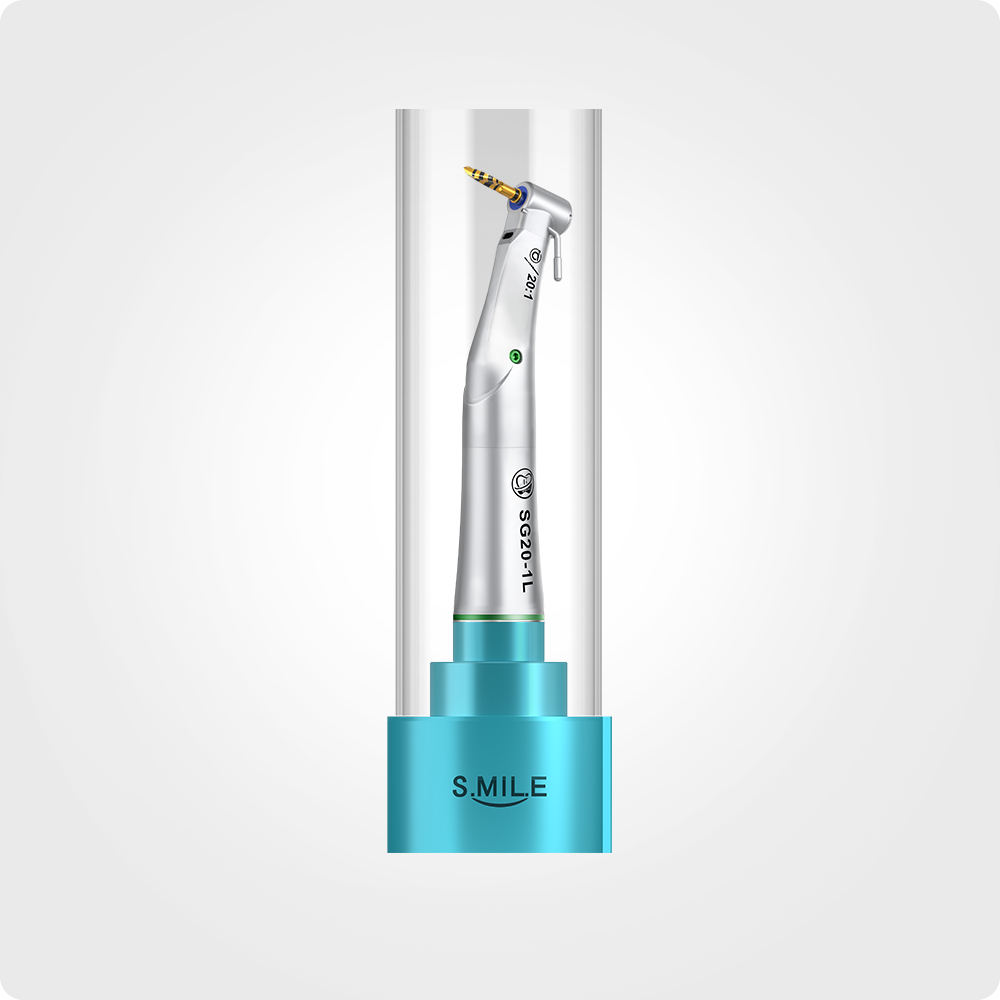
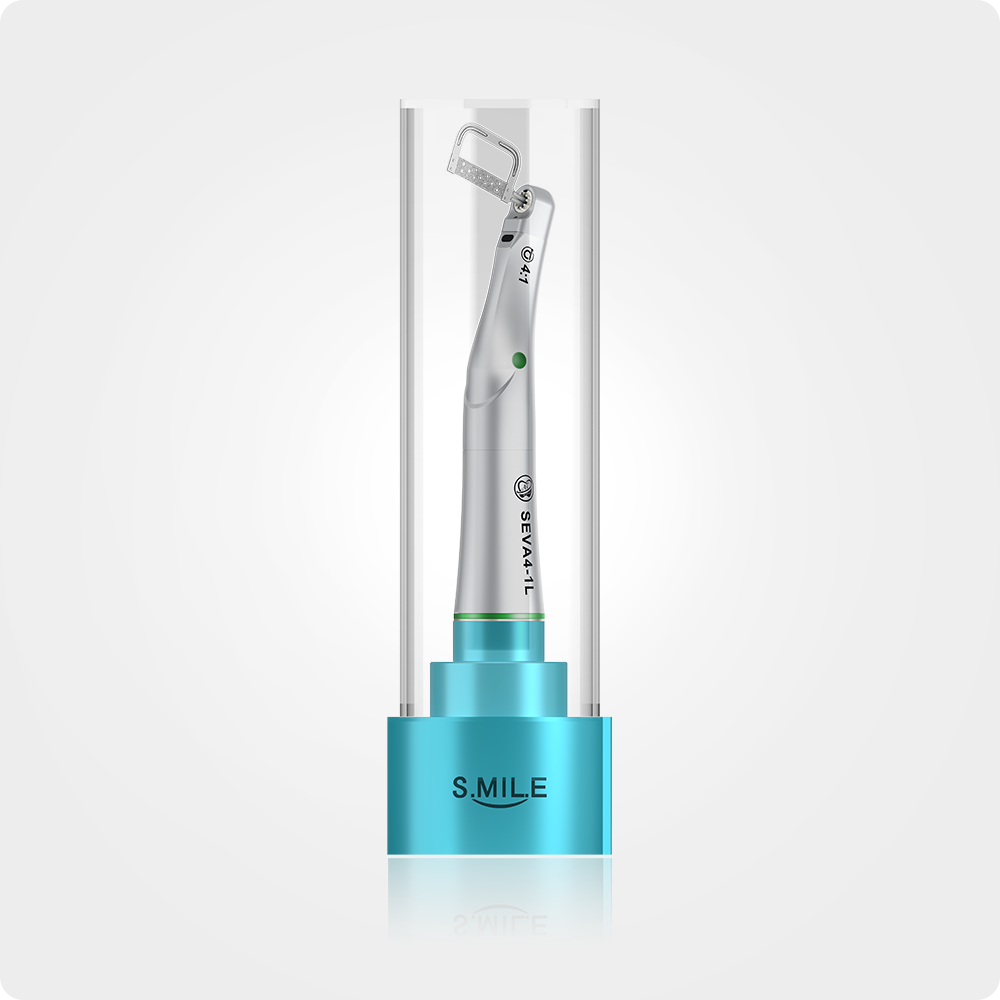
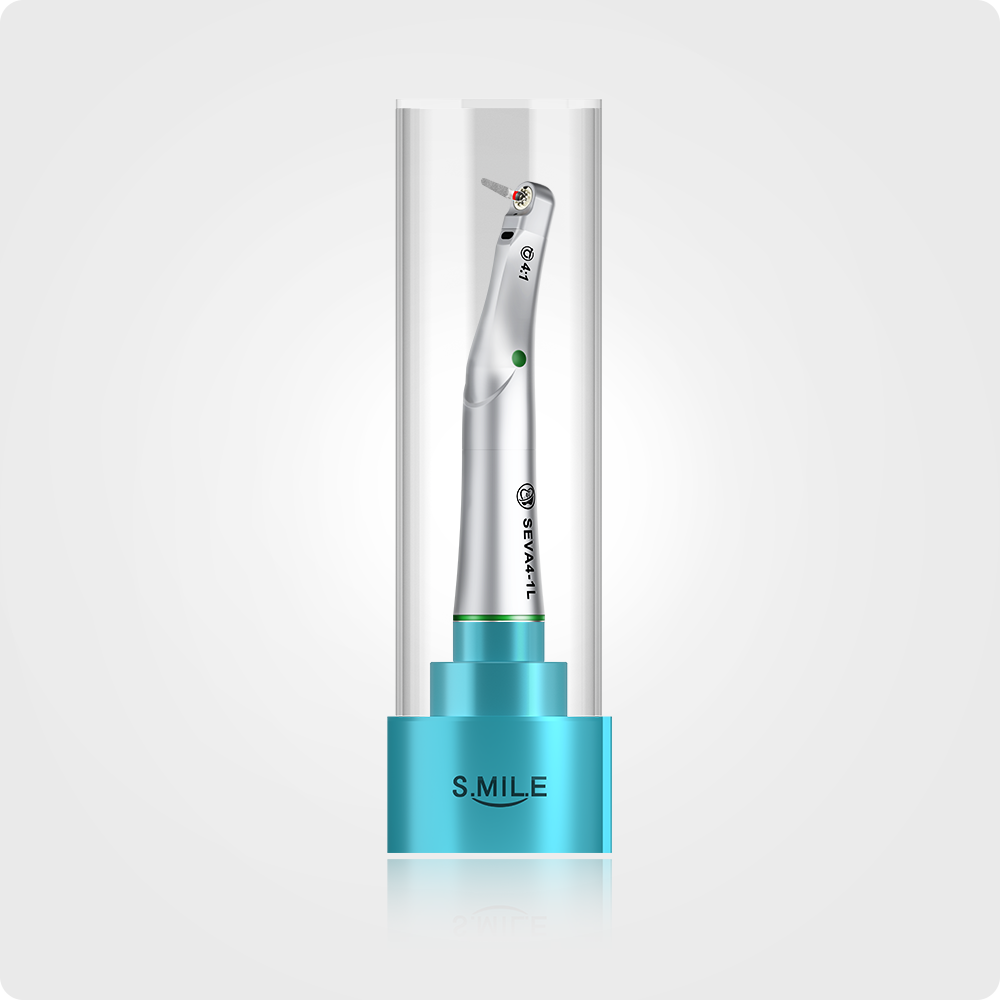
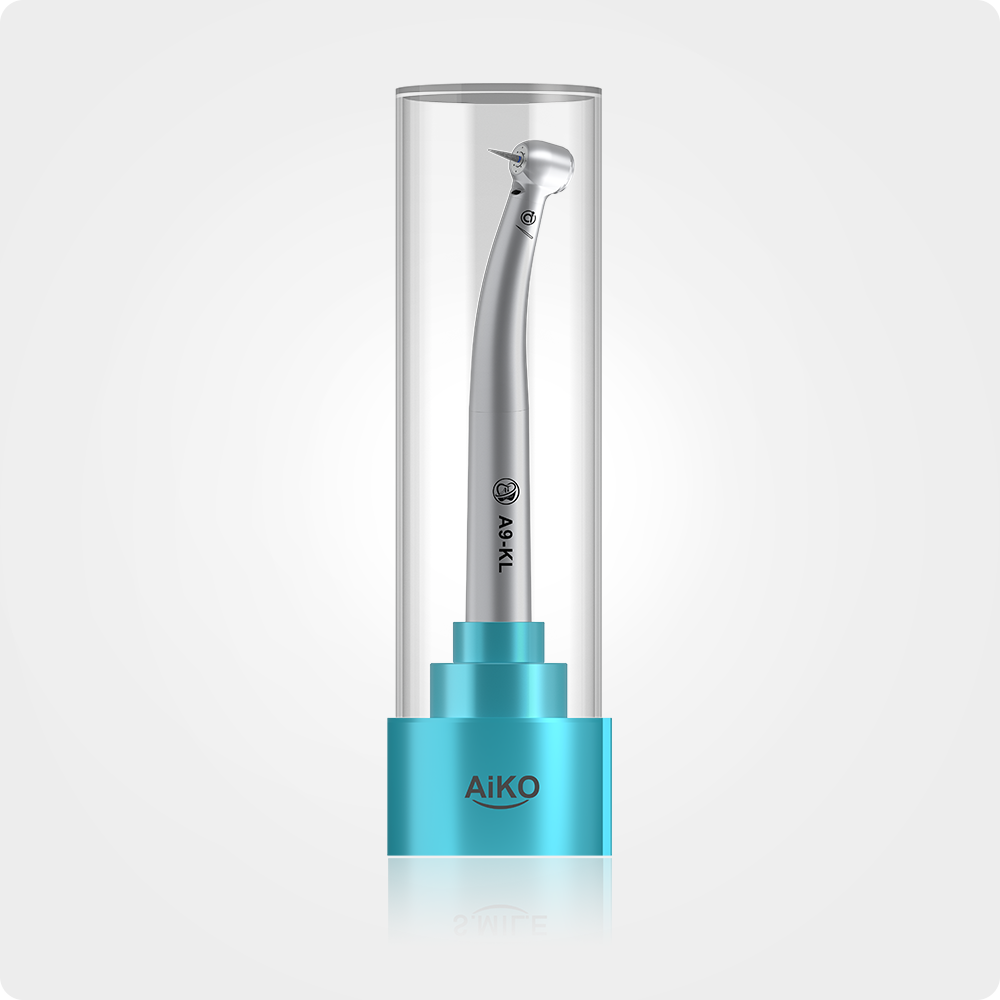
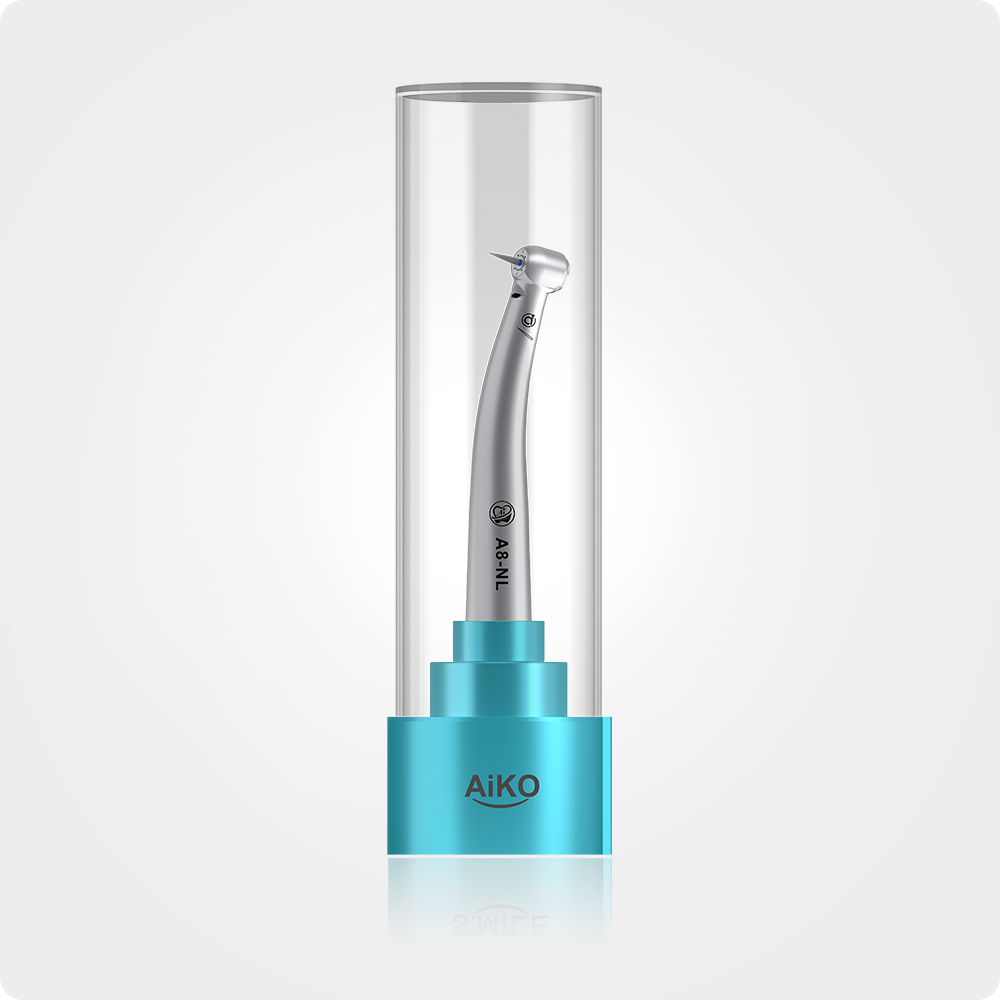
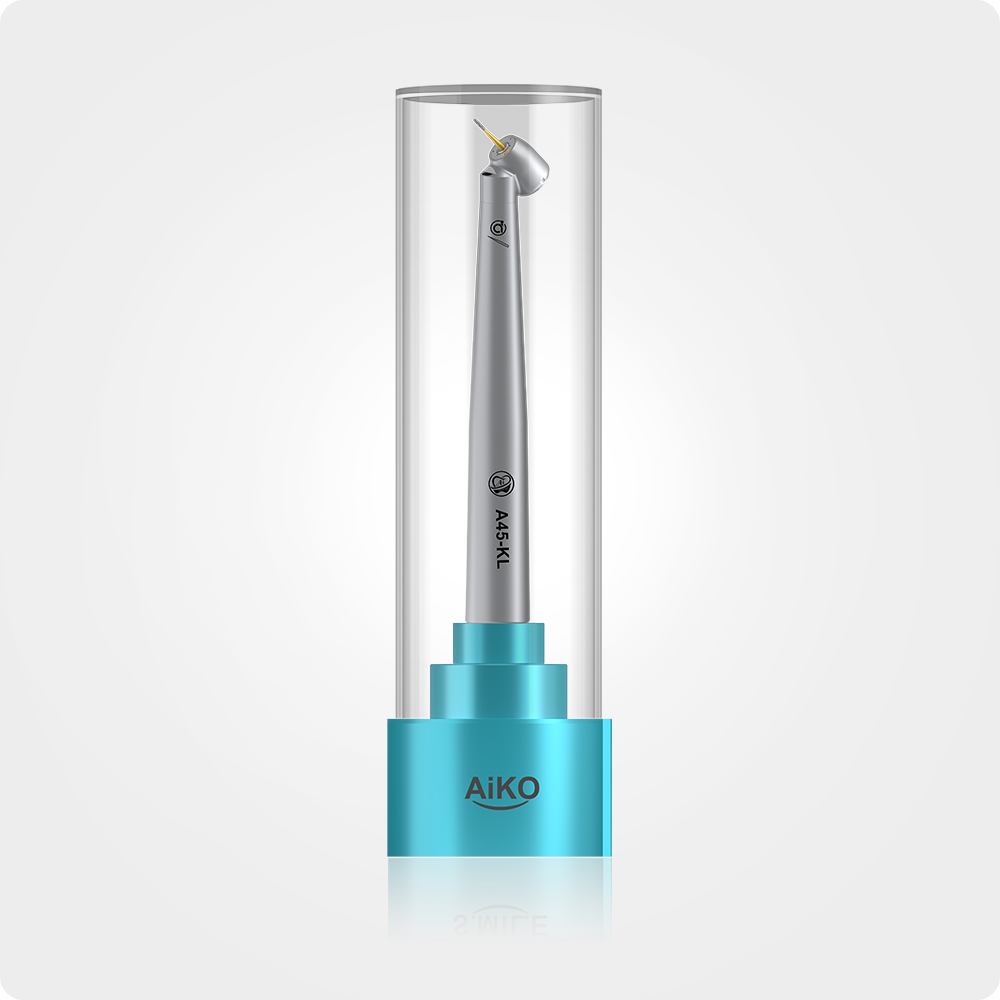
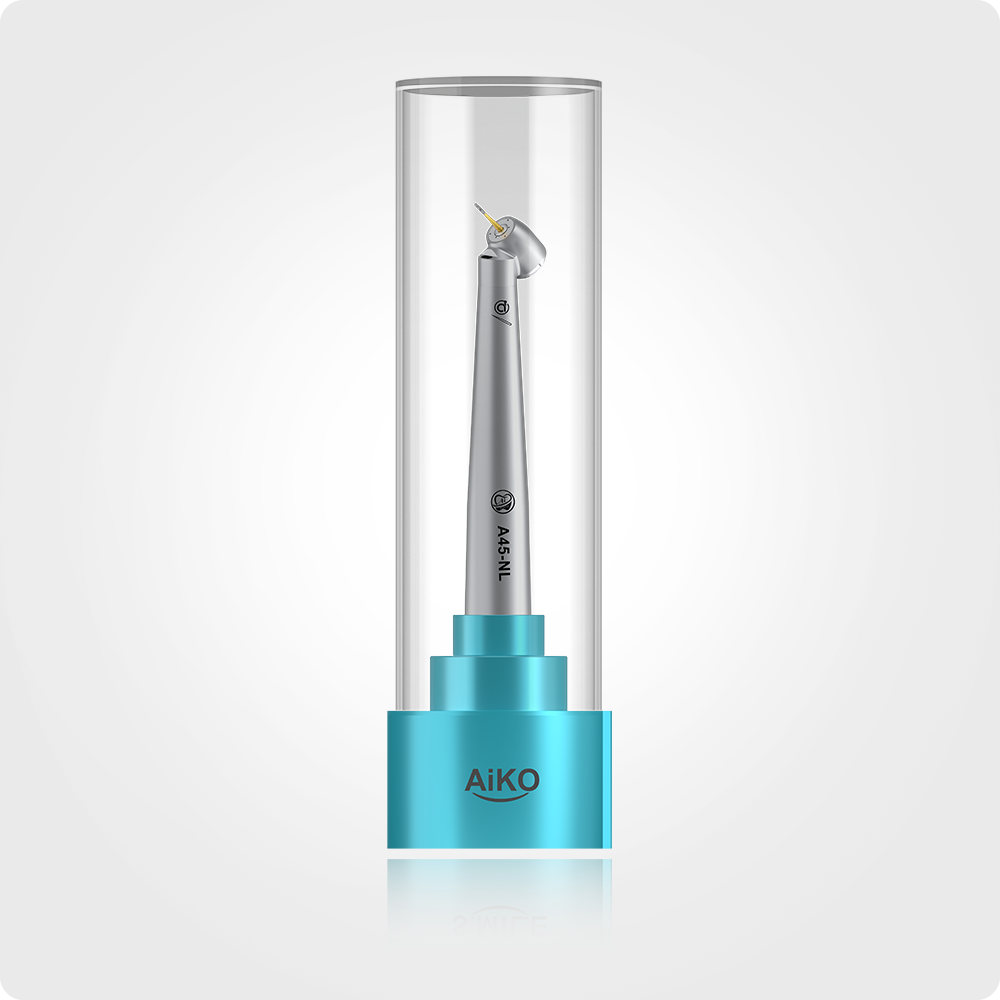
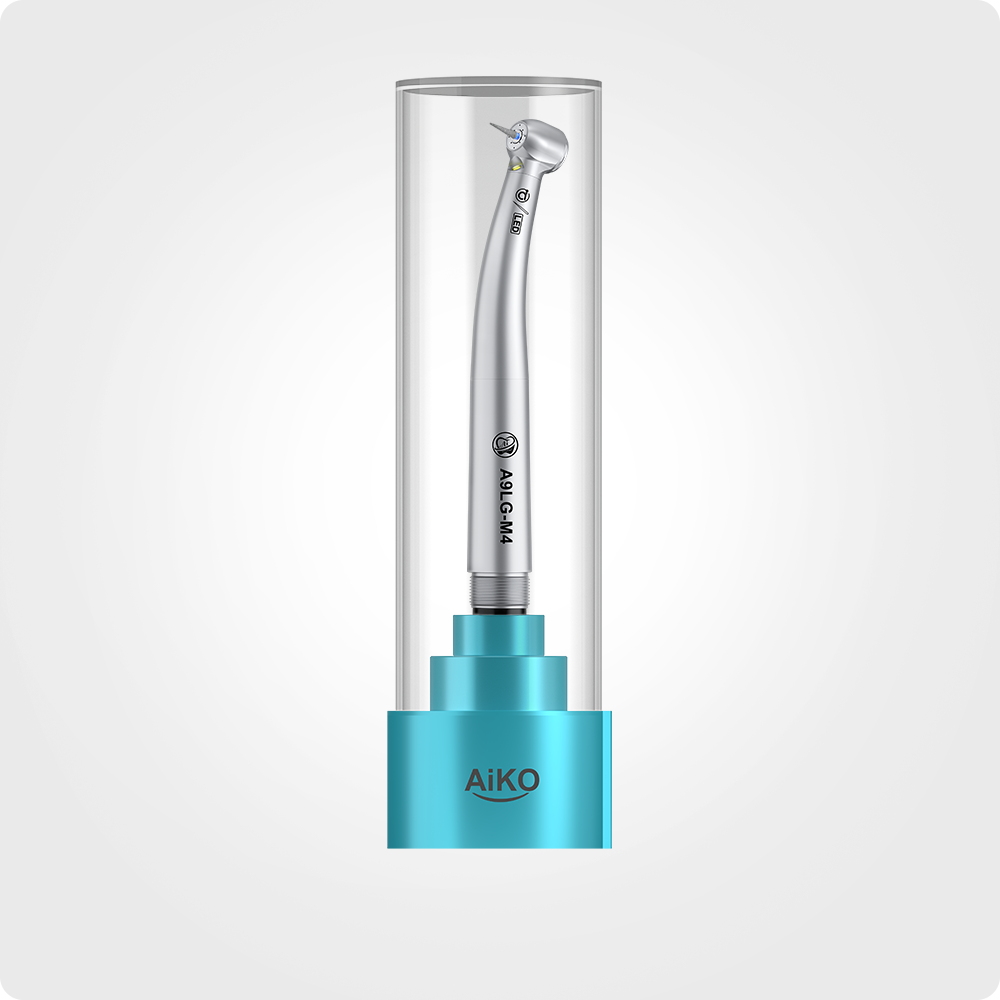
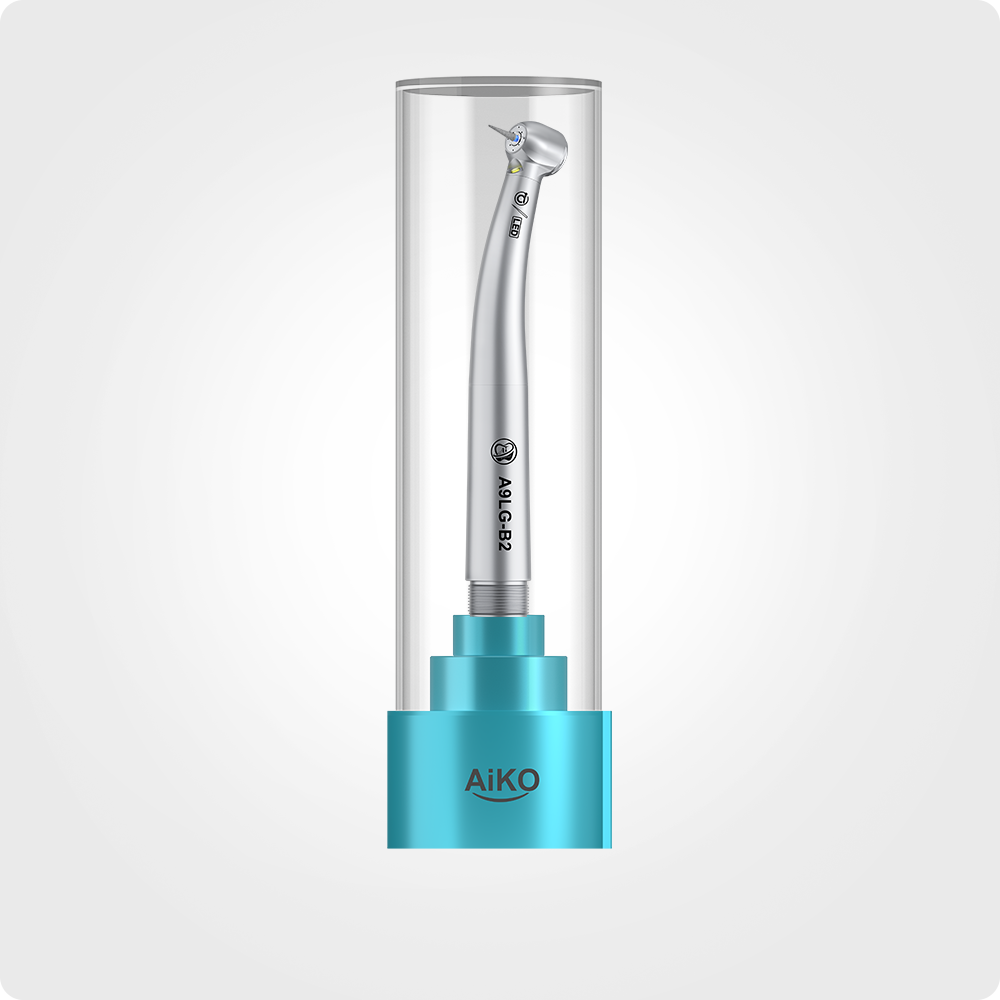
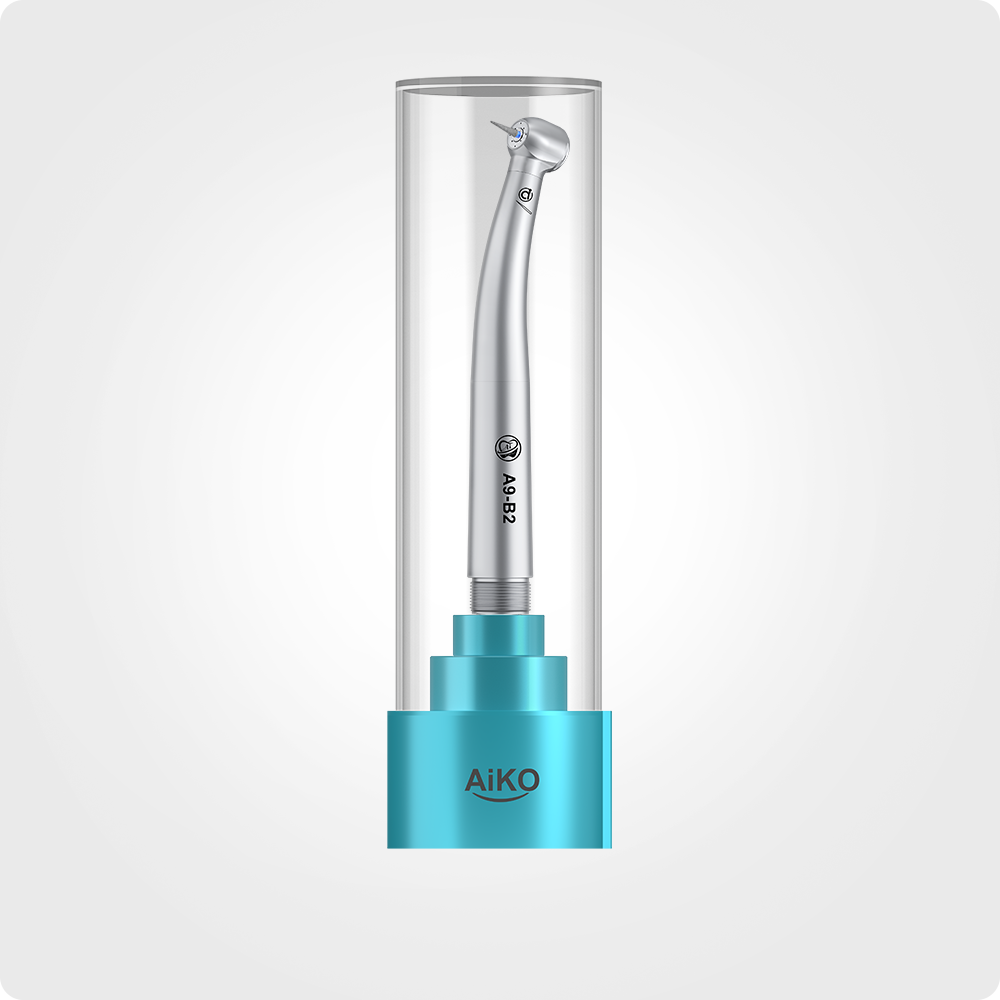
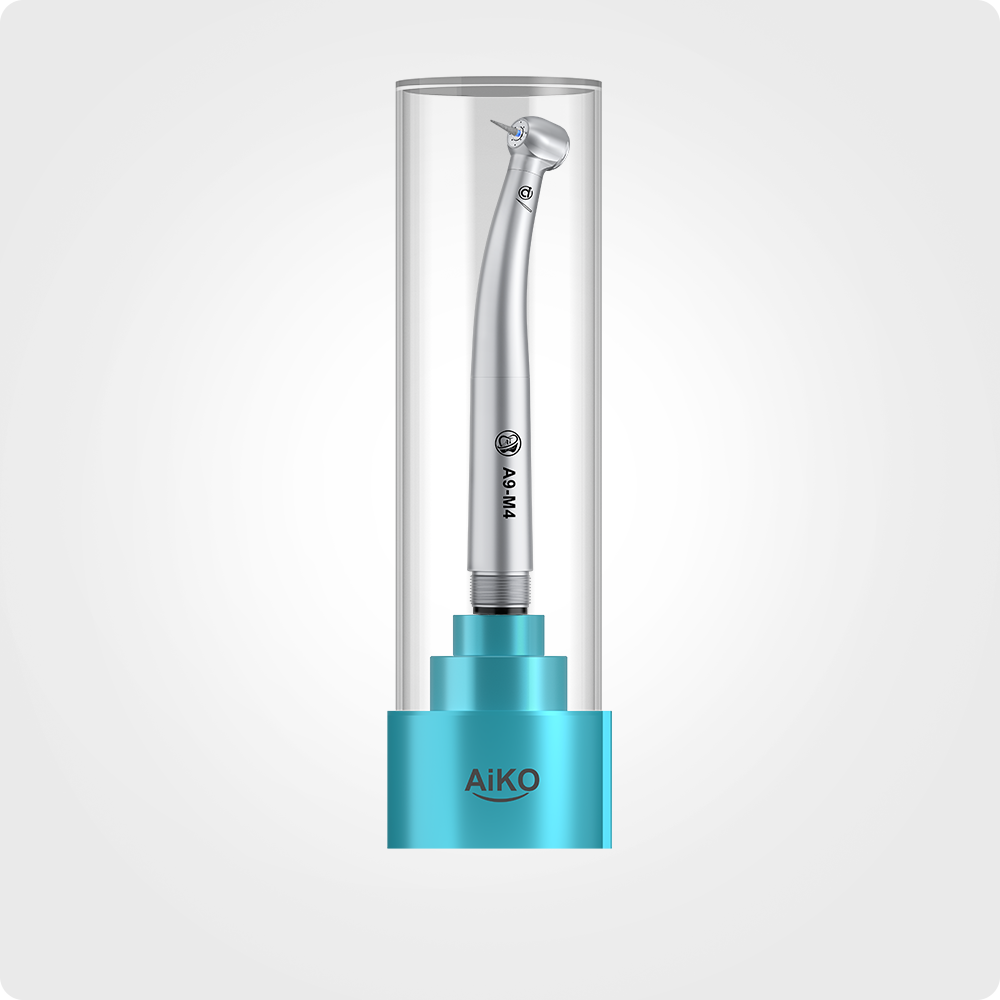
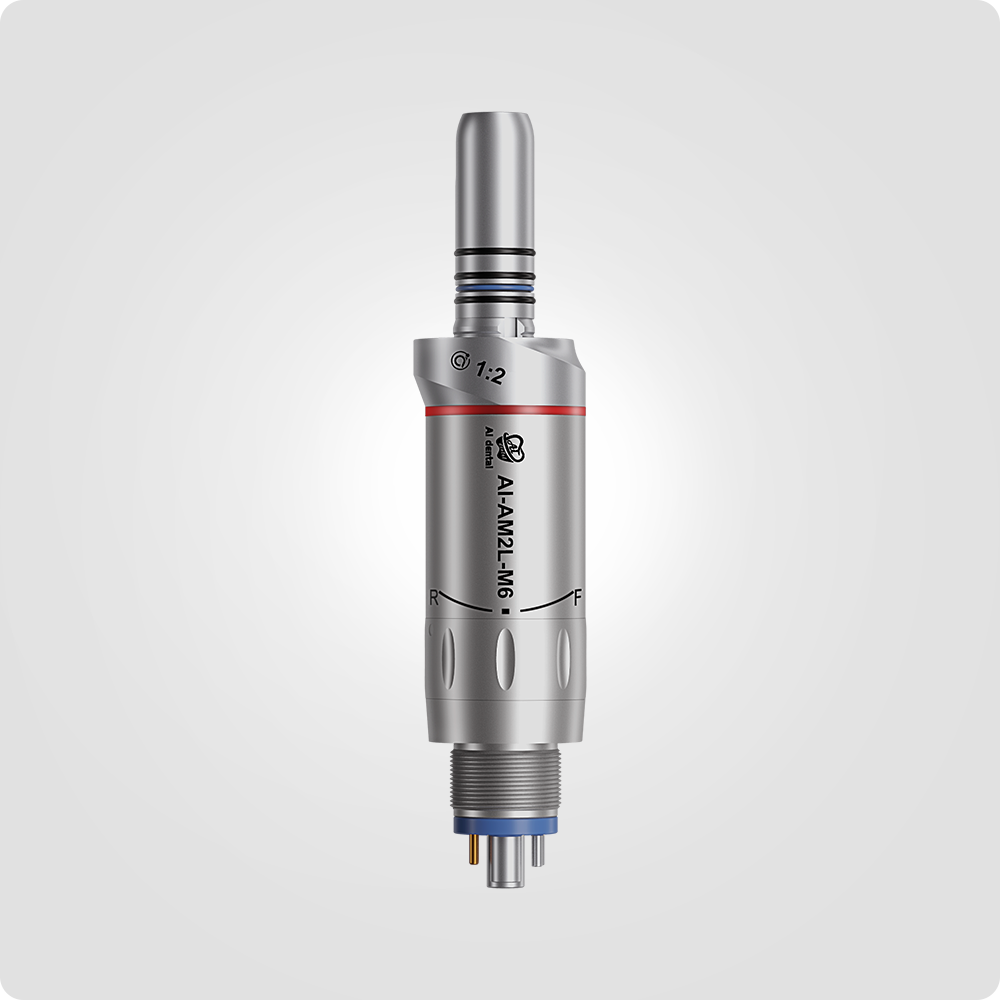
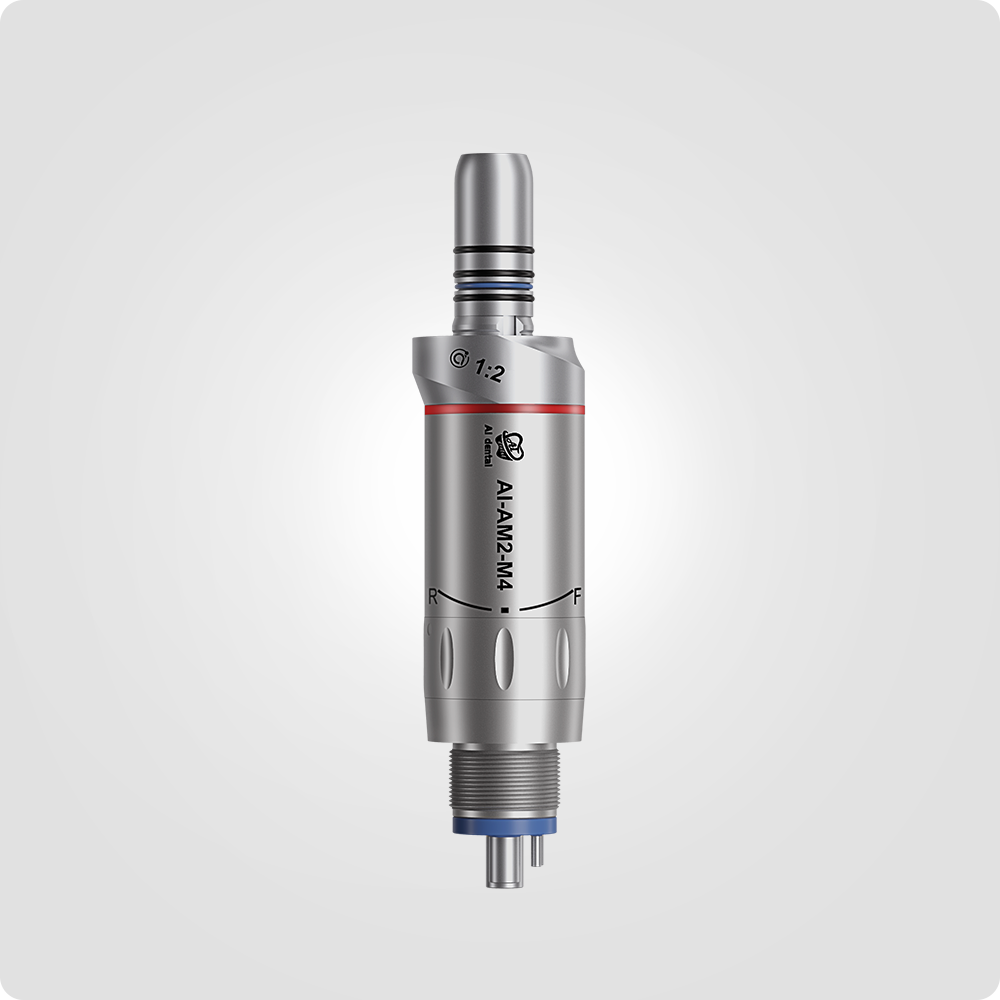
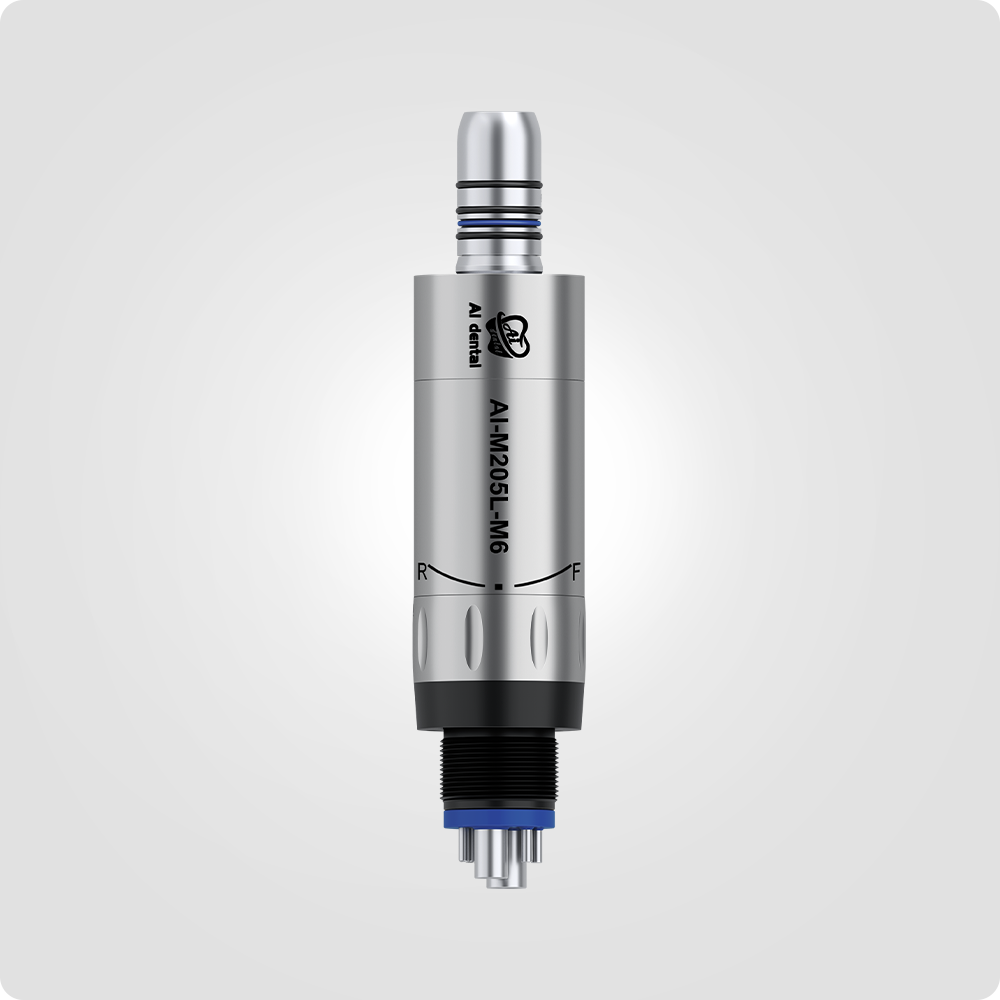
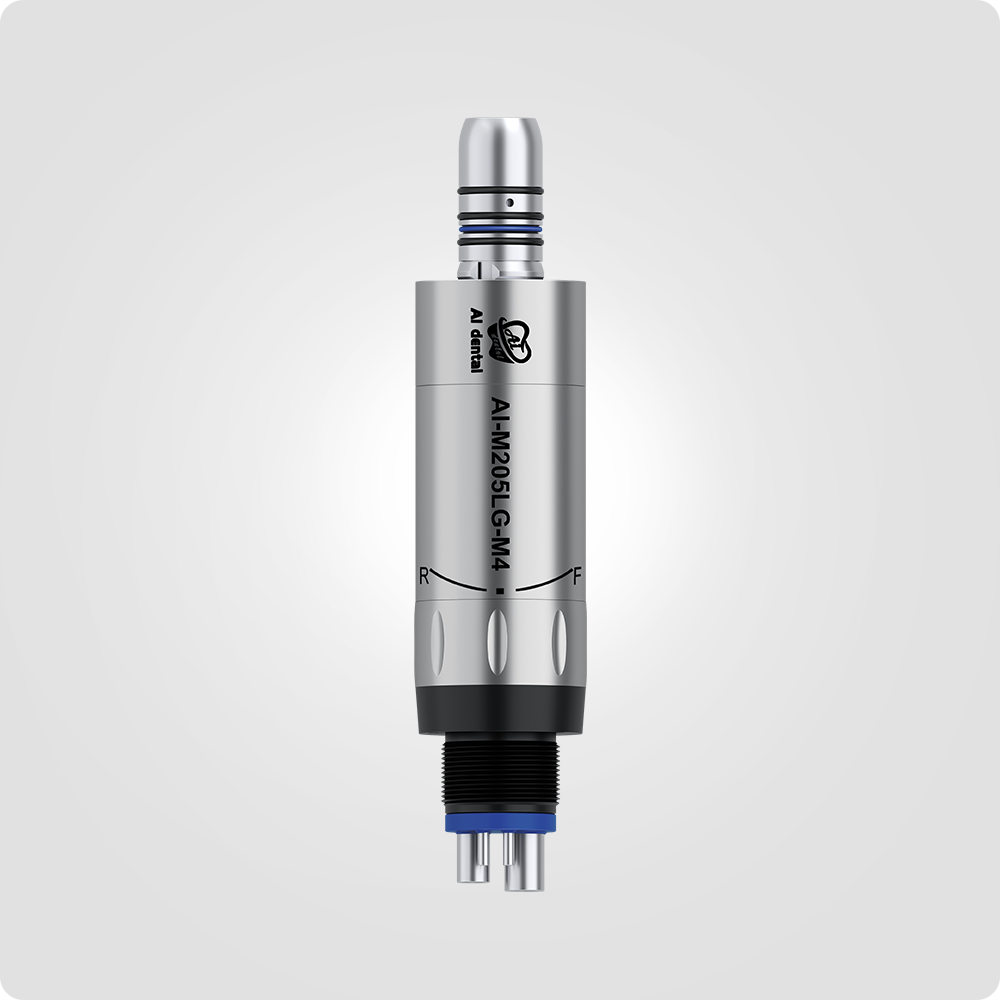
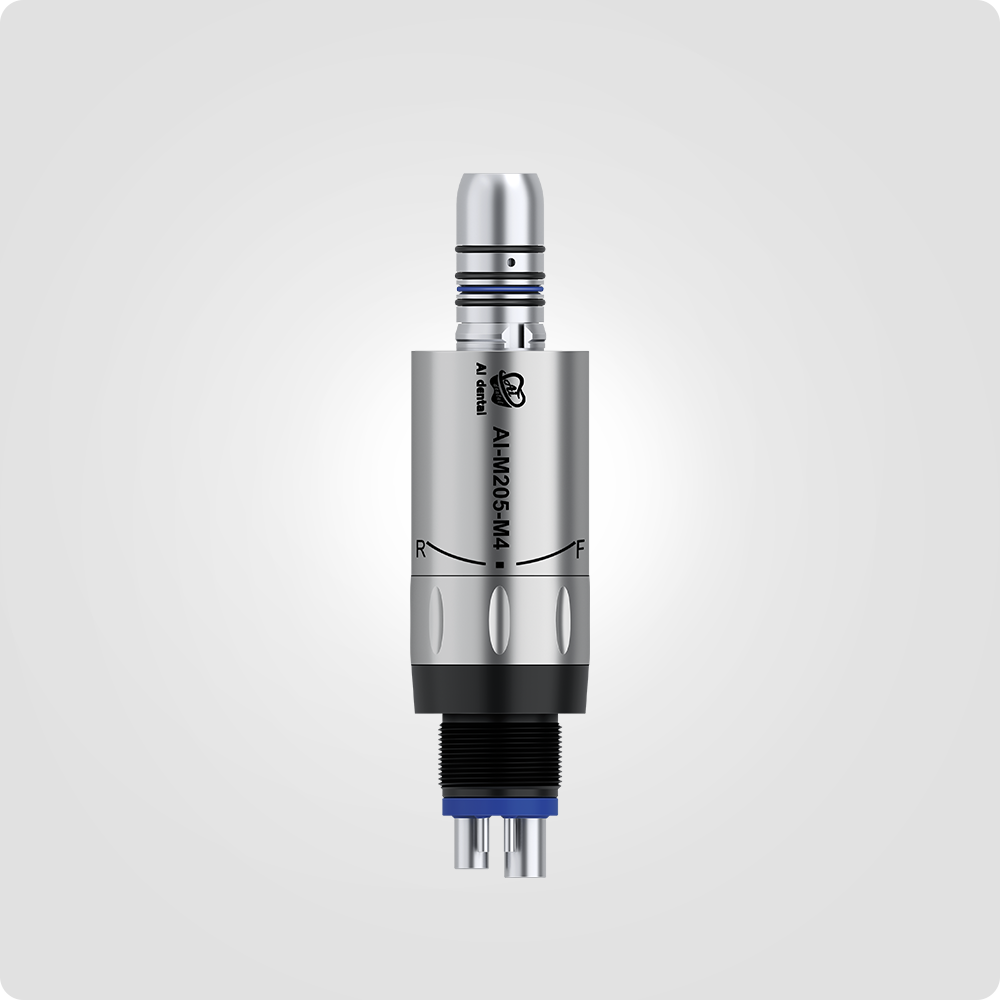
Dental handpieces are essential tools in dentistry, used for a variety of procedures, including drilling, polishing, and cutting. These tools are categorized primarily into high-speed and low-speed handpieces, each serving different functions. High-speed handpieces are utilized for cutting hard tissues, such as enamel and dentin, while low-speed handpieces are designed for more delicate tasks, like polishing teeth or performing endodontic treatments.
As the demand for precision and efficiency increases, dental professionals are turning to digital innovations that enhance the capabilities of these indispensable tools.
3. Evolution of Digital Dentistry
The journey of digital dentistry began with the introduction of computerized systems and imaging technologies. Over the years, advancements such as CAD/CAM (Computer-Aided Design and Computer-Aided Manufacturing) have revolutionized the dental landscape. Today, practitioners can design and manufacture dental restorations in-house, drastically reducing the time required for procedures.
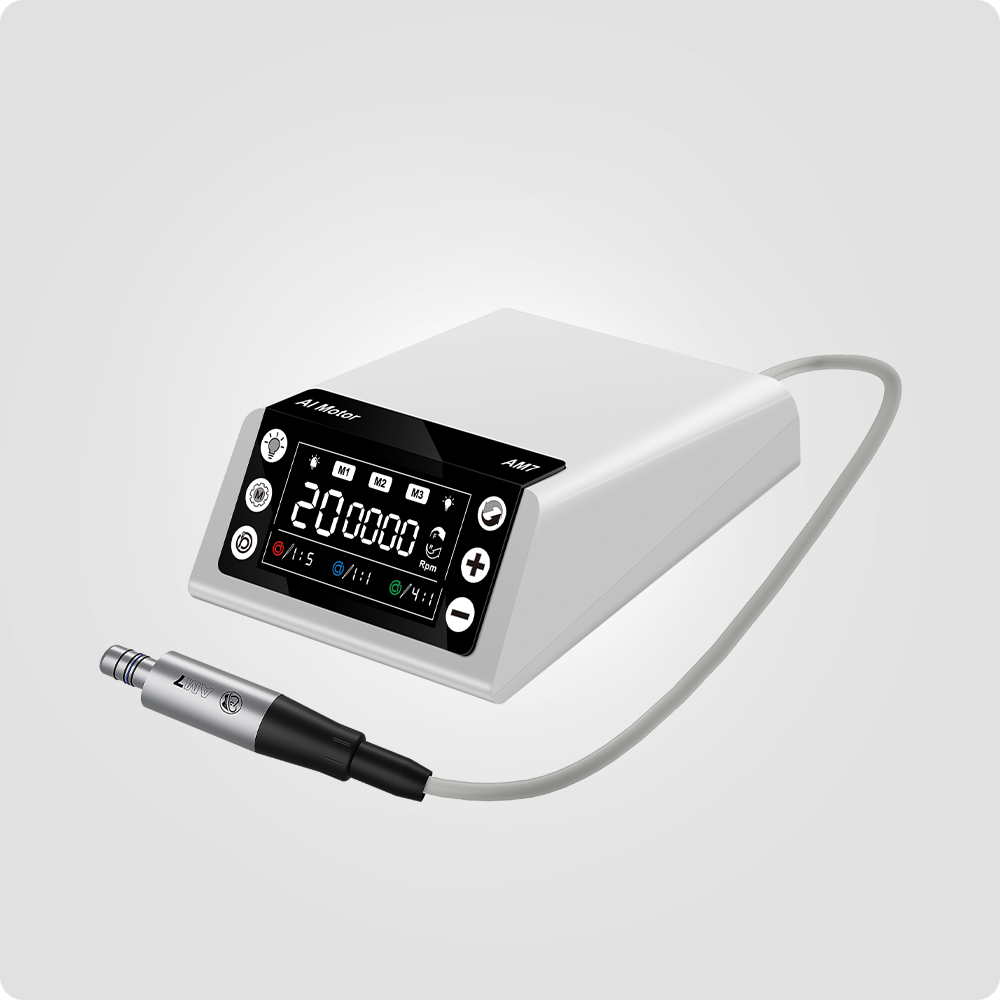
Digital impressions have replaced traditional molds, offering a more comfortable experience for patients while providing more accurate data for dentists. This evolution has influenced the development of dental handpieces, which now feature advanced functionalities such as wireless capabilities and integrated sensors, enhancing their efficiency and ease of use.
4. Impact of Digital Dentistry on the Dental Handpieces Market
The integration of digital technologies into dental practices has significantly impacted the dental handpieces market. This transformation is characterized by several key factors:
4.1 Increased Demand for High-Quality Equipment
As dental practices adopt digital solutions, there is a growing demand for high-quality dental handpieces that can seamlessly integrate with these technologies. Manufacturers are focusing on creating handpieces that are not only durable and efficient but also compatible with digital systems.
4.2 Innovative Features and Functionality
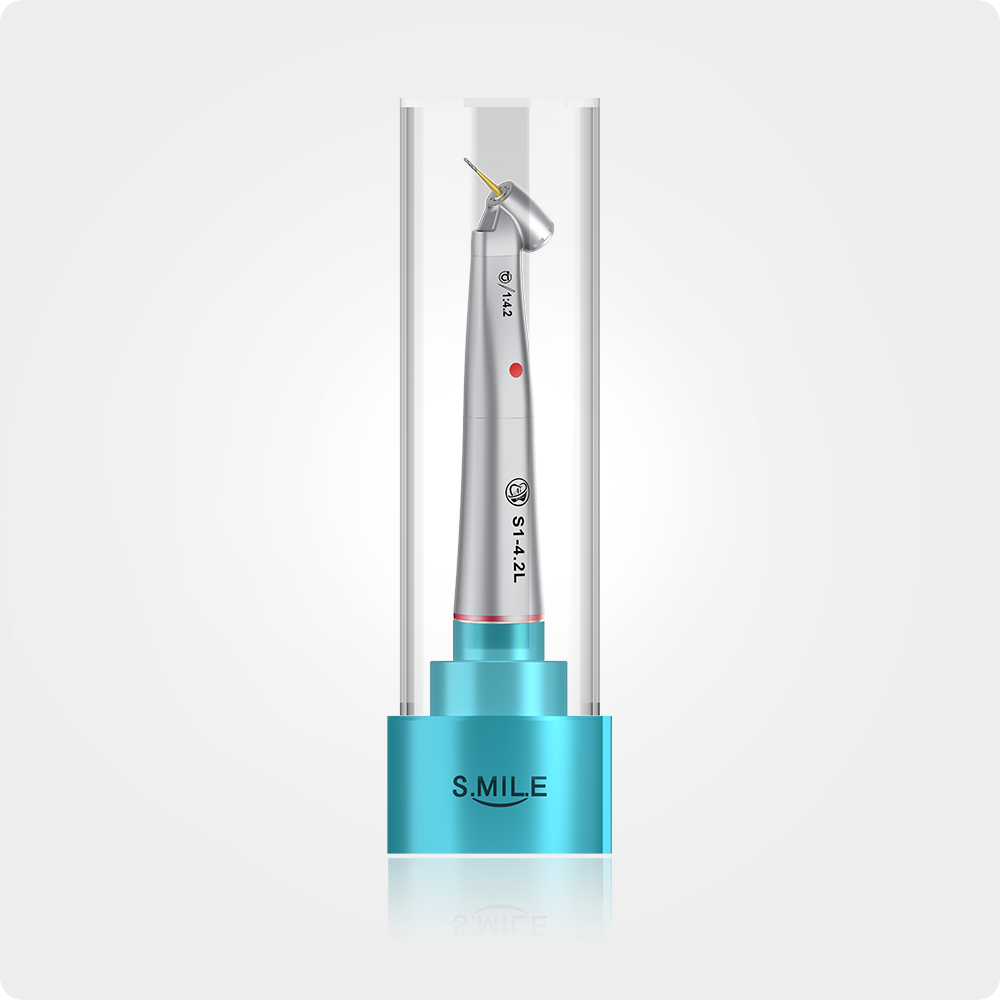
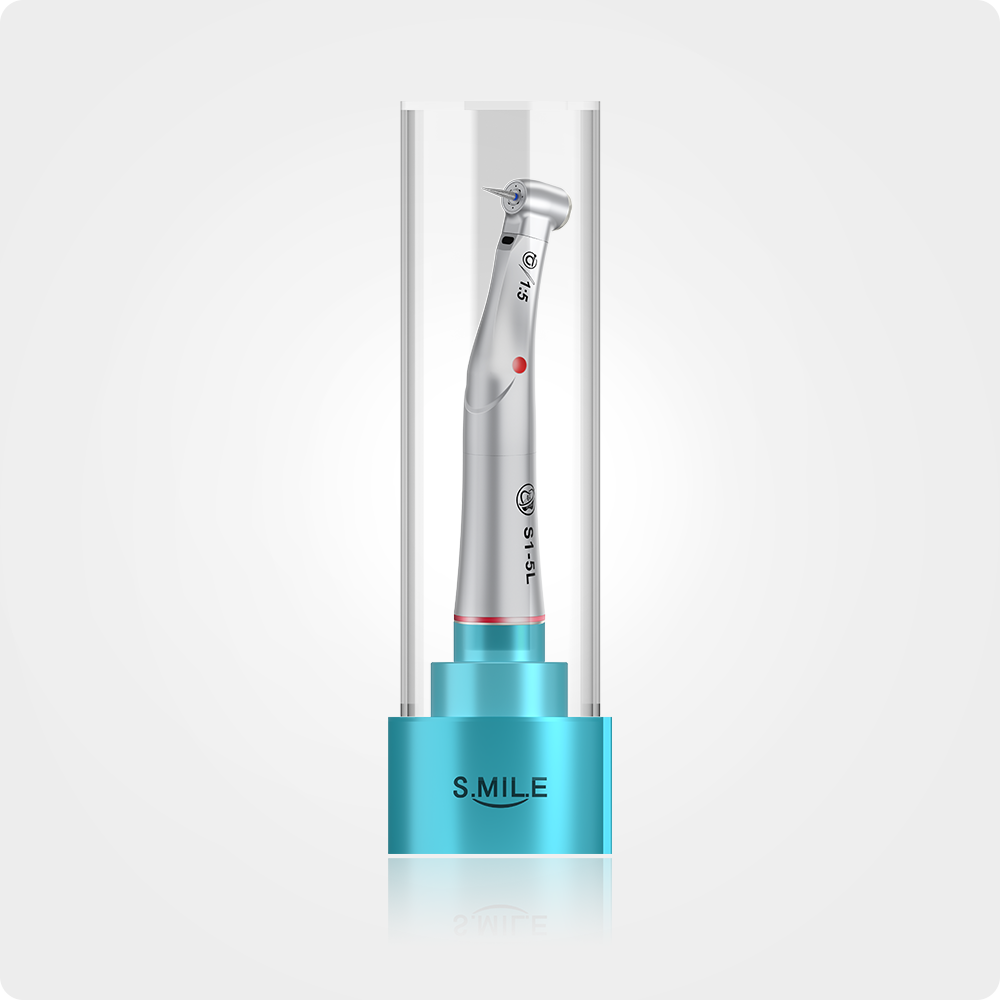
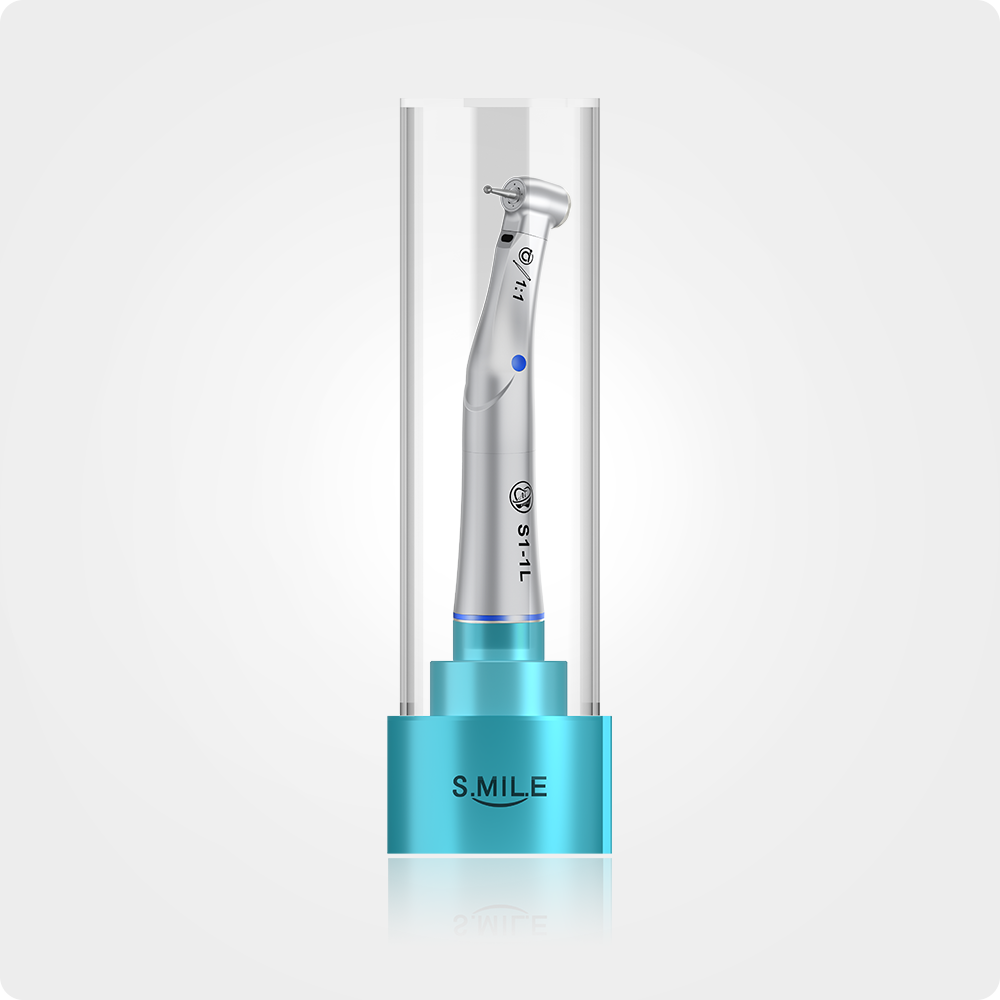
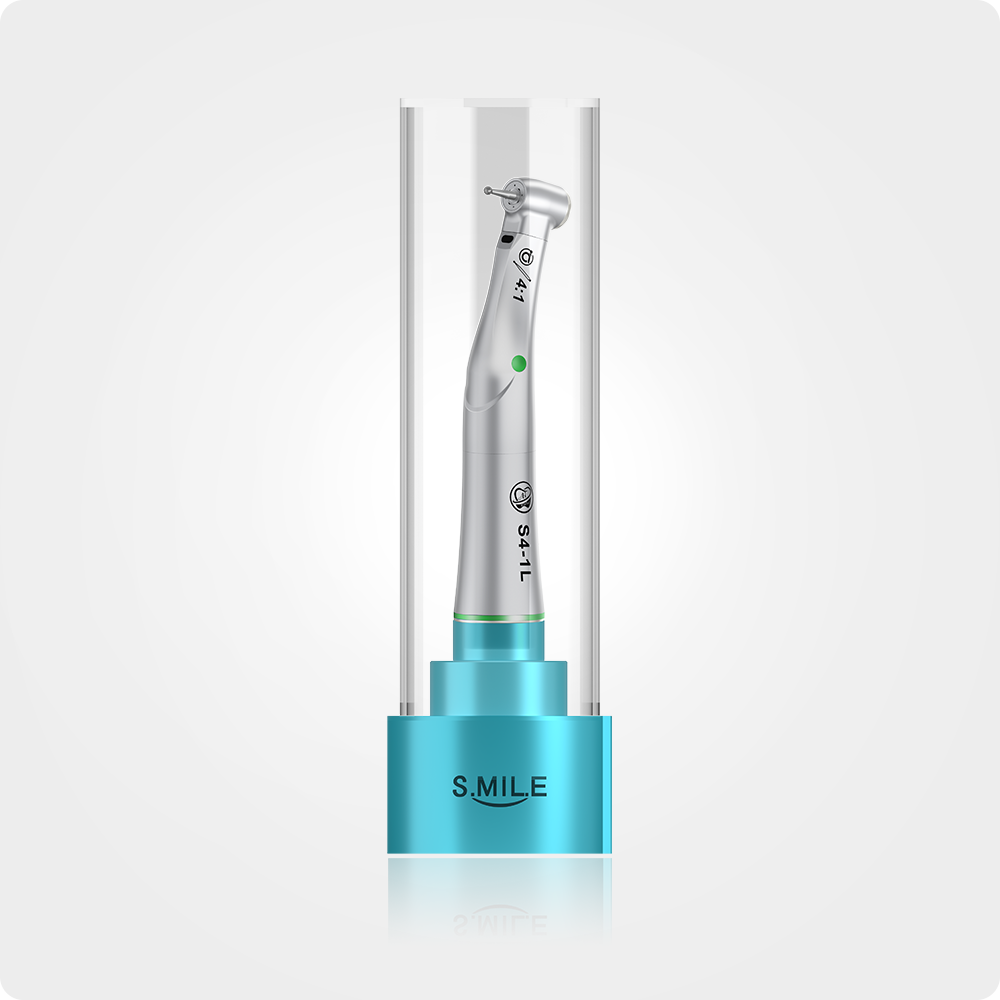
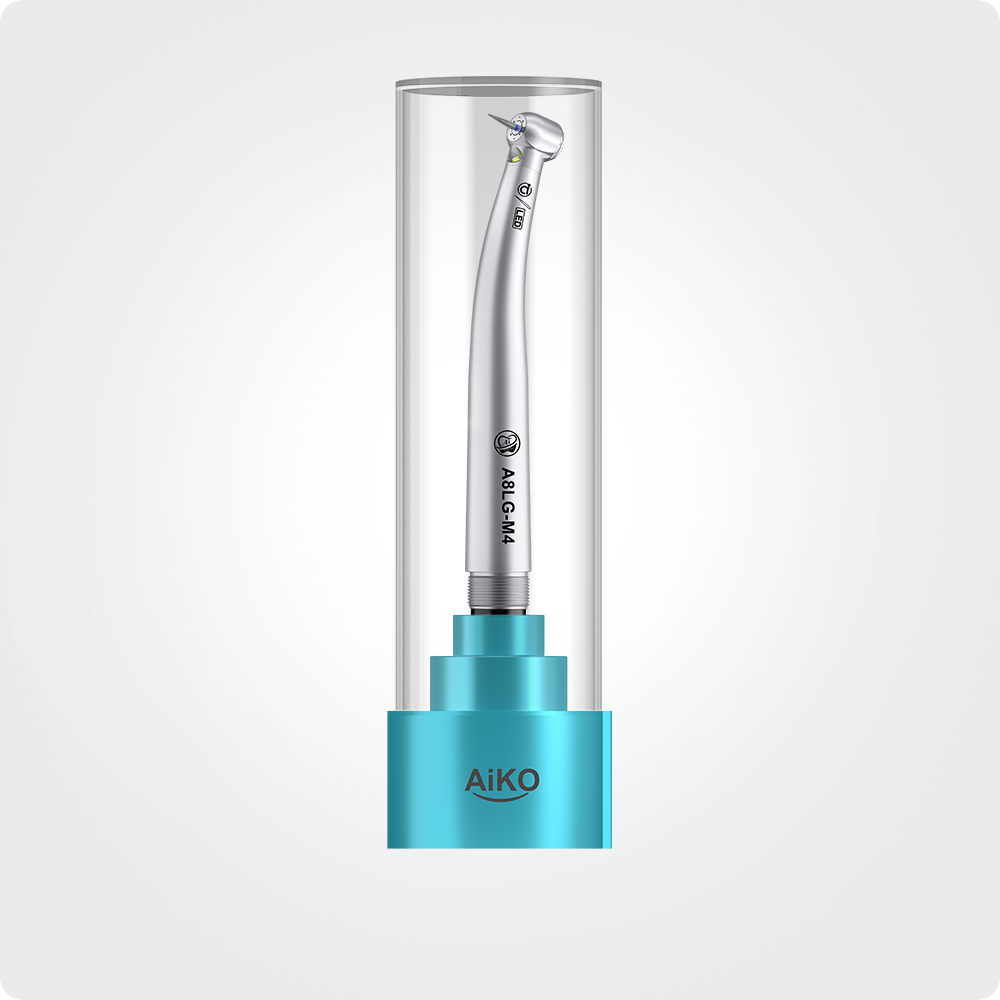
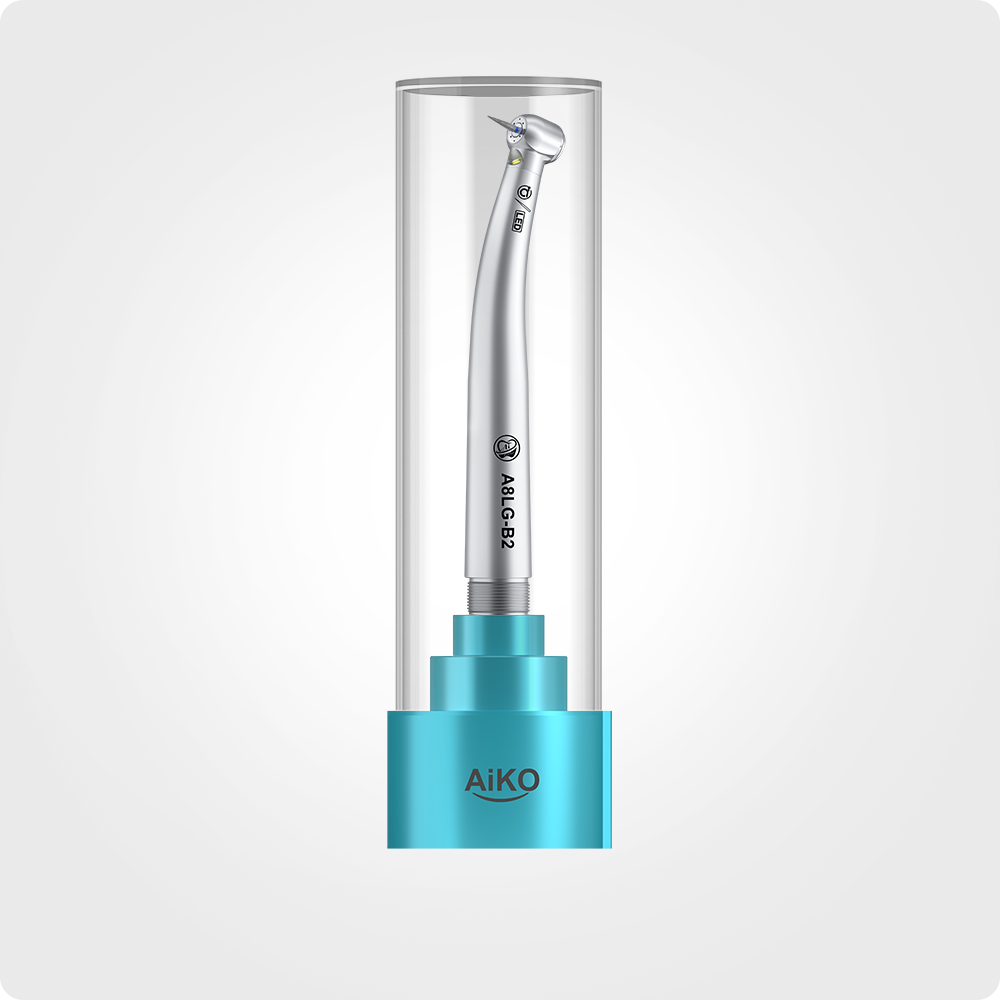
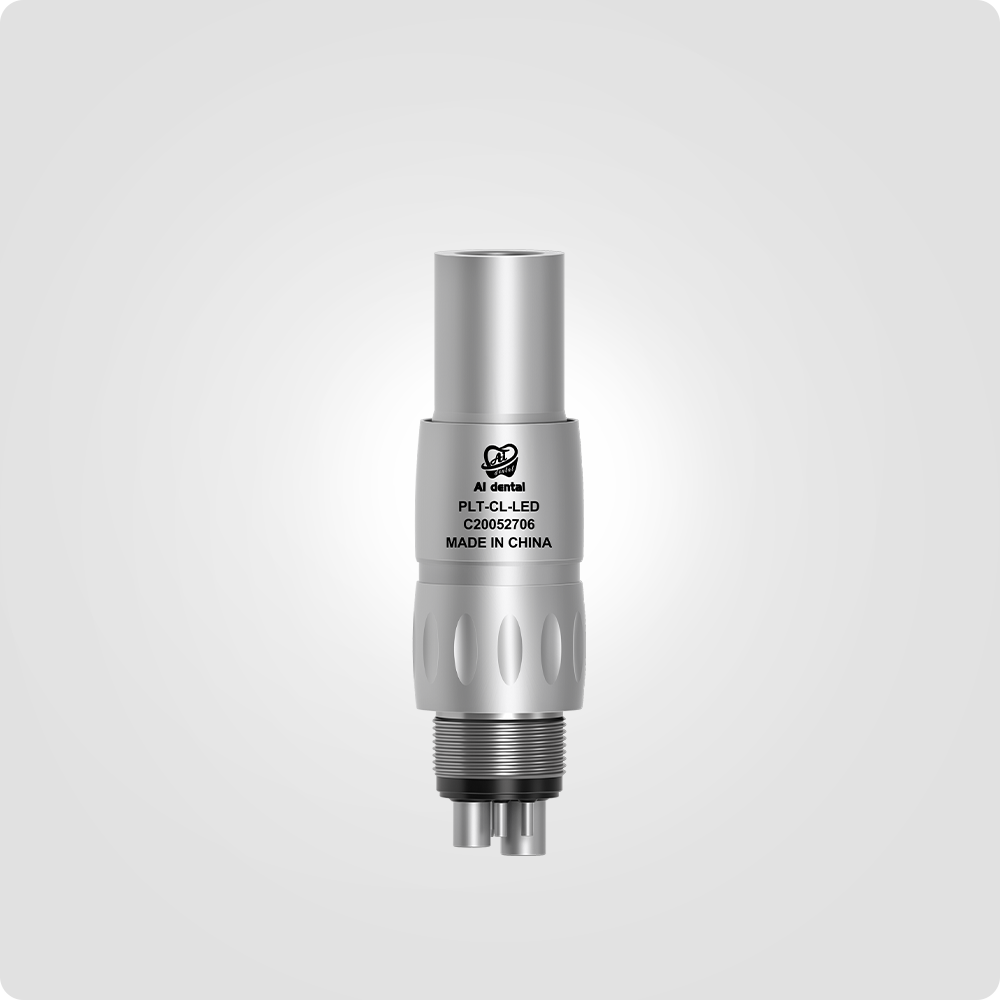
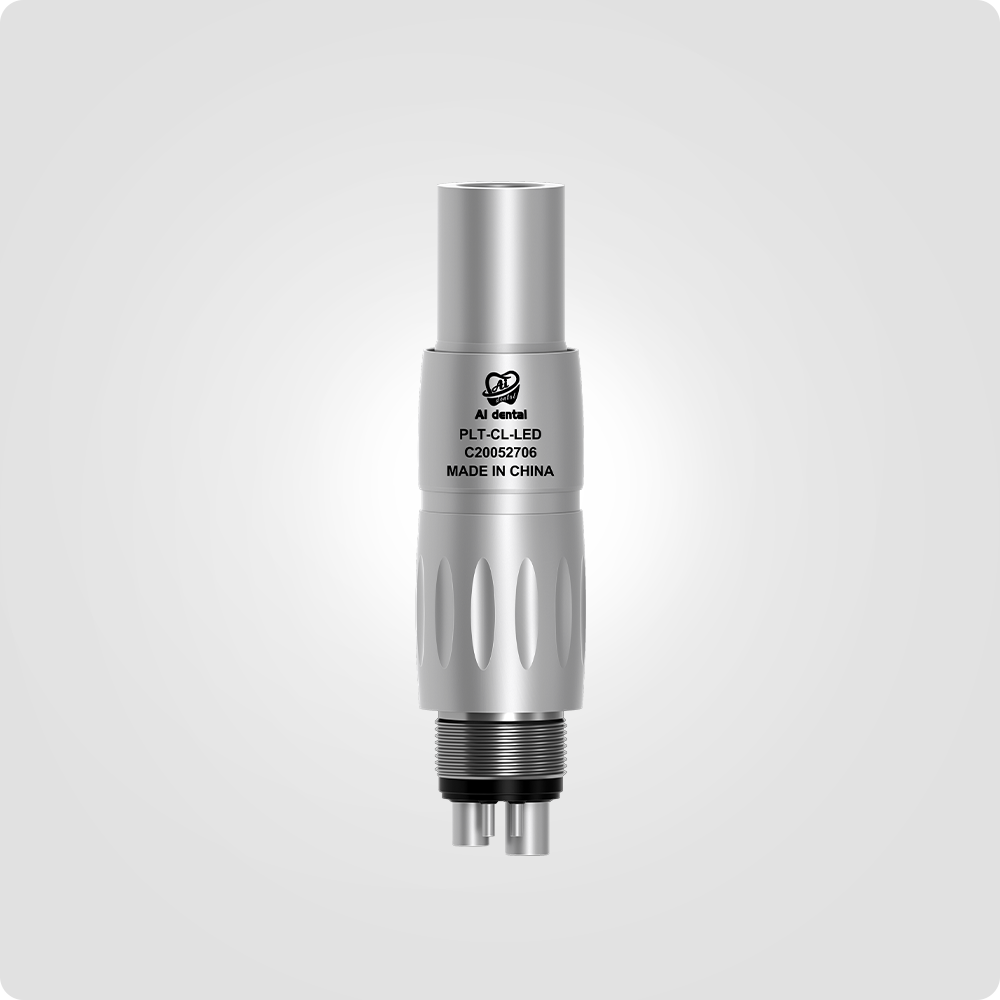
Modern dental handpieces now incorporate features that enhance their usability. These include LED lighting for improved visibility, built-in cooling systems to reduce discomfort, and ergonomic designs that minimize hand fatigue for dental professionals. Such innovations have made dental procedures more efficient and patient-friendly.
4.3 Shift Towards Preventive and Minimally Invasive Dentistry
Digital dentistry promotes a preventive approach, enabling dentists to identify potential issues before they escalate. This shift has led to a preference for minimally invasive procedures, allowing dental handpieces to perform with precision while preserving healthy tooth structure.
5. Benefits of Digital Dentistry in Dental Practices
Digital dentistry brings numerous benefits to dental practices, positively influencing both practitioners and patients.
5.1 Improved Accuracy and Precision
The accuracy of digital impressions and diagnostic tools ensures that dental handpieces are used with precision. This reduces the risk of errors during procedures and enhances the overall quality of care.
5.2 Enhanced Patient Experience
Digital technologies streamline processes, often reducing the time patients spend in the chair. The use of digital impressions, for instance, eliminates the discomfort associated with traditional molds, resulting in a more pleasant experience for patients.
5.3 Efficient Workflow and Time Management
Digital tools enable better workflow management within dental practices. By reducing the need for physical models and improving communication with dental laboratories, practitioners can save time and focus more on patient care.
5.4 Cost-Effectiveness
While the initial investment in digital equipment may be significant, the long-term savings through increased efficiency, reduced chair time, and fewer remakes of restorations make digital dentistry a cost-effective solution for many practices.
6. Challenges and Solutions in Digital Dentistry
Despite the advantages, digital dentistry also presents challenges that must be addressed for optimal implementation.
6.1 High Initial Costs
The transition to digital dentistry requires a substantial investment in equipment and training. Practices must weigh the costs against the potential benefits and consider financing options to make the shift more manageable.
6.2 Training and Skill Development
Dental professionals must receive adequate training to effectively use digital tools. Ongoing education programs and workshops can help bridge the knowledge gap and ensure practitioners are well-equipped to handle new technologies.
6.3 Resistance to Change
Some practitioners may resist adopting digital technologies due to comfort with traditional methods. Encouraging an open mindset and demonstrating the benefits of digital solutions can help overcome this barrier.
7. Future Trends in Dental Handpieces and Digital Dentistry
The future of dental handpieces and digital dentistry is promising, with several trends on the horizon.
7.1 Integration of Artificial Intelligence
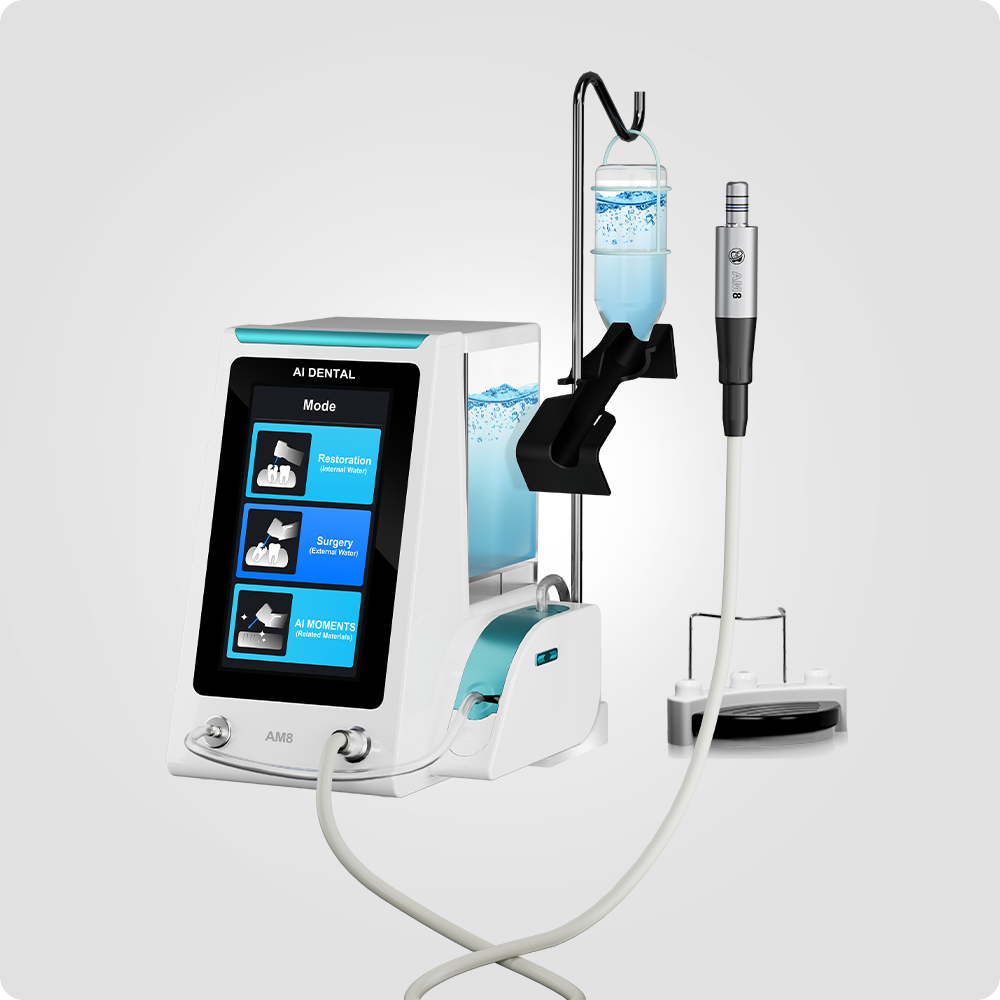
Artificial intelligence (AI) is poised to play a significant role in digital dentistry, enhancing diagnostic capabilities and enabling predictive analytics to improve patient outcomes.
7.2 Increased Personalization
As digital technologies advance, personalized treatment plans will become more common. Dental handpieces will be designed to adapt to individual patient needs, enhancing comfort and effectiveness.
7.3 Expansion of Teledentistry
The rise of teledentistry, accelerated by the COVID-19 pandemic, will continue to shape the dental landscape. Dental handpieces and digital systems will need to adapt to support remote consultations and treatments.
7.4 Sustainable Practices
Future innovations in dental equipment will likely focus on sustainability, with manufacturers developing eco-friendly materials and energy-efficient technologies.
8. Conclusion
Digital dentistry is transforming the dental handpieces market by enhancing precision, improving patient care, and streamlining dental practices. As technology continues to evolve, dental professionals must embrace these advancements to stay competitive and deliver optimal care. The future of dentistry lies in the integration of digital solutions that benefit both practitioners and patients alike.
9. FAQs
9.1 What is digital dentistry?
Digital dentistry refers to the use of digital technologies in dental procedures, including diagnostic imaging, digital impressions, and CAD/CAM systems.
9.2 How do digital handpieces differ from traditional handpieces?
Digital handpieces integrate advanced technology for enhanced performance, precision, and functionality compared to traditional handpieces.
9.3 What are the benefits of using digital dentistry in dental practices?
Benefits include improved accuracy, enhanced patient experience, efficient workflows, and cost-effectiveness.
9.4 Are there challenges associated with digital dentistry?
Yes, challenges include high initial costs, the need for training, and resistance to change among some practitioners.
9.5 What future trends are emerging in digital dentistry?
Emerging trends include AI integration, personalized treatment plans, the expansion of teledentistry, and a focus on sustainability in dental practices.
Related News
AI DENTAL Highlights Day 1 at 2026 Rimini Dental Expo-High-Value Smile & AiKO Series
May 15,2026
Views ()
Focus On Dental Handpieces