
























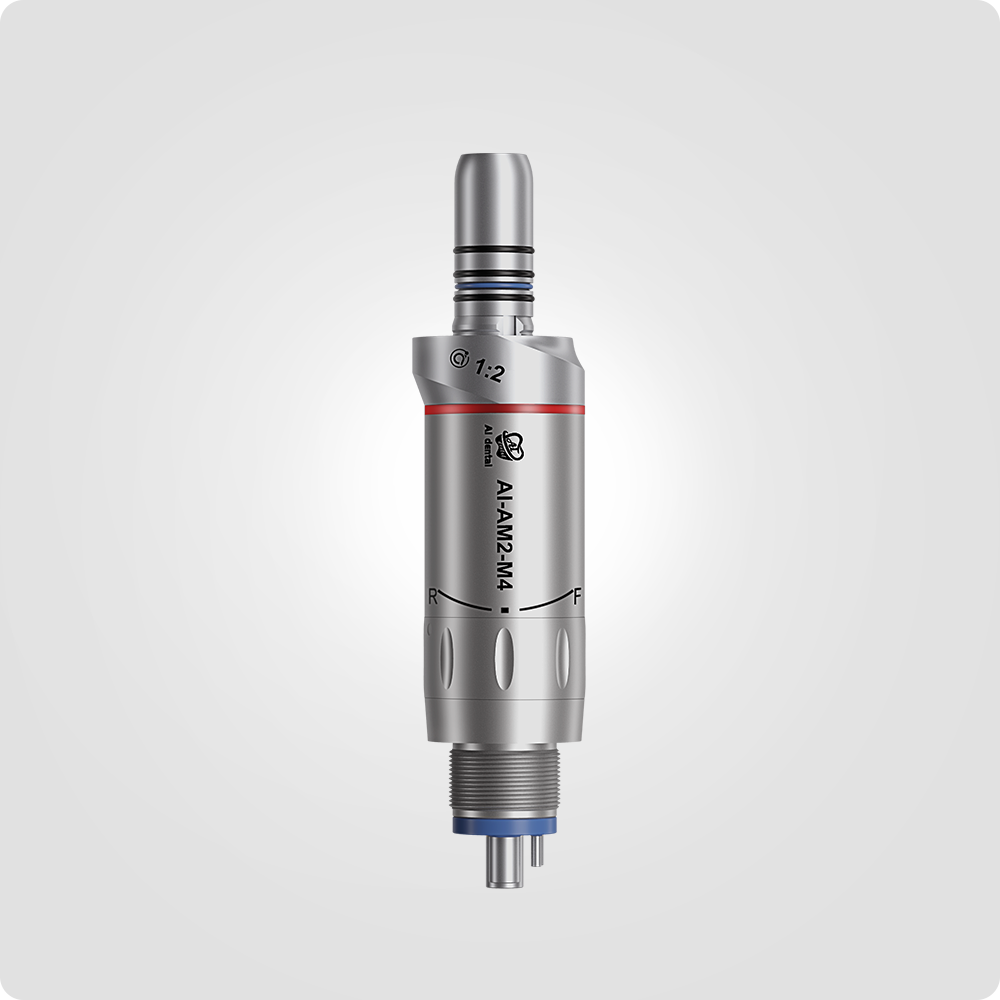

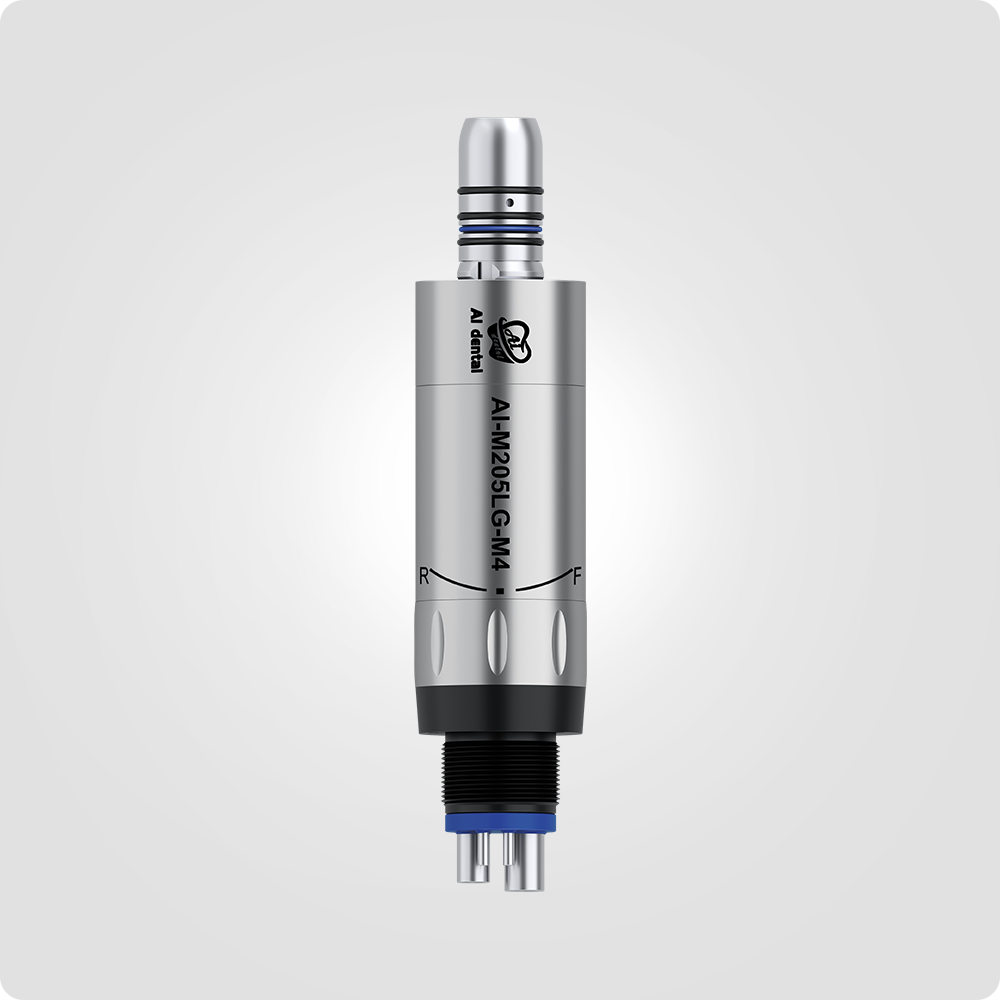





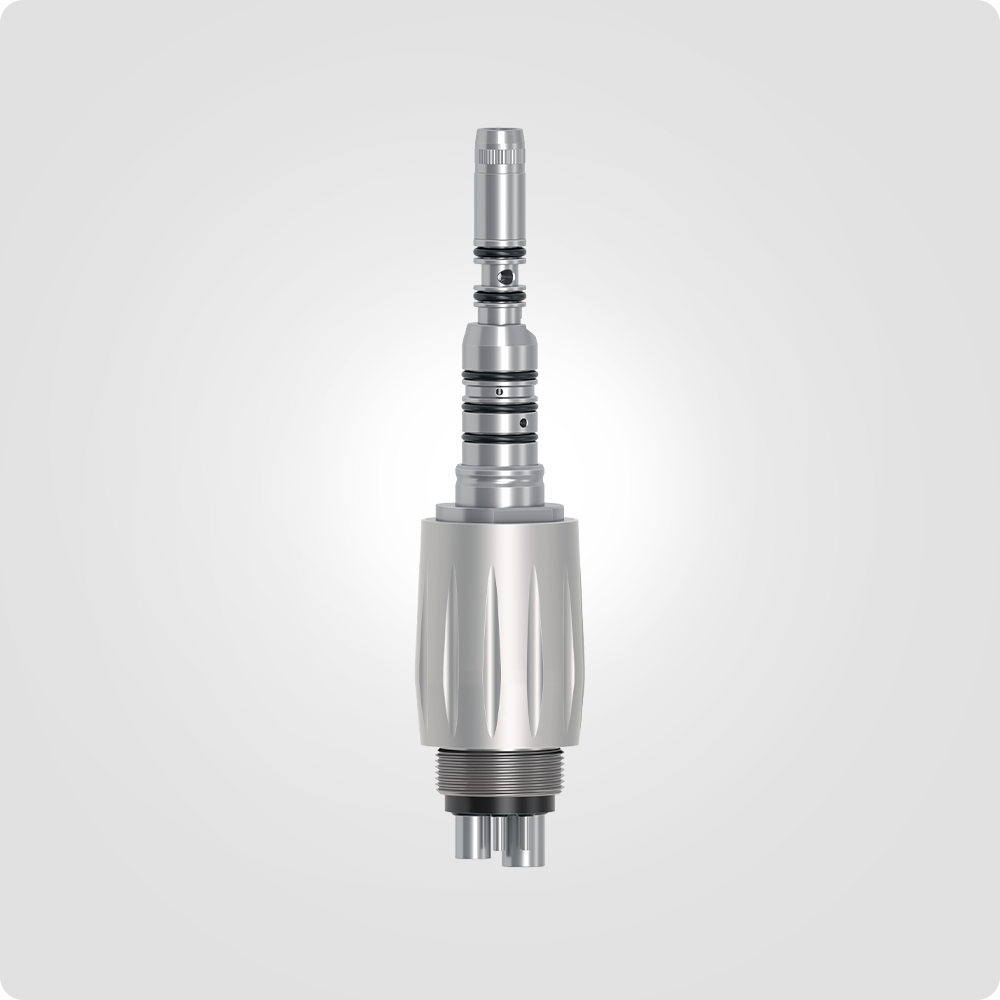









Revolutionizing Dentistry with AI Dental Handpieces: A Comprehensive Overview
Oct 01,2026
Views ()

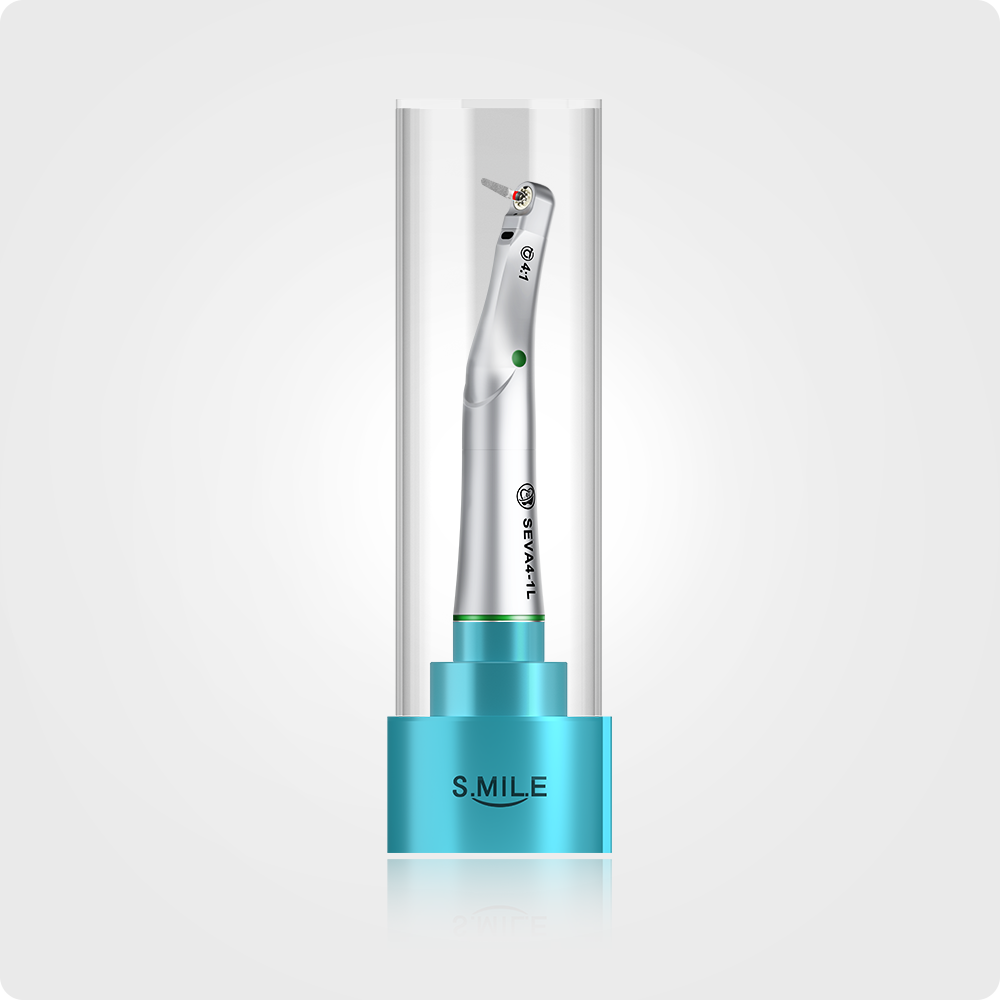
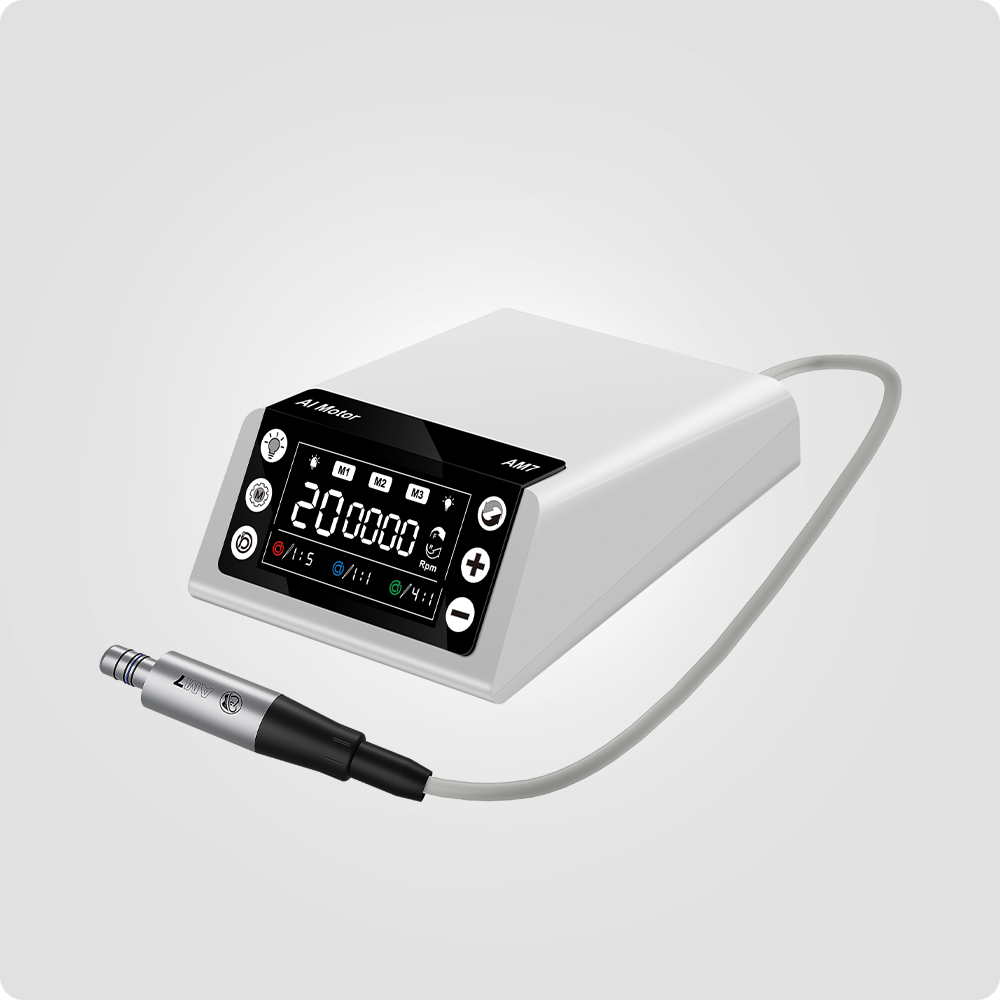
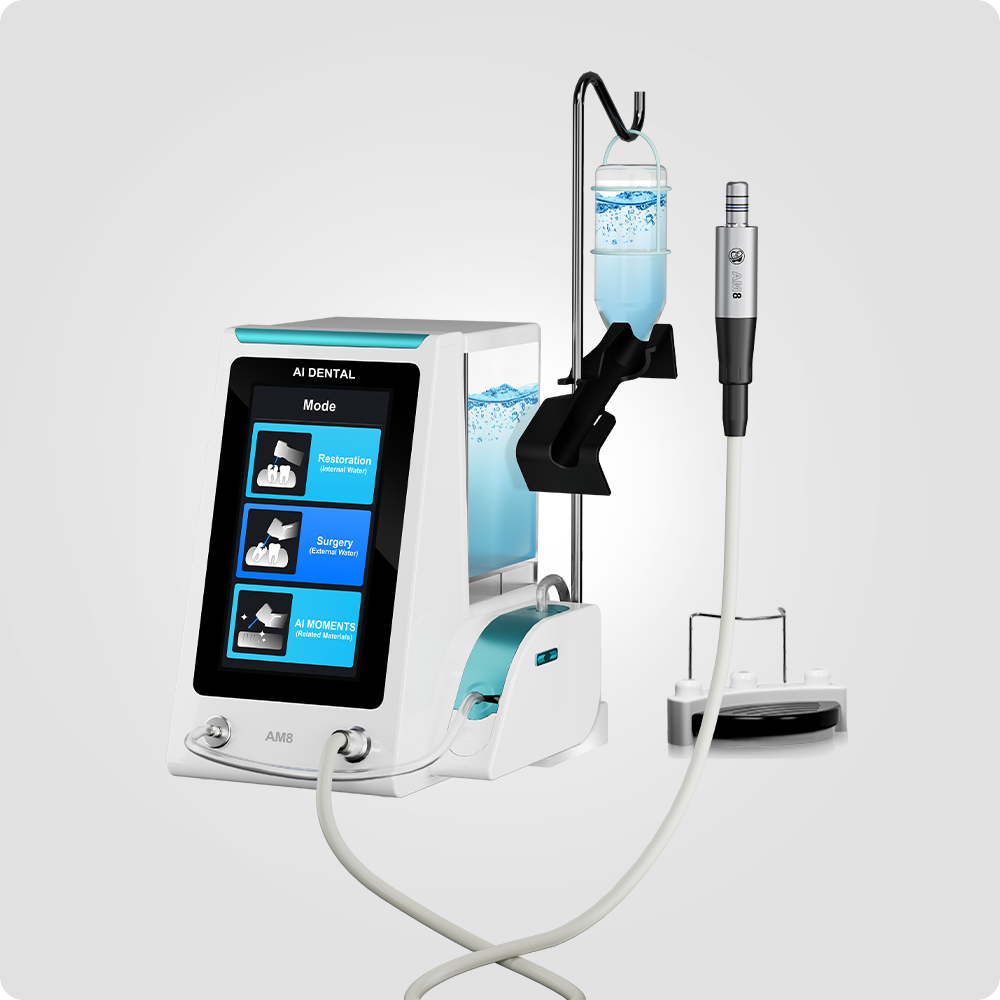
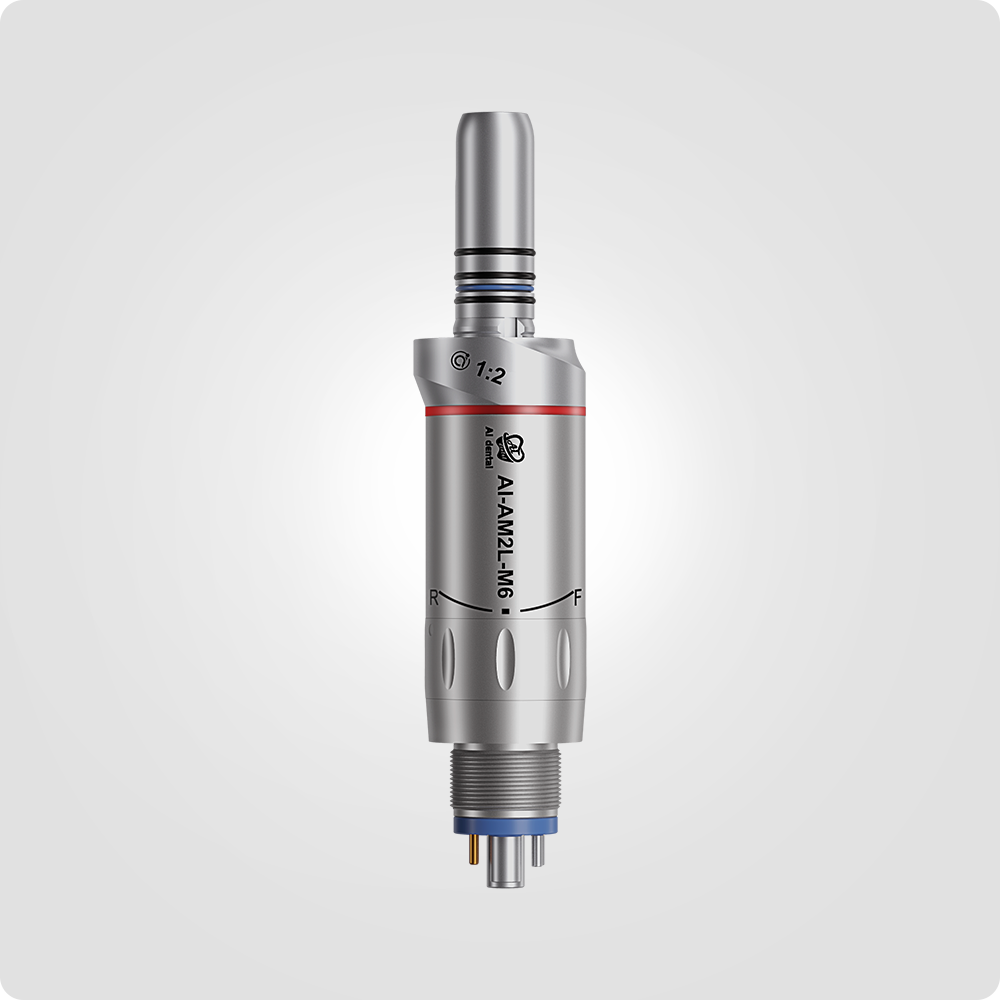
In recent years, the integration of artificial intelligence into various sectors has led to groundbreaking advancements, and the dental industry is no exception. AI dental handpieces represent a significant innovation, merging traditional dental tools with cutting-edge technology to enhance performance and precision. These instruments are designed not only to improve operational efficiency but also to elevate patient care through enhanced accuracy and reduced procedural times.
AI dental handpieces utilize sophisticated algorithms and machine learning techniques to analyze and adapt to various clinical situations in real-time. This smart technology allows for precise control over speed, torque, and power settings, tailoring the treatment experience to meet the specific needs of individual patients. For dental professionals, the ability to adjust parameters automatically based on the type of procedure being performed can lead to more consistent results and improved safety during treatments.
One of the most notable advantages of AI dental handpieces is their potential to reduce the risk of human error. By continuously monitoring and providing feedback on the handpiece's performance, these devices can alert practitioners to any deviations from optimal operational conditions. This feature not only ensures a higher standard of care but also helps in mitigating complications that can arise from traditional handpiece use.
Moreover, the ergonomic design of many AI dental handpieces contributes to better user comfort. As dentists often face long hours of use, tools that reduce strain and fatigue are invaluable. Many models incorporate lightweight materials and balanced structures, which can lead to improved hand mobility and decreased physical stress during procedures.
AI dental handpieces also facilitate communication between dental devices and practice management software. This integration allows for seamless data collection and analysis, enabling practitioners to track performance metrics and patient outcomes effectively. Ultimately, the use of AI in dental handpieces can contribute to more informed decision-making and enhanced practice efficiency.
Furthermore, as dental practices increasingly strive for sustainability, many AI dental handpieces are designed to be energy-efficient. This focus on eco-friendly technology aligns with the broader trend within the healthcare sector towards reducing the environmental impact of medical equipment.
In summary, AI dental handpieces are set to revolutionize the landscape of dental care by offering unparalleled precision, efficiency, and safety. As technology continues to evolve, these tools will play a pivotal role in shaping the future of dentistry, providing dental professionals and patients with benefits that extend beyond traditional methods. Embracing this innovation is not just a trend, but a necessary step towards advancing dental practice and improving patient outcomes in an increasingly competitive and technologically driven environment.
Related News
AI DENTAL Highlights Day 1 at 2026 Rimini Dental Expo-High-Value Smile & AiKO Series
May 15,2026
Views ()
Focus On Dental Handpieces