
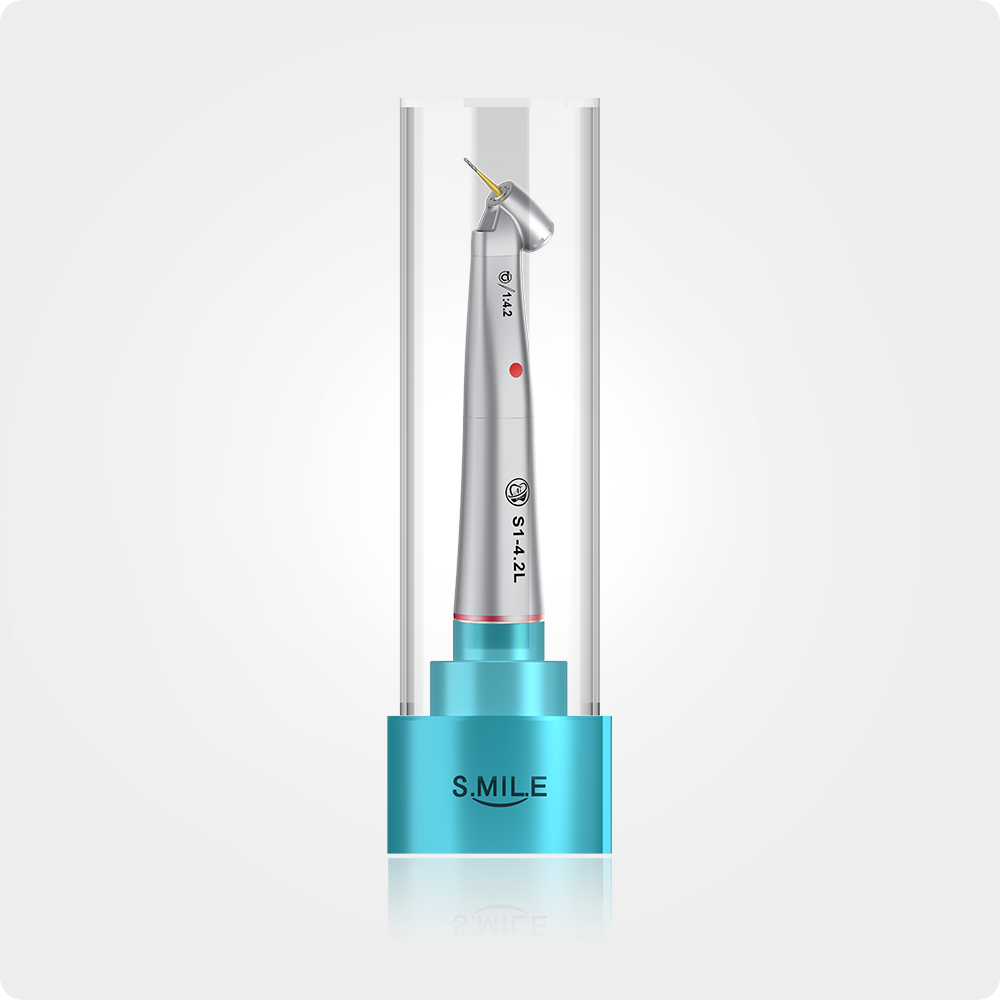
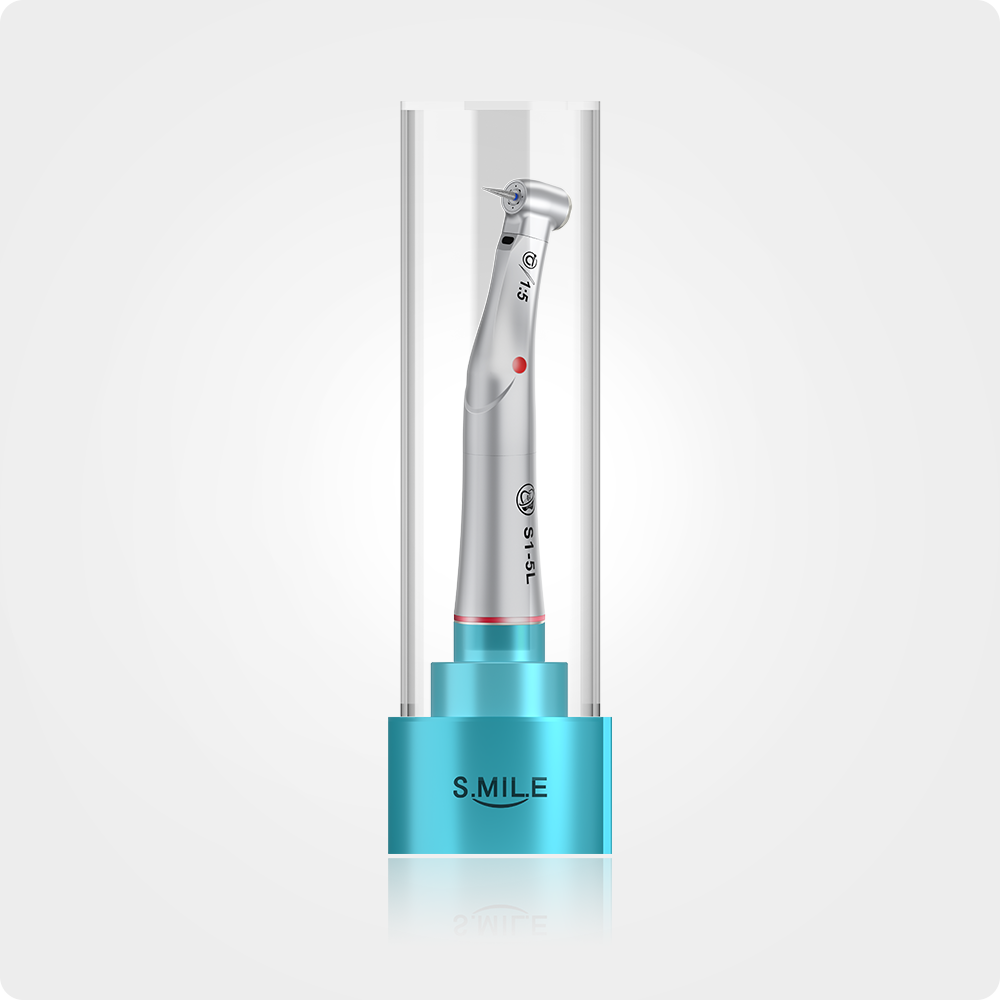
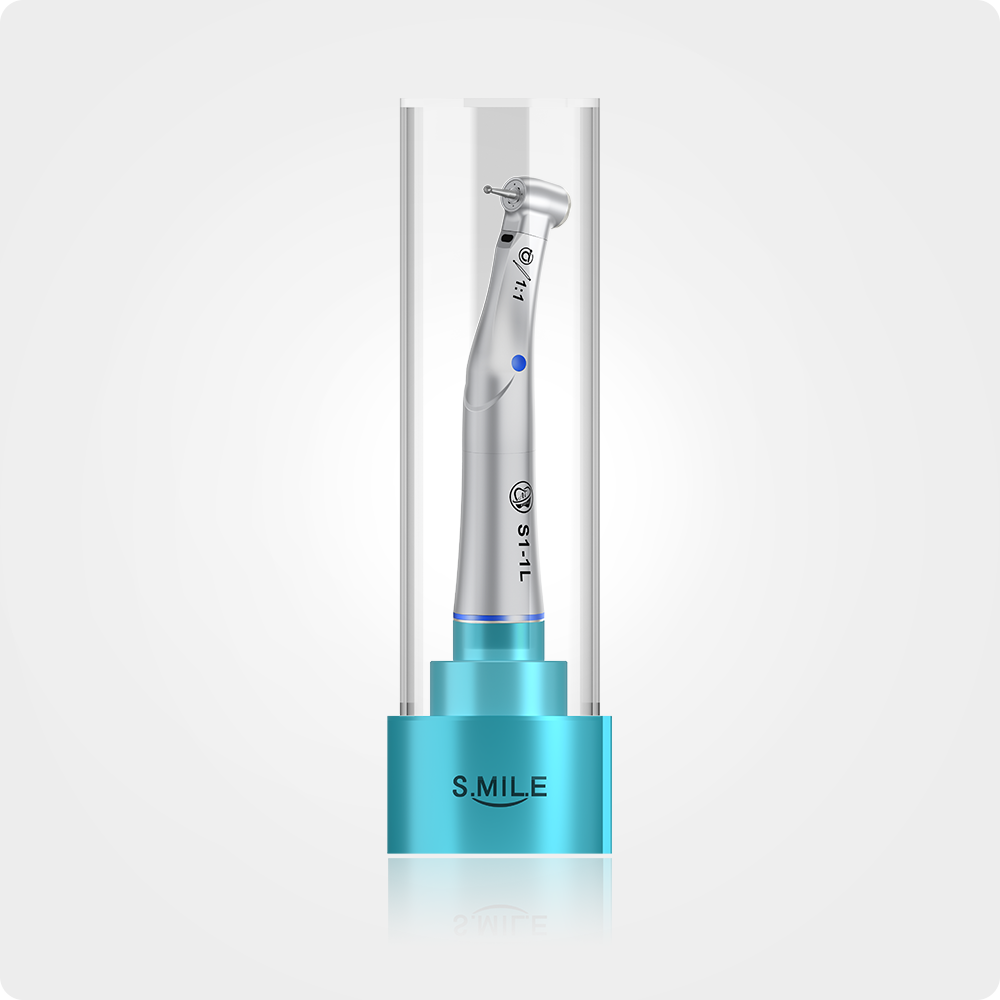
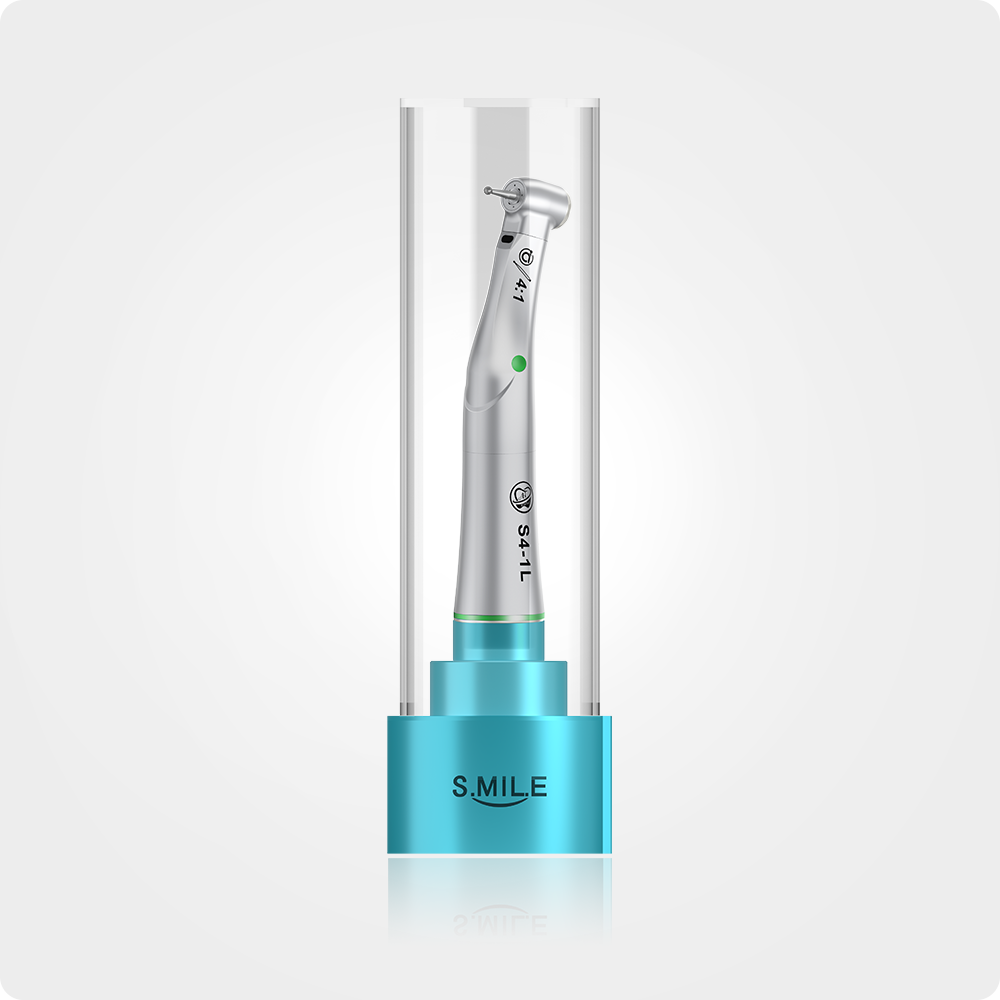
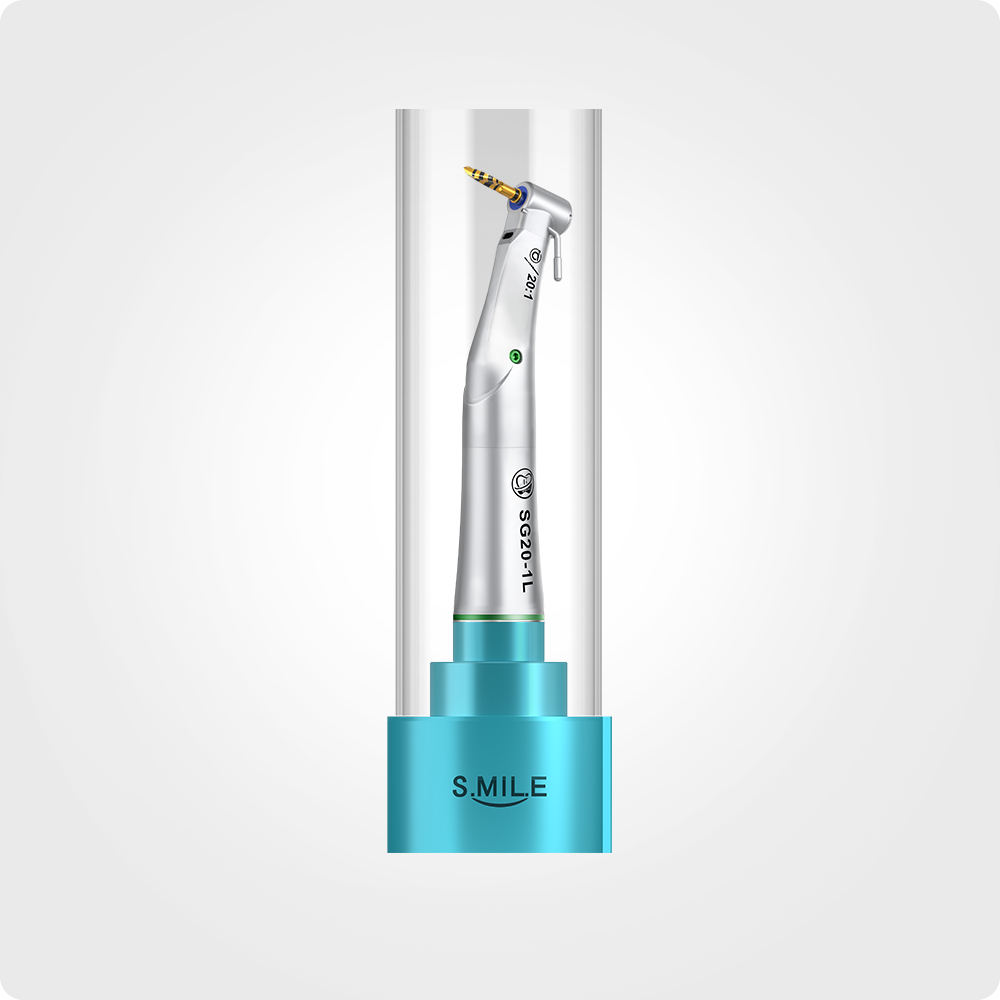

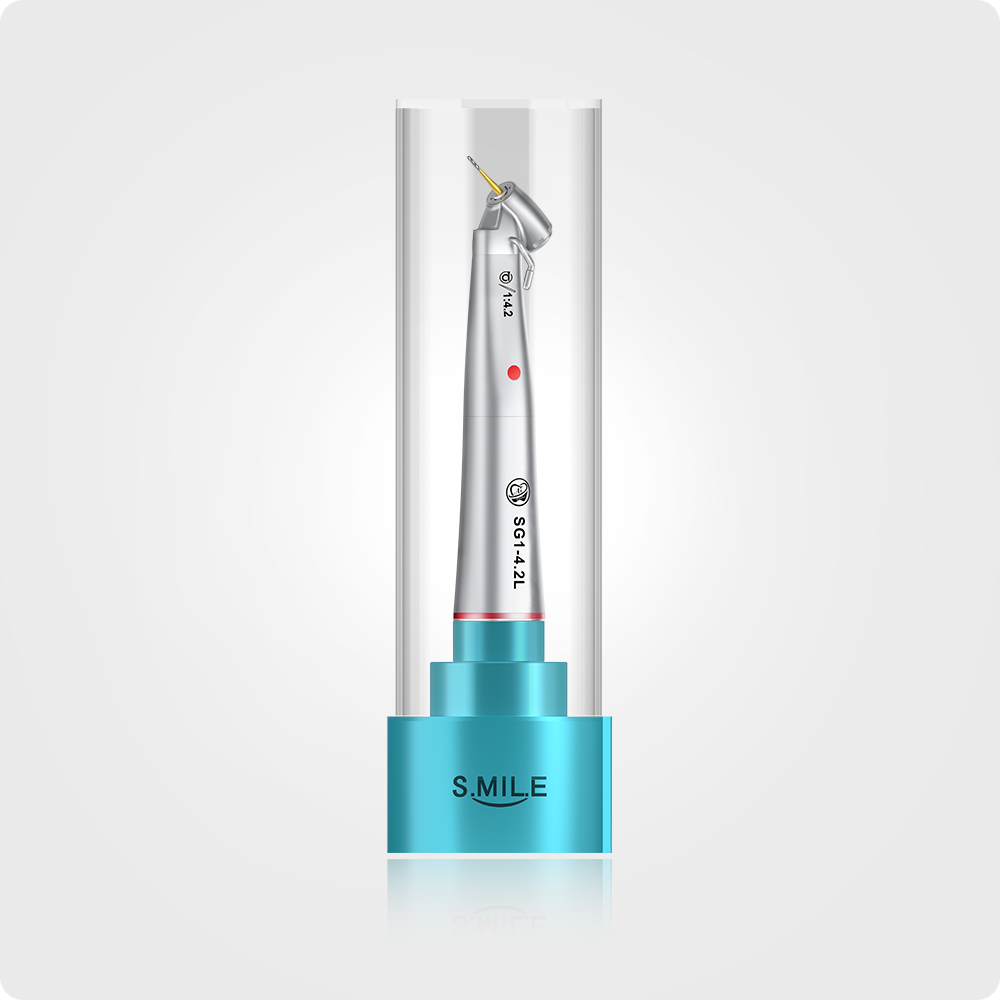
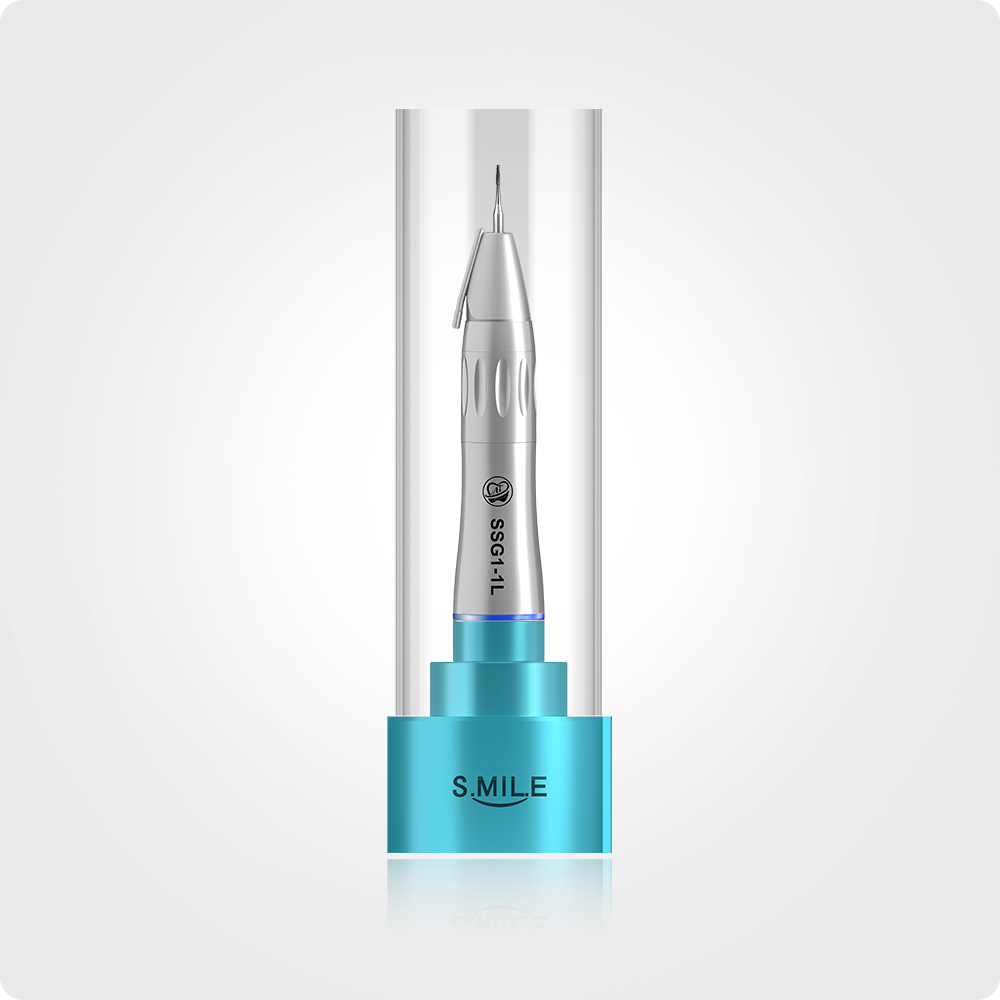
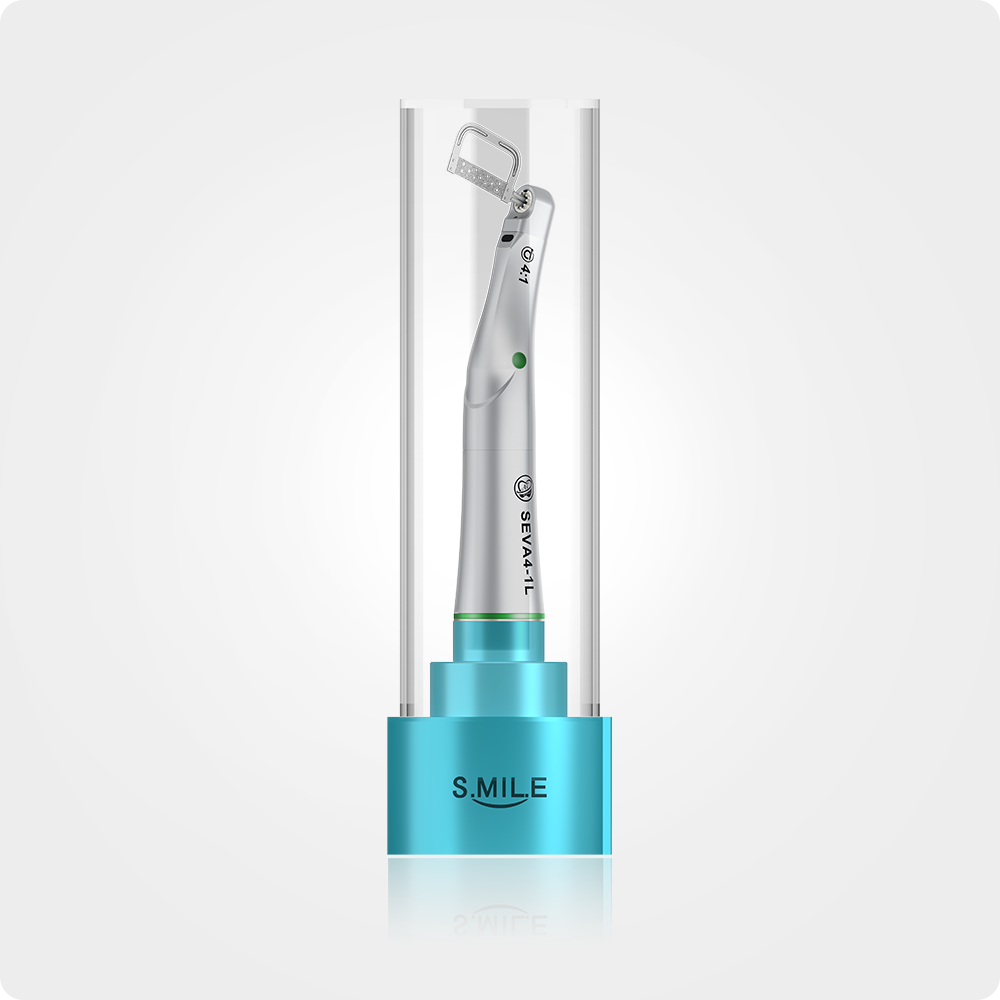


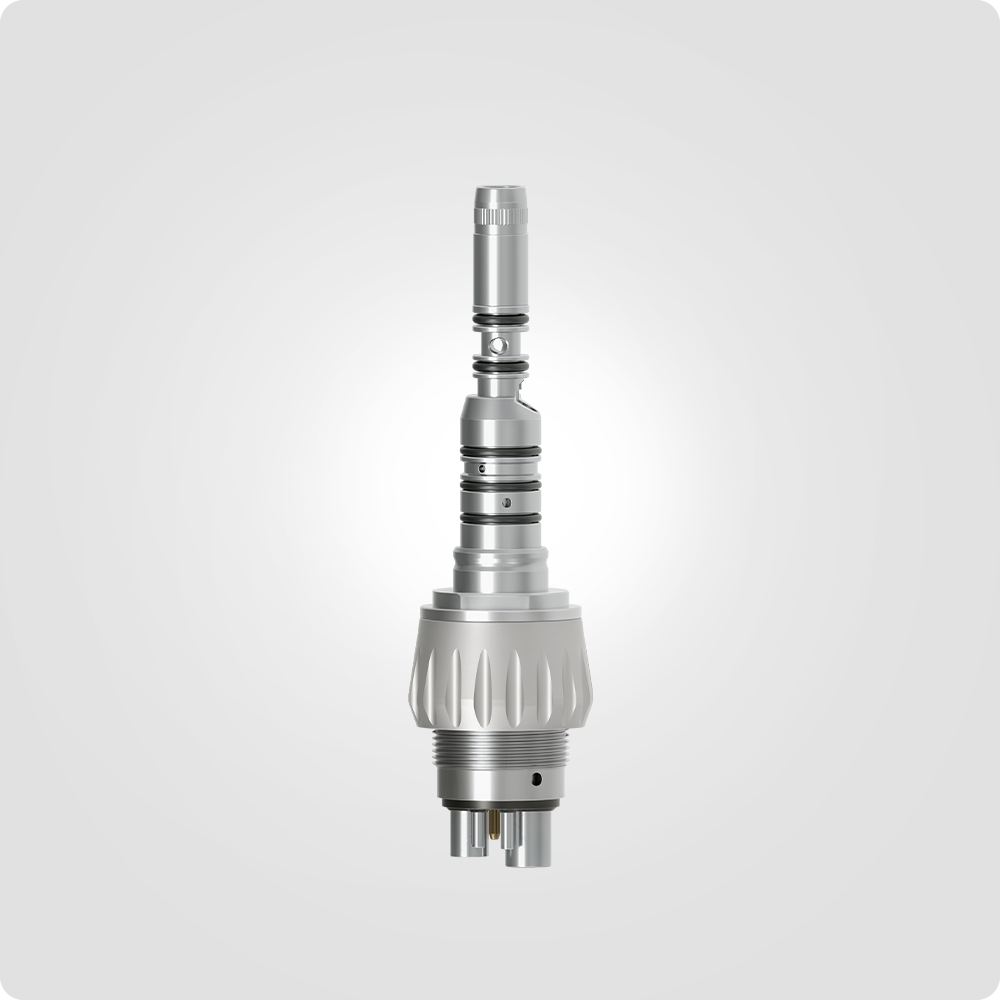
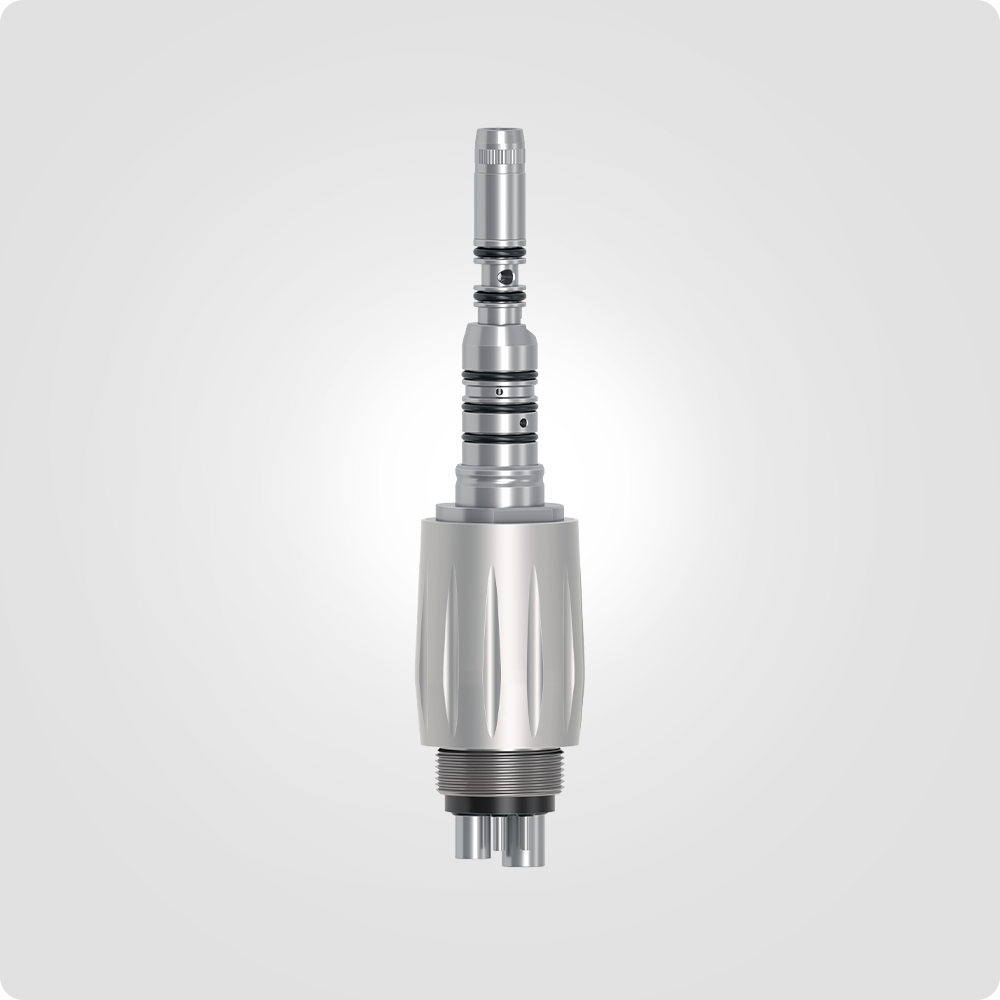
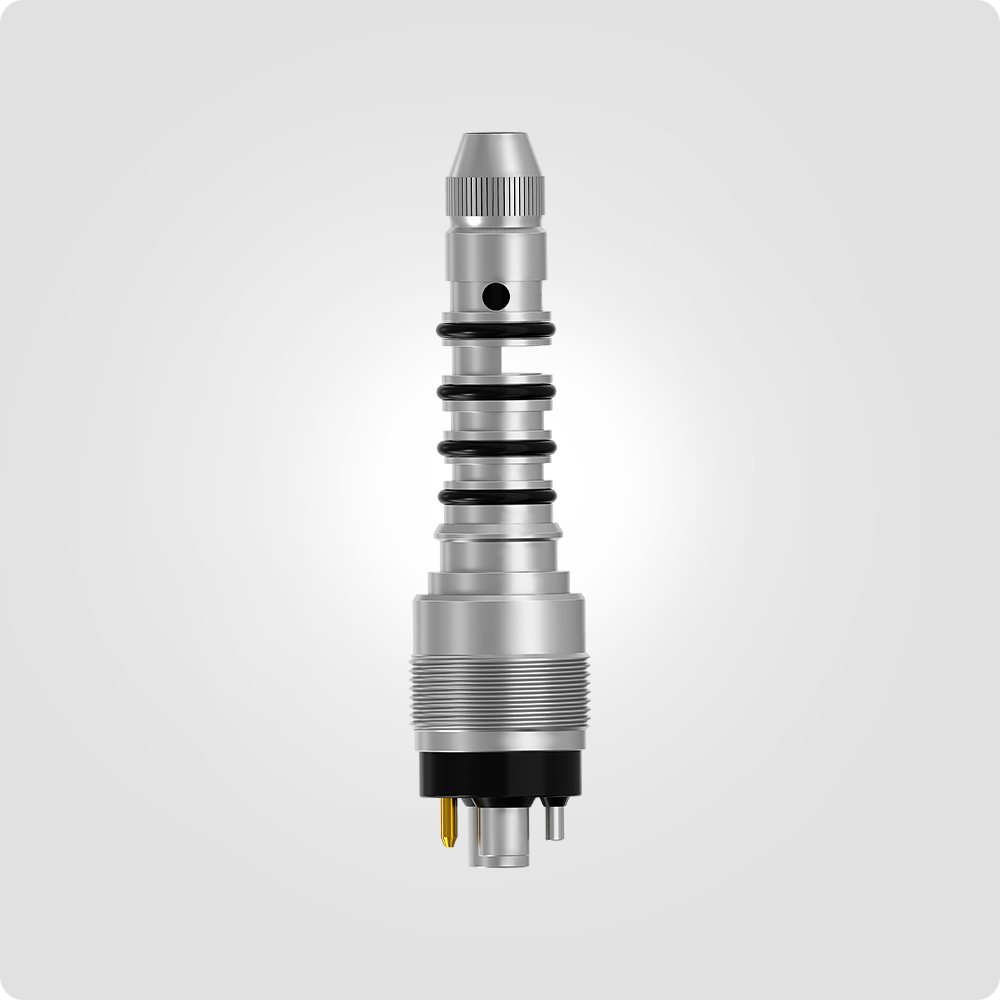








A Comprehensive Guide to Electric Micromotor Technology in Dentistry
Sep 30,2026
Views ()

A Comprehensive Guide to Electric Micromotor Technology in Dentistry
Table of Contents
- 1. Introduction to Electric Micromotor Technology in Dentistry
- 2. Understanding Electric Micromotors: How They Work
- 3. Advantages of Electric Micromotor Technology
- 4. Applications of Electric Micromotors in Dental Procedures
- 5. Types of Electric Micromotors Used in Dentistry
- 6. Maintenance and Care for Electric Micromotors
- 7. Future Trends in Electric Micromotor Technology
- 8. Frequently Asked Questions (FAQs)
- 9. Conclusion
1. Introduction to Electric Micromotor Technology in Dentistry
Electric micromotor technology has transformed dental practices, offering a host of benefits that enhance efficiency and precision. As we delve into this comprehensive guide, we aim to provide dental professionals with insights into electric micromotors' role in modern dentistry. From improving treatment outcomes to reducing patient discomfort, electric micromotors are at the forefront of dental innovation.
2. Understanding Electric Micromotors: How They Work
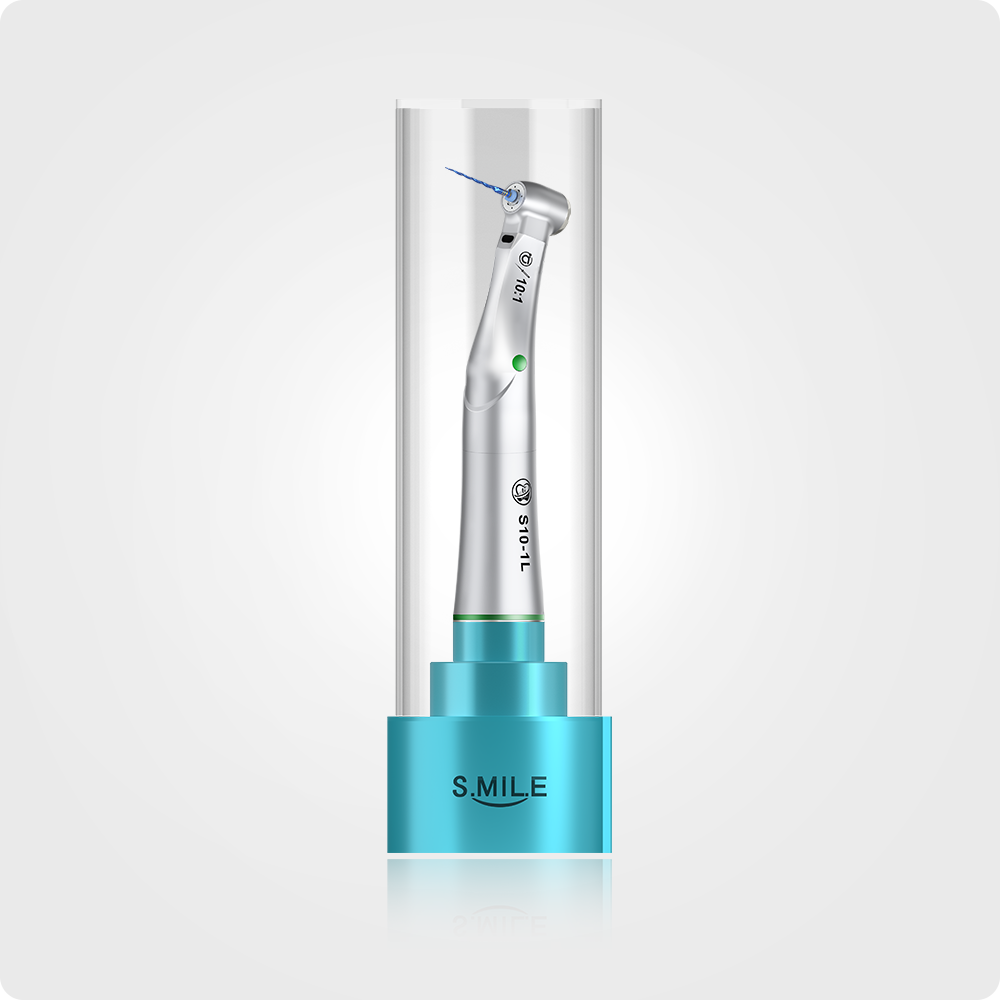
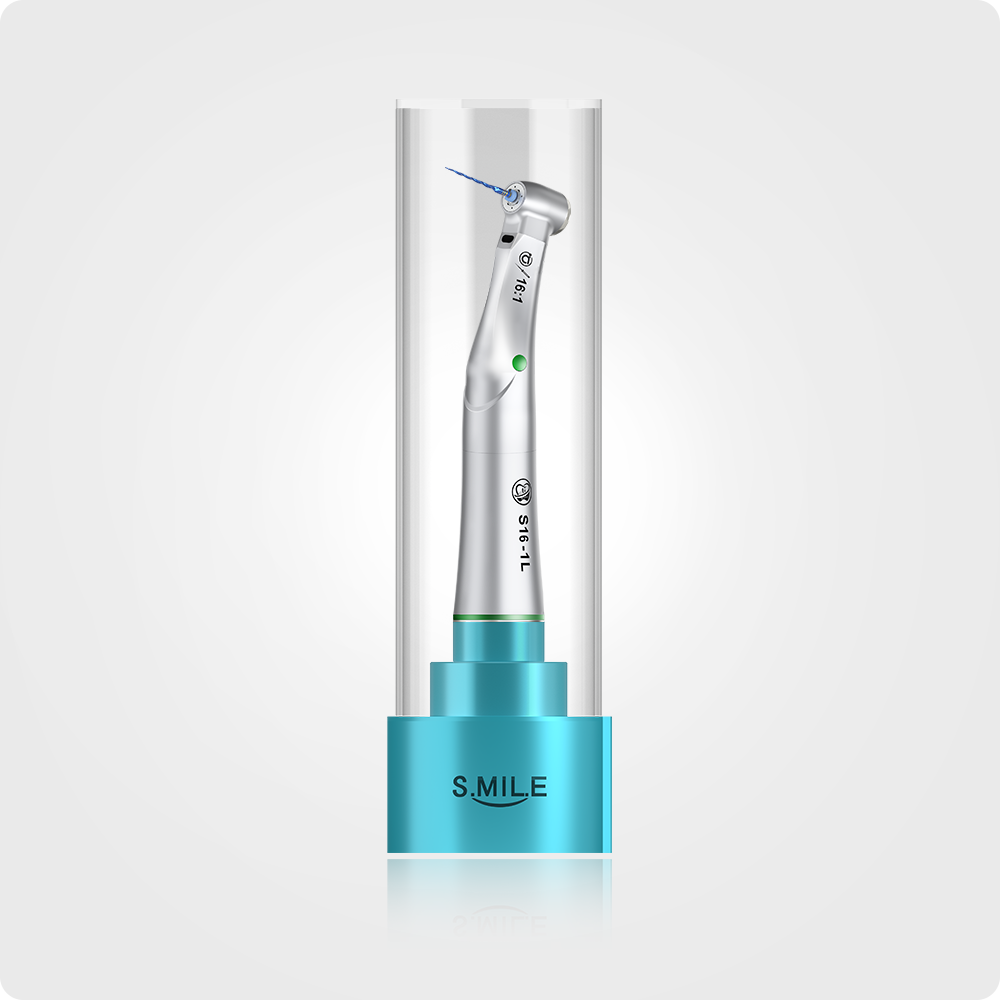
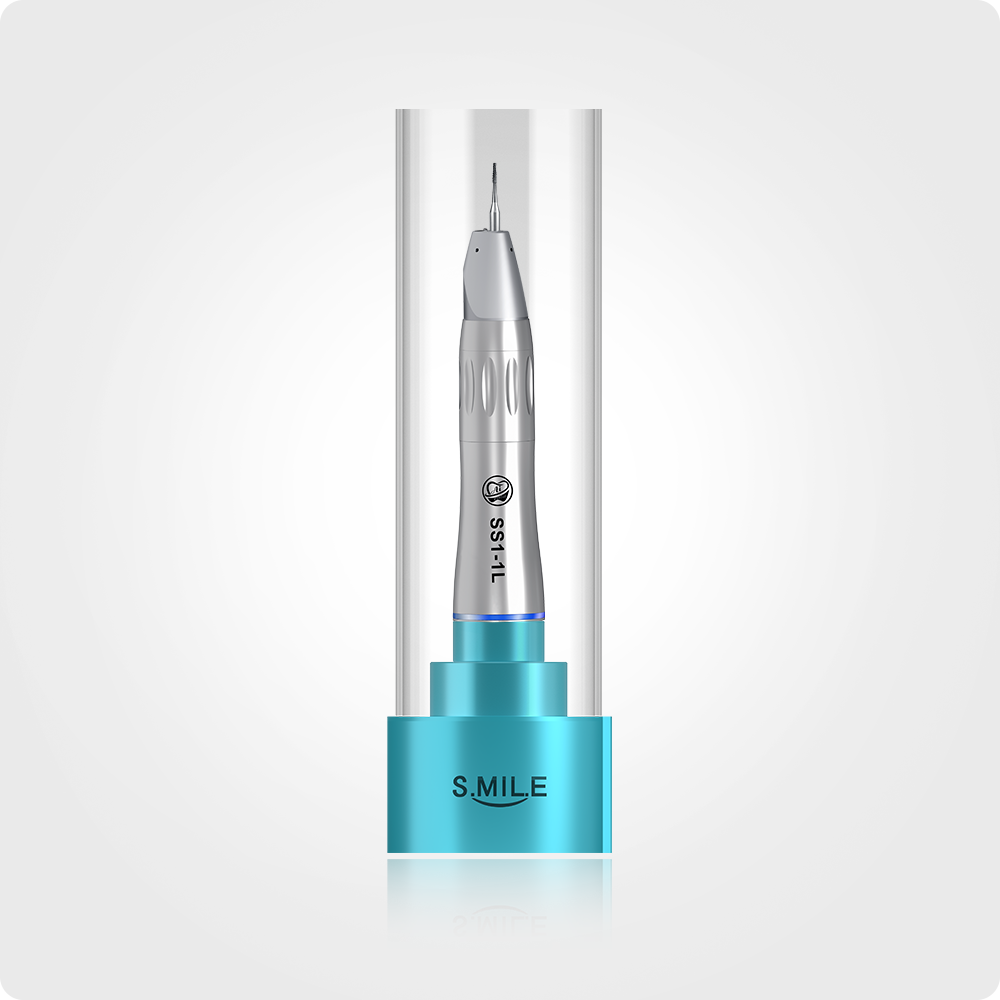
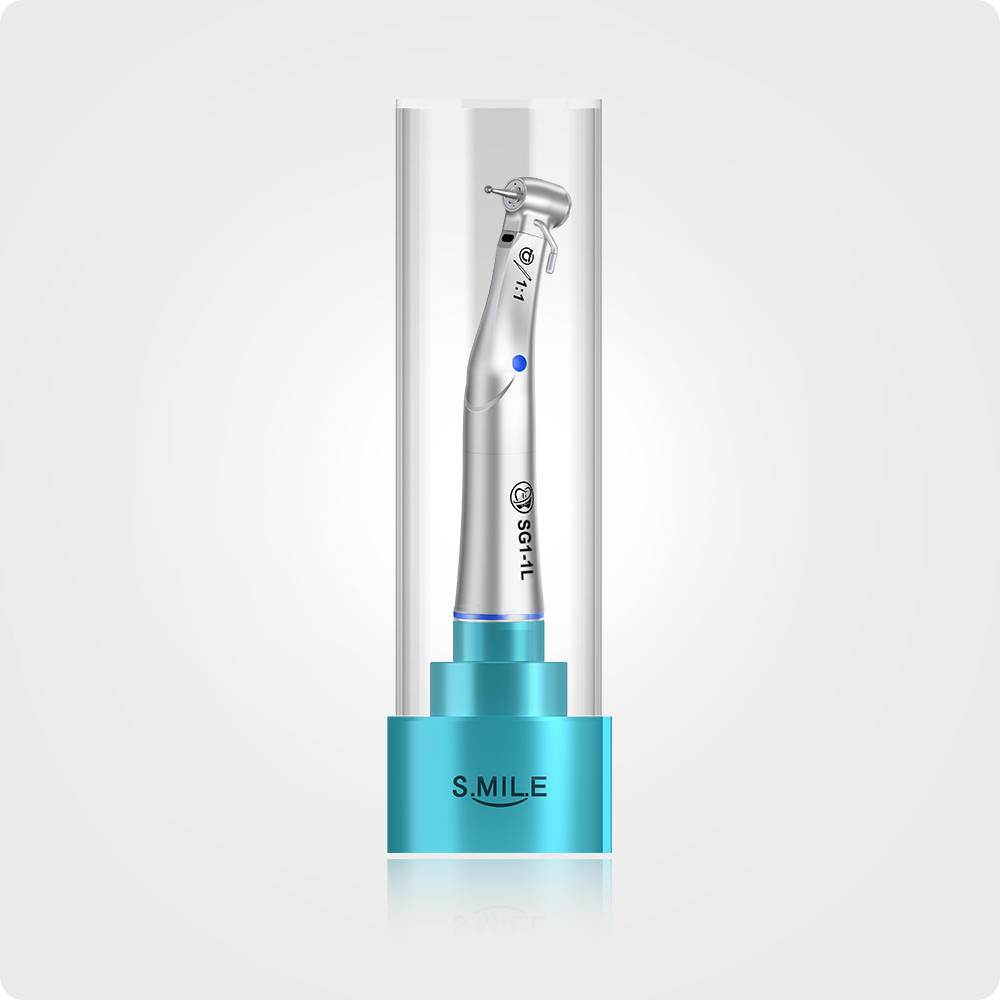
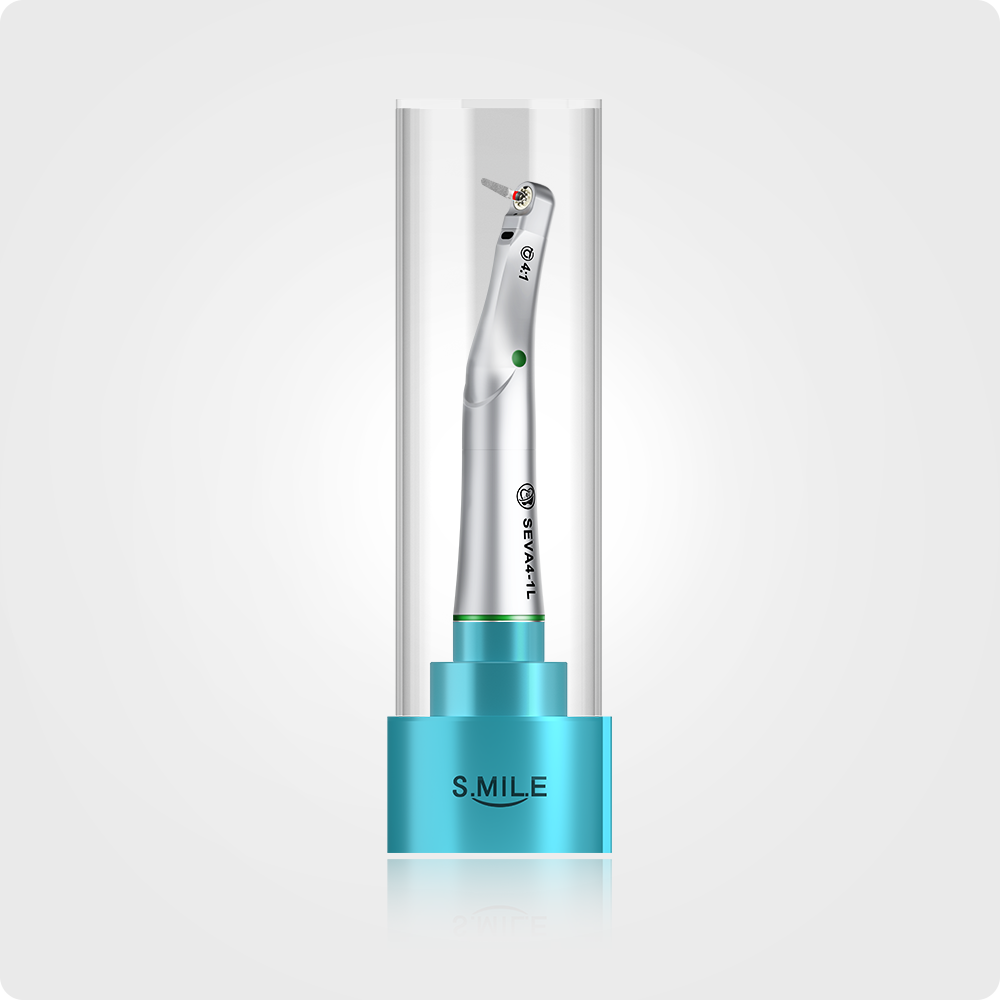
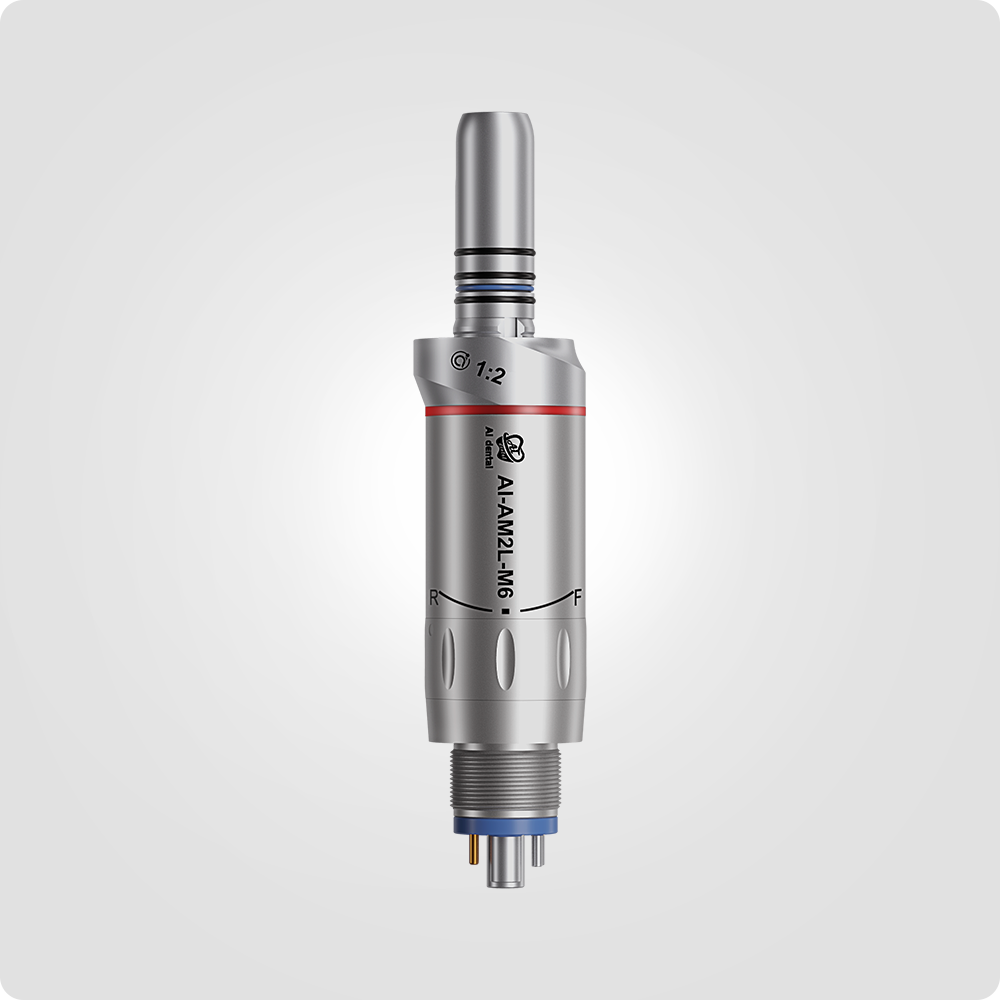
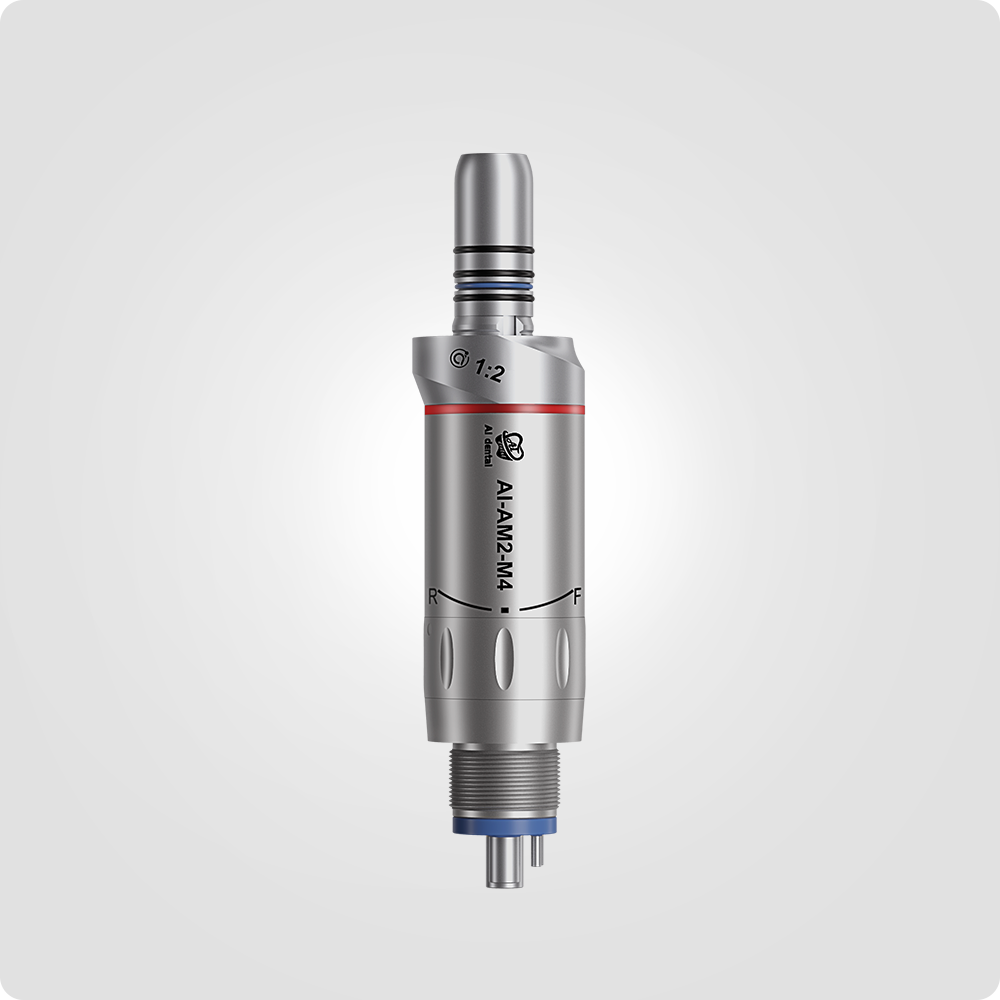
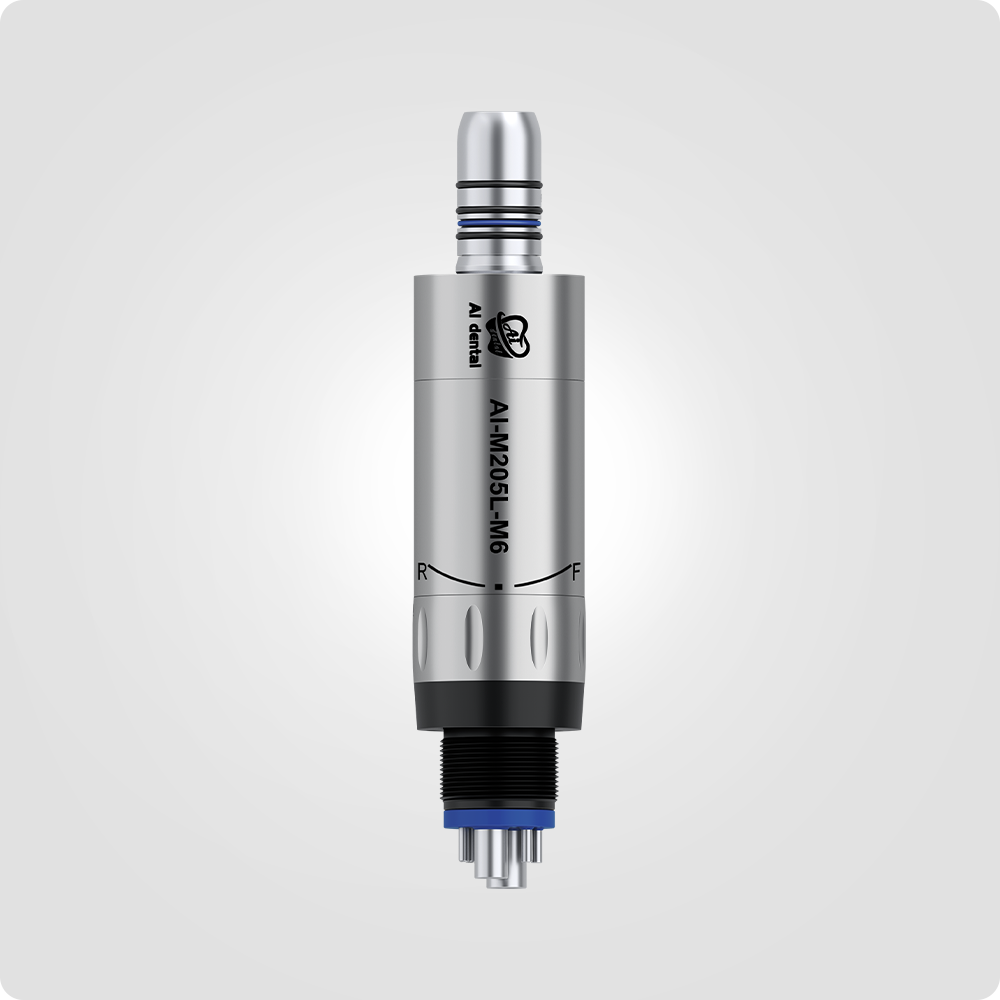
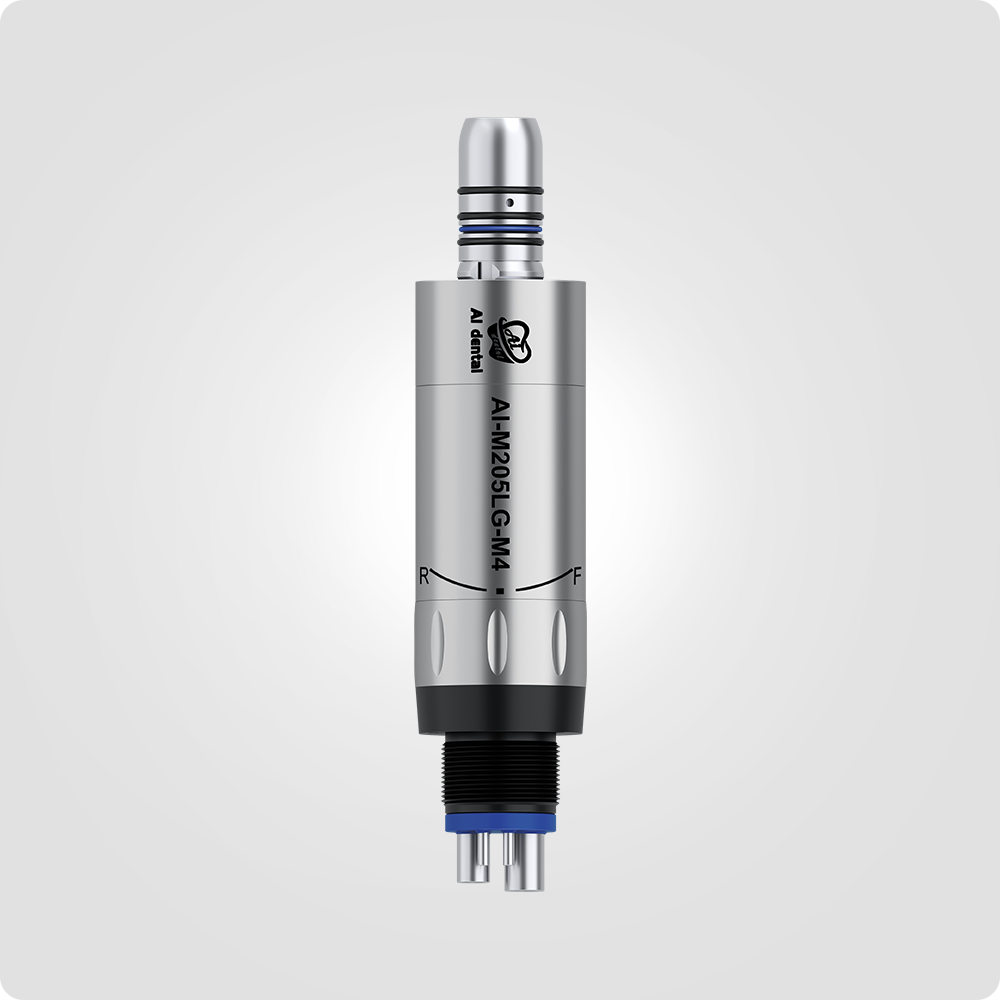
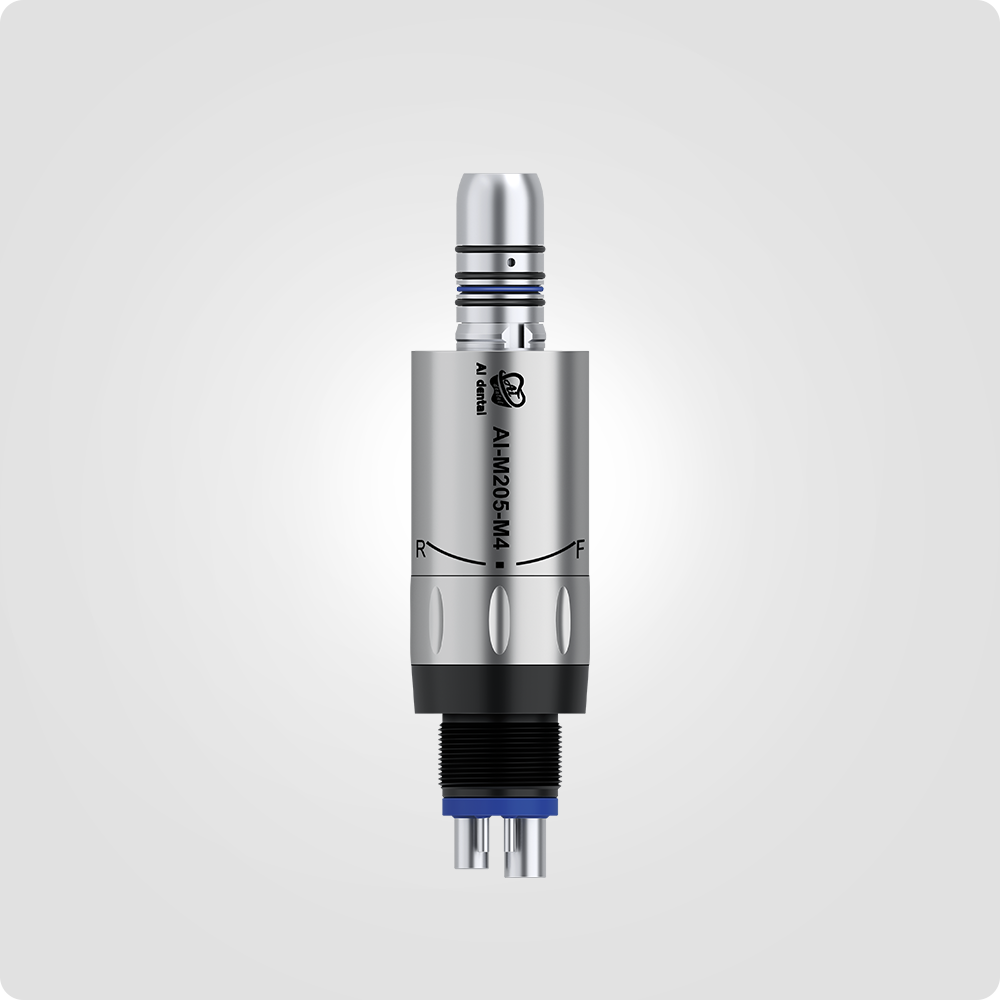
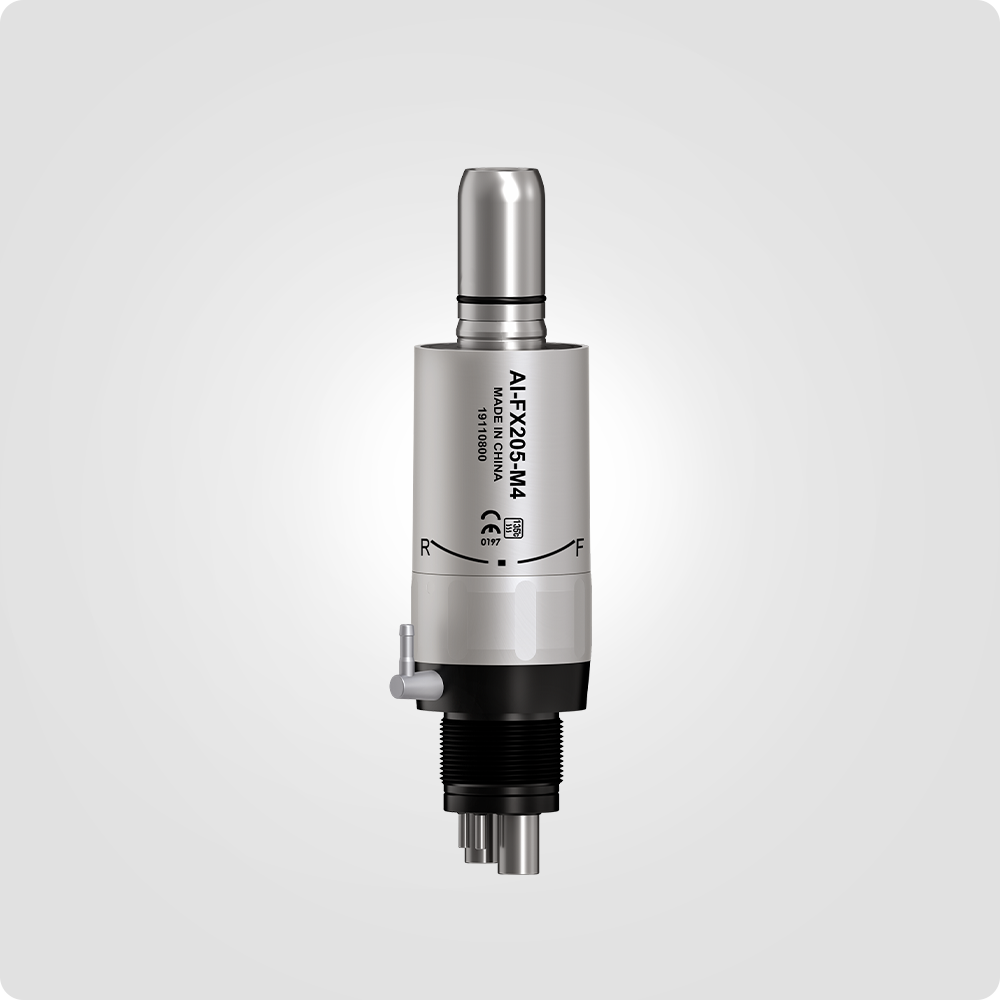
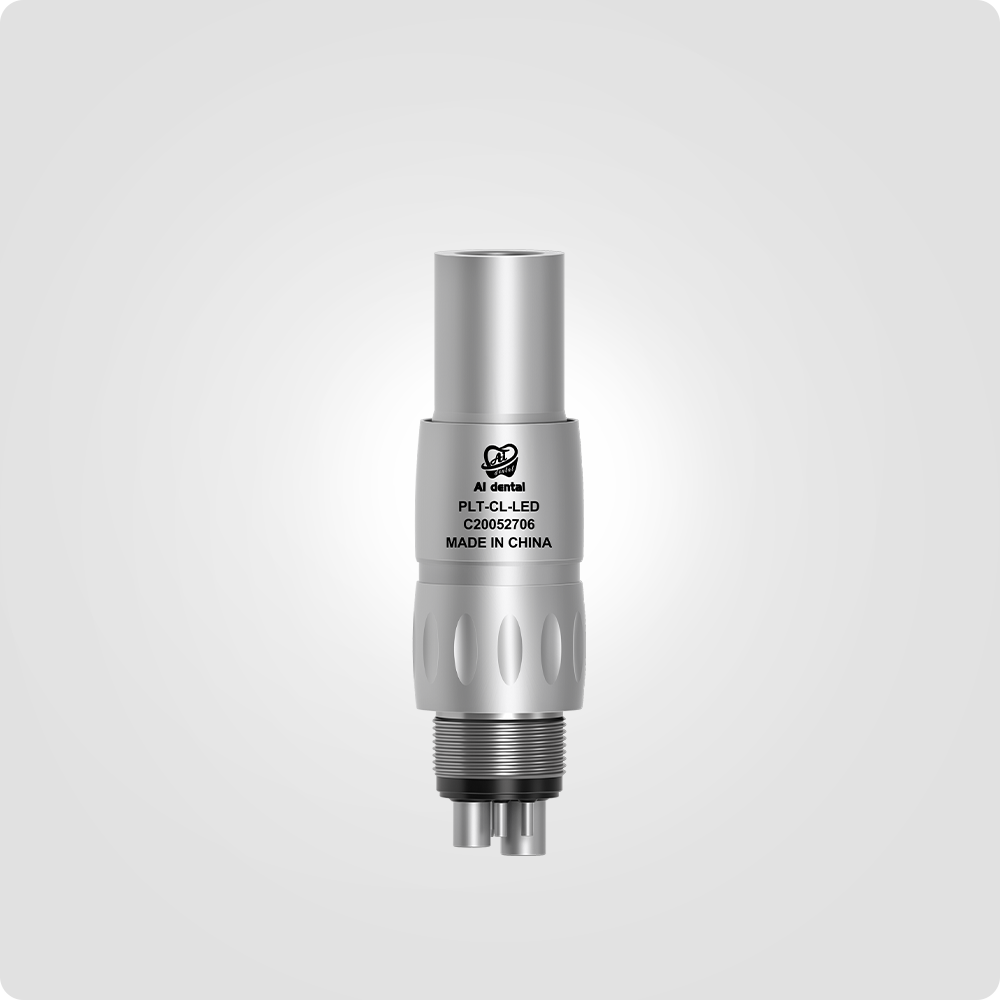
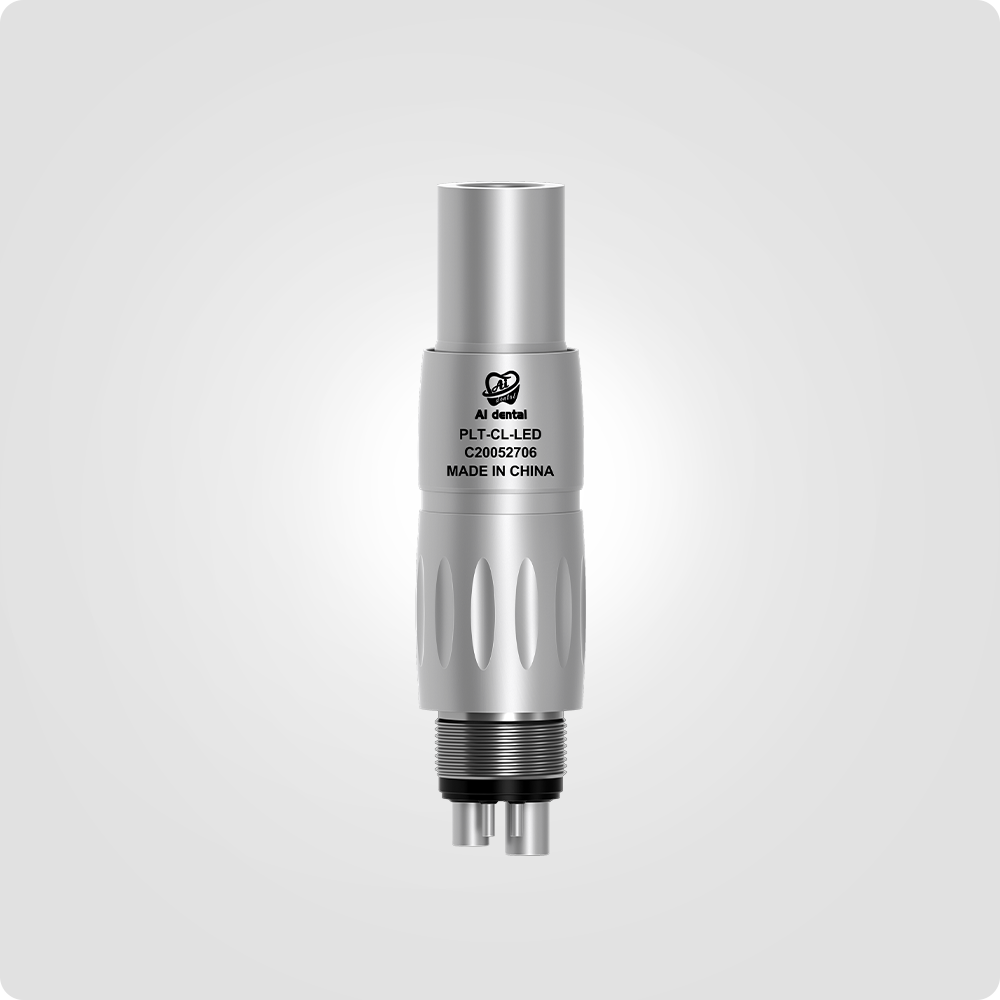
Electric micromotors are compact devices powered by electricity, designed to drive rotary instruments in dental procedures. Unlike traditional air-driven handpieces, electric micromotors provide consistent torque and speed, leading to enhanced performance.
The Mechanics Behind Electric Micromotors
Electric micromotors consist of a stator and rotor, where the stator generates a magnetic field, causing the rotor to spin. This spinning motion is what drives the dental tools attached to the micromotor, enabling precise cutting, polishing, or grinding.
Key Components of Electric Micromotors
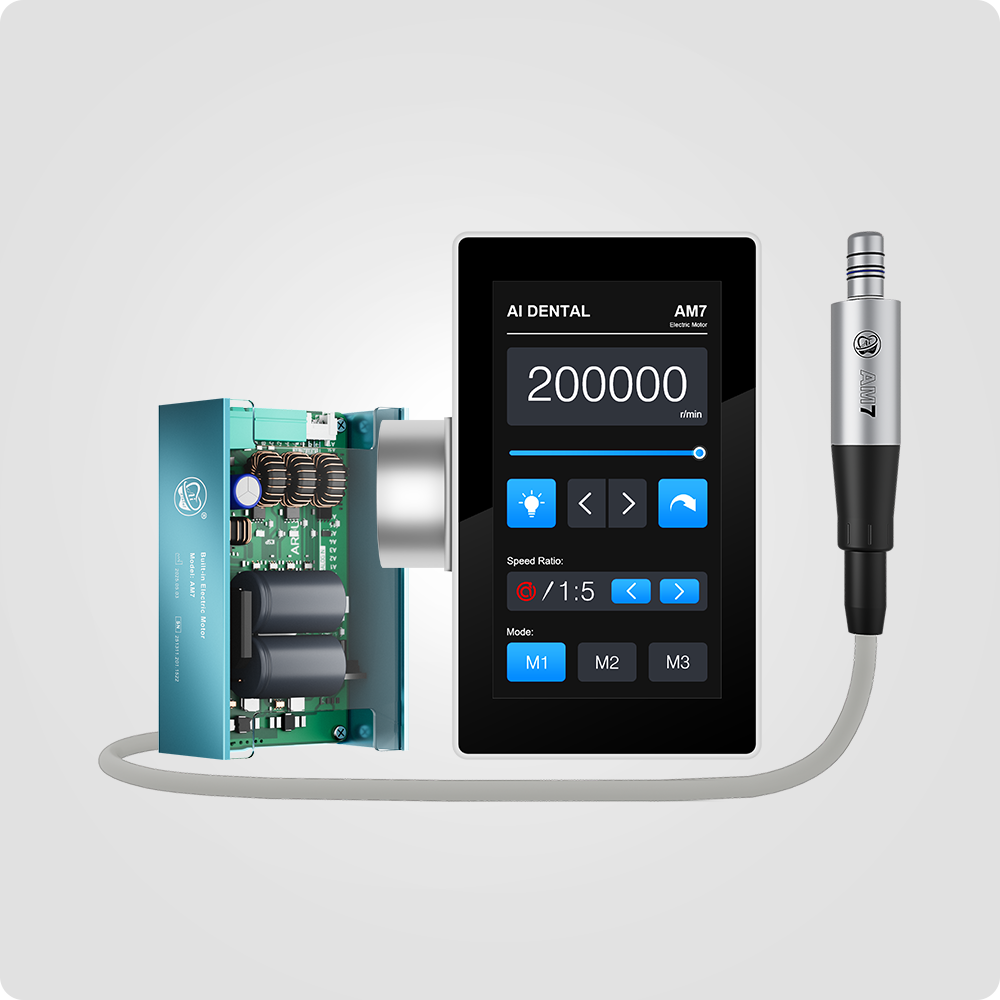
1. **Power Supply**: The source of electricity, usually a rechargeable battery or an AC power unit.
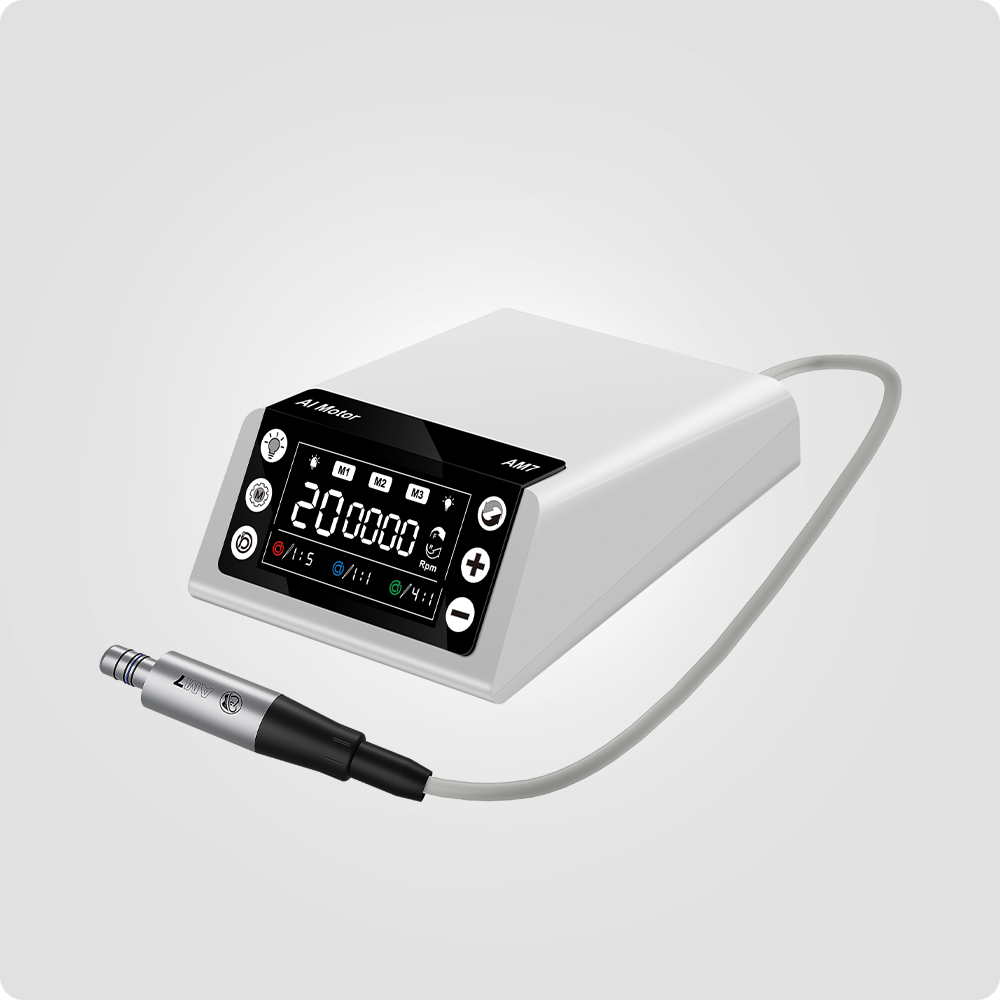
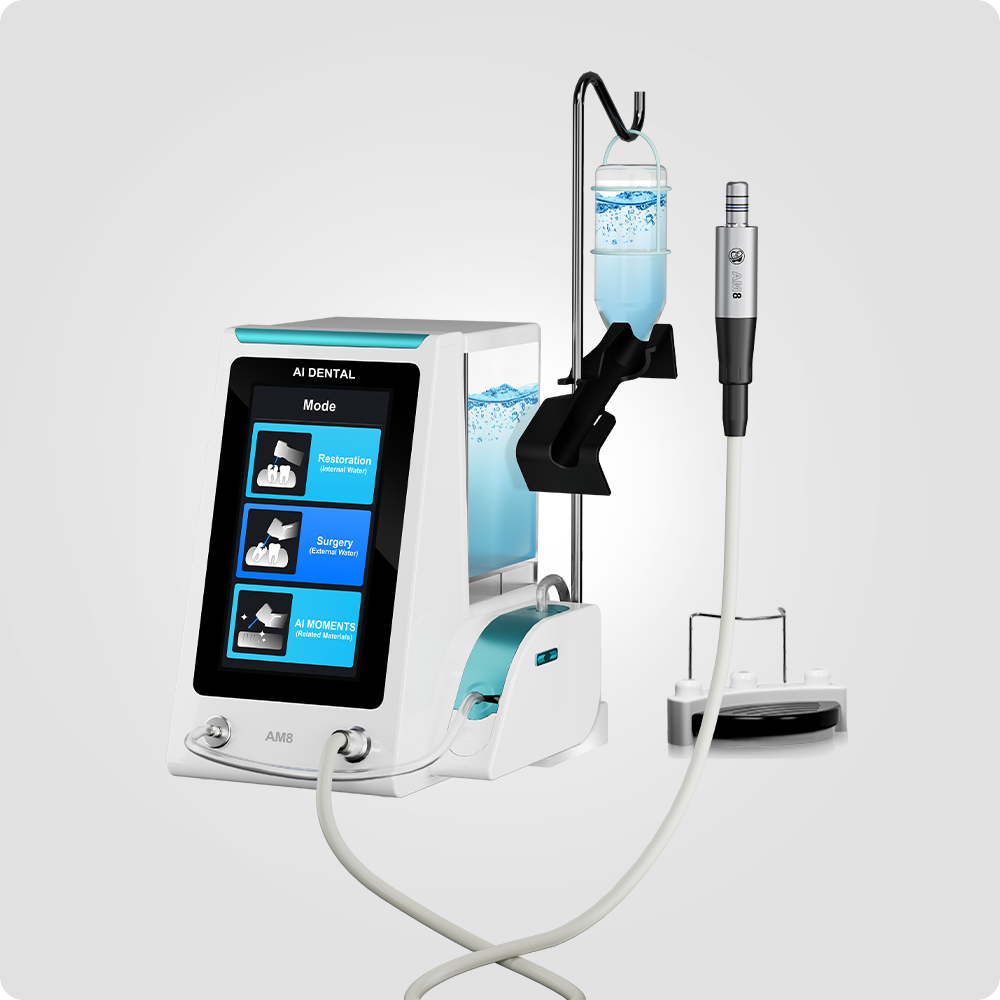
2. **Control Unit**: Allows dentists to adjust speed and torque settings based on specific procedures.
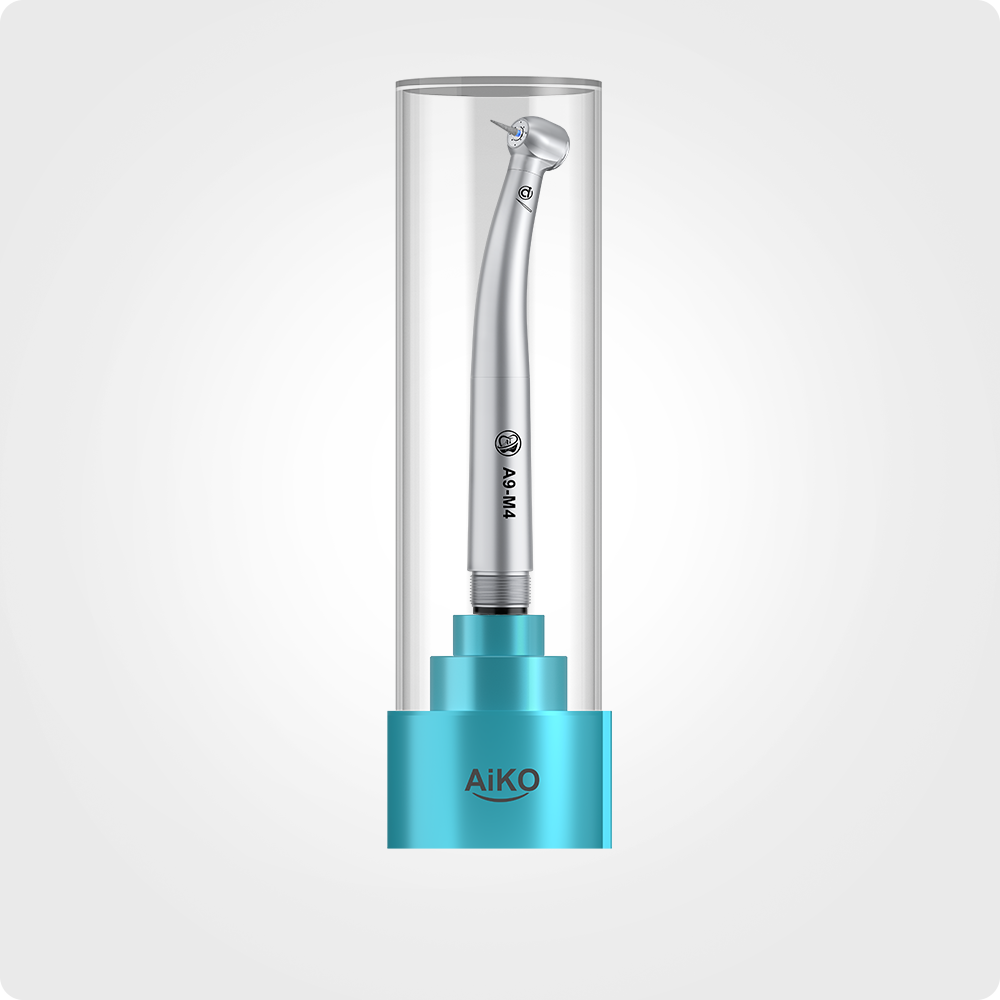
3. **Handpiece**: The part that holds the dental tool, designed for ergonomic use.
4. **Attachment Mechanisms**: Ensure secure fitting of various dental instruments.
3. Advantages of Electric Micromotor Technology
The adoption of electric micromotors in dental practices presents several advantages:
Enhanced Precision and Control
Electric micromotors allow dentists to control speed and torque with accuracy, enabling better management of different dental procedures. This precision results in improved clinical outcomes and greater patient satisfaction.
Reduced Noise and Vibration
Compared to traditional air-driven handpieces, electric micromotors operate with significantly less noise and vibration. This contributes to a more comfortable experience for patients, reducing anxiety during treatments.
Consistency in Performance
Electric micromotors maintain consistent power delivery, regardless of the load. This ensures that the dental instruments perform optimally throughout the procedure, enhancing the dentist's efficiency.
4. Applications of Electric Micromotors in Dental Procedures
Electric micromotors serve various purposes in dentistry, making them versatile tools within a dental practice.
Restorative Dentistry
In restorative procedures, electric micromotors are used for cavity preparation, allowing for precise removal of decayed tooth structure. Their consistent torque helps in shaping cavities effectively.
Endodontics
During root canal treatments, electric micromotors facilitate the efficient shaping and cleaning of root canals. The ability to control speed and torque minimizes the risk of file breakage, enhancing the success rate of endodontic treatments.
Prosthodontics
Electric micromotors are instrumental in the fabrication of crowns and bridges, aiding in the accurate adjustment of dental materials. Their precision ensures that prosthetic devices fit comfortably and function effectively.
5. Types of Electric Micromotors Used in Dentistry
There are several types of electric micromotors utilized in dental practices, each designed for specific functions.
Low-Speed Electric Micromotors
These are ideal for procedures requiring high torque at low speeds, such as endodontic treatments and restorative work.
High-Speed Electric Micromotors
Used primarily for cutting and shaping hard dental tissues, high-speed micromotors are essential for tasks like cavity preparation.
Combined Micromotors
These versatile devices offer both high-speed and low-speed functionalities, making them suitable for a wide range of dental procedures.
6. Maintenance and Care for Electric Micromotors
Regular maintenance of electric micromotors is crucial to ensure longevity and optimal performance.
Cleaning Procedures
After each use, it's essential to clean the handpiece thoroughly. Following the manufacturer's guidelines for cleaning and sterilization helps prevent cross-contamination and prolongs the device's life.
Regular Inspections
Routine inspections for wear and tear, such as checking the bearings and attachments, are important. Addressing any issues promptly can prevent more significant problems down the line.
7. Future Trends in Electric Micromotor Technology
As technology evolves, electric micromotors are likely to see further advancements. Here are some potential trends to watch:
Integration with Digital Dentistry
The future of electric micromotors may involve integration with digital technologies, such as CAD/CAM systems, enhancing their precision and usability.
Smart Micromotors
We may see the development of smart micromotors capable of self-diagnosis and performance reporting, improving the efficiency of dental practices.
8. Frequently Asked Questions (FAQs)
What is an electric micromotor?
An electric micromotor is a device that powers rotary dental instruments, providing controlled speed and torque for various dental procedures.
How does an electric micromotor differ from an air-driven handpiece?
Electric micromotors offer consistent torque and speed, resulting in improved performance, while air-driven handpieces can experience fluctuations in power.
What are the benefits of using electric micromotors in dentistry?
Electric micromotors provide enhanced precision, reduced noise and vibration, and consistent performance, improving the overall patient experience.
Are electric micromotors more expensive than traditional handpieces?
While the initial investment for electric micromotors may be higher, their long-term benefits often justify the cost through improved efficiency and patient satisfaction.
How often should electric micromotors be serviced?
It's advisable to follow the manufacturer's recommendations for maintenance and servicing, which typically includes regular cleaning and inspections after each use.
9. Conclusion
Electric micromotor technology represents a significant advancement in dentistry, offering numerous benefits that enhance the quality of care provided to patients. From their precision and efficiency to their versatility in various dental procedures, electric micromotors are invaluable tools in modern dentistry. As dental professionals embrace this technology, they can look forward to improved clinical outcomes and increased patient satisfaction. Investing in electric micromotor technology is not just a step towards modernization but a commitment to providing the best possible care in today's dental landscape.
Related News
AI DENTAL Highlights Day 1 at 2026 Rimini Dental Expo-High-Value Smile & AiKO Series
May 15,2026
Views ()
Focus On Dental Handpieces