






























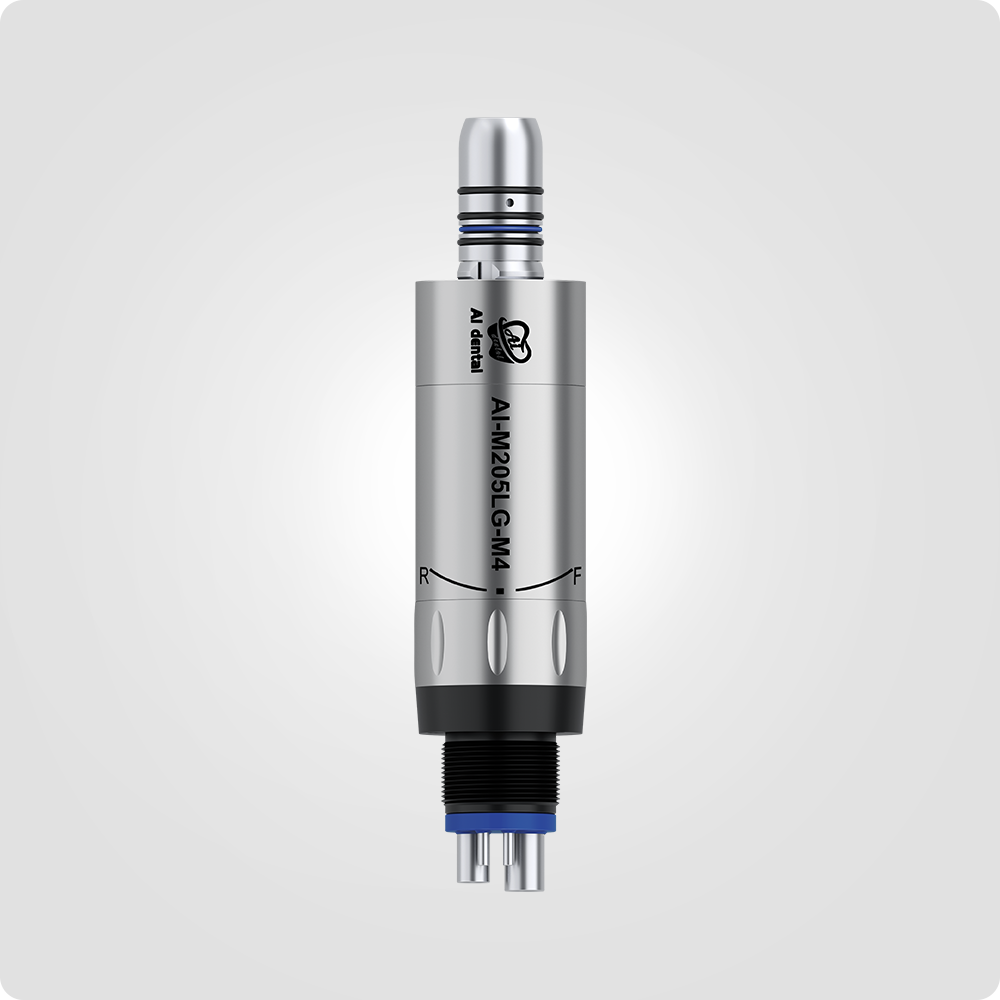















Enhance Patient Experience with Cutting-Edge AI Dental Handpieces
Sep 12,2026
Views ()

Enhance Patient Experience with Cutting-Edge AI Dental Handpieces
Table of Contents
1. Introduction to AI in Dentistry
2. The Role of Dental Handpieces in Modern Dentistry
2.1 Evolution of Dental Handpieces
2.2 Importance of Precision and Efficiency
3. Understanding AI Technology in Dental Handpieces
3.1 How AI Improves Handpiece Functionality
3.2 Smart Features of AI Dental Handpieces
4. Benefits of AI Dental Handpieces for Patient Experience
4.1 Enhanced Comfort and Reduced Anxiety
4.2 Faster Treatment Times and Improved Outcomes
5. Integrating AI Handpieces into Dental Practice
5.1 Steps for Implementation
5.2 Training Staff and Adjusting to New Technology
6. Overcoming Common Challenges of AI Adoption
6.1 Cost Considerations
6.2 Patient Education and Acceptance
7. The Future of AI in Dentistry
8. Conclusion
9. Frequently Asked Questions
1. Introduction to AI in Dentistry
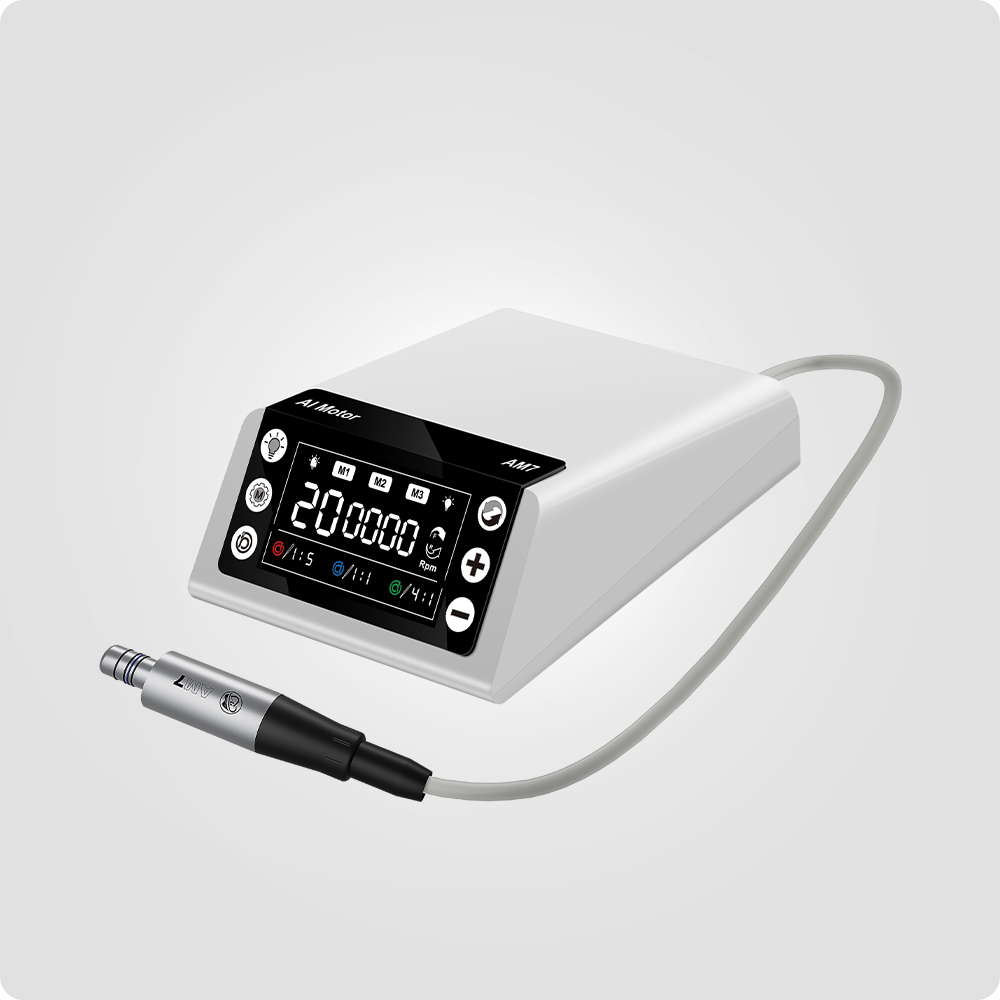
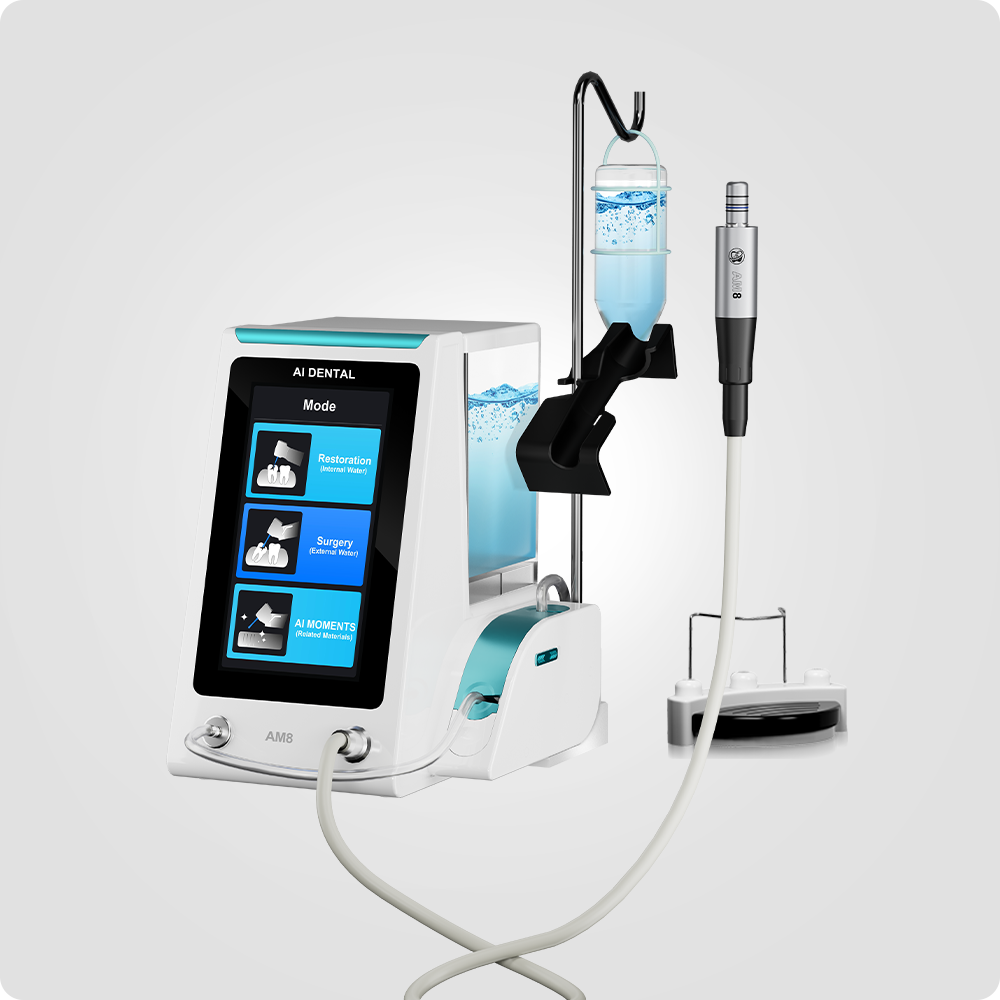
In recent years, the integration of **artificial intelligence (AI)** in various sectors has revolutionized the way services are delivered. The dental industry is no exception, as **AI technology** continues to pave the way for innovative solutions that enhance patient care. Among these advancements, **AI dental handpieces** stand out as a game-changer, allowing dental professionals to deliver treatments with unprecedented accuracy and efficiency.
2. The Role of Dental Handpieces in Modern Dentistry
Dental handpieces are essential tools in every dental practice, serving a multitude of purposes, from cavity preparation to finishing and polishing. Their importance cannot be overstated, as they directly impact the quality of dental treatments.
2.1 Evolution of Dental Handpieces
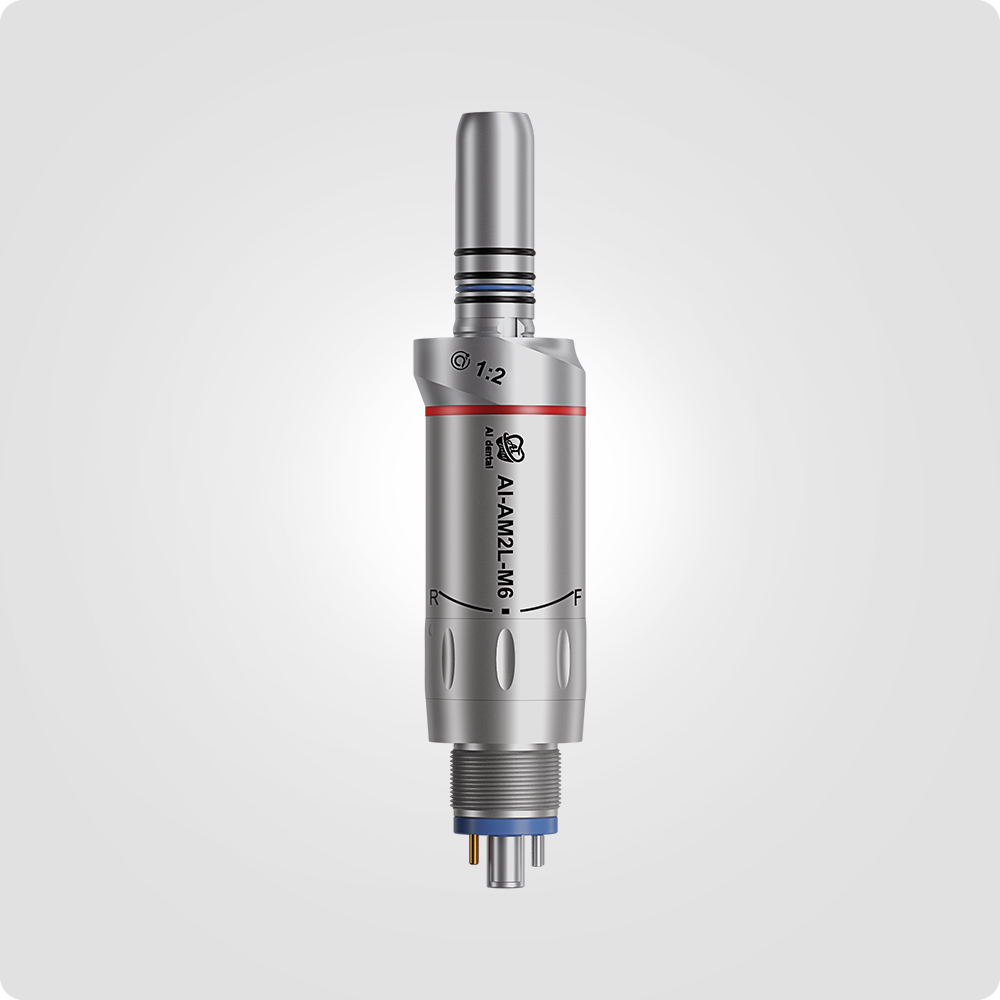
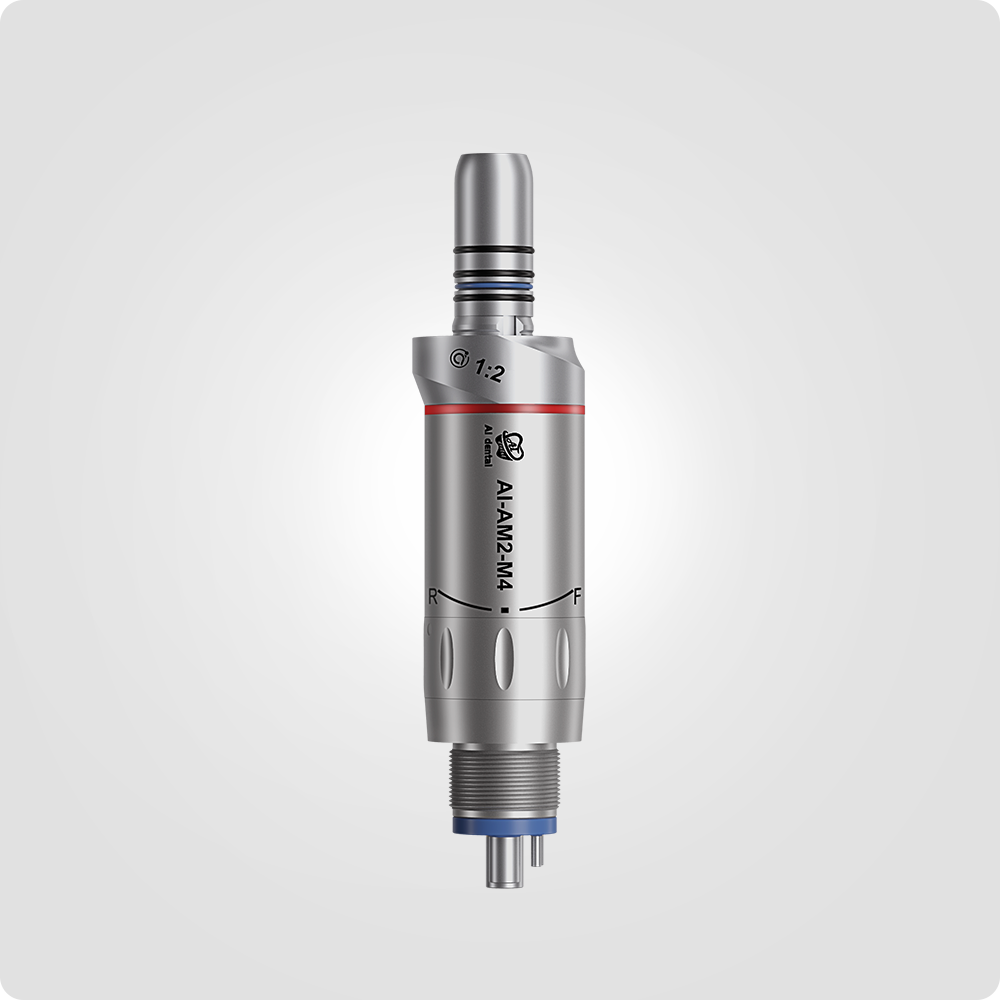
Traditional dental handpieces have undergone significant transformations over the years. From the early manual drills to the high-speed electric handpieces, each iteration has brought improvements in power and ergonomics. The latest advancement, **AI-driven handpieces**, leverages cutting-edge technology to further enhance performance.
2.2 Importance of Precision and Efficiency
High precision and efficiency are crucial in dentistry. **AI dental handpieces** ensure that practitioners can perform procedures with minimal discomfort to patients while maintaining high standards of care. This evolution marks a significant leap towards achieving optimal clinical outcomes.
3. Understanding AI Technology in Dental Handpieces
To fully appreciate the impact of AI dental handpieces, it is essential to understand the underlying technology that powers them.
3.1 How AI Improves Handpiece Functionality
AI technology enables dental handpieces to adapt in real time to the conditions of the oral environment. By using algorithms that process data from sensors, these handpieces can automatically adjust speed and torque, ensuring consistent performance tailored to each specific procedure.
3.2 Smart Features of AI Dental Handpieces
AI dental handpieces come equipped with a multitude of **smart features**, including:
- **Automatic speed adjustment** based on the material being worked on.
- **Real-time feedback** to the dentist about handpiece efficiency.
- **Integrated monitoring** systems that provide data on usage patterns, enabling proactive maintenance.
4. Benefits of AI Dental Handpieces for Patient Experience
The introduction of AI dental handpieces brings numerous benefits to the patient experience, many of which contribute to enhanced satisfaction and overall treatment outcomes.
4.1 Enhanced Comfort and Reduced Anxiety
Patients often experience anxiety when visiting the dentist. AI dental handpieces can help minimize discomfort through precise control and reduced vibration. This not only makes procedures more comfortable but also helps patients feel more at ease during their visits.
4.2 Faster Treatment Times and Improved Outcomes
With AI technology, treatments can be completed more quickly without sacrificing quality. This efficiency allows dental practices to accommodate more patients while providing high levels of care. As a result, improved clinical outcomes enhance patient loyalty and practice reputation.
5. Integrating AI Handpieces into Dental Practice
Transitioning to AI dental handpieces can be a significant shift for any dental practice. However, with the right strategies, the integration process can be smooth and rewarding.
5.1 Steps for Implementation
1. **Assess Practice Needs**: Identify the specific needs of your practice and how AI handpieces can fulfill them.
2. **Select the Right Equipment**: Research and choose AI dental handpieces that align with your practice's goals and budget.
3. **Trial Period**: Consider a trial period to test the new technology's compatibility with your existing workflows.
5.2 Training Staff and Adjusting to New Technology
Training your staff is essential to ensure they are comfortable and proficient in using AI dental handpieces. Conducting workshops and providing resources for ongoing education will help staff adapt quickly to the new technology.
6. Overcoming Common Challenges of AI Adoption
While the benefits of AI dental handpieces are clear, some challenges may arise during implementation.
6.1 Cost Considerations
Investing in AI dental handpieces may require a significant financial commitment. However, the long-term benefits often outweigh the initial costs, making it a worthwhile investment in the future of your practice.
6.2 Patient Education and Acceptance
Patients may be hesitant to accept new technology. It is crucial to educate them about the benefits of AI dental handpieces, emphasizing improved comfort and treatment outcomes to foster acceptance.
7. The Future of AI in Dentistry
As technology continues to advance, the future of AI in dentistry looks promising. We can expect further innovations that will enhance not only the functionality of dental handpieces but also the overall patient experience. Future developments may include more sophisticated AI algorithms, additional smart features, and increased integration with other dental technologies.
8. Conclusion
In conclusion, the integration of **AI dental handpieces** represents a significant advancement in the field of dentistry. By enhancing precision, comfort, and efficiency, these tools improve the patient experience and help dental professionals provide top-tier care. Embracing this technology not only positions practices for success in a competitive landscape but also fosters lasting relationships with patients based on trust, care, and superior outcomes.
9. Frequently Asked Questions
1. What are AI dental handpieces?
AI dental handpieces are advanced tools that incorporate artificial intelligence to enhance performance, precision, and comfort during dental procedures.
2. How do AI dental handpieces improve patient comfort?
AI dental handpieces utilize real-time feedback and automatic adjustments to minimize discomfort and anxiety, leading to a more pleasant visit for patients.
3. Are AI dental handpieces expensive?
While the initial investment may be significant, the long-term benefits often justify the cost, including improved patient outcomes and increased practice efficiency.
4. How can dental practices implement AI technology?
Dental practices can assess their needs, select appropriate equipment, and train staff to integrate AI dental handpieces seamlessly into their workflows.
5. What is the future of AI in dentistry?
The future of AI in dentistry is bright, with ongoing advancements expected to enhance functionalities, improve patient experiences, and revolutionize dental practices.
Related News
The Future of Dentistry: How AI Dental Handpieces are Revolutionizing Oral Care
Sep 22,2026
Views ()
Choosing the Right Electric Micromotor for Your Dental Clinic: A Comprehensive Guide
Sep 20,2026
Views ()
Focus On Dental Handpieces