



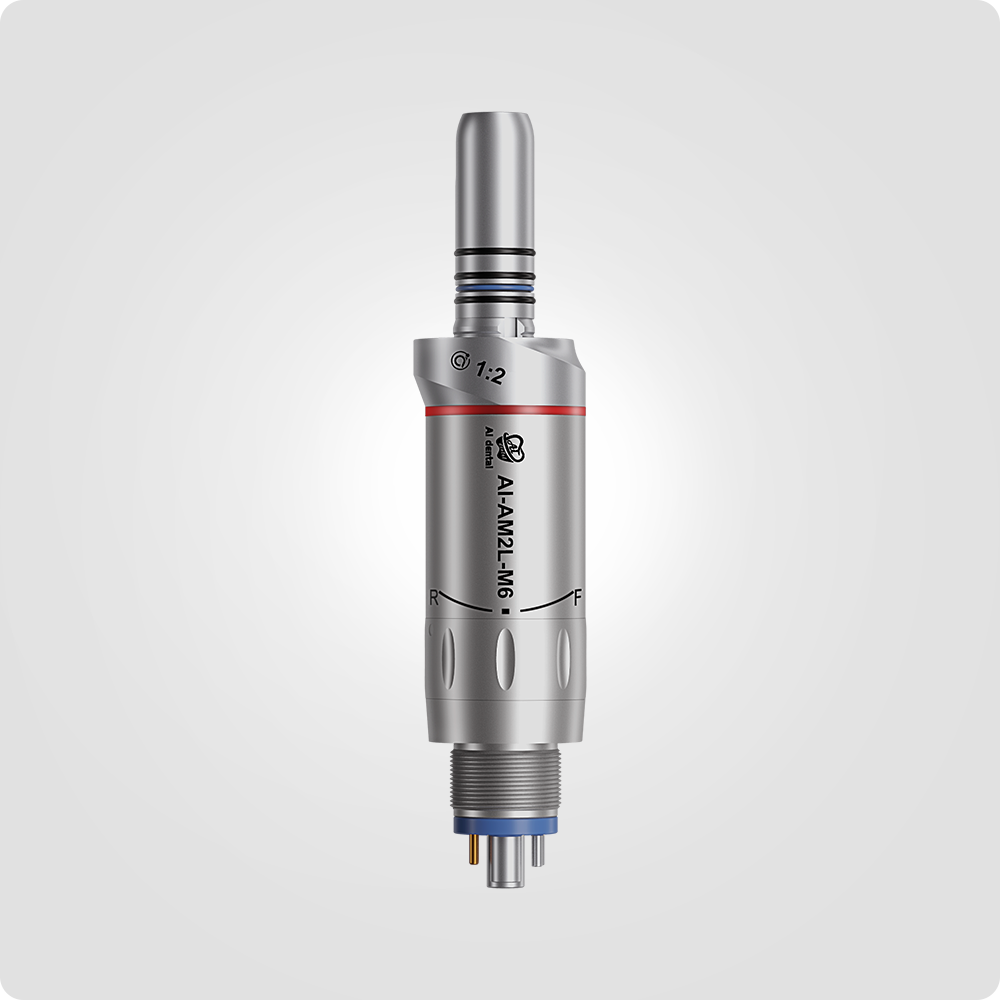
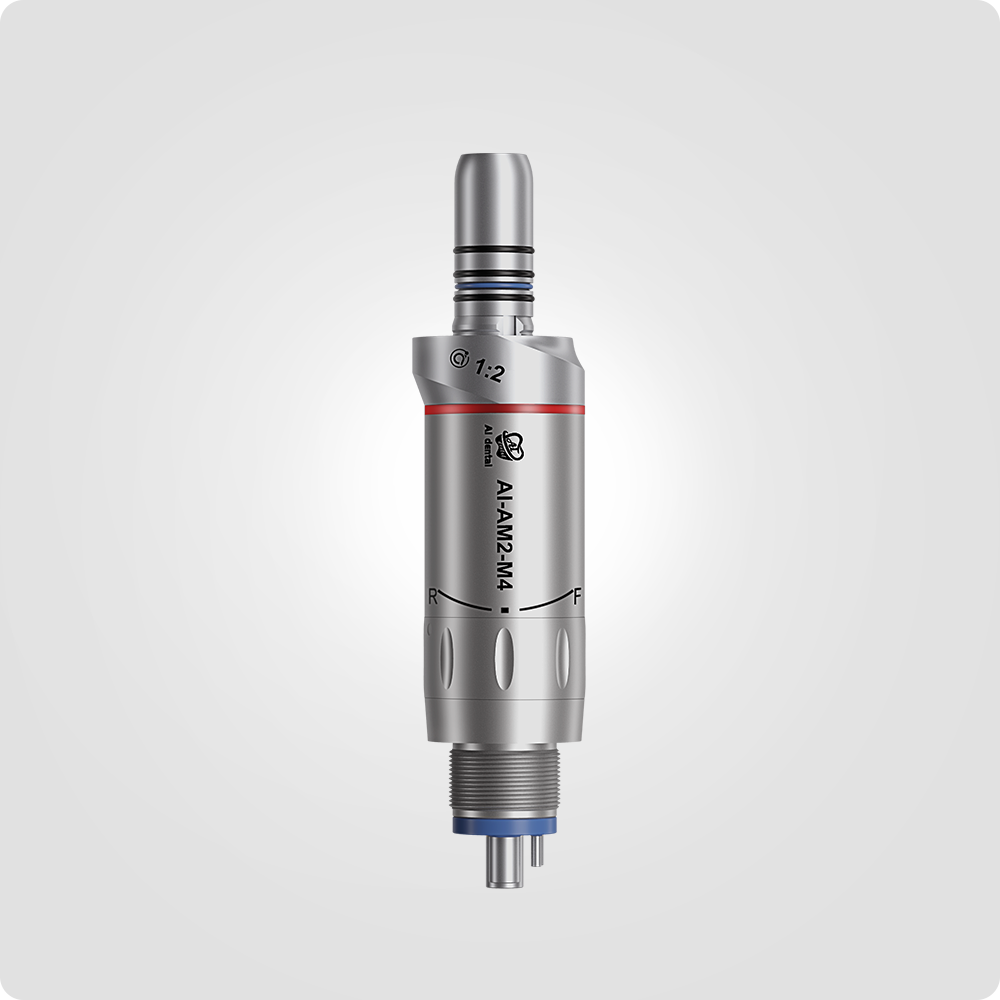
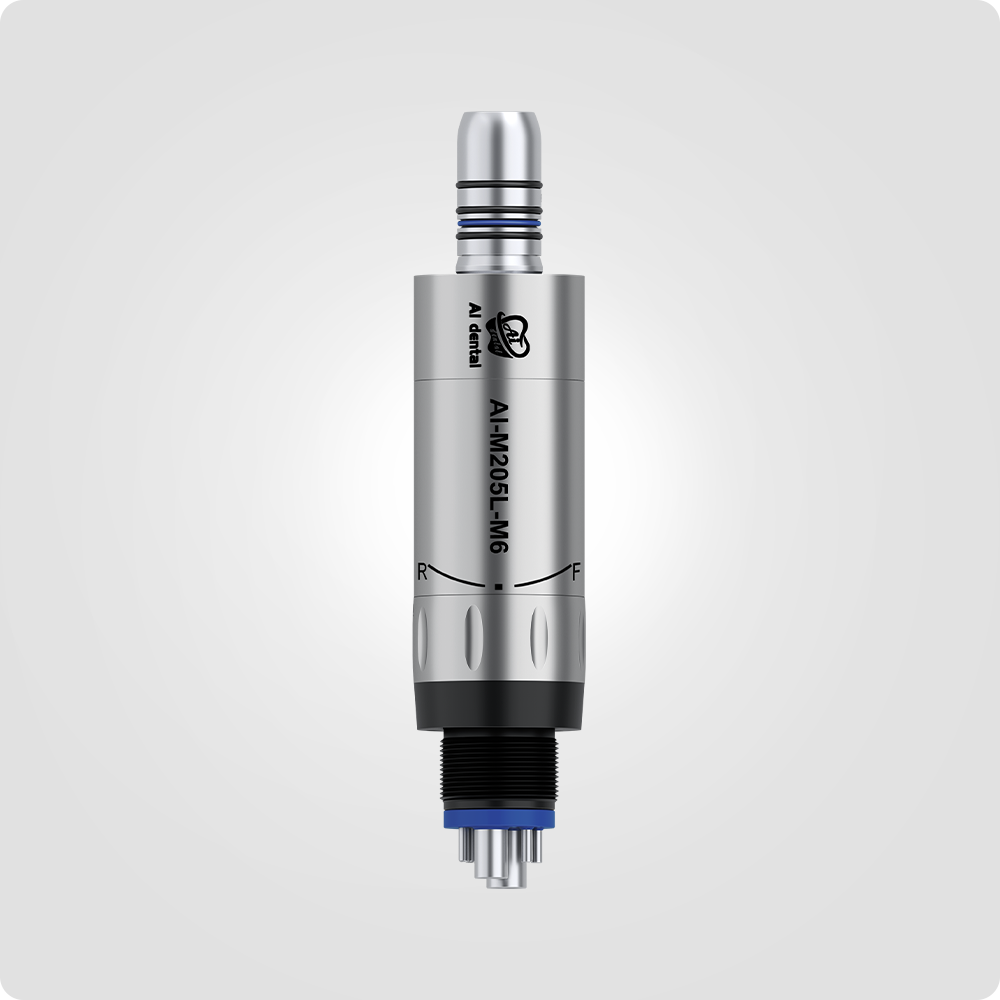
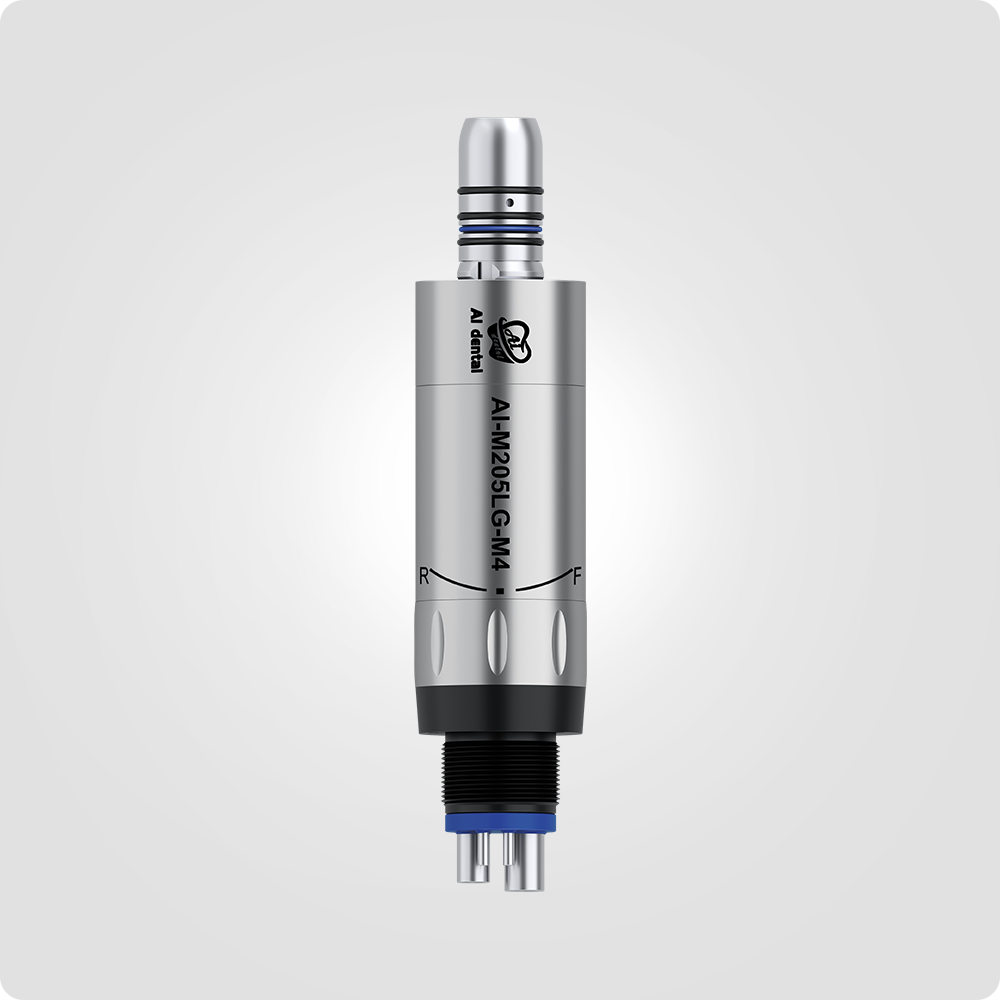
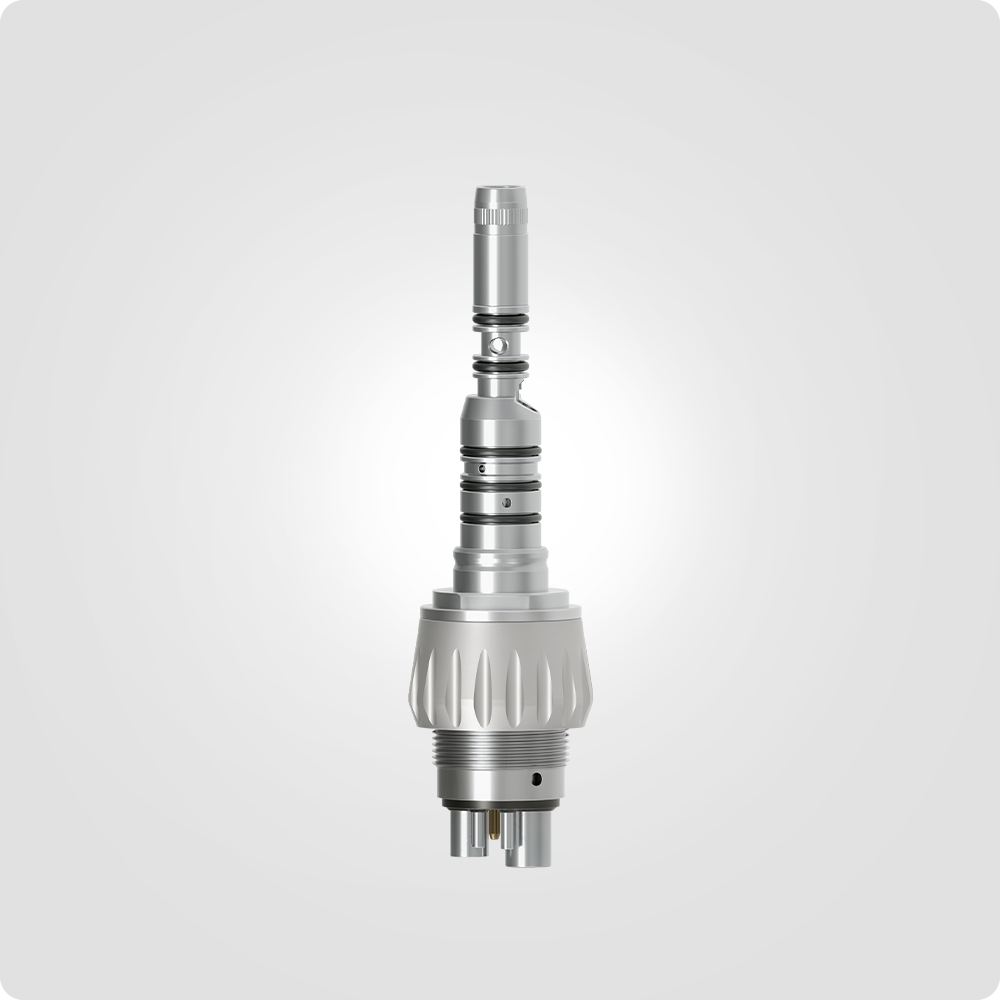
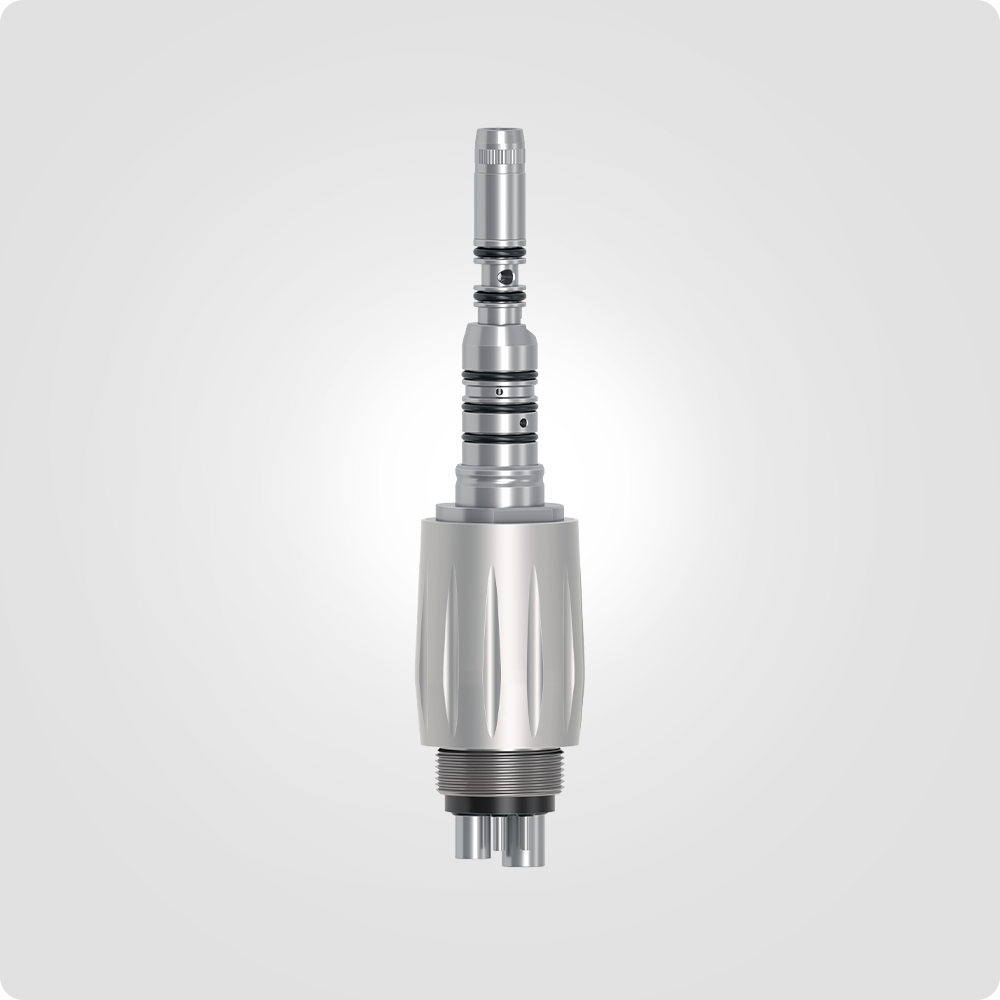
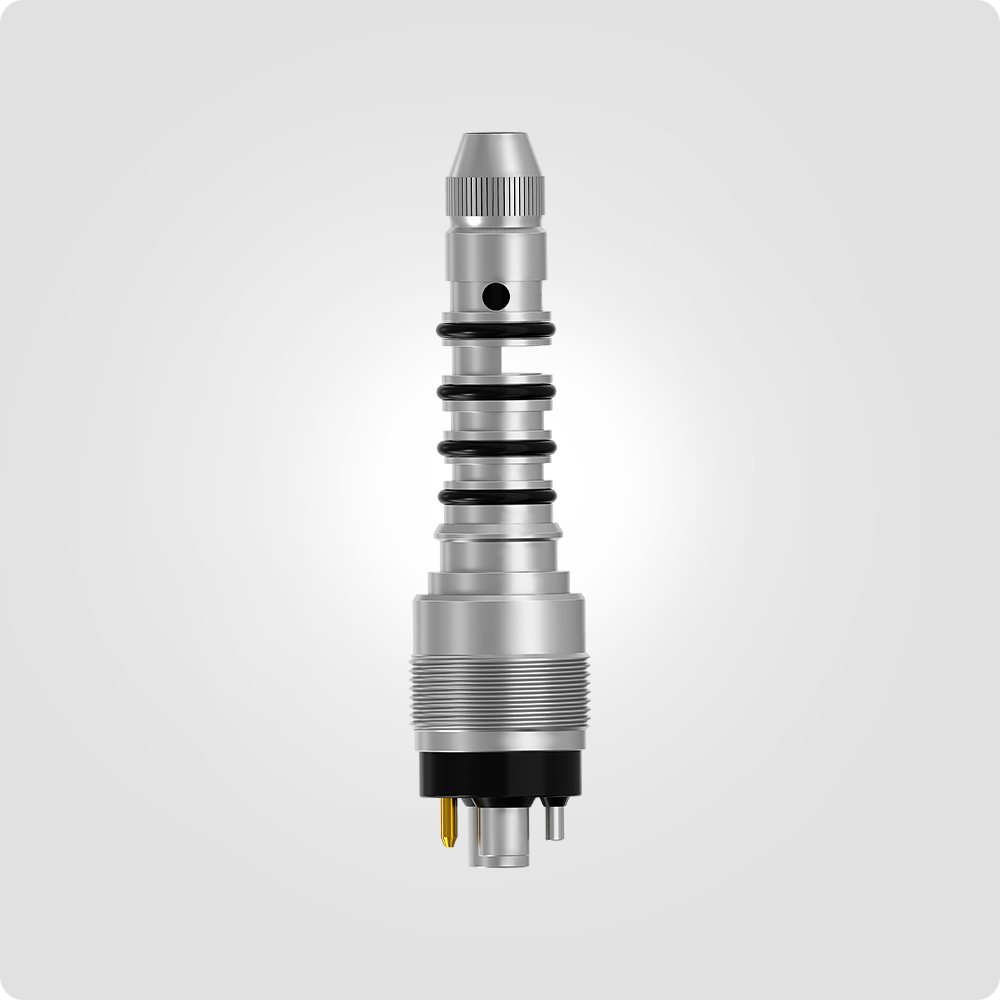








Dental Contra Angle Handpiece: Precision and Efficiency in Modern Dental Care
Oct 21,2026

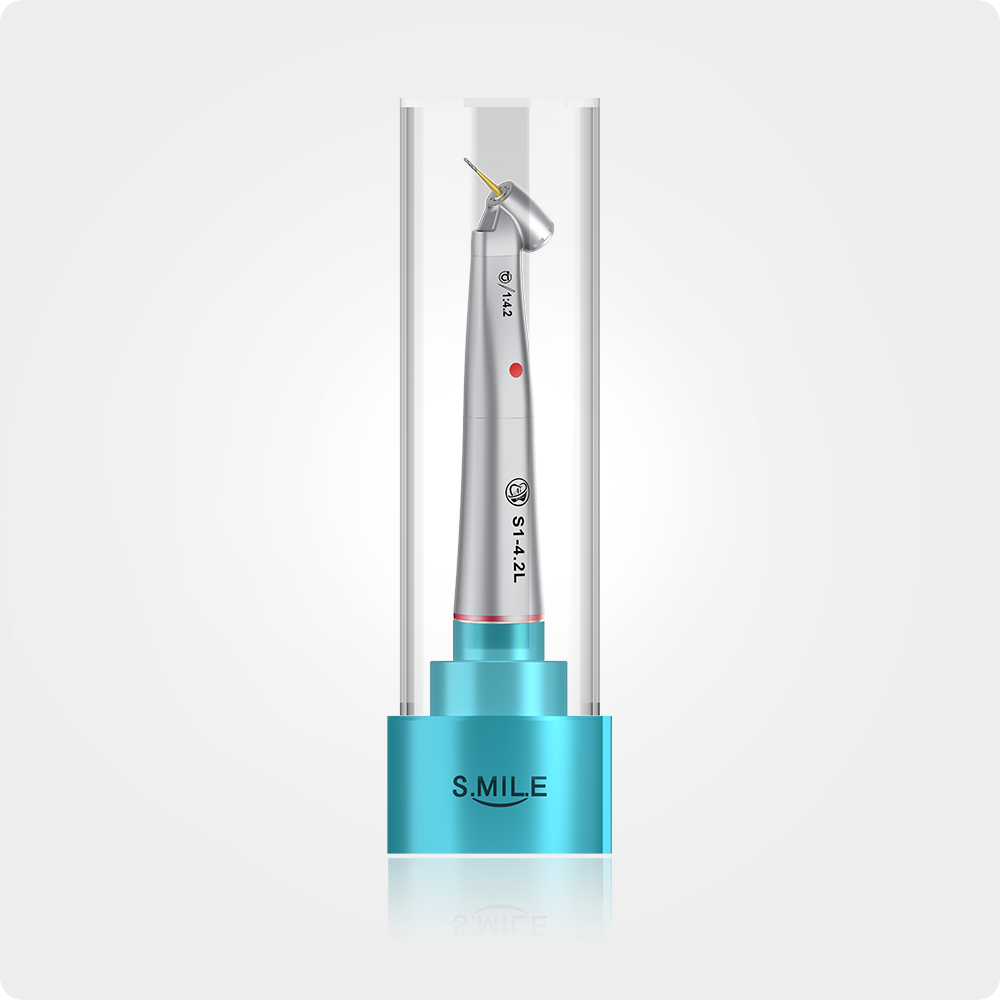
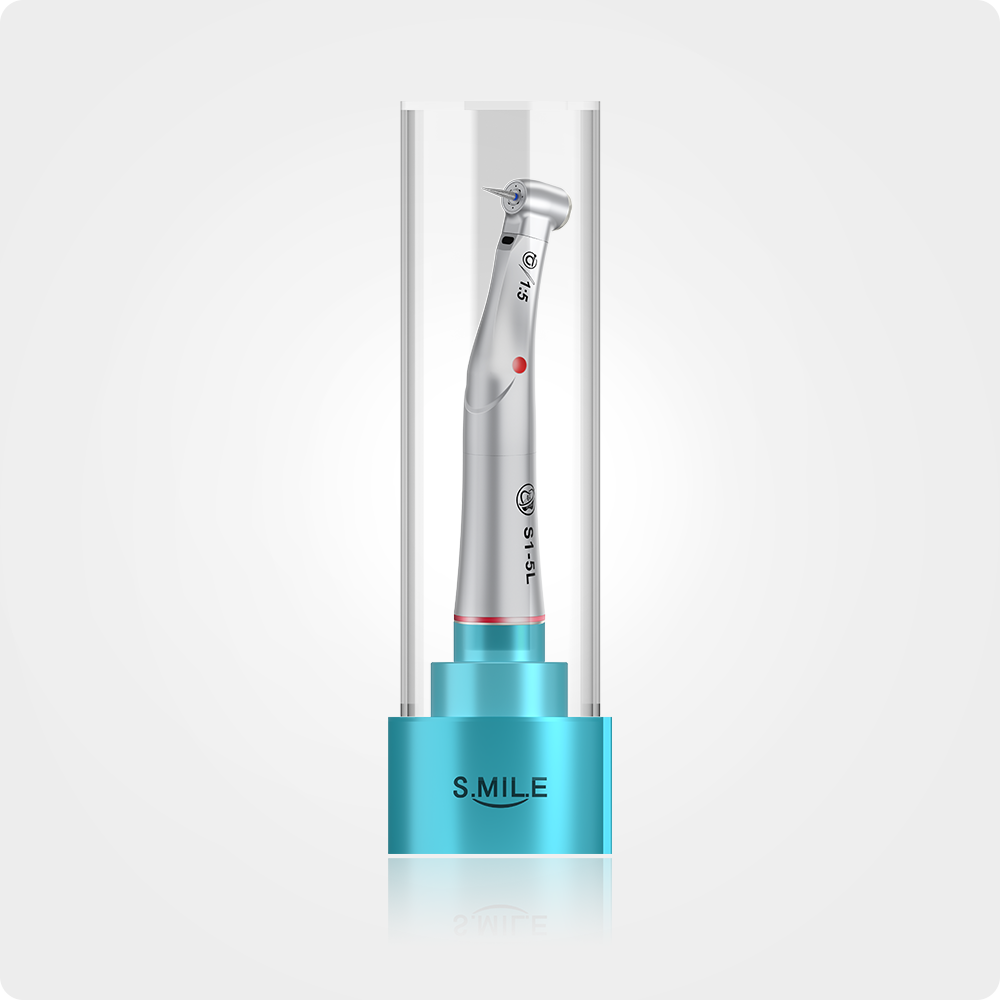
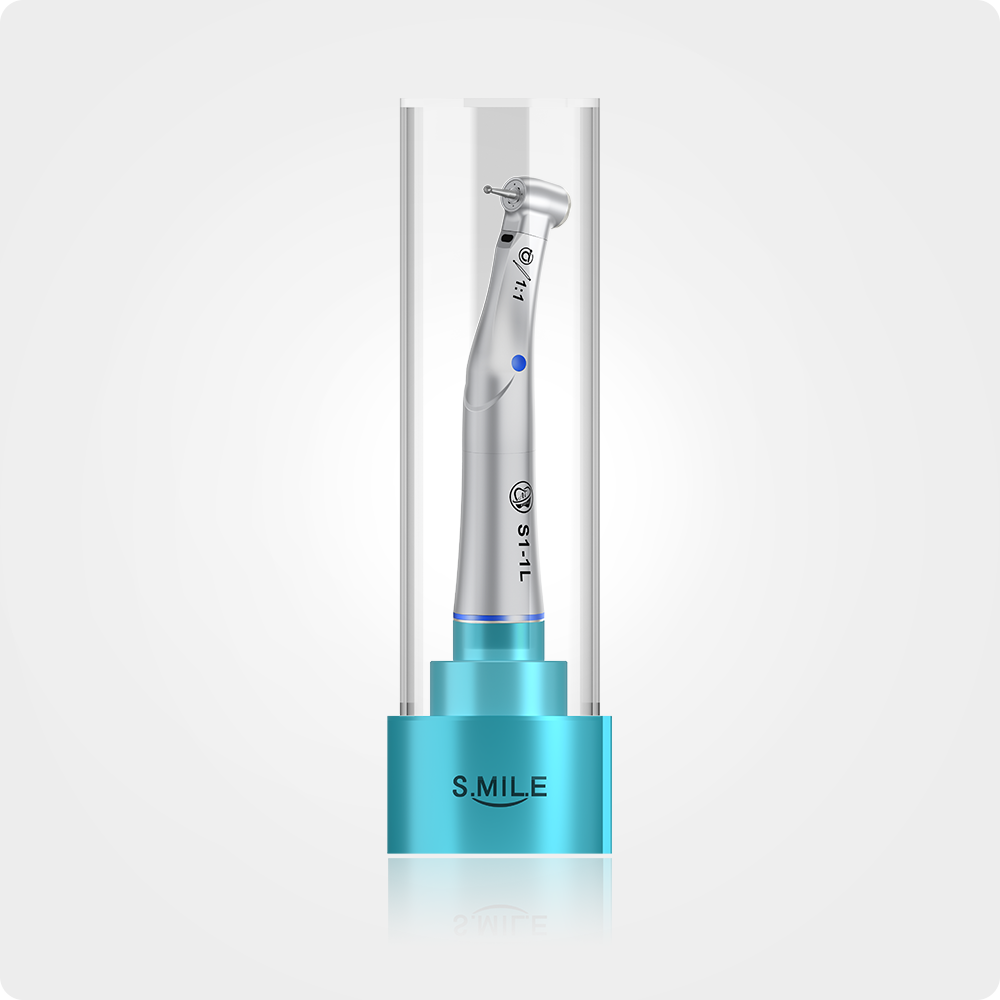
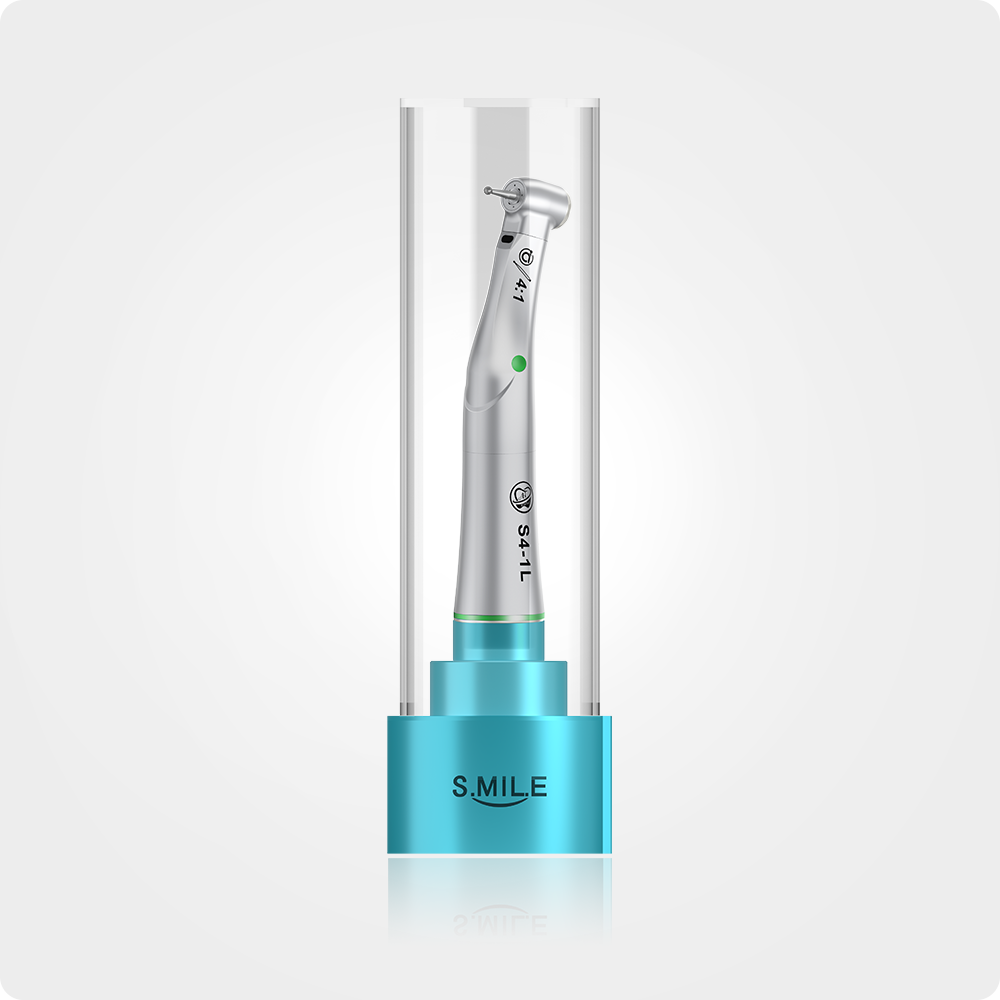
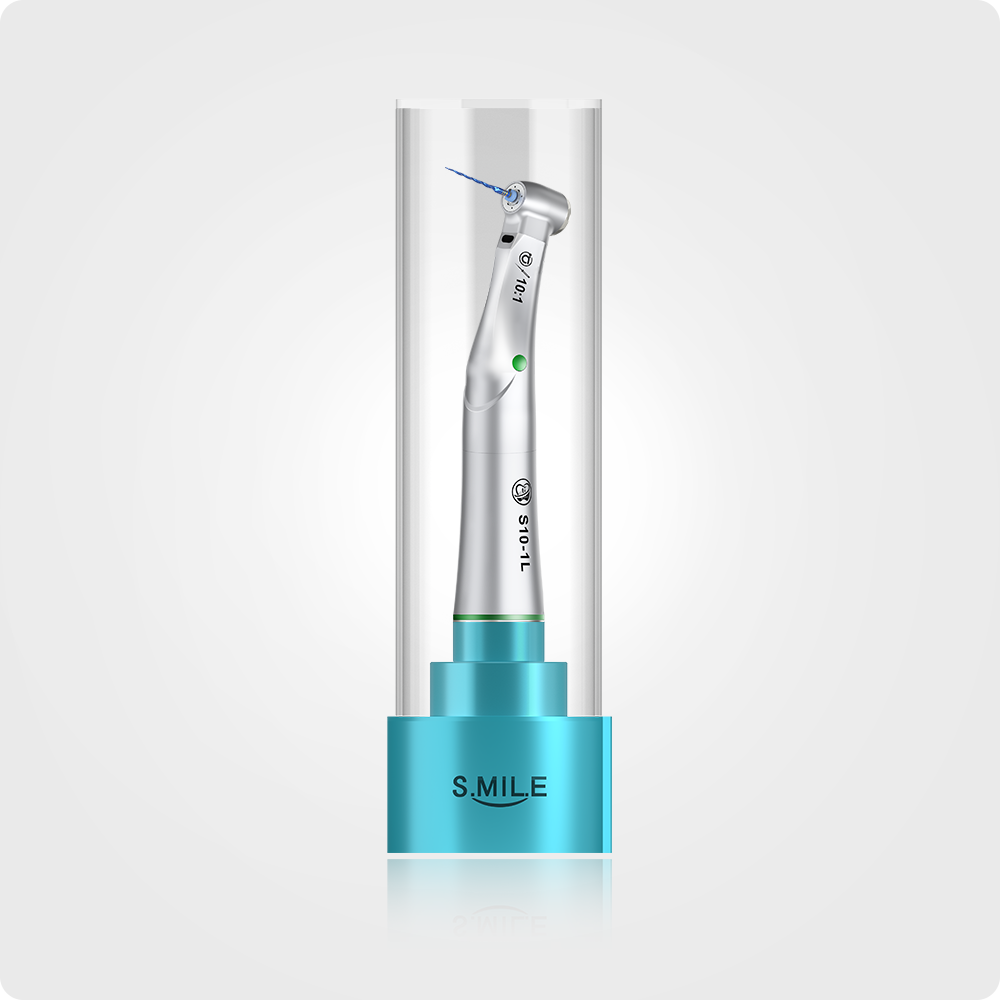
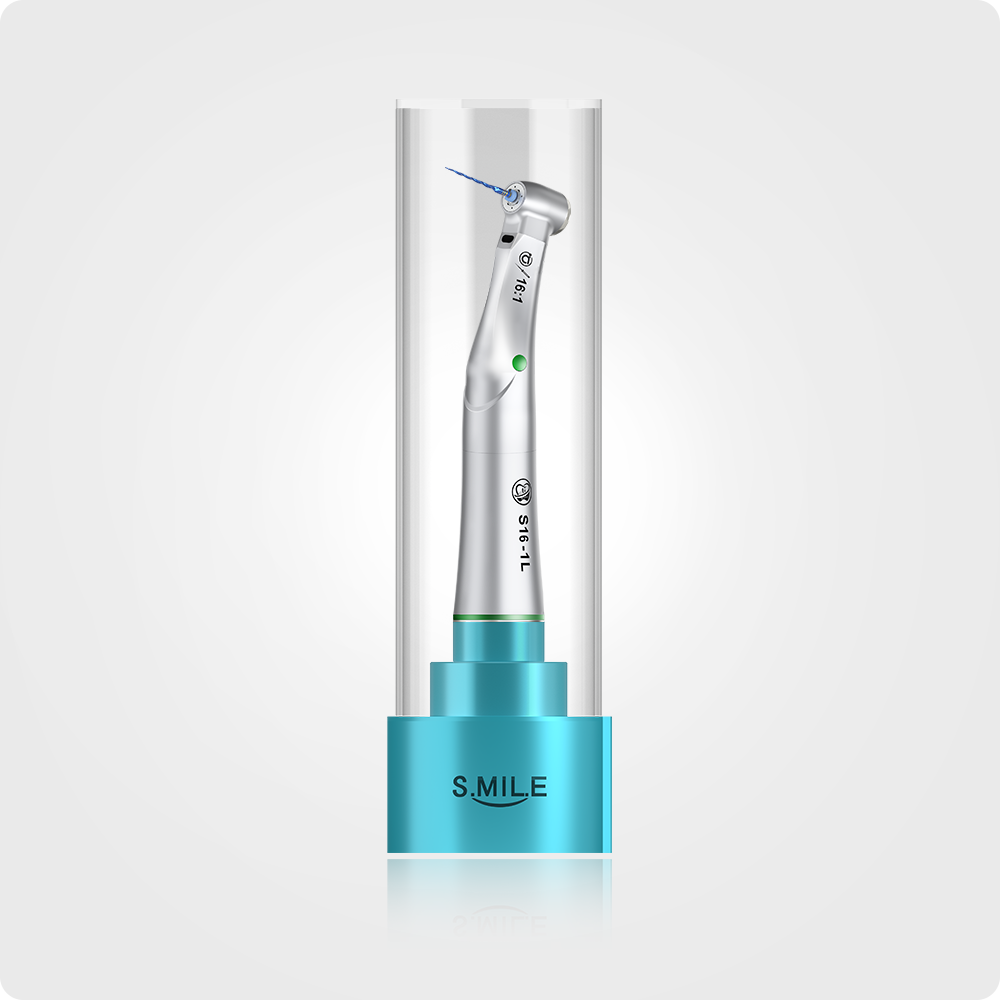
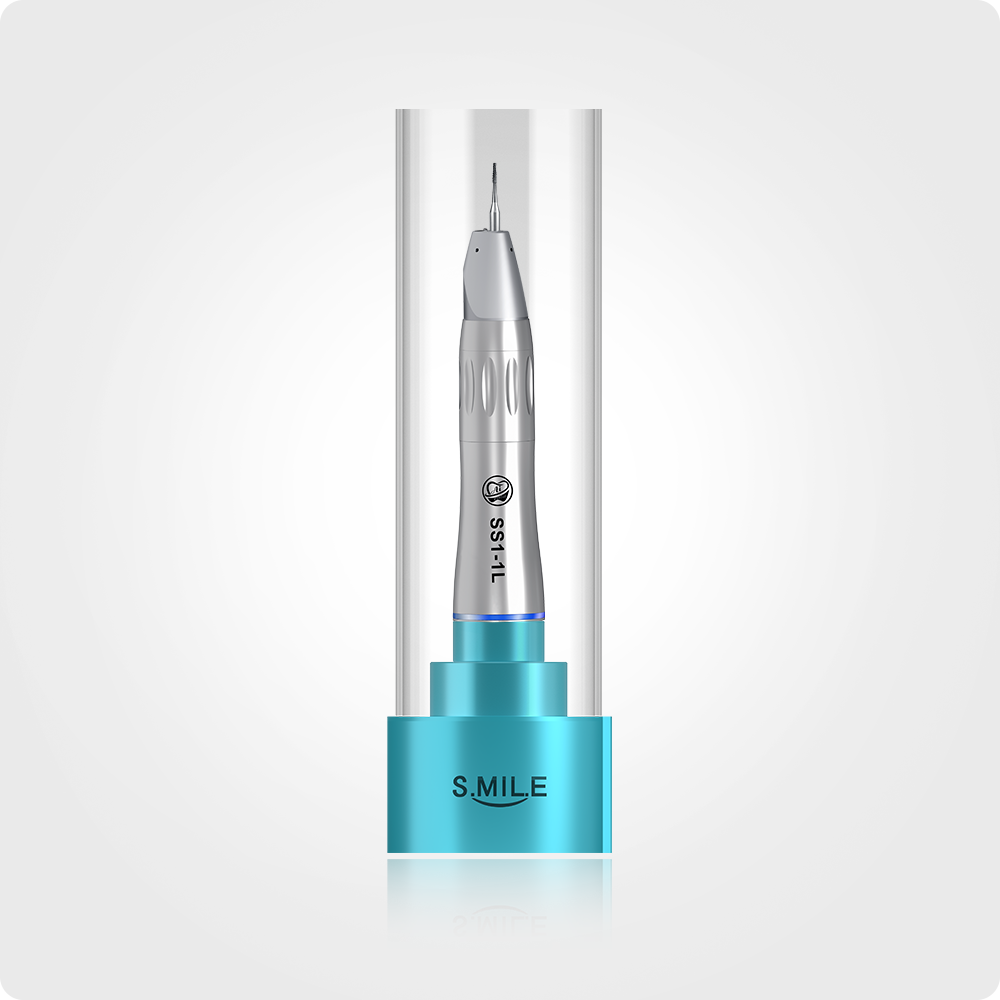
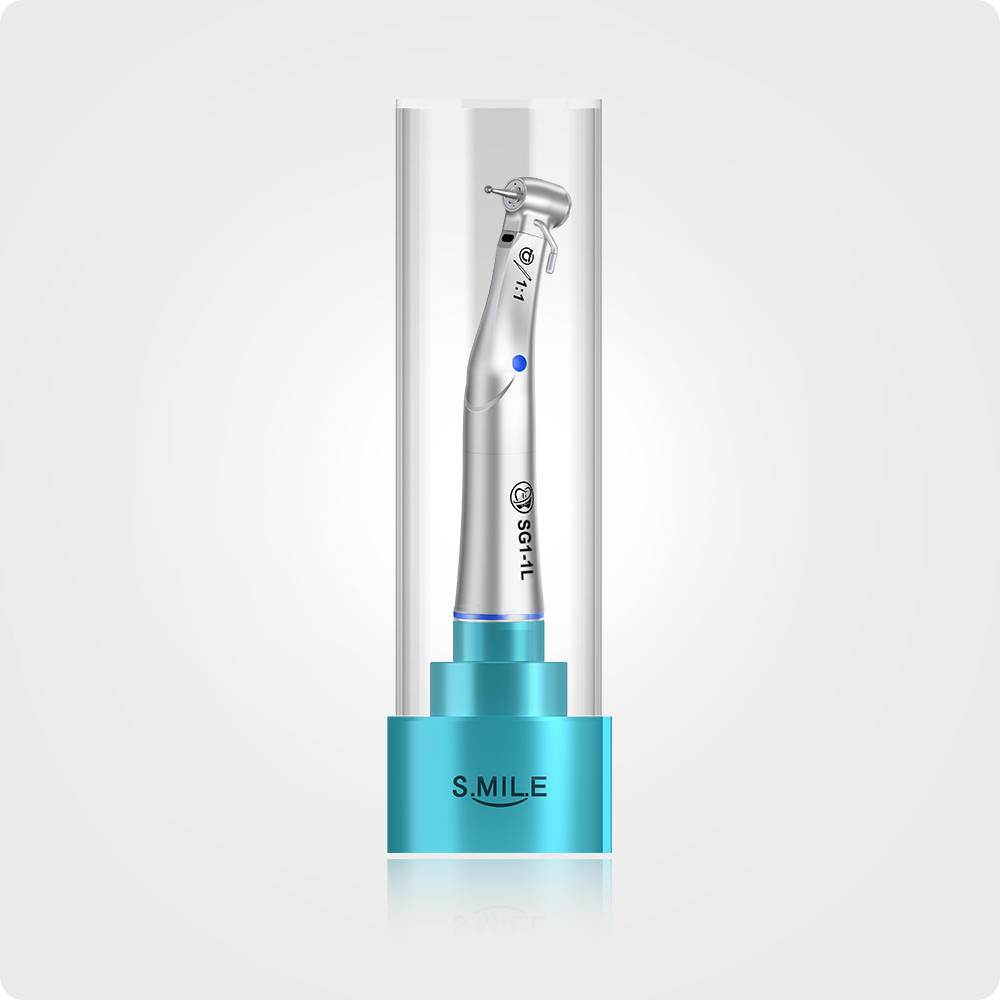
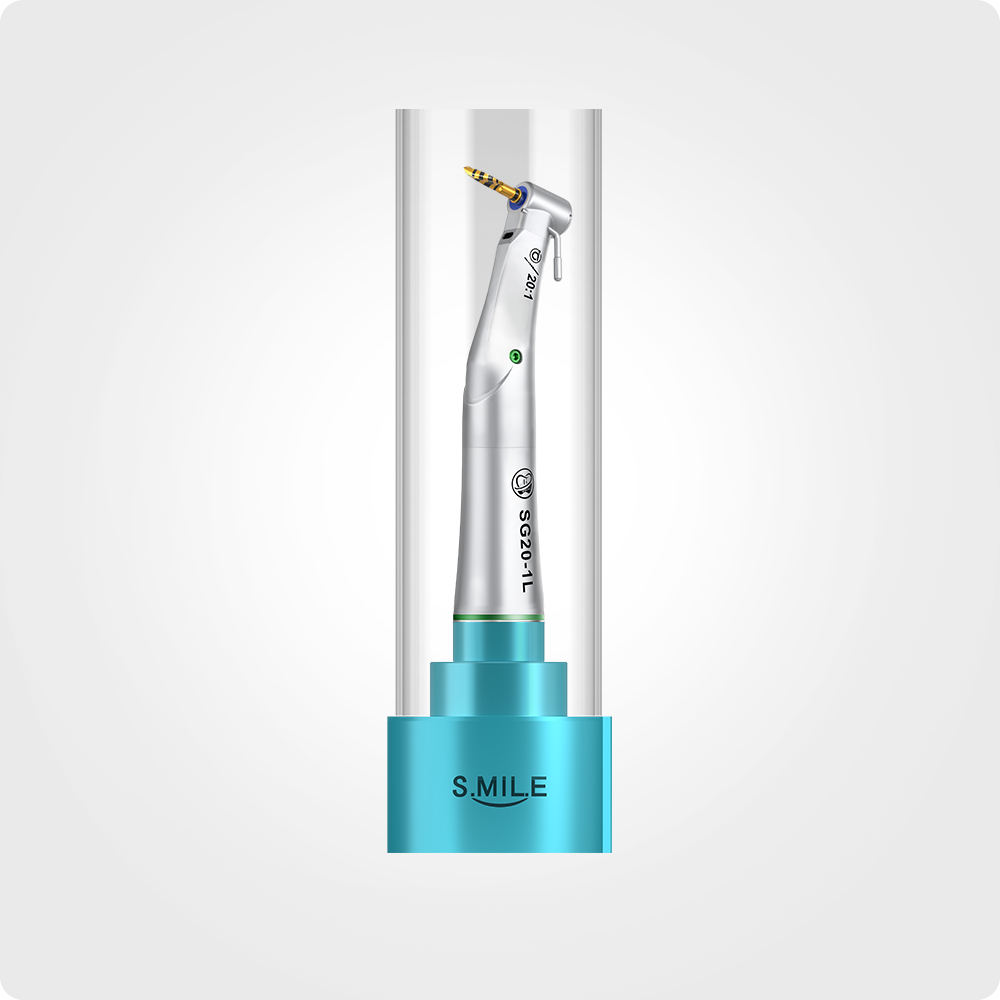
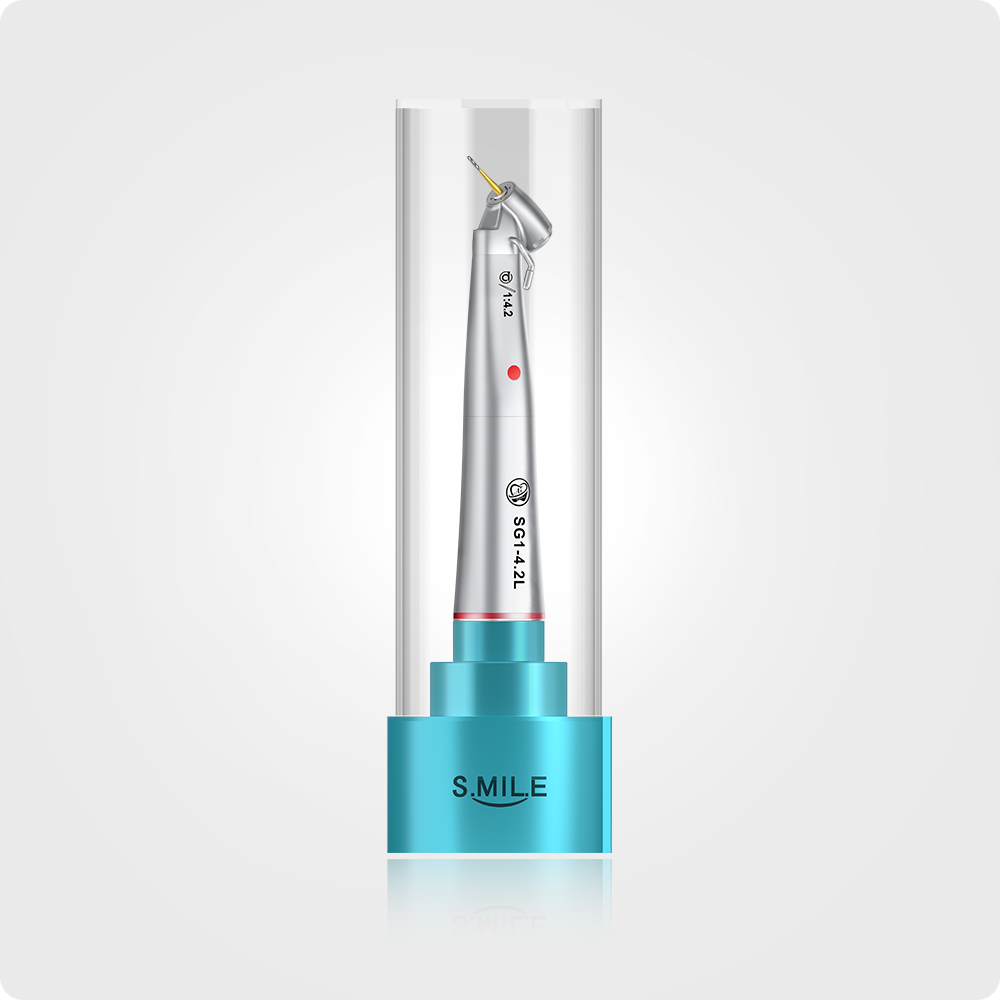
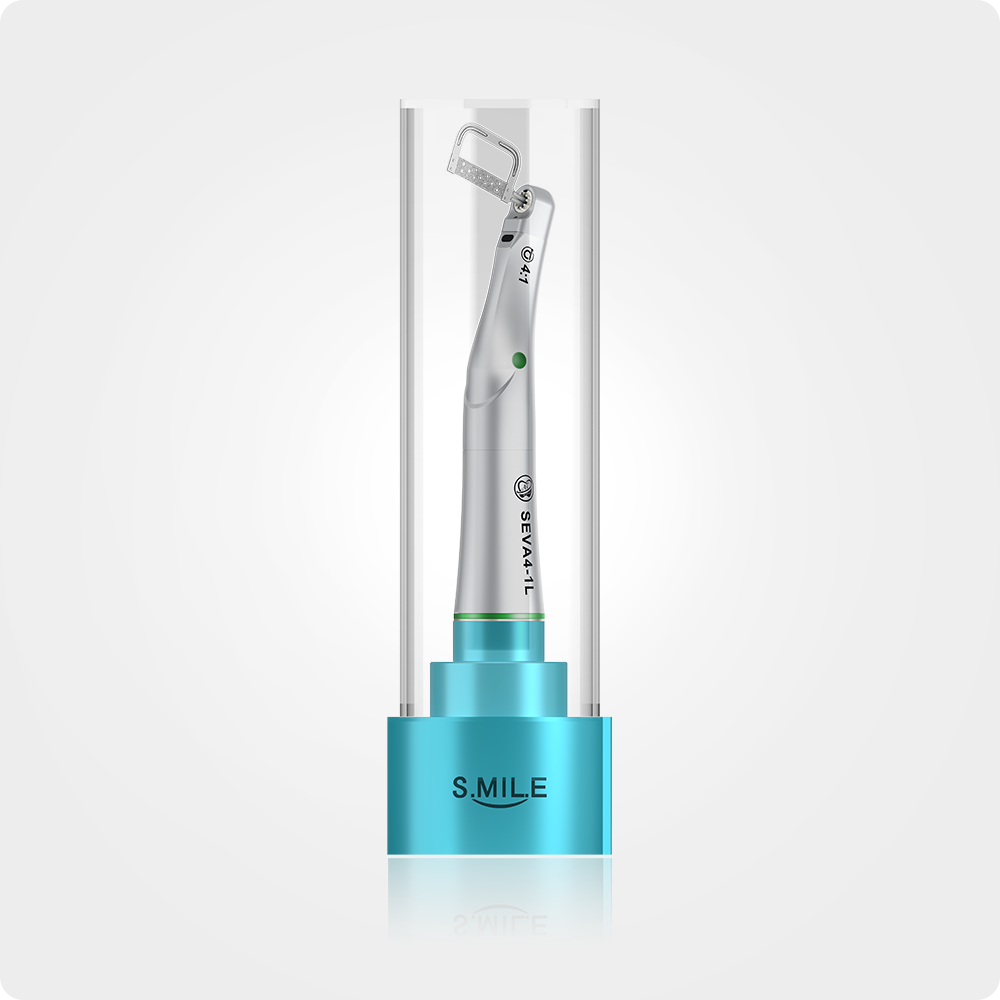
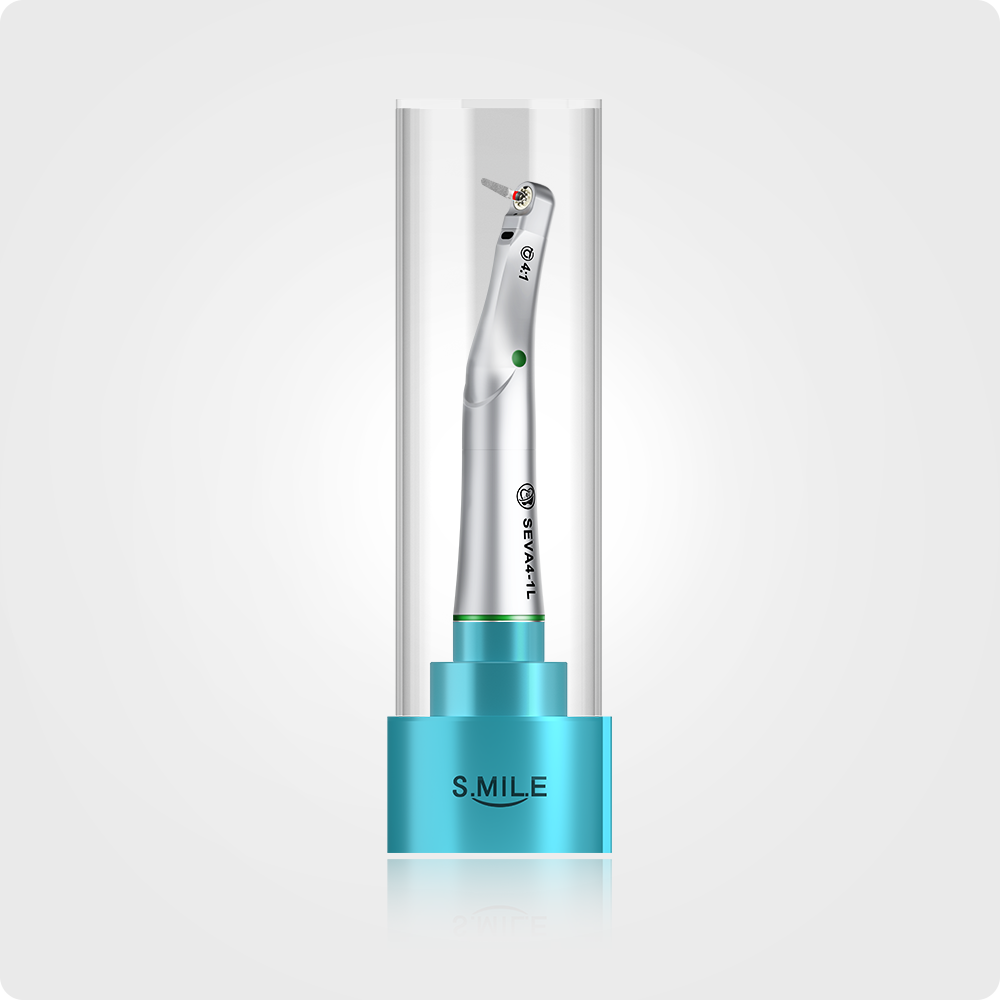
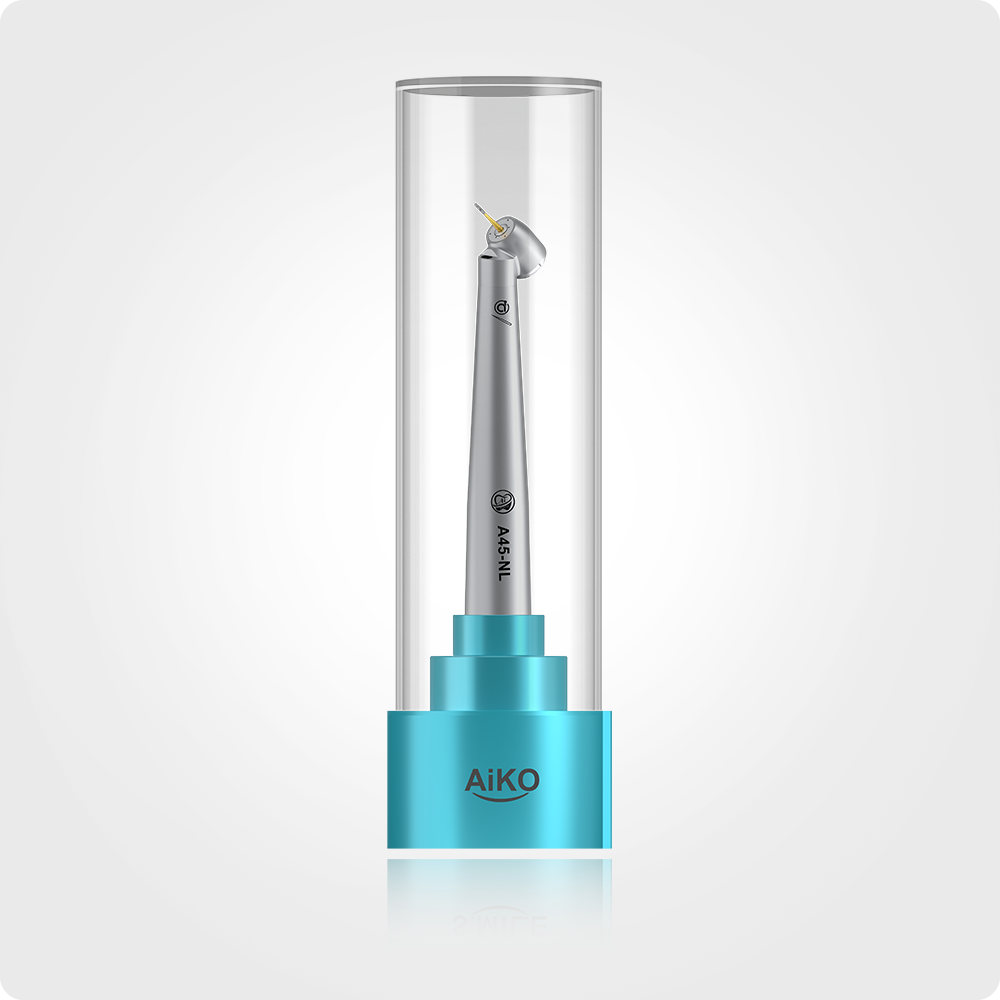
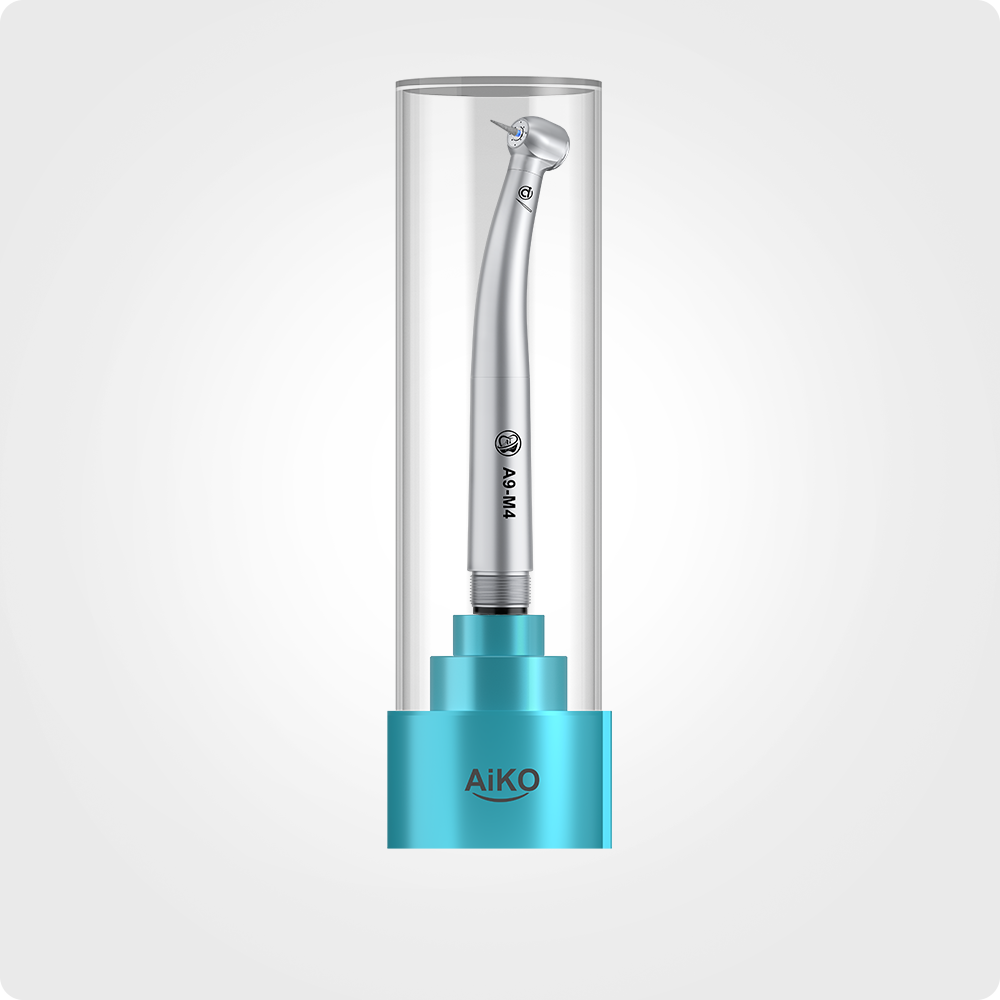
A Dental Contra Angle Handpiece is an essential dental instrument designed for precise rotary procedures in restorative dentistry, prophylaxis, and other clinical applications. Featuring an angled head and ergonomic design, it provides convenient access to different areas of the oral cavity while supporting controlled handling during dental treatment. It is widely used in dental clinics, hospitals, and professional dental practices where precision, reliability, and operating comfort are important.
One of the main advantages of a dental contra angle handpiece is its ability to improve accessibility in challenging treatment areas. The angled head allows dental professionals to work more comfortably around posterior teeth and other areas that may be difficult to reach with straight instruments. Combined with a balanced body and comfortable grip, the handpiece supports accurate manipulation and helps improve workflow during routine dental procedures.
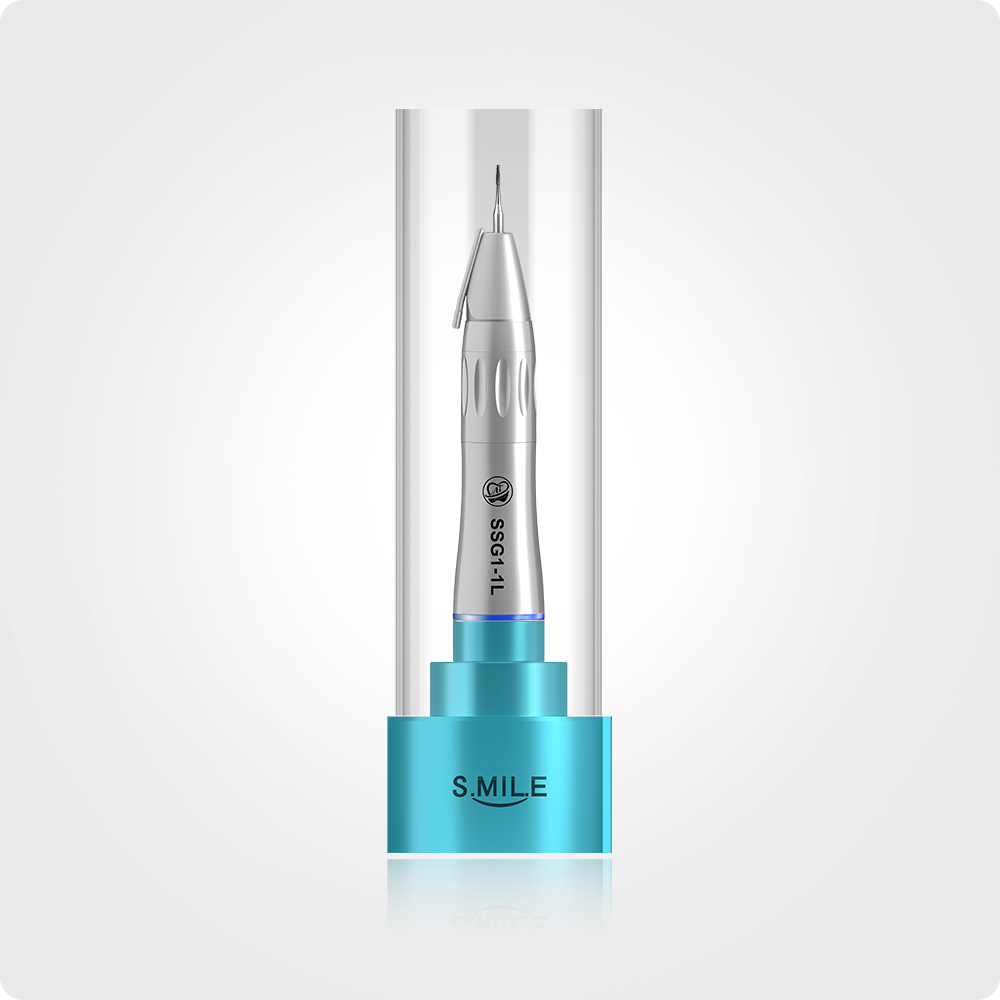
Dental contra angle handpieces are available in different transmission ratios and configurations to suit various clinical requirements. Depending on the model, they may be designed for low-speed polishing, restorative preparation, finishing, or other procedures. Some models use an external motor connection, while others are compatible with specific electric or air-driven dental systems. Selecting the correct handpiece requires checking its speed ratio, connection type, bur compatibility, and intended application.
Durability and stable performance are important considerations when choosing a dental contra angle handpiece. High-quality bearings, precision-engineered gears, and suitable housing materials can contribute to smooth rotation and reliable operation. Depending on the design, features such as push-button bur replacement, internal or external water spray, and reduced operating noise may further improve convenience for dental professionals.
Hygiene and maintenance are also essential for safe clinical use. Dental handpieces must be cleaned, lubricated, and sterilized according to the manufacturer's validated instructions and applicable infection-control requirements. Proper maintenance helps preserve component performance, reduce premature wear, and support reliable operation over time. Dental professionals should also inspect the handpiece regularly for abnormal noise, vibration, or visible damage.
For dental equipment distributors, clinics, and healthcare institutions, the dental contra angle handpiece is an important component of a complete dental instrument system. By offering suitable connection options, reliable mechanical performance, and configurations for different procedures, manufacturers can meet a wide range of professional needs. Choosing a model that matches the dental unit, motor system, treatment requirements, and sterilization procedures helps ensure compatibility and dependable clinical performance.
With its angled design, flexible configurations, and practical handling characteristics, the dental contra angle handpiece remains a valuable instrument in modern dentistry. Whether used for polishing, restorative work, or other compatible procedures, selecting the right handpiece can support efficient workflows and precise instrument control in everyday dental practice.
Next
Related News
AI DENTAL Highlights Day 1 at 2026 Rimini Dental Expo-High-Value Smile & AiKO Series
May 15,2026
Focus On Dental Handpieces