





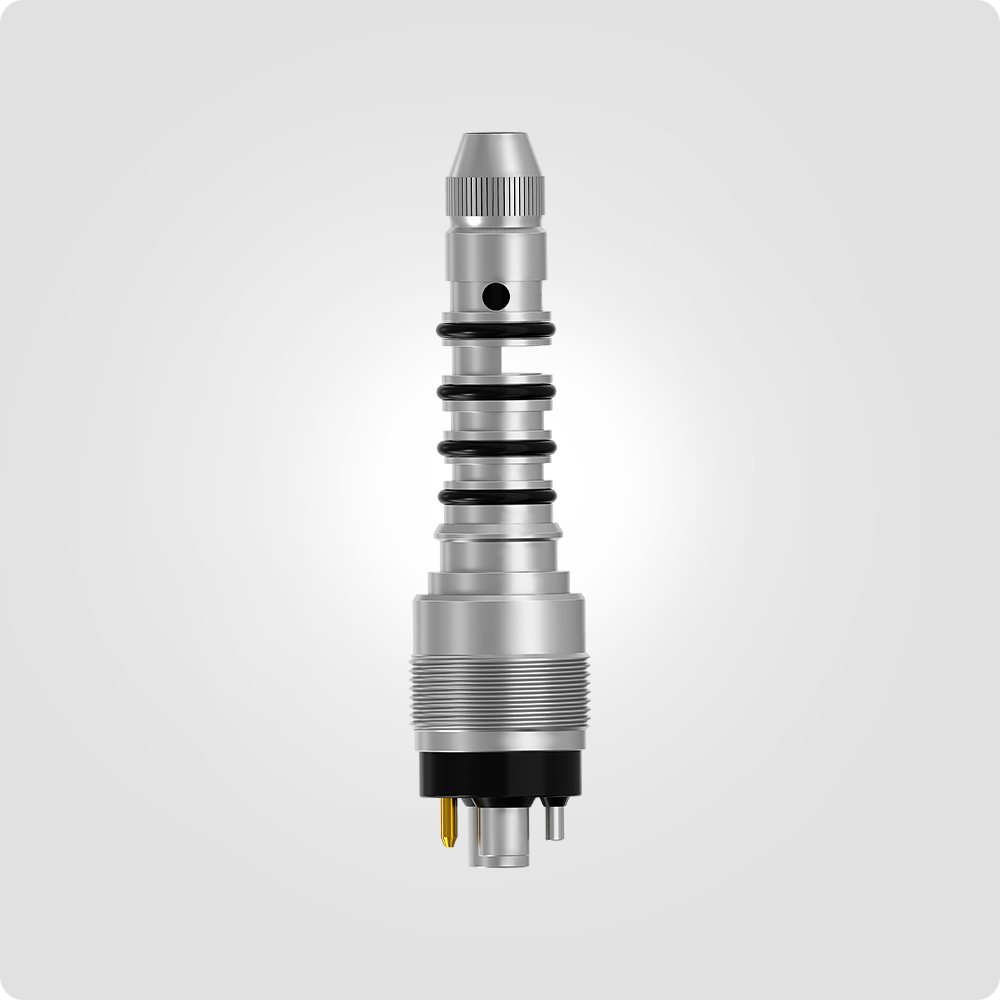








Market Insights: The Growing Demand for Advanced Dental Handpieces
Nov 20,2026
Views ()

Market Insights: The Growing Demand for Advanced Dental Handpieces
Table of Contents
- Introduction to Advanced Dental Handpieces
- Market Overview of Dental Handpieces
- Technological Advancements in Dental Handpieces
- Understanding Consumer Demand for Dental Handpieces
- Benefits of Using Advanced Dental Handpieces
- Challenges Facing the Dental Handpiece Market
- Future Trends in Dental Handpiece Technology
- Conclusion: The Future of Dental Handpieces
- Frequently Asked Questions
Introduction to Advanced Dental Handpieces
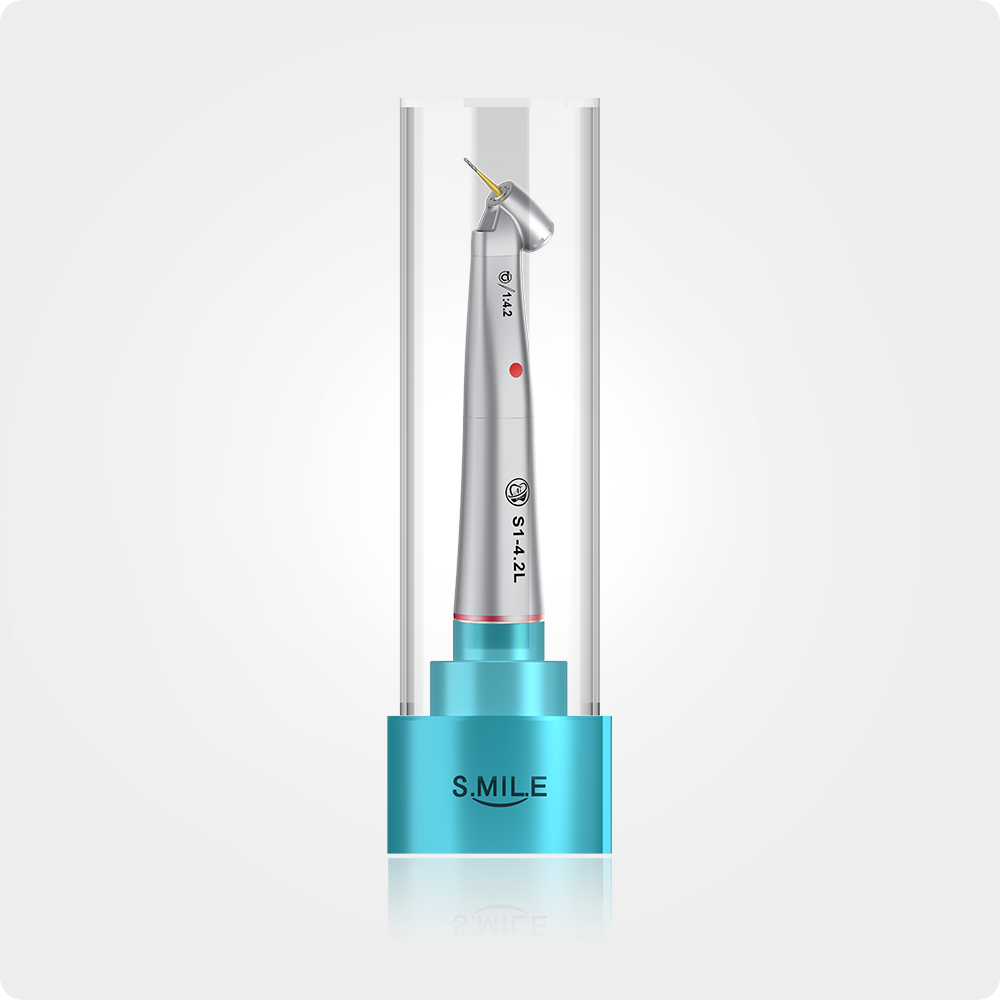
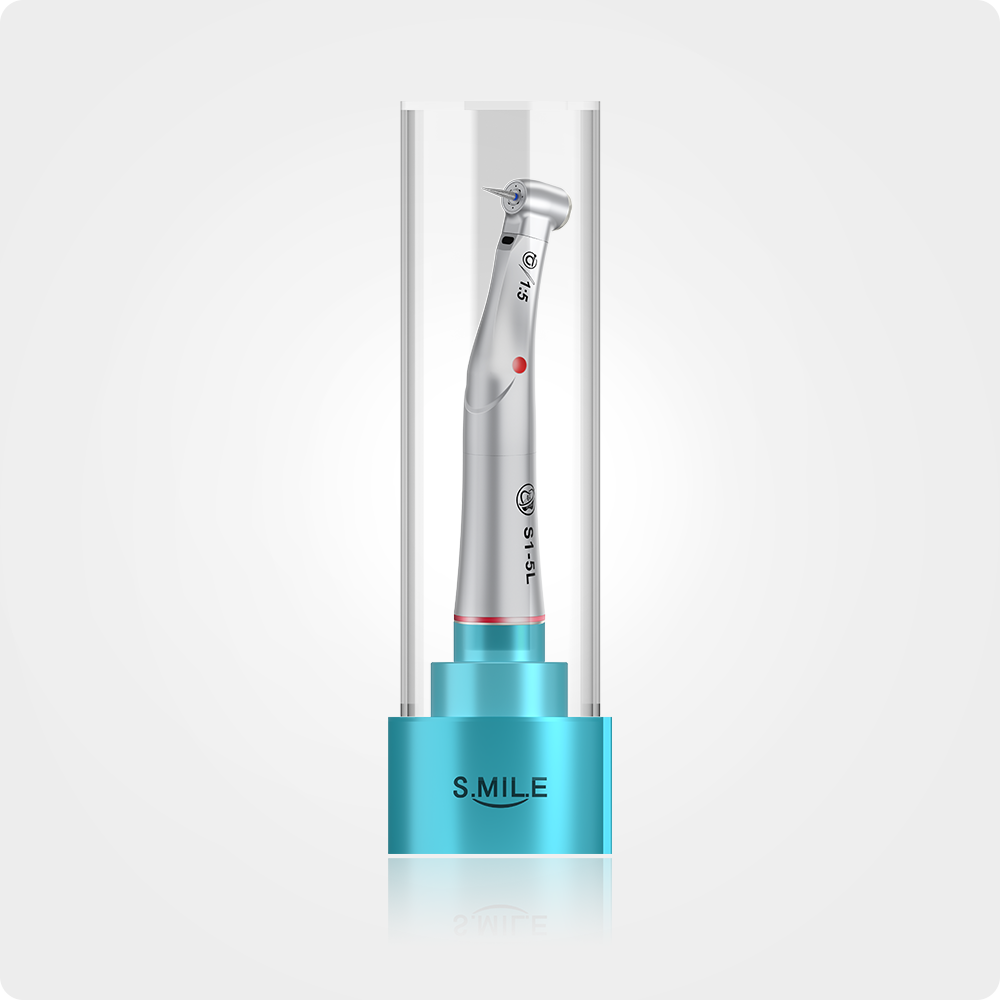
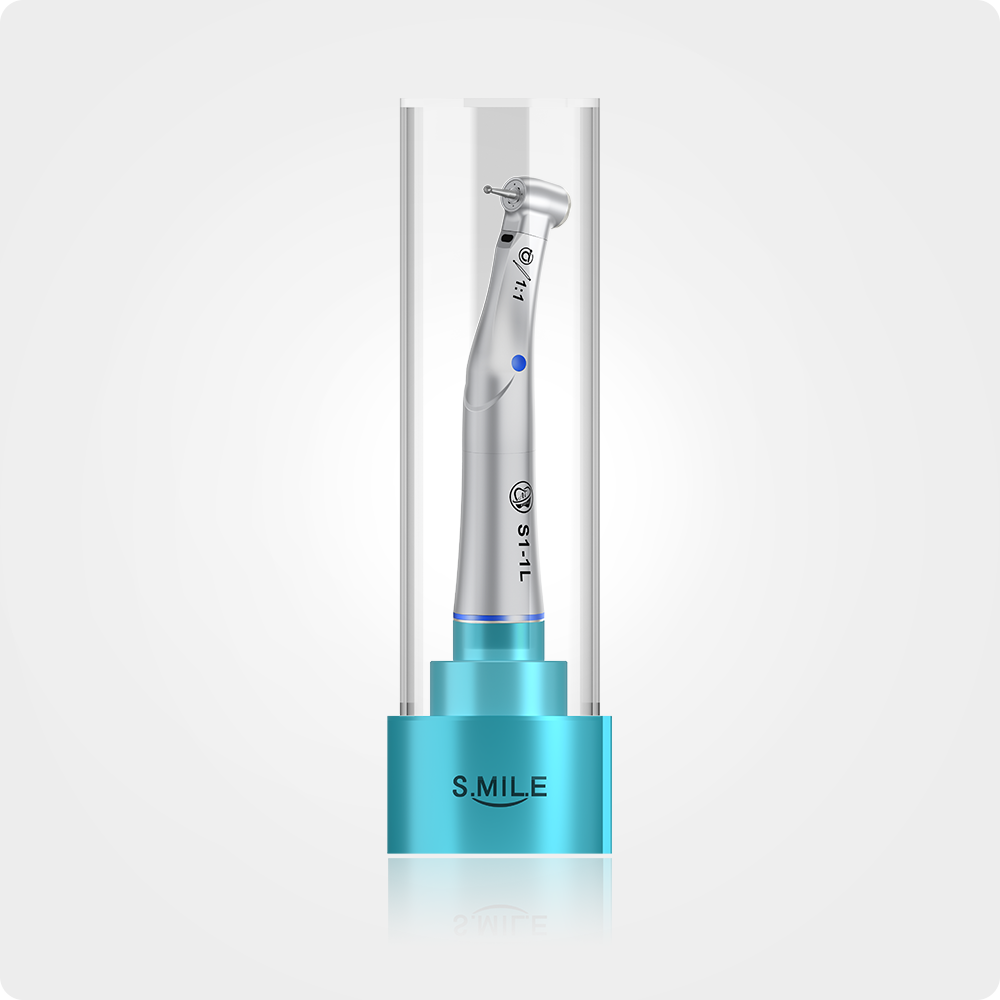
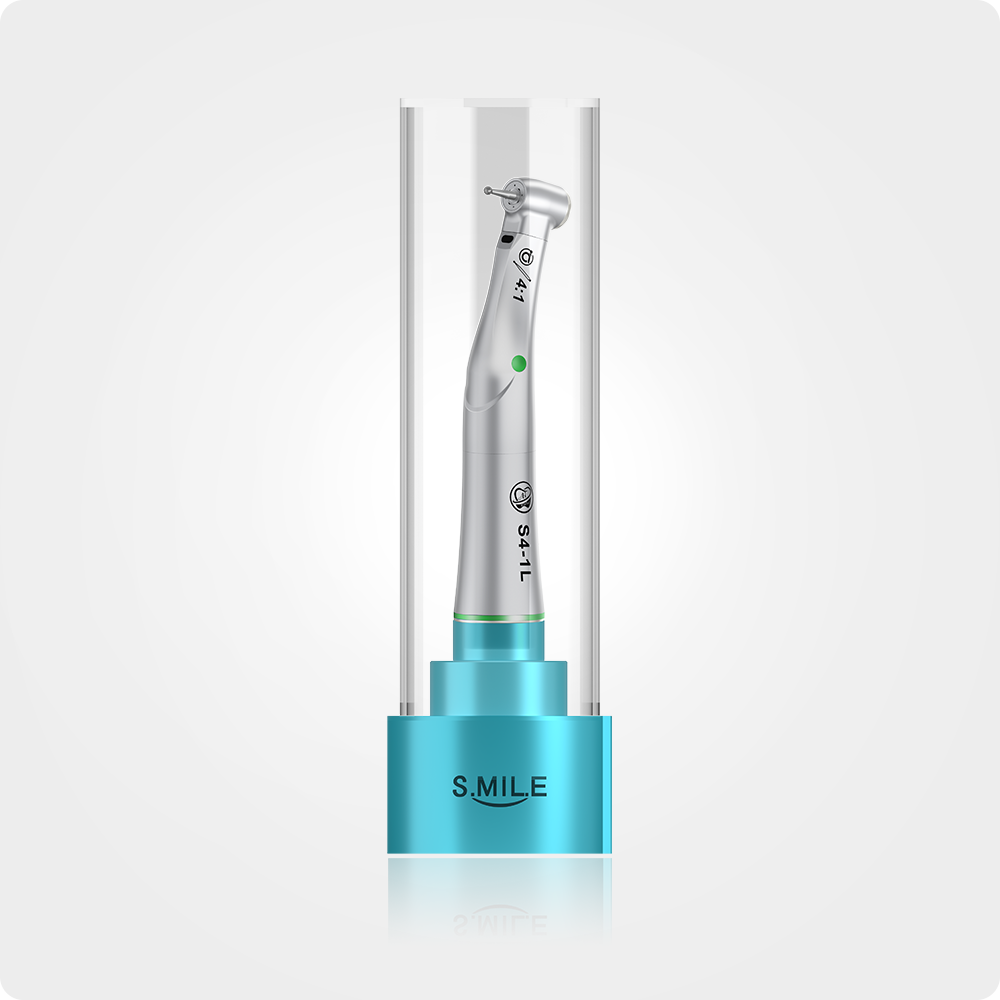
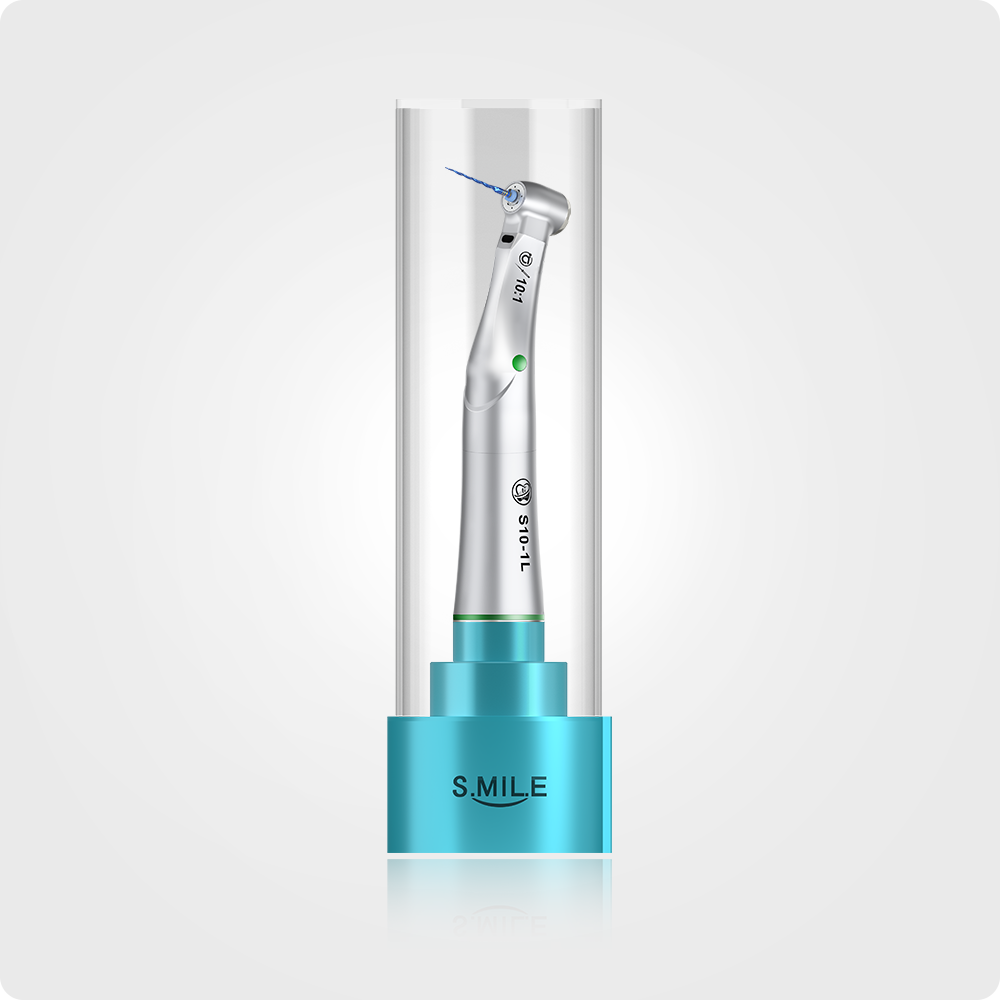
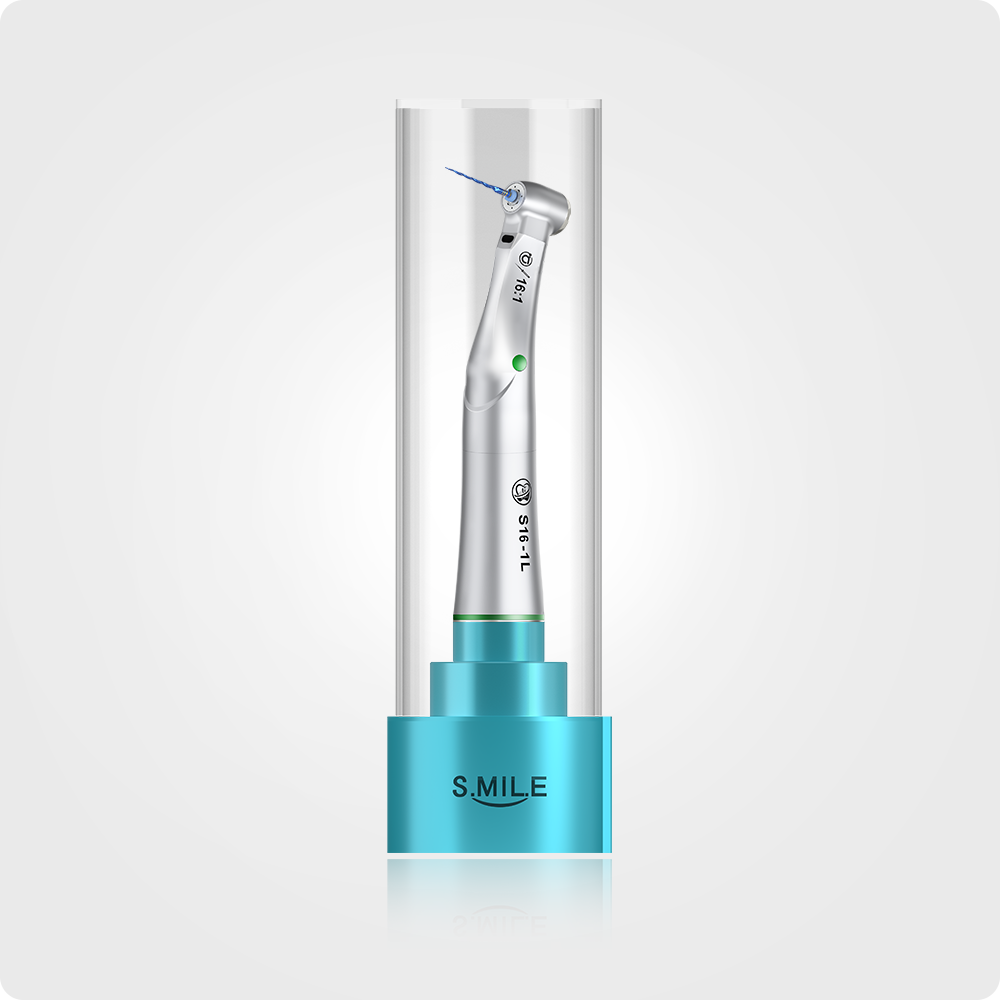
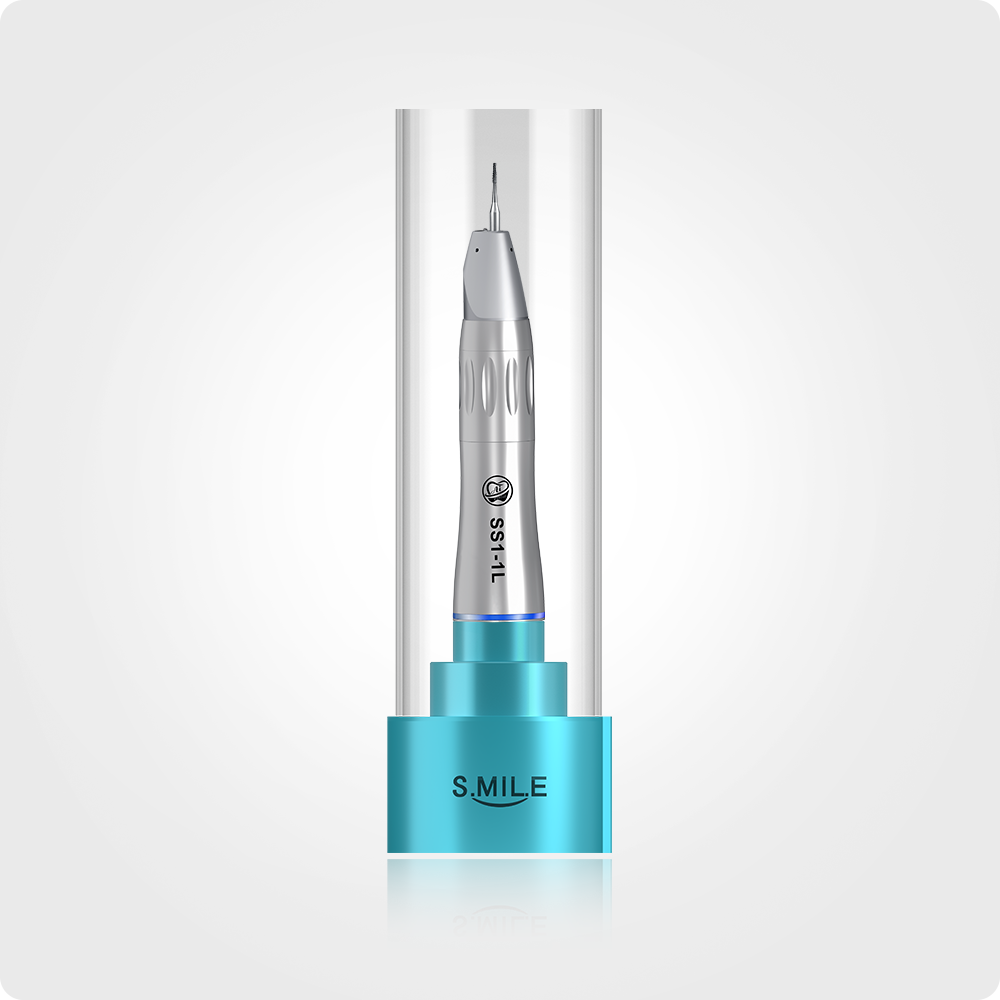
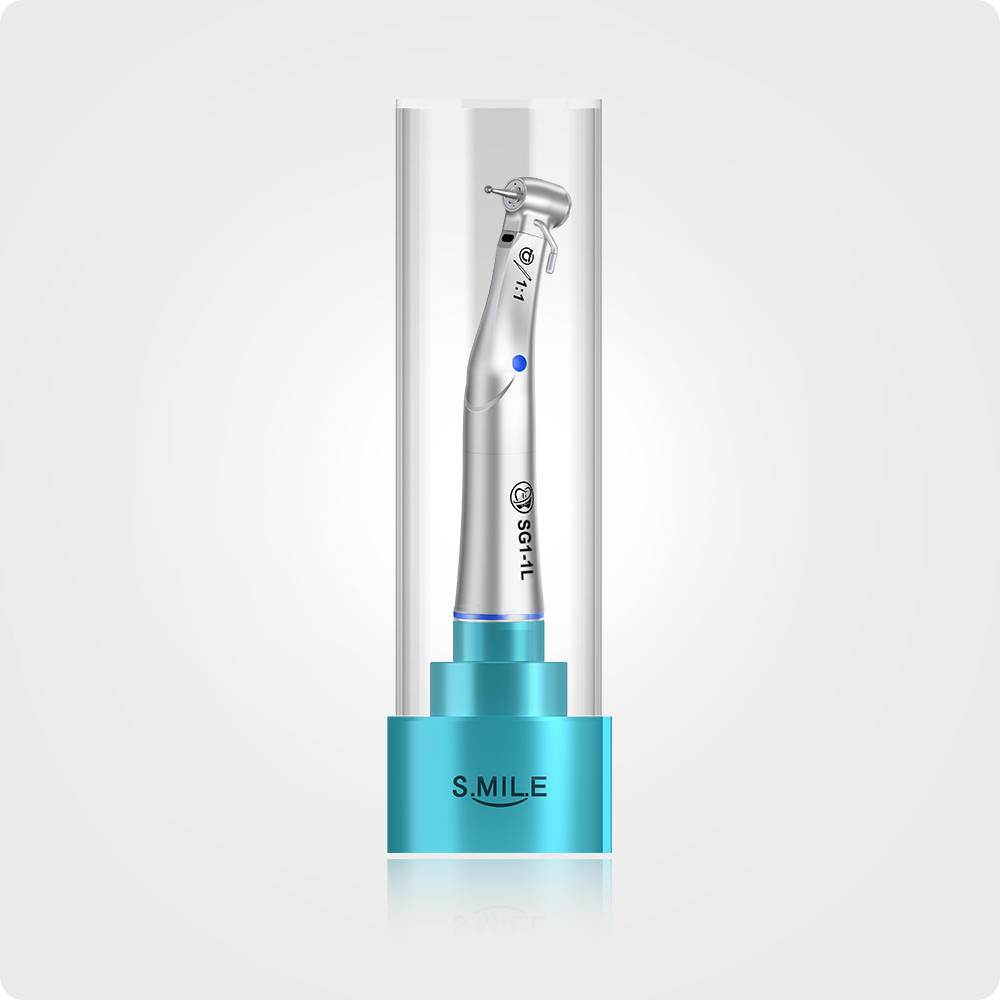
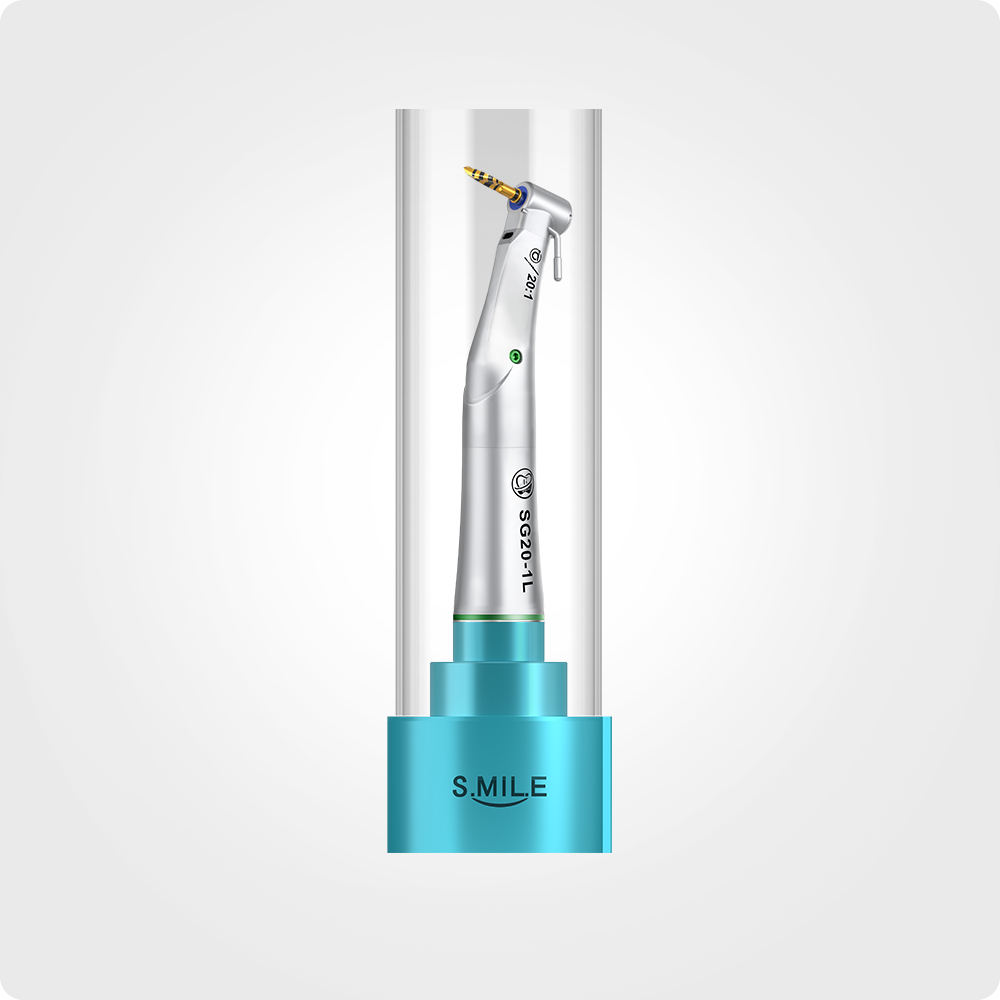
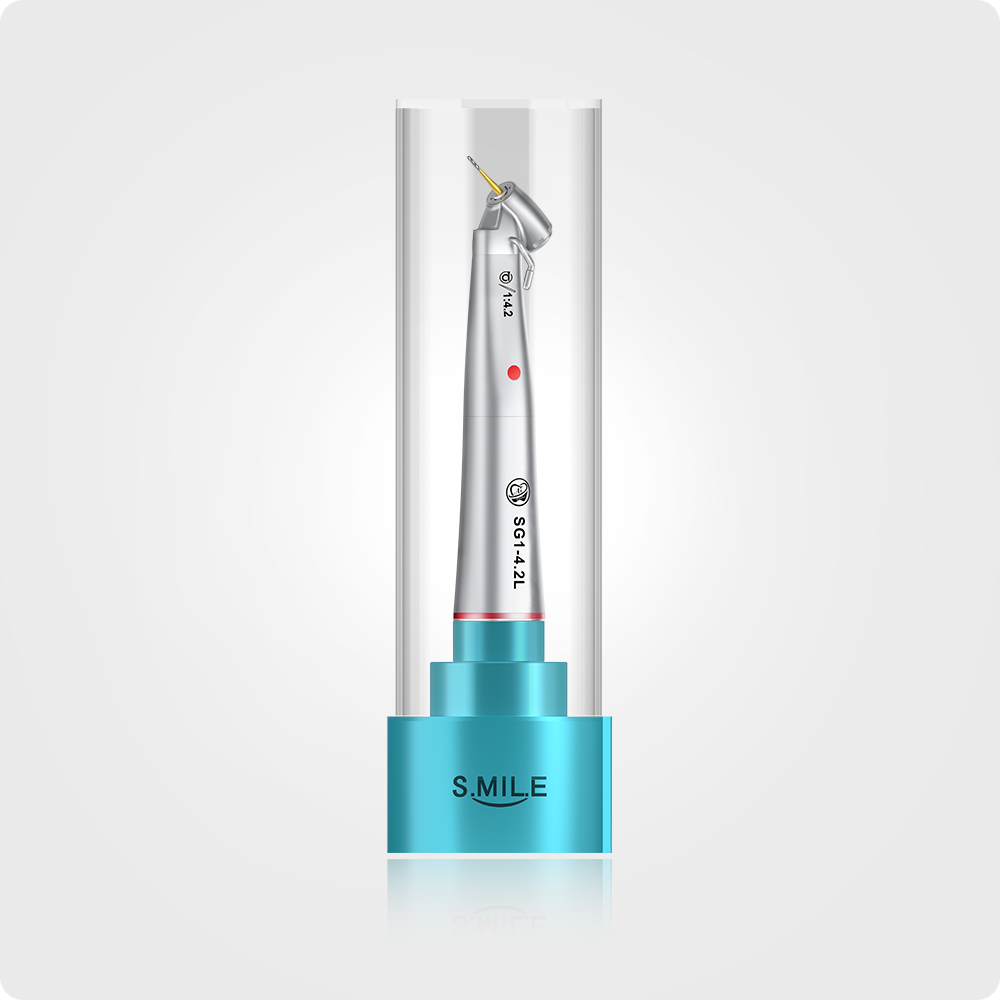
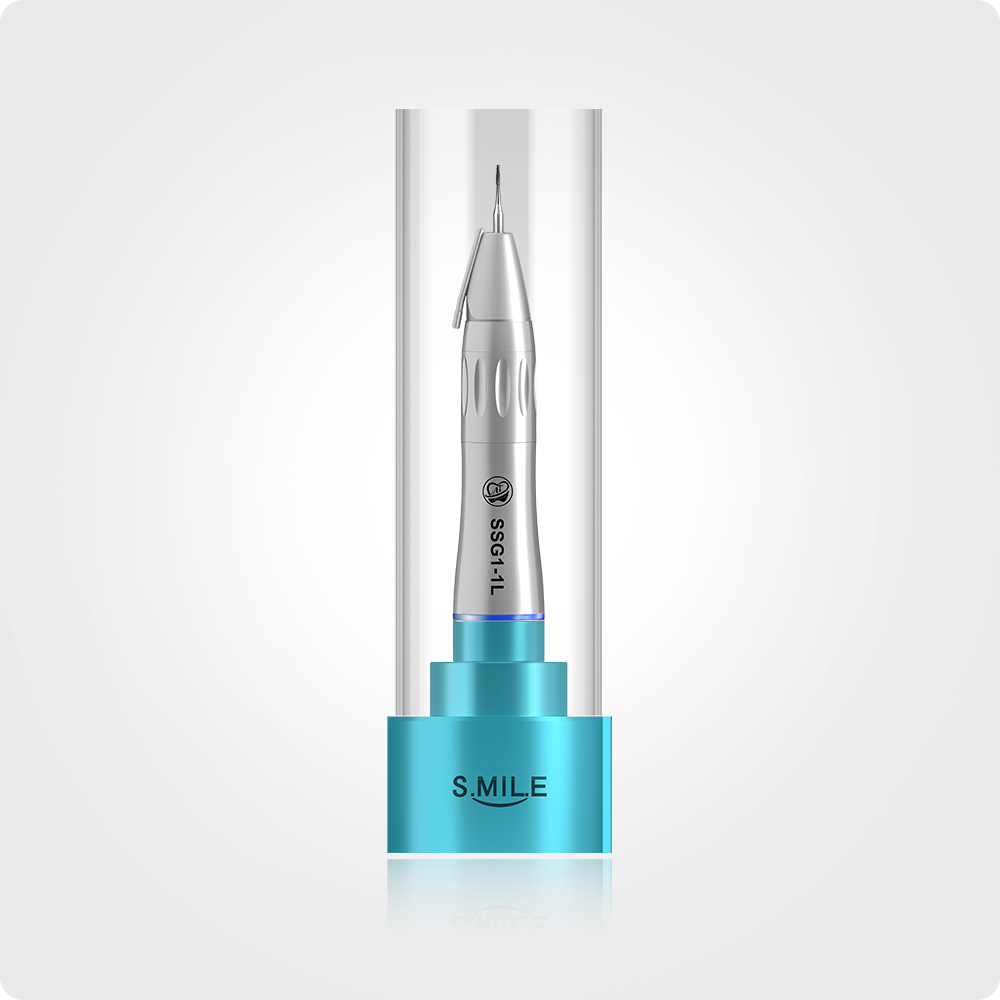
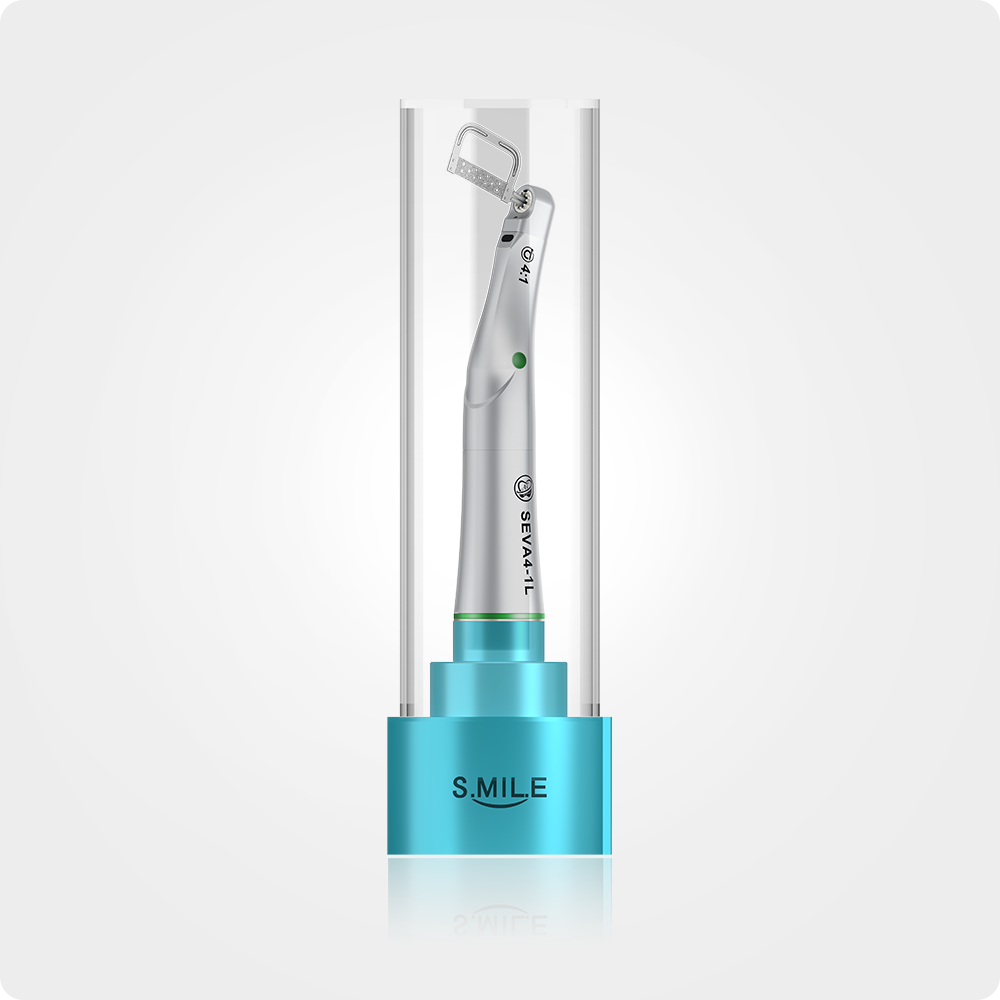
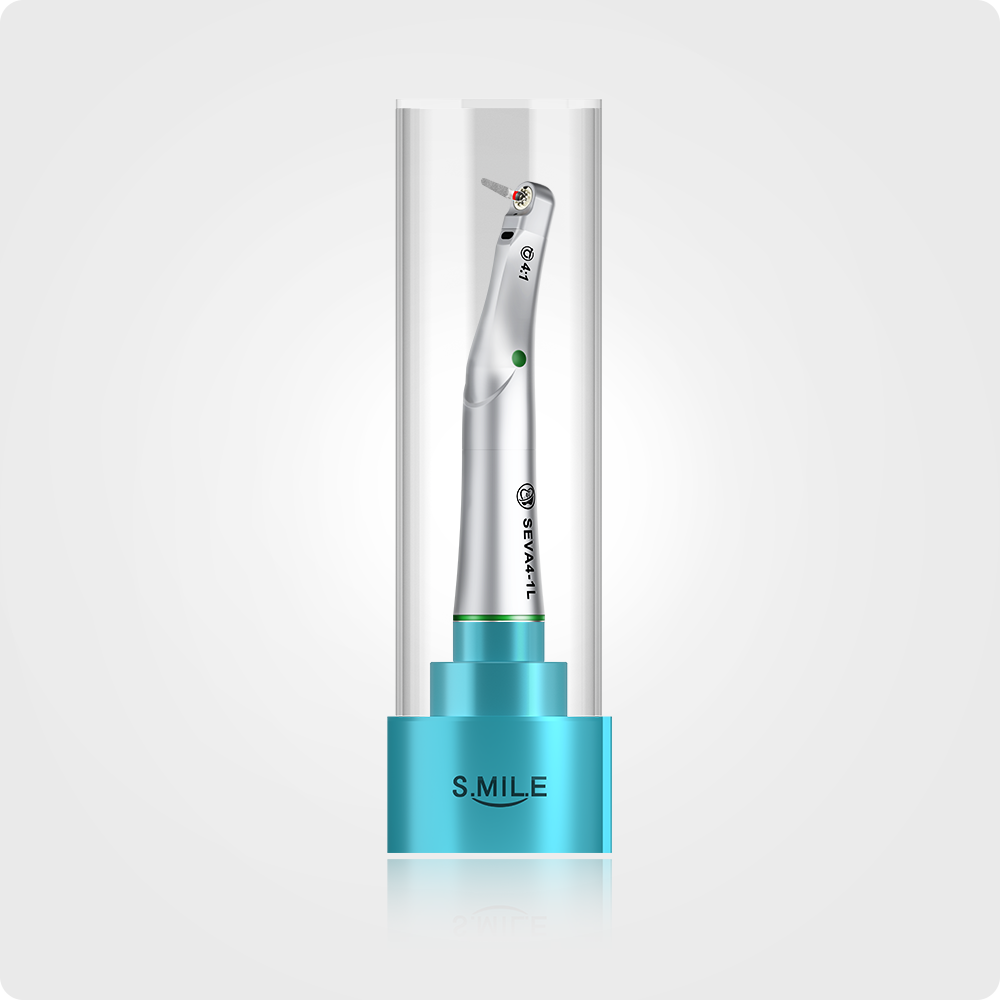
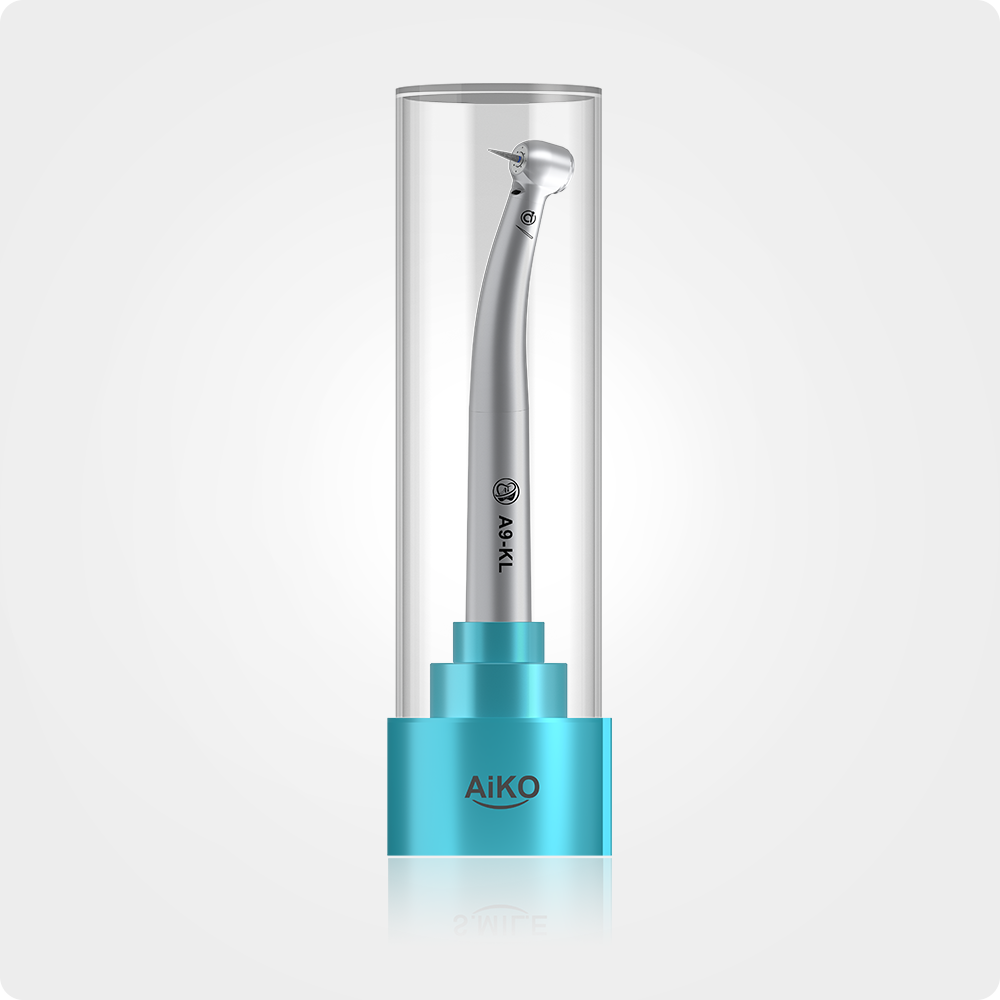
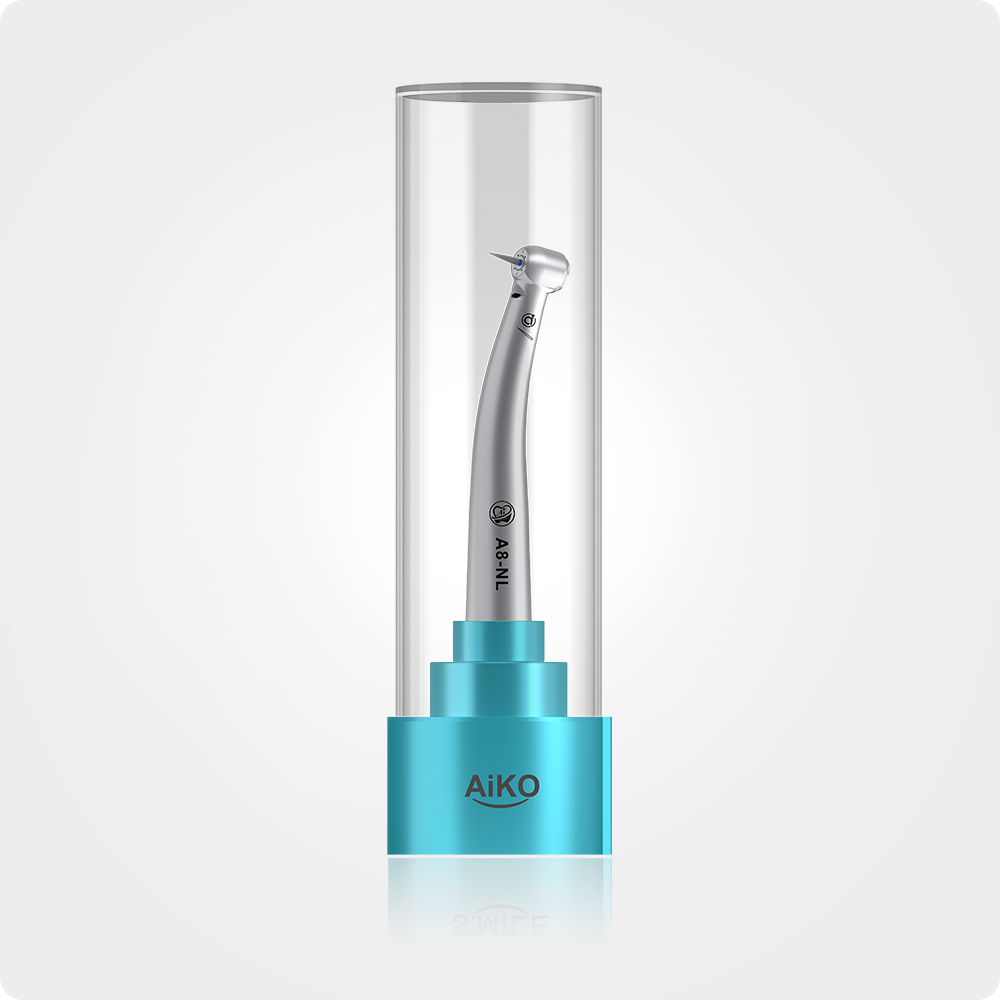
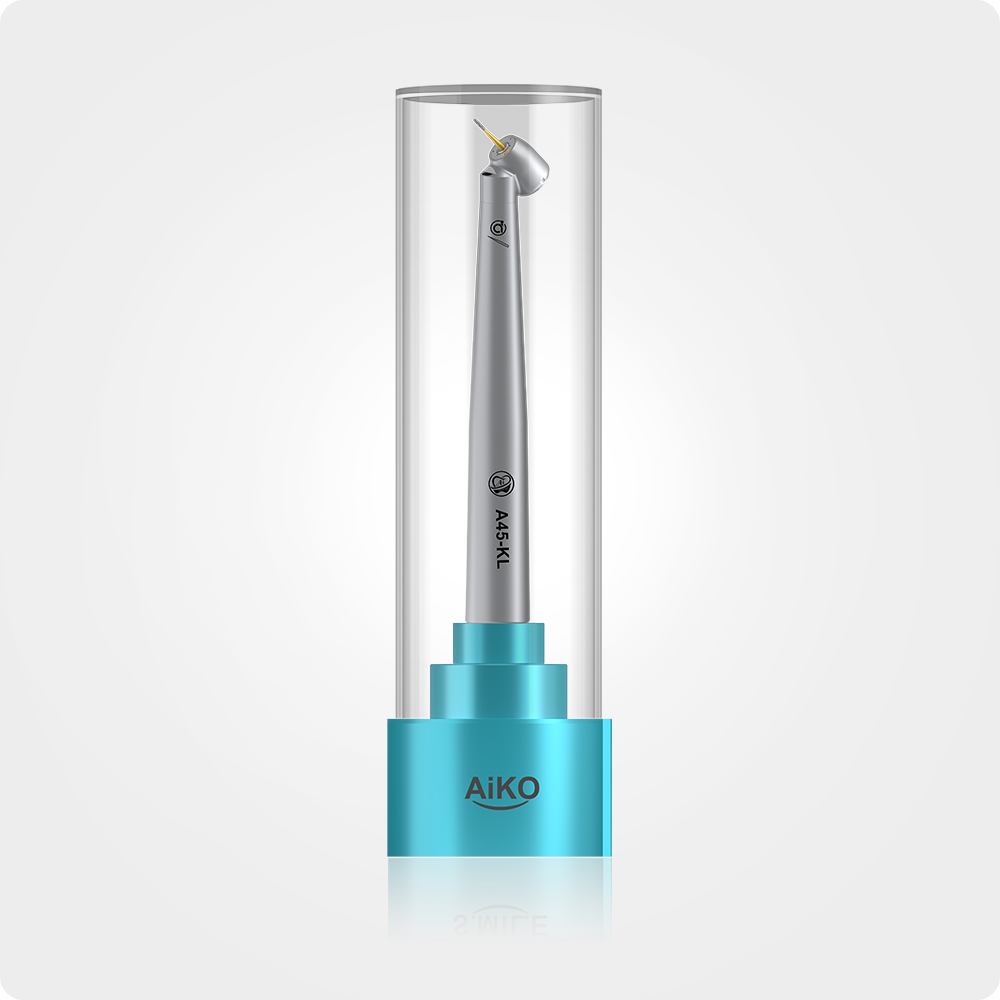
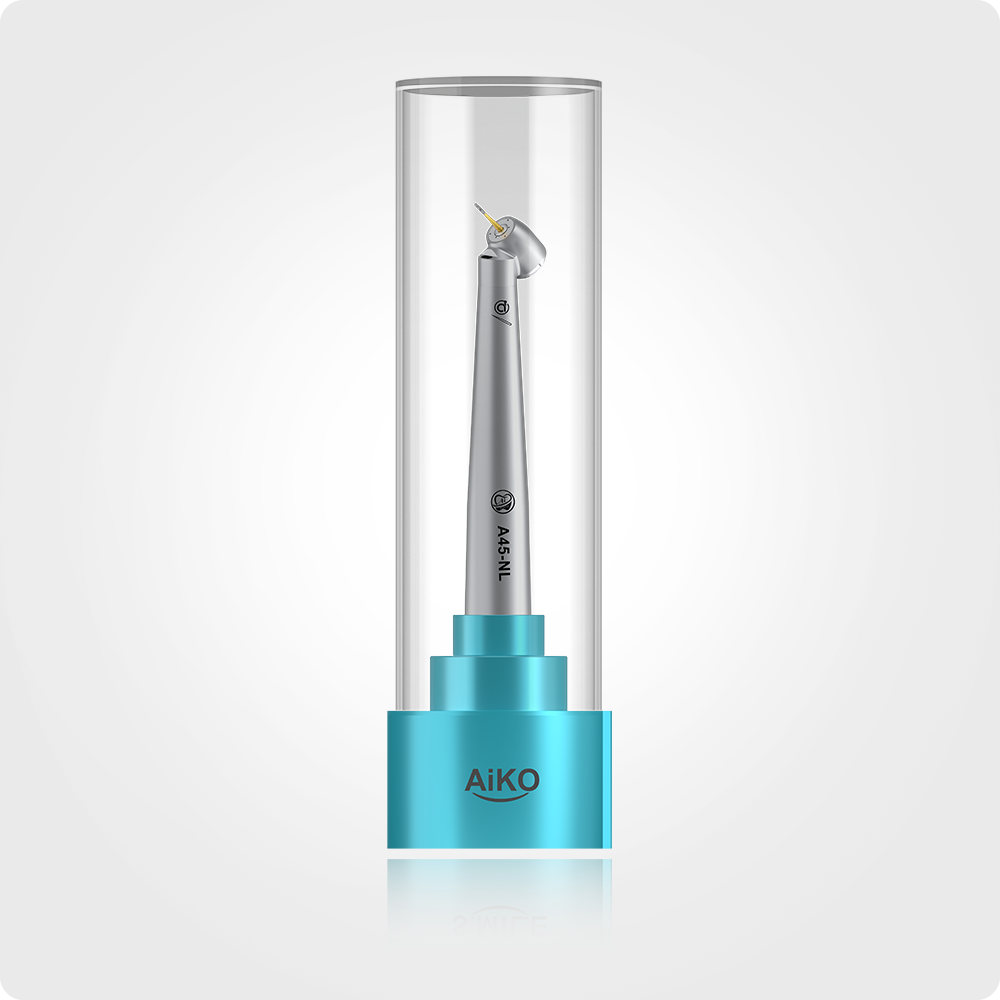
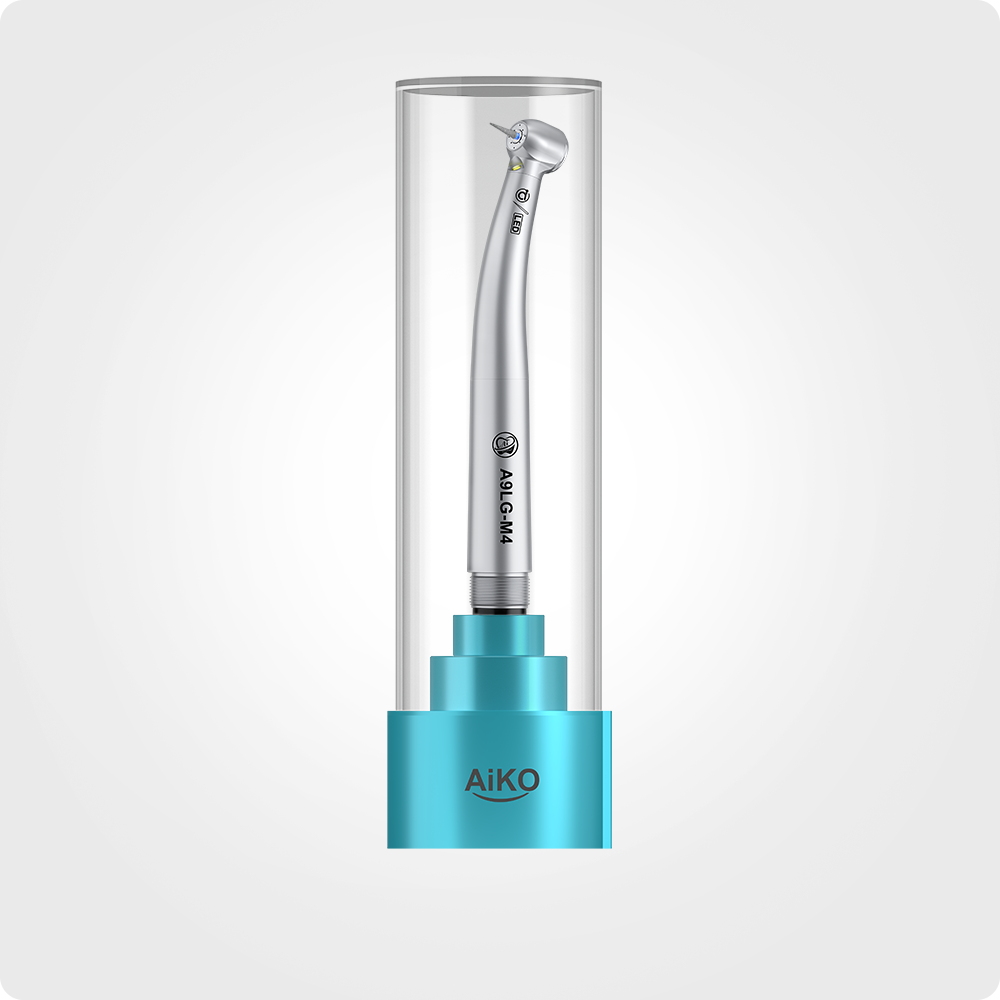
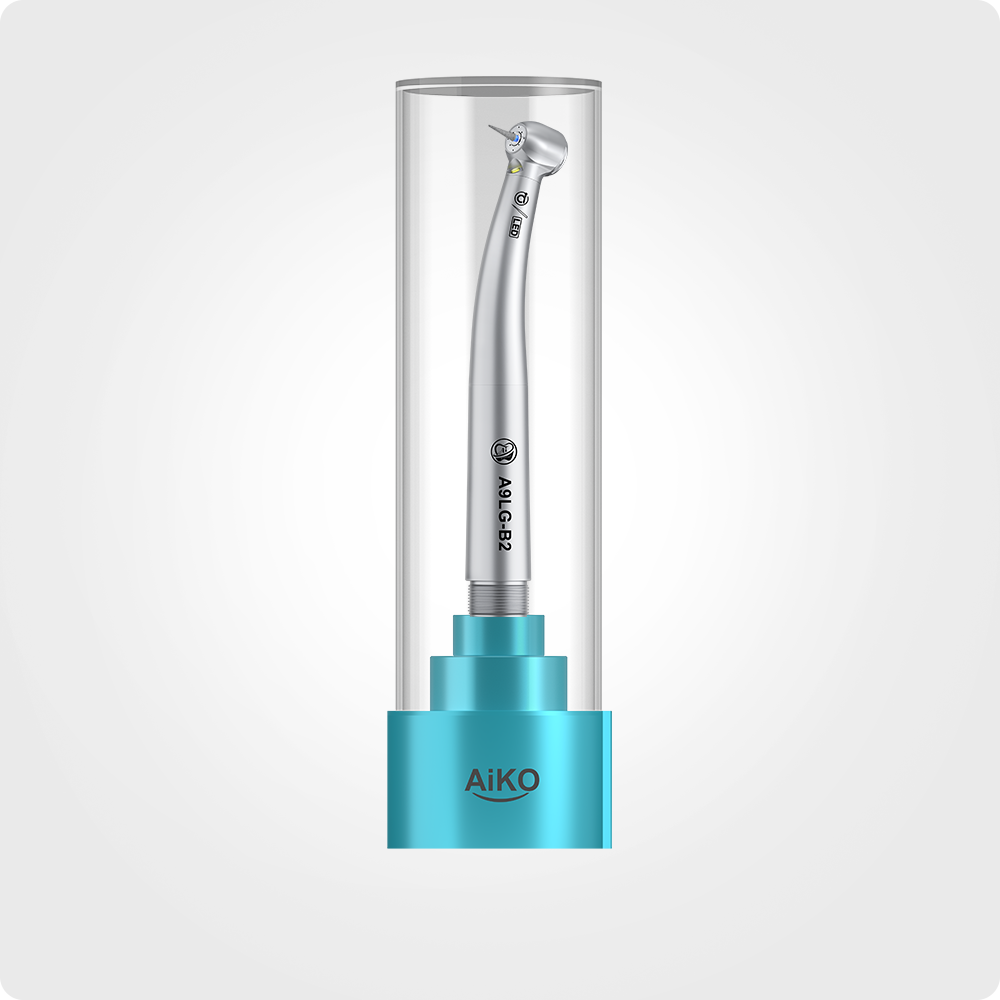
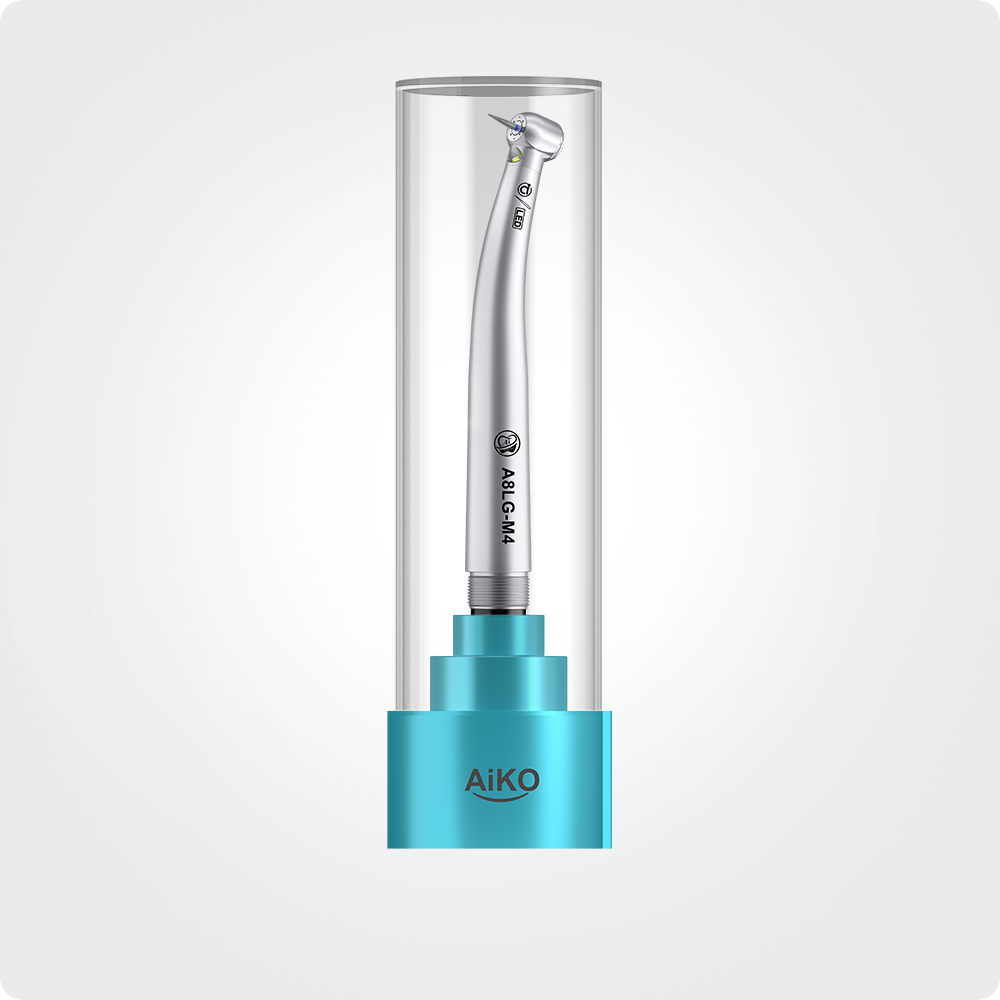
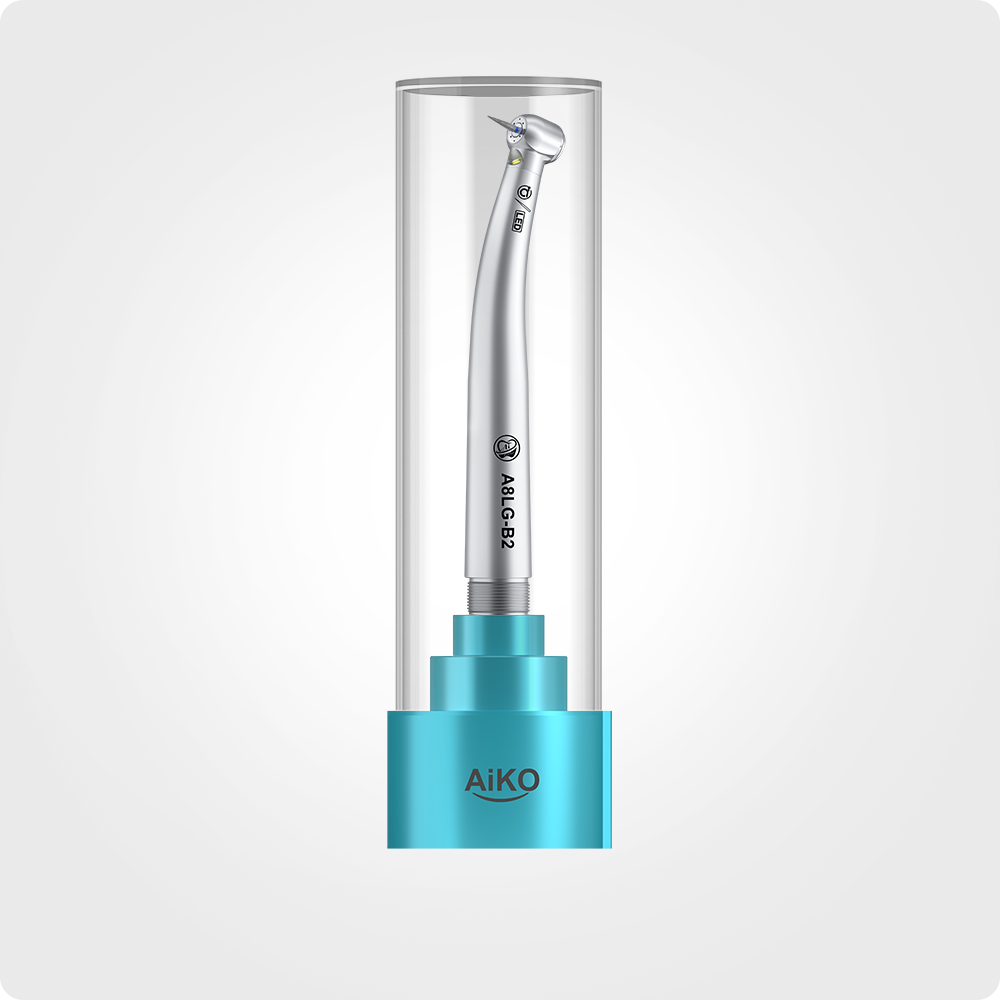
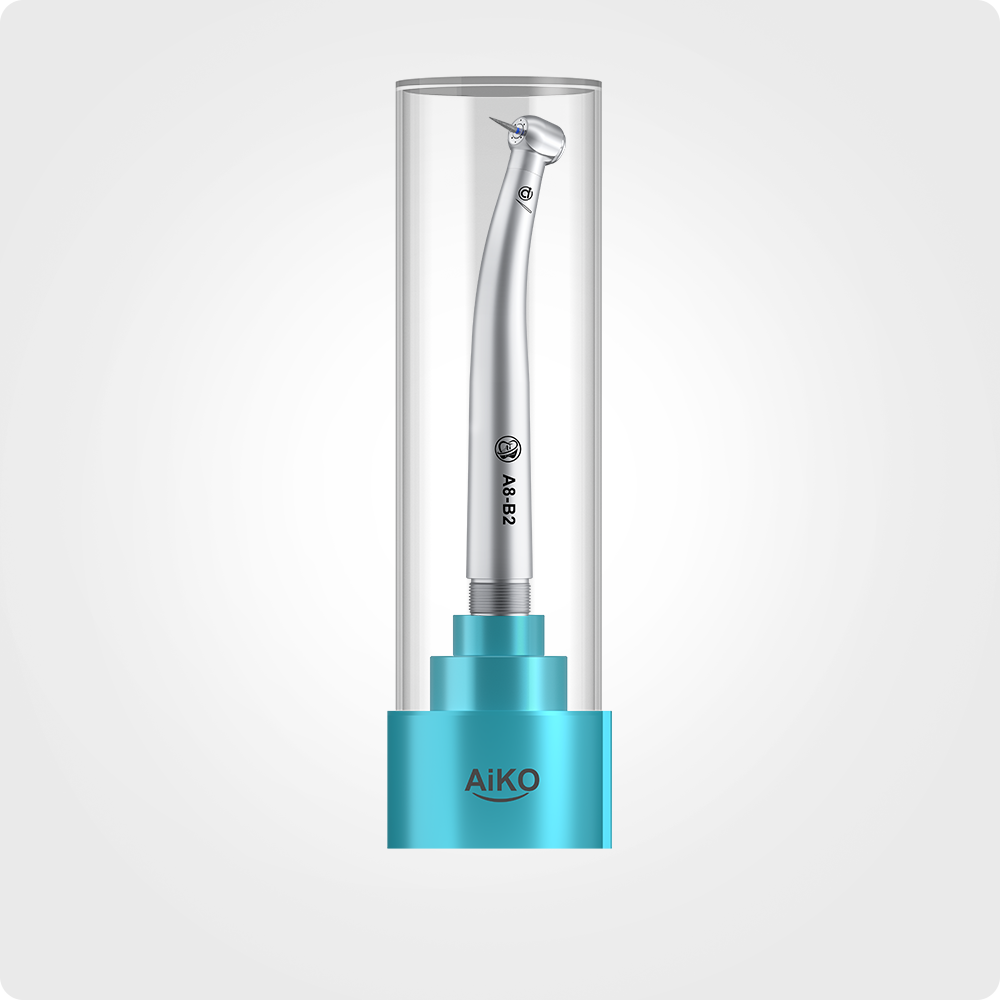
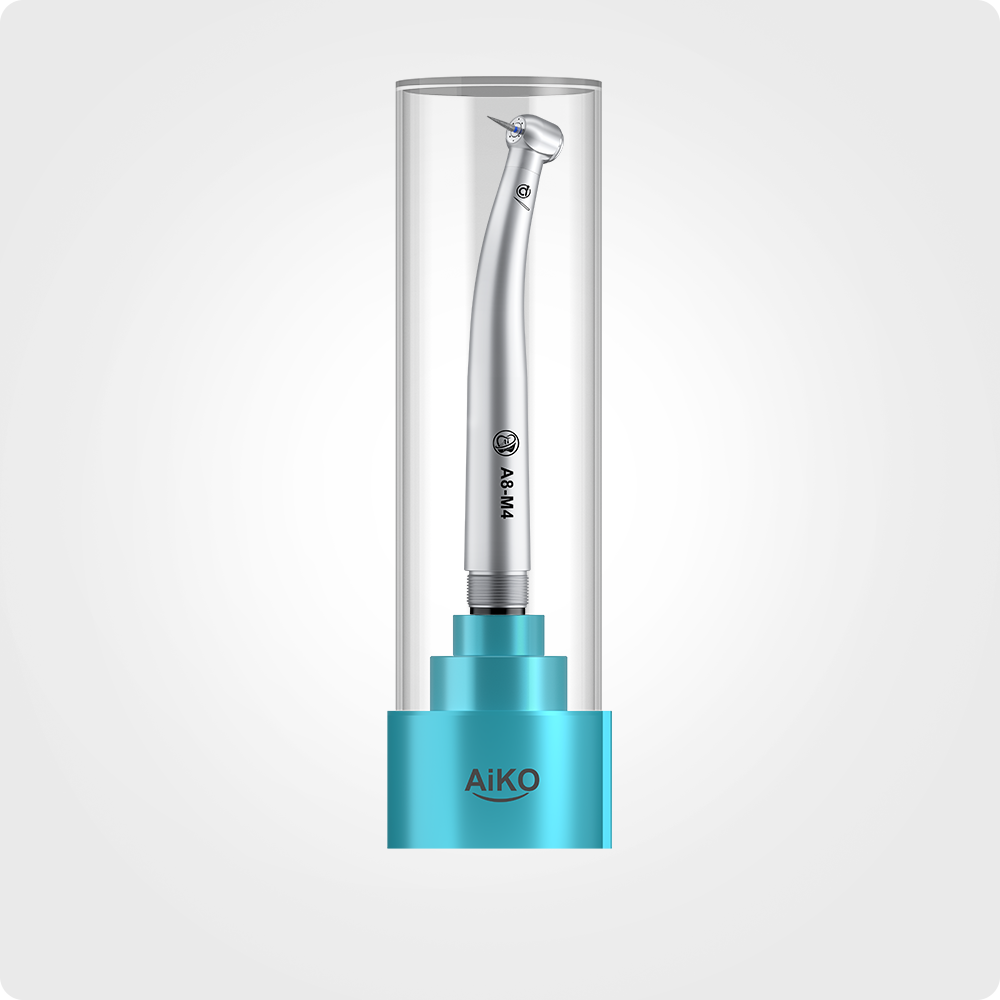
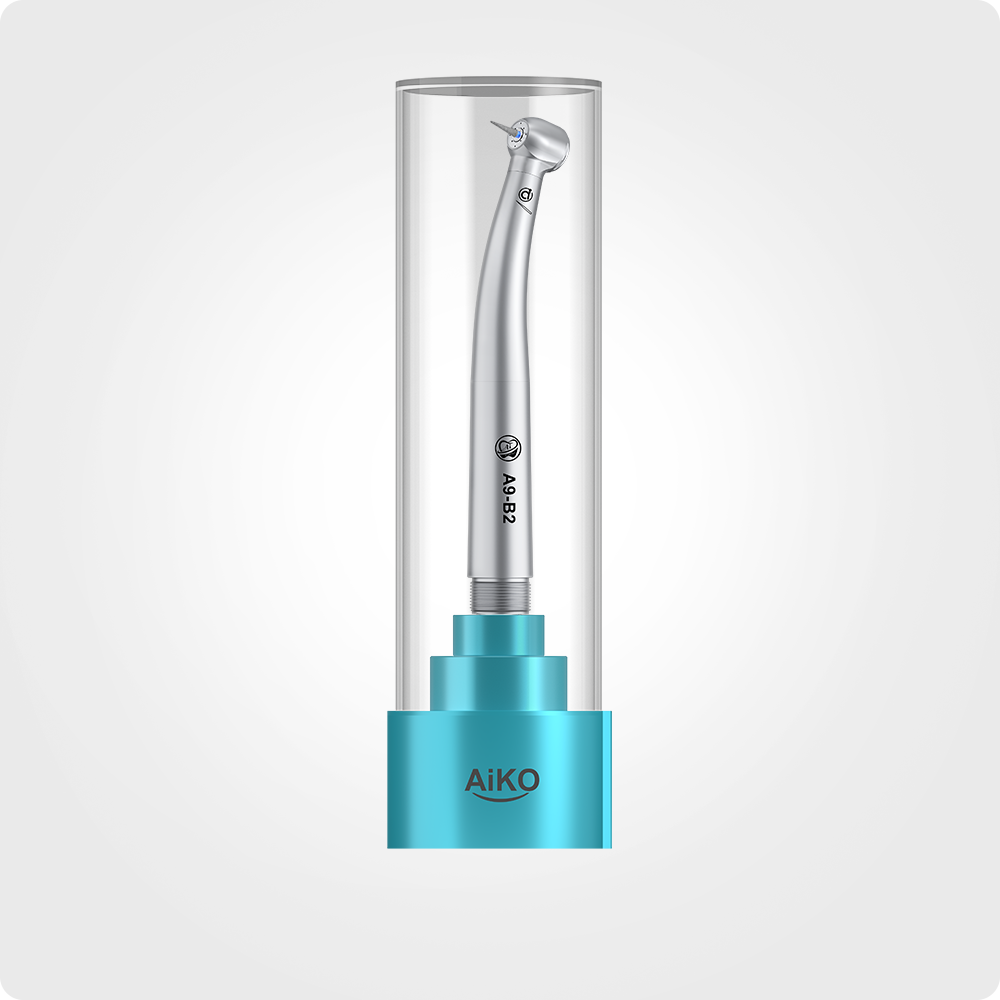
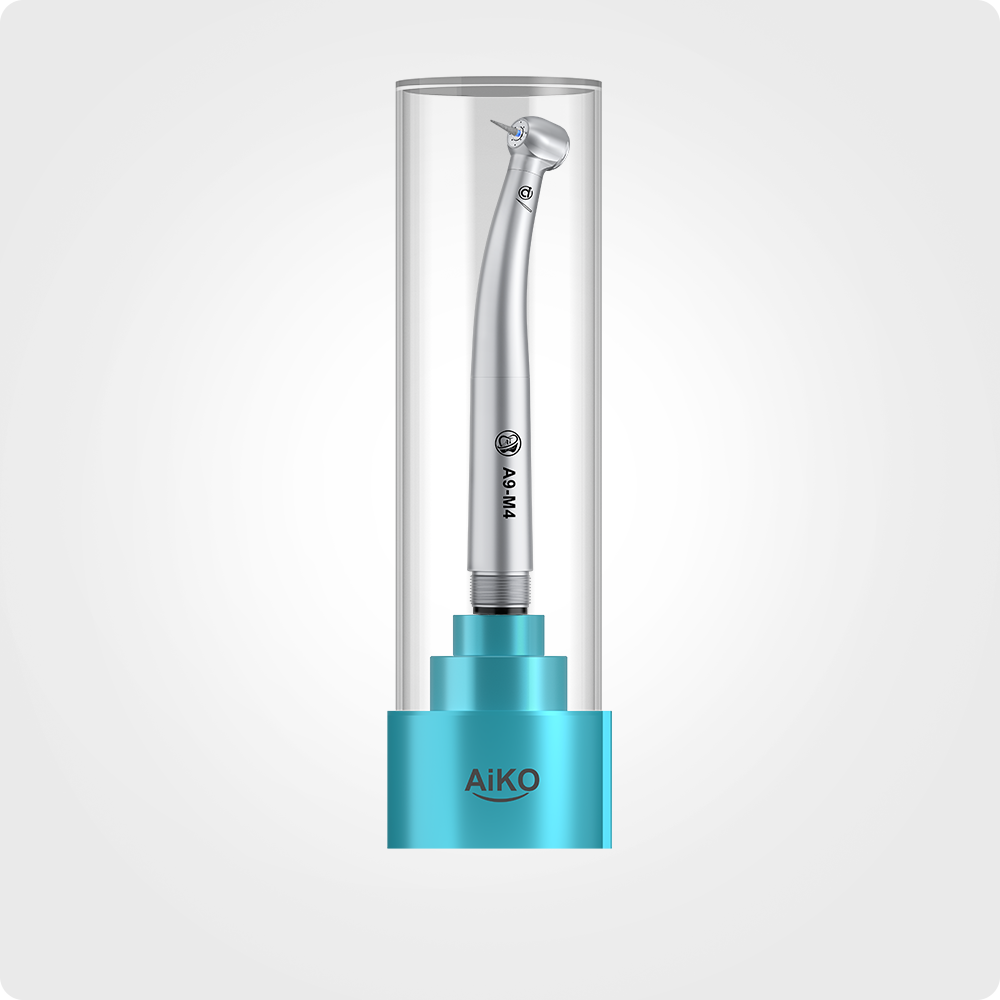
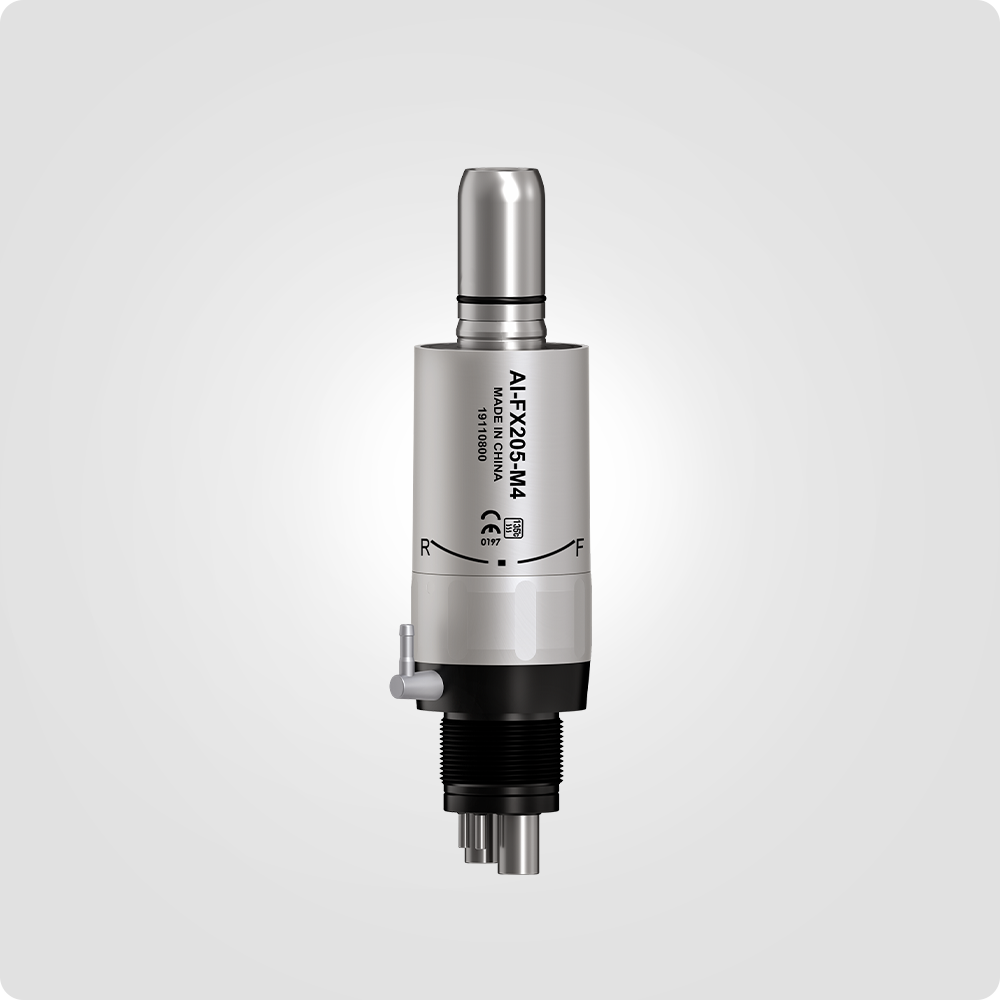
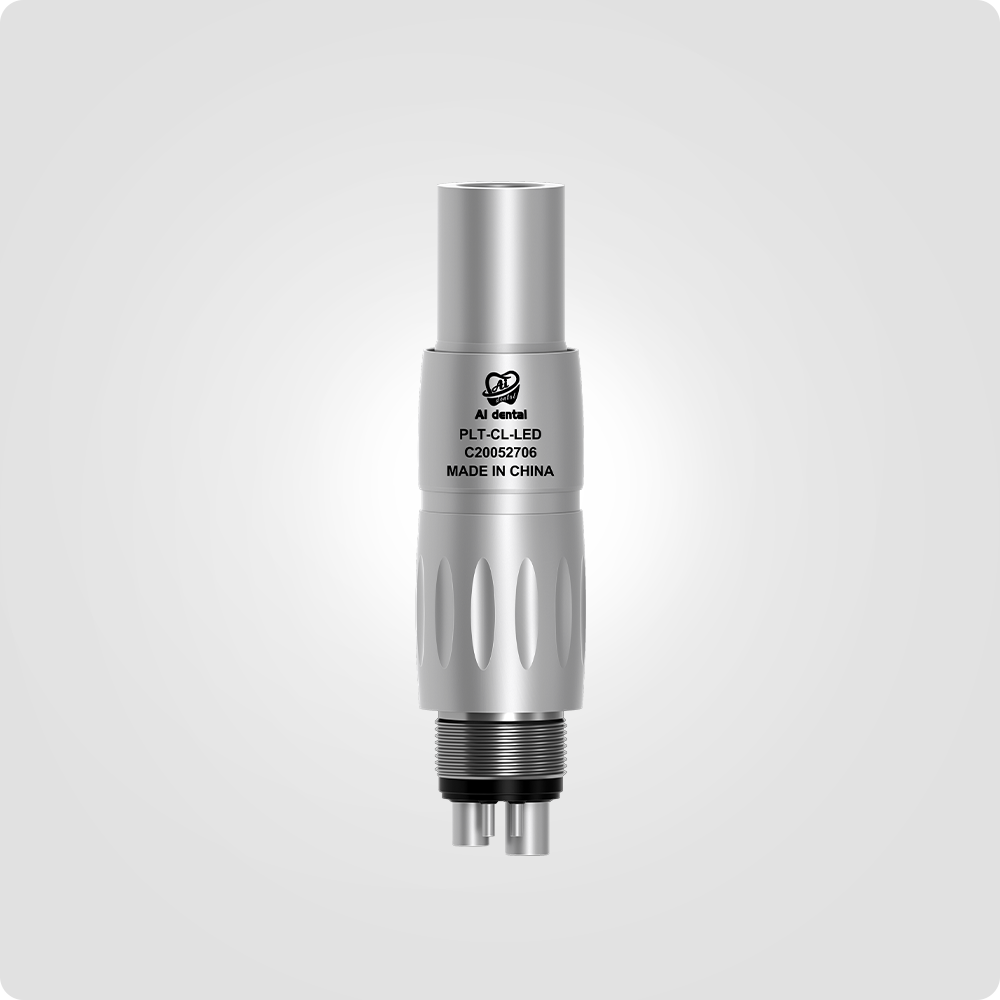
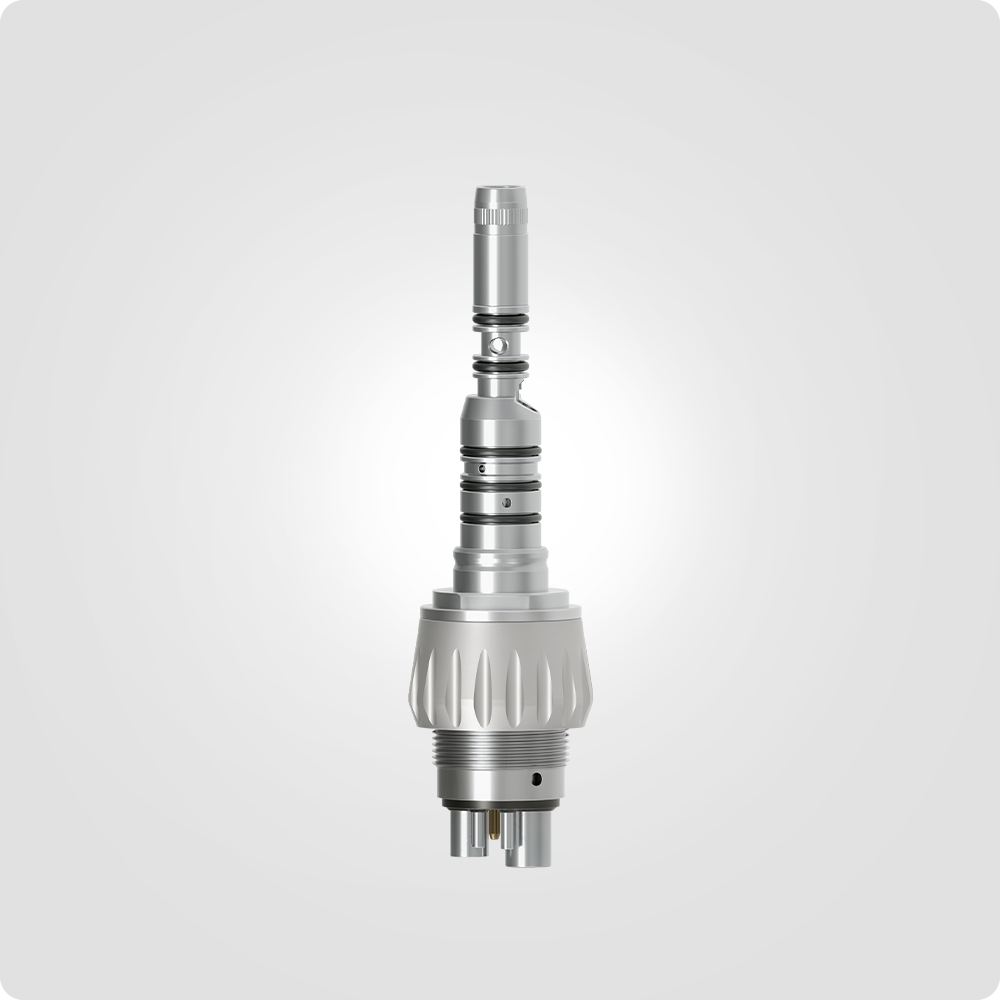
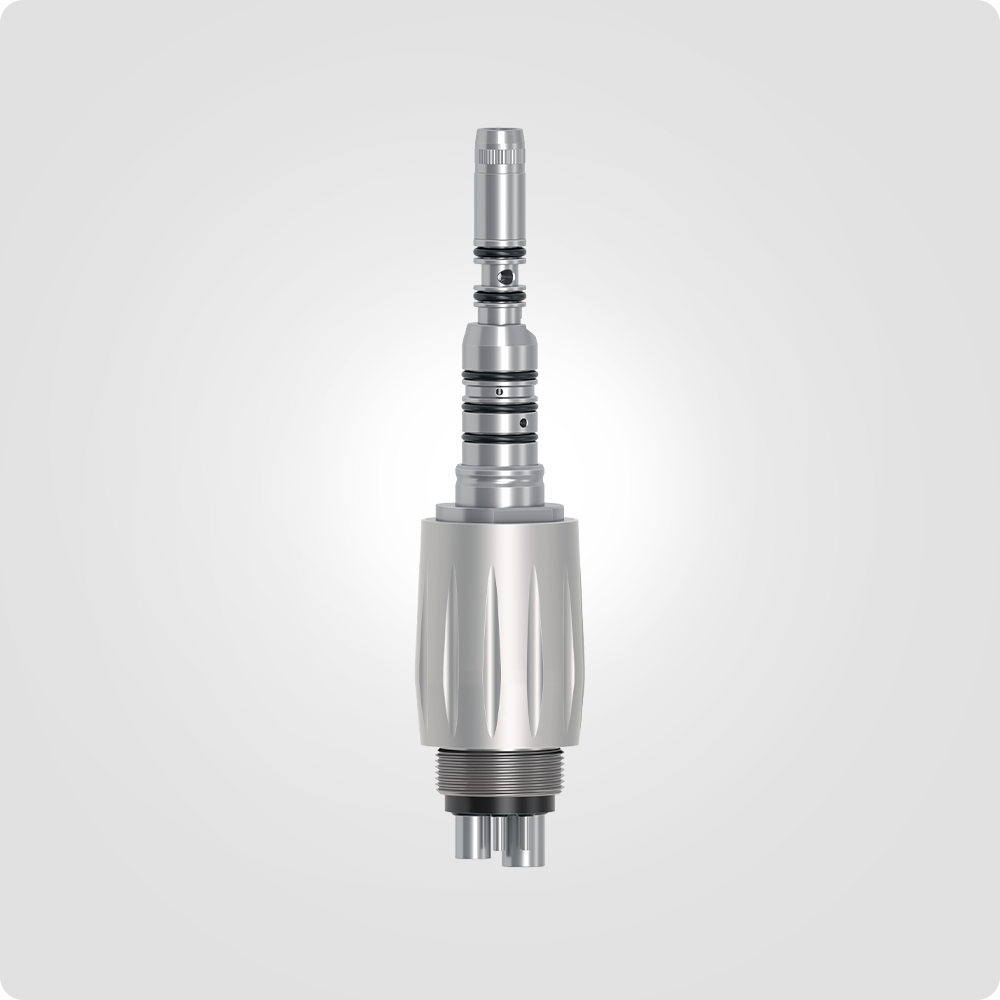
In the ever-evolving landscape of dental care, **advanced dental handpieces** have emerged as a cornerstone for successful procedures and patient satisfaction. These tools, crucial for a wide range of dental treatments, have seen significant advancements in technology, design, and functionality. This article aims to explore the growing demand for these sophisticated tools and the factors that are driving their evolution.
Market Overview of Dental Handpieces
The global market for dental handpieces is projected to experience remarkable growth over the next few years. As per recent industry reports, the demand for **high-quality dental handpieces** is surging due to a combination of increased dental ailments and the rising number of dental professionals. This sector is witnessing innovations that enhance operational efficiency, thus meeting the dual goals of improved patient outcomes and dentist satisfaction.
According to market research, the global dental handpiece market is poised to reach **USD 1.5 billion by 2028**, growing at a CAGR of over 7% from 2021 to 2028. This growth is largely attributed to the rising awareness about oral health and the increasing adoption of advanced technologies in dental practices.
Technological Advancements in Dental Handpieces
**Technological advancements** play a pivotal role in shaping modern dental handpieces. These devices have evolved from traditional models into highly sophisticated instruments that offer various features, including:
1. Enhanced Performance
Modern dental handpieces are designed to operate at higher speeds while maintaining reduced noise levels. This increased performance not only boosts productivity but also enhances the comfort level for both dentists and patients.
2. Ergonomic Designs
Recent innovations focus on creating more ergonomic designs that reduce hand fatigue during extended procedures. This design change is essential for enhancing the precision and control during intricate dental surgeries.
3. Advanced Materials
The use of advanced materials such as titanium and high-grade stainless steel has made dental handpieces more durable and resistant to wear and tear. These materials also contribute to the aesthetic appeal of the devices.
4. Incorporation of Smart Technology
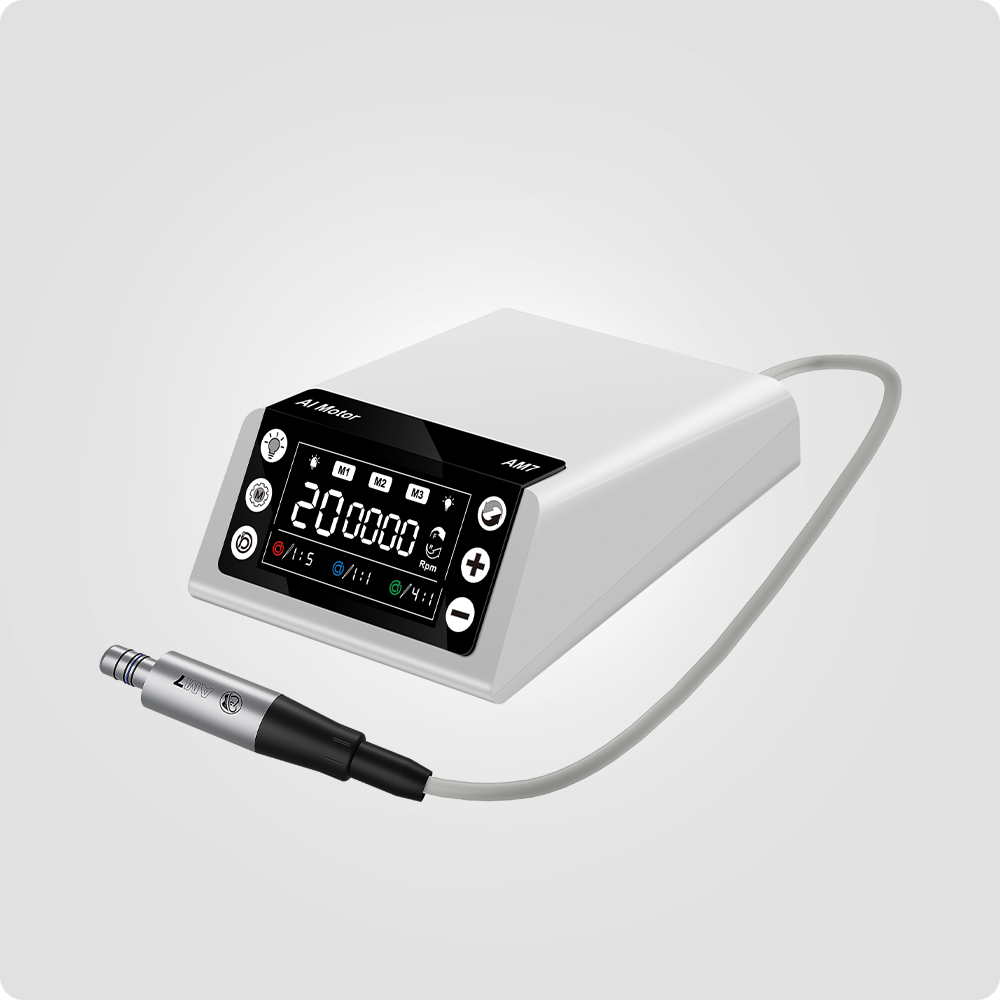
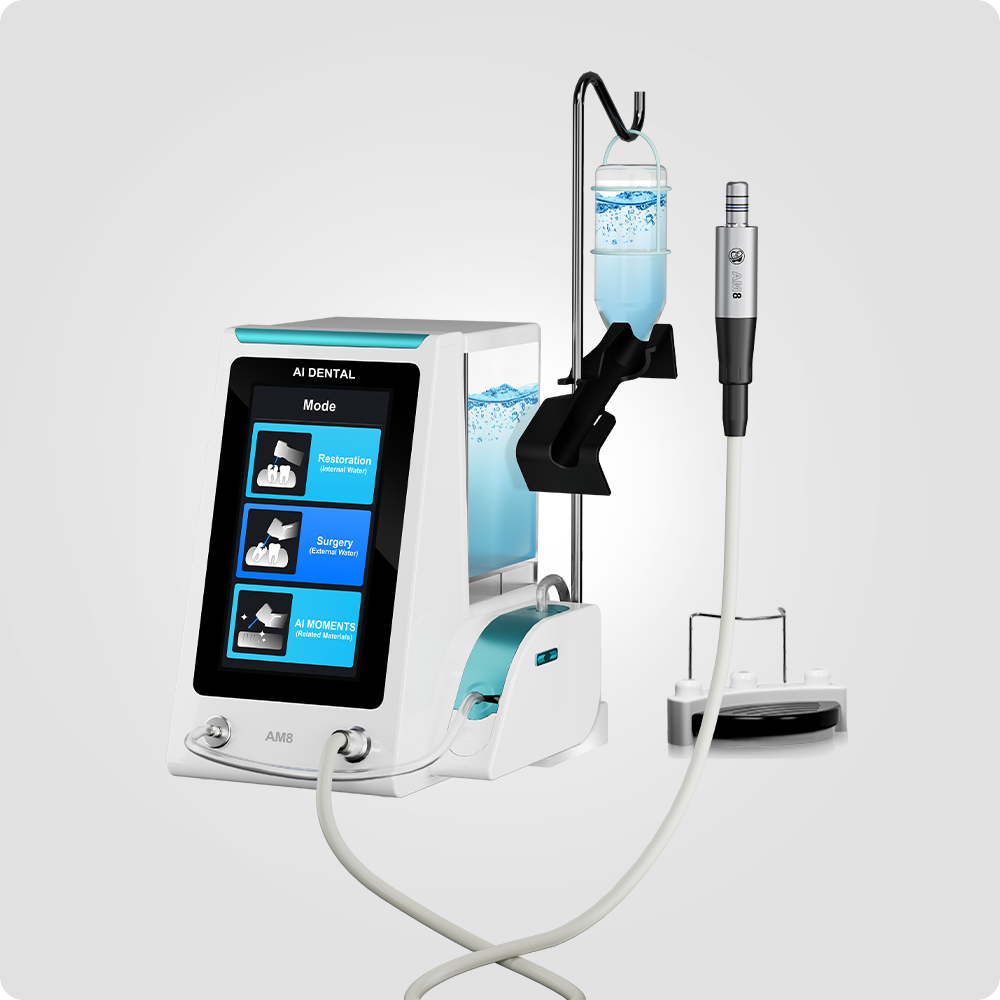
The integration of smart technology, such as sensors and digital displays, allows for real-time monitoring of performance metrics. This feature helps dentists optimize their practice while ensuring patient safety.
Understanding Consumer Demand for Dental Handpieces
Consumer demand for advanced dental handpieces is influenced by various factors, including:
1. Rising Awareness of Oral Health
With the increasing emphasis on oral health and hygiene, patients are more likely to seek treatments that utilize the latest technology. This awareness drives dental professionals to invest in advanced handpieces to meet their patients' expectations.
2. Enhanced Treatment Outcomes
Patients are increasingly aware of the correlation between the tools used in dental treatments and the outcomes they can expect. Advanced handpieces allow for greater precision and efficiency, leading to better patient experiences.
3. Increased Competition Among Dental Professionals
As the number of dental practitioners rises, competition intensifies. Dentists are compelled to adopt advanced technologies, including high-quality handpieces, to differentiate themselves and attract patients.
Benefits of Using Advanced Dental Handpieces
Investing in advanced dental handpieces offers numerous benefits that significantly enhance the practice's overall effectiveness:
1. Improved Precision
Advanced handpieces allow for greater control and accuracy, enabling dentists to perform delicate procedures with ease.
2. Increased Efficiency
These modern tools reduce the time taken for various procedures, thus increasing the overall productivity of dental practices.
3. Enhanced Patient Comfort
With reduced noise and vibration levels, advanced handpieces contribute to a more comfortable experience for patients, helping to ease anxiety associated with dental visits.
4. Long-term Cost Savings
Although the initial investment may be higher, the durability and efficiency of advanced handpieces can lead to significant cost savings over time due to reduced maintenance needs and increased patient throughput.
Challenges Facing the Dental Handpiece Market
Despite the promising growth of the dental handpiece market, certain challenges must be addressed:
1. High Initial Costs
The high upfront costs associated with advanced handpieces may deter some dental practices from upgrading their equipment.
2. Training and Adaptation
Dentists and staff may require additional training to effectively use advanced technologies, which can temporarily disrupt practice operations.
3. Regulatory Hurdles
The dental device market is heavily regulated, making it necessary for manufacturers to navigate complex compliance requirements, which can delay innovation.
Future Trends in Dental Handpiece Technology
Looking ahead, several trends are poised to shape the future of dental handpieces:
1. Increased Customization
As dental professionals seek tools tailored to their specific needs, the demand for customizable handpieces will likely rise.
2. Sustainable Practices
With rising environmental concerns, manufacturers may focus on producing more sustainable and eco-friendly dental handpieces, addressing both performance and environmental impact.
3. Integration of AI and Machine Learning
Artificial intelligence and machine learning are expected to play a greater role in future dental equipment, enhancing diagnostics and treatment personalization.
Conclusion: The Future of Dental Handpieces
The demand for advanced dental handpieces is set to continue its upward trajectory as technology evolves and consumer expectations shift. The combination of enhanced performance, increased efficiency, and improved patient comfort makes these tools indispensable in modern dental practices. As we move forward, addressing the challenges and embracing the latest trends will be crucial in ensuring that dental professionals can provide the highest standard of care.
Frequently Asked Questions
1. What are advanced dental handpieces?
Advanced dental handpieces are sophisticated tools used in dentistry that leverage cutting-edge technology for enhanced performance, precision, and patient comfort.
2. How do advanced handpieces improve dental procedures?
They provide greater control, speed, and efficiency during procedures, leading to improved treatment outcomes and enhanced patient experiences.
3. What factors are driving the demand for advanced dental handpieces?
Key factors include rising awareness of oral health, increased competition among dental professionals, and technological advancements in dental tools.
4. What are the challenges associated with adopting advanced dental handpieces?
Challenges include high initial costs, the need for training, and navigating regulatory requirements.
5. What future trends can we expect in the dental handpiece market?
Future trends may include increased customization, sustainable practices, and the integration of AI for enhanced diagnostics and performance.
This comprehensive analysis of the market for advanced dental handpieces provides insights into the trends, demands, and future developments shaping this essential segment of the dental industry.
Related News
AI DENTAL Highlights Day 1 at 2026 Rimini Dental Expo-High-Value Smile & AiKO Series
May 15,2026
Views ()
Focus On Dental Handpieces