
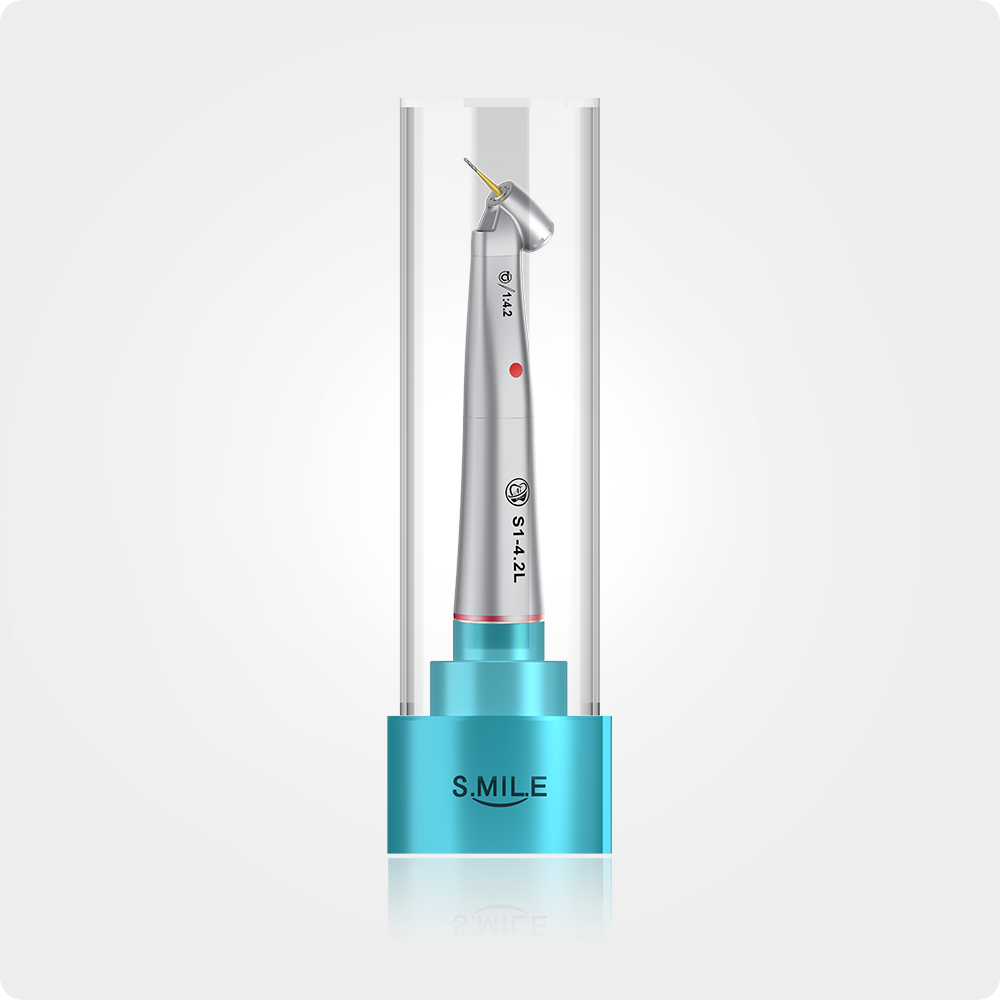
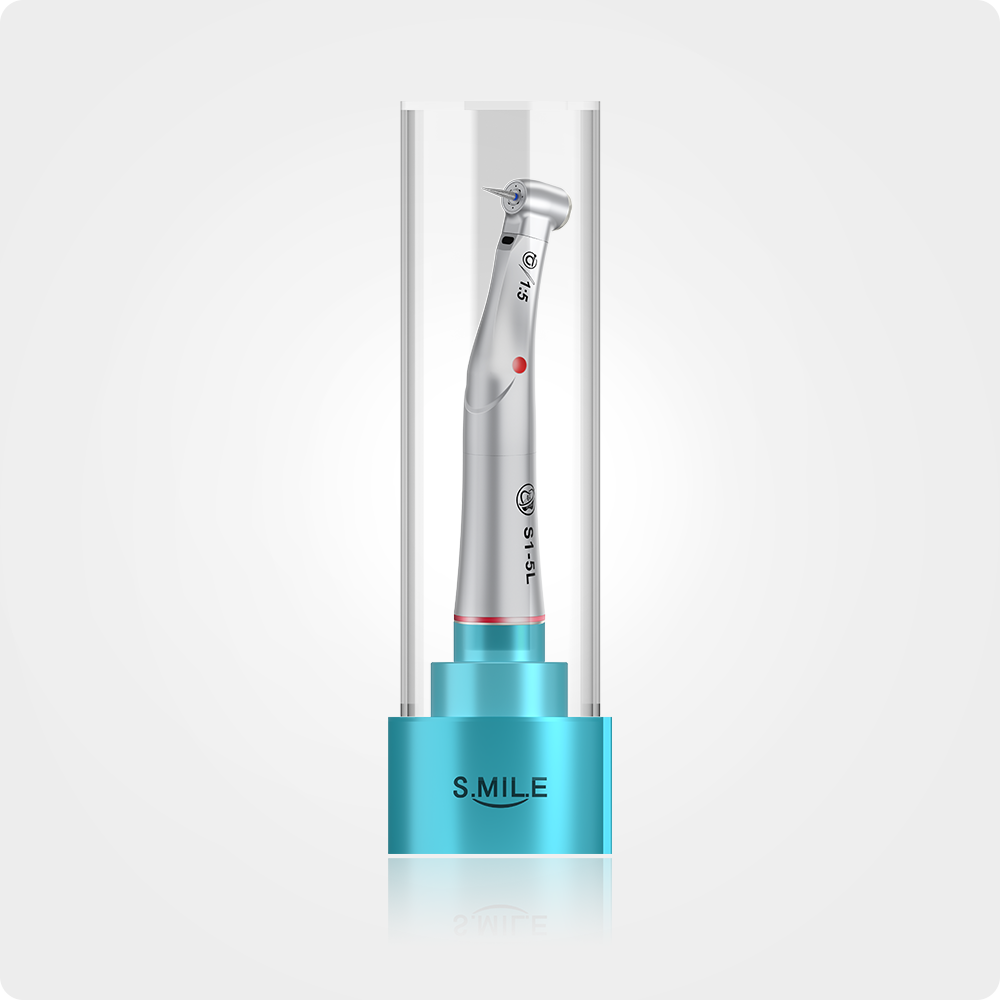
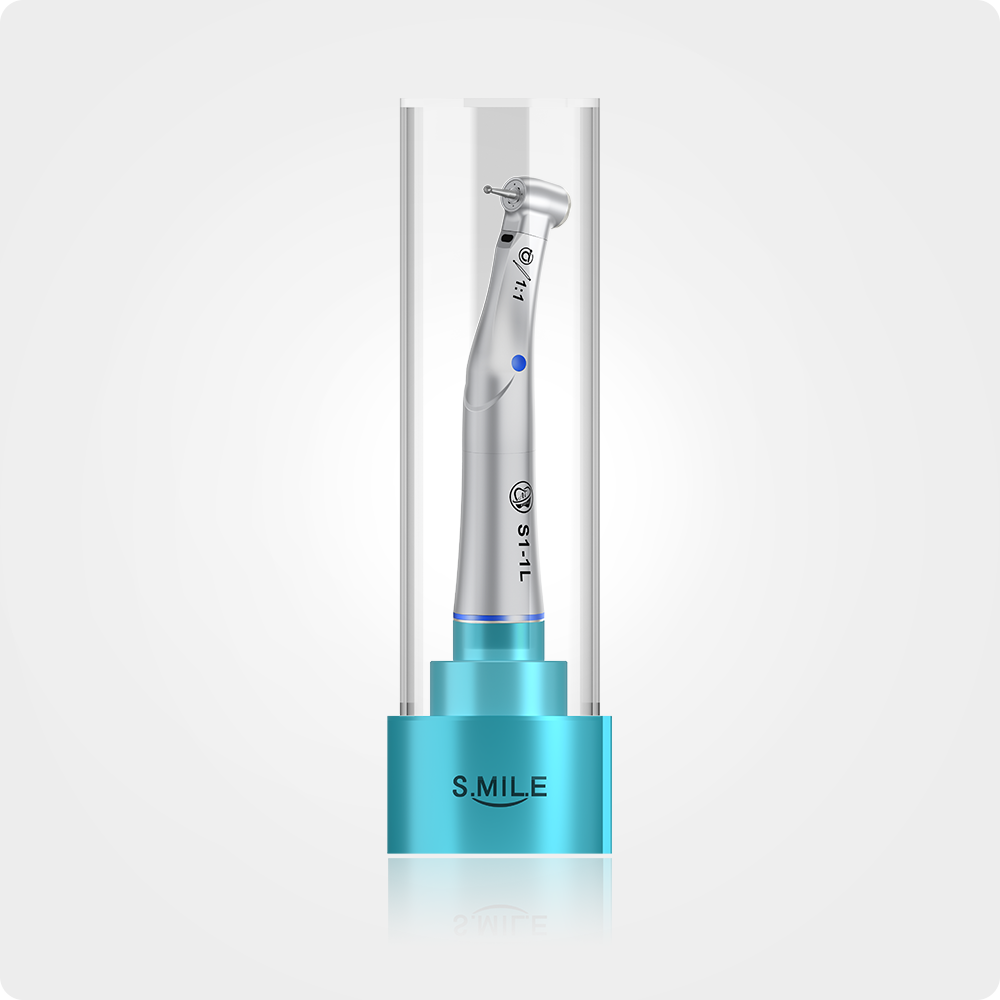
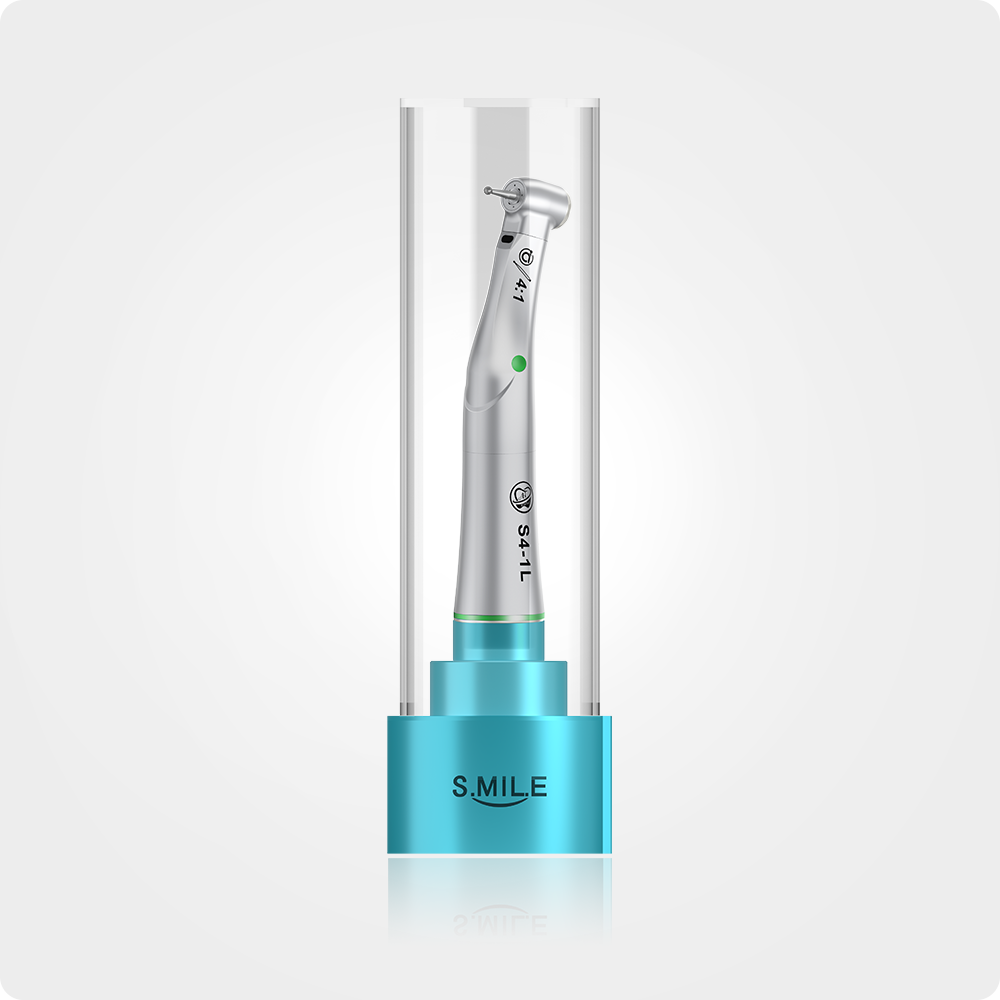
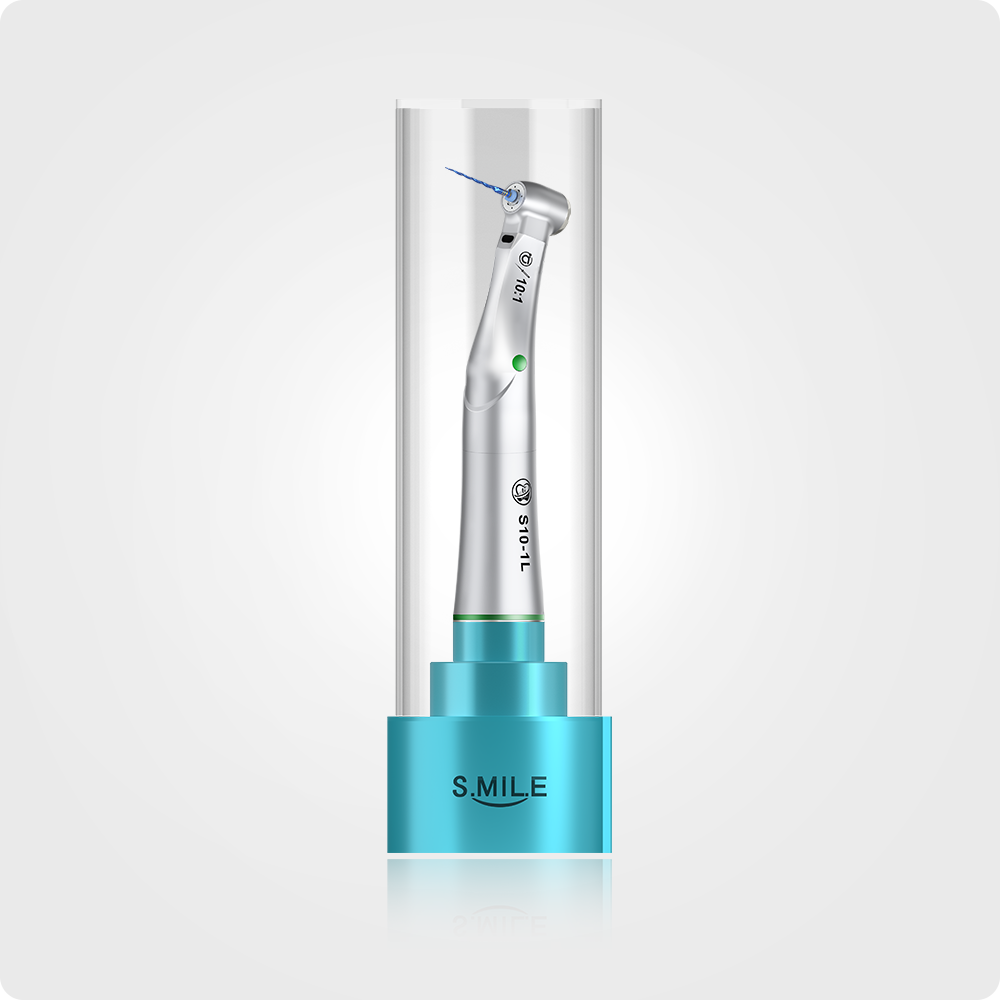
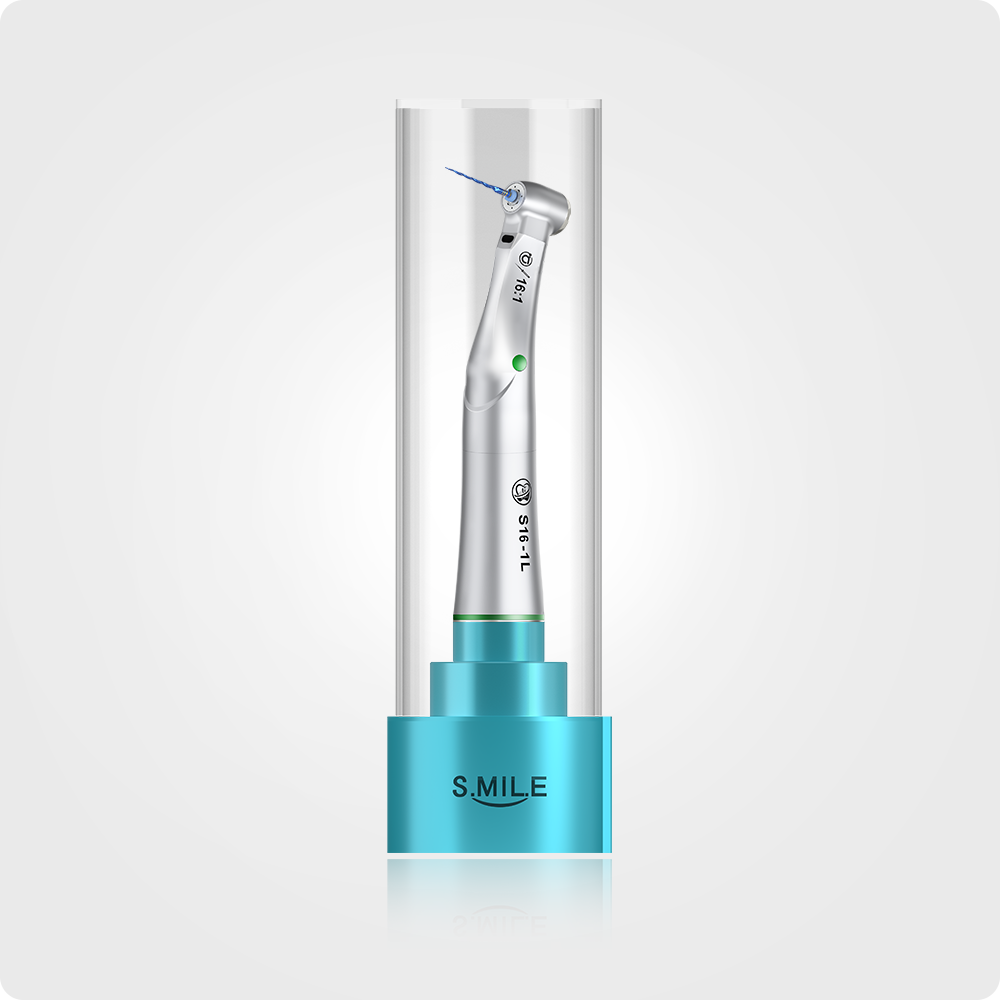
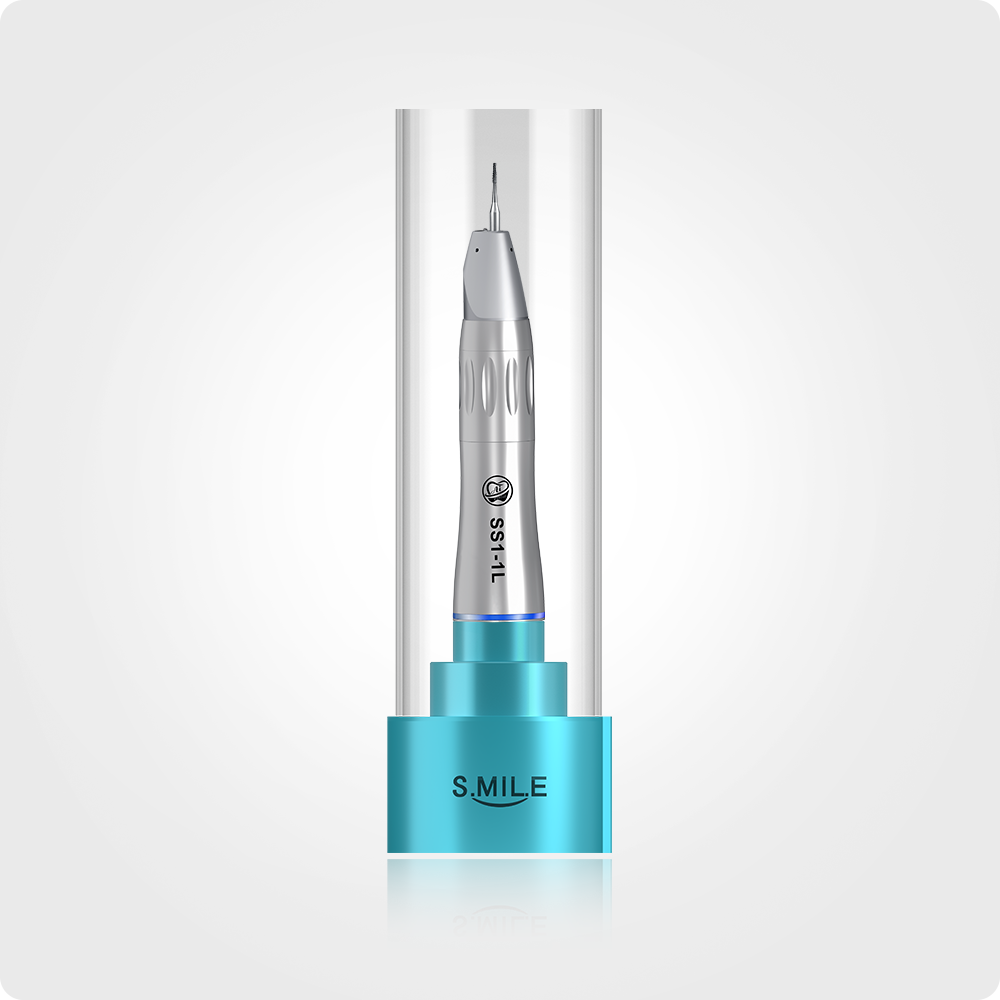
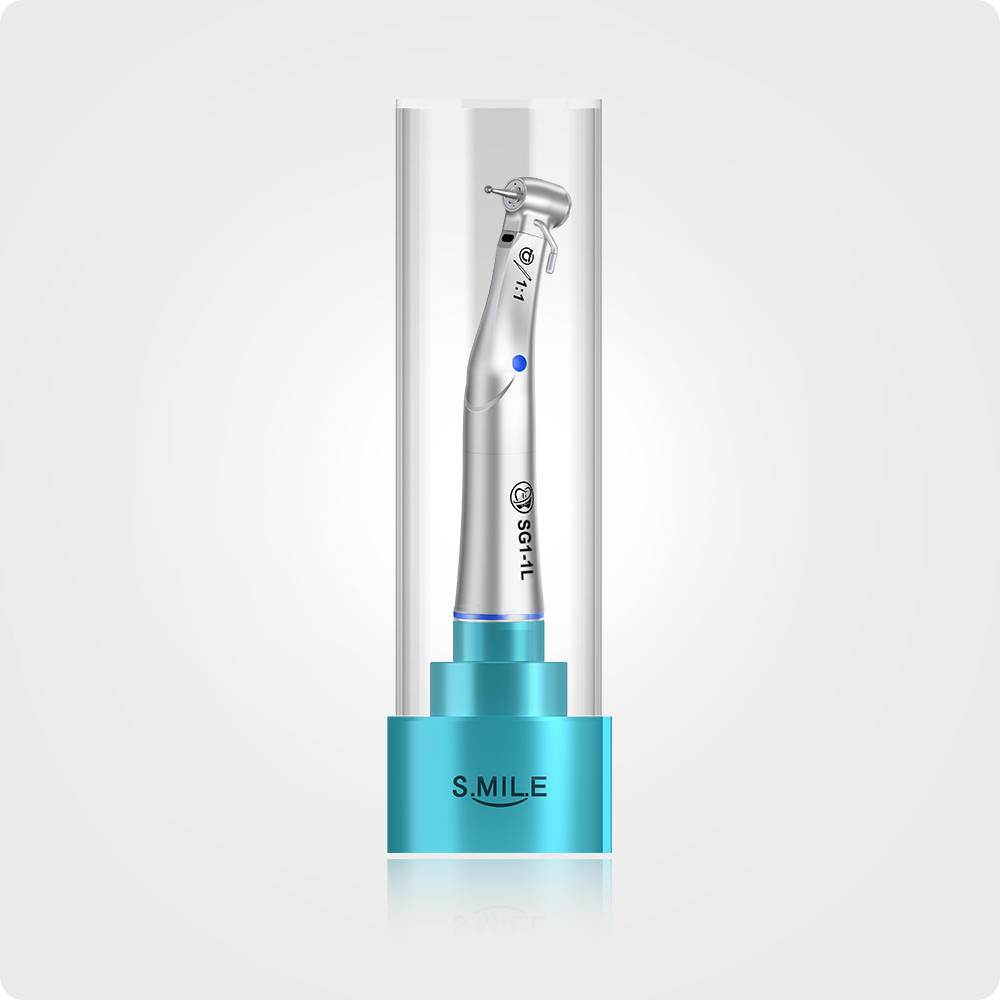











How Electric Micromotors Enhance Efficiency in Dental Procedures
Nov 16,2026
Views ()

How Electric Micromotors Enhance Efficiency in Dental Procedures
Table of Contents
- 1. Introduction to Electric Micromotors in Dentistry
- 2. Understanding Electric Micromotors
- 3. Key Benefits of Electric Micromotors in Dental Procedures
- 3.1 Precision and Control
- 3.2 Reduced Procedure Time
- 3.3 Improved Patient Comfort
- 3.4 Versatility in Applications
- 4. Applications of Electric Micromotors in Dentistry
- 5. Comparison to Air-Driven Motors
- 6. The Future of Electric Micromotors in Dentistry
- 7. Frequently Asked Questions
- 8. Conclusion
1. Introduction to Electric Micromotors in Dentistry
Electric micromotors have revolutionized the landscape of dental procedures. These devices, designed to provide high-speed rotational movement, are integral to various dental treatments. Their introduction has significantly improved the efficiency and effectiveness of procedures, making them a staple in modern dental practices. This article will delve into the numerous ways electric micromotors enhance dental efficiency, ultimately transforming patient care and outcomes.
2. Understanding Electric Micromotors
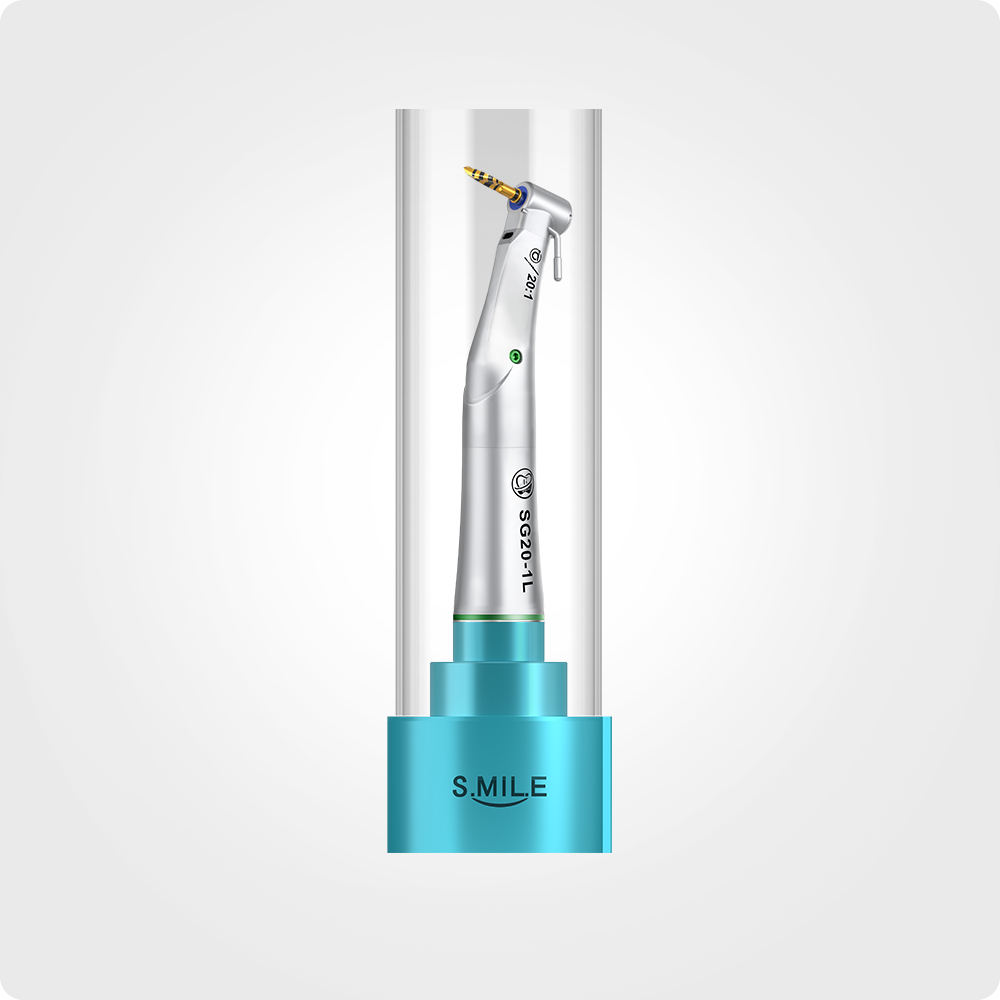
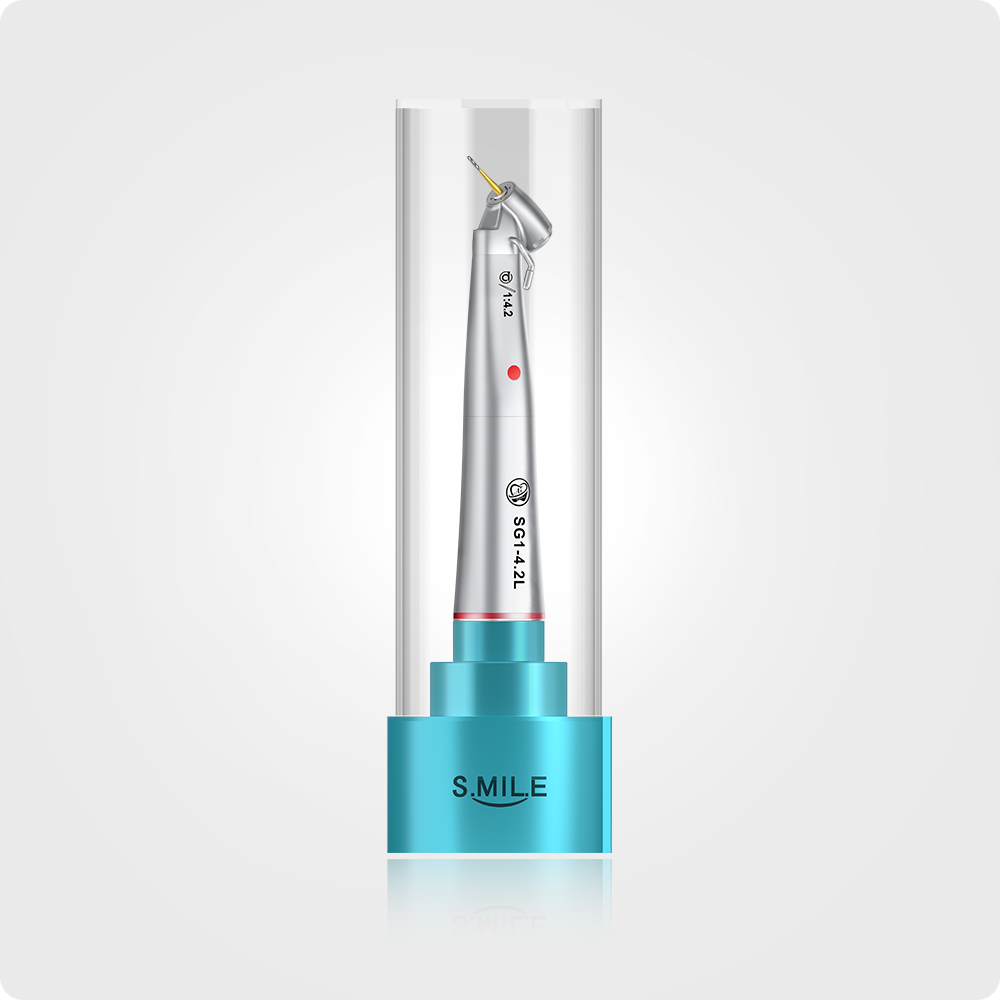
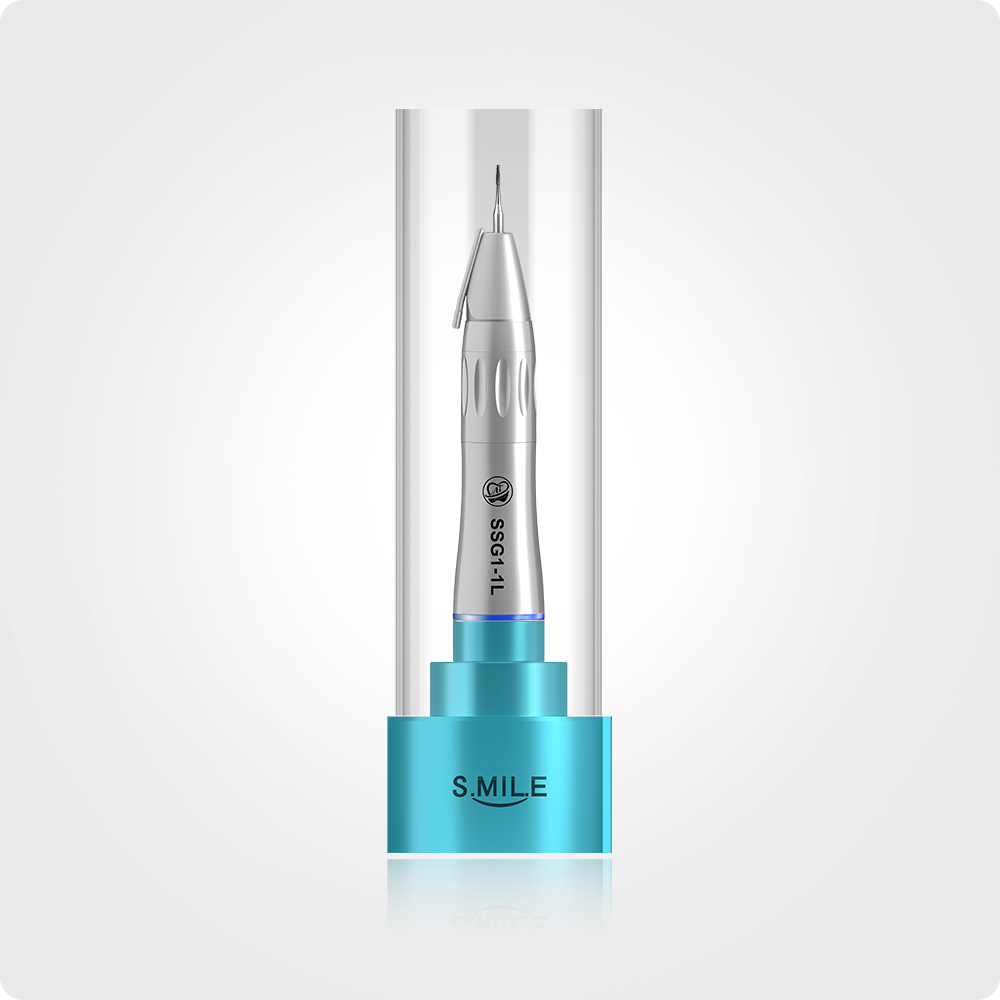
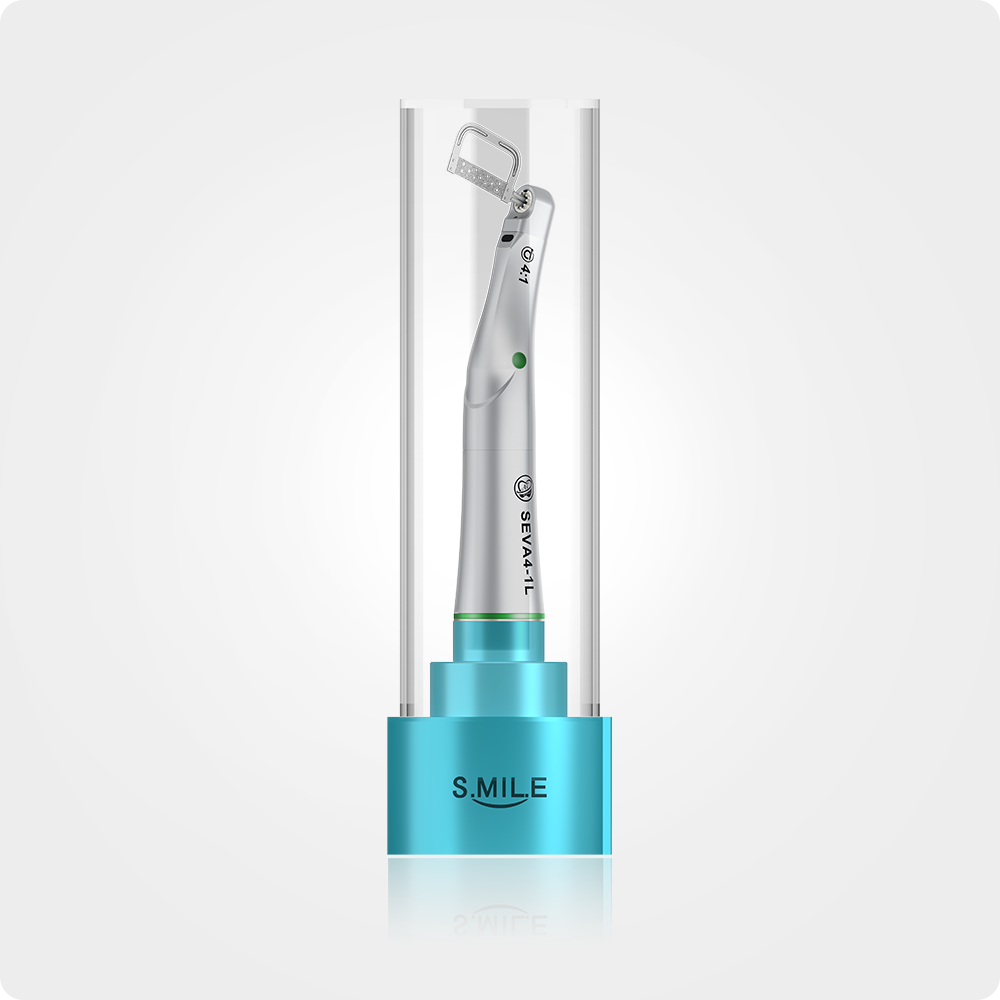
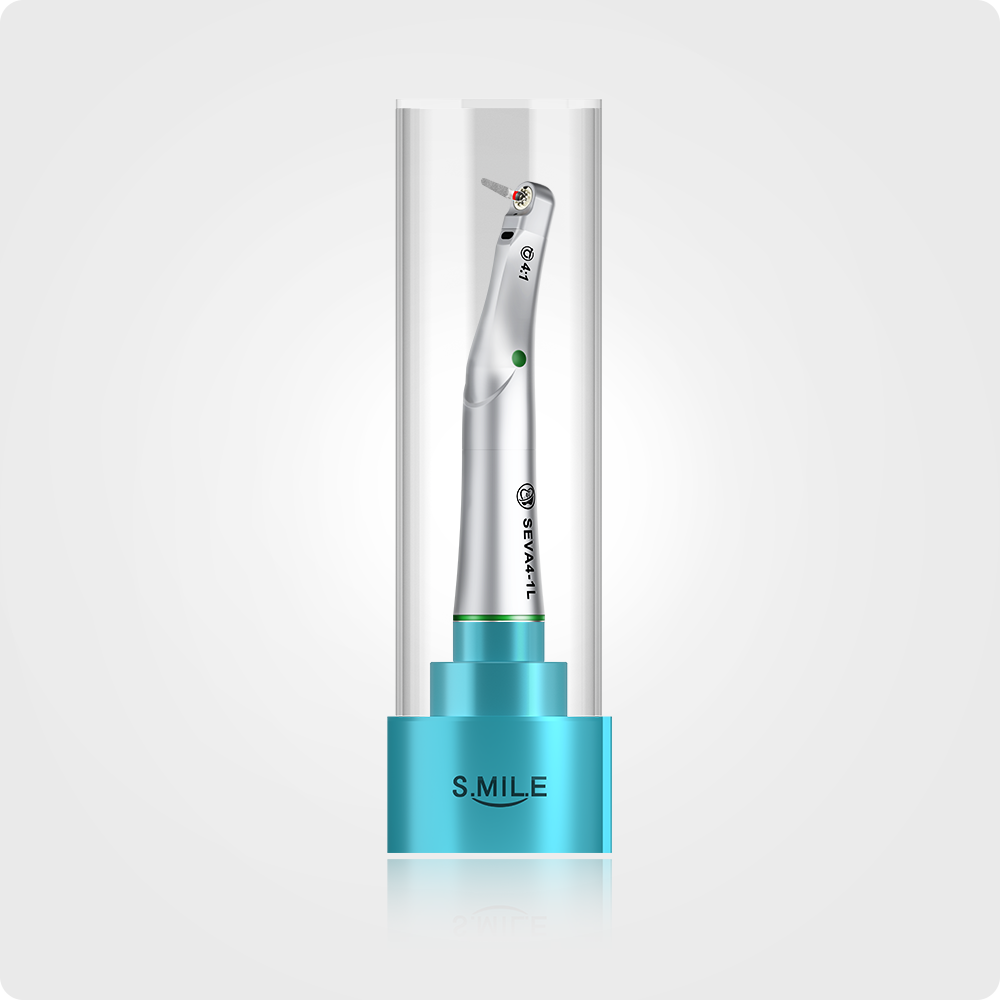
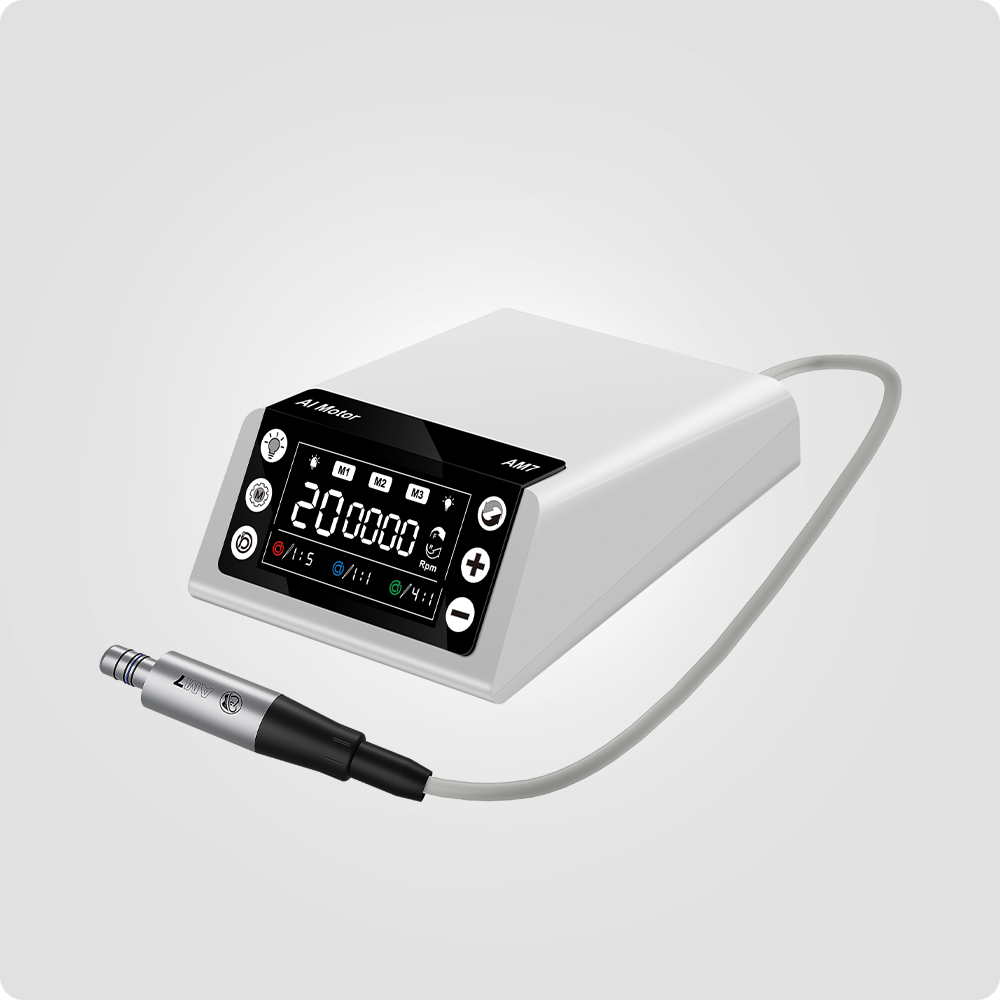
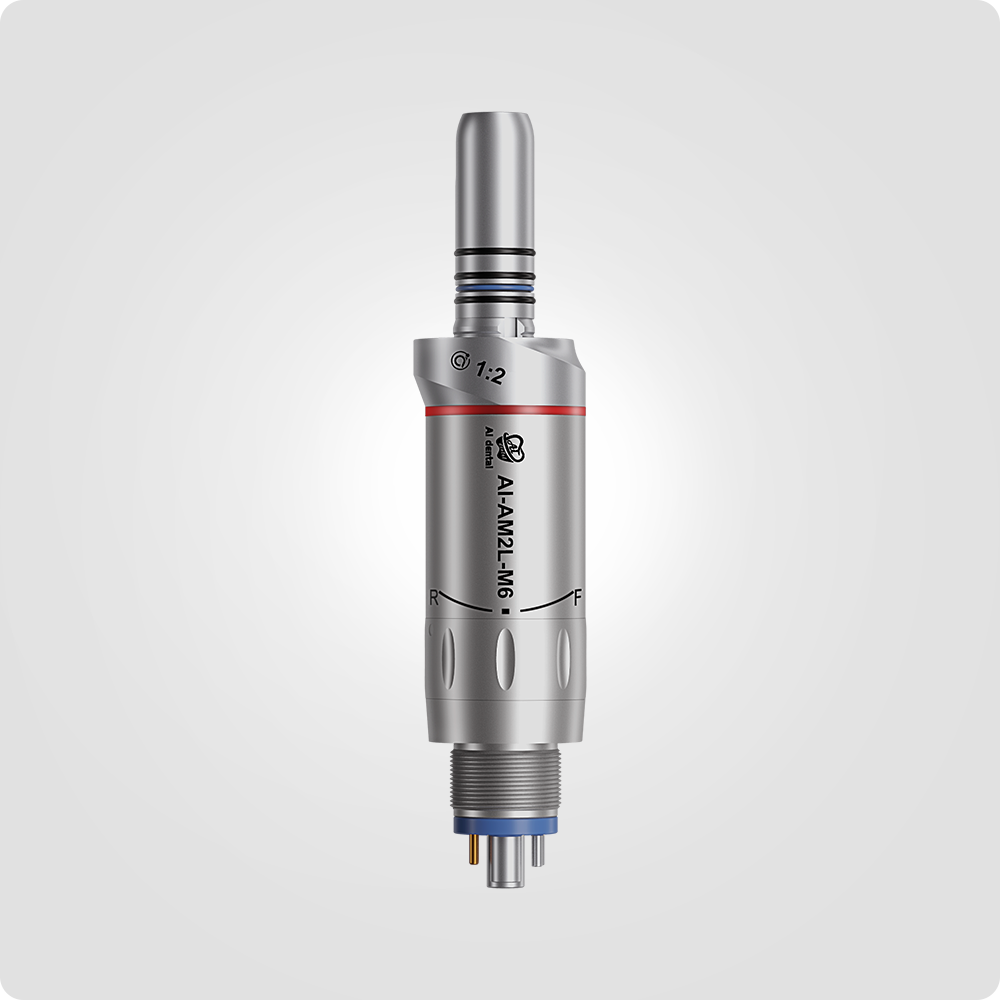
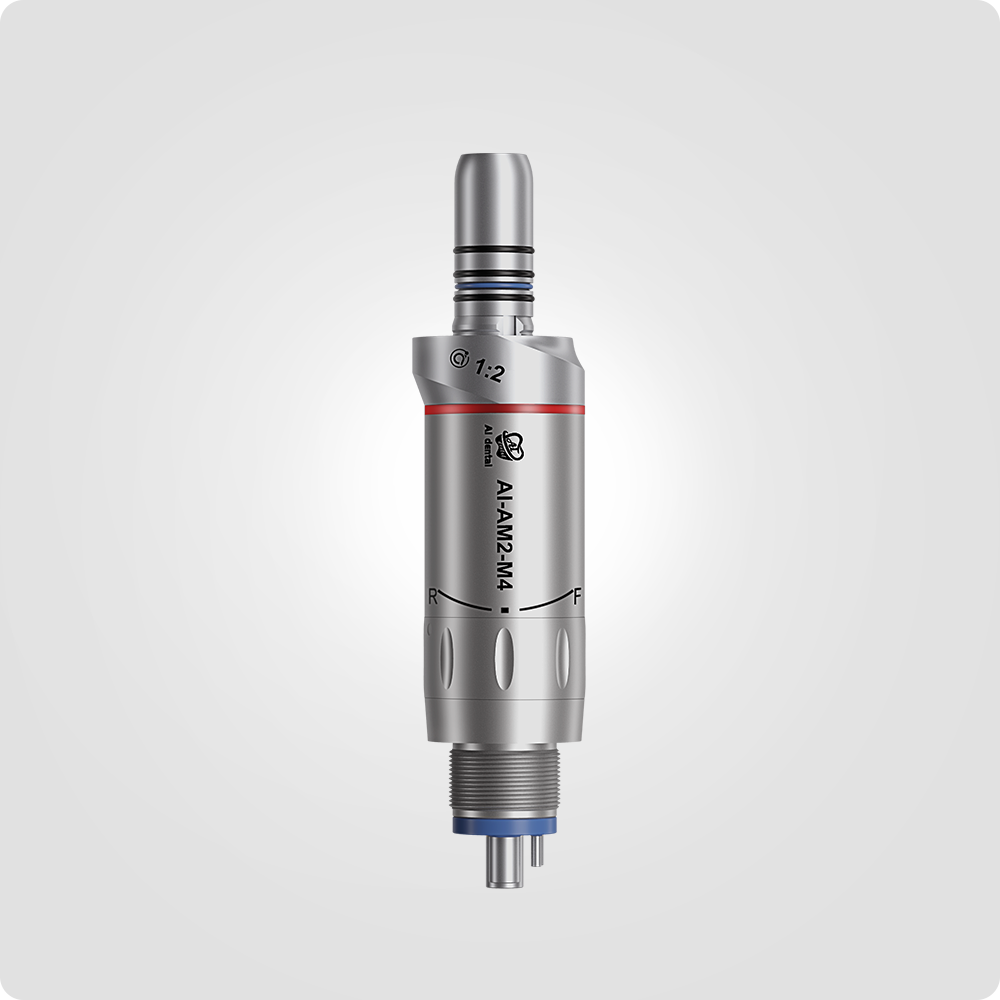
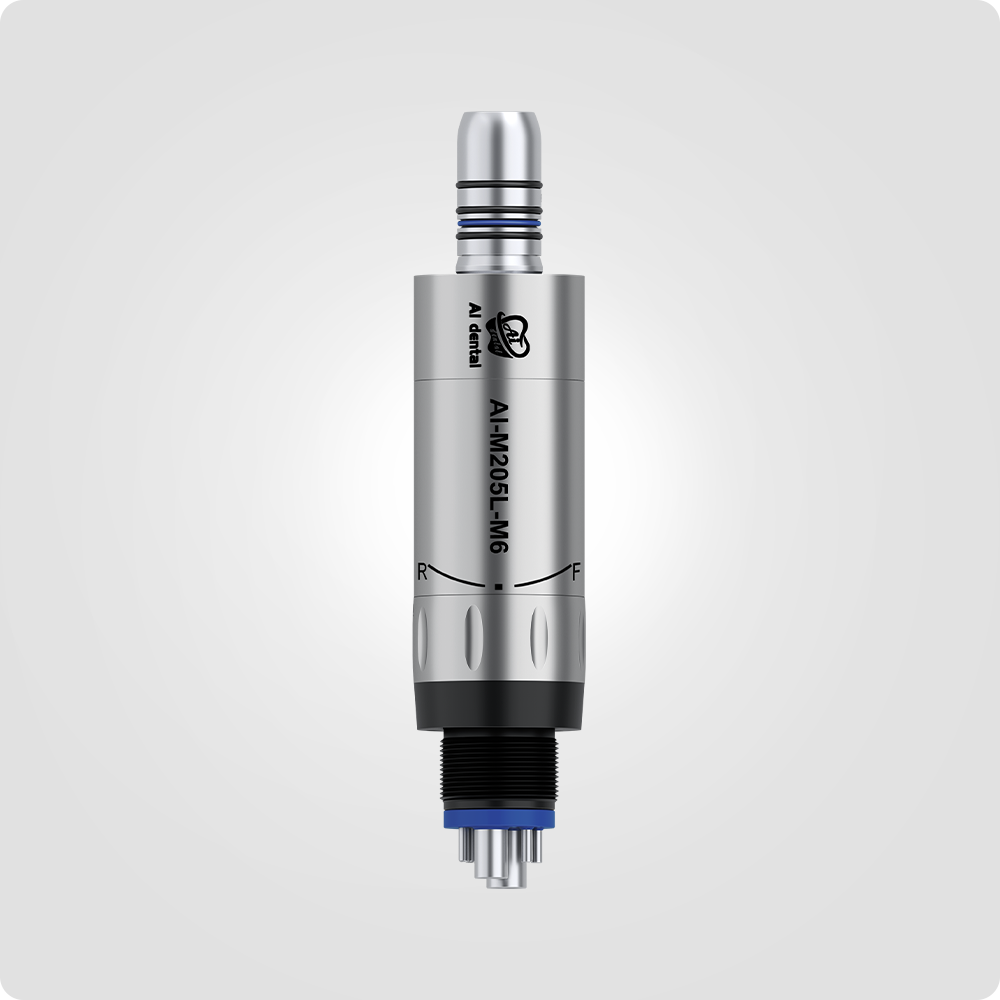
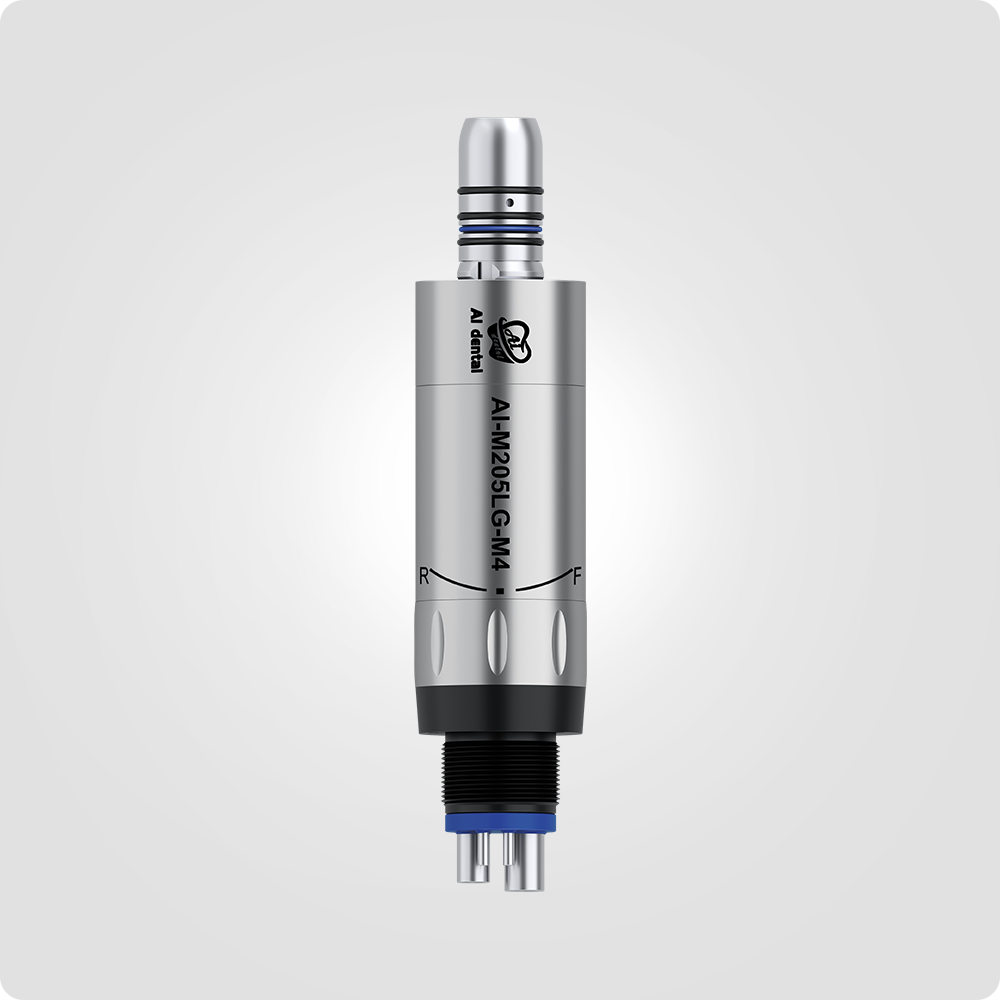
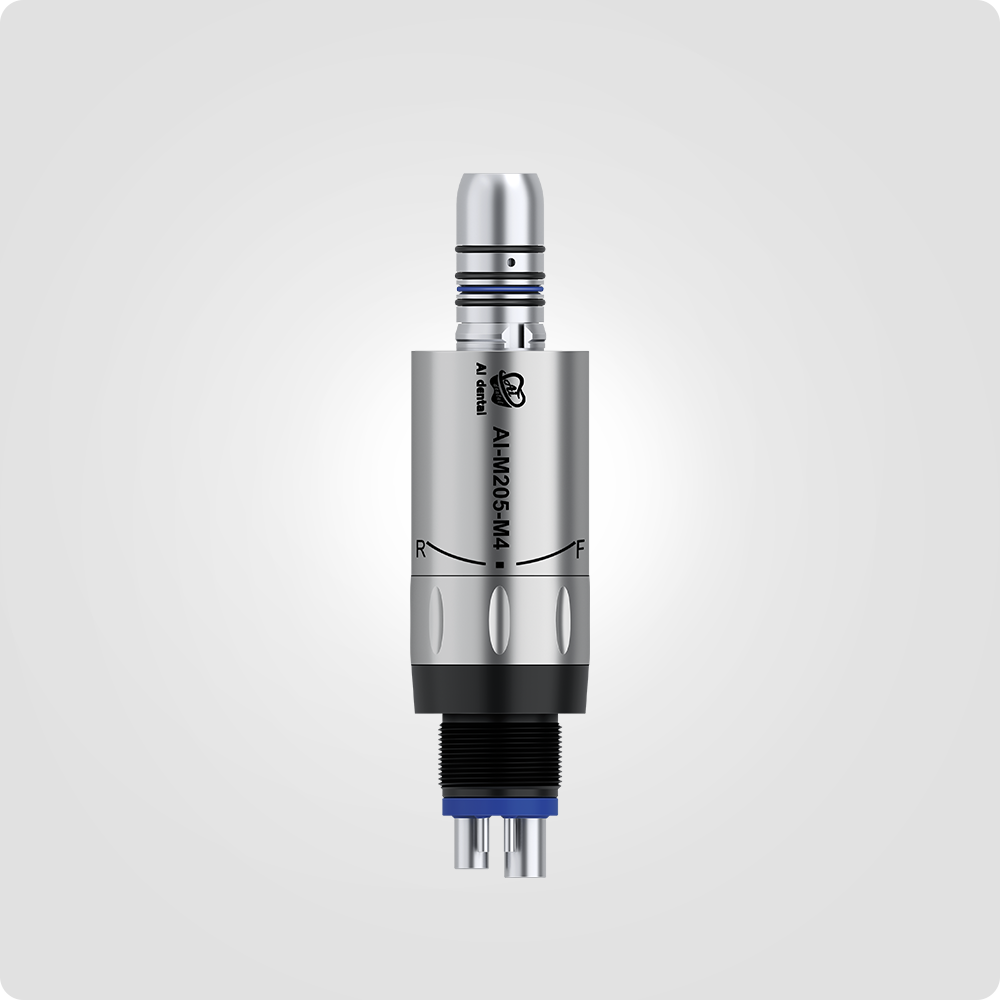
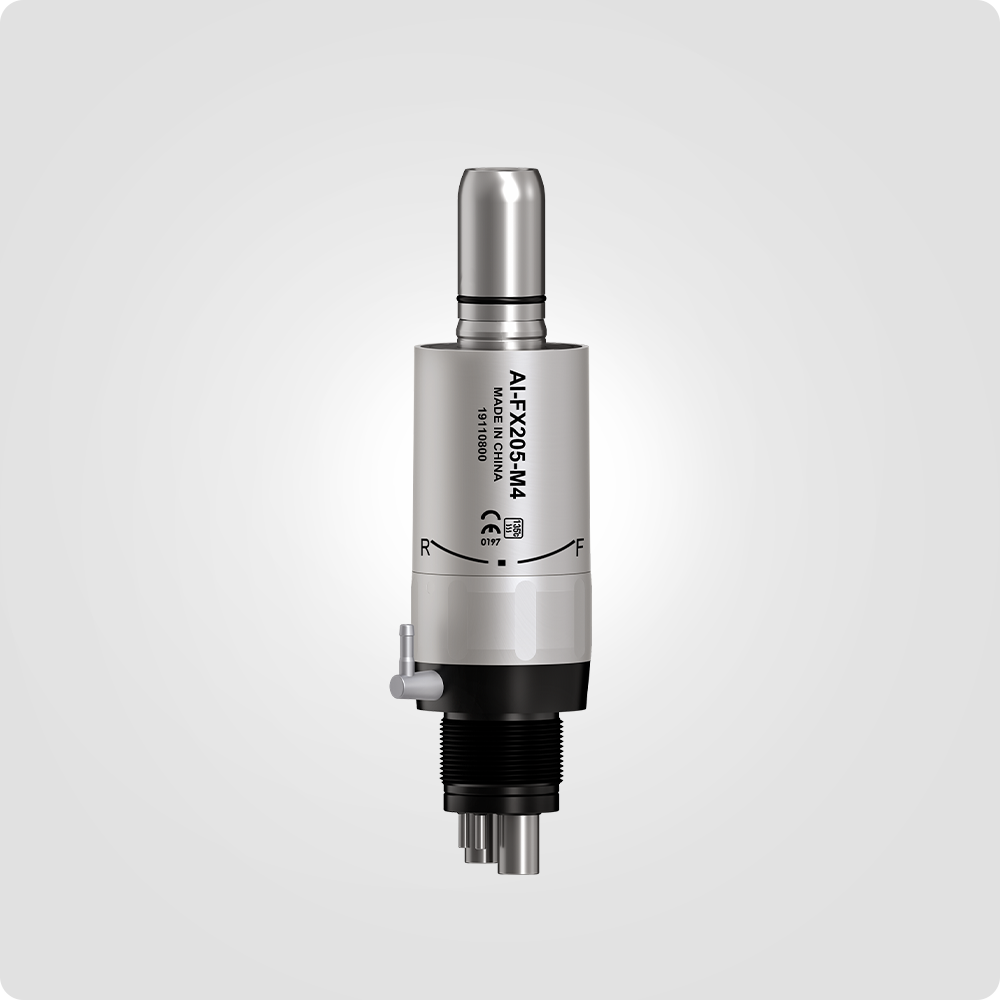
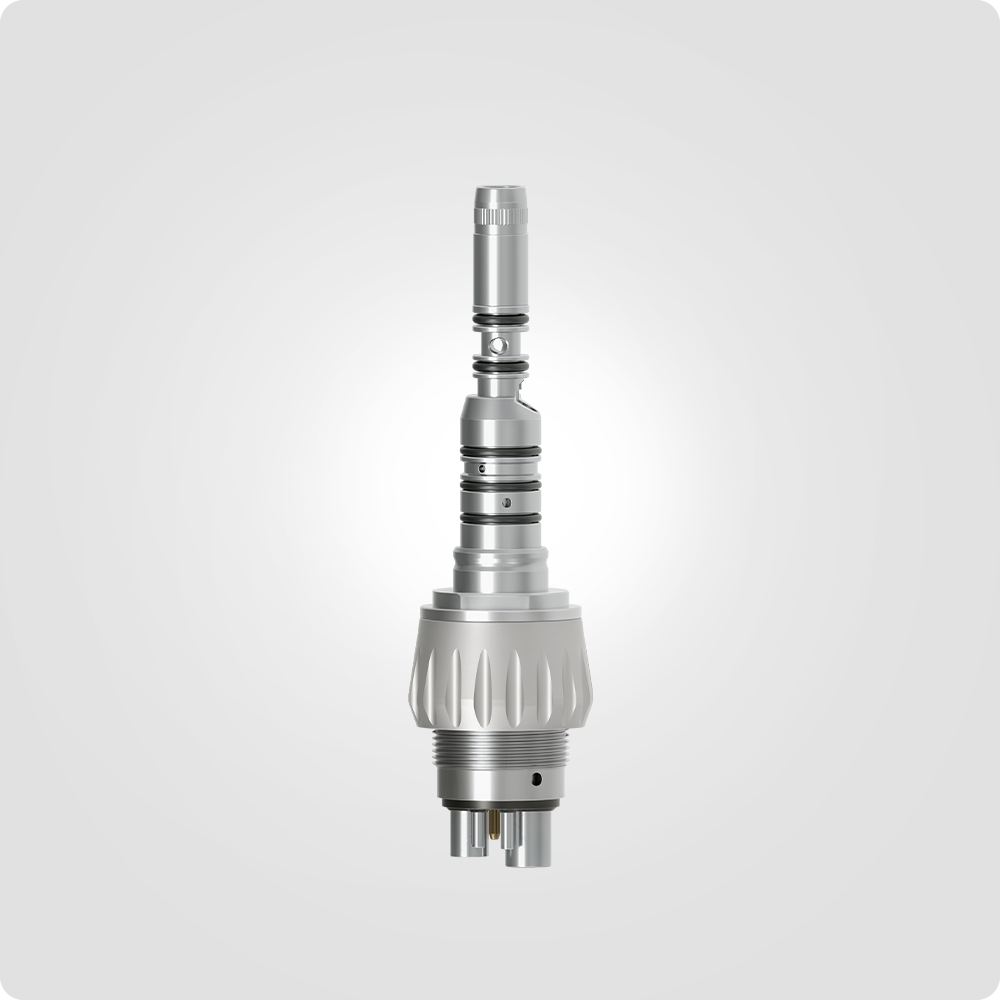
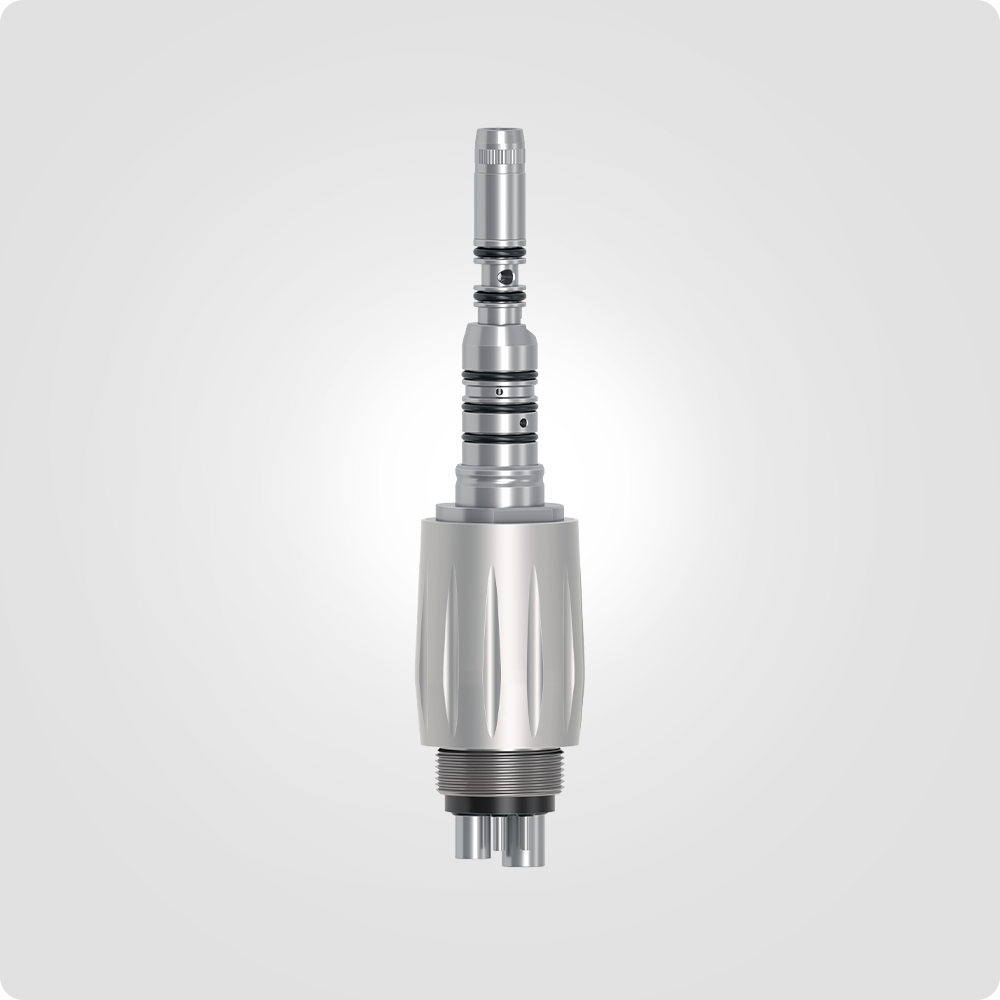
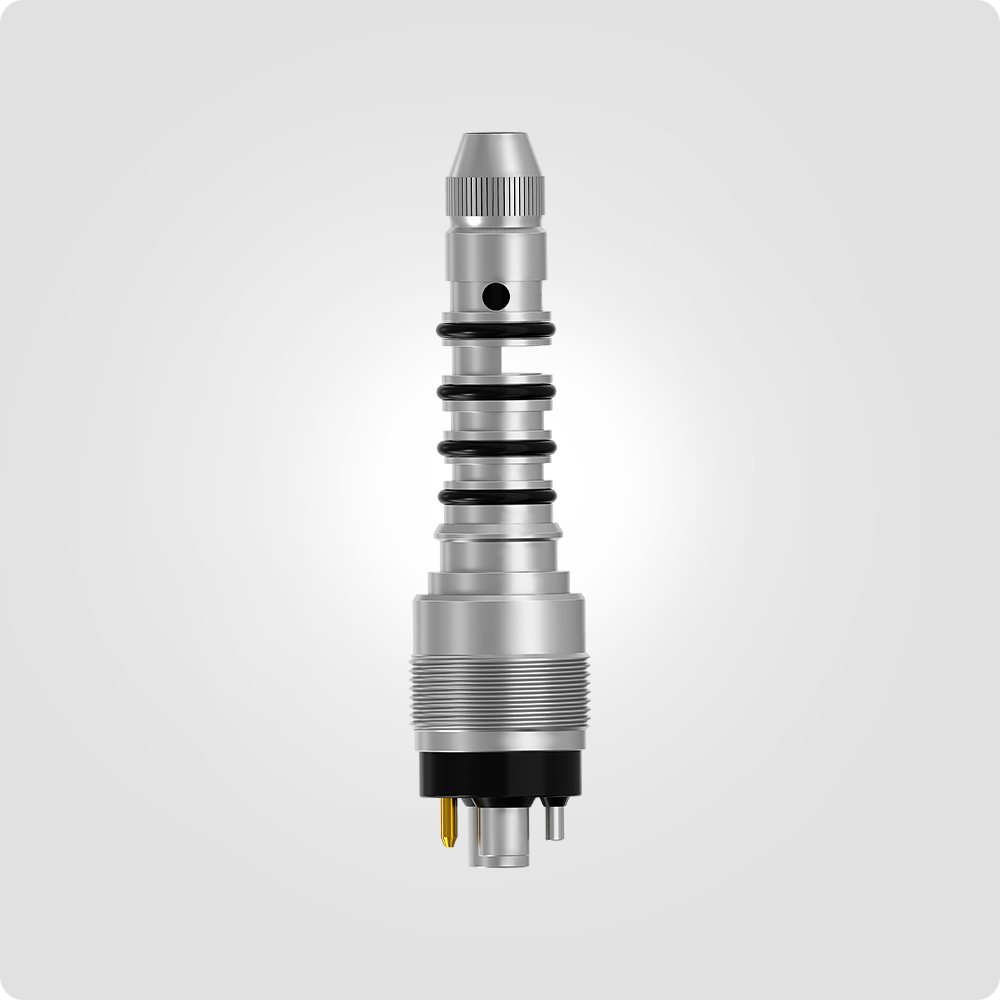
Electric micromotors are advanced dental instruments that utilize electric power to rotate dental handpieces. Unlike traditional air-driven handpieces, electric micromotors offer superior torque and speed control, allowing for more precise movements during dental procedures. These devices are typically lightweight, ergonomic, and designed for easy use, making them perfect for both general practitioners and specialists.
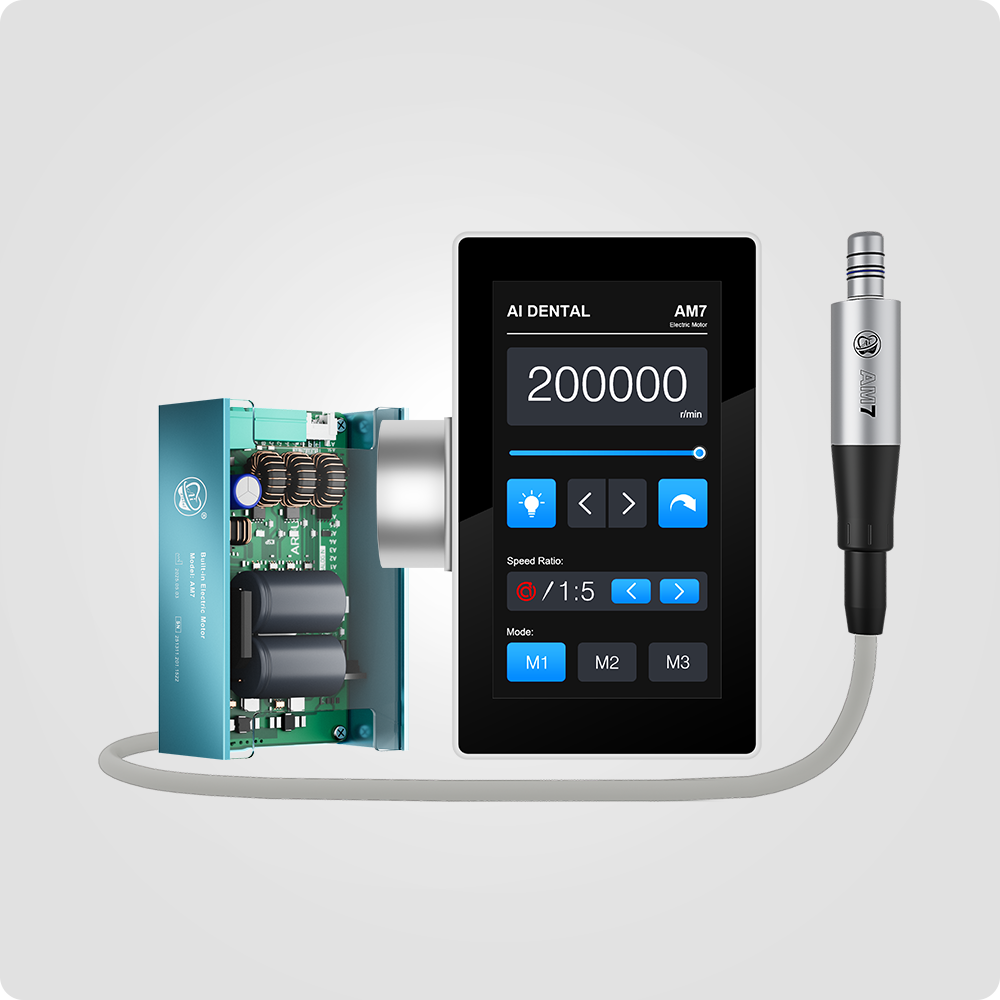
The technology behind electric micromotors involves sophisticated engineering that includes features such as adjustable speed settings, automatic torque control, and high RPM capabilities. This level of sophistication ensures that dental professionals can tailor their techniques to suit specific procedures and patient needs.
3. Key Benefits of Electric Micromotors in Dental Procedures
3.1 Precision and Control
One of the most significant advantages of electric micromotors is their ability to provide **enhanced precision** and control. The adjustable speed settings allow dentists to execute intricate tasks with greater accuracy. This precision is particularly beneficial in procedures such as root canal treatments, where every movement counts.
Electric micromotors allow for a consistent torque output, which minimizes the risk of instrument breakage and ensures that the dentist can maintain a steady hand, even during complex procedures. This level of control translates into better outcomes for patients and a reduced likelihood of complications.
3.2 Reduced Procedure Time
Electric micromotors can significantly **reduce procedure time** due to their efficiency and speed. Traditional air-driven handpieces often require frequent pauses for cooling and maintenance. In contrast, electric micromotors operate at optimal performance without these interruptions.
By streamlining the workflow and allowing for faster cutting and shaping of dental materials, these devices enable dentists to complete procedures in a shorter amount of time. This increase in efficiency not only benefits the dental practice’s productivity but also enhances the overall patient experience by reducing chair time.
3.3 Improved Patient Comfort
Patient comfort is a top priority in dental care, and electric micromotors play a significant role in enhancing this aspect. The reduced vibration and noise levels associated with electric micromotors create a more pleasant environment for patients.
Additionally, the precision and control offered by these devices minimize discomfort during procedures. Dentists can perform tasks with less aggressive manipulation, leading to a gentler experience for the patient. This improvement in patient comfort can result in increased patient satisfaction and loyalty.
3.4 Versatility in Applications
Electric micromotors are incredibly versatile and can be utilized for a wide range of dental applications. From endodontics to prosthodontics, these devices are adaptable to various procedures. The ability to change handpieces and attachments means that dentists can use electric micromotors for tasks such as:
- Tooth preparation
- Restoration placement
- Endodontic cleaning and shaping
- Orthodontic adjustments
This versatility enhances the overall efficiency of dental practices, allowing practitioners to address diverse patient needs with a single device.
4. Applications of Electric Micromotors in Dentistry
4.1 Endodontics
In the realm of **endodontics**, electric micromotors are invaluable for root canal treatments. Their ability to provide consistent torque and speed ensures effective cleaning and shaping of the root canal system. This precision reduces the risk of procedural errors and improves the overall success rates of root canal therapies.
4.2 Prosthodontics
When it comes to **prosthodontics**, electric micromotors facilitate the preparation of teeth for crowns, bridges, and other restorations. Their speed and precision allow for optimal material shaping and bonding, enhancing the durability and aesthetic of dental prostheses.
4.3 Orthodontics
In **orthodontics**, electric micromotors aid in the adjustment of braces and other orthodontic appliances. The versatility of these devices allows orthodontists to make quick adjustments, ultimately leading to more efficient treatment timelines and better patient outcomes.
5. Comparison to Air-Driven Motors
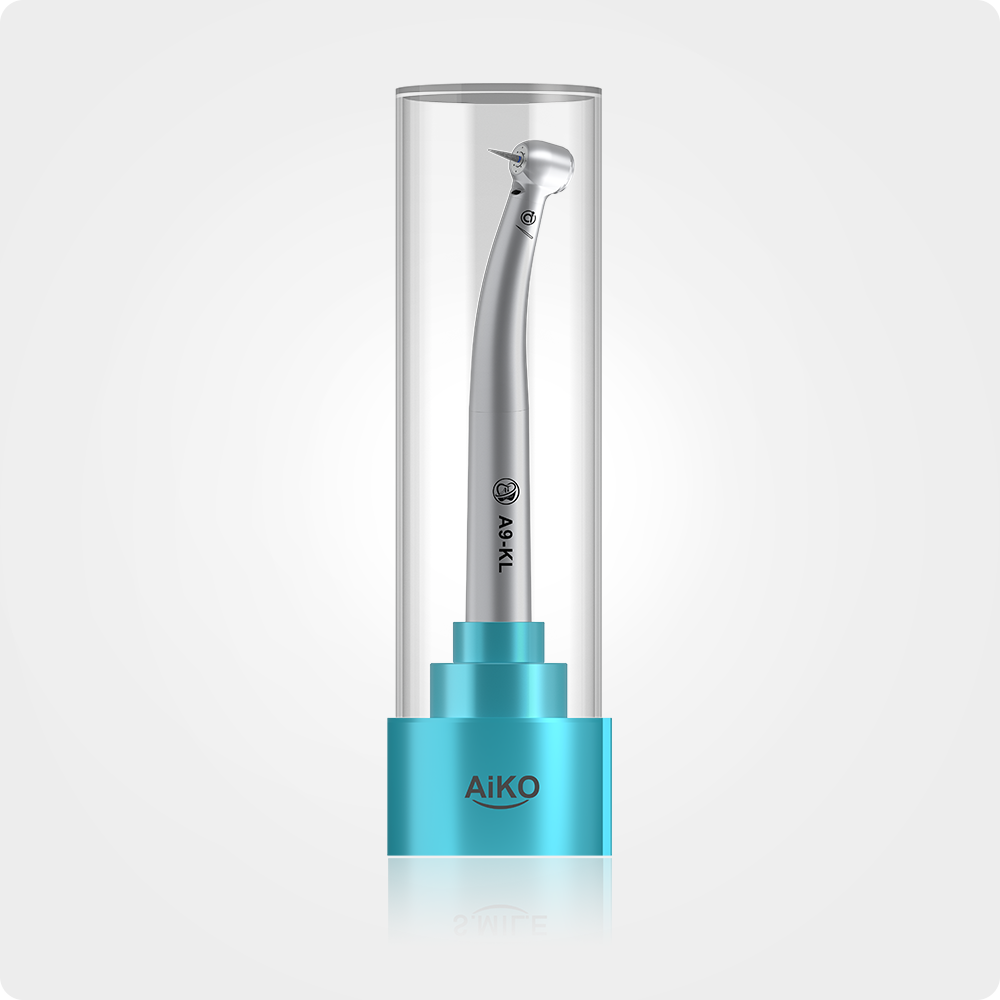
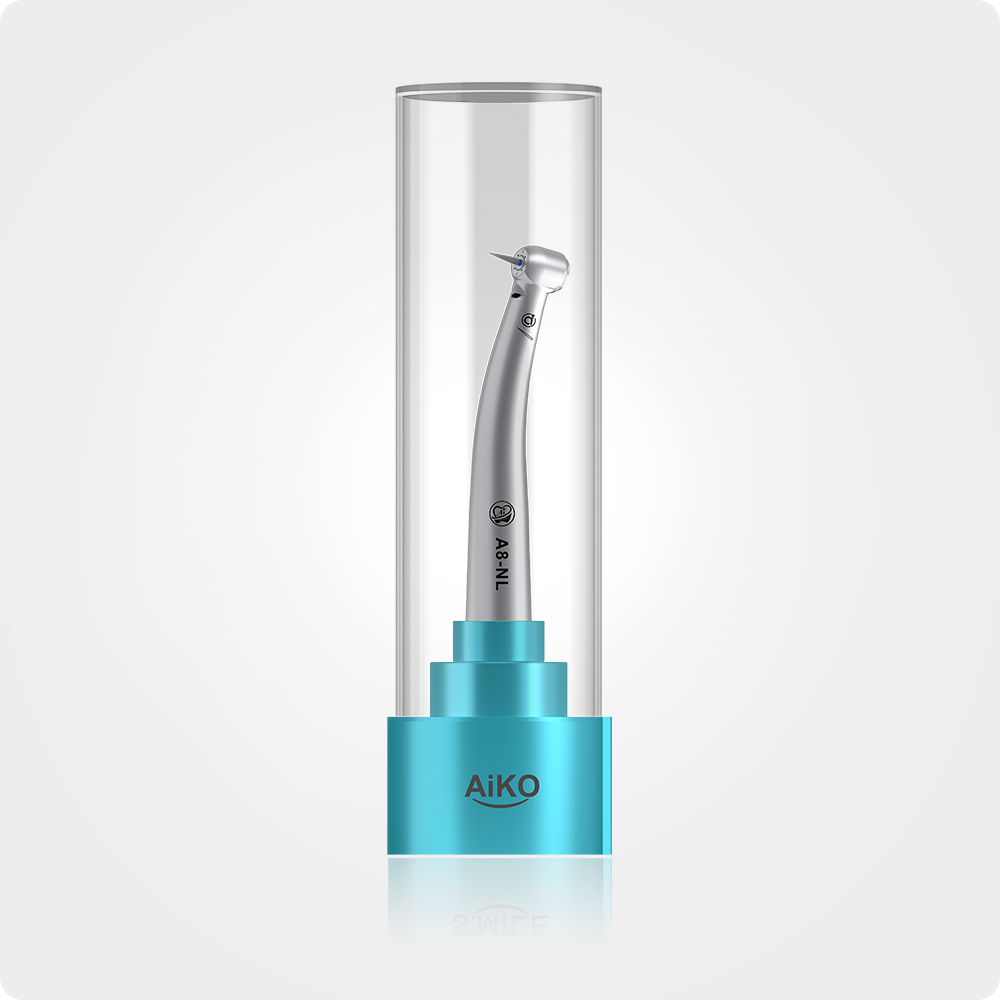
When comparing electric micromotors to traditional air-driven motors, several key differences emerge. Electric micromotors are generally quieter and produce less vibration, providing a smoother experience for both the dentist and the patient. They also offer superior torque control, making them more effective for certain procedures.
Air-driven motors, while still widely used, often lack the precision and efficiency that electric micromotors provide. Additionally, electric micromotors eliminate the need for a compressed air supply, simplifying the setup and maintenance of dental equipment.
6. The Future of Electric Micromotors in Dentistry
As technology continues to advance, the future of electric micromotors in dentistry looks promising. Innovations such as enhanced battery life, wireless options, and improved ergonomic designs are on the horizon. These developments will likely make electric micromotors even more efficient and user-friendly.
Furthermore, integrating digital technologies with electric micromotors can enhance their functionality. For instance, incorporating sensor technology could allow for real-time feedback on torque and speed, further improving the precision of dental procedures.
7. Frequently Asked Questions
1. What are electric micromotors used for in dentistry?
Electric micromotors are used for various dental procedures, including tooth preparation, root canal treatment, and orthodontic adjustments. Their precision and efficiency make them suitable for a wide range of applications.
2. How do electric micromotors compare to air-driven handpieces?
Electric micromotors offer superior torque control, reduced noise, and less vibration compared to air-driven handpieces. They also tend to provide more consistent performance.
3. Are electric micromotors more expensive than traditional handpieces?
While electric micromotors may have a higher initial cost, their efficiency and reduced maintenance can lead to long-term savings for dental practices.
4. Can electric micromotors be used for all types of dental procedures?
Electric micromotors are versatile and can be used for many dental procedures, but some specialized tasks may still require traditional equipment.
5. What should I consider when choosing an electric micromotor?
When selecting an electric micromotor, consider factors such as speed range, torque options, weight, ergonomics, and available attachments for various dental applications.
8. Conclusion
Electric micromotors represent a significant advancement in dental technology, offering enhanced precision, reduced procedure times, and improved patient comfort. Their versatility and efficiency make them invaluable tools for modern dental practices. As technology continues to evolve, electric micromotors are set to play an even more crucial role in the future of dentistry, ensuring better outcomes for both practitioners and patients alike. Embracing this technology not only enhances the efficiency of dental procedures but also elevates the standard of care provided in dental practices.
Related News
AI DENTAL Highlights Day 1 at 2026 Rimini Dental Expo-High-Value Smile & AiKO Series
May 15,2026
Views ()
Focus On Dental Handpieces