



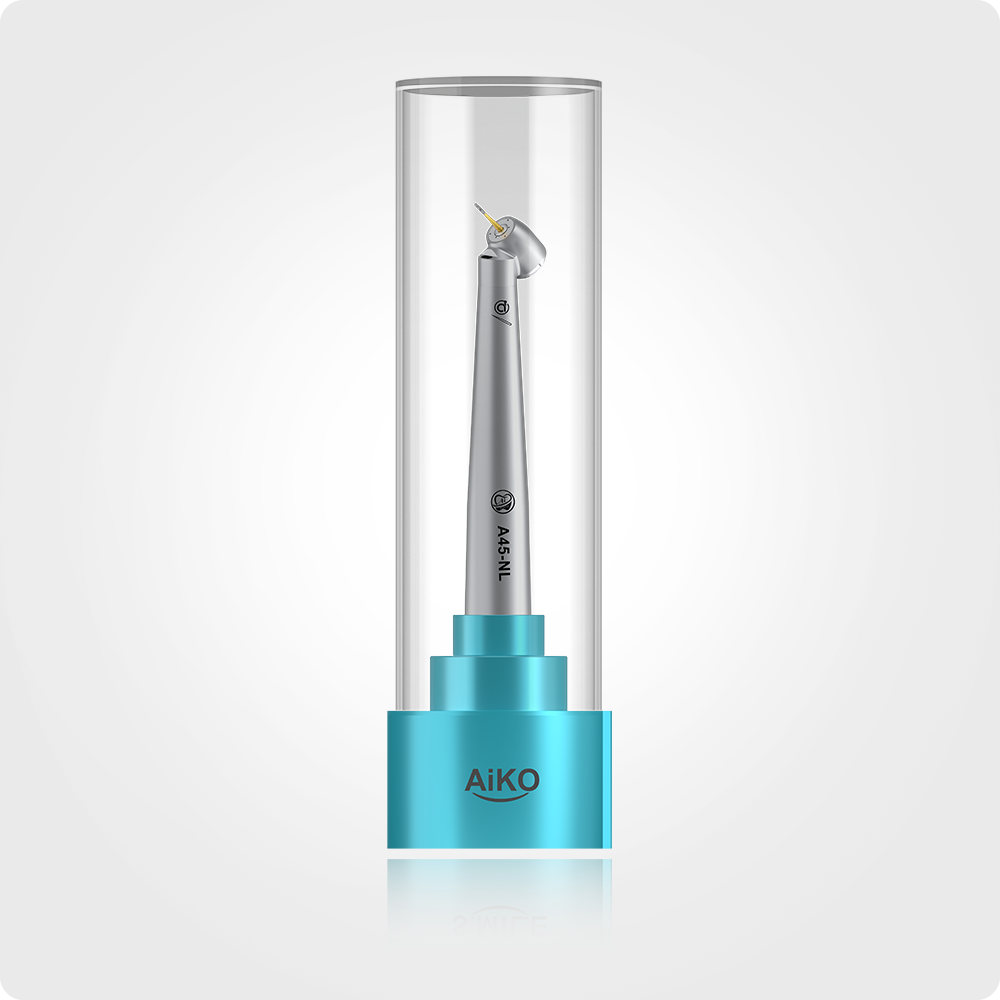
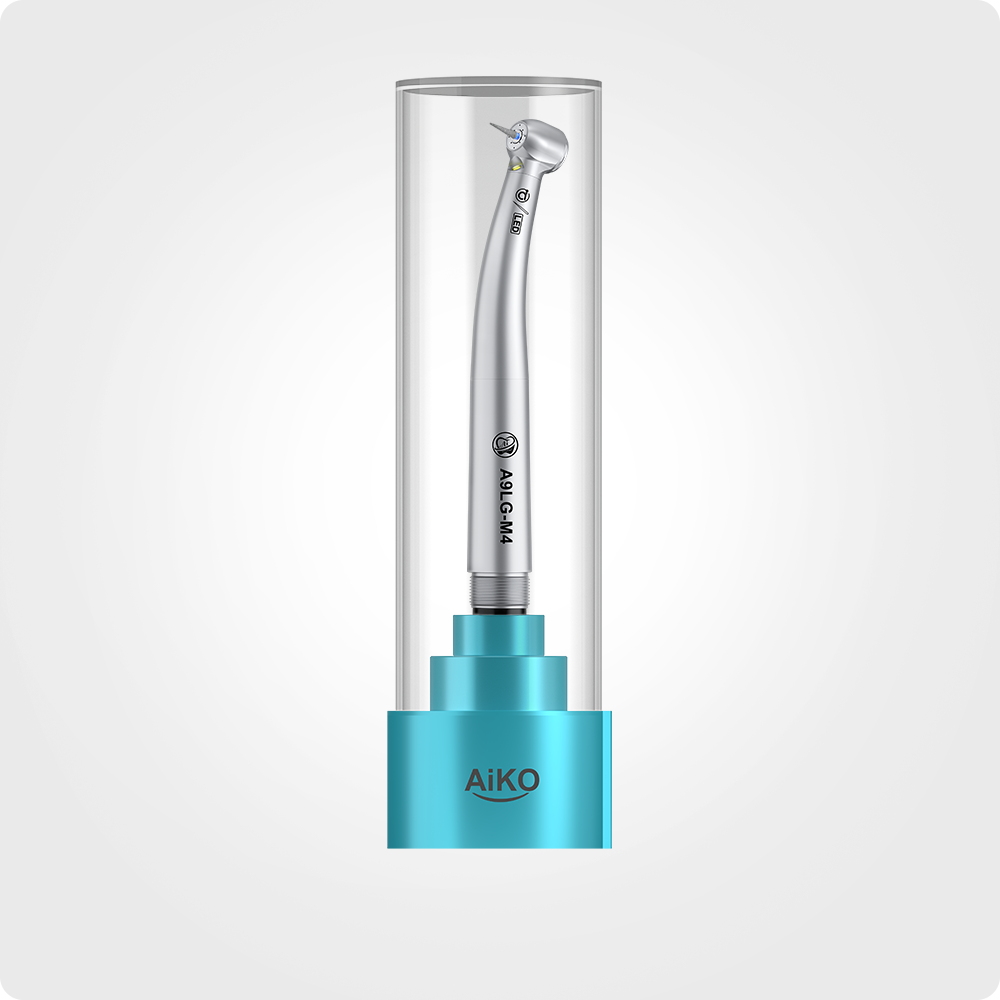
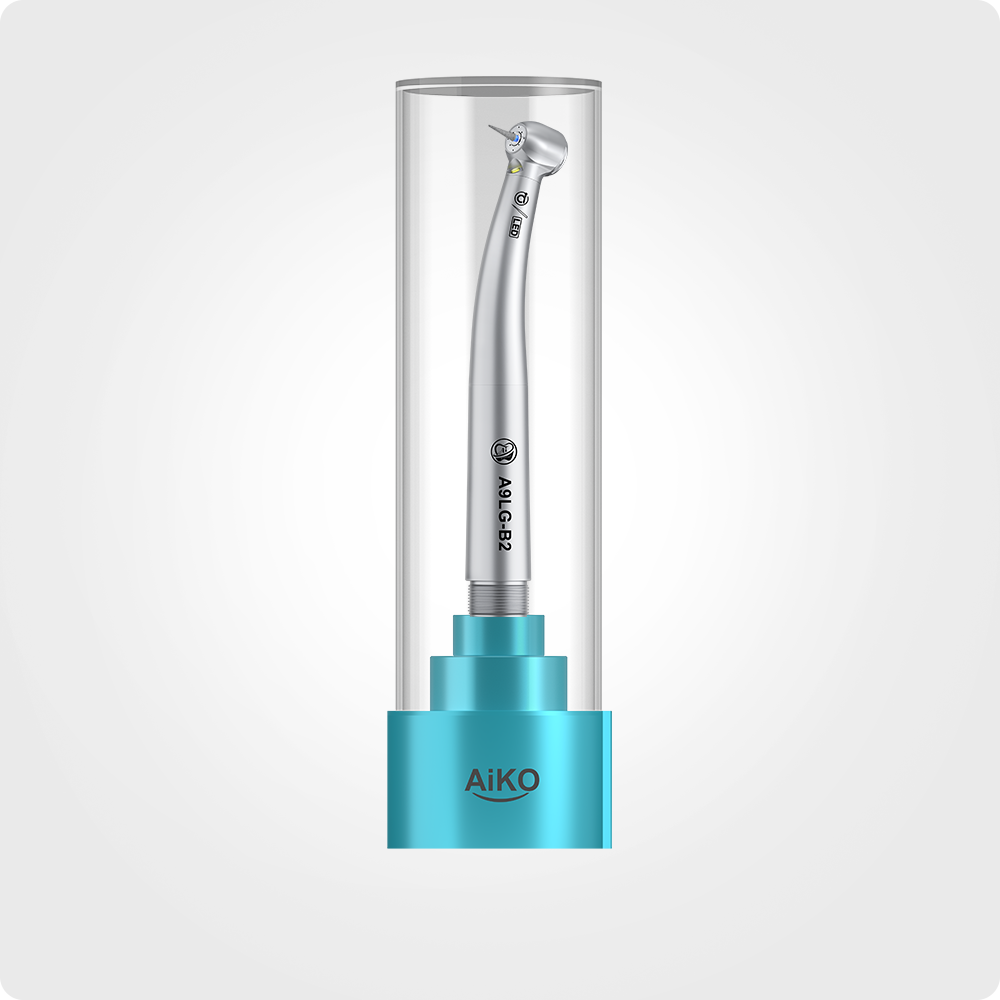
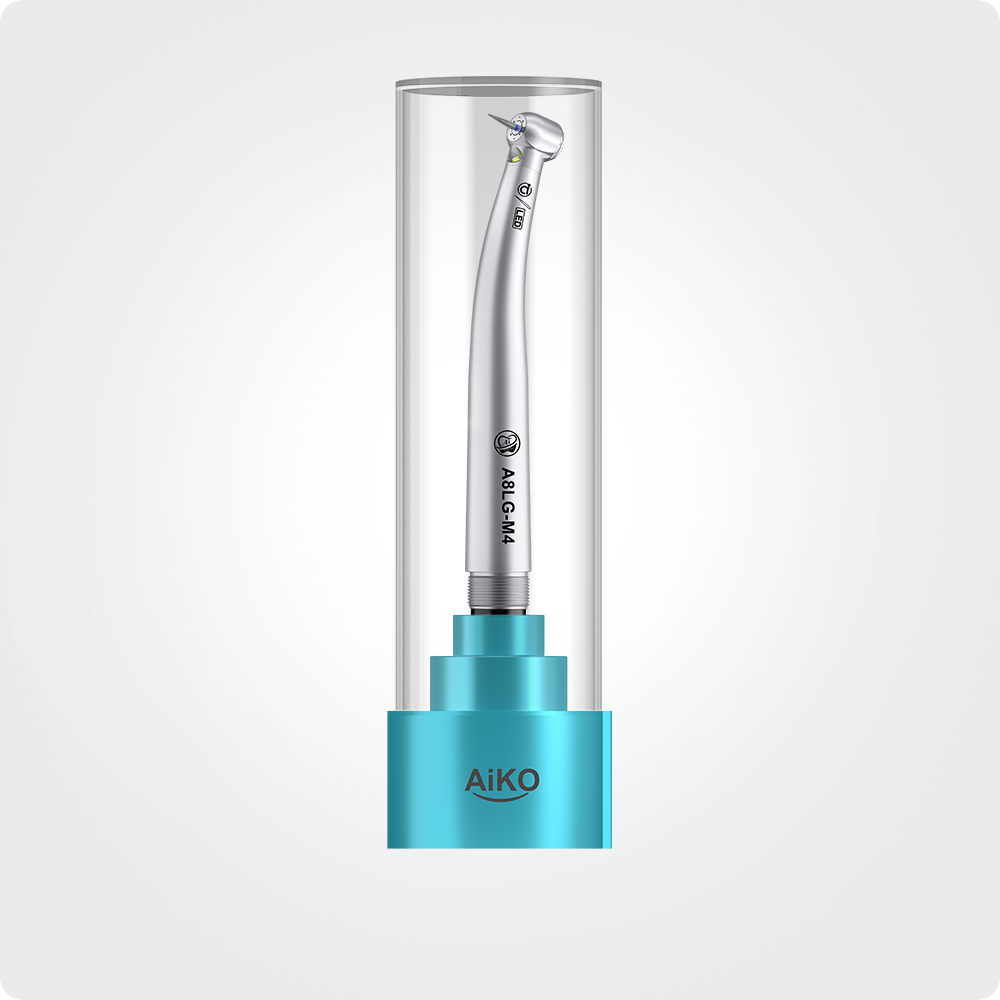

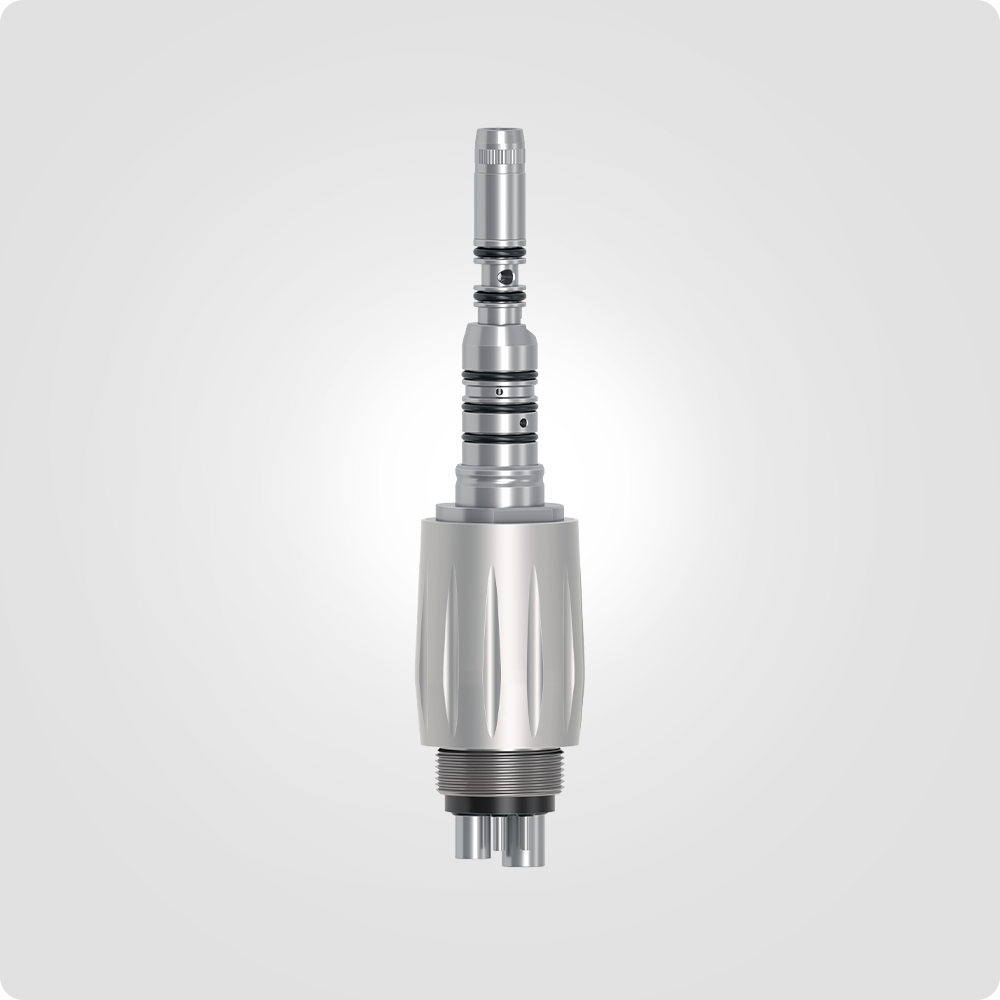
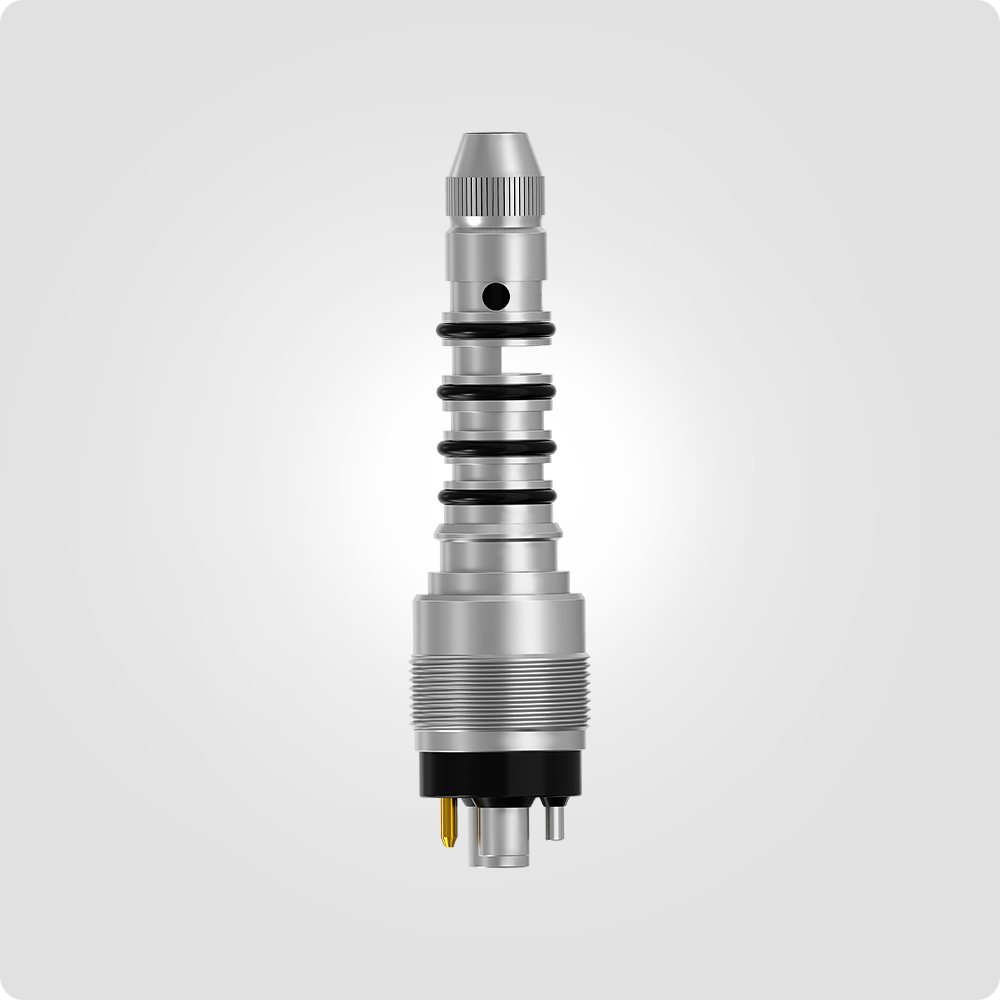








Comparing 1:5 Handpieces: What Sets Them Apart from Other Models?
Nov 14,2026

Understanding 1:5 Handpieces: A Comprehensive Guide
Table of Contents
- What is a 1:5 Handpiece?
- Key Features of 1:5 Handpieces
- Comparison with Other Handpieces
- Benefits of Using 1:5 Handpieces
- Application in Dental Practice
- Maintenance and Care
- Common Issues and Solutions
- Conclusion
- FAQs
What is a 1:5 Handpiece?
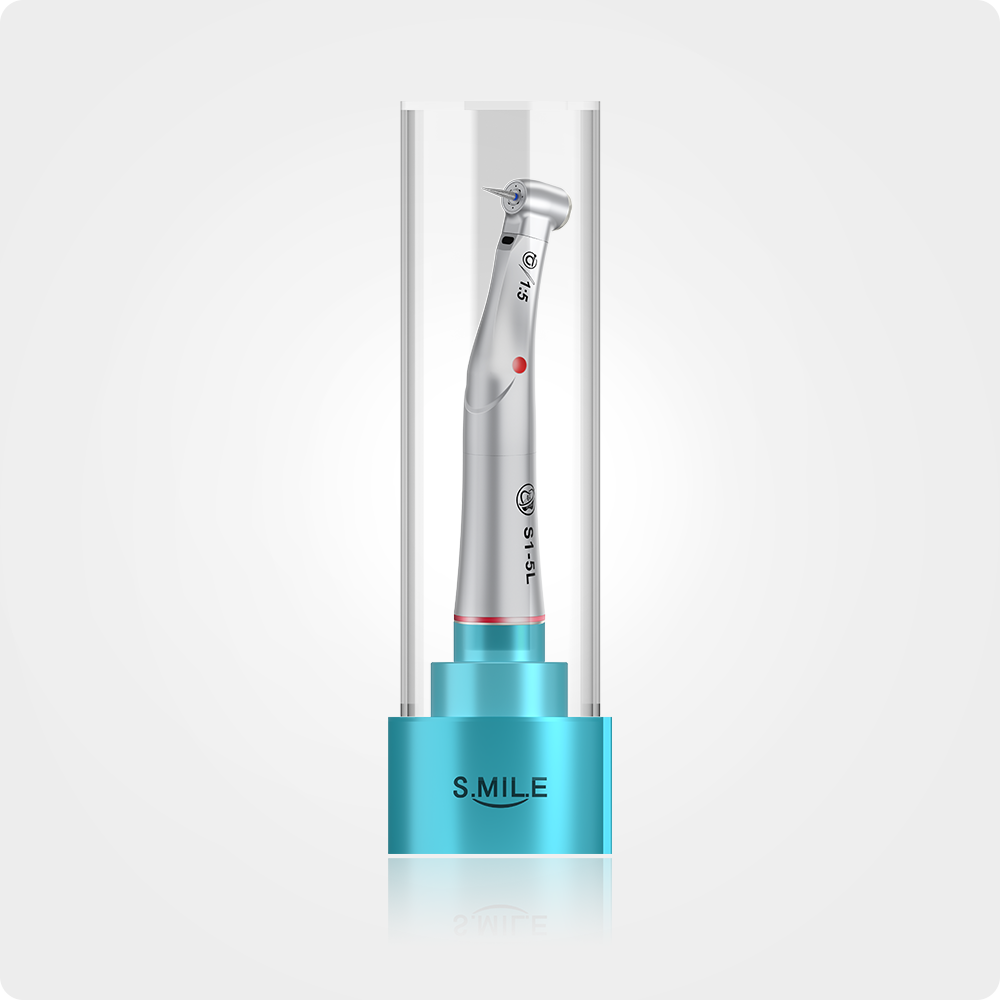
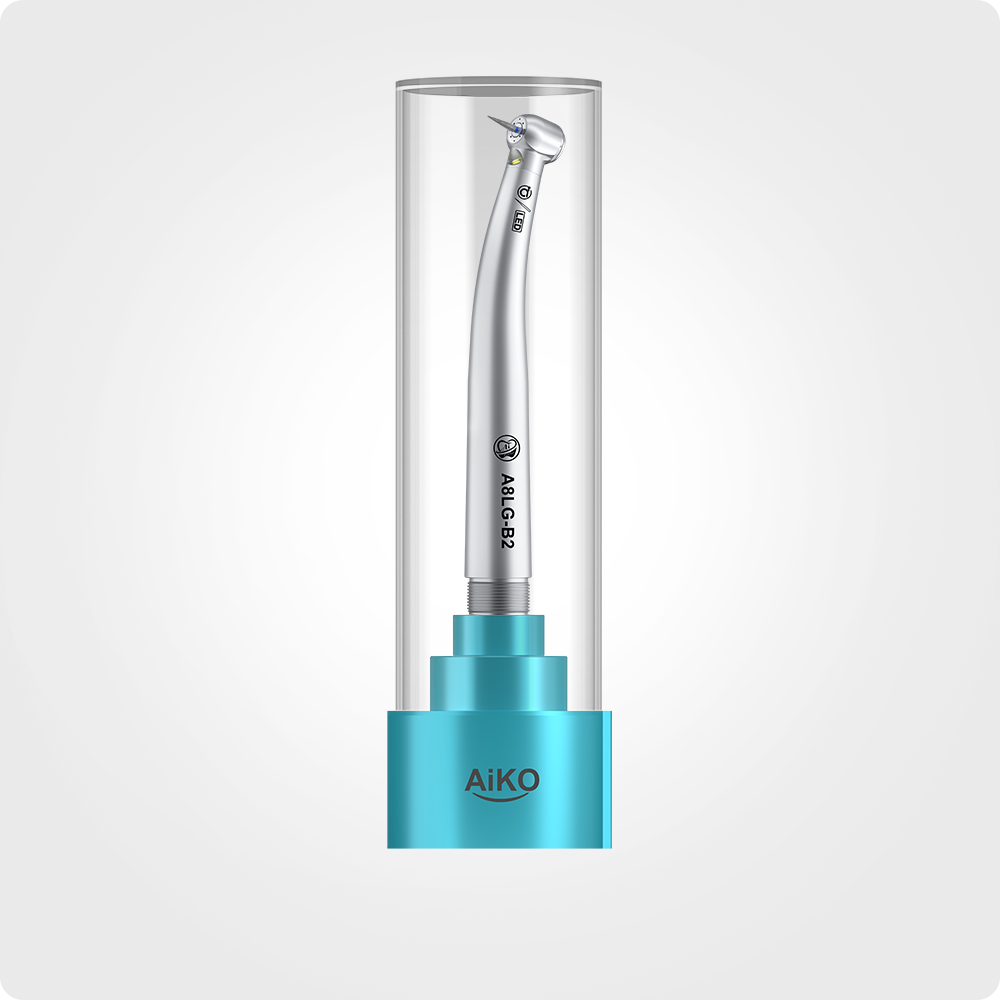
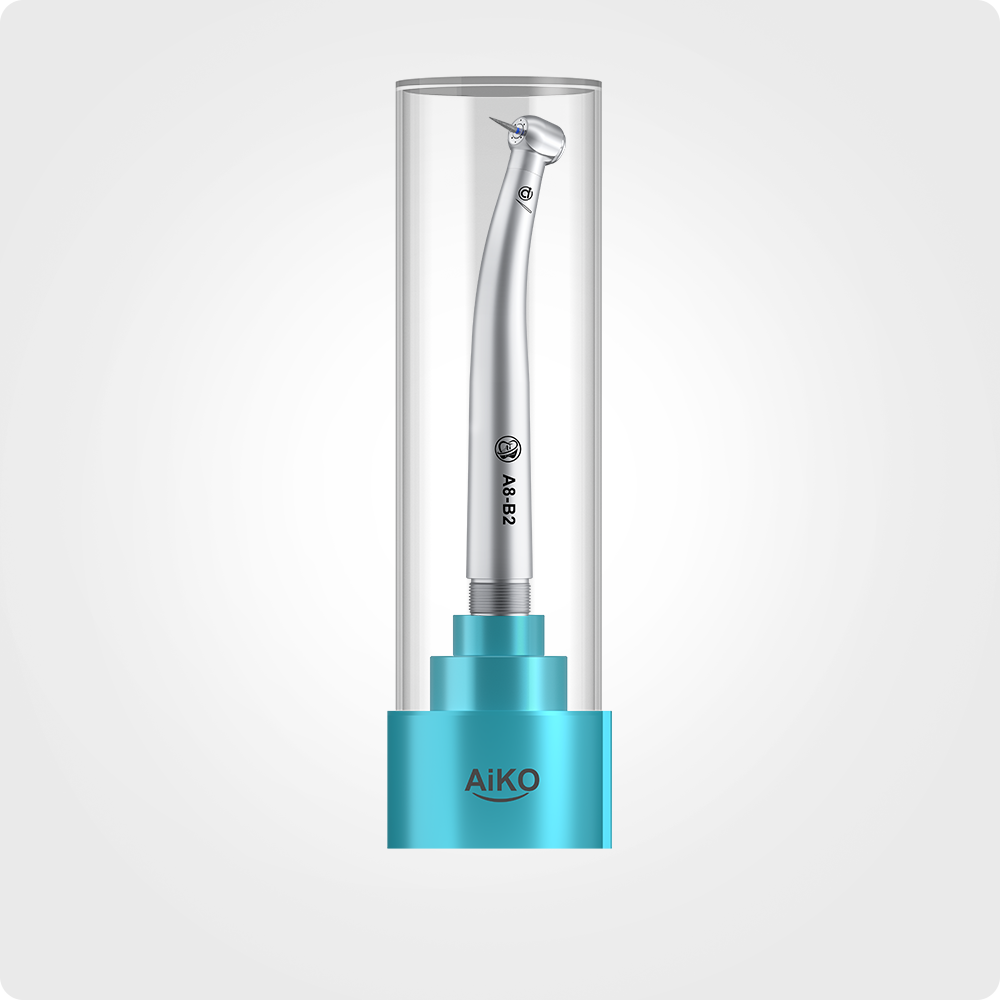
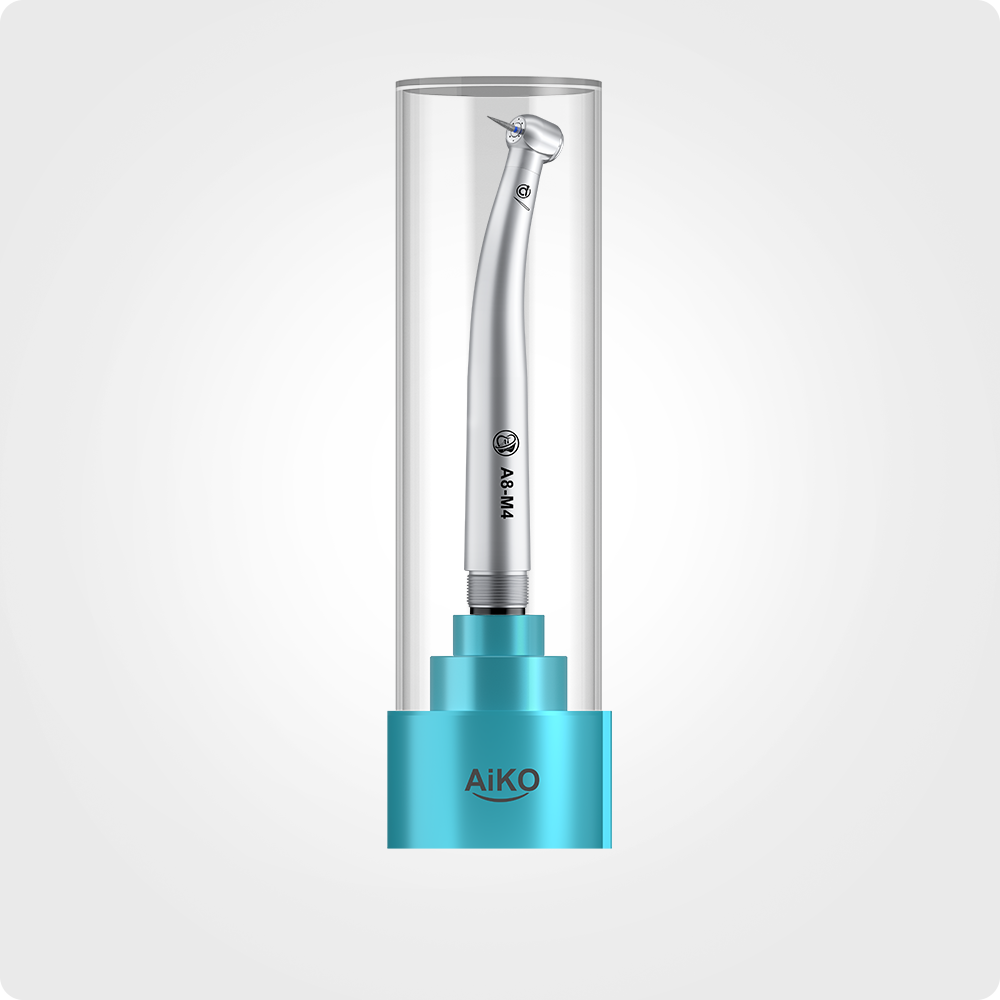
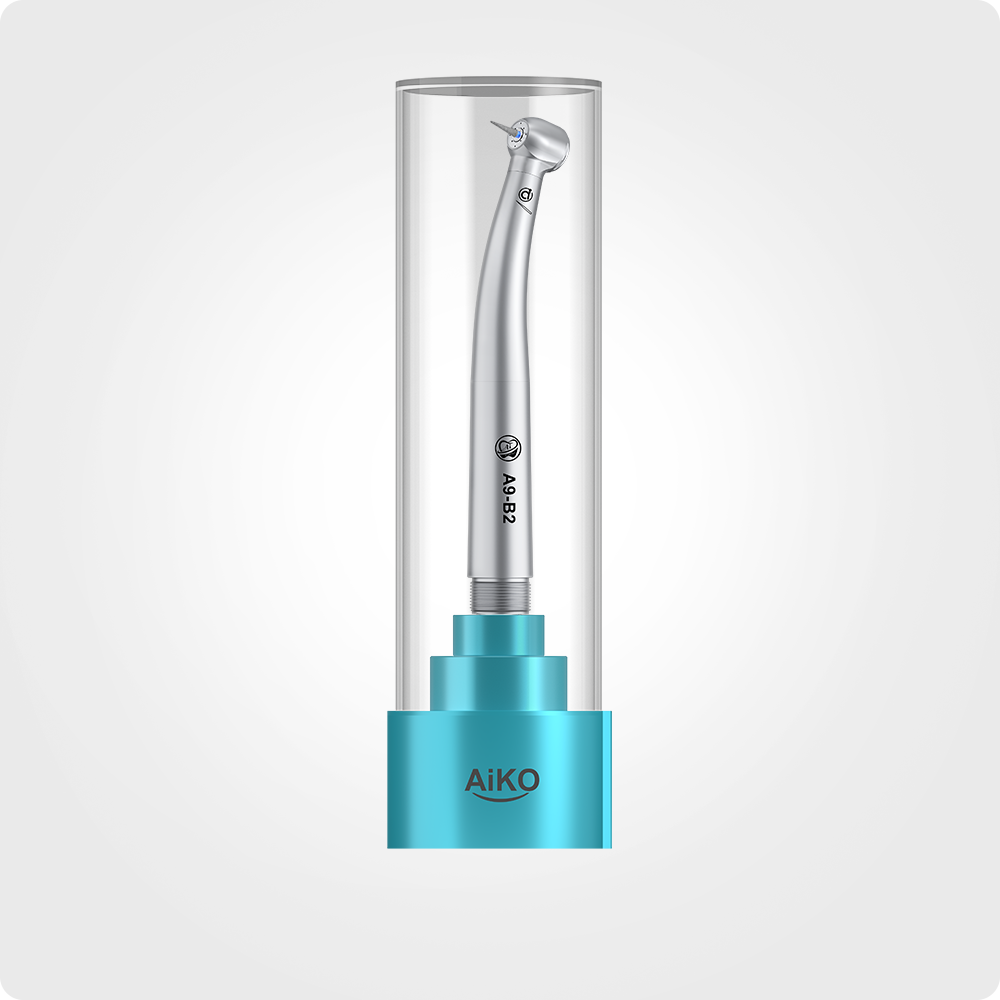
A 1:5 handpiece is a type of dental instrument known for its unique gear ratio. This means that for every five rotations of the handpiece head, the bur rotates once. This feature allows for enhanced precision and control during dental procedures. The **high-speed capabilities** of a 1:5 handpiece are particularly advantageous in various applications, making it a preferred choice among dental professionals.
Design and Functionality
The design of 1:5 handpieces is crafted to meet the rigorous demands of dental procedures. Typically, they are lightweight and ergonomically designed, ensuring comfort during prolonged use. The **internal mechanisms** are engineered to maximize efficiency while minimizing noise and vibration, which is crucial for patient comfort and procedural accuracy.
Key Features of 1:5 Handpieces
1:5 handpieces offer several defining features that contribute to their effectiveness:
1. Precision Engineering
The engineering behind these handpieces ensures high precision in dental work. The **gear ratio** enables better torque and speed control, making them suitable for intricate procedures.
2. Ergonomic Design
Comfort is paramount in dental practice. The **ergonomic design** reduces hand fatigue, allowing dentists to perform procedures more efficiently without compromising on quality.
3. Lightweight Construction
Using advanced materials, 1:5 handpieces are often lighter than their counterparts, which enhances maneuverability and comfort during use.
Comparison with Other Handpieces
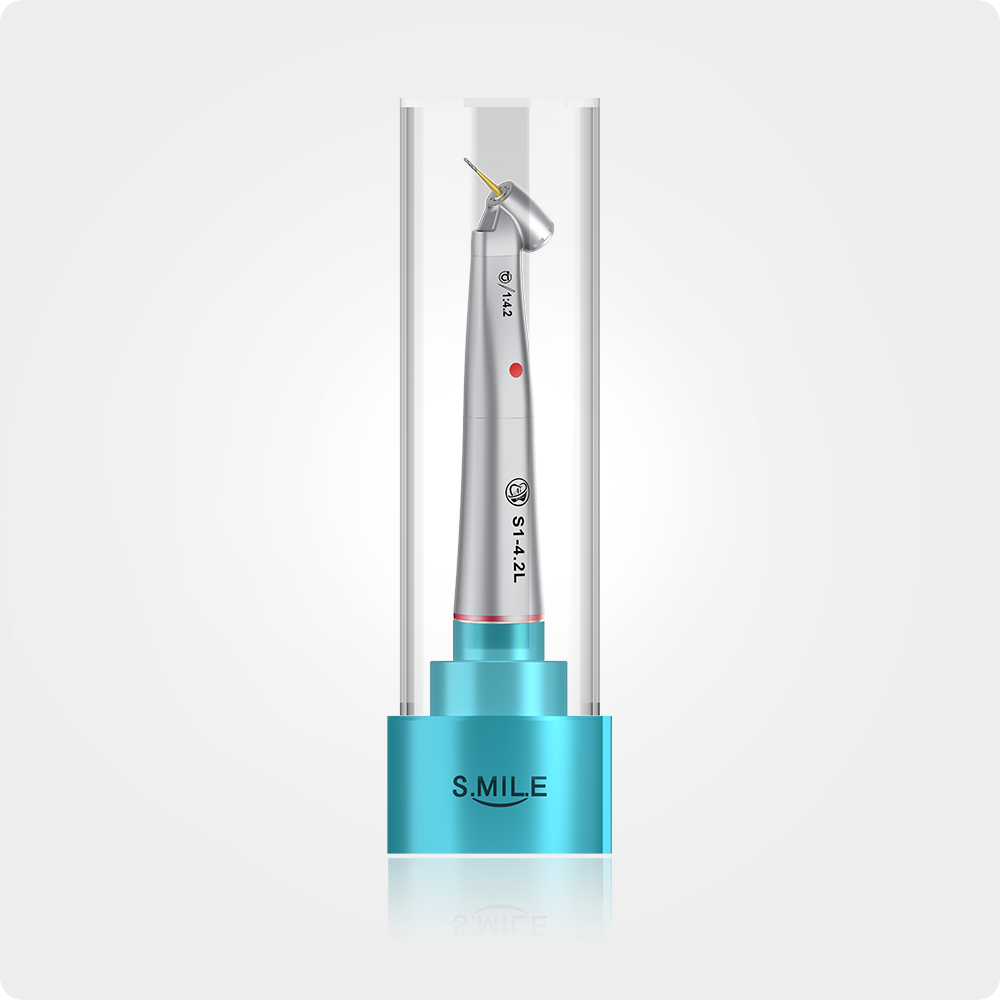
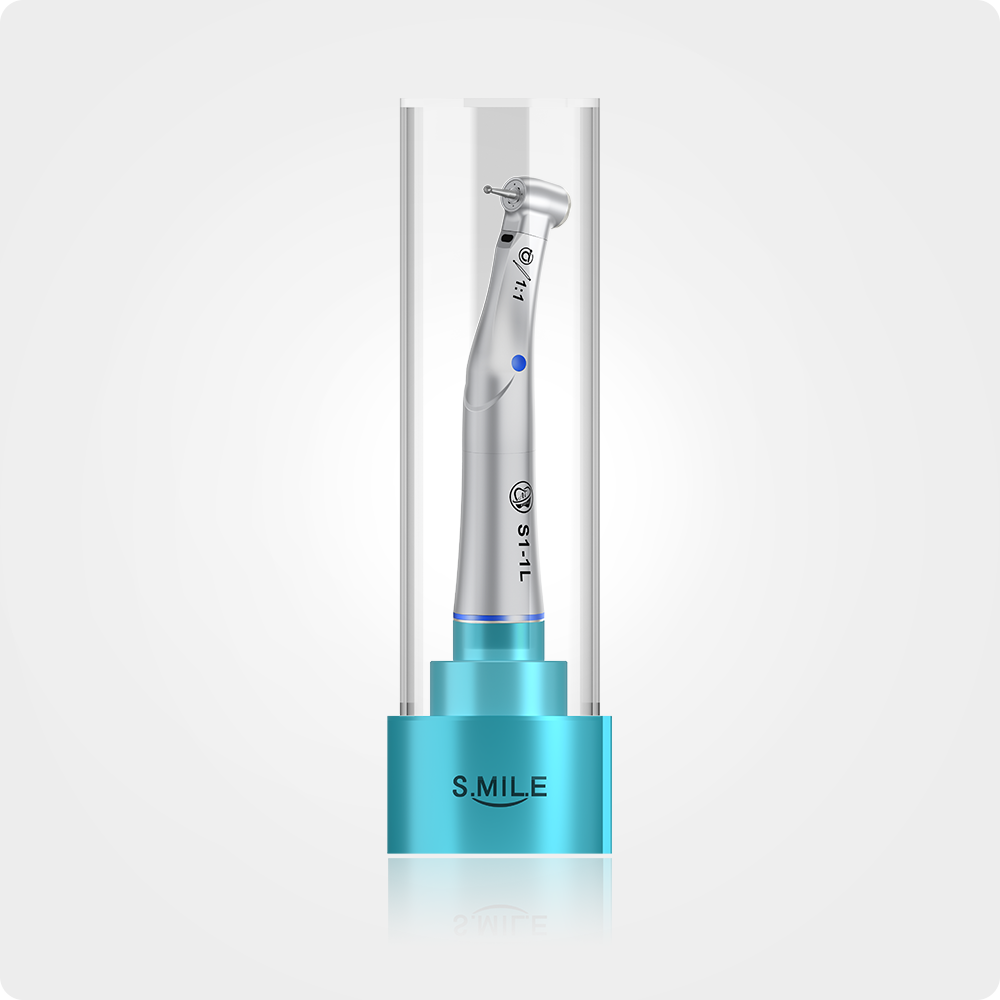
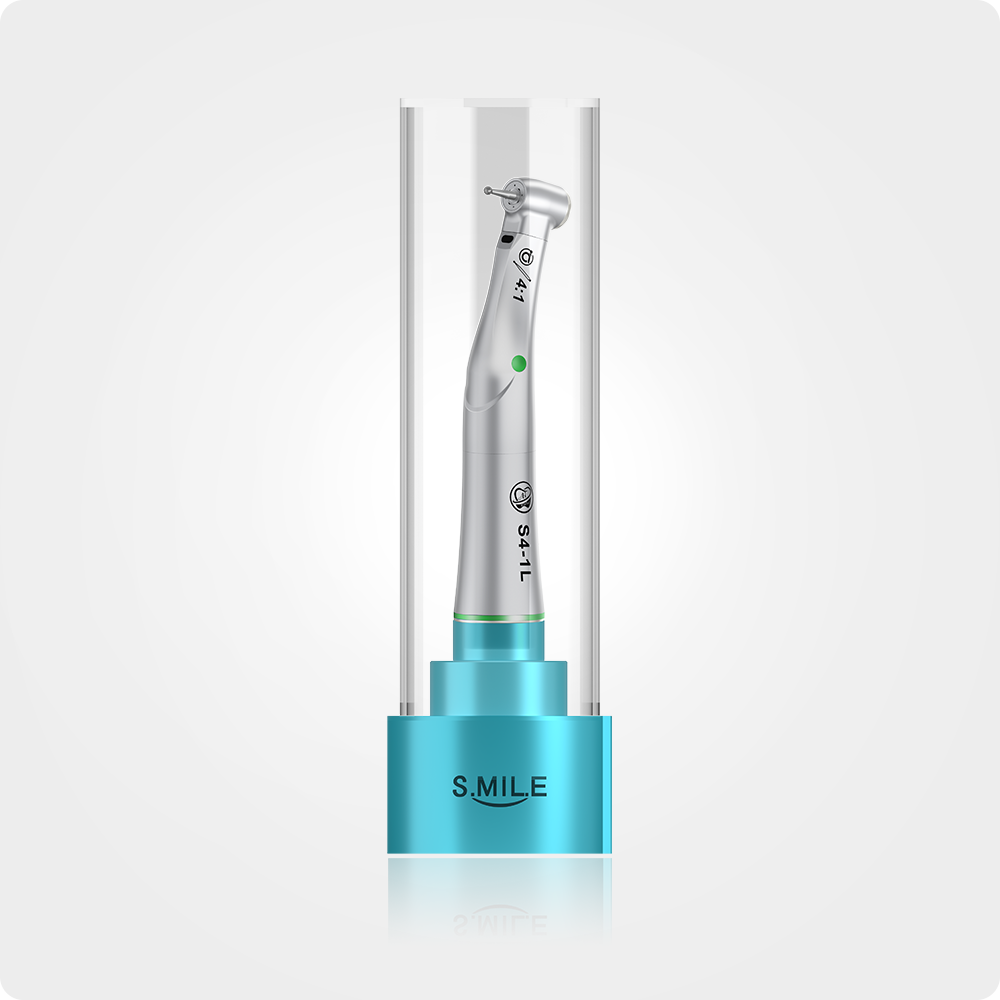
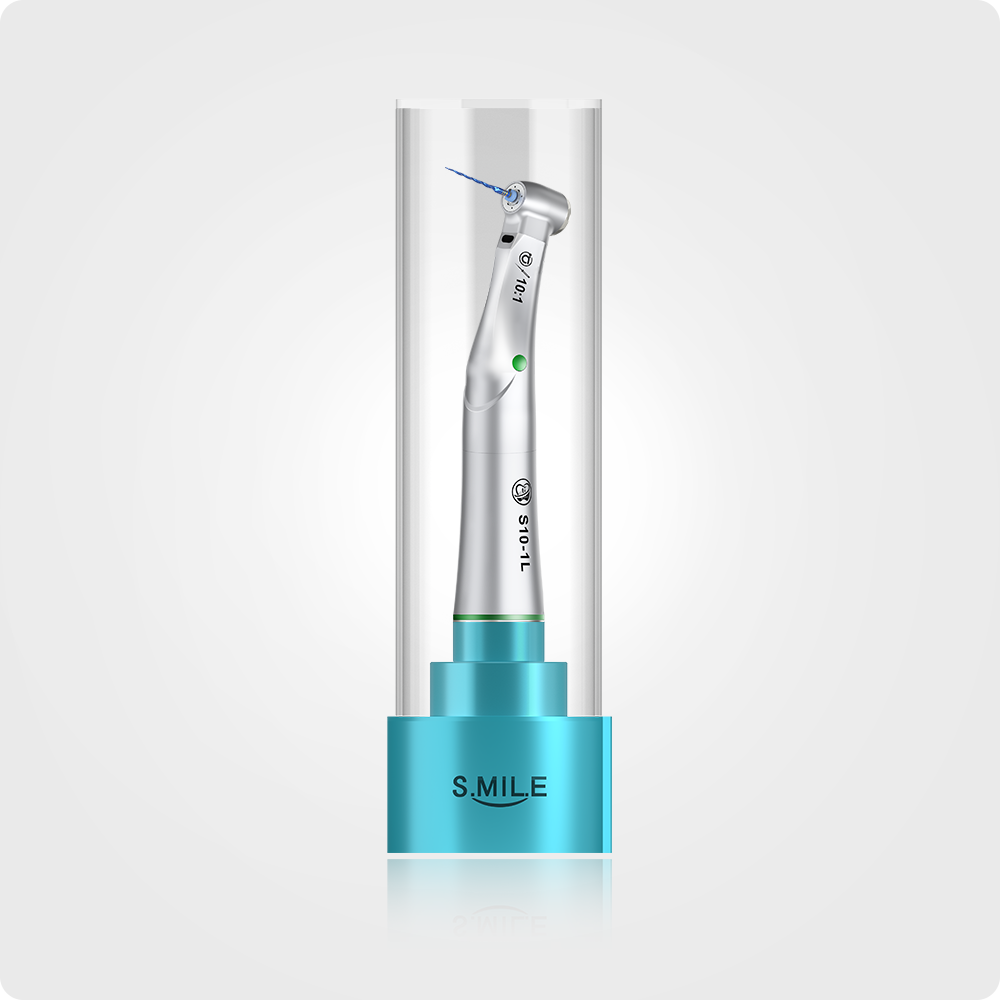
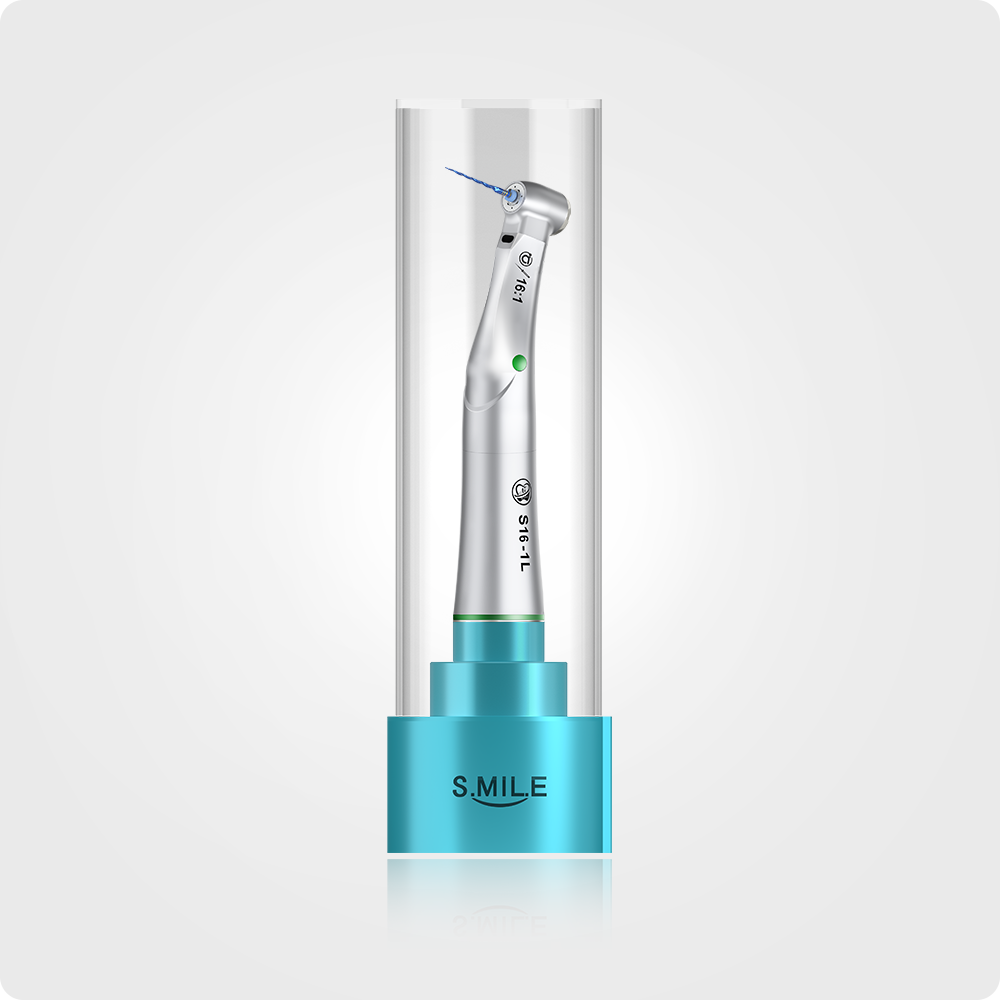
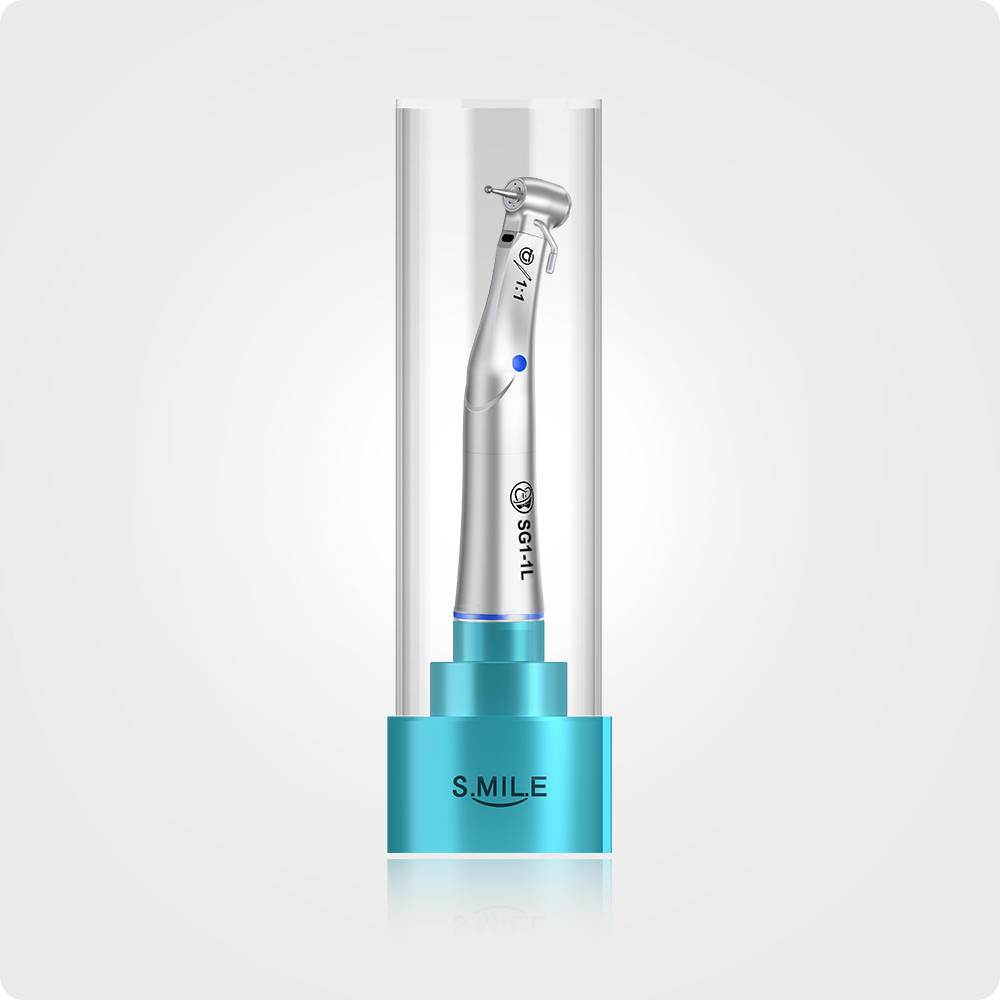
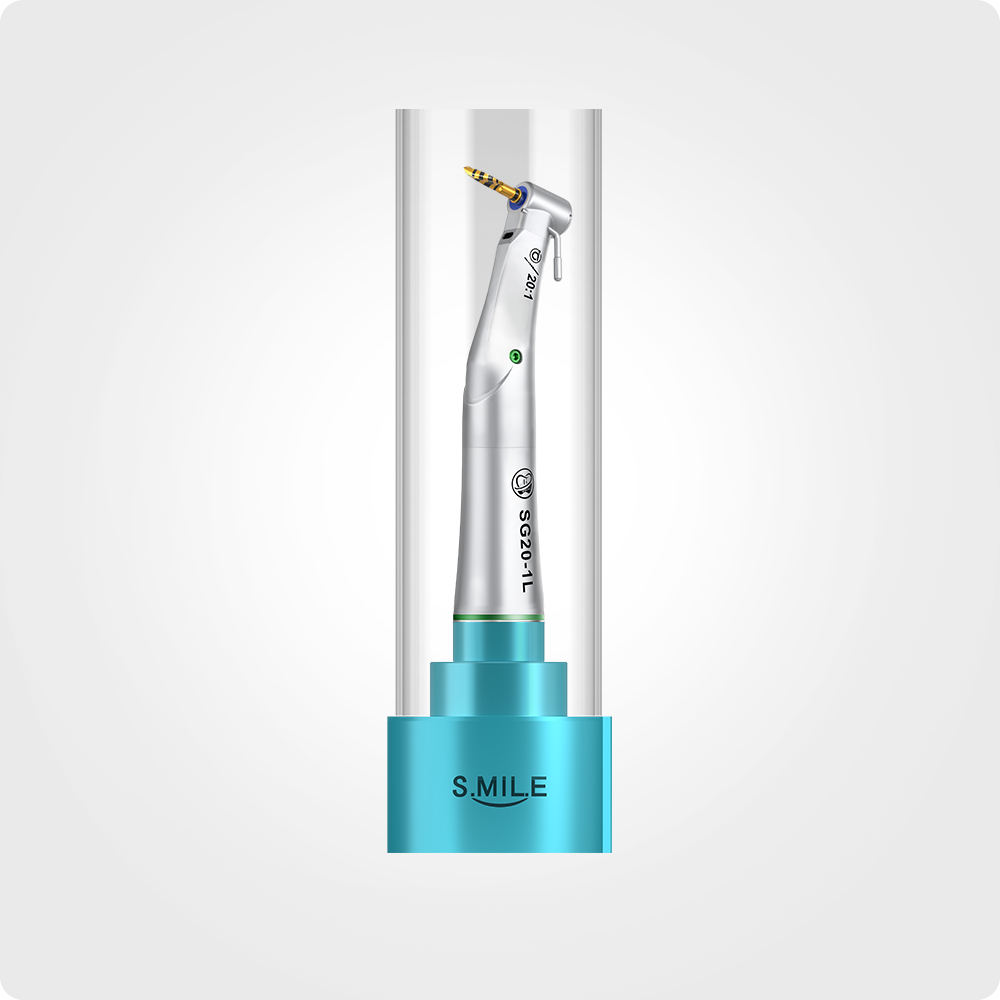
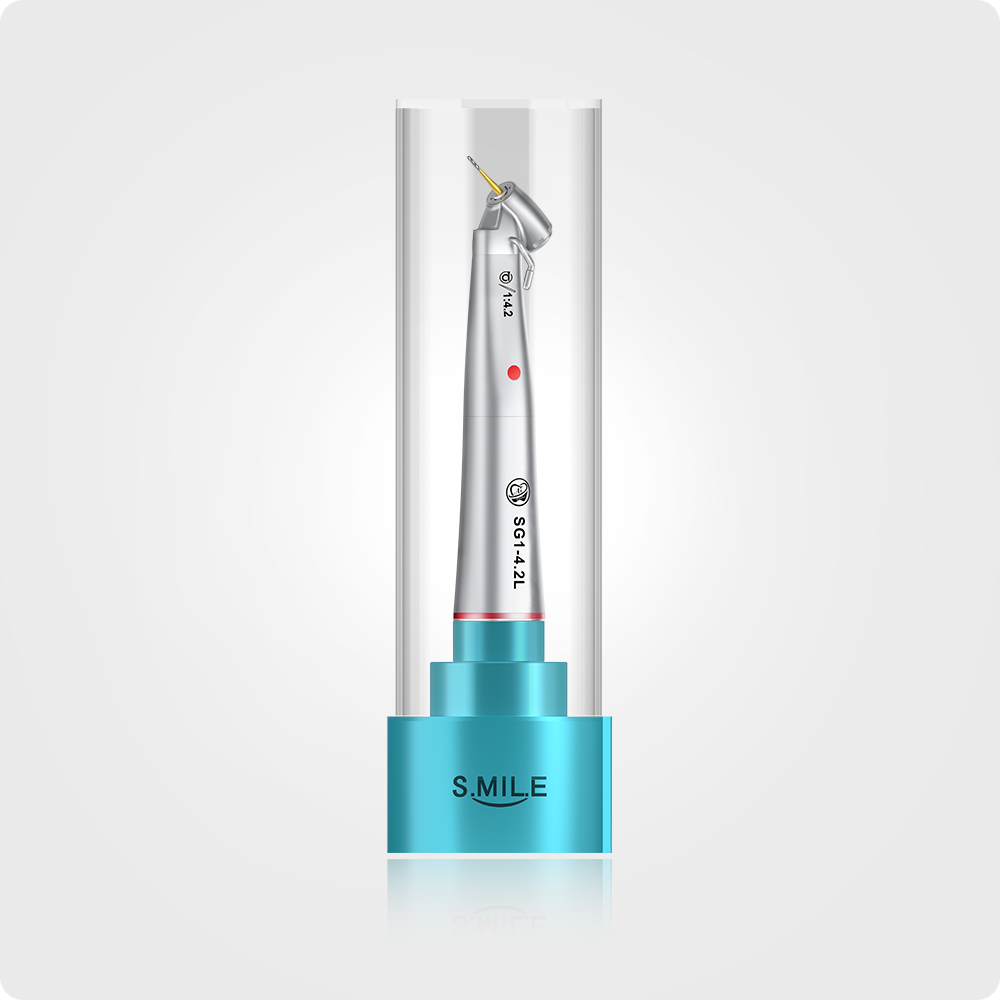
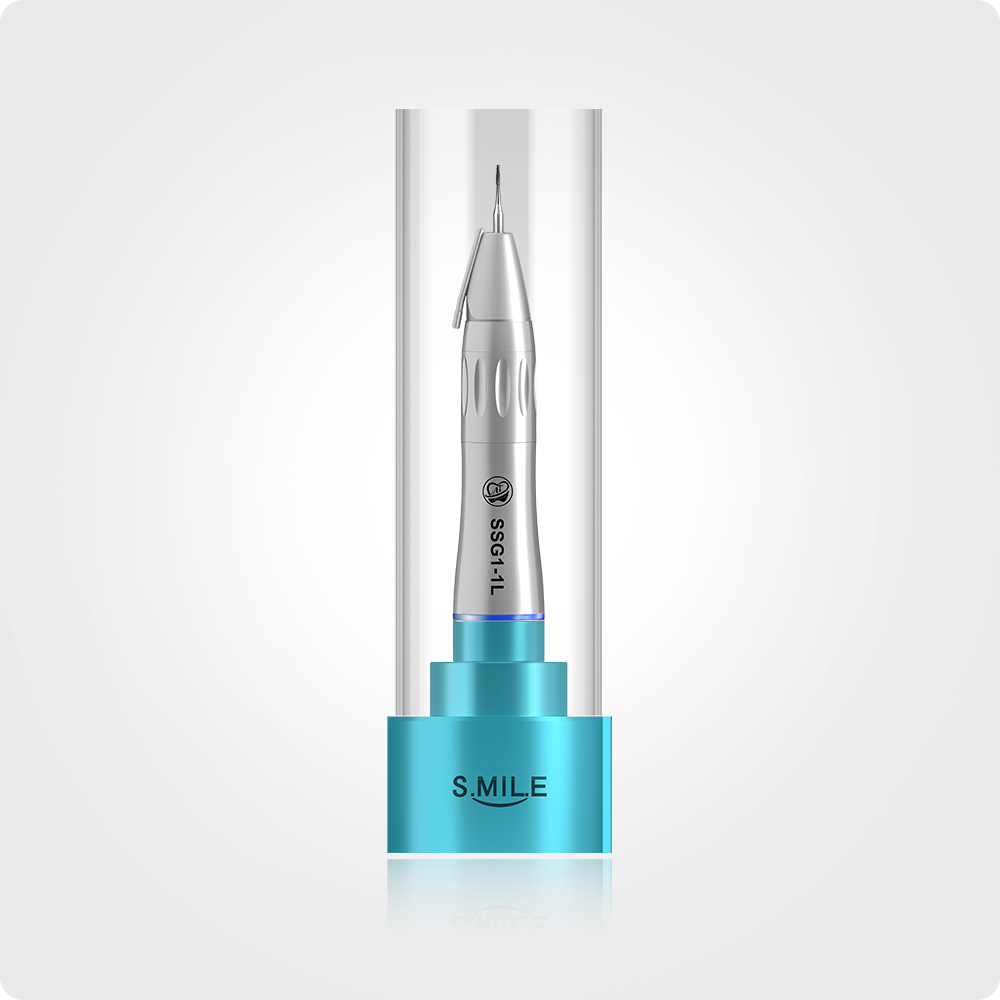
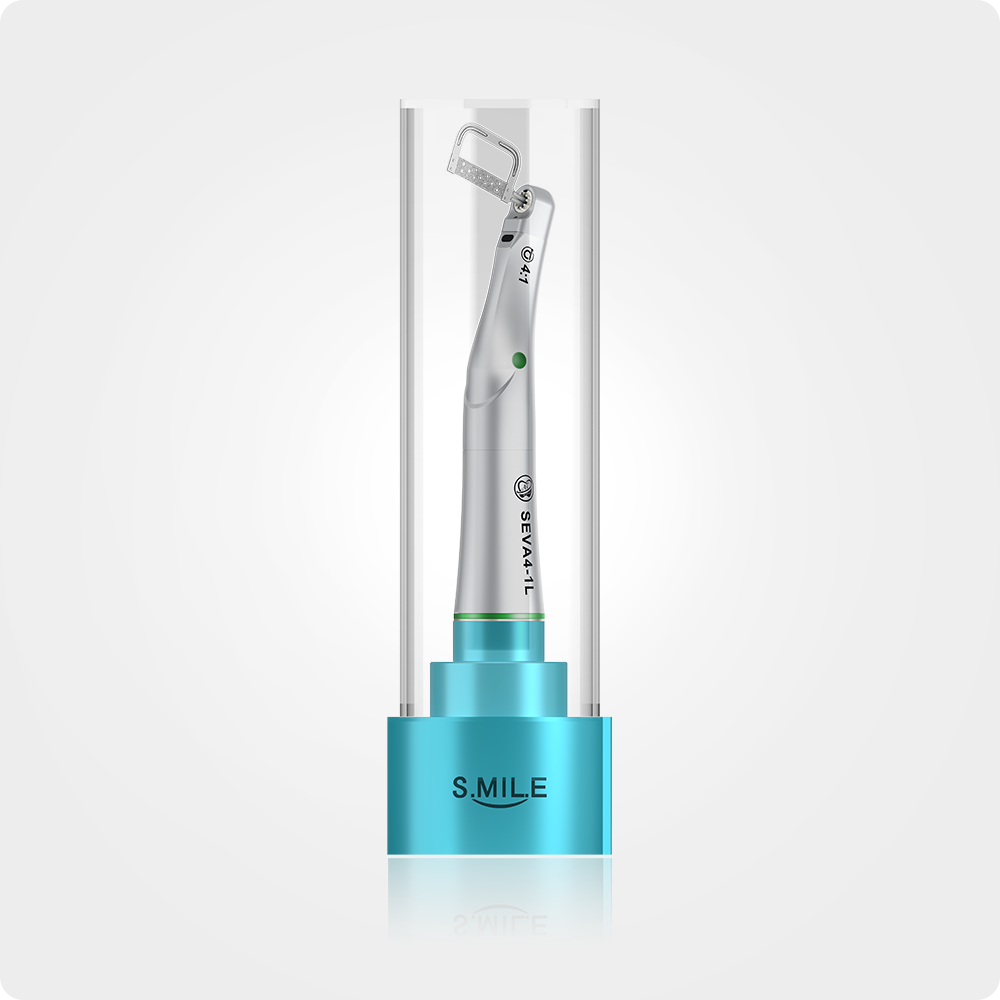
When comparing 1:5 handpieces to other models, such as 1:1 or 1:4 handpieces, several factors come into play:
1. Speed and Efficiency
1:5 handpieces generally operate at higher speeds, making them more efficient for certain procedures like cavity preparation. In contrast, 1:1 handpieces provide a direct drive, offering less speed but potentially more torque for heavy-duty tasks.
2. Versatility in Procedures
While 1:1 handpieces are suitable for certain tasks, 1:5 handpieces excel in versatility, adapting well to a variety of clinical situations, from restorations to aesthetic procedures.
Benefits of Using 1:5 Handpieces
Choosing a 1:5 handpiece over other models brings numerous advantages:
1. Improved Patient Experience
Patients may experience less discomfort due to the reduced noise and vibration levels, leading to a more positive experience during dental visits.
2. Enhanced Precision and Control
The unique gear ratio allows for greater precision, which is critical for complex dental work. Dentists can achieve finer results with less effort.
3. Cost-Effectiveness
While the initial investment may be higher, the durability and efficiency of 1:5 handpieces can lead to cost savings in the long run due to reduced maintenance needs and improved performance.
Application in Dental Practice
1:5 handpieces are versatile instruments used in various dental procedures, including:
1. Cavity Preparation
With their high-speed capabilities, 1:5 handpieces streamline cavity preparation, allowing for quicker procedures and minimizing patient discomfort.
2. Cosmetic Dentistry
In cosmetic applications, precision is key. 1:5 handpieces enable detailed work in enamel shaping and polishing, contributing to aesthetic outcomes.
3. Endodontics
These handpieces are also effective in endodontic procedures, providing the necessary speed and control for cleaning and shaping root canals.
Maintenance and Care
Proper maintenance is essential for ensuring the longevity and performance of 1:5 handpieces:
1. Regular Cleaning
Following each use, it is crucial to clean the handpiece according to the manufacturer’s instructions to prevent buildup and ensure optimal performance.
2. Lubrication
Regular lubrication of moving parts is necessary to maintain functionality and prevent wear over time.
3. Timely Repairs
Addressing any issues promptly can prevent costly repairs or replacements, ensuring that the handpiece remains reliable for dental procedures.
Common Issues and Solutions
While 1:5 handpieces are reliable tools, they can encounter issues. Here are some common problems and their solutions:
1. Decreased Speed
If you notice a decrease in speed, check for blockages in the air ports or inadequate lubrication. Cleaning the handpiece thoroughly often resolves this issue.
2. Unusual Noise
Unusual noises can indicate a misalignment or wear in internal components. Regular maintenance checks can help identify problems before they escalate.
3. Overheating
Overheating can occur from excessive friction or improper lubrication. Ensure that the handpiece is regularly serviced and lubricated as per the manufacturer's recommendations.
Conclusion
In the competitive field of dental practice, choosing the right equipment is essential for delivering high-quality care. **1:5 handpieces stand out** for their precision, efficiency, and versatility. By understanding their unique features and applications, dental professionals can make informed choices that enhance patient outcomes and streamline their practice. Whether for routine procedures or specialized applications, investing in a 1:5 handpiece can be a game changer in dental healthcare.
FAQs
1. What is the primary advantage of using a 1:5 handpiece?
The primary advantage is its high-speed capabilities combined with precise torque control, making it ideal for complex dental procedures.
2. How do 1:5 handpieces compare to electric handpieces?
While both types offer high-speed performance, electric handpieces often provide more consistent torque. However, 1:5 handpieces can be lighter and more ergonomic.
3. What types of burs are compatible with 1:5 handpieces?
1:5 handpieces typically accommodate various bur types, including diamond and carbide burs, enhancing their versatility in different procedures.
4. Can 1:5 handpieces be used for endodontic treatments?
Yes, their precision and speed make them suitable for endodontic treatments, particularly in cleaning and shaping root canals.
5. How often should I service my 1:5 handpiece?
Regular maintenance should be performed after each use, with more thorough servicing recommended at least once a year to ensure optimal performance.
Related News
AI DENTAL Highlights Day 1 at 2026 Rimini Dental Expo-High-Value Smile & AiKO Series
May 15,2026
Focus On Dental Handpieces