











Choosing the Right Electric Micromotor for Your Dental Clinic: A Comprehensive Guide
Sep 20,2026
Views ()

Choosing the Right Electric Micromotor for Your Dental Clinic
Table of Contents
- Understanding Electric Micromotors
- Importance of Electric Micromotors in Dentistry
- Key Features to Consider When Choosing an Electric Micromotor
- Types of Electric Micromotors
- Top Brands and Models of Electric Micromotors
- Maintenance and Care for Electric Micromotors
- Common Issues and Solutions
- Conclusion
- FAQs
Understanding Electric Micromotors
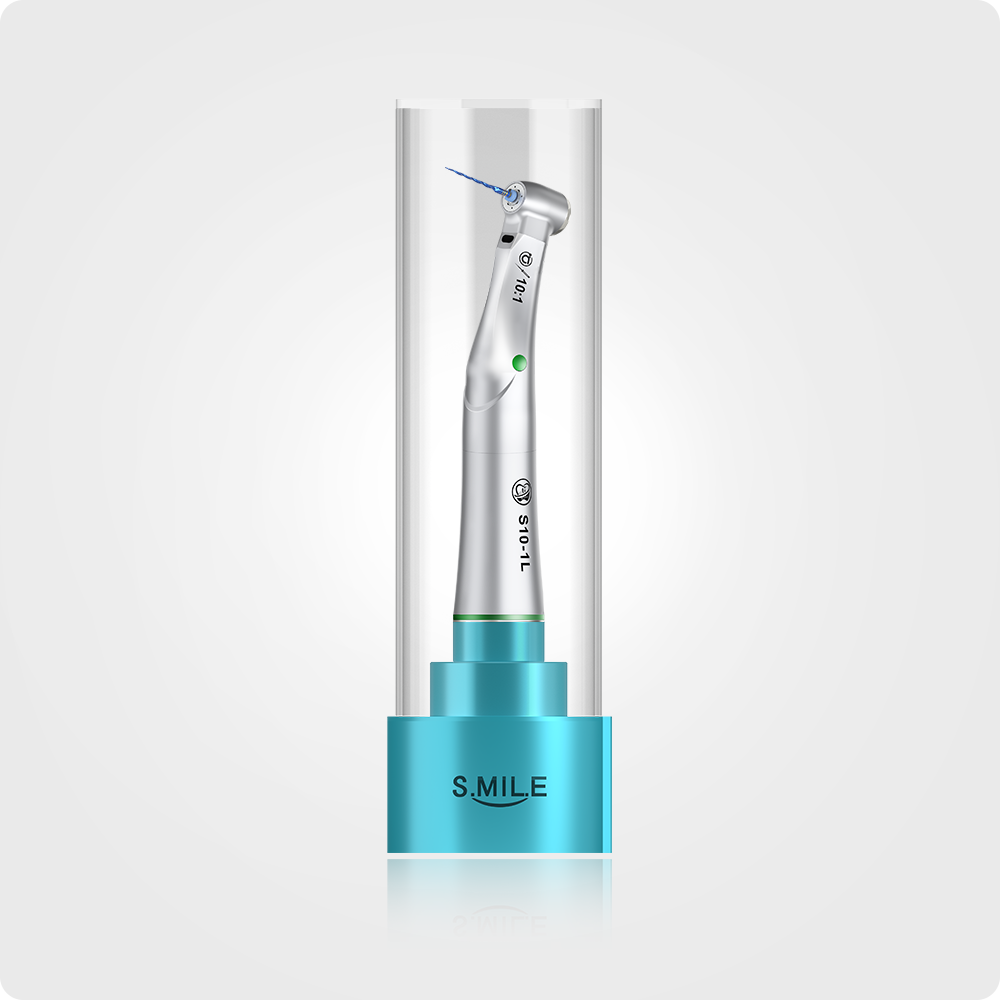
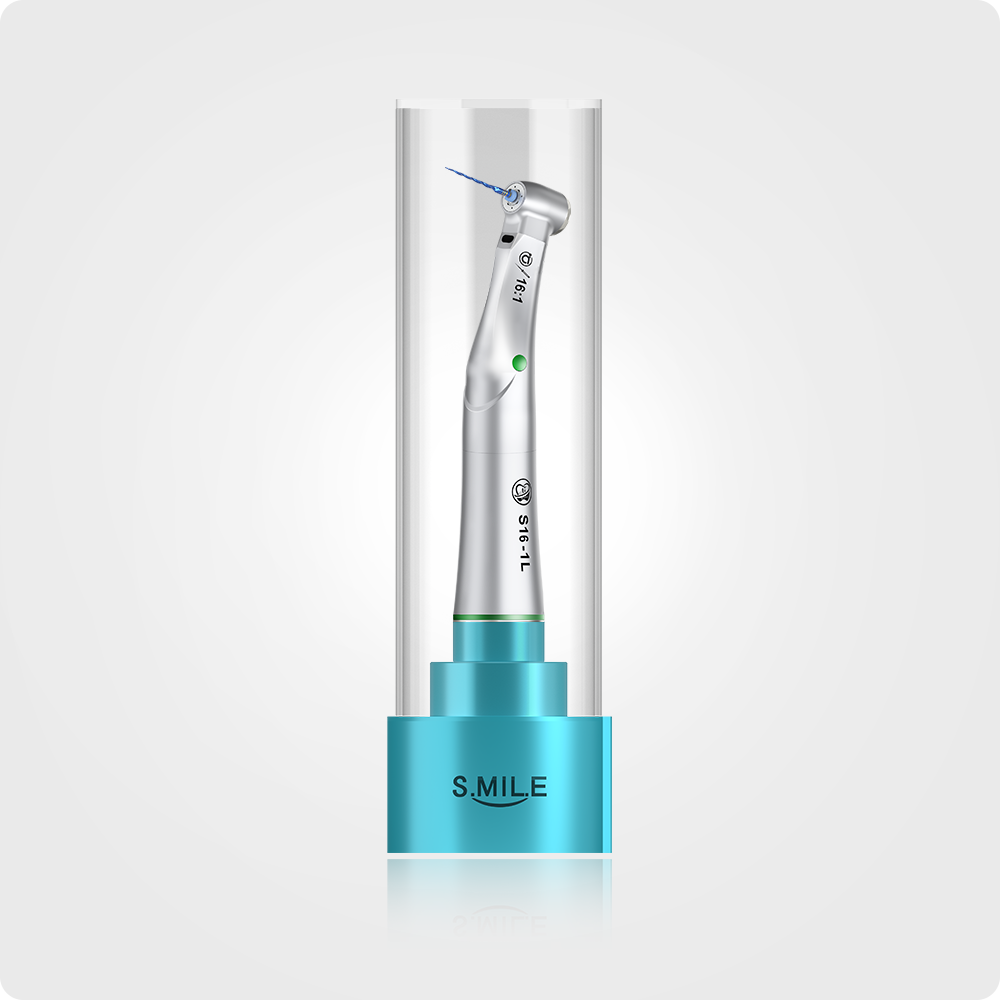
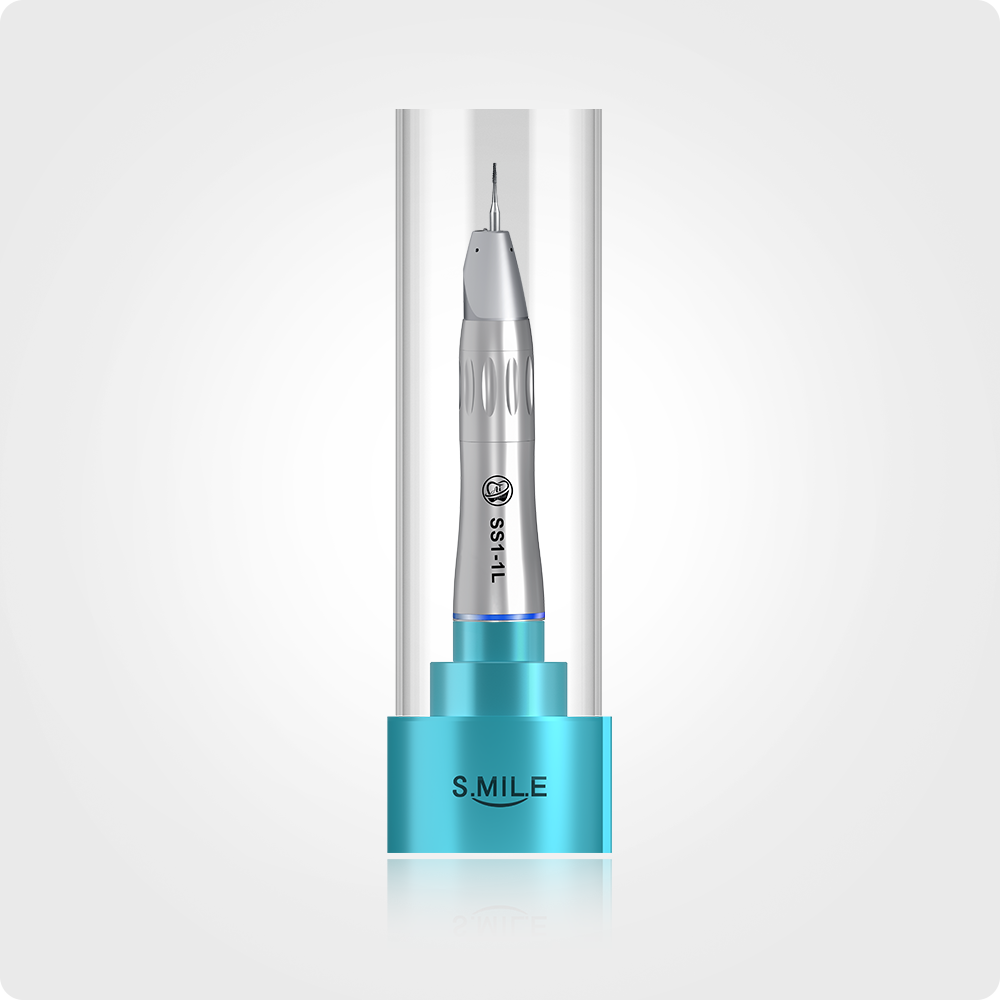
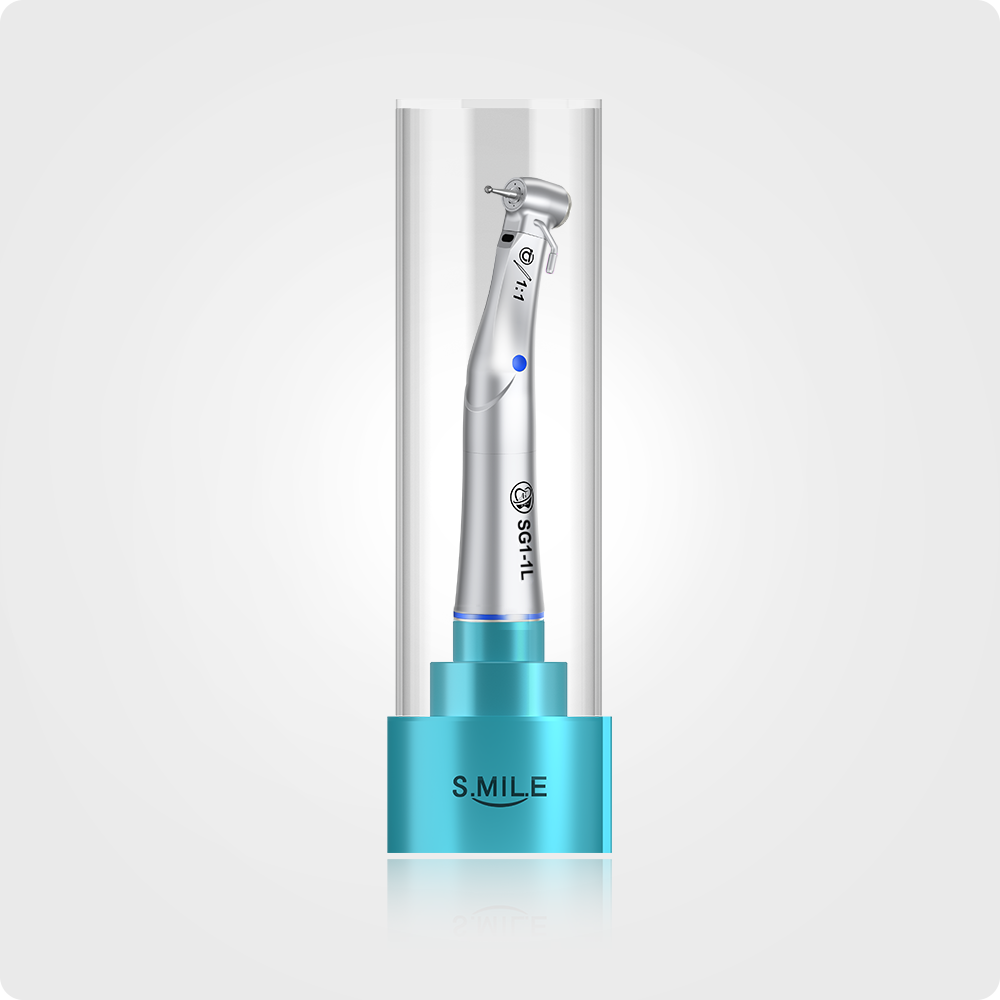
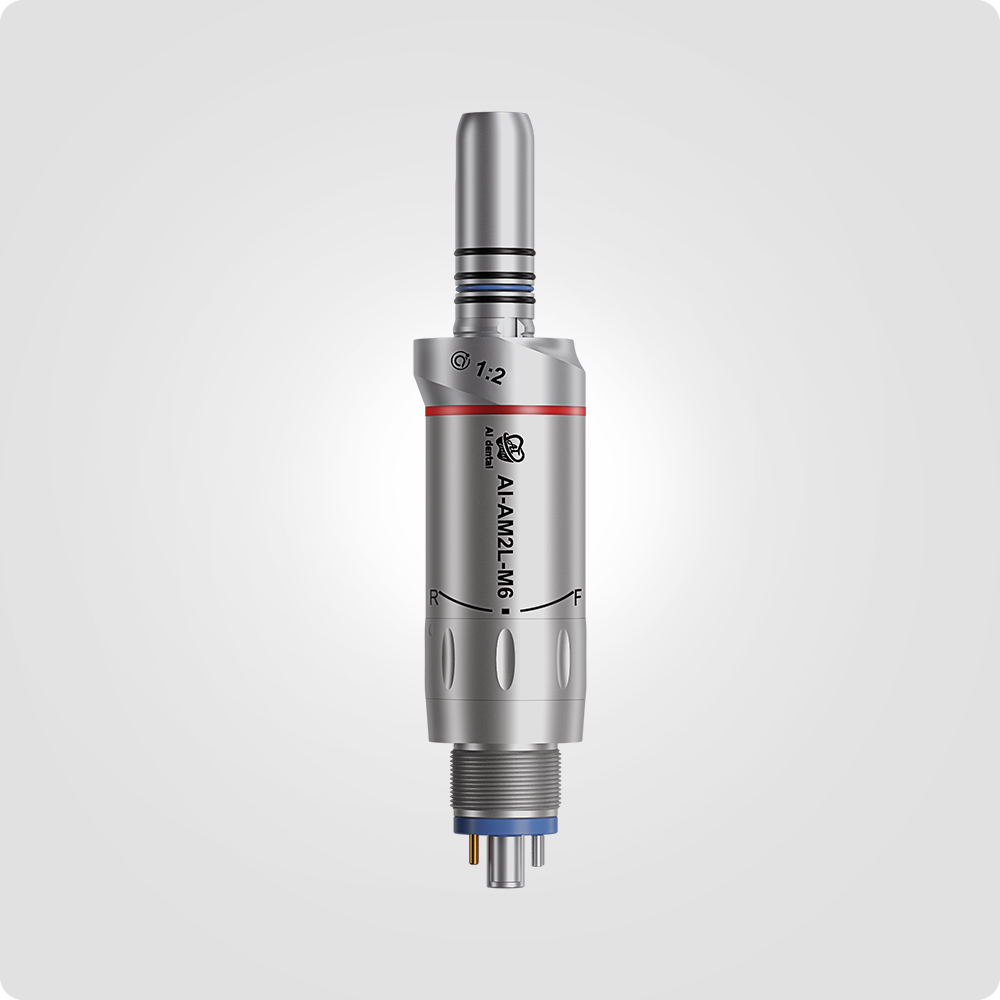
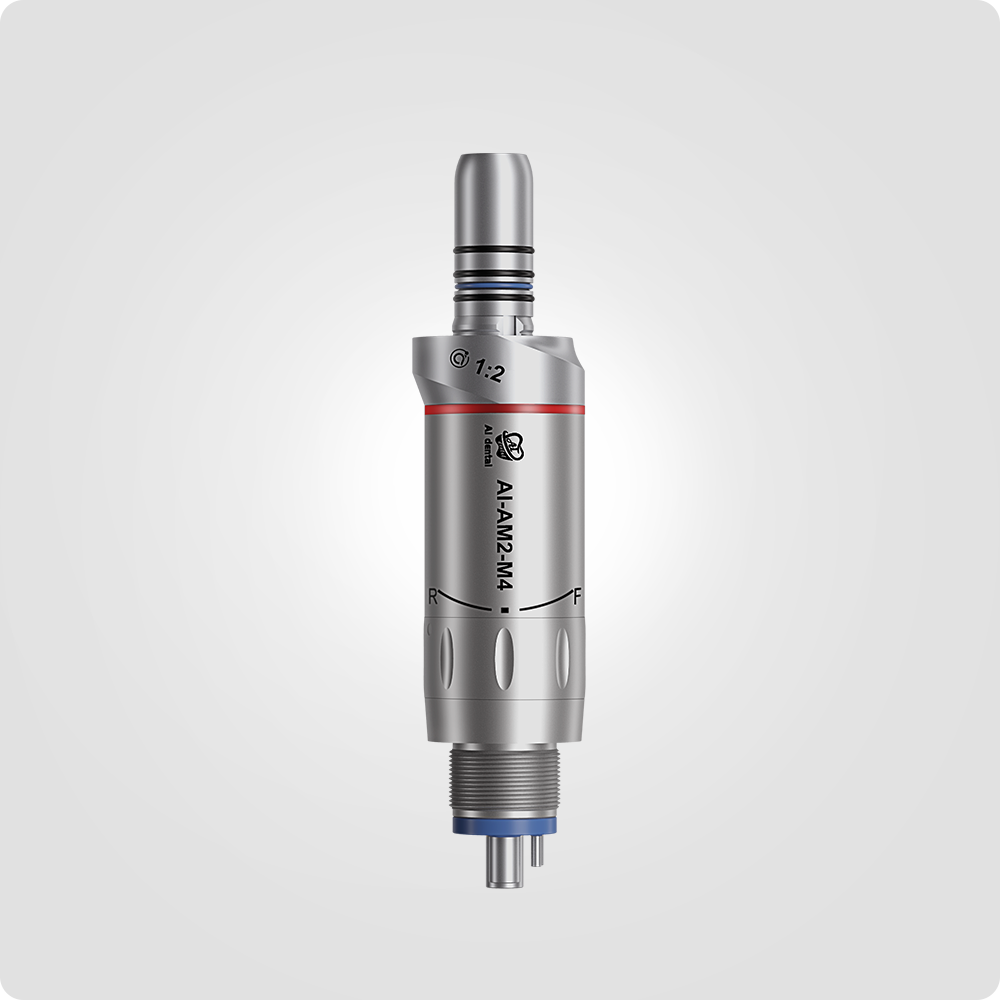
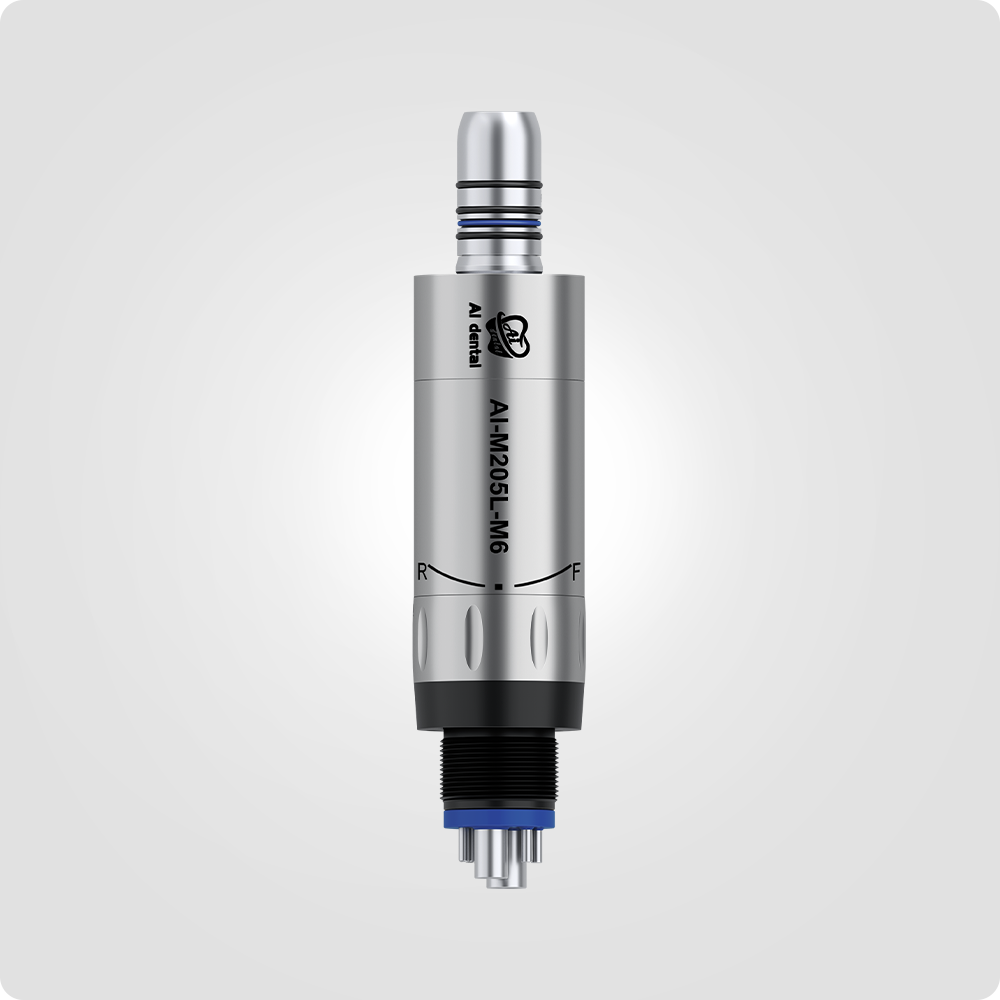
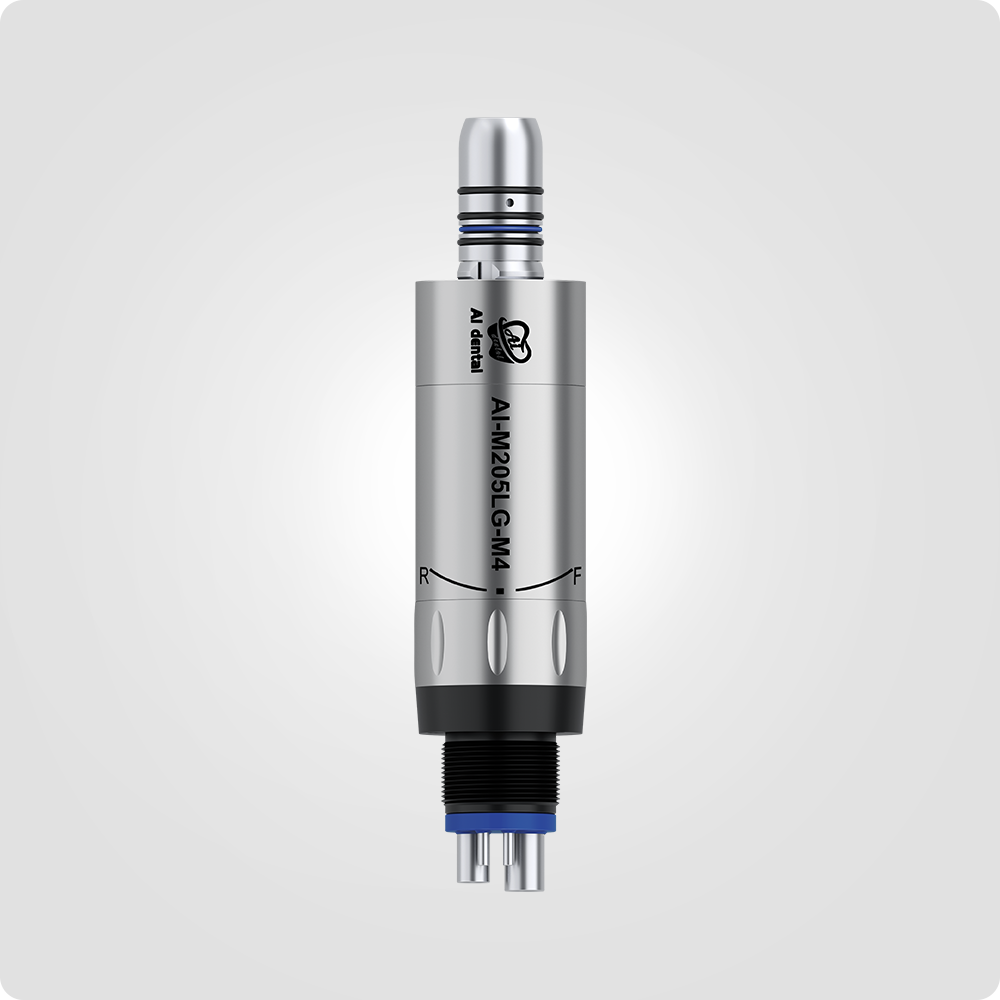
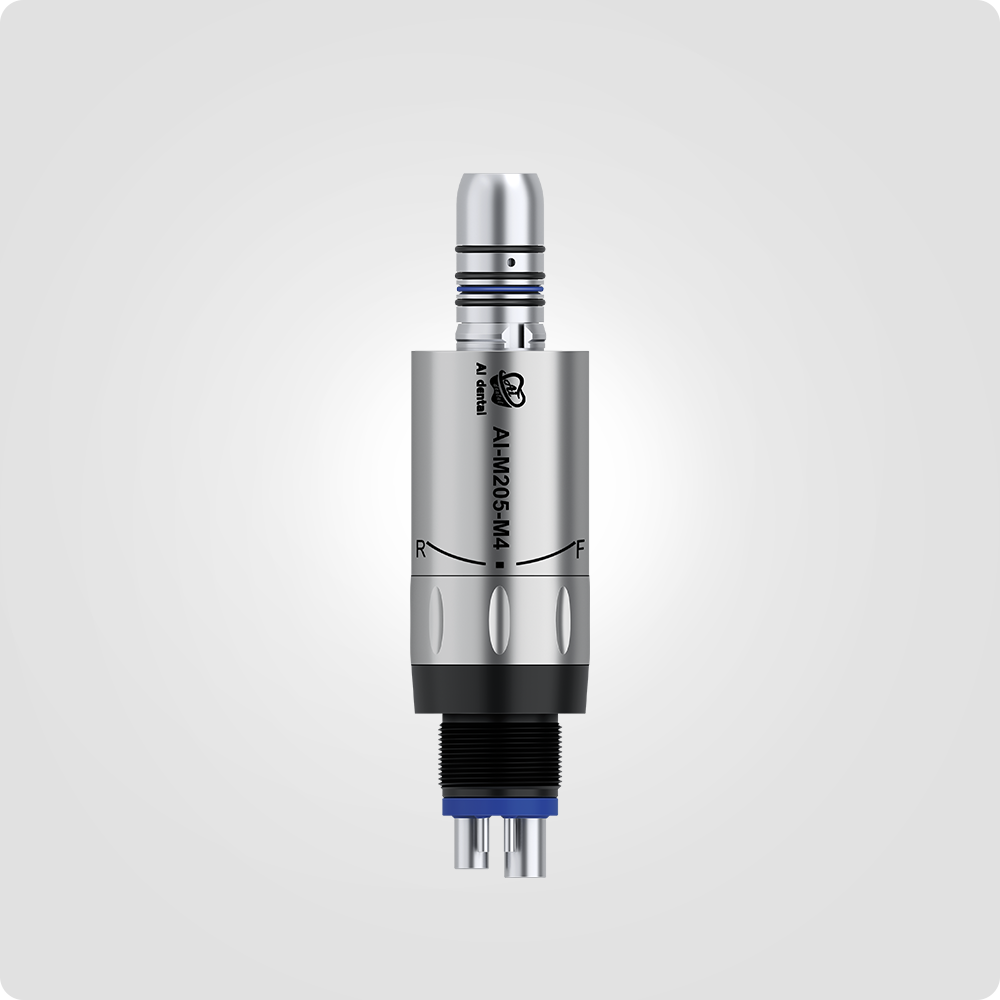
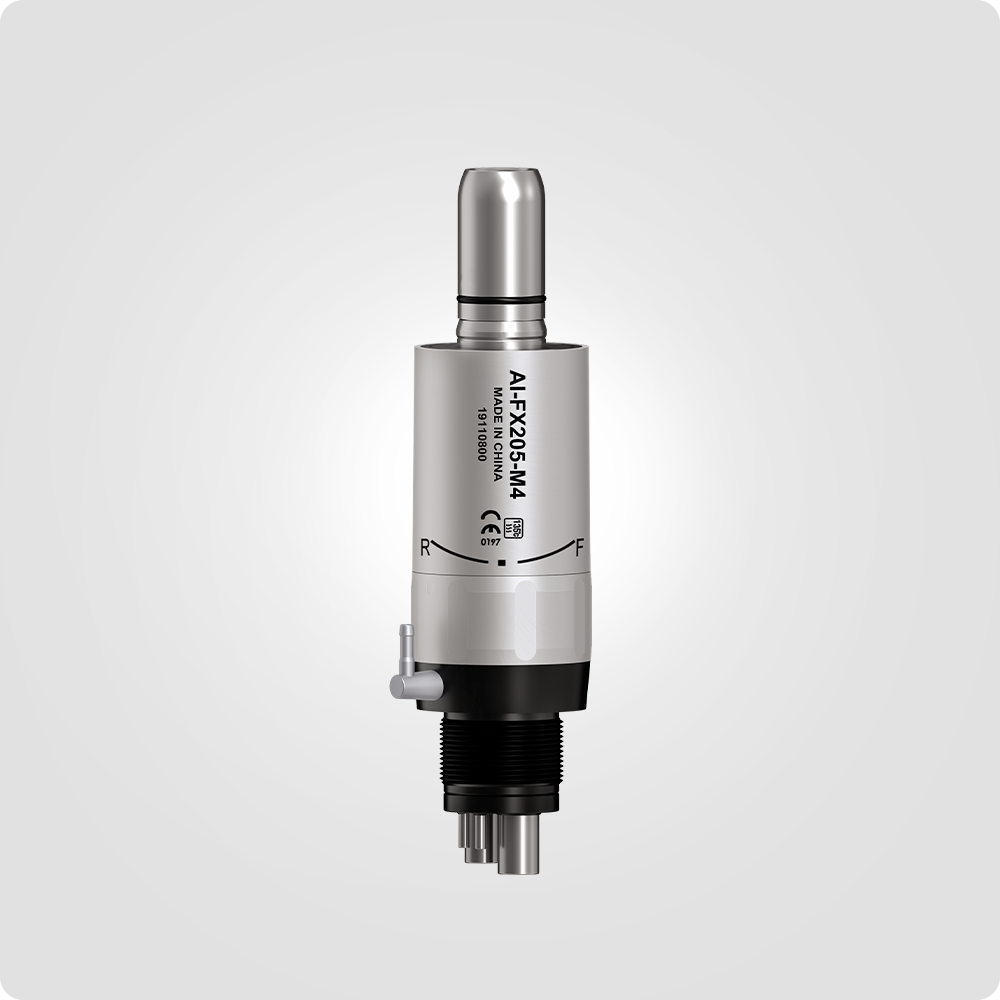
Electric micromotors are essential tools in modern dentistry. These devices are designed to provide precise and efficient rotational power for various dental procedures, including cavity preparation, endodontics, and prosthetic work. Unlike traditional air-driven handpieces, electric micromotors offer consistent torque, speed control, and reduced vibrations, leading to improved performance and patient comfort.
With advancements in technology, electric micromotors are becoming increasingly popular in dental practices. They are capable of accommodating a wide range of attachments and burs, making them versatile tools for various clinical applications.
Importance of Electric Micromotors in Dentistry
The role of electric micromotors in dentistry cannot be overstated. Their significance lies in several key areas:
1. **Precision and Control**: Electric micromotors provide enhanced precision during dental procedures. The ability to adjust speed and torque allows for tailored treatments that cater to the specific needs of each patient.
2. **Reduced Noise and Vibration**: Unlike traditional handpieces, electric micromotors operate quietly and with minimal vibration. This feature not only enhances the patient experience but also reduces fatigue for practitioners during long procedures.
3. **Versatility**: These devices can be used for a broad spectrum of dental tasks, from simple restorative work to complex surgical procedures. The compatibility with various attachments increases their utility in a dental clinic.
4. **Improved Patient Comfort**: The smooth operation of electric micromotors minimizes discomfort during procedures, making visits to the dentist less stressful for patients.
5. **Efficiency**: Electric micromotors can perform procedures more quickly and efficiently, helping to increase productivity in a busy dental practice.
Key Features to Consider When Choosing an Electric Micromotor
When selecting an electric micromotor for your dental clinic, it's crucial to evaluate several features to ensure the device meets your practice's needs:
Speed and Torque Control
Choose a micromotor that offers adjustable speed settings, typically ranging from 0 to 40,000 RPM or higher. The ability to control torque is equally important, especially for procedures that require different levels of force.
Ergonomics and Design
The design of the micromotor should promote comfort and ease of use. Look for lightweight models with ergonomic handpieces that reduce hand fatigue during extended procedures.
Compatibility with Attachments
Ensure that the micromotor is compatible with a wide range of dental attachments, such as handpieces, burs, and contra-angles. This versatility will allow you to adapt the device for various procedures.
Maintenance Requirements
Consider the maintenance requirements of the micromotor. Some models may require more frequent servicing than others. Look for devices with easy-to-clean and maintain components.
Noise Level
A quieter micromotor can significantly enhance the patient experience. Check product specifications for noise level ratings to find a model that operates discreetly.
Types of Electric Micromotors
Understanding the different types of electric micromotors will help you make an informed decision:
Brushless Electric Micromotors
These micromotors are known for their efficiency and longevity. Brushless technology reduces wear and tear, resulting in less maintenance and longer lifespan.
Brushed Electric Micromotors
While generally less expensive, brushed micromotors may require more maintenance due to the wear of brushes. They are still effective for many dental procedures but may not offer the same longevity as brushless models.
Portable vs. Tabletop Models
Consider whether you prefer a portable micromotor that can be easily moved around the clinic or a tabletop model that provides more stability and power. Portable models may be convenient for mobile practices or treatment in various locations.
Top Brands and Models of Electric Micromotors
When it comes to purchasing an electric micromotor, several reputable brands are known for their quality and reliability. Some leading brands include:
1. **KAVO**: Known for its high-performance micromotors, KAVO offers a range of models featuring advanced technology and durability.
2. **NSK**: With a strong reputation in the dental industry, NSK provides innovative electric micromotors that prioritize precision and user comfort.
3. **W&H**: This brand is recognized for its ergonomic design and reliability, making it a popular choice among dental professionals.
4. **Dentsply Sirona**: Dentsply Sirona offers electric micromotors that combine performance with excellent patient comfort, often featuring user-friendly interfaces.
5. **Bien-Air**: Known for its advanced technology, Bien-Air provides micromotors that are both powerful and lightweight, promoting ease of use.
Maintenance and Care for Electric Micromotors
Proper maintenance is essential to ensure the longevity and performance of your electric micromotor. Here are some fundamental tips:
1. **Regular Cleaning**: After each use, clean the micromotor as per the manufacturer's instructions. Regular cleaning prevents the buildup of debris and ensures optimal performance.
2. **Lubrication**: Periodically lubricate the necessary components as specified in the manual. Proper lubrication reduces friction and wear, extending the device's lifespan.
3. **Check for Wear**: Regularly inspect the micromotor and its attachments for signs of wear and tear. Replace any worn-out parts promptly to prevent further damage.
4. **Follow Manufacturer Guidelines**: Always adhere to the maintenance guidelines provided by the manufacturer. This will help avoid voiding warranties and ensure that the micromotor remains in peak condition.
Common Issues and Solutions
Like any dental equipment, electric micromotors may encounter issues. Here are some common problems and their solutions:
Loss of Power
If the micromotor suddenly loses power, check the connection to the power supply and ensure that the handpiece is securely attached. Inspect for any visible damage that may affect performance.
Overheating
Overheating can occur due to excessive use without adequate breaks. Allow the device to cool down periodically, and ensure proper ventilation during use.
Inconsistent Speed
If the micromotor does not maintain consistent speed, check the settings and ensure that the attachments are correctly fitted. Additionally, ensure that the device is not worn out and requires servicing.
Conclusion
Choosing the right electric micromotor for your dental clinic is a crucial decision that can significantly impact patient care and efficiency in your practice. By considering the key features, types, and maintenance requirements, as well as the reputable brands available, you can make an informed choice that meets your specific needs. A well-chosen electric micromotor not only enhances your procedural capabilities but also contributes to a more comfortable experience for your patients, ultimately elevating the quality of care you provide.
FAQs
1. What is the average lifespan of an electric micromotor?
The lifespan of an electric micromotor can vary based on usage and maintenance but typically ranges from 5 to 10 years with proper care.
2. Can I use any handpiece with my electric micromotor?
No, it is essential to use handpieces that are compatible with your specific electric micromotor model to ensure optimal performance.
3. How often should I perform maintenance on my electric micromotor?
Maintenance should be performed after every use, with deep cleaning and servicing scheduled according to the manufacturer's recommendations, typically every 6 to 12 months.
4. Are electric micromotors more expensive than traditional handpieces?
While electric micromotors may have a higher upfront cost, they often provide long-term savings through efficiency, durability, and reduced maintenance costs.
5. What should I do if my electric micromotor is not functioning correctly?
If your micromotor is experiencing issues, consult the user manual for troubleshooting tips. If problems persist, contact the manufacturer for support or consider professional servicing.
Related News
The Future of Dentistry: How AI Dental Handpieces are Revolutionizing Oral Care
Sep 22,2026
Views ()
Choosing the Right Electric Micromotor for Your Dental Clinic: A Comprehensive Guide
Sep 20,2026
Views ()
Focus On Dental Handpieces